
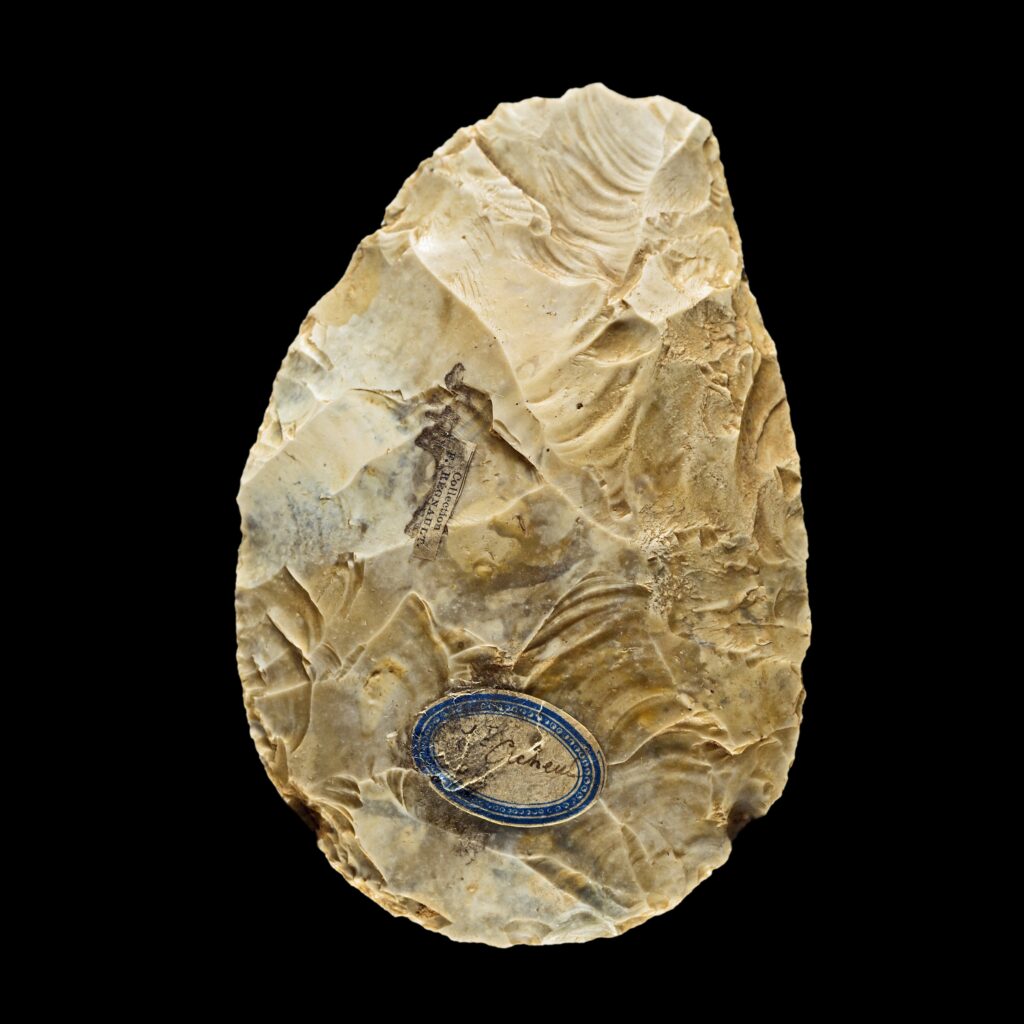
Imagine waking up one morning to find that almost everything you thought you knew about human origins had just shifted a little to the left. That is what Stone Age discoveries keep doing to anthropology: quietly, steadily, sometimes shockingly rewriting the human story. Every chipped stone, every fragment of bone, every faint trace of pigment is like a puzzle piece that was missing for tens or even hundreds of thousands of years.
What makes these finds so gripping is that they are not just about distant, anonymous ancestors. They are about us: how we came to think, love, fight, cooperate, and dream the way we do now. When I first really dove into Stone Age research, I was stunned by how modern so many “prehistoric” behaviors felt. Once you see what people were already capable of in the deep past, you stop asking when humans became “advanced” and start wondering why we ever thought they were simple in the first place.
1. The First Oldowan Tools: Rethinking What It Means To Be Human
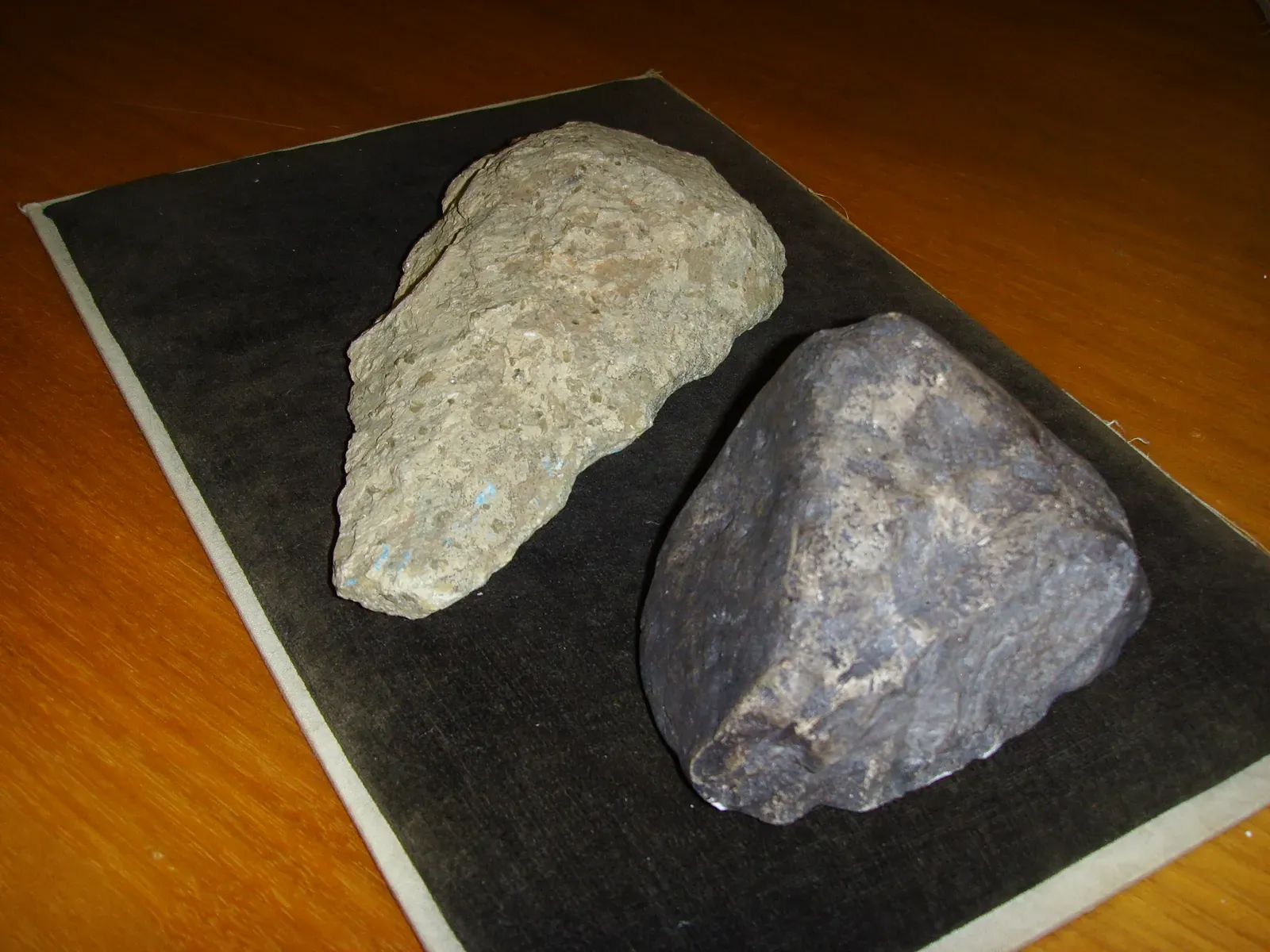
One of the most quietly revolutionary discoveries in anthropology was the identification of Oldowan stone tools, some dating back more than two and a half million years in East Africa. At first glance, they look like nothing special: a few rocks with sharp edges, a handful of flakes chipped away with deliberate blows. But those sharp edges tell a radical story, because they show that very early members of the human lineage deliberately reshaped their environment instead of just adapting to it.
The real shock came when researchers realized that these tools likely predate our own species by a very long stretch and might not have been made by Homo sapiens or even by Homo erectus. That forces us to admit that the spark for planning, foresight, and technological thinking arose much earlier and in humbler bodies than we once believed. I find it strangely moving that some of the most important “inventions” in human history are basically just broken rocks, yet without that first strike of stone on stone, everything from smartphones to spacecraft would be unthinkable.
2. Acheulean Handaxes: The Stone Age Swiss Army Knife
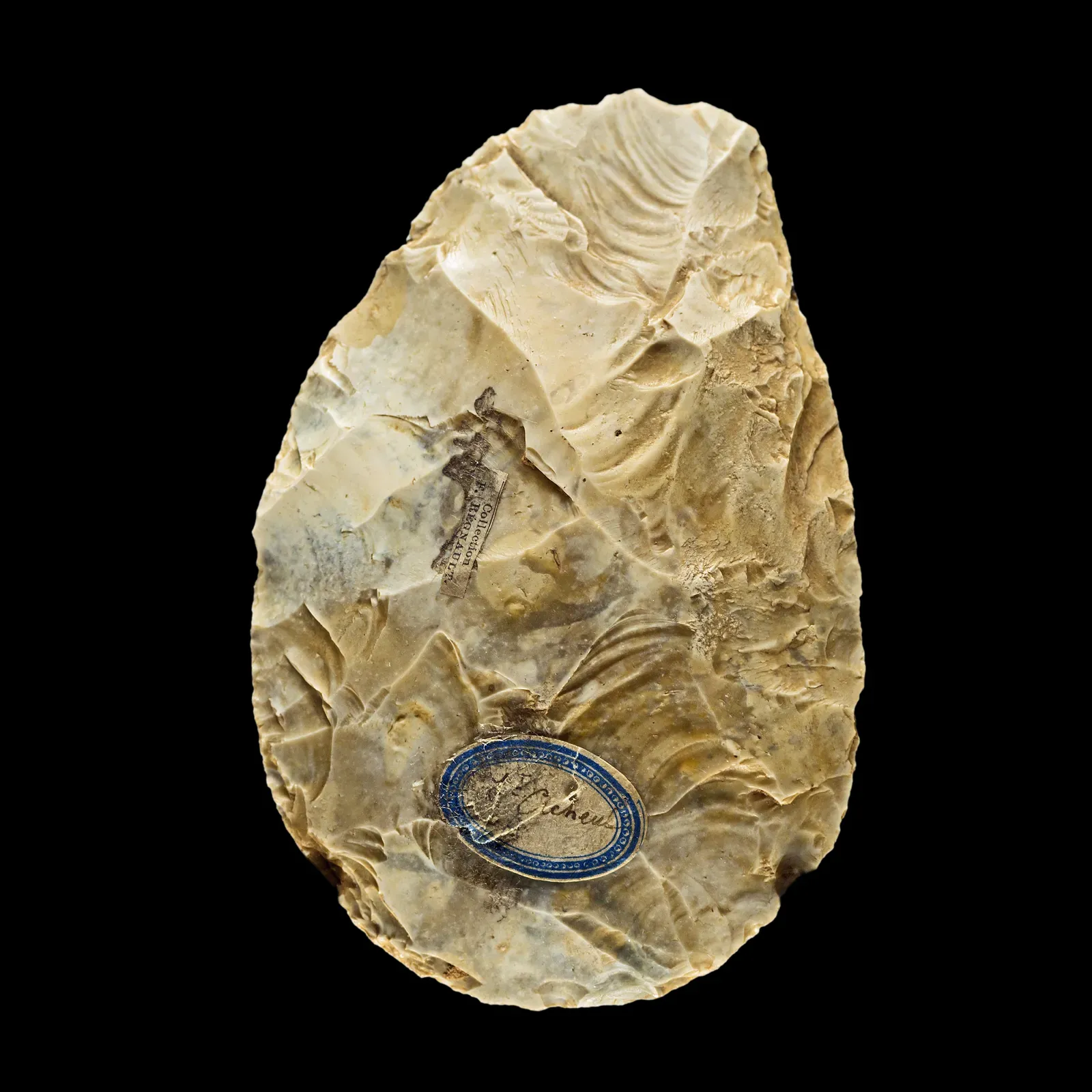
If Oldowan tools were the first tentative steps, Acheulean handaxes were the Stone Age equivalent of a design revolution. Found across Africa, Europe, and parts of Asia, these carefully symmetrical, teardrop-shaped tools started appearing roughly about one and a half million years ago and stayed in use for an astonishingly long time. That persistence alone is a statement: whatever our ancestors were doing with them, it worked so well that entire species kept copying the same idea for hundreds of thousands of years.
What really challenges anthropologists, though, is how cognitively demanding these tools seem to be. To turn a rough rock into a finely shaped handaxe, you have to hold a mental image of the final product in your mind and remove flakes in a controlled sequence. That implies planning, teaching, and probably a rich tradition of skill passed between generations. When I look at pictures of these handaxes, I can’t help seeing them as an early form of aesthetic sense too: many are so beautifully shaped that calling them just “tools” feels a bit like calling a violin just a piece of wood.
3. Early Burials: The Birth Of Meaning, Grief, And Ritual
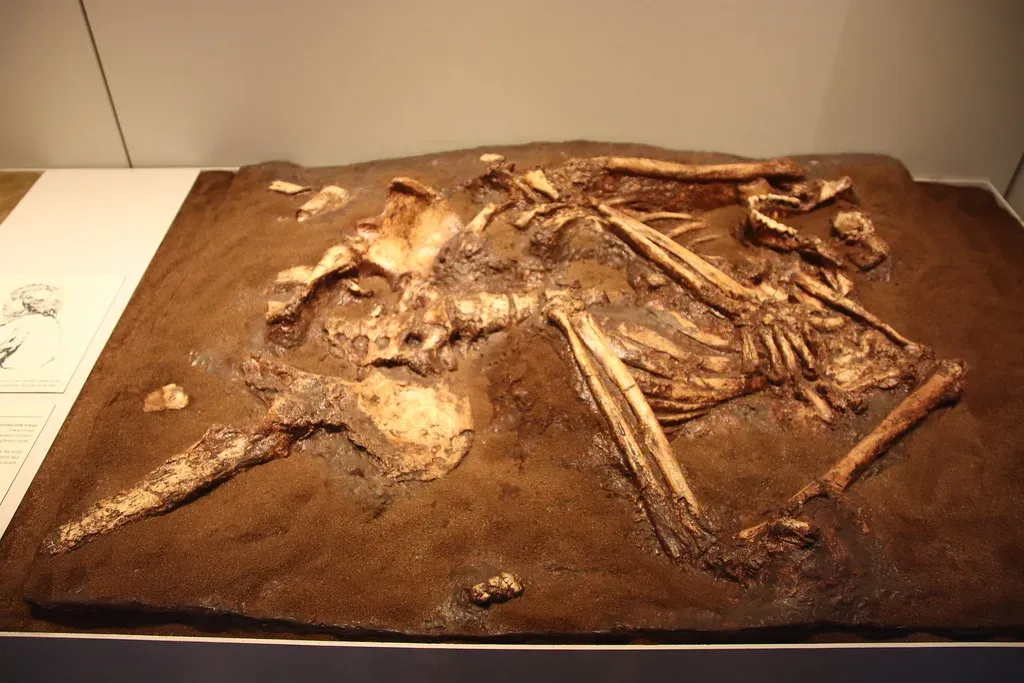
At some point in the Stone Age, people started doing something incredibly strange from a biological point of view: they began carefully burying their dead. Instead of leaving bodies to decay where they fell, groups dug shallow graves, sometimes arranging bones or placing the dead in specific positions. In a few sites, there are hints of grave goods or special treatment, suggesting that death was no longer just the end of a body, but a moment that needed to be marked and handled with care.
For anthropology, those early burials are like a doorway into the inner lives of ancient humans. They hint at emotions strong enough to disrupt the brutal efficiency of survival: grief, memory, maybe even emerging ideas about souls or an afterlife. You do not go to the trouble of burying someone unless they mattered to you in a way that goes beyond calories, safety, or genetics. Whenever I read about those early graves, I cannot help picturing people standing silently around them, feeling something heartbreakingly familiar across tens of thousands of years.
4. Cave Art And Portable Art: The Surprise Of Ice Age Creativity
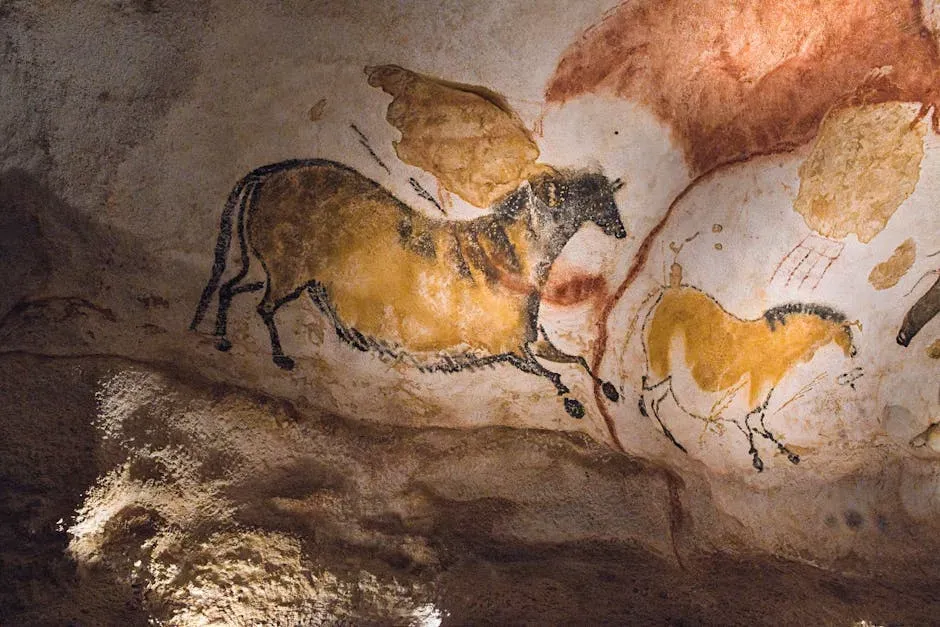
Few Stone Age discoveries have gripped the public imagination like the paintings and engravings found deep in caves across Europe, Africa, and beyond. Scenes of animals, dotted patterns, hand stencils, and symbolic shapes show up on rock walls that were once lit only by flickering firelight. These images tell us that by at least tens of thousands of years ago, humans were not only surviving harsh Ice Age environments but also taking the time to decorate, to symbolize, and probably to tell stories.
Alongside cave art came portable objects carved from bone, antler, and stone: small figurines, decorated tools, abstract motifs etched into surfaces. Anthropologists argue passionately about what these images meant, but almost everyone agrees on this: they show complex symbolic thought. I remember the first time I saw high-resolution images of Paleolithic cave art; it felt like encountering ancient graphic designers and storytellers. The animals are dynamic, the compositions thoughtful. It is hard not to feel a jolt of recognition, as if someone from a hundred generations ago just tapped you on the shoulder and whispered, “We saw the world this way too.”
5. Early Use Of Pigments And Personal Ornaments: The First Fashion And Identity Statements
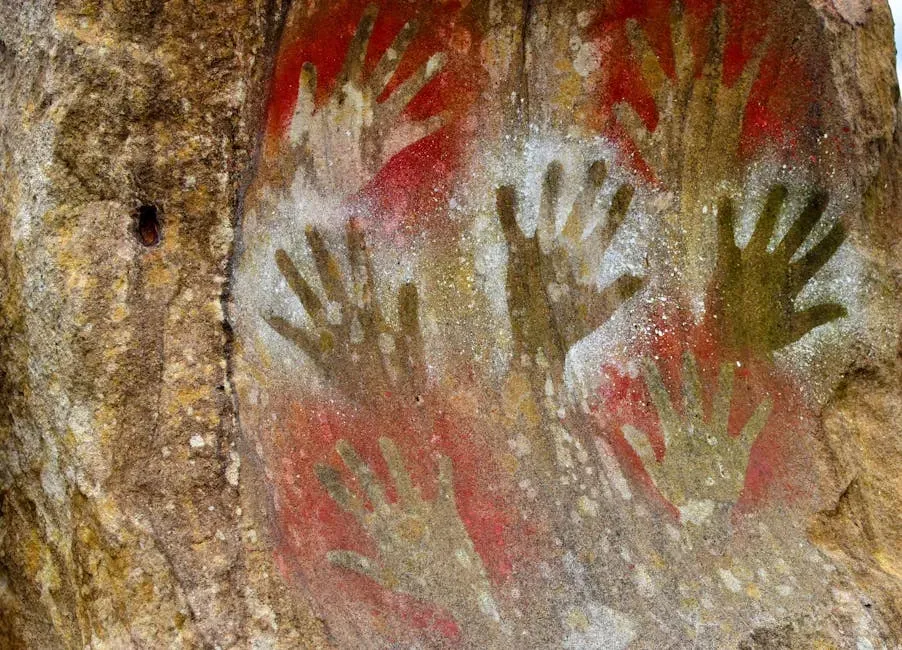
Long before fully developed art scenes in caves, people were collecting pigments like ochre and using them to color objects, tools, and very likely their own bodies. There are Stone Age sites where chunks of ochre show clear grinding marks, suggesting that these minerals were processed deliberately for their color. Combine that with the discovery of pierced shells, beads, and other small ornaments, and a vivid picture starts to emerge: people were decorating themselves, signaling group membership, status, or just personal style.
For anthropology, these early pigments and ornaments are not shallow details; they are evidence that our ancestors cared about how they appeared to others and about invisible, shared meanings. A necklace made of shells or teeth is not going to feed you or warm you, but it might tell everyone in your group something about who you are. In a way, these objects are the first “profiles,” early prototypes of all the ways we use fashion and symbols today to say, “This is me, this is us, this is what we belong to.” I find it oddly comforting that even in a harsh Ice Age landscape, people still made room for a little flair.
6. Ancient DNA From Neanderthals And Denisovans: A Genetic Plot Twist
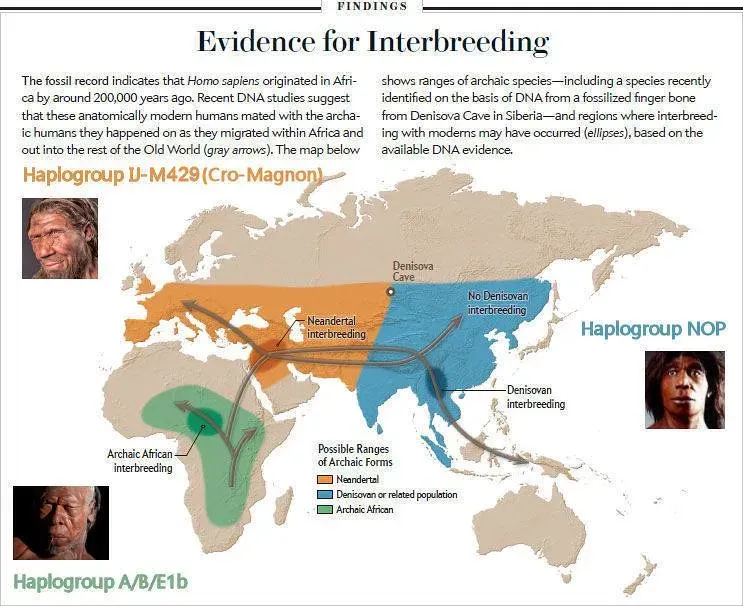
There was a time when Neanderthals were treated as a kind of evolutionary dead end, a separate, somewhat clumsy cousin who vanished without leaving a trace. Then, ancient DNA exploded that story. By extracting genetic material from Neanderthal and later Denisovan fossils, scientists discovered that many people alive today carry traces of these ancient relatives in their genomes. In other words, they are not just “them” in the distant past; they are part of us.
This genetic revolution has completely reshaped how anthropology thinks about species boundaries, human migration, and what it means to be “modern.” Instead of a clean, one-way replacement of archaic humans by Homo sapiens, we are now looking at a messy, intertwined family tree, full of branching, merging, and interbreeding. To me, that is far more interesting and honest than the old neat diagrams we used to see. It suggests that humanity has always been a conversation, not a single, straight line marching toward some imaginary finish point.
7. Early Long-Distance Migrations: The Global Ambition Of Stone Age People

One of the most underrated Stone Age discoveries is not a single artifact but a pattern: evidence that humans and their close relatives repeatedly moved into new, often harsh environments across the planet. From the first expansions out of Africa to early occupations of cold northern latitudes, tropical islands, and remote landscapes, archaeology keeps turning up proof that people were pushing the limits of where a primate should reasonably be able to live. This was not a timid, slow creep; in many cases, it looks more like a bold leap.
These long-distance migrations forced anthropologists to abandon old stereotypes of Stone Age groups as small, static bands clinging passively to one place. Instead, we see navigators, planners, and risk takers who were willing to cross water, mountains, and deserts using nothing but stone tools, fire, and social cooperation. Honestly, when I think about someone in the deep past deciding to paddle toward a barely visible island with no guarantee of what was there, it feels more daring than any modern space mission. It reminds me that restlessness, curiosity, and the urge to see what lies beyond the horizon are not modern quirks but ancient, defining traits.
Conclusion: Why These Stone Age Discoveries Still Matter
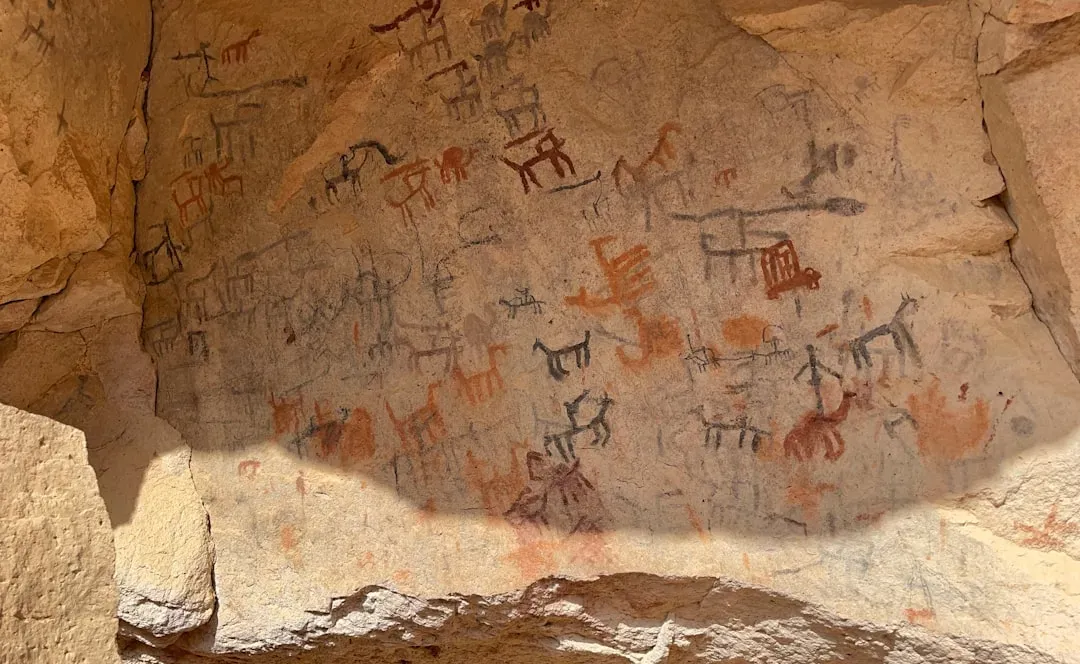
Looking across these discoveries, a pattern jumps out: every time we uncover something new from the Stone Age, it makes our ancestors look more capable, more emotional, and more complicated than we assumed. Oldowan flakes dismantle the idea that technology is uniquely modern, handaxes showcase long-term planning and craft, burials reveal tenderness and ritual, and art and ornaments expose a hunger for meaning and identity. Ancient DNA and evidence of bold migrations, meanwhile, show that our family story is wilder, more tangled, and more collaborative than the tidy textbook narratives many of us grew up with.
My own opinion is that anthropology has been too cautious, for too long, about admitting just how early the roots of “modern” humanity truly go. The safe, conservative view is to constantly push complex behavior closer to the present, but the evidence keeps dragging it back into deeper time. To me, the honest conclusion is that Stone Age people were already recognizably human in the ways that matter most: they loved, mourned, experimented, decorated, and took terrifying risks. When you realize that, the gap between us and them starts to feel surprisingly thin. The real question is not when they finally became like us, but whether we are living up to the courage and creativity they showed first – do you think we are?