Ever notice how you automatically scan a room when you enter it? How about that weird urge to hoard free stuff you don’t actually need? These seemingly random behaviors are echoes from a very distant past. Your modern brain is still running on ancient software, coded by thousands of years of evolution.
Deep within your core neural circuits, particularly in the basal brain, survive your most basic drives related to reproduction, territory, survival, and feeding, along with fundamental responses like fight and flight. These primal mechanisms don’t just disappear because you live in a city now. They shape everyday choices, reactions, and patterns you probably never even question.
You Constantly Check Your Phone for Updates

That compulsive need to refresh social media for the tenth time in an hour isn’t just modern addiction. Compulsive phone checking is really an ancient vigilance system repurposed for the twenty-first century. Think about it like this: your ancestors who constantly scanned their environment for threats or opportunities had better survival odds than those who zoned out.
Ancient humans had to pay attention to predators and prey to avoid danger and find food. Today, instead of watching for predators in the grass, you’re watching for notifications on a screen. The mechanism is identical, honestly. Your brain treats social information and potential threats with the same urgency it once reserved for survival scenarios, which is why ignoring that notification feels almost physically uncomfortable.
You Reflexively Jump at Sudden Noises

The startle reflex is one of the fastest reactions the human body can produce, and in ancient environments, milliseconds mattered. Spilling coffee because your cat knocked something over might seem embarrassing, yet it’s evidence of an elite early warning system that kept your ancestors alive.
A rustle in the grass might be the difference between nothing to worry about and a predator about to pounce. Humans with quick reflexes passed on their genes, simple as that. Even though modern threats look like doorbells, coworkers, and dropped keys, your nervous system is still primed for danger and will happily launch you into fight or flight mode over a bread tag if it thinks necessary.
You Hoard Things You Don’t Actually Need

Hoarding taps into a prehistoric scarcity mindset where if resources might disappear tomorrow, you hold onto everything today. That drawer full of plastic bags, those hotel toiletries you’ll never use, or the seventeen reusable water bottles you’ve collected aren’t signs you’re messy. They’re remnants of survival programming.
Research shows that humans are more likely to keep objects when stressed or uncertain, mirroring ancestral survival strategies in unstable environments. The instinct to protect what’s ours stems from our need for security, and we want to hold onto what we have because it makes us feel safe. Let’s be real, your ancestors who stockpiled resources during good times survived the lean periods, while those who didn’t, well, they didn’t make it into your family tree.
You Procrastinate Until the Last Possible Moment

Here’s a controversial take: procrastination isn’t laziness. The instinct to conserve energy until action is unavoidable helped our ancestors avoid charging into situations they weren’t prepared for, and today the danger is a spreadsheet rather than a predator, but our brains treat looming deadlines with the same escalating urgency, and when the threat becomes unavoidable, adrenaline kicks in and productivity spikes.
Your brain is essentially doing prehistoric risk assessment, though it sounds absurd when you’re binge watching instead of starting a project. We’re driven to want more and better things because of our instinct to plan for long term survival, like how an ancient human might have enough food to last until the end of the week. The energy conservation strategy that once helped humans survive now manifests as deadline driven work patterns.
You Feel Uncomfortable Being Alone for Extended Periods
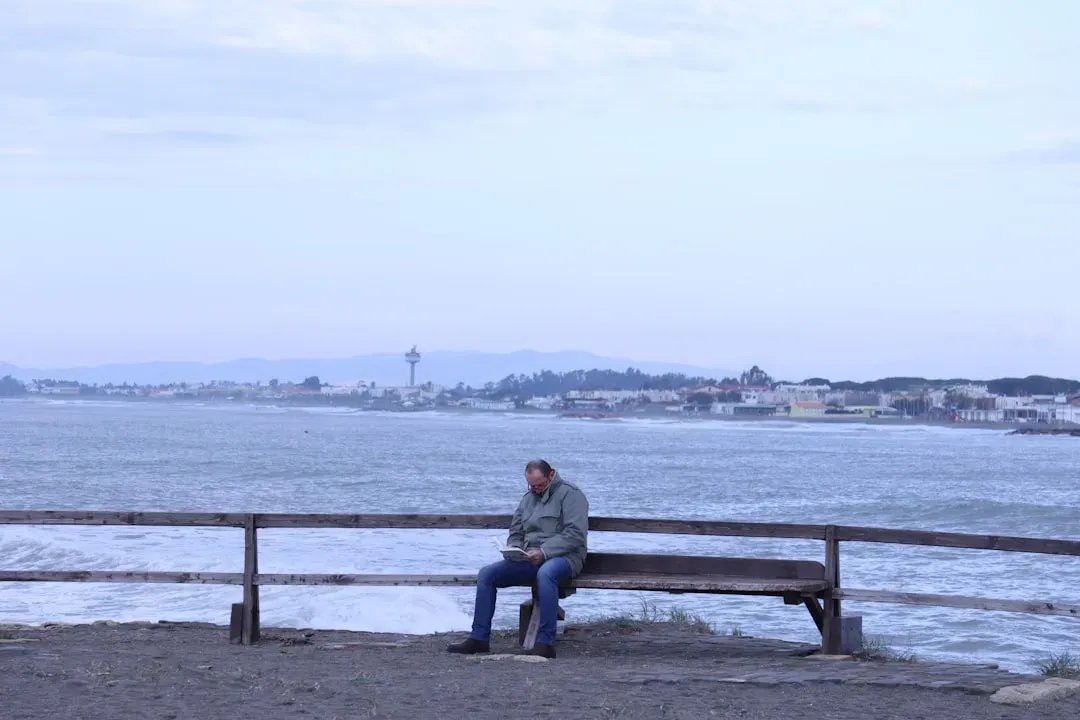
The evolutionary roots of social belonging can be traced back to severe survival challenges faced by early humans, and in environments where food was scarce and predators lurked, individual isolation from groups meant a high mortality rate. That anxious feeling when you haven’t seen friends in weeks? That’s ancient wiring screaming at you.
Kin selection theory suggests that our calculations about genetic relatedness to others are powerful drivers of behavior, and most people favor and will make sacrifices for immediate kin as opposed to distant relatives and blood relatives over strangers, ensuring survival of genes through survival of closely related people. Social isolation in prehistoric times literally meant death, so your brain responds to prolonged solitude as a genuine threat. It’s hard to say for sure, but this drive for connection probably kept small human groups functioning cooperatively when survival depended on collective effort.
You Instinctively Assess Status in Social Situations

Status dynamics operate largely through subconscious processing, and individuals automatically assess social hierarchies through subtle cues including posture, vocal tone, and spatial positioning, influencing behavior patterns such as deference, assertiveness, and alliance formation without explicit recognition. You probably don’t consciously think about who seems dominant in a meeting, but your ancient brain definitely notices.
In modern society, the primal drive for competence translates into pursuits for career achievement, skill mastery, and social status. Humans are still influenced by ancestral demands like territorialism, reproduction, survival, secure feeding sources, dominance, and cumulative behavior, which often conflict with cultural drives. These automatic status assessments happen within seconds of meeting someone, guiding everything from who you defer to in conversation to who you unconsciously try to impress.
You Develop Superstitions and Rituals Around Uncertainty

Knocking on wood, avoiding black cats, and tossing salt over your shoulder may seem silly, but they’re rooted in ancient survival instincts, and early humans lived in unpredictable environments filled with real dangers where recognizing patterns, even false ones, sometimes offered an advantage. Your brain is essentially pattern recognition software that occasionally sees connections that aren’t there.
This tendency served a crucial function, honestly. Better to falsely identify danger a hundred times than miss the one real threat. Because humans are mostly adapted to Pleistocene environments, psychological mechanisms sometimes exhibit mismatches to the modern environment, like how although spiders and snakes kill only a handful of people while guns kill thousands, people nonetheless learn to fear spiders and snakes about as easily as pointed guns because they were threats throughout the Pleistocene. Creating rituals around uncertain outcomes gives your ancient brain a sense of control in situations where logically you have none.
Conclusion

Humans are bound to their ancestral demands imprinted as a set of basic drives including territorialism, reproduction, survival, secure feeding sources, dominance, and cumulative behavior, which exist in friction with cultural drives. These subtle daily habits aren’t flaws or quirks. They’re sophisticated survival mechanisms that kept humanity alive for millennia.
Although human beings today inhabit a thoroughly modern world of space exploration and virtual realities, they do so with the ingrained mentality of Stone Age hunter gatherers, and people today still seek those traits that made survival possible then, like an instinct to fight furiously when threatened and a drive to trade information and share secrets. Understanding these instincts doesn’t mean you’re controlled by them, though. Recognizing where your impulses come from gives you the power to work with your nature rather than against it. What ancient survival drive do you recognize most in your own daily life?