Most people picture dinosaurs as cold, ruthless killing machines. Thundering through ancient forests. Indifferent to everything except their next meal. It’s a dramatic image, sure, but the fossil record tells a radically different story, one that is honestly far more fascinating than any Hollywood blockbuster has dared to suggest.
Turns out, some dinosaurs were remarkably devoted parents. We’re talking about brooding over nests, feeding hatchlings, guarding against predators, and even enlisting older siblings as babysitters. If that sounds surprisingly modern, well, you’d be right to be surprised. Let’s dive in.
1. Brooding Over Eggs Like a Giant Feathered Bird
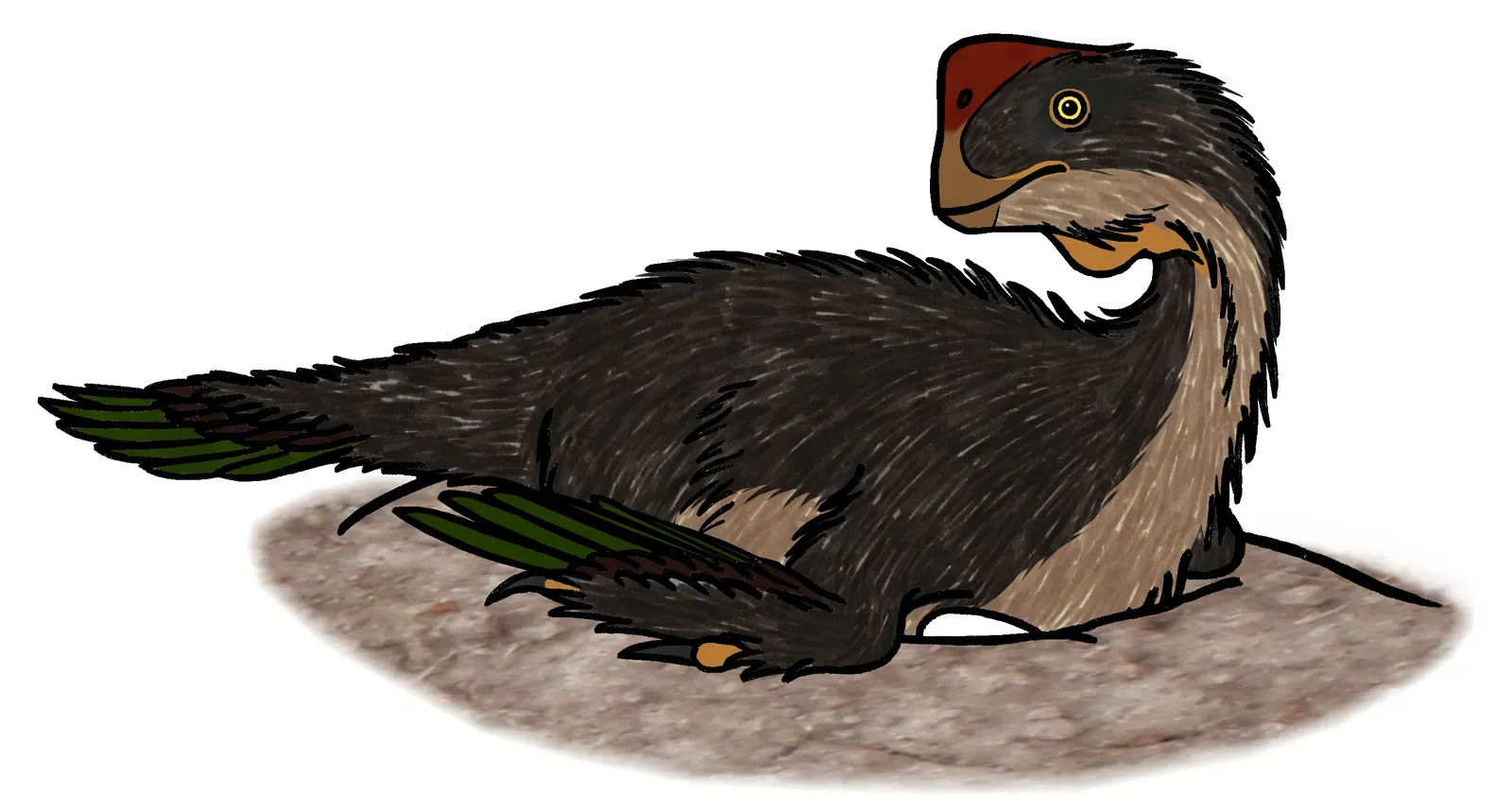
Here’s something that will genuinely stop you in your tracks. Researchers found a 75-million-year-old Mongolian dinosaur that was fossilized sitting right on top of a nest, and they dubbed it “Big Mama.” That single discovery changed how paleontologists thought about dinosaur parenting almost overnight.
These oviraptorids sat on their nests in a very bird-like way, with their bodies positioned in the center of the nest and their arms held over the eggs to help protect them. Their bodies would have been covered in large, down-like feathers that would have helped conceal and insulate the eggs. Think of it like a prehistoric blanket made of feathers, warm, soft, and surprisingly tender for a creature we tend to associate with brute force.
For larger oviraptorosaurs like Gigantoraptor, who got as big as rhinos, sitting directly on their eggs could have been a risk. So fossils suggest they laid their elongated oval eggs in a near-perfect ring shape, with two or three rings stacked on top of one another, leaving a spot in the middle for them to set their weight. That is not random behavior. That is deliberate, calculated parenting.
2. Feeding Hatchlings in the Nest Before They Could Fend for Themselves
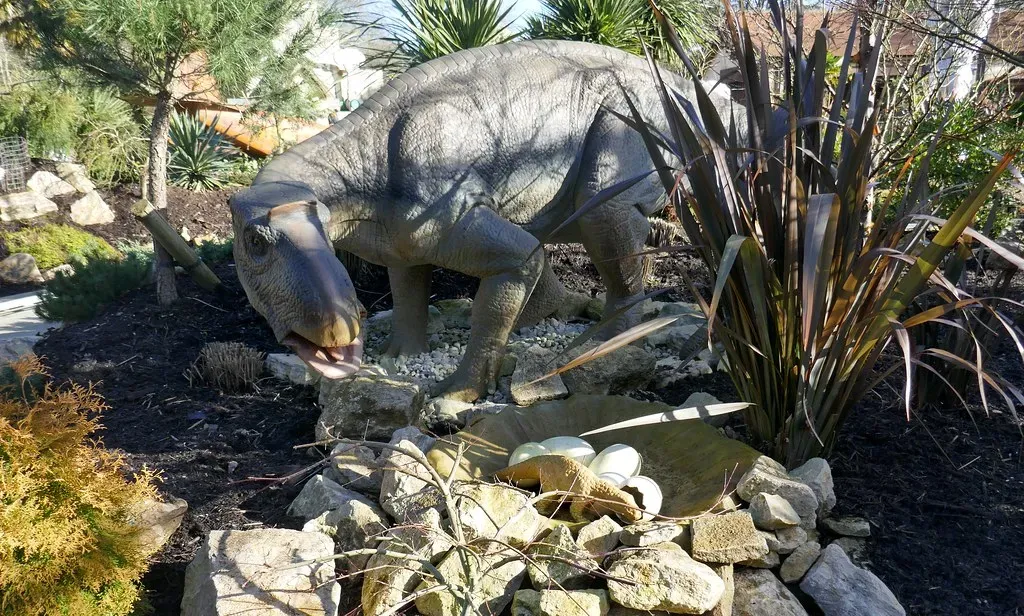
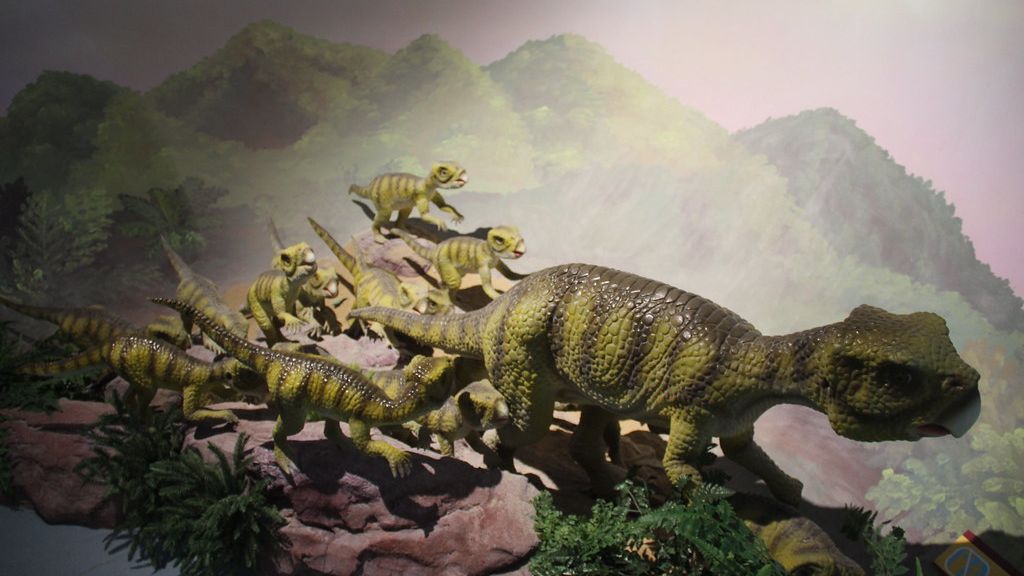
The duck-billed Maiasaura, a name that means “good mother lizard,” is one of the best-known examples of parental behavior. These Late Cretaceous dinosaurs, which lived around 80 to 75 million years ago, are thought to have nested in large colonies. Honestly, just the name alone is enough to make you reconsider everything you thought you knew about these creatures.
At Egg Mountain, evidence of trampled eggshells suggests that the hatchlings were in the nest for a while. Along with the shells, there was plant matter in the nests, suggesting parents may have fed the young before they ventured out into the world. Imagine that. A dinosaur making a kind of prehistoric lunch delivery to its babies. It’s not so different from a robin flying back to the nest with a worm.
Experts also found a group of one-foot-sized individuals and then a second group of three-foot-long individuals together in one nest. This suggests that they hatched out at one foot and then grew to three feet while still in the nest and under the care of the adults. That is a remarkable amount of time to commit to your young, especially for an animal we once assumed had zero interest in parenting.
3. Dads, Not Moms, Were the Primary Caregivers
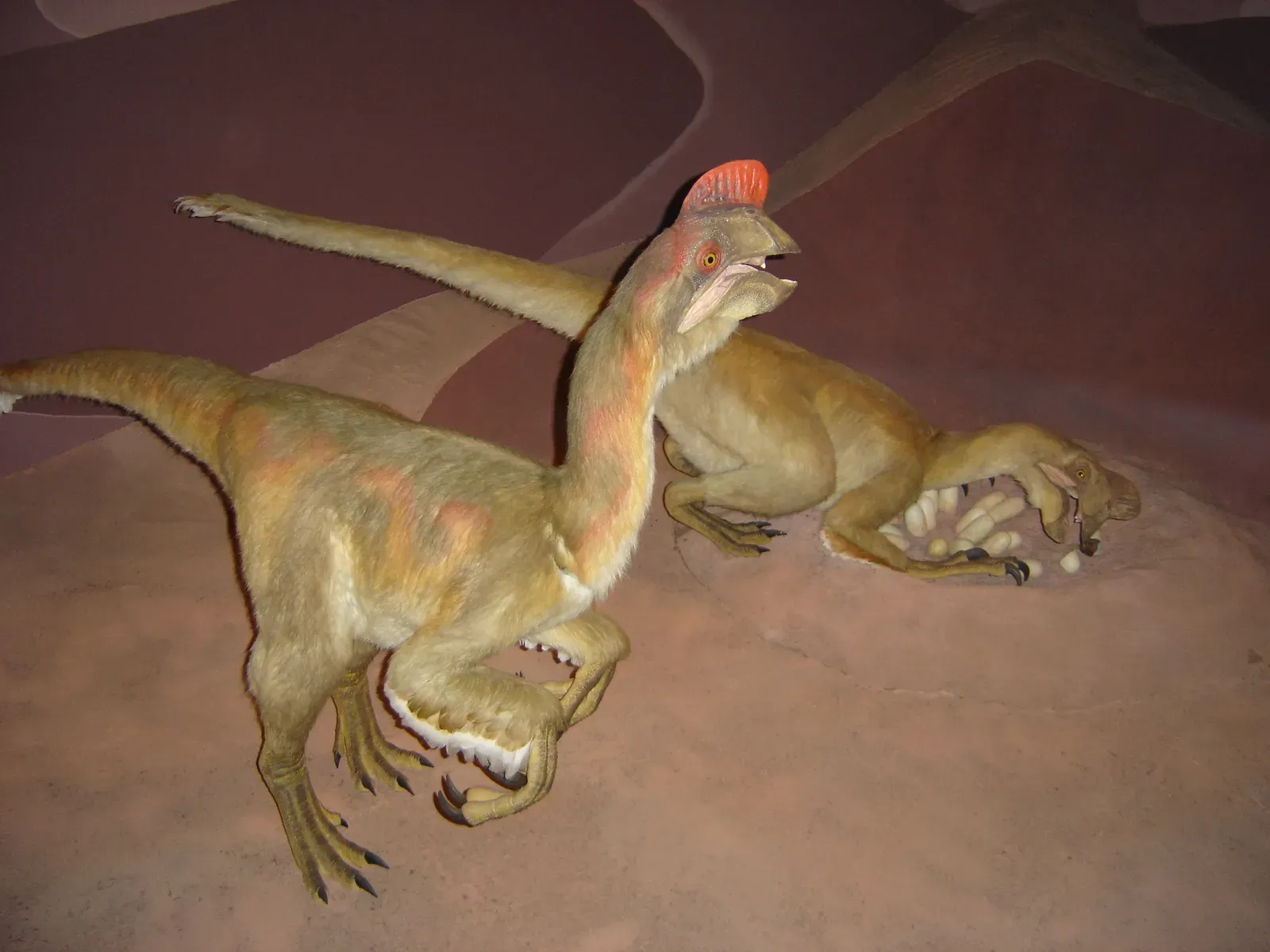
You might assume that in the dinosaur world, as with most reptiles, mothers ran the show. Researchers report that males in three species were stay-at-home dads that incubated the eggs in their nests. Let that sink in for a second. Dinosaur dads. Doing the heavy lifting.
The clutches incubated by Troodon, Oviraptor, and Citipati contained a substantial number of eggs, about 22 to 30 eggs apiece. Compared to most of the 433 living birds and crocodilians whose clutch sizes have been studied, the dinosaurs were sitting on far more eggs than animals of their size normally do. This pattern mirrors what you see in modern birds where dad does the heavy lifting at the nest.
Studies of dinosaur bone tissue showed that none of the seven specimens associated with nests showed signs of changes associated with egg laying, such as medullary tissue. That’s not sure-fire proof the nest-caretakers were male, but it’s consistent with the hypothesis. It’s hard to say for sure, but the evidence is compelling. The dinosaur dad was apparently a thing long before anyone expected it.
4. Returning to the Same Nesting Sites Year After Year
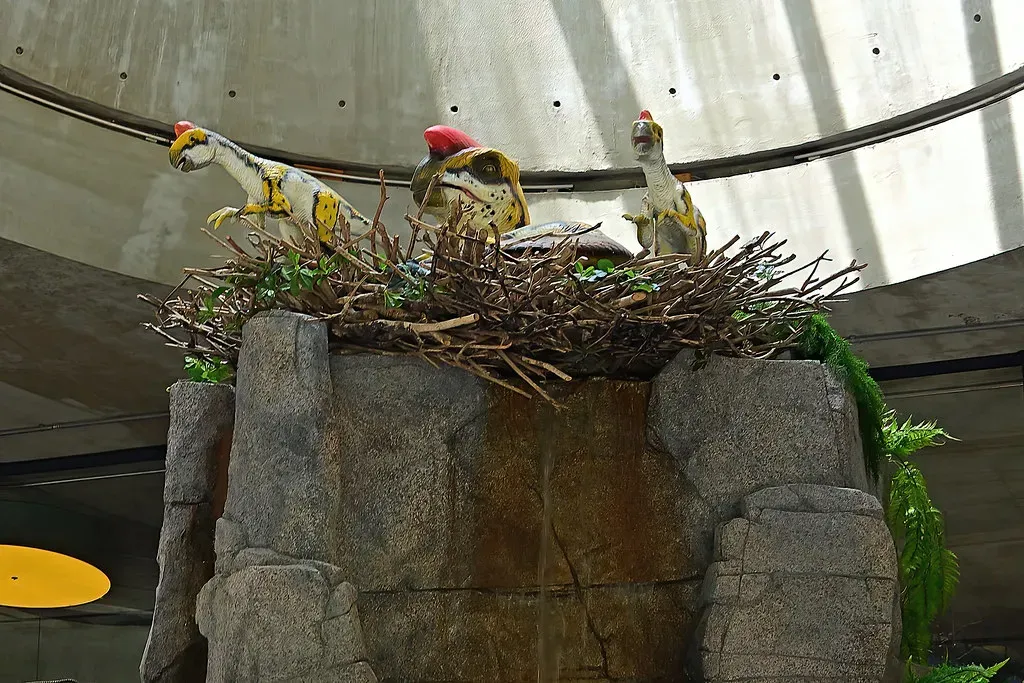
Here is a behavior that you might recognize from your own nature documentaries. The clutches of Maiasaura eggs were spread apart, meaning that the dinosaur nested in colonies. These nesting grounds were preserved in successive layers, meaning that parents returned to the same grounds to mate, possibly every year like many birds today. Ornithologists call this “nest site fidelity.”
Researchers working in Argentina found 100-million-year-old neosauropod nesting sites in which clutches of eggs were kept warm by geothermal vents. Paleontologists from the US and Argentina found the nesting grounds in the Sanagasta Valley in La Rioja Province in northwest Argentina. The nesting sites are the first to show definitively that some neosauropod dinosaurs had specific nesting grounds they returned to year after year, as many migratory birds do today.
Researchers report the first definitive evidence of a group of sauropods that nested repetitively and purposely at a Cretaceous hydrothermal site at Sanagasta. The discovery of this colonial nesting locality shows nest fidelity over a long time, and a symbiotic relationship between egg clutches and a peculiar hydrothermal environment that favoured their incubation. Think of it as a prehistoric family vacation spot that generations kept returning to, except instead of a beach house, it was a volcanic field.
5. Using Geothermal Heat as a Natural Incubator
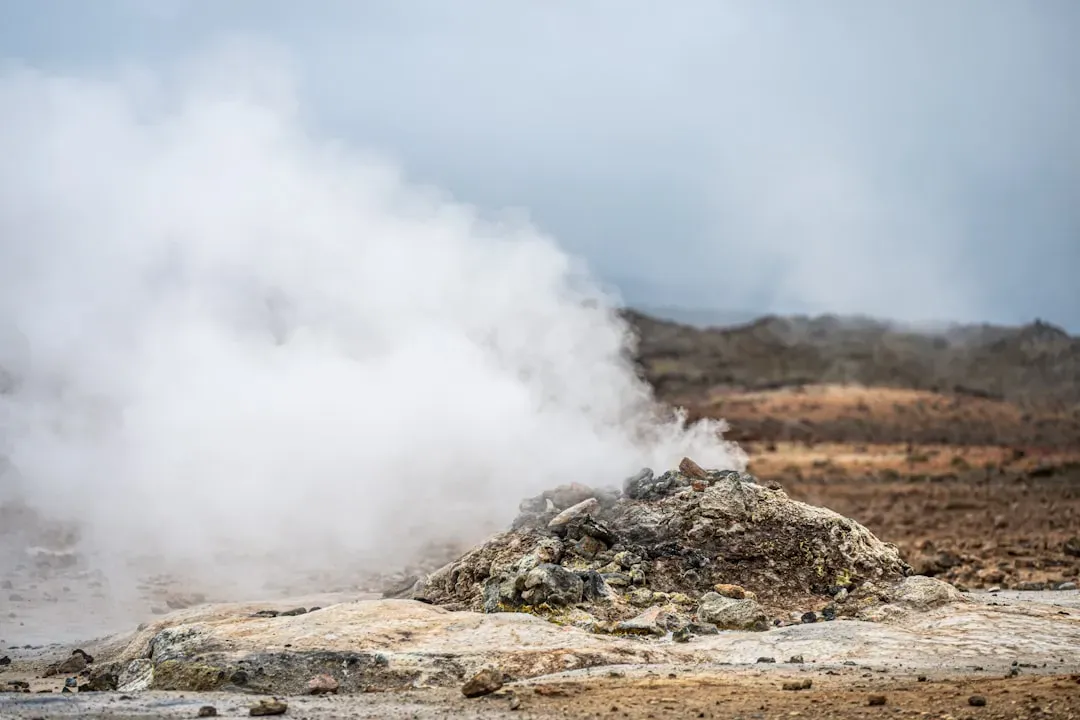
This one genuinely sounds like science fiction, but I promise it is not. Paleontologists have found expansive nesting grounds, including some sites where dinosaurs laid eggs in areas that were warm with geothermal activity, perhaps to incubate the offspring. Some dinosaurs essentially found a way to use the Earth itself as a babysitter.
A nesting colony of sauropod dinosaurs was discovered in the Sanagasta Geologic Park in La Rioja Province, Argentina. It dates from the Early Cretaceous and was by then a hydrothermal environment. The sauropod colony chose Sanagasta as a nesting site specifically because it was a hydrothermal setting. These giants couldn’t sit on their eggs without crushing them. So they found a warmer, far more creative solution.
This strategy avoids thermally heterogeneous nesting environments and helps maintain constant temperature and moisture content in egg clutches. However, geothermal waters and vapors may release acidic vapors that corrode the eggshell during incubation. This apparent hazard was put to good use by the sauropods. The outer eggshell surfaces of their eggs were continuously corroded, resulting in increasingly thin eggshells. Thinner shells made it easier for the babies to hatch. Nature working with the dinosaurs, not against them.
6. Sibling Babysitters Watching Over the Young
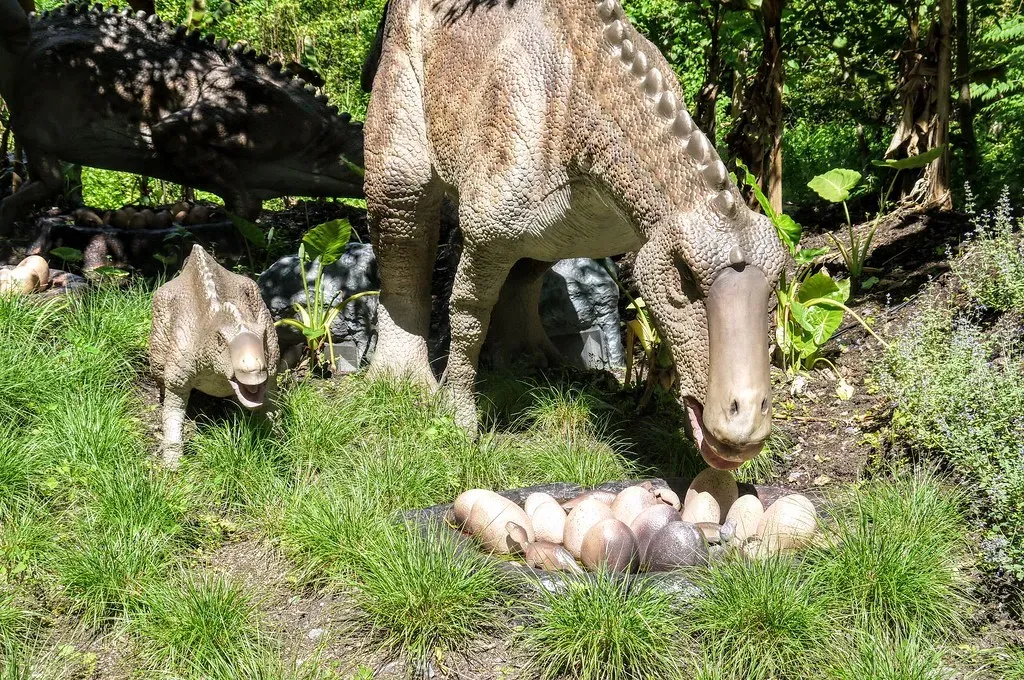
Now here is where things get really interesting. We tend to assume that parental care in dinosaurs always meant a mother or a father. A new examination of a rock slab containing fossils of 24 very young dinosaurs and one older individual is suggestive of a group of hatchlings overseen by a caretaker. Not a parent. An older sibling.
The larger skull was found in close association with the fossil material. The skull probably belonged to an immature adult, one not old enough to breed, so the researchers hypothesized that this was an older sibling helping to care for its younger brothers and sisters. Family members helping out to raise the following year’s brood is a type of behavior found in a number of bird species. It’s a bit like the eldest child keeping an eye on the younger ones while parents are out. A very ancient and surprisingly relatable concept.
Another juvenile-only cluster shows that specimens of different ages grouped together. These juveniles may have associated together as a close-knit, mixed-age herd either for protection, to enhance their foraging, or as helpers at the parental nest. Whether you call it a creche, a daycare, or just smart family strategy, the behavior is remarkable for an animal that lived over 100 million years ago.
7. Traveling in Age-Segregated Herds After Leaving the Nest
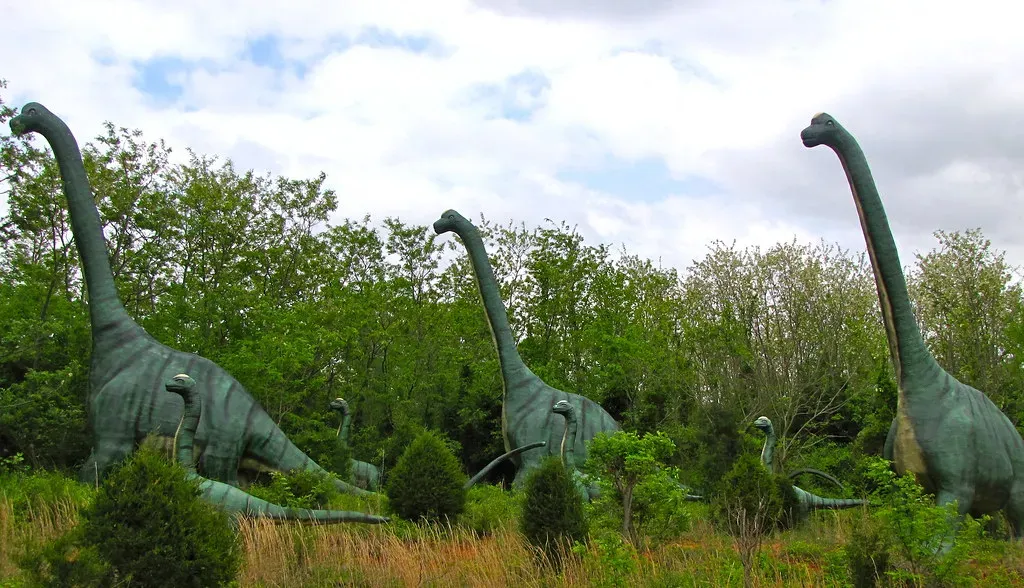
Once young dinosaurs left the nest, the parenting story didn’t simply end there. A study on the finding of an exceptional nesting site in Patagonia, with over 100 eggs and more than 80 skeletal specimens of individuals of the Mussaurus patagonicus, serves as the most convincing evidence that some dinosaurs traveled in age-segregated herds. Young ones stuck together, traveling in their own separate groups away from the adults.
While they did provide some parental care, young dinosaurs were relatively independent. After just a few short months or a year, juvenile dinosaurs left their parents and roamed alone, watching out for each other. Picture a roaming band of teenage dinosaurs navigating a Cretaceous landscape together. No parents. Just peer support. It sounds chaotic, but it clearly worked for millions of years.
In terms of fossil evidence, researchers found pods of skeletons of youngsters all preserved together with no traces of adults nearby. These juveniles tended to travel together in groups of similarly aged individuals, getting their own food and fending for themselves. It’s not the warm-and-fuzzy image of dinosaur parenting we might prefer, but it speaks volumes about how resilient and socially sophisticated these creatures actually were.
Conclusion: Dinosaurs Were Far Better Parents Than You’d Expect
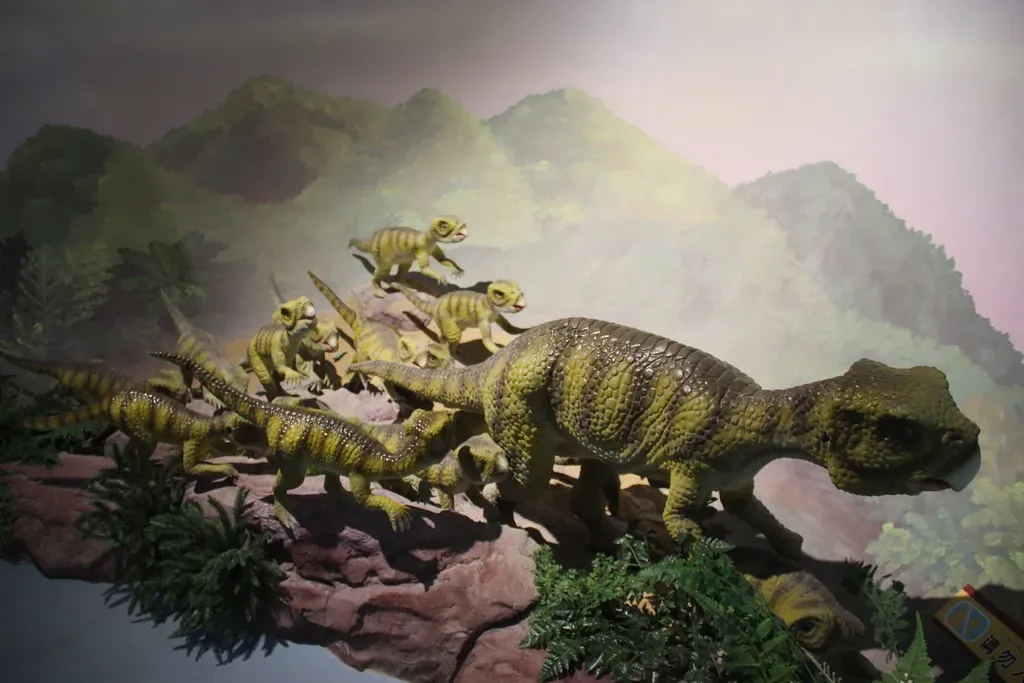
The old image of dinosaurs as cold, solitary, and indifferent creatures doesn’t hold up anymore. Through the analysis of fossilized nests, eggs, and bones, scientists have gained valuable insights into the diverse ways in which . From the brooding behaviors of oviraptorids to the nesting colonies of the Maiasaura, dinosaurs displayed a range of social and parental dynamics. These discoveries challenge the popular perception of dinosaurs as ferocious and uncaring creatures, emphasizing their capacity for nurturing and protective behaviors.
Whether it was a devoted father perched protectively over a clutch of thirty eggs, a colony of mothers returning to the same volcanic hillside every breeding season, or a teenage sibling keeping watch over two dozen tiny hatchlings, dinosaurs found creative and often surprisingly tender ways to give their young a fighting chance. The more we dig, the more human, or at least familiar, these ancient giants become. What surprises you most about how dinosaurs raised their young? Let us know in the comments.