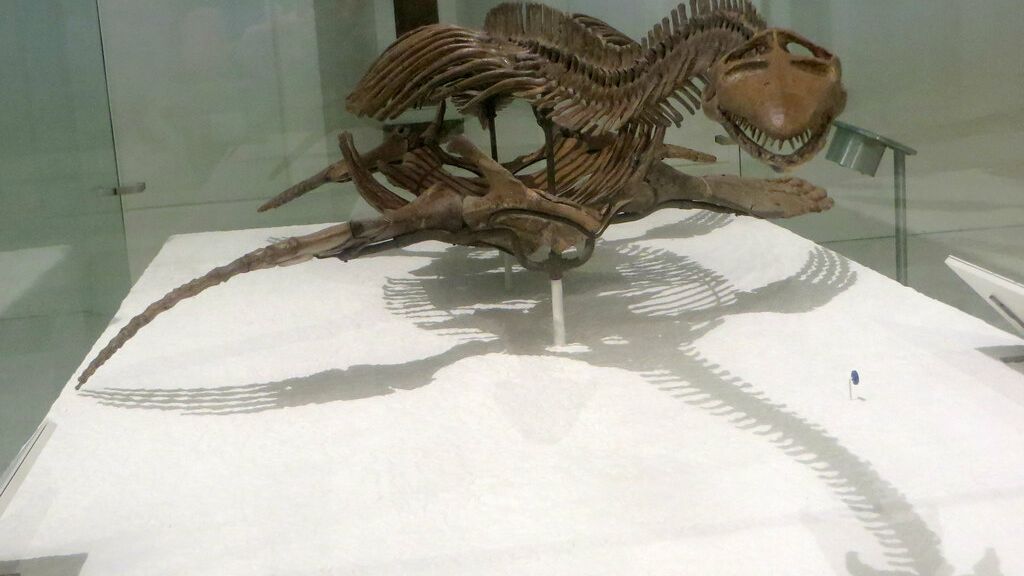
Imagine oceans so alive with giants that swimming through them would have felt like moving through a living nightmare. Over 230 million years ago, long-necked plesiosaurs and dolphin-shaped ichthyosaurs dominated the oceans, from open water to the shallow coasts. These creatures were not side characters in the story of prehistoric life. They were the main event, the apex rulers of an underwater world that most of us can barely picture.
Then, over the course of geological time, they vanished. Geochemists and paleontologists have worked to reveal why many large marine reptiles vanished from Earth’s oceans, with theories ranging from the impact of a large asteroid, to destructive volcanic activity, and falling sea levels. Honestly, the more you dig into this mystery, the stranger and more layered it becomes. So let’s dive in.
Theory 1: The Asteroid Impact That Darkened the Seas
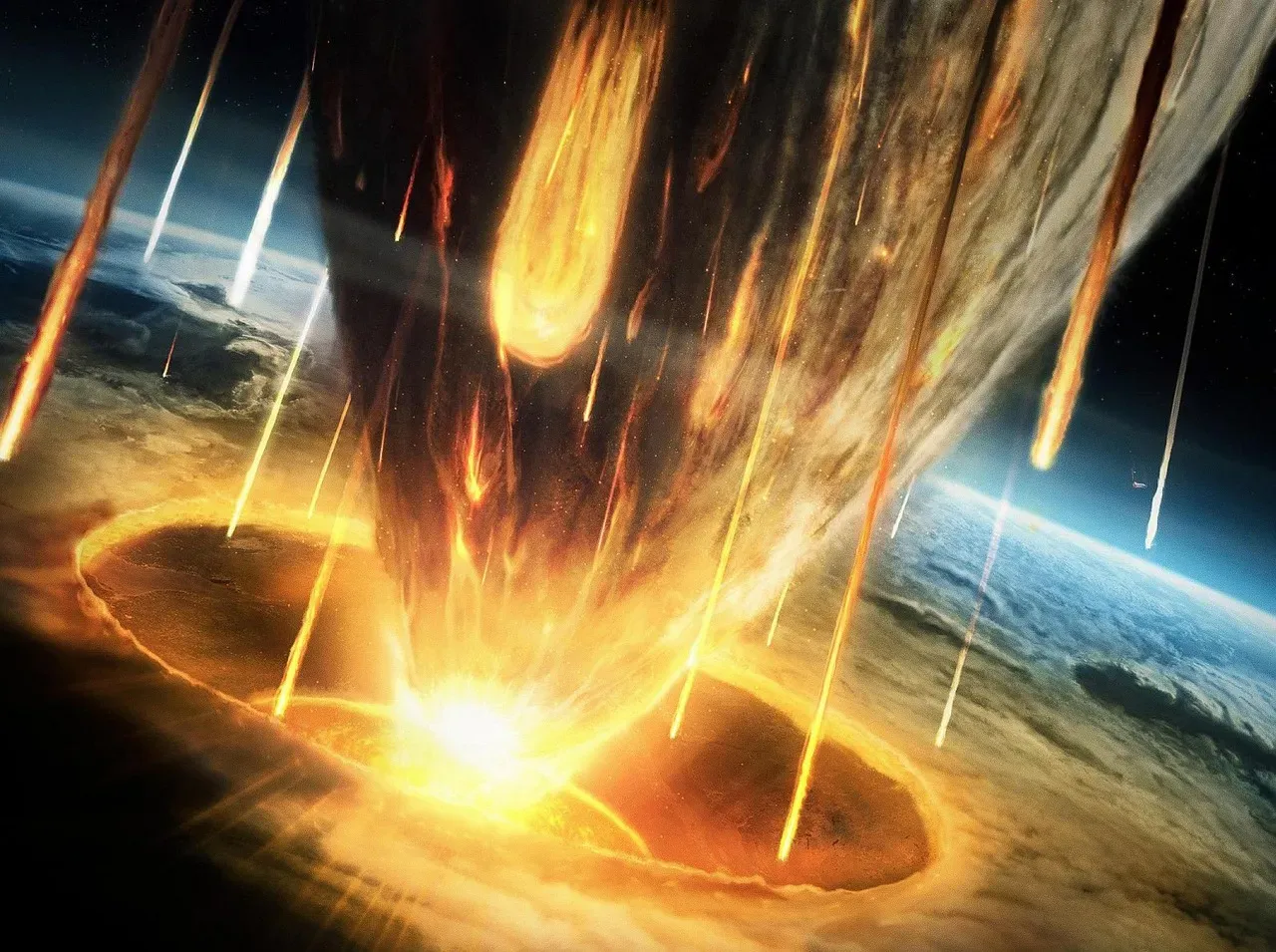
You have probably heard of the Chicxulub impact, the rock from space that famously ended the dinosaurs. What you might not realize is just how catastrophically it affected life beneath the waves too. It is now generally thought that the K-Pg extinction was caused by the impact of a massive comet or asteroid 10 to 15 km wide, 66 million years ago, which devastated the global environment mainly through a lingering impact winter which halted photosynthesis in plants and plankton. Think of it like pulling the plug on the ocean’s entire food factory.
The impact’s blockage of sunlight devastated marine food webs which relied on photosynthetic plankton, and the oceans may have very well returned to a single-celled state that the world had not seen in over half a billion years. For marine reptiles that depended on thriving, layered ecosystems to survive, this was a death sentence delivered from above. The K-Pg mass extinction killed off plesiosaurs and mosasaurs and devastated teleost fish, sharks, mollusks, and many species of plankton in the oceans.
Theory 2: Volcanic Chaos and Poisoned Skies
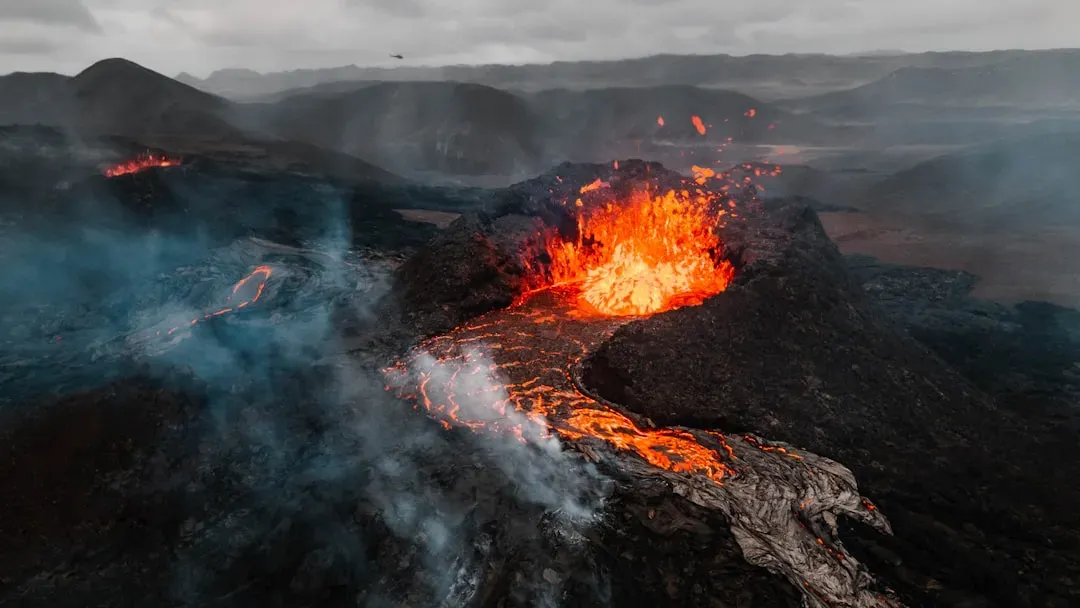
Here is the thing about mass extinctions: they are rarely simple. While the asteroid gets most of the headlines, another catastrophic force was already underway before the rock even hit. Intense volcanic activity around this time may have caused long-term global warming by injecting large amounts of greenhouse gases into the atmosphere. The Deccan Traps in India were erupting on a scale that is genuinely difficult to imagine.
The Deccan Traps could have caused extinction through several mechanisms, including the release of dust and sulfuric aerosols into the air, which might have blocked sunlight and thereby reduced photosynthesis in plants. For marine reptiles already under ecological pressure, this kind of slow, suffocating environmental poisoning could have weakened entire populations before the asteroid ever arrived. Based on studies at Seymour Island in Antarctica, researchers argue that there were two separate extinction events near the Cretaceous-Paleogene boundary, with one correlating to Deccan Trap volcanism and one correlated with the Chicxulub impact. A one-two punch, essentially.
Theory 3: The Collapse of the Marine Food Web
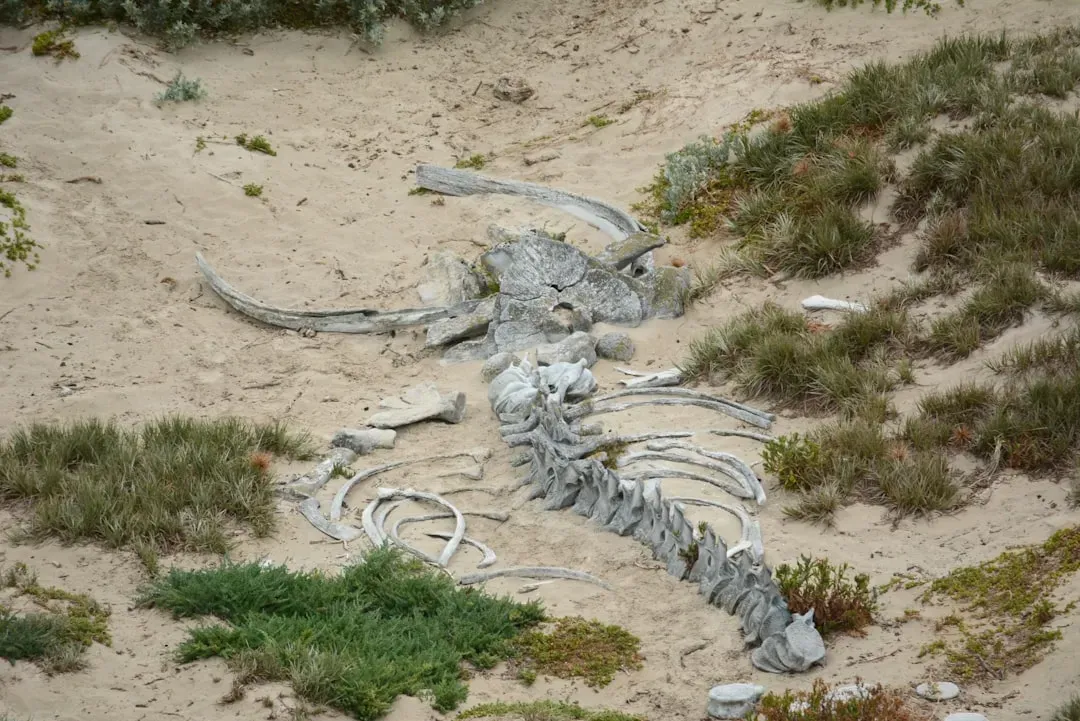
Let’s be real – even the mightiest predator on Earth becomes vulnerable when its food disappears. This is one of the most compelling, and honestly most unsettling, theories about why the great marine reptiles died out. Researchers identify the rivalry between plesiosaurs and mosasaurs as a key to their vulnerability, as control of their food web was exercised “bottom-up,” meaning any scarcity of limited fish species would jeopardize their survival. This was precisely what occurred at the end of the Cretaceous when a majority of plankton species disappeared. Plankton-eating fish, vital food sources for the plesiosaurs and mosasaurs, also dropped in number, triggering the reptiles’ disappearance.
The teeth of plesiosaurs and mosasaurs proved to have stable-calcium isotope proportions comparable to those of the superpredators at the very top of today’s marine food web, namely the great white shark. The findings indicate that all the reptiles that vanished at the Cretaceous-Paleogene boundary were fish-eating top predators in the Maastrichtian marine ecosystem. Think of it this way: these creatures were the great white sharks of their era. When the smaller fish collapsed, the giant predators had nowhere left to turn.
Theory 4: Slowed Evolution and the Failure to Adapt
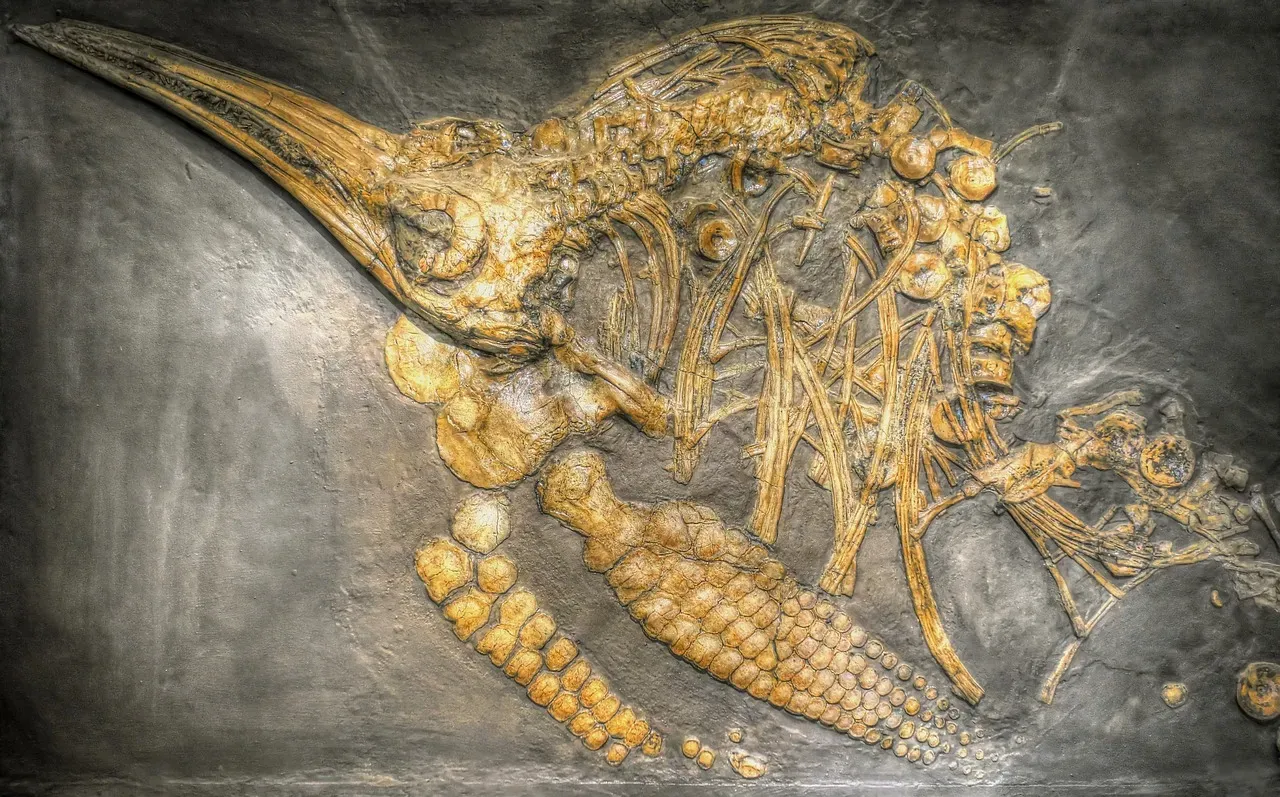
This one is fascinating, and I think it is deeply underrated as an explanation. It is not always a catastrophic external event that destroys a species. Sometimes, a creature simply stops keeping up with a changing world. Ichthyosaurs, shark-like marine reptiles from the time of dinosaurs, were driven to extinction by intense climate change and their own failure to evolve quickly enough, according to research by an international team of scientists.
According to research, ichthyosaurs were actually well-adapted to various niches and evolved different body shapes before their eventual demise. However, the rate of their evolution considerably slowed down for a prolonged time, especially when compared to their diversification back in the Triassic. This failure to adapt, combined with the instability of the environment, likely caused the group’s decline. It is a bit like a company that was once wildly innovative suddenly going conservative, right when the market shifted. The last ichthyosaurs were characterized by reduced rates of origination and phenotypic evolution, and their elevated extinction rates correlate with increased environmental volatility.
Theory 5: Sea Level Regression and the Loss of Habitat
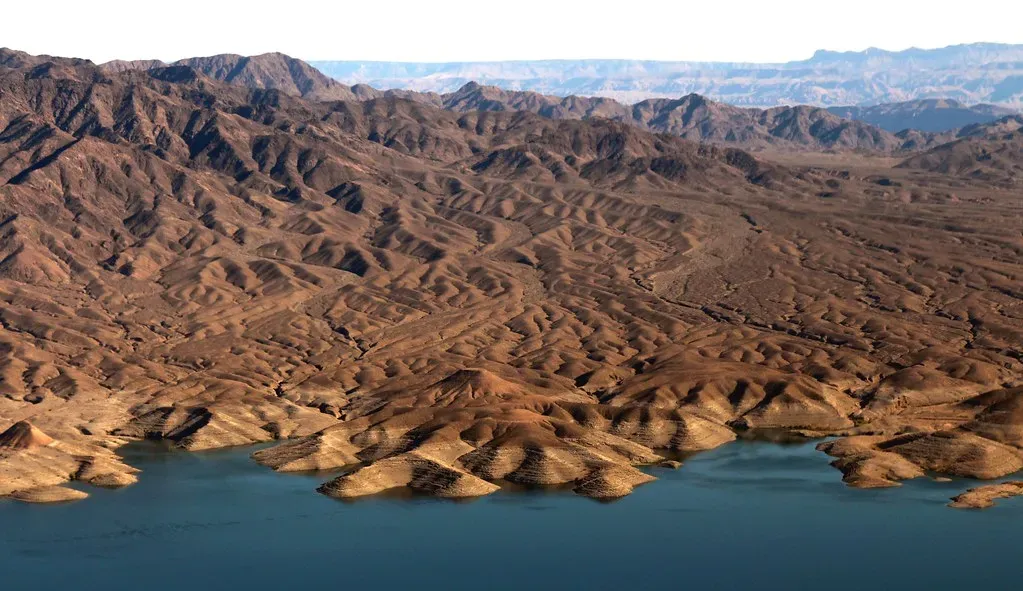
You might not immediately think of falling seas as a weapon of mass destruction. Yet this theory deserves far more attention than it typically receives. There is clear evidence that sea levels fell in the final stage of the Cretaceous by more than at any other time in the Mesozoic era. For creatures that ruled shallow coastal seas and depended on those rich, biologically dense environments, this was catastrophic.
A severe regression would have greatly reduced the continental shelf area, the most species-rich part of the sea, and therefore could have been enough to cause a marine mass extinction. Imagine draining a lake until only the deepest, most barren center remains. That is roughly what happened to the productive coastal waters that marine reptiles depended on. The shallow seas regressed towards the end of the Cretaceous, thus causing a collapse of the mosasaurs’ home territories. The habitat they had thrived in for millions of years simply shrank away beneath them.
Theory 6: Underwater Volcanism and the Mid-Cretaceous Turnover
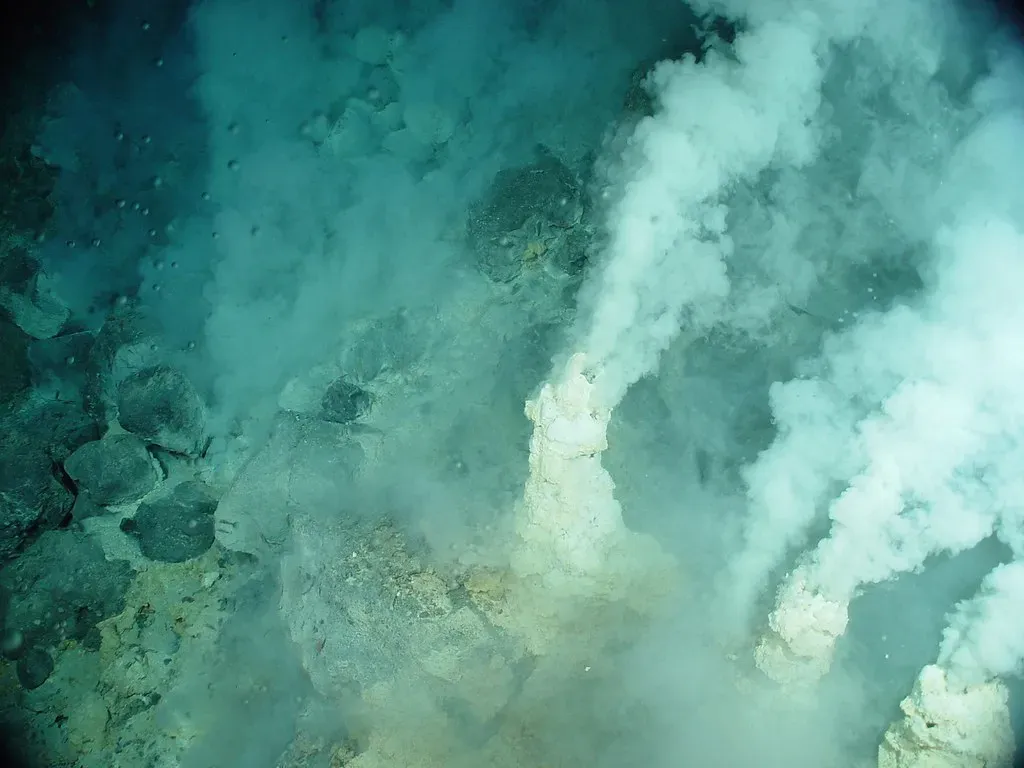
Not all volcanic destruction comes from the land. Some of it boils up silently from the ocean floor, and this theory pulls back the curtain on an extinction event that most people have never even heard of. About 92 million years ago, an extinction event occurred that was caused by large-scale underwater volcanic activity. It wiped out several groups of animals in the seas, among these were the ichthyosaurs and the pliosaurs, large-headed and more predatory cousins of the plesiosaurs. With their demise, there was a huge gap in the ocean food web.
The highest trophic niches in Mesozoic oceans were filled by diverse marine reptiles, including ichthyosaurians, plesiosaurians, and thalattosuchians, dominating food webs during the Jurassic and Early Cretaceous. Yet during the mid-Cretaceous, ichthyosaurs, thalattosuchians, and pliosaurids vanished, replaced by mosasaurs and new groups like sharks, fish, turtles, and birds. This shift restructured marine ecosystems. It is worth pausing on that. The mid-Cretaceous was not just one quiet shuffle. It was a wholesale reorganization of who controlled the oceans.
Theory 7: Hidden Triassic Extinction Events That Set the Domino Effect in Motion
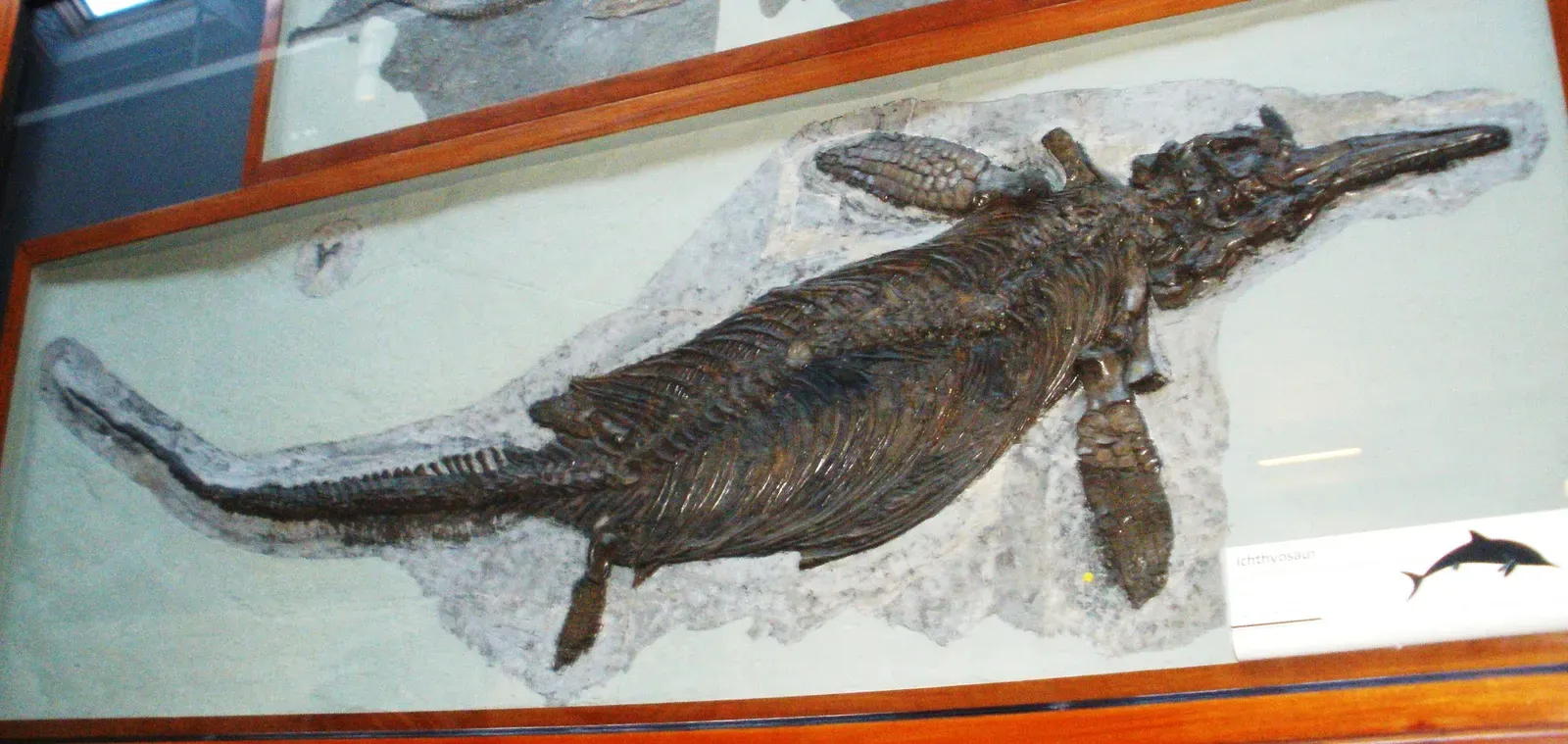
Here is where the story gets almost poetic in its cruelty. You might assume that the was a single dramatic moment. But recent research suggests the final collapse was the result of wounds inflicted hundreds of millions of years earlier. A series of extinction events over 200 million years ago may have sealed the fate of many marine reptiles. During the Triassic, between 252 and 200 million years ago, marine reptiles rapidly diversified into many different forms as they spread around the world.
Their rapid expansion was brought to a halt at the end of the Triassic 200 million years ago by two extinction events in quick succession. Despite the effects of the second extinction event already being known, new research shows that plesiosaurs and ichthyosaurs were more vulnerable because of a previous event several million years earlier. Think of this like a tree with a root disease. It may look healthy for decades, even growing new branches, but its foundations were compromised long ago. In the Late Cretaceous, specifically the Cenomanian age, an extinction event finished off ichthyosaur sub-groups that specialized on soft-bodied prey and the generalists. Only six million years later, a second extinction event ended the large predatory ichthyosaurs. This two-step extinction event spared only a single group called Platypterygius, which also died out shortly after.
Conclusion: A Mystery With Many Suspects
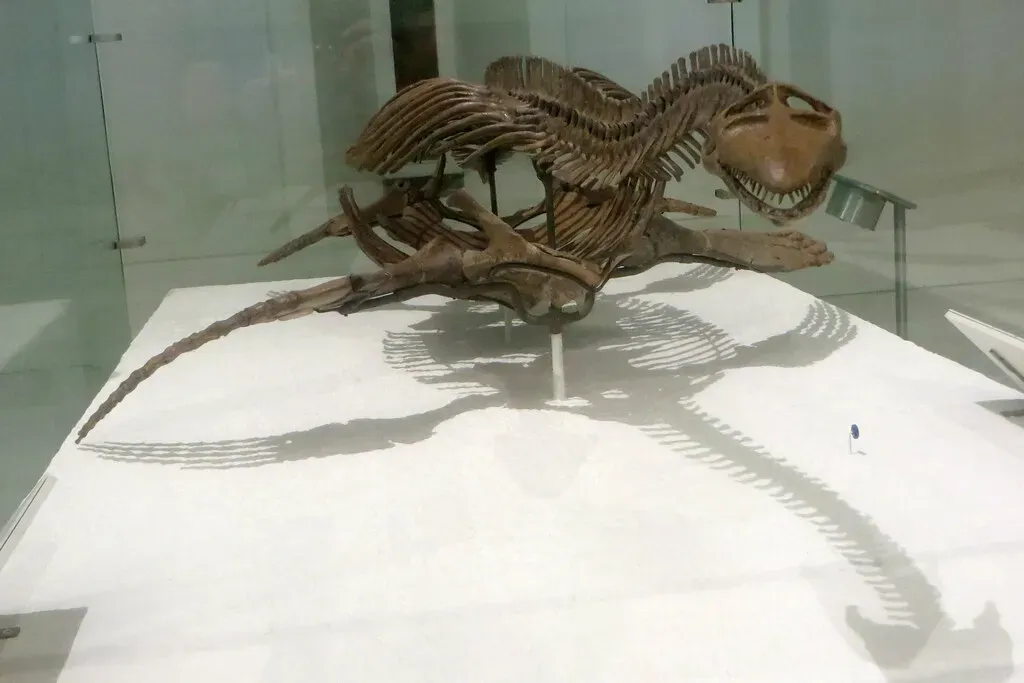
The is not a story with one villain. It is a complex, layered tragedy written across millions of years of Earth’s history. Asteroids, volcanoes, collapsing food webs, failing evolution, disappearing seas, and hidden ancient wounds all played their parts. The causes of the extinction and its aftermath are still the subject of ongoing research and debate.
What makes this story so compelling is the reminder that even the most dominant life forms in history, creatures that ruled entire oceans for tens of millions of years, are not immune to collapse. Their extinction at the end of the Cretaceous reshaped marine ecosystems, paving the way for the rise of marine mammals in the Cenozoic Era. The oceans we know today, filled with whales and dolphins, were in many ways born from this ancient catastrophe.
The greatest rulers the seas have ever known disappeared, and the world changed completely in their absence. Which of these seven theories do you find most convincing? Tell us in the comments below.