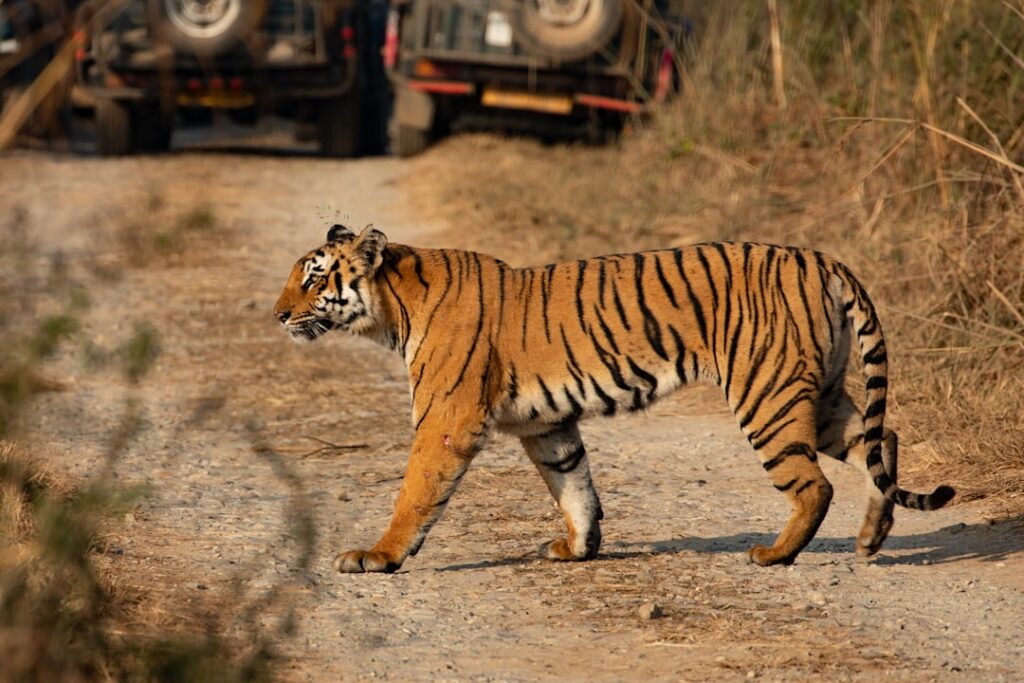
India – Vast national parks across the nation preserve pockets of wilderness where endangered animals thrive amid stunning natural backdrops.
Gir: The Exclusive Realm of Asiatic Lions
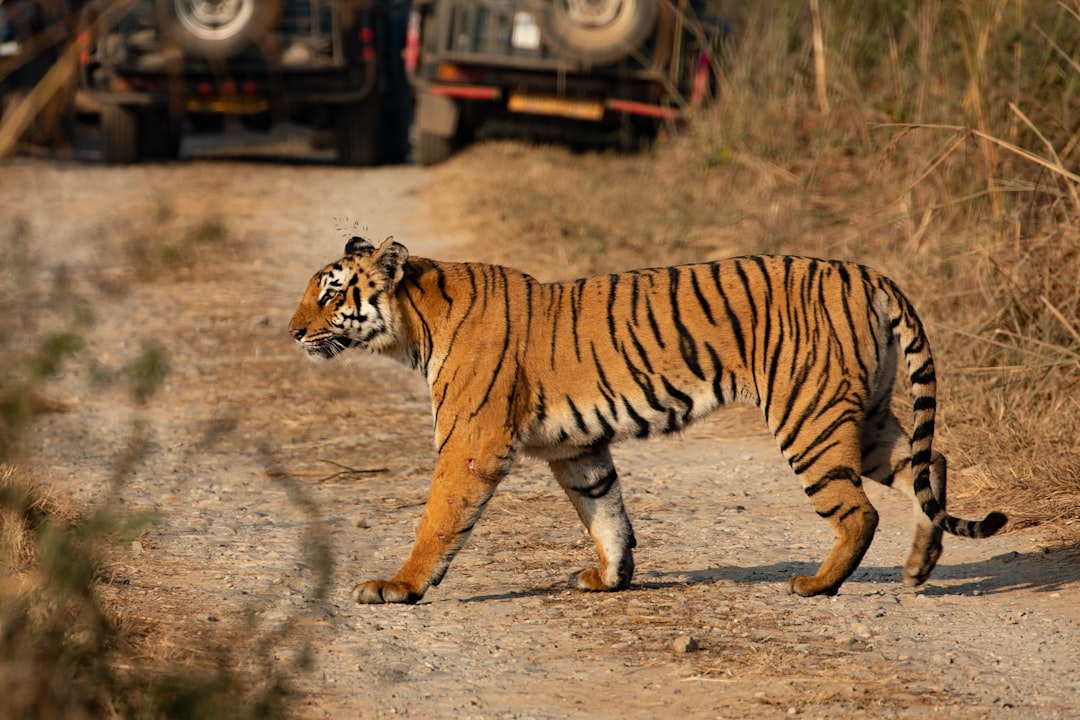
Gir: The Exclusive Realm of Asiatic Lions (Image Credits: Unsplash)
Gir National Park holds a unique distinction as the only habitat worldwide for wild Asiatic lions. These powerful cats roam dry forests and golden grasses, their presence a testament to focused conservation efforts. Visitors often witness these majestic creatures commanding their terrain, with hidden predators adding an element of surprise to every safari.
The landscape transforms with the seasons, drawing lions into open views. Dry conditions accentuate their stealthy movements, making encounters feel intimate and raw.
Tiger Strongholds of Central India
Kanha National Park inspired Rudyard Kipling’s The Jungle Book, where tigers lurk in dense forests and sweeping meadows alongside endangered barasingha deer. Nearby, Pench unfolds across endless teak forests straddling Madhya Pradesh and Maharashtra, its tranquil wilderness revealing tigers in magical glimpses. Bandhavgarh blends royal history with jungle trails, an ancient fort overlooking tiger sightings from the canopy below.
These parks offer diverse tiger territories, each with terrain that heightens the thrill of spotting these elusive hunters. Meadows in Kanha provide open vistas, while Pench’s borders fade into untouched expanses. Bandhavgarh’s elevated ruins serve as vantage points for dramatic reveals.
Kaziranga’s Rhino Giants
Kaziranga National Park safeguards the world’s largest population of one-horned rhinoceroses amid vast grasslands. Wild buffaloes, swamp deer, and Bengal tigers share this UNESCO World Heritage site, where stealthy encounters unfold across open plains. The sheer scale of the habitat supports thriving herds, rare in other regions.
Grasslands stretch endlessly, creating a dramatic stage for rhino movements. Conservation success here has bolstered numbers, drawing safari enthusiasts to witness these giants up close.
Ranthambore and Corbett: Dramatic Habitats
Ranthambore’s rugged beauty features ancient ruins and towering trees, where Bengal tigers stalk prey near summer watering holes. Heat compels animals into the open, their eyes gleaming in the light amid silent stone witnesses. Jim Corbett, the oldest national park, hosts majestic elephants and tigers within dense jungles and misty rivers.
Birdwatchers flock to Corbett for hundreds of species, their calls forming a symphony in the canopy. Ranthambore’s ruins add historical depth to wildlife pursuits, enhancing every patrol. Both sites balance adventure with biodiversity.
Prime Safari Parks Overview
| Park | Signature Species | Key Landscape |
|---|---|---|
| Gir | Asiatic lions | Dry forests, grasses |
| Kaziranga | One-horned rhinos | Vast grasslands |
| Kanha | Tigers, barasingha | Forests, meadows |
| Pench | Tigers | Teak forests |
- Ranthambore delivers tiger hunts amid ruins.
- Bandhavgarh pairs forts with feline prowls.
- Corbett buzzes with elephants and birdlife.
Key Takeaways
- Gir offers the world’s only wild Asiatic lions in arid wilds.
- Kaziranga protects rhino populations as a UNESCO gem.
- Central Indian parks like Kanha and Pench revive Jungle Book lore with tiger trails.
These sanctuaries underscore India’s commitment to wildlife preservation, inviting explorers to connect with nature’s raw power. Plan a safari to one of these havens and witness the untamed spirit firsthand. What is your must-visit wildlife spot? Tell us in the comments.