Picture this: massive creatures weighing as much as ten elephants combined, wandering across the ancient Earth for more than 160 million years. You might think dinosaurs were just passive inhabitants of prehistoric landscapes, right? That they simply existed in the jungles, deserts, and floodplains without leaving much of a mark besides their bones. Honestly, that couldn’t be further from the truth.
These incredible beasts didn’t just live on Earth. They actively sculpted it, transformed it, and left geological signatures that are still readable today in layers of rock across continents. From altering river courses to preventing forests from becoming impenetrable jungles, dinosaurs were ecosystem engineers on a scale our modern world has never witnessed. Let’s dive in and discover exactly how these ancient giants permanently reshaped our planet.
Creating Channels Through Pure Weight and Movement
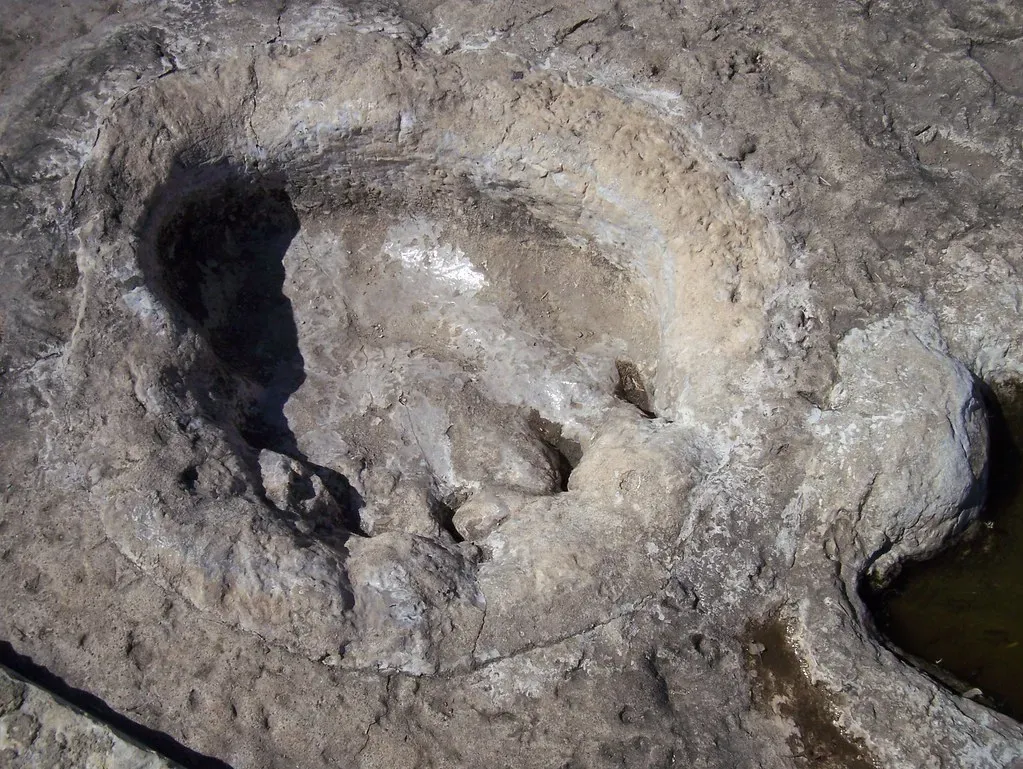
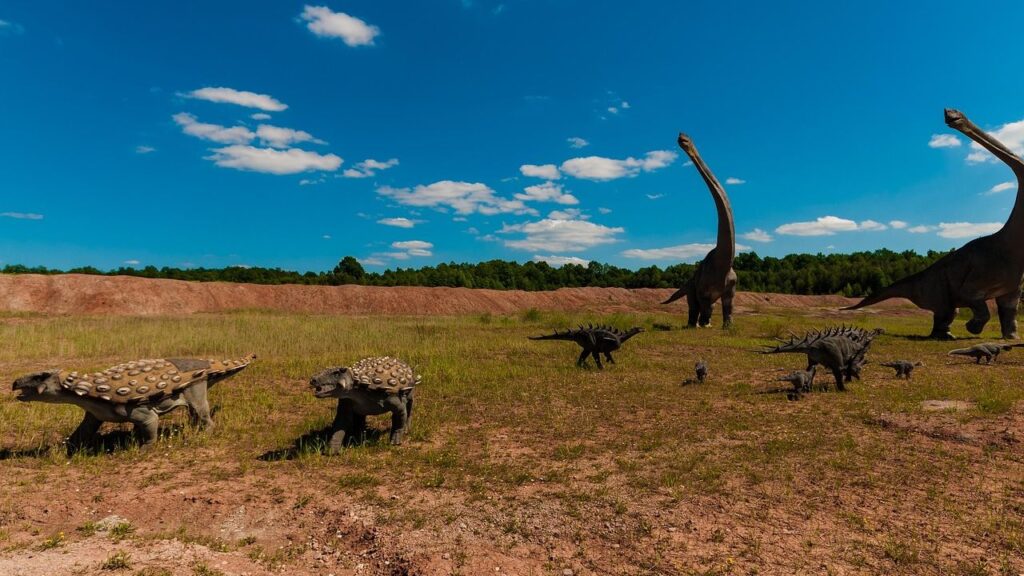
Large sauropod dinosaurs had to navigate between mucky habitats, and as they did so they unknowingly changed the landscape around them. Think about what happens when you repeatedly walk the same path through a garden. Now multiply that effect by creatures weighing up to seventy tons or more.
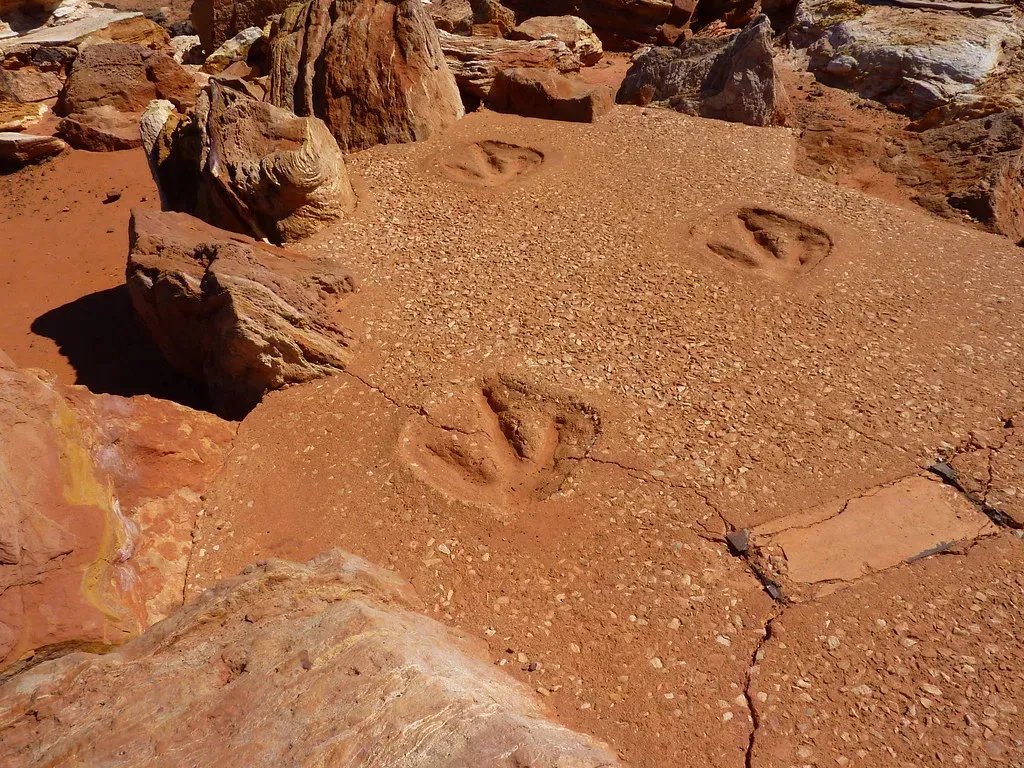
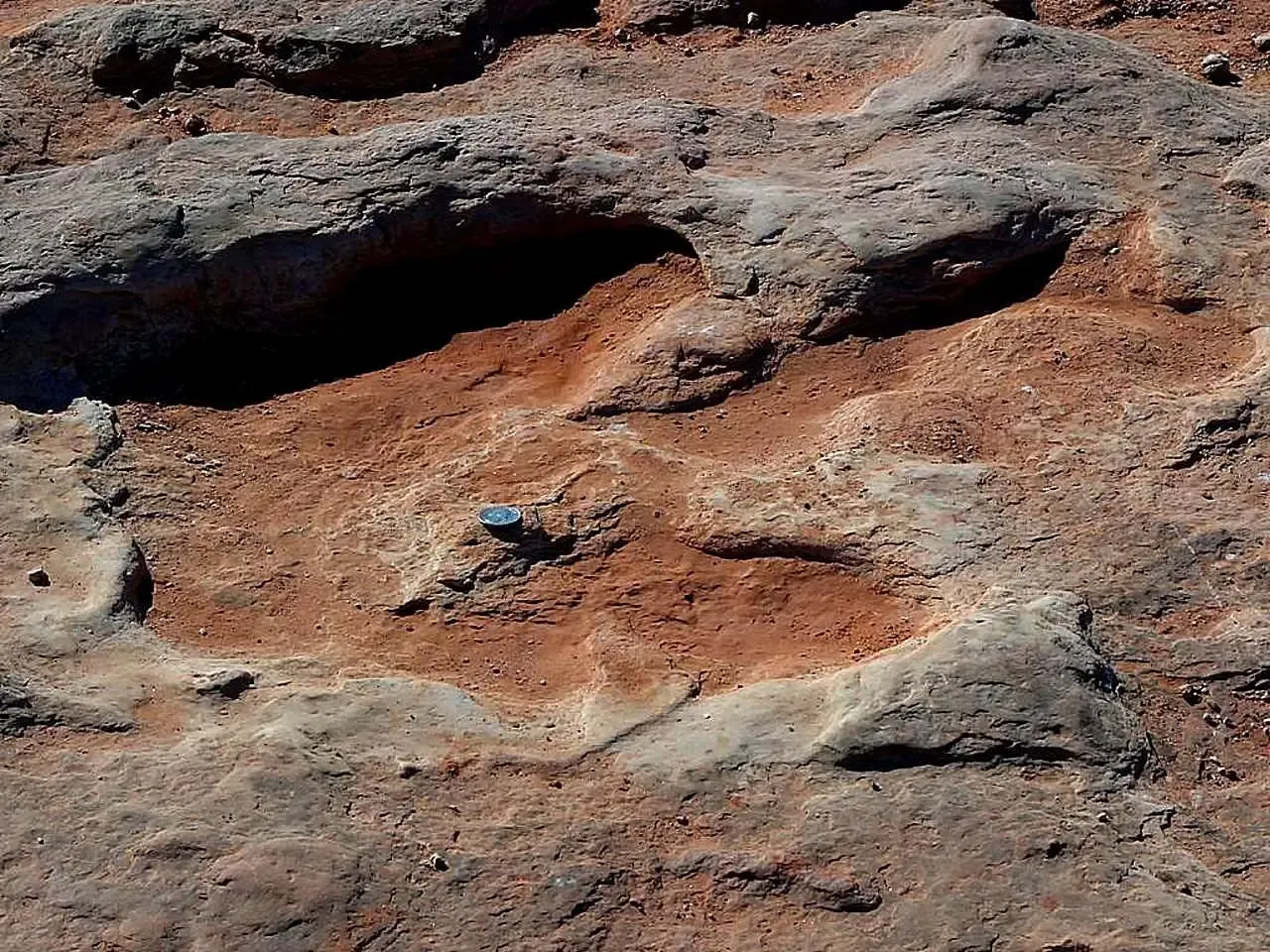
These dinosaurs were so heavy that, as they wandered across the swampy terrain, their weight changed the sediment beneath their feet, and over time, as many dinosaurs followed the same route around a lagoon or stream, channels were created. This wasn’t a temporary disturbance that vanished with the next rain. These were permanent alterations to water flow patterns that shaped entire drainage systems across ancient continents. The tracks you see preserved in places like the Broome Sandstone of western Australia tell this story beautifully.
Transforming Sand Dunes Into Completely Different Shapes
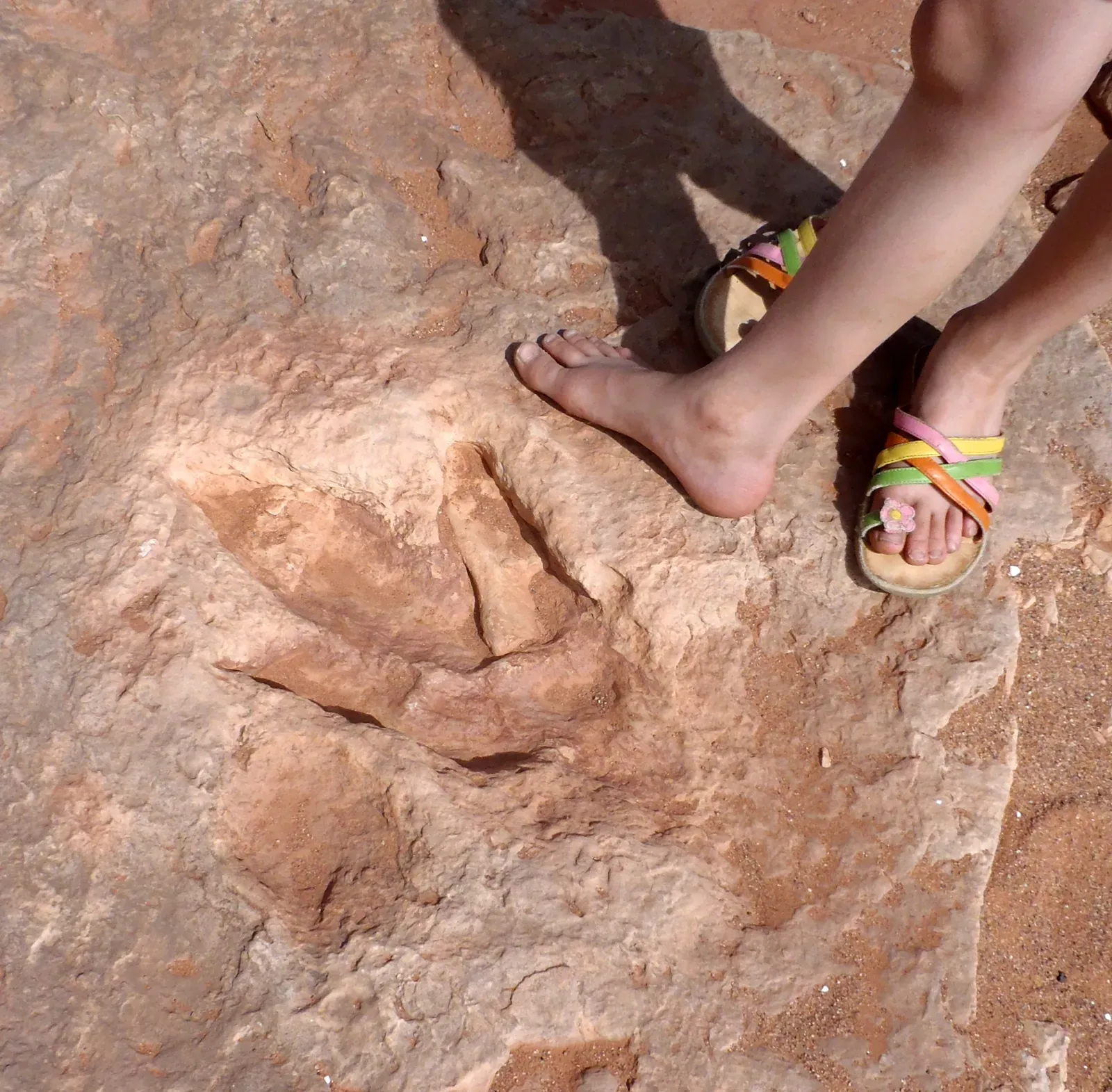
Let’s be real: when a twenty-ton animal takes a single step on the side of a sand dune, things are going to shift. Each step taken by dinosaurs on the sides of dunes triggered a collapse of sand underneath. Maybe it doesn’t sound dramatic when you’re talking about one footprint, but imagine herds of these giants migrating seasonally across desert landscapes.
Every step redistributed tons of sand, fundamentally altering dune architecture. The plants, invertebrates, and other organisms that called those dunes home suddenly found their environment completely reconfigured. It’s hard to say for sure, but these constant modifications likely created a mosaic of microhabitats that wouldn’t have existed otherwise. The dinosaurs were unknowing landscape architects, and the dunes bore witness to their constant reshaping.
Turning Flat Floodplains Into Bumpy Terrain With Nests
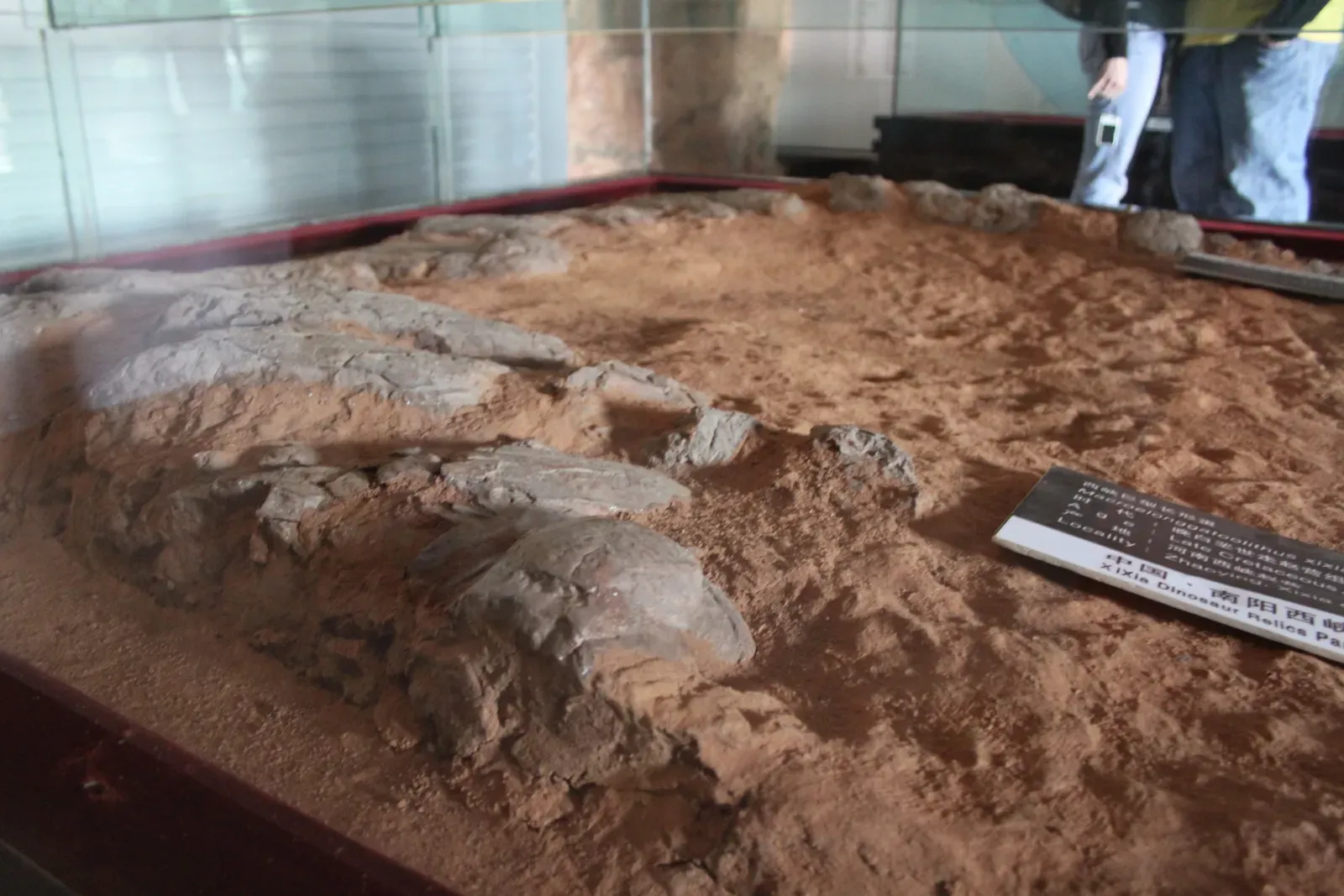
Here’s something that might surprise you: dinosaur nesting behavior was a powerful geological force. Some dinosaur species, including Maiasaura, deposited their eggs in vast nesting grounds that likely turned river floodplains and other formerly flat places into very bumpy ones, especially if dinosaurs returned season after season to make bowls to cradle their eggs.
Think about Egg Mountain in Montana, where dozens upon dozens of Maiasaura nests accumulated over time. Other nesting sites in Patagonia and India would also have transformed level places into open, bumpy swaths of land as dinosaurs returned season after season to the same nests. Each generation literally built upon the previous one’s nests. This created topographic complexity where there had been none before, fundamentally changing drainage patterns and creating new ecological niches for smaller animals.
Keeping Forests Open and Preventing Dense Growth
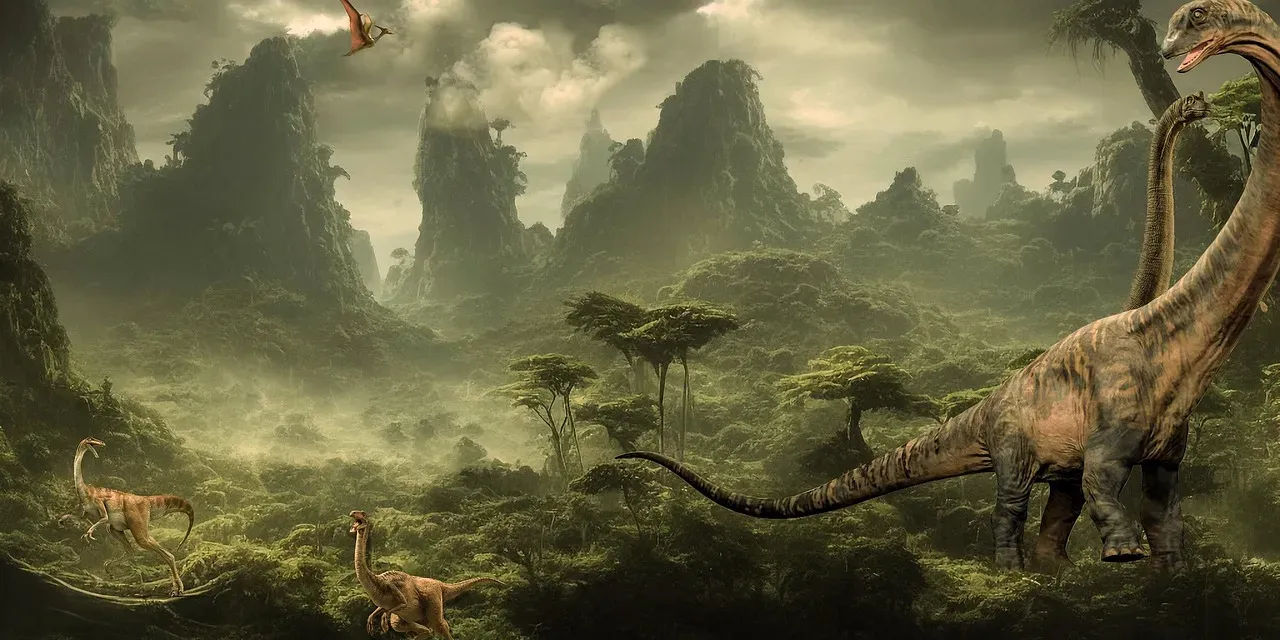
Dinosaurs were likely enormous ecosystem engineers, knocking down much of the available vegetation and keeping land between trees open and weedy. This is one of the most fascinating impacts these creatures had on their world. Modern elephants do something similar in African savannas today, preventing forests from taking over grasslands.
By trampling the ground, eating plants, and knocking down young trees, dinosaurs prevented forests from becoming too dense. The world they inhabited was characterized by wide, open spaces rather than the thick, tangled jungles you might imagine. When the asteroid struck and eliminated these massive herbivores, forests exploded across the landscape. Once the dinosaurs perished, forests were allowed to flourish, helping stabilize sediment and corralling water into rivers with broad meanders. The contrast between pre-extinction and post-extinction landscapes was stark and visible in the geological record.
Reshaping River Systems Across Entire Continents
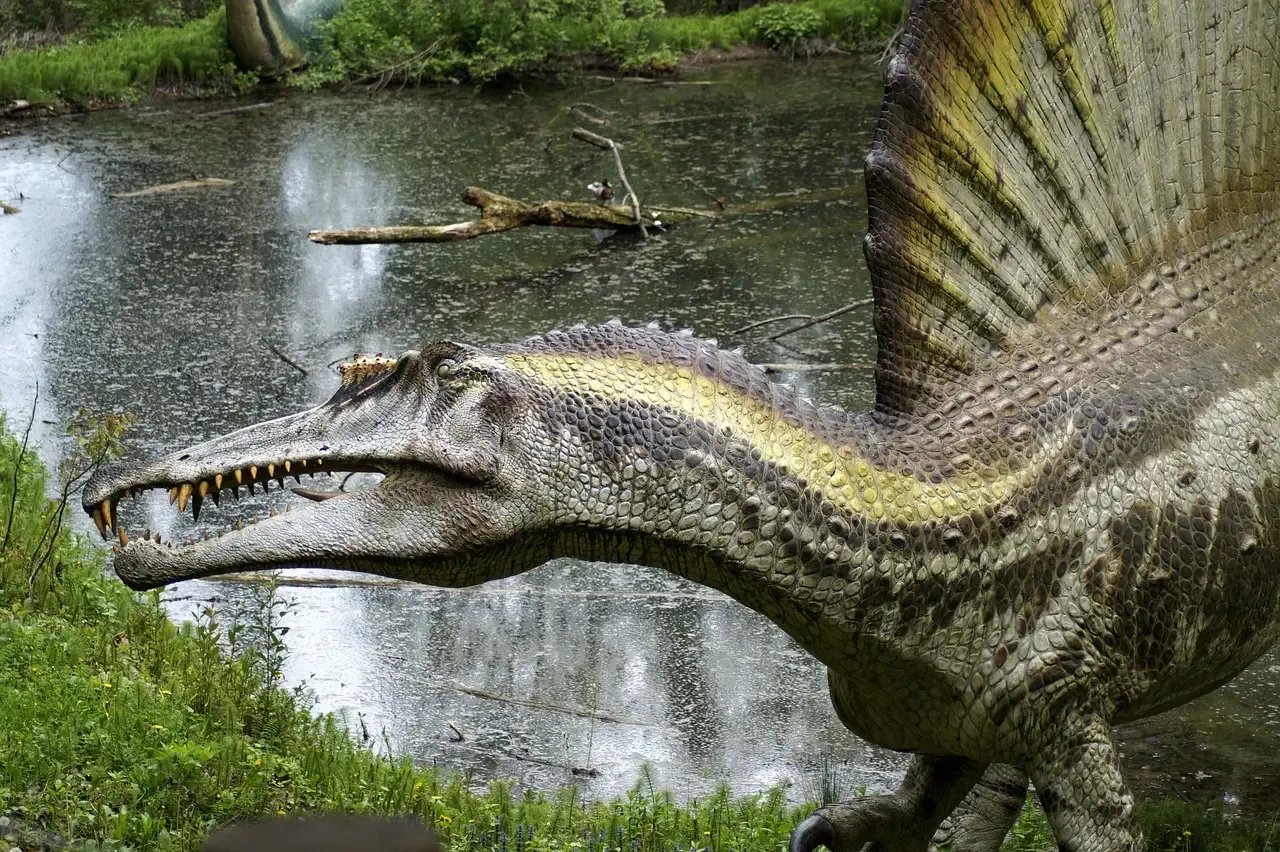
Rivers during the age of dinosaurs looked nothing like most rivers today. In the age of dinosaurs, rivers were chaotic, with channels that were narrow and constantly shifting, flooding was common, and mud and silt collected in massive floodplains. What caused this fundamental difference in river behavior?
The result was rivers spilled openly, without wide meanders, across landscapes. Without the stabilizing influence of dense forests, which dinosaurs actively suppressed through their feeding and trampling, riverbanks remained unstable. Sediment moved freely, channels wandered erratically, and the entire hydrological system functioned differently than what emerged after dinosaurs vanished. Recent geological studies examining sediment layers from before and after the dinosaur extinction show this dramatic shift preserved in rock formations across the western United States.
Engineering Savanna-Like Landscapes in Tropical Regions
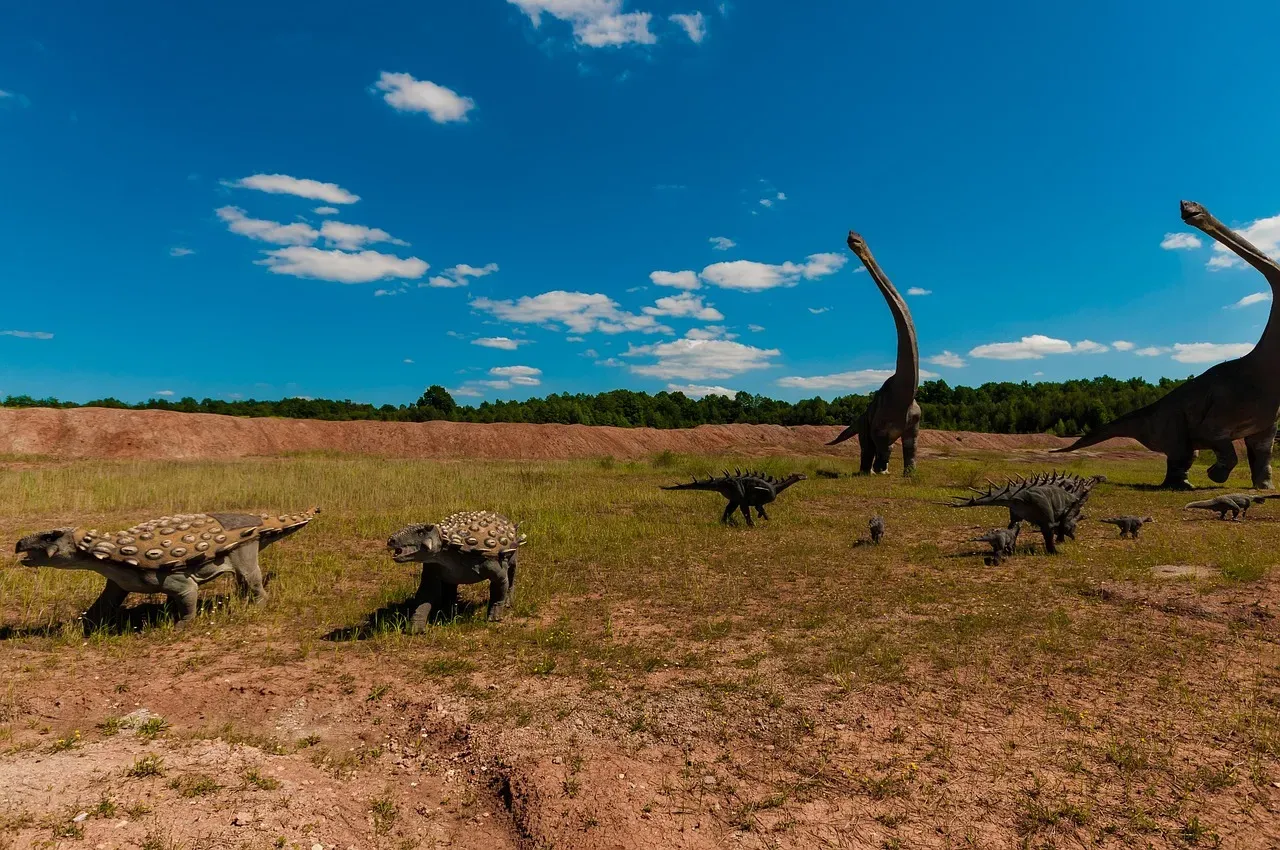
Sauropods were restricted to warmer, drier habitats than other dinosaurs, and these habitats were likely to be open, semi-arid landscapes, similar to today’s savannahs. These giant, long-necked herbivores acted as biological bulldozers in these environments. Their feeding habits and massive bodies created and maintained open landscapes.
Such large animals also very likely influenced and shaped their surrounding environment and would have been instrumental in opening up forested landscapes. By constantly browsing on vegetation and trampling young trees before they could establish themselves, sauropods created conditions that favored grasses, ferns, and shrubs over dense tree cover. This selective pressure shaped plant evolution itself, forcing vegetation to develop strategies to cope with or avoid these megaherbivores.
Influencing Soil Structure and Nutrient Distribution
The sheer weight of dinosaurs walking across landscapes day after day had profound effects below ground level. Modern studies on trampling by large animals show that repeated pressure compacts soil, reduces porosity, and fundamentally alters how water and nutrients move through the ground. Dinosaurs would have had similar, if not more dramatic, effects given their extraordinary mass.
By moving with their full weight, dinosaurs damaged the soil and its ability to sustain the plants they fed on, yet how it was possible for these animals to survive in balance with the ecosystem for millions of years remains a mystery. This paradox suggests dinosaurs must have moved across territories large enough to allow soil recovery, or that ancient soils had properties we don’t fully understand yet. Either way, the impact of billions of footsteps over millions of years left an indelible mark on soil development patterns across continents.
Conclusion
What strikes me most about these discoveries is how they fundamentally change our understanding of what it means to dominate a planet. Dinosaurs didn’t just rule Earth through size and power. They actively sculpted the very ground beneath their feet, directed the flow of rivers, determined where forests could and couldn’t grow, and even influenced which plants could successfully reproduce.
Sometimes, it’s life itself that does the remodeling, and dinosaurs played a direct role in shaping the environment, and when they disappeared, the entire landscape began to evolve in a new way. The Earth we know today is fundamentally different because these creatures once walked it. Their extinction didn’t just remove spectacular animals from the world. It triggered a cascade of landscape transformations that created the environmental template for our own evolution millions of years later. What would you have guessed shaped ancient landscapes more: volcanic eruptions and earthquakes, or the daily activities of living creatures? The answer might surprise you more than you think.