You might think dinosaurs vanished with a bang millions of years ago, leaving nothing but dusty bones behind. Let’s be real though. These ancient creatures haven’t left us at all.
They’re woven into the fabric of our daily existence in ways you probably never stopped to consider. From the fuel powering your morning commute to the birds chirping outside your window, dinosaurs continue to shape our modern life in surprising and sometimes weird ways. You walk past reminders every single day without even noticing them.
They’re Still Here as Modern Birds

The humble pigeon you see on the sidewalk is actually a descendant of the same group that includes the mighty Tyrannosaurus rex, having evolved from small meat-eating dinosaurs called theropods. The ancestor of all living birds lived sometime in the Late Cretaceous, and in the roughly 65 million years since other dinosaurs went extinct, this ancestral lineage diversified into the major groups of birds alive today. I find it honestly mind-blowing that every single bird species around us carries dinosaur DNA.
Over millions of years, birds evolved in many ways which enabled them to survive in lots of different habitats, and today there are at least 11,000 bird species. The gradual evolutionary change from fast-running, ground-dwelling, bipedal theropods to small, winged, flying birds probably started about 160 million years ago, possibly due to a move by some small theropods into trees in search of either food or protection. Their small size, diverse diets, and ability to fly helped them survive when larger dinosaurs couldn’t adapt.
The Fossil Fuel Myth You Need to Forget
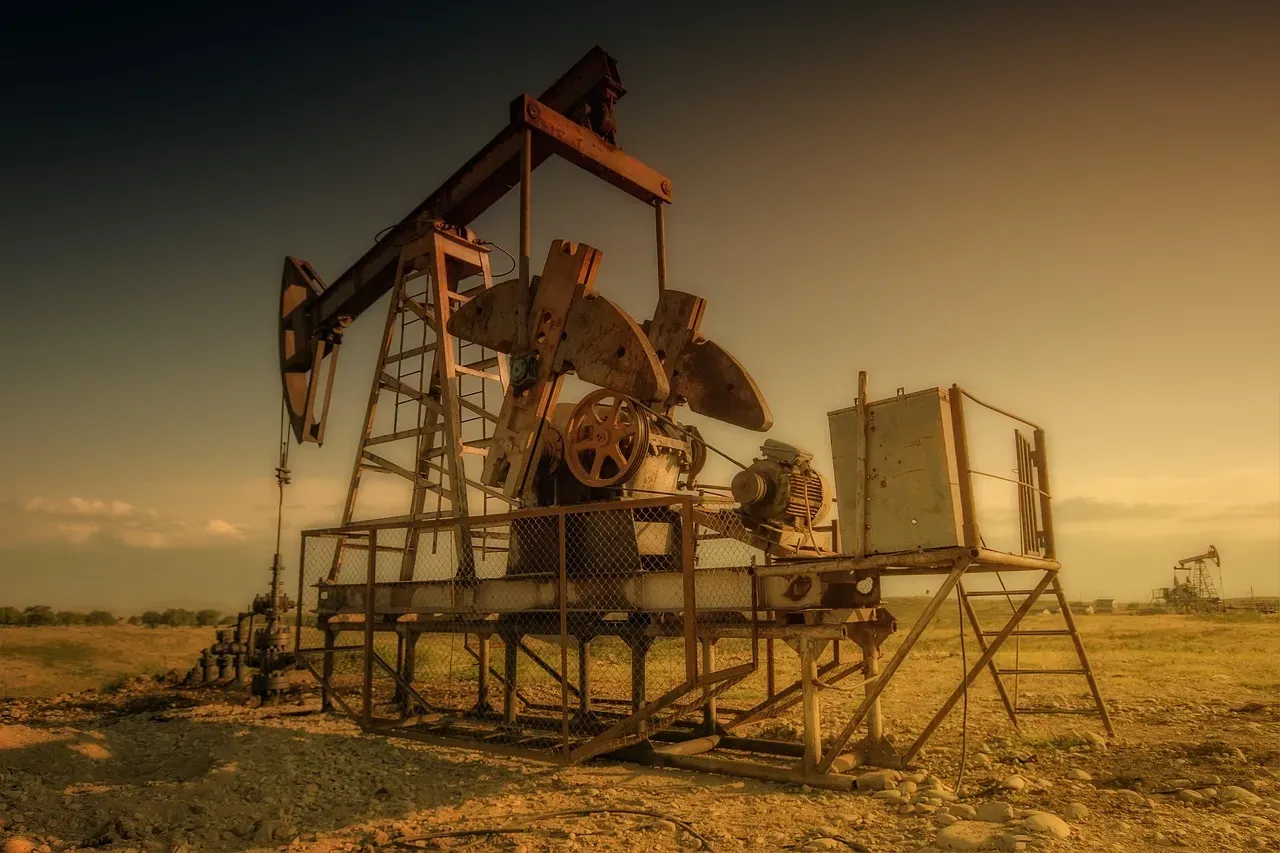
Here’s something that might surprise you. One of the most widespread beliefs about fossil fuels is that oil, natural gas and coal started out as dinosaurs, but that dino-source story is actually a myth. There were never enough dinosaurs in the world to generate the vast stores of oil we use today, and dinosaurs lived in the wrong environment since they were all terrestrial creatures while oil comes from decaying marine organisms.
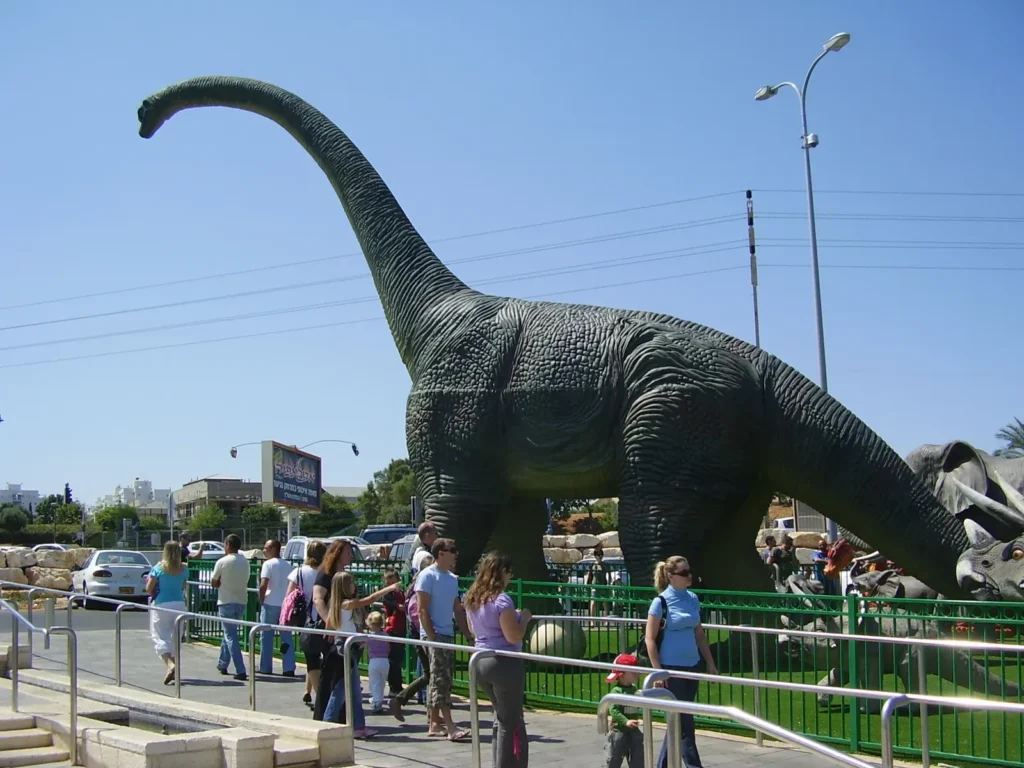
Petroleum comes from a process that started in ancient seas where small organisms called plankton lived, died and sank to the bottom of those oceans, then debris settled down through the water and covered the dead plankton. While oil formation does overlap with dinosaur times, oil is a marine sediment made of the remains of algae and plankton. Marketing campaigns, particularly Sinclair Oil’s use of a green Brontosaurus, sealed the faulty link between dinosaurs and oil in the public imagination, drilling the connection into the minds of nearly everyone.
Driving Scientific Innovation Forward
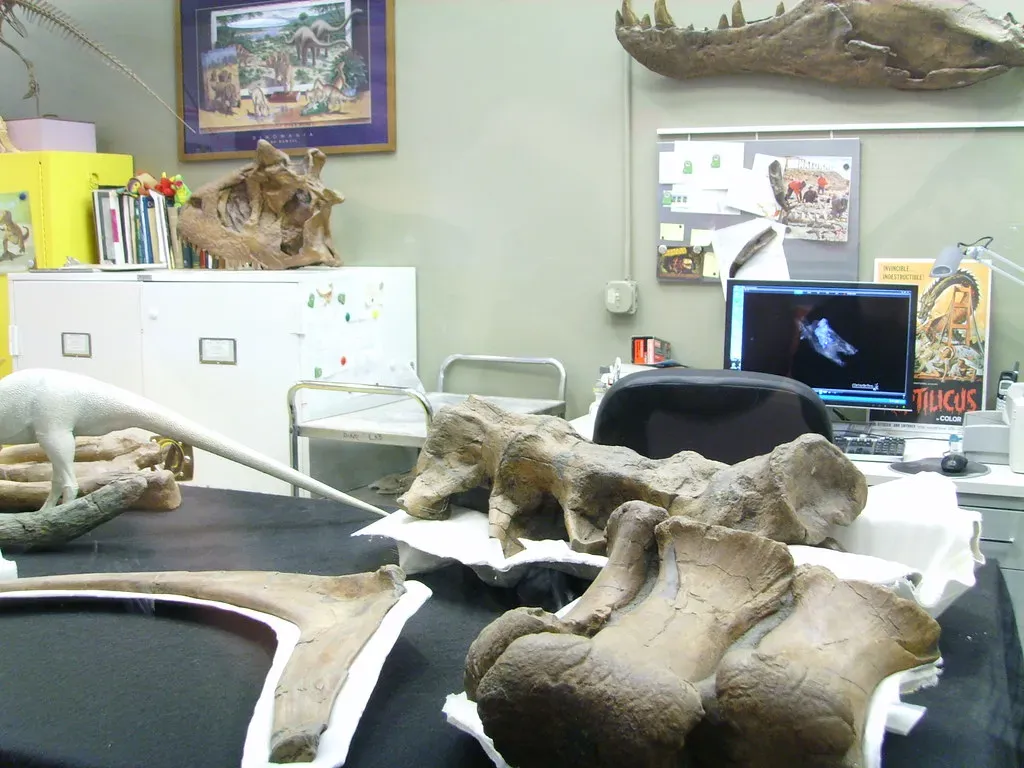
Researchers have developed new approaches using computer animation software to combine 3D models of fossil bones with information gleaned from X-ray videos of moving joints of modern animal species, potentially changing our understanding of how prehistoric creatures chased prey, swam coastal waterways, and soared across the sky. It’s hard to overstate how much technology has revolutionized what we can learn from fossils that have sat in museums for decades.
Using techniques such as computed tomography scanning on fossilized remains allows researchers to create 3D models of dinosaurs, and through this modeling scientists can run virtual tests to determine how specific species may have moved based on their skeletal structure. Footprints can provide vital data on dinosaur locomotion, and new technologies extract exceptional detail from these fossils while computational modelling methods integrate musculoskeletal reconstructions and kinematics to gain insights into how dinosaurs moved. These advances benefit everything from medical research to robotics design.
Dominating Entertainment and Popular Culture
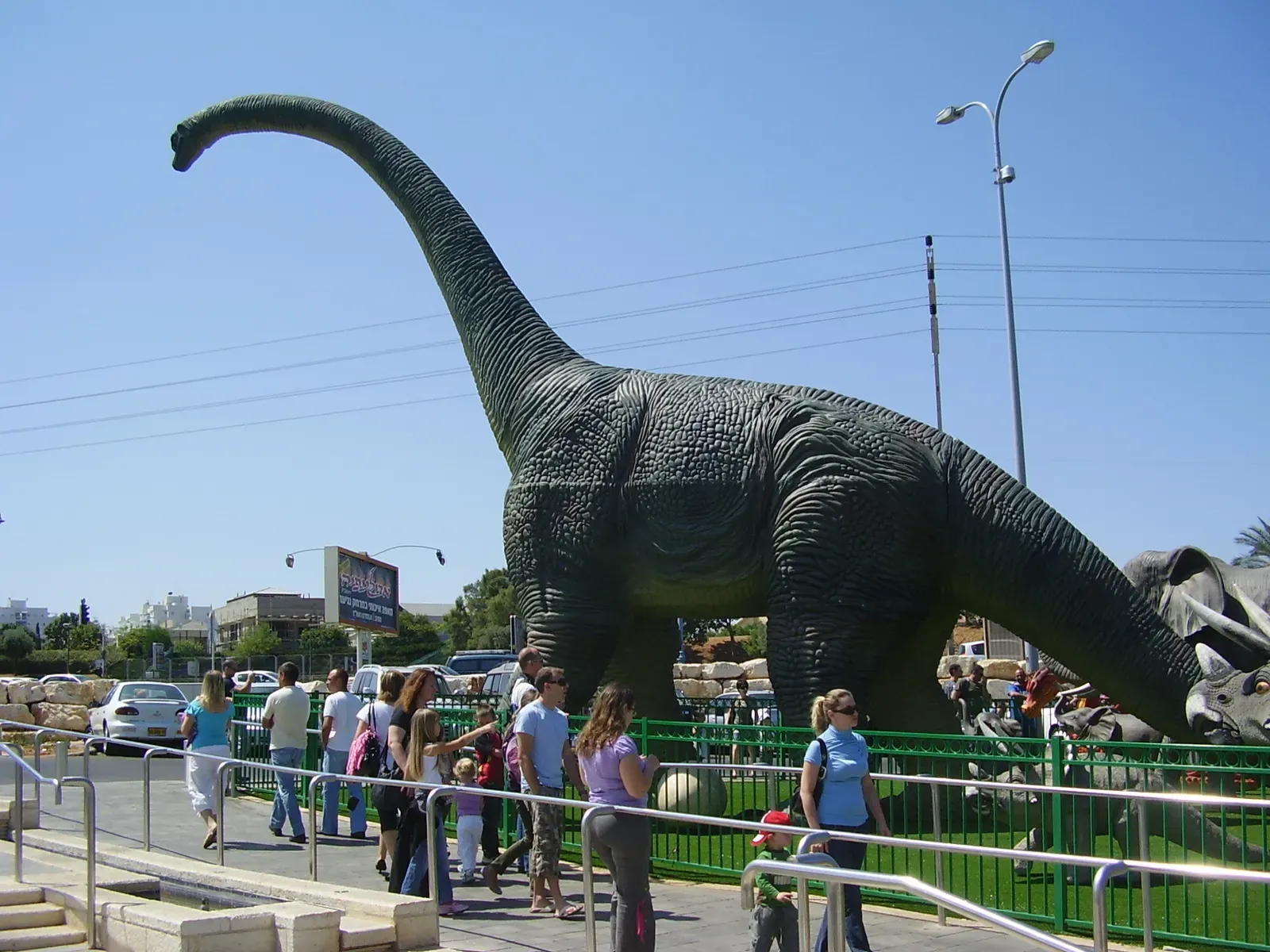
Dinosaurs have seamlessly transitioned from fossilized remains of ancient past to the forefront of contemporary popular culture, and their formidable presence has permeated diverse mediums, leaving an indelible mark on the collective imagination of societies worldwide. Jurassic Park created an enormous boost not only for pop culture but also for paleontology as a scientific field, and many modern palaeontologists cite both the film and novel as influences, with a Bristol University professor noting in 2018 that most of his students name Jurassic Park as their main influence in deciding to study dinosaurs.
Computer graphics technology reached a tipping point in the early 1990s making realistic dinosaur animation possible for the first time, and Industrial Light & Magic’s work on Jurassic Park demonstrated that audiences would accept CGI creatures as believable, opening floodgates for dinosaur content across all media. Today dinosaurs are present in everyday lives as companies use their images in advertising and they decorate every imaginable product, from fashion items to dishes. The entertainment industry continues churning out dinosaur content because audiences just can’t seem to get enough.
Shaping Education and Young Minds
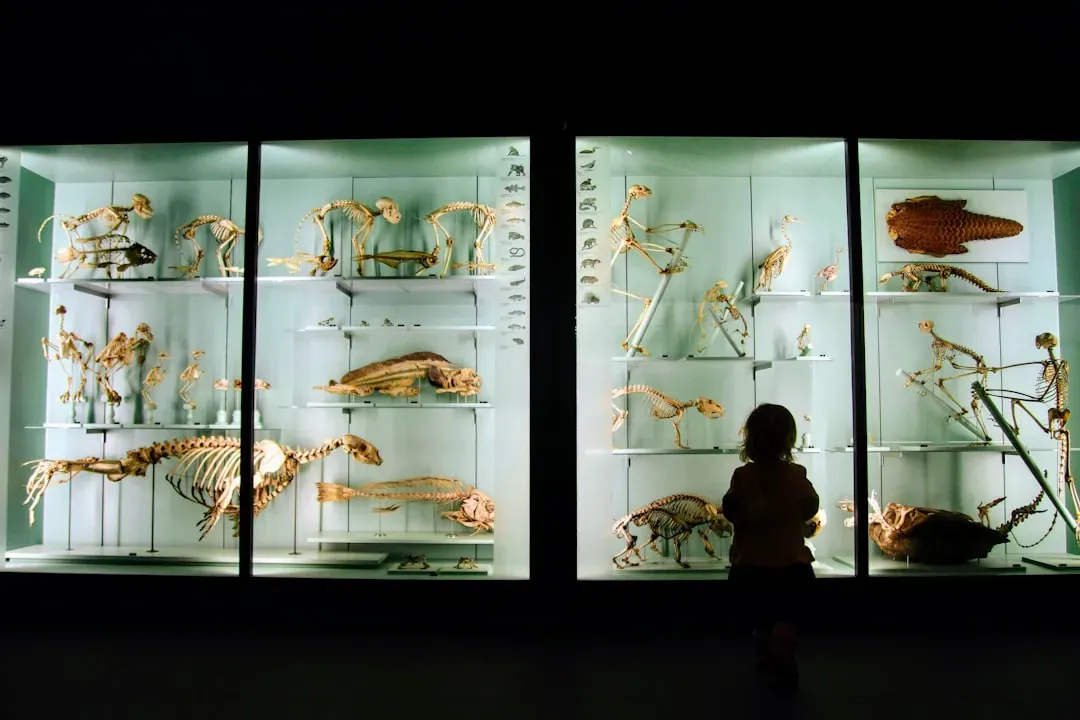
Dinosaurs have become staple characters in children’s literature, serving as both educational tools and sources of entertainment, with research highlighting the prevalence of dinosaur-themed books in children’s libraries and emphasizing their role in fostering early literacy and a love for science. I think we’ve all seen how a kid lights up when they start rattling off complicated dinosaur names with perfect pronunciation.
At a time when science isn’t as fashionable as it used to be, paleontology remains one of the most accessible sciences for children and adults because it doesn’t require mastery of arcane mathematics or complex genomics, and discoveries are usually explained in layman’s terms, making dinosaur paleontology the single most accessible embodiment of the concept of evolution. Science museums began offering school programs combining entertainment with rigorous education where students could participate in mock excavations, examine real fossils, and learn about scientific methodology through hands-on activities that created lasting impressions influencing career choices and lifelong learning habits.
Fueling a Massive Commercial Industry
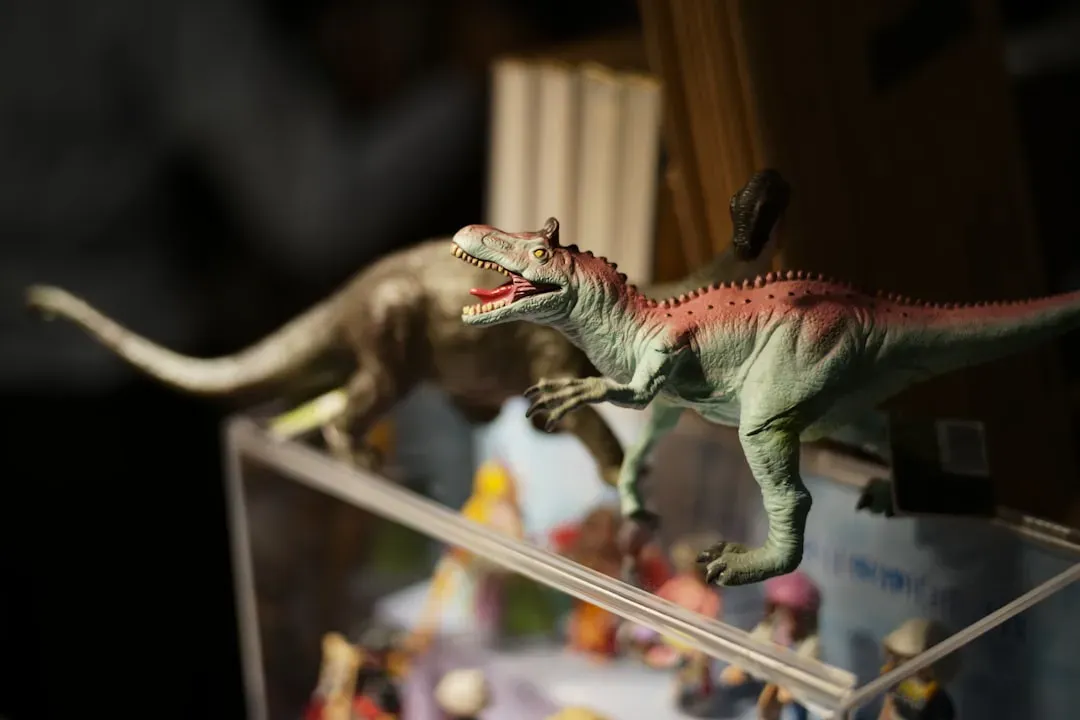
According to data, the global dinosaur toy market is valued at billions of dollars, and the charismatic appeal of dinosaurs extends beyond the screen making them lucrative in consumer products, with everyone from young children enamored by the colossal T-Rex to adults reminiscing about the Jurassic era fueling a booming industry. You probably didn’t realize just how enormous this market is until you walked down a toy aisle recently.
Dinosaur merchandise has not only created economic ripples but has cemented dinosaurs’ cultural impact, with a BBC report exploring how dinosaur-themed products have become cultural symbols transcending age groups and geographical boundaries, and the appeal has proven to be a unifying force fostering shared fascination across generational gaps and geographic distances. Museums reported increased attendance at dinosaur exhibits following major film releases, and children who once played outside began flocking to libraries seeking books on fossils or asking their parents for trips to natural history museums instead of amusement parks.
Inspiring Ongoing Scientific Discoveries
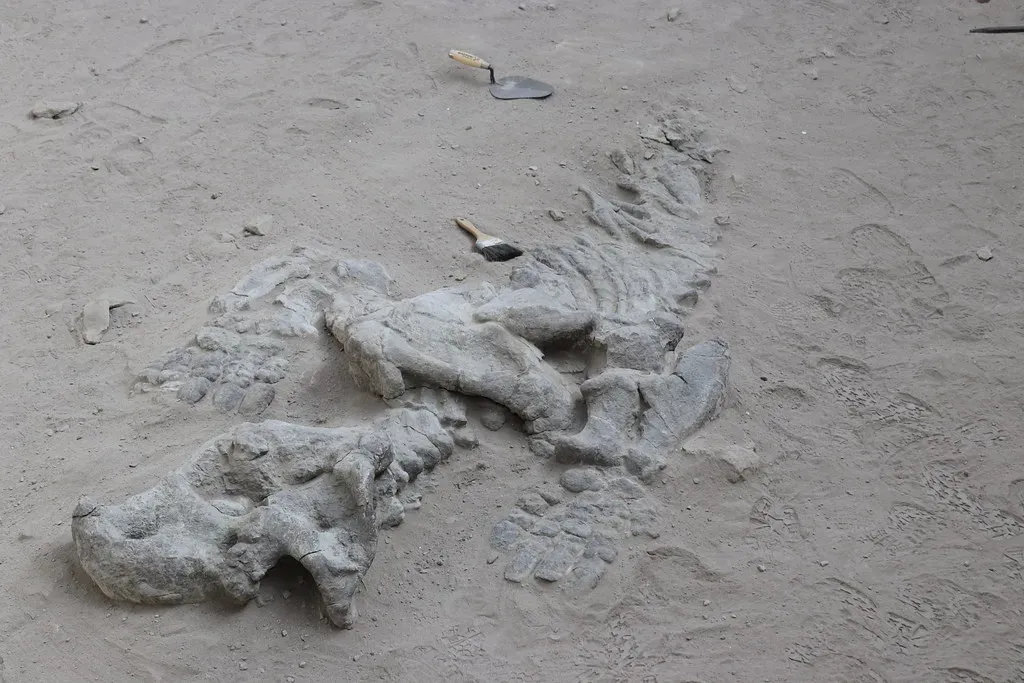
A golden era in dinosaur science is driving fascination with dinosaurs, with around 1,400 dinosaur species now known from more than 90 countries, the rate of discovery accelerating in the last two decades, and 2025 seeing the discovery of 44 new dinosaur species, nearly one a week. Here’s the thing: we’re finding more dinosaurs now than ever before in history.
In 2025 it became clear that dinosaurs are anything but settled science, as new fossils, reanalyses of famous specimens and increasingly sophisticated tools continued to upend what we thought we knew about how these animals lived, moved, fed and evolved, with some discoveries filling missing gaps while others forced researchers to confront that long-held assumptions were simply wrong. Paleontology has entered a new era of rapid discovery and scientific transformation, with breakthrough fossils unearthed across Asia, South America, North America and Europe dramatically expanding our understanding of dinosaur evolution, biology and behavior. Each new fossil tells us something different about life millions of years ago.
The legacy of dinosaurs reaches far beyond museum displays and blockbuster movies. They remain active participants in our world, driving scientific progress, shaping childhood development, and reminding us that extinction doesn’t always mean the end. Next time you see a sparrow or fill up your gas tank, remember you’re interacting with echoes of the Mesozoic era. What other ancient creatures do you think might be secretly influencing your daily life?