Picture a Tyrannosaurus rex thundering through a dense prehistoric forest. You’ve probably imagined that iconic roar, thanks to Hollywood. But here’s the thing: science is increasingly telling us that the acoustic world of dinosaurs was far stranger, subtler, and more fascinating than any film has ever dared to depict. Researchers are now using tools and techniques that would have seemed like science fiction just a generation ago, peering deep into ancient skulls and reshaping everything you thought you knew about how these colossal creatures heard the world around them.
The mystery runs deep because soft tissue, including ears as we know them, rarely survives in the fossil record. That’s what makes this field so intellectually thrilling. Paleontologists have had to become almost detective-like in their methods, pulling clues from bone structure, living relatives, and cutting-edge imaging technology. Let’s dive in and explore the seven remarkable ways scientists are cracking open this prehistoric auditory puzzle.
1. CT Scanning: Seeing Inside a Fossil Without Touching It
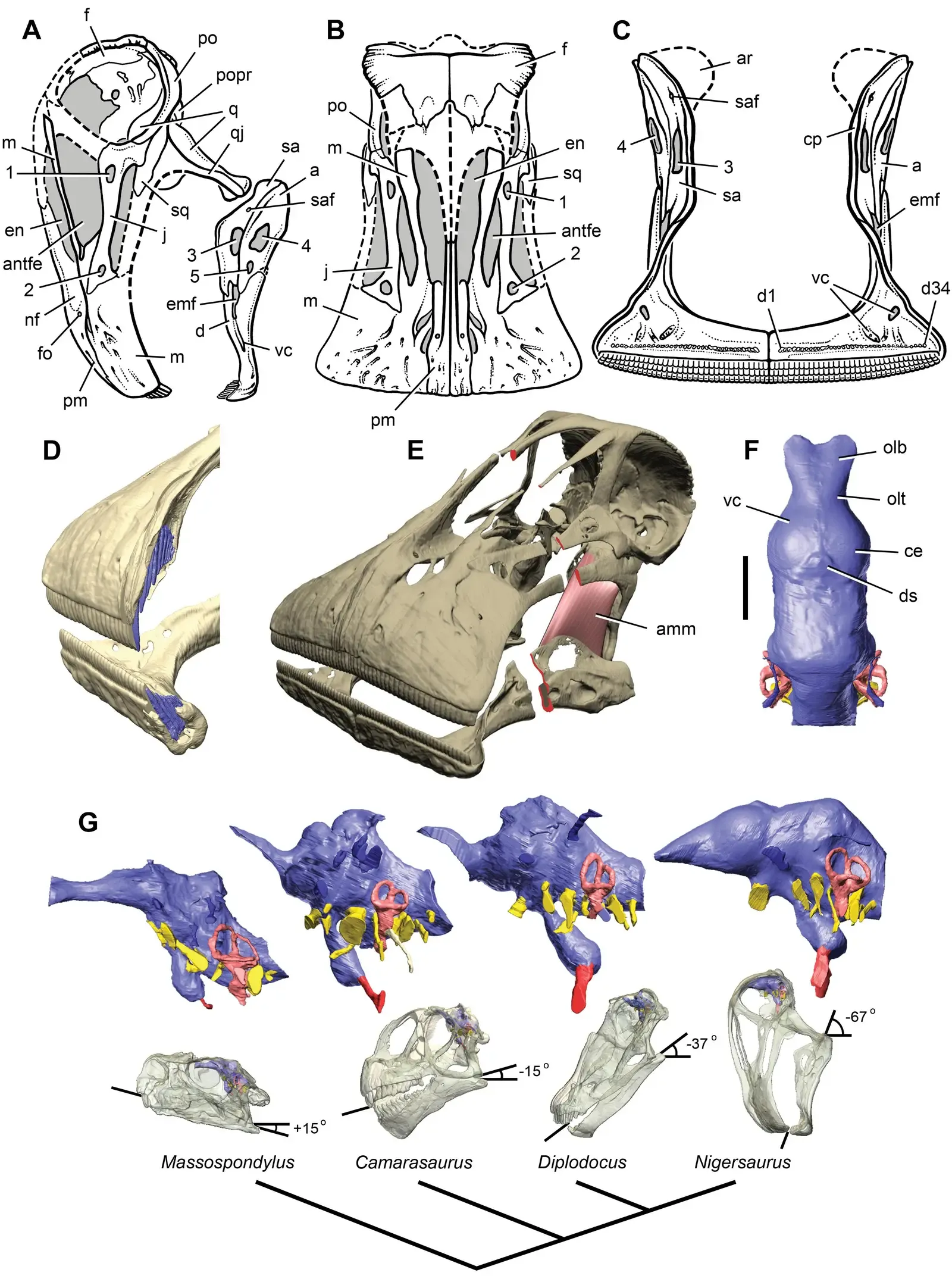
You might think studying a 150-million-year-old skull requires cracking it open, but that’s where modern science steps in with something far more elegant. Computer tomographic scanning is now a standard technique for studying the internal features of fossil structures, enabling comparisons with related modern species and speculation concerning function and even behaviour. Think of it like getting an MRI for a dinosaur skull – the fossil just lies there, utterly undisturbed, while the machine does all the work.
The advent of X-ray computed tomography, CT scanning, has revolutionized the study of braincases by allowing researchers to peer inside and visualize these structures in three dimensions. In practical terms, that means paleontologists can now map out the winding canals of a dinosaur’s inner ear with extraordinary precision, producing vivid digital models from specimens that are millions of years old. Scientists have used CT scans to digitally reconstruct the brain, inner ear, and surrounding bones of well-preserved dinosaur specimens, including massive tyrannosaurs that lived in the coastal forests of what is now Alberta around 75 million years ago.
2. Reading the Cochlea: The Size of a Bone Tells a Story
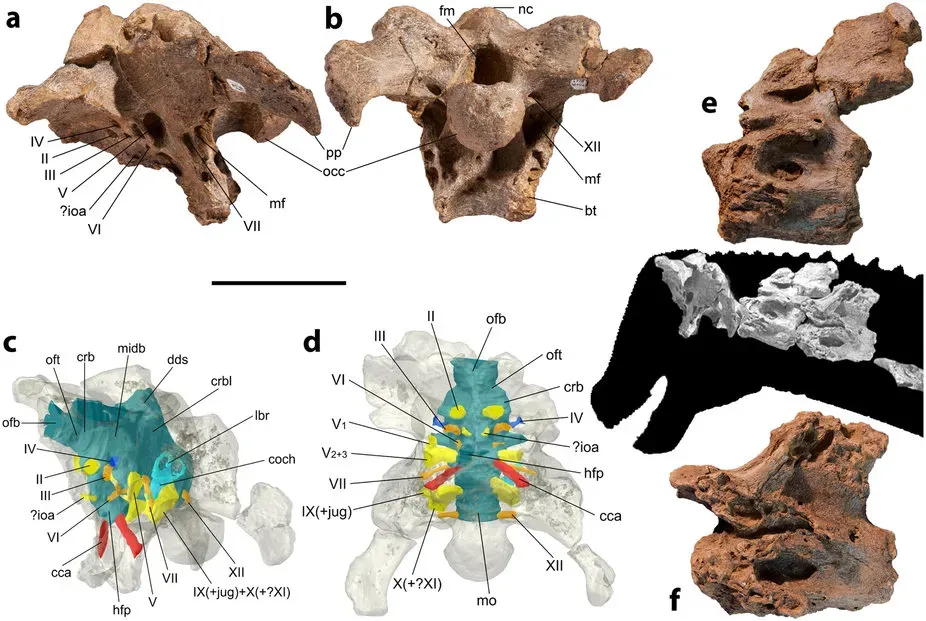
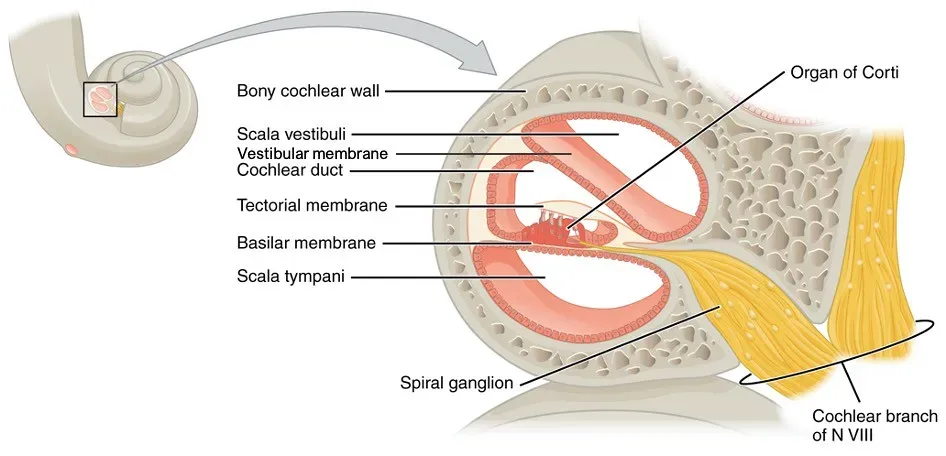
Honestly, one of the most surprising discoveries in dinosaur auditory research is how much information is locked inside one tiny inner ear structure: the cochlea. Researchers focused on the part of the inner ear called the basilar membrane to understand dinosaur hearing, noting that small, lightweight species with a short basilar membrane can hear higher frequencies than larger species with a longer basilar membrane. It’s almost like a ruler for sound – the length of this structure directly hints at what frequencies an animal could detect.
The cochlea, a bone in the inner ear of a famous T. rex specimen, was remarkably long, which in animals alive today is usually associated with the ability to hear low-frequency sounds very well, suggesting it may have had excellent hearing that would have helped it detect prey from a distance. That said, researchers are careful not to oversimplify. Limitations and caveats exist regarding inferences that are based on one isolated feature alone, typically cochlear length. A single measurement, it turns out, is rarely enough to paint the full picture.
3. Comparing Living Relatives: Birds and Crocodiles Hold the Clues
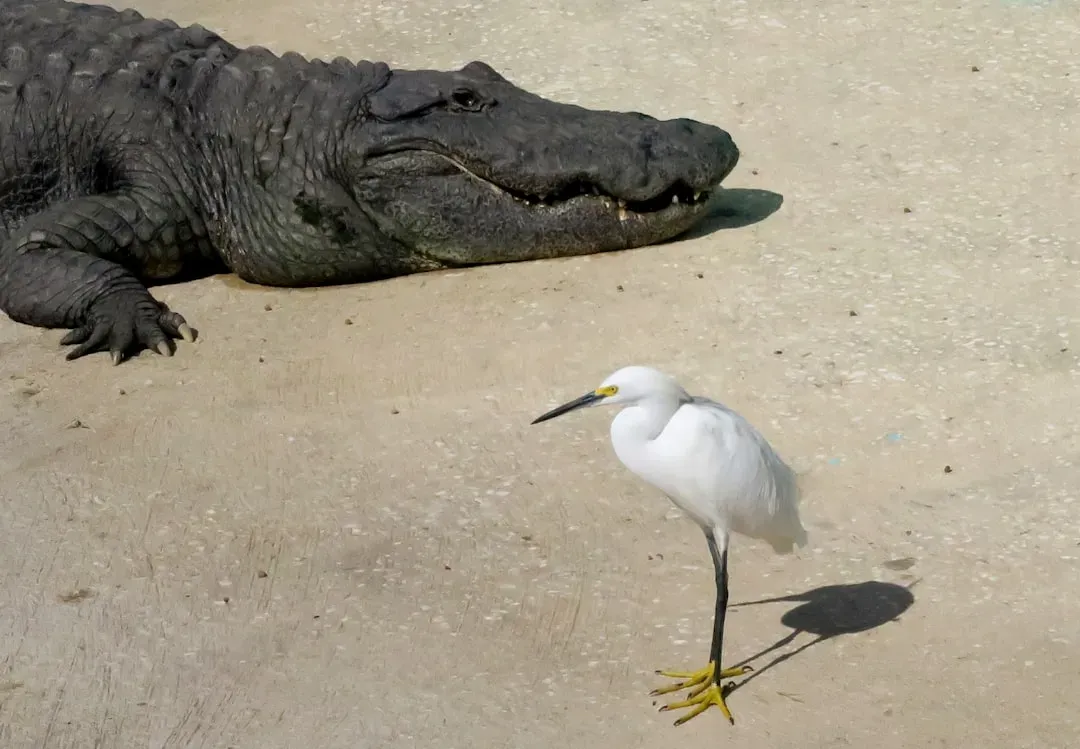
Here’s a question that probably never crossed your mind: what do a chicken and a crocodile have to do with T. rex’s hearing? Quite a lot, as it turns out. The inner ears of archosaurs, including birds, crocodilians, and extinct dinosaurs, show a high degree of structural similarity, which enables researchers to make predictions of inner ear function in extinct species based on relationships among similar variables in living birds. It’s like using a modern GPS signal to map out a road that vanished thousands of years ago.
It seems that dinosaurs and their archosaur descendants, including birds and crocodiles, have very similar ear structures, and by comparing those structures and applying rules of hearing, scientists have devised an idea of the dinosaur’s hearing range. The logical conclusion from all this comparative work is striking. Dinosaurs probably heard a lot of low frequency sounds, like the heavy footsteps of another dinosaur, and what they likely could not hear were the high pitched sounds that birds make. Imagine living in a world where the dominant sounds are deep, booming rumbles, and the high-pitched chirps of the forest barely register at all.
4. Mapping the Vestibular System: Understanding Movement Through Sound
The inner ear does more than just process sound – it also governs balance and movement. Scientists realized this dual role could be a goldmine of behavioral information. The shape of the inner ear offers reliable signs as to whether an animal soared gracefully through the air, flew only fitfully, walked on the ground, or sometimes went swimming. That’s a staggering amount of behavioral data hidden within a tiny cavity inside an ancient skull.
Working with colleagues at the American Museum of Natural History, researchers compiled a matrix of inner ear data for 128 species, including modern-day animals such as birds and crocodiles, along with dinosaurs such as Hesperornis, Velociraptor, and the pterosaur Anhanguera. After assembling the data, researchers found clusters of species with similar inner ear traits, and those clusters correspond with the species’ similar ways of moving through and perceiving the world, with several clusters resulting from the structure of the vestibular system. It’s a bit like reading someone’s fitness profile from their skeleton alone – eerily precise.
5. Digital Endocasts: Recreating the Dinosaur Brain in 3D
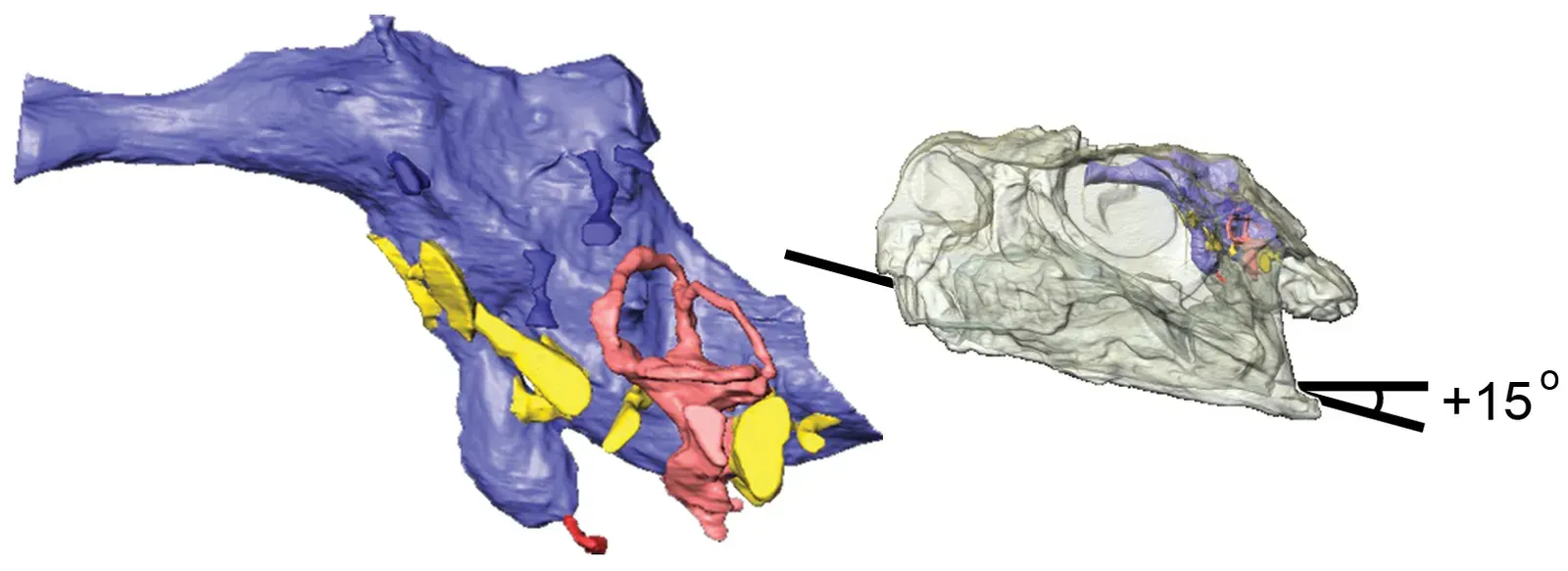
If you want to understand how an animal heard, it helps enormously to understand how its brain processed sound. Enter the endocast, a three-dimensional digital replica of the braincase interior. Study of the braincase structure and its endocranial cavity provides insights on the brain itself, as well as characteristics such as the layout of cranial nerves, and some aspects of sensory biology such as auditory and visual anatomy that drove the life of the dinosaur. In short, the shape of the skull’s interior is a map of the mind inside it.
Using CT scanning equipment and 3D computer visualization, paleontologists have been able to peer into the brain cavities of dinosaur fossils, and from the size and shape of these brain cavities, they can make inferences about dinosaur hearing. Researchers have determined that some dinosaurs had large forebrains, which would lead to heightened senses of both hearing and smell. This kind of work transforms a lump of mineralized rock into a window into ancient neurology – something that would have seemed completely impossible just a few decades ago.
6. The Stapes Bone: A Tiny Fossil With a Big Secret
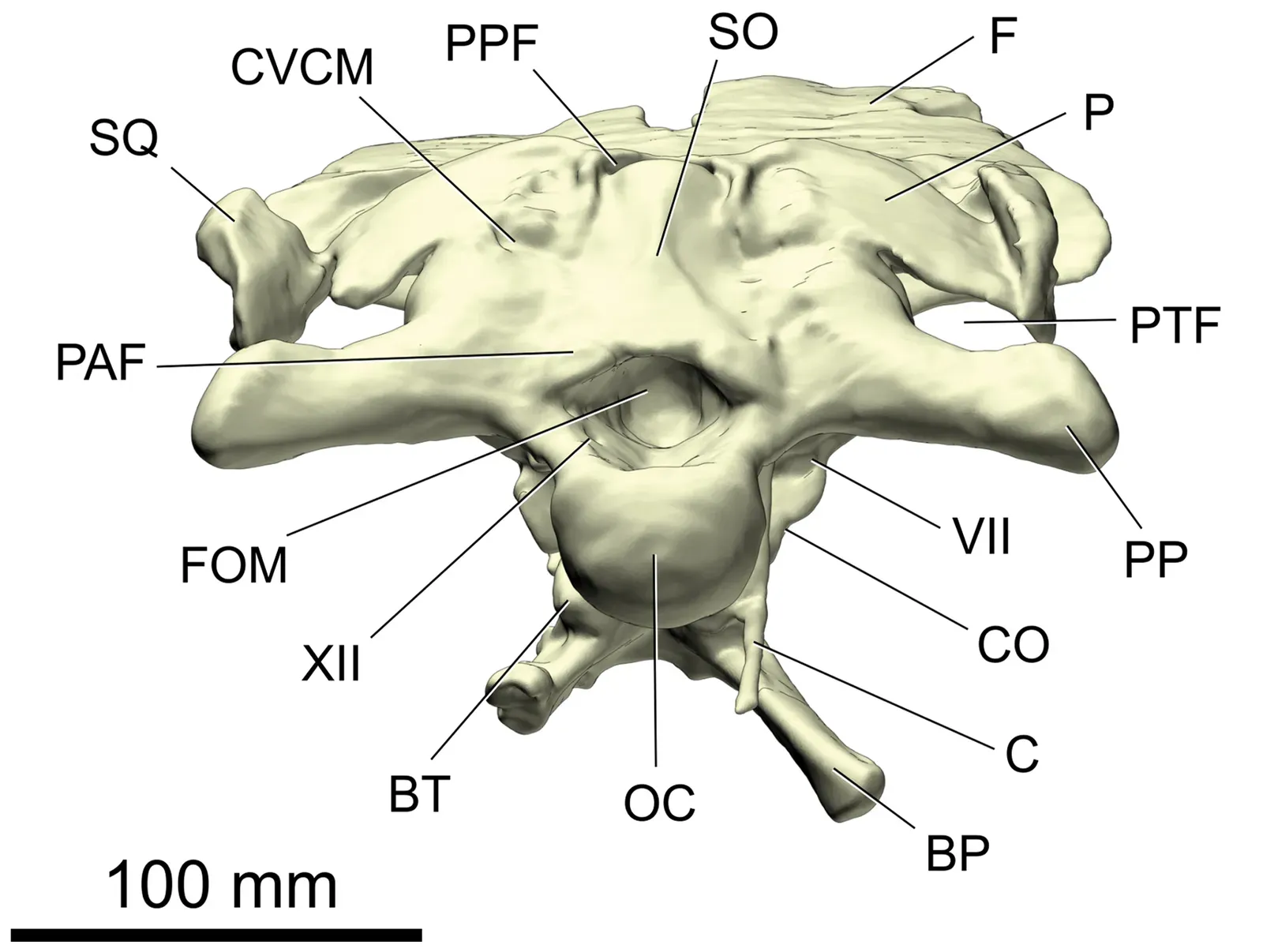
There’s a small bone inside your own ear right now called the stapes, commonly known as the stirrup. It’s one of the smallest bones in the human body. As it happens, it also occasionally shows up in dinosaur fossils, and when it does, paleontologists pay close attention. The presence of preserved stapes bones in dinosaur fossils supports the idea of well-developed hearing, since the stapes bone is a small bone in the middle ear that plays a crucial role in transmitting sound vibrations to the inner ear, and its presence in dinosaur fossils indicates that they had the anatomical structure necessary for detecting and processing sound.
Scientists found that a tiny inner ear bone, known as a stapes, had been preserved in the fossils of certain dinosaur specimens – a bone located within the inner ear that transmits sound vibrations to the eardrum. It’s hard to say for sure how complete the picture can be from a single preserved bone, but even this tiny piece of the puzzle pushes the science forward dramatically. Cavities within the bones not only made the huge skull lighter, but they were also related to the middle region of the ear, probably helping to amplify sound and assist the system that communicates between the left and right ears, allowing the brain to determine where a sound is coming from.
7. Studying Vocalizations and Sounds of Living Relatives
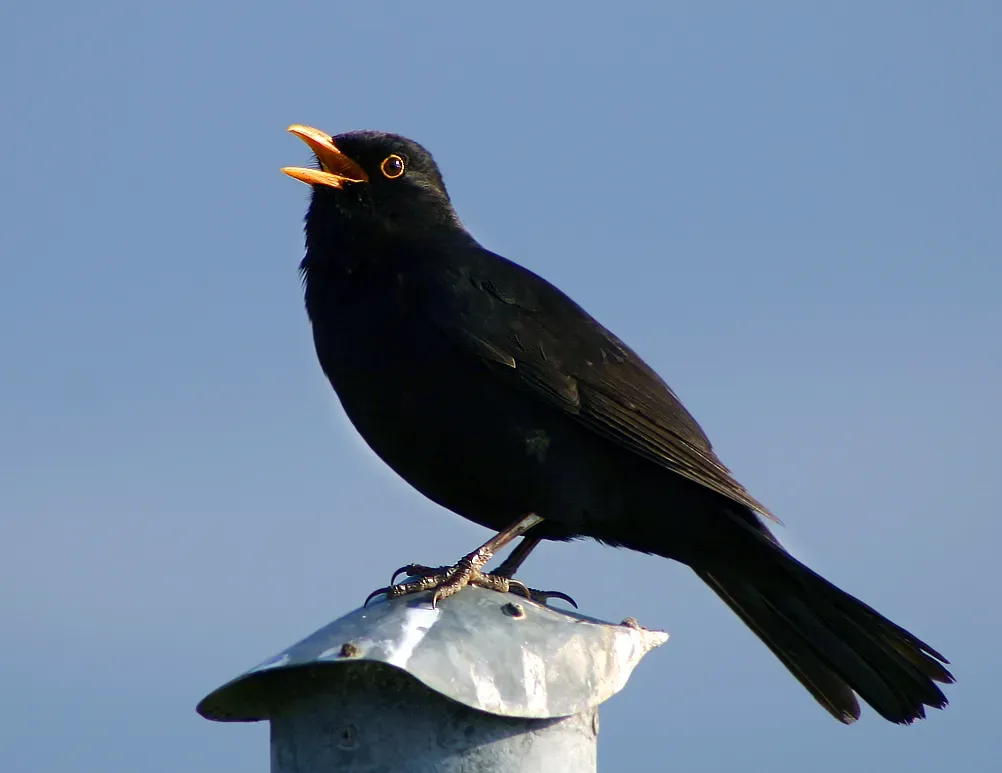
Let’s be real: you can’t reconstruct how a dinosaur heard without also thinking hard about what it needed to hear. Researchers have turned to the vocalizations of modern relatives to help piece together the soundscapes of the Mesozoic world. Instead of relying solely on fossilized bones, scientists now study fossilized vocal organs, skull structures, and even comparisons with living reptiles and birds to uncover the true nature of dinosaur sounds. The two inquiries, hearing and vocalizing, are deeply intertwined: an animal generally hears what it needs to hear.
Today, scientists believe that large theropods like the T. rex likely produced much deeper, resonating sounds, akin to those of modern crocodiles or ostriches. Dinosaur sounds likely played a crucial role in communication, attracting mates, establishing territories, and possibly warning of danger, and the ability to produce loud sounds would have been particularly important for larger dinosaurs with booming calls that could travel long distances. The evolutionary logic here is elegant. If you could produce a sound, you almost certainly evolved to hear it, too, meaning the study of prehistoric vocalization is simultaneously a study of prehistoric hearing.
Conclusion: A Prehistoric World of Sound, Slowly Coming Back to Life
What’s remarkable about all of this research is how collaborative and multi-layered it has become. Paleontologists, audiologists, zoologists, and neuroscientists are increasingly working side by side, each bringing a different lens to the same ancient question. Research results suggest that the length of the cochlear duct can be used to predict mean hearing frequency and range in fossil taxa, and that this measure may also predict vocal complexity and large group sociality. That’s not just impressive science – that’s a window into how prehistoric societies may have functioned.
Still, humility remains essential. Inferring the sensory capabilities of extinct species is a fascinating exercise and potentially insightful into their ecology, but the desire to learn about the auditory world of fossil dinosaurs has occasionally led to claims that were not sufficiently evidence-based, making a case for more caution when assessing auditory capabilities in fossil species. Science, at its best, is honest about what it doesn’t know. The story of dinosaur hearing is still being written, one fossilized bone at a time, and every new technique brings us one step closer to truly hearing the ancient world the way its inhabitants once did. What would you have guessed a T. rex could hear?