
Have you ever felt like your emotions were in the driver’s seat, steering you toward places you didn’t want to go? Maybe a tough conversation left you spiraling, or a stressful week at work pushed you to your breaking point. Let’s be real, we all face those moments when our feelings seem too big to handle. The thing is, emotions aren’t the enemy. They’re part of being human, part of living fully. What matters is learning how to work with them instead of letting them work you over.
Here’s the thing most people don’t realize. Mastering your emotions isn’t about shutting them down or pretending they don’t exist. It’s about developing the tools to navigate them with more ease and less chaos. Think of it like learning to sail, you can’t control the wind, but you can absolutely adjust your sails. So let’s dive into seven practical ways to help you get a handle on your emotions before they turn into overwhelm.
Recognize and Name What You’re Actually Feeling

You can’t manage what you don’t acknowledge. Sounds simple, right? Yet so many of us move through our days without pausing to identify what’s actually going on inside. There’s real power in naming an emotion, with neuroscientist Dan Siegel calling it “name it to tame it.” When you label what you’re experiencing, whether it’s frustration, sadness, or fear, you create a bit of psychological distance. That tiny gap gives you the chance to respond thoughtfully rather than react impulsively.
Start paying attention to your body’s signals. Does your chest tighten when you’re anxious? Do your shoulders hunch when you’re stressed? Prevention starts with recognizing your unique cues, and increased interoceptive awareness can help regulate emotional responses. Next time you feel off, pause and ask yourself what emotion is showing up. Be specific. Instead of saying you feel bad, dig deeper. Are you disappointed? Overwhelmed? Lonely? The more precise you are, the better equipped you’ll be to address it.
Practice Grounding Techniques When Emotions Spike
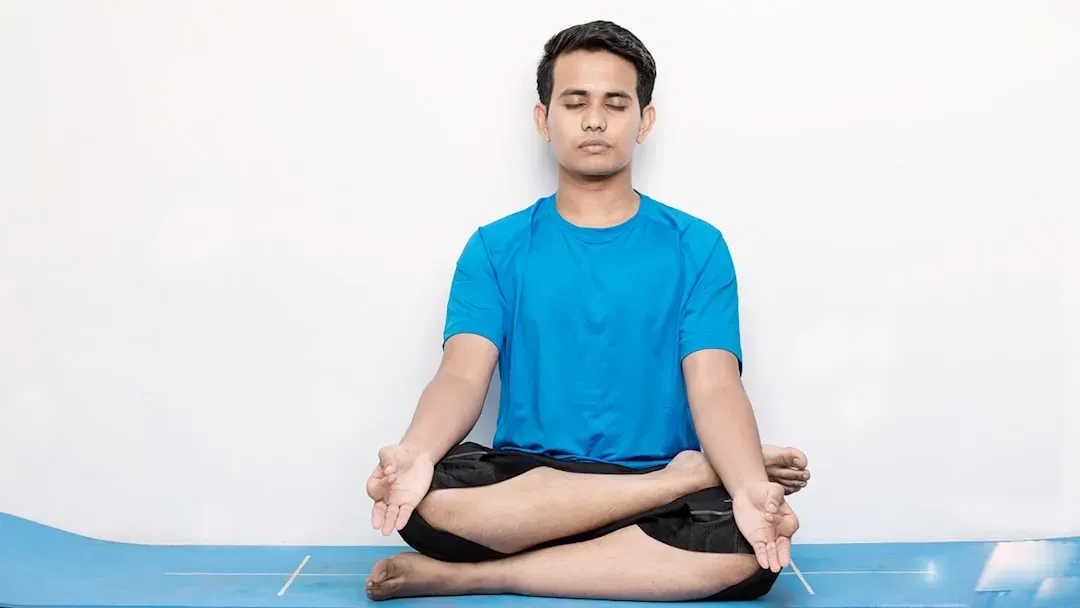
Trying to logic your way out of overwhelm doesn’t work if your nervous system is dysregulated, and grounding techniques engage the sensory parts of your brain to interrupt the overload. When emotions hit hard, your brain can feel like it’s stuck in a washing machine on spin cycle. Grounding pulls you back to the present moment and helps calm that internal storm. Think of techniques like the 5-4-3-2-1 method, where you identify five things you see, four you can touch, three you hear, two you smell, and one you taste.
Another powerful tool is breathwork. A quick way to alleviate overwhelming feelings is by doing breathing exercises, which promote relaxation and lower your stress response. Try deep breathing where you inhale slowly through your nose, hold for a count of four, then exhale through your mouth. It’s not magic, but it does signal to your nervous system that you’re safe. These small acts can make a massive difference when you’re teetering on the edge of emotional chaos.
Shift Your Focus to Change Your State
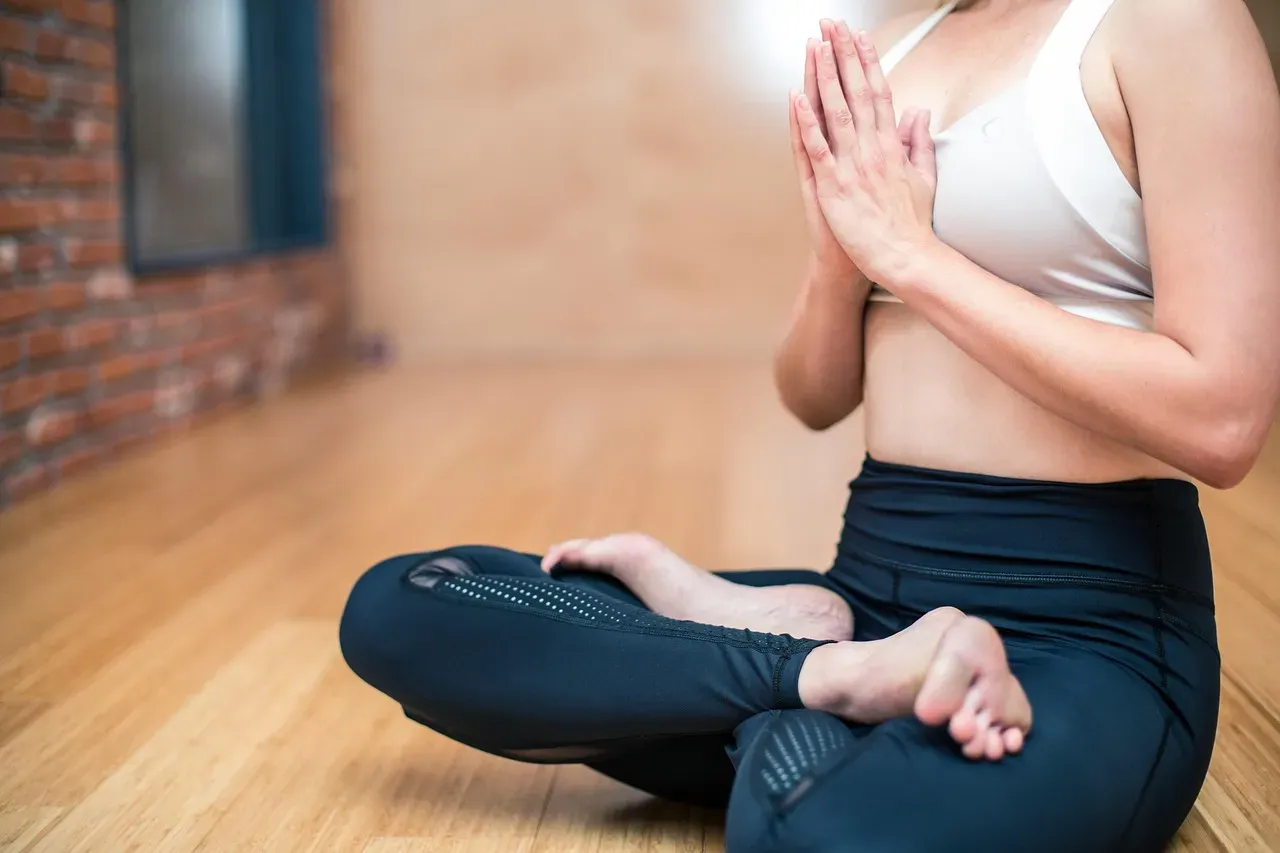
Here’s something worth remembering: where your attention goes, energy follows. If you’re constantly replaying the worst-case scenario in your mind or dwelling on what went wrong, guess what emotion is going to dominate? Fear. Anxiety. Resentment. When you focus on negative things or constantly worry about the future, your predominant emotion will likely be fear, and mastering your emotions means making a conscious choice to change your focus.
This doesn’t mean ignoring real problems or slapping a smile on genuine pain. It’s about directing your mental energy toward something that serves you better. Can you find one small thing to appreciate right now? Can you recall a moment when you handled something difficult well? Shifting focus isn’t about toxic positivity. It’s about giving yourself a fighting chance to see the full picture, not just the shadow side.
Move Your Body to Reset Your Mind

The simplest way to master your emotions in the moment is to move your body, as animals regularly get back into balance through movement. When you’re overwhelmed, your body holds onto that tension like a vice grip. Physical activity releases that pent-up energy and floods your system with endorphins. You don’t need a gym membership or a complicated workout plan. A brisk walk, some stretching, or even dancing around your living room can do the trick.
Movement also interrupts negative thought loops. When emotions go dark, the worst thing you can do is sit still and stew, because movement breaks the mental loop and releases endorphins while increasing blood flow to the brain. The next time you feel emotions building to a boiling point, get up and move. Let your body help your mind find its way back to balance.
Reframe Your Inner Dialogue

The stories you tell yourself matter more than you think. We’re constantly narrating our own experience without realizing it, and if you’re telling yourself “I can’t handle this,” don’t be surprised when your emotions follow suit because language matters. If you’re stuck in a loop of self-criticism or catastrophizing, you’re essentially training your brain to expect the worst. That’s not helpful.
Try flipping the script. Instead of saying you have to do something, reframe it as a choice. Instead of thinking you’re failing, ask yourself what you’re learning. Cognitive reappraisal is a strategy where you actively change your perspective of a situation to shift its emotional impact. It’s not about lying to yourself. It’s about finding a more empowering way to interpret what’s happening. Your brain believes what you repeat, so make sure you’re rehearsing resilience, not defeat.
Build a Routine That Supports Emotional Stability
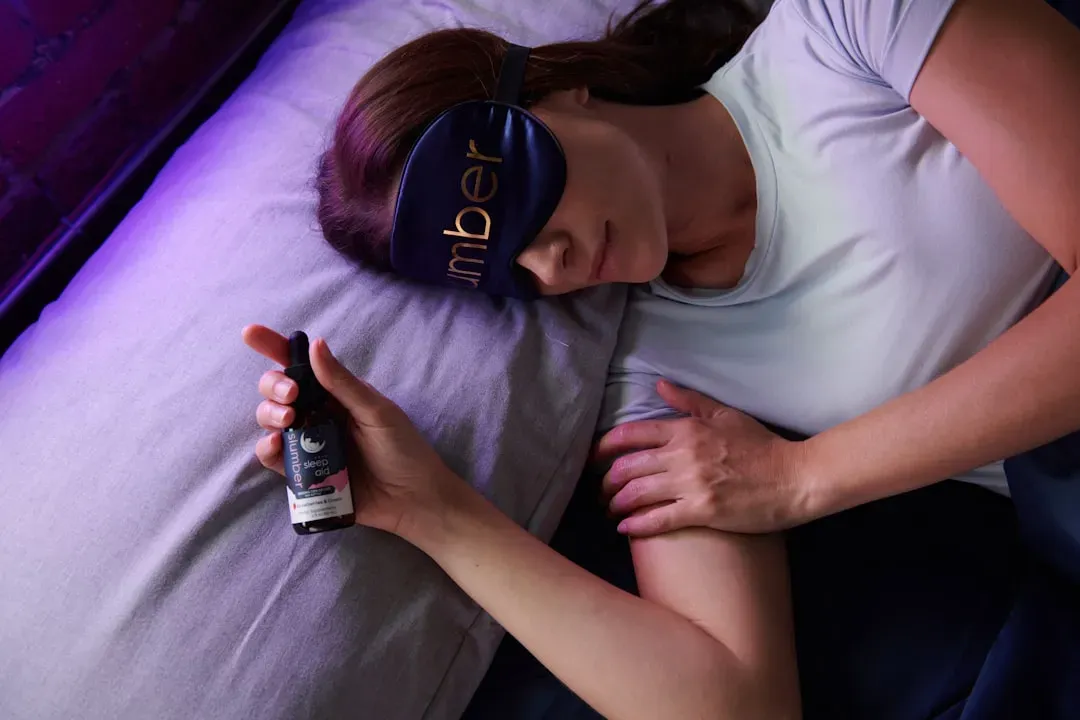
People with good emotion regulation skills tend to have healthier behaviors, including being physically active, having a good diet, and not smoking. Your daily habits create the foundation for how you feel. If you’re running on caffeine, skipping sleep, and ignoring your body’s needs, you’re setting yourself up for emotional turbulence. It’s hard to stay grounded when your basics aren’t covered.
There’s a connection between sleep and mental health, and developing good sleep hygiene can help someone feeling emotionally overwhelmed by ensuring time for rest of the body and mind. Establishing routines around rest, nutrition, and movement isn’t boring. It’s essential. These aren’t luxuries, they’re the building blocks of emotional resilience. When you take care of your body, you’re giving your mind a much better shot at staying balanced.
Seek Support When You Need It

If you’re still struggling to understand and manage your emotions after following tips, seeking professional support can be helpful, including from your local GP or specialist mental health services. Here’s a truth that needs repeating: asking for help isn’t weakness. It’s wisdom. Sometimes the weight of your emotions is too much to carry alone, and that’s completely okay. Talking to a therapist, counselor, or trusted friend can provide perspective you can’t see on your own.
Licensed therapists can help you explore the underlying causes of your overwhelm and develop tailored strategies to manage it, with cognitive-behavioral therapy particularly effective for reducing anxiety. Professional support offers structured guidance and practical tools that go beyond what you can figure out by yourself. Don’t wait until you’re drowning to reach out. Building a support network before you hit crisis mode makes all the difference.
Conclusion

Mastering your emotions is less about control and more about awareness, choice, and practice. You won’t get it perfect, and honestly, that’s not the goal. What matters is building the skills to navigate your emotional landscape with more confidence and less chaos. Regulation doesn’t eliminate painful feelings; it teaches you to respond intelligently rather than react impulsively.
Life will continue throwing curveballs your way. Stress will show up. Challenges will arise. The difference is how you respond. Start with one or two of these strategies and see what shifts for you. Over time, you’ll notice that your emotions don’t have to run the show. You do. What small step will you take today to move toward emotional mastery?