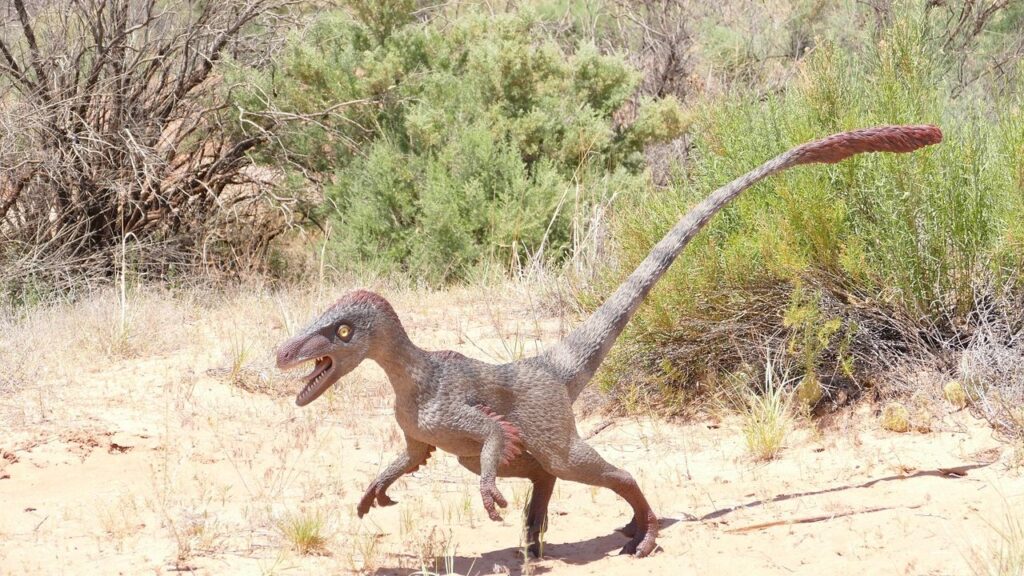
When most people picture dinosaurs, they imagine lumbering, slow-witted reptiles stumbling through prehistoric forests with nothing but raw size and teeth on their side. That image, it turns out, is dramatically wrong. Science has been quietly rewriting the story of dinosaur cognition for decades, and the conclusions are nothing short of stunning.
You might think we already know everything there is to know about these ancient creatures. We don’t. Not even close. From shockingly sophisticated senses to brain structures that rival some of today’s smartest animals, the world of dinosaur intelligence is full of surprises that even veteran paleontologists didn’t see coming. Buckle up, because what you’re about to read will change the way you see these prehistoric giants forever.
The Great Brain Size Debate That Still Isn’t Settled
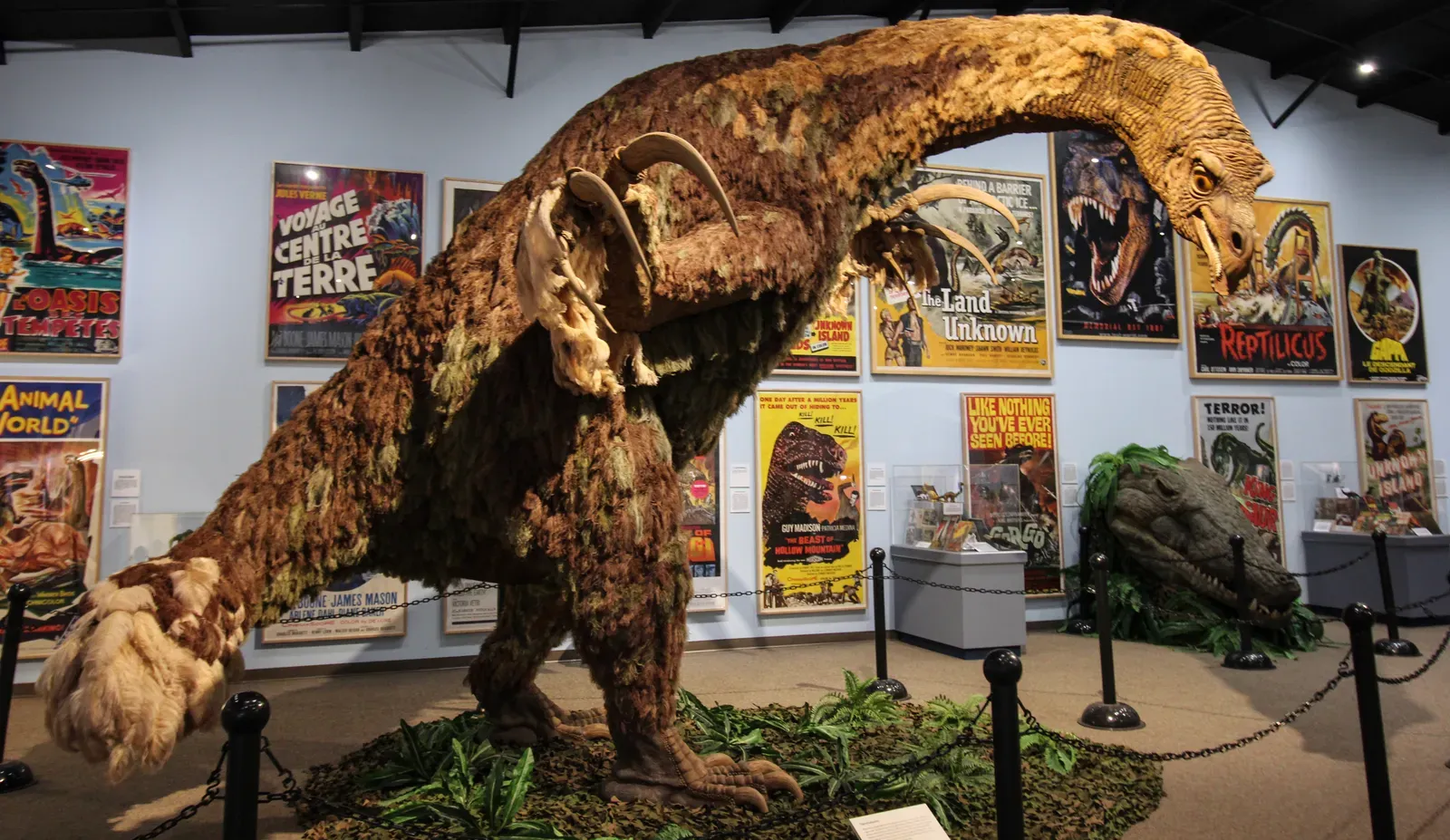
Here’s the thing about dinosaur intelligence: scientists have been arguing about it at an increasingly heated pitch, and the debate is far from over. This is very much an active area of debate and consideration in modern paleontology. For a long time, early paleontologists assumed that if an animal had a small brain relative to its body, it simply wasn’t very bright. That assumption shaped almost everything we thought we knew about dinosaurs.
Early assumptions pegged dinosaurs as unintelligent due to their relatively small brain sizes compared to their bodies, aligning them with reptiles. However, advancements in paleontology, particularly the development of the encephalization quotient in the 1970s, shifted these views. Think of the EQ as a kind of “brain efficiency score” – it doesn’t just measure how big your brain is, but how big it is for a creature your size. That distinction changed everything.
CT Scans Opened a Window into Ancient Minds
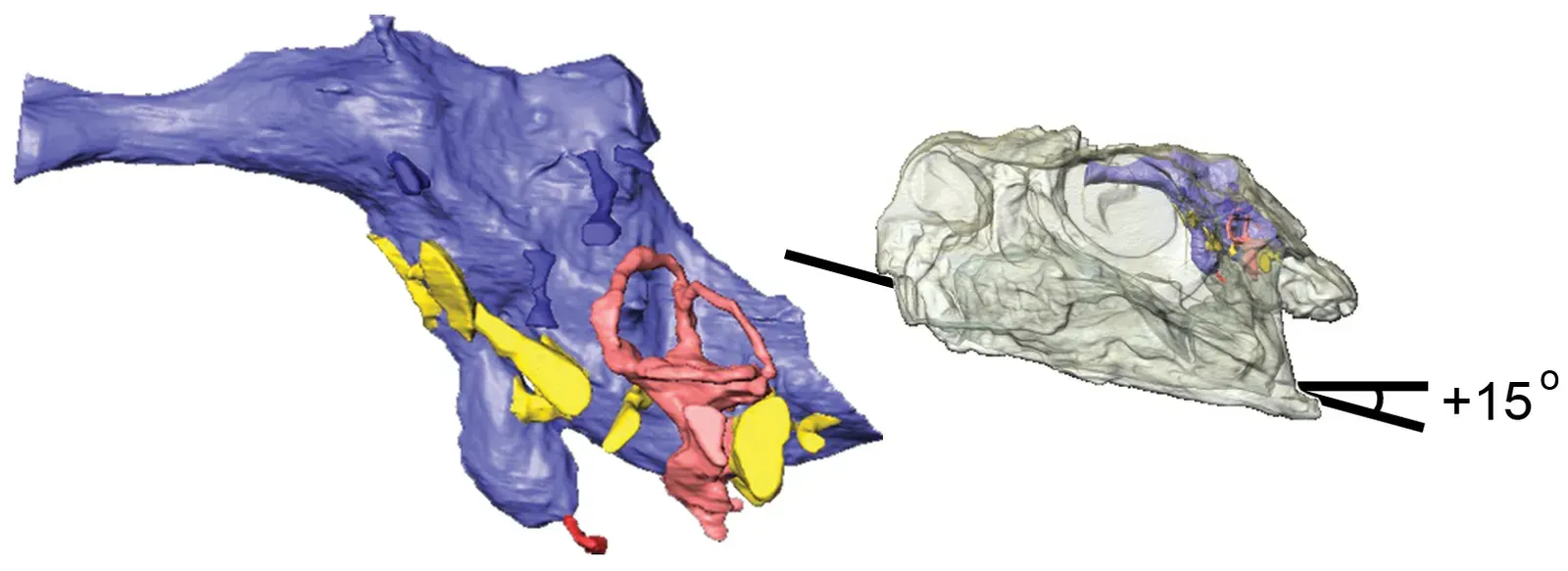
Imagine being able to look inside a skull that has been buried for 66 million years and still figure out how the brain inside was organized. That’s not science fiction. Recent research utilizing computed tomography (CT) has enabled scientists to create accurate models of dinosaur brains, allowing for more comprehensive analyses of their cognitive capacities. It’s genuinely one of the most remarkable tools paleontology has ever picked up.
To examine the biology of the brains of long-extinct animals such as dinosaurs, scientists make use of endocasts, or fossil skull molds, to predict the relative tissue proportion and brain size. While this proxy is imperfect, it remains the best model available. Think of it like making a plaster cast of the inside of a hollow chocolate Easter egg – you won’t get every detail, but you’ll get a surprisingly accurate idea of the shape. For paleontologists, that shape tells volumes about how a dinosaur processed the world around it.
T. rex and the Primate Neuron Controversy
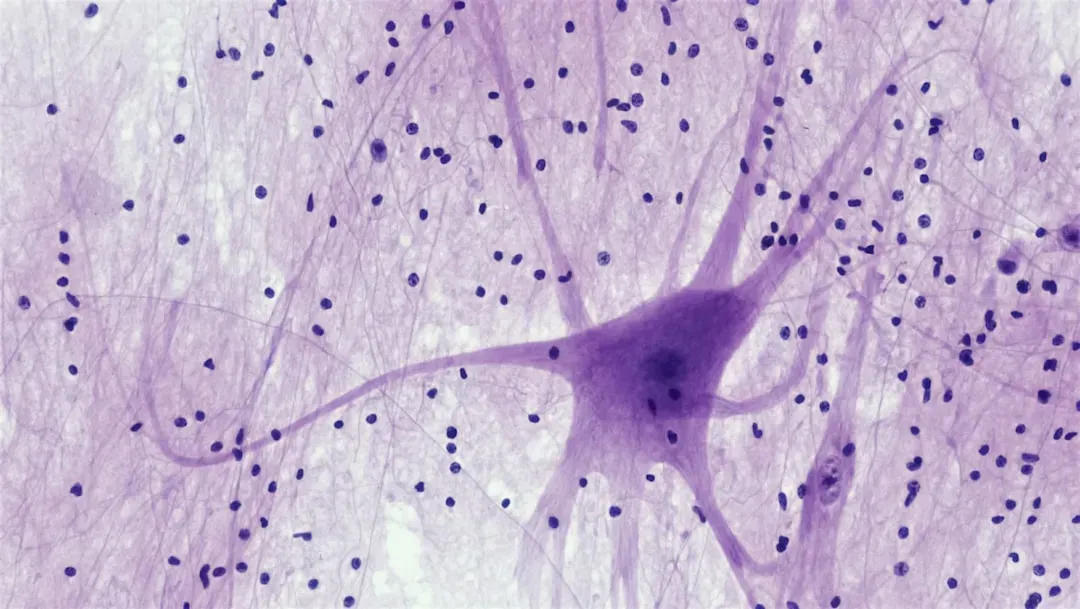
A 2023 study sent shockwaves through the scientific community when it proposed something that genuinely sounds like it belongs in a science fiction novel. Herculano-Houzel in 2023 proposed that theropod dinosaurs had primate-like numbers of telencephalic neurons. In plain terms, that’s the part of the brain most associated with complex thinking, problem-solving, and what we loosely call “smarts.”
Honestly, the scientific world did not accept this quietly. Subsequent research found that the neurons of the T. rex ranged between 250 million and 1.7 billion, which is similar to the number in crocodiles – in contrast, the 2023 study estimated that T. rex had 3.3 billion neurons, similar to baboons. An international team of palaeontologists, behavioural scientists and neurologists re-examined brain size and structure in dinosaurs and concluded they behaved more like crocodiles and lizards. So was T. rex a cold, calculating crocodile-like hunter or a clever primate-equivalent? It’s hard to say for sure, but the debate itself is electric.
Troodon: The Dinosaur That Almost Became Brilliant
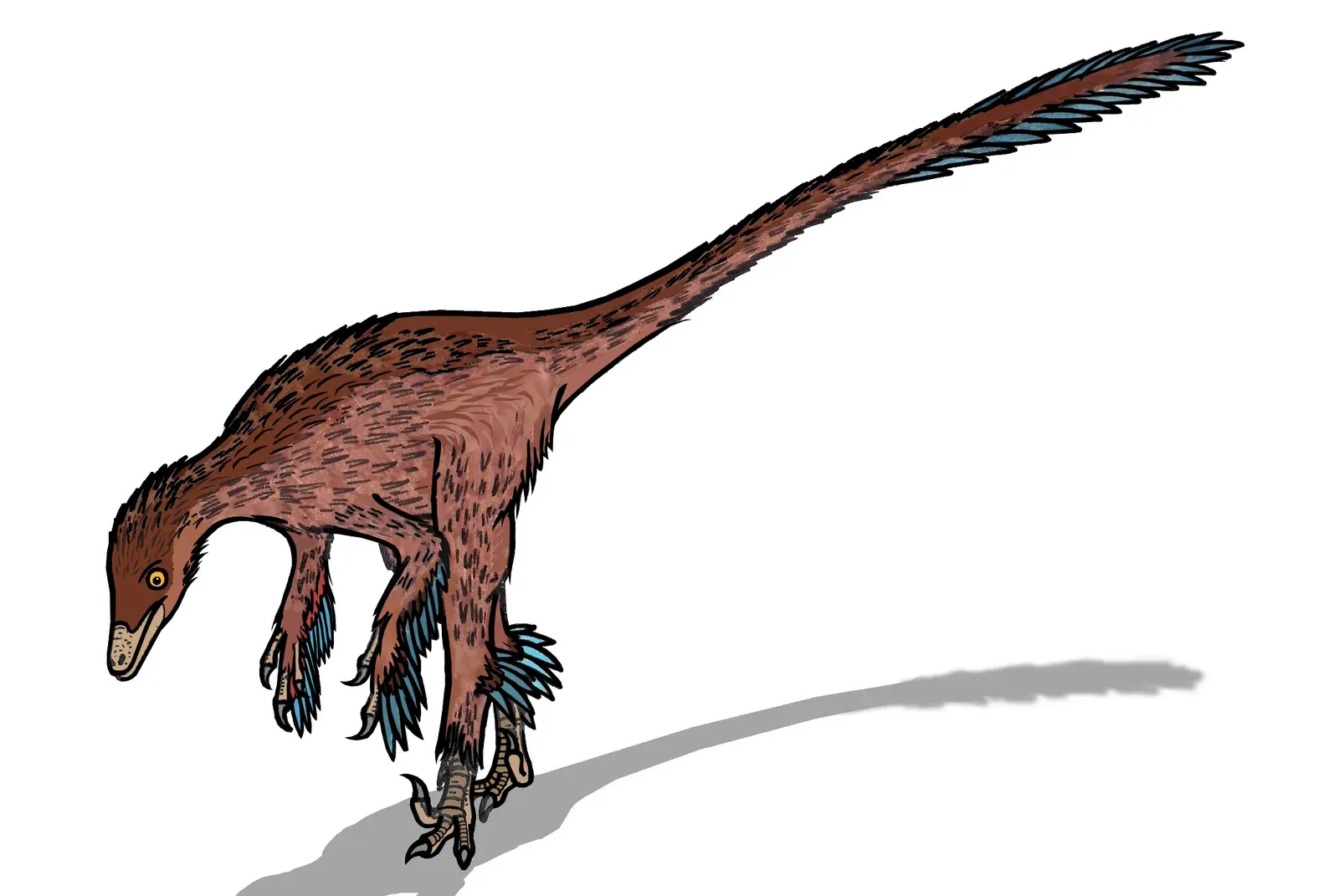
If you want a genuinely mind-bending thought experiment, look up Troodon. Based on eye position and size, Troodon and other dromaeosaurid dinosaurs likely had keen stereoscopic vision. Additionally, these dinosaurs had long arms and large hands with fingers that appear to have been capable of grasping objects. That combination of depth perception and dexterous hands sounds oddly familiar – it’s exactly the toolkit that primates used to eventually build civilizations.
Noting that some theropod dinosaurs had large brains, large grasping hands, and likely binocular vision, paleontologist Dale Russell suggested that a branch of these dinosaurs might have evolved to a human intelligence level, had dinosaurs not gone extinct. I know that sounds almost impossible to believe. Yet the physical evidence for Troodon’s cognitive potential was compelling enough that serious scientists entertained the idea. You have to wonder what 66 million more years of evolution might have produced.
Some Dinosaurs Actually Shrank Their Brains Over Time
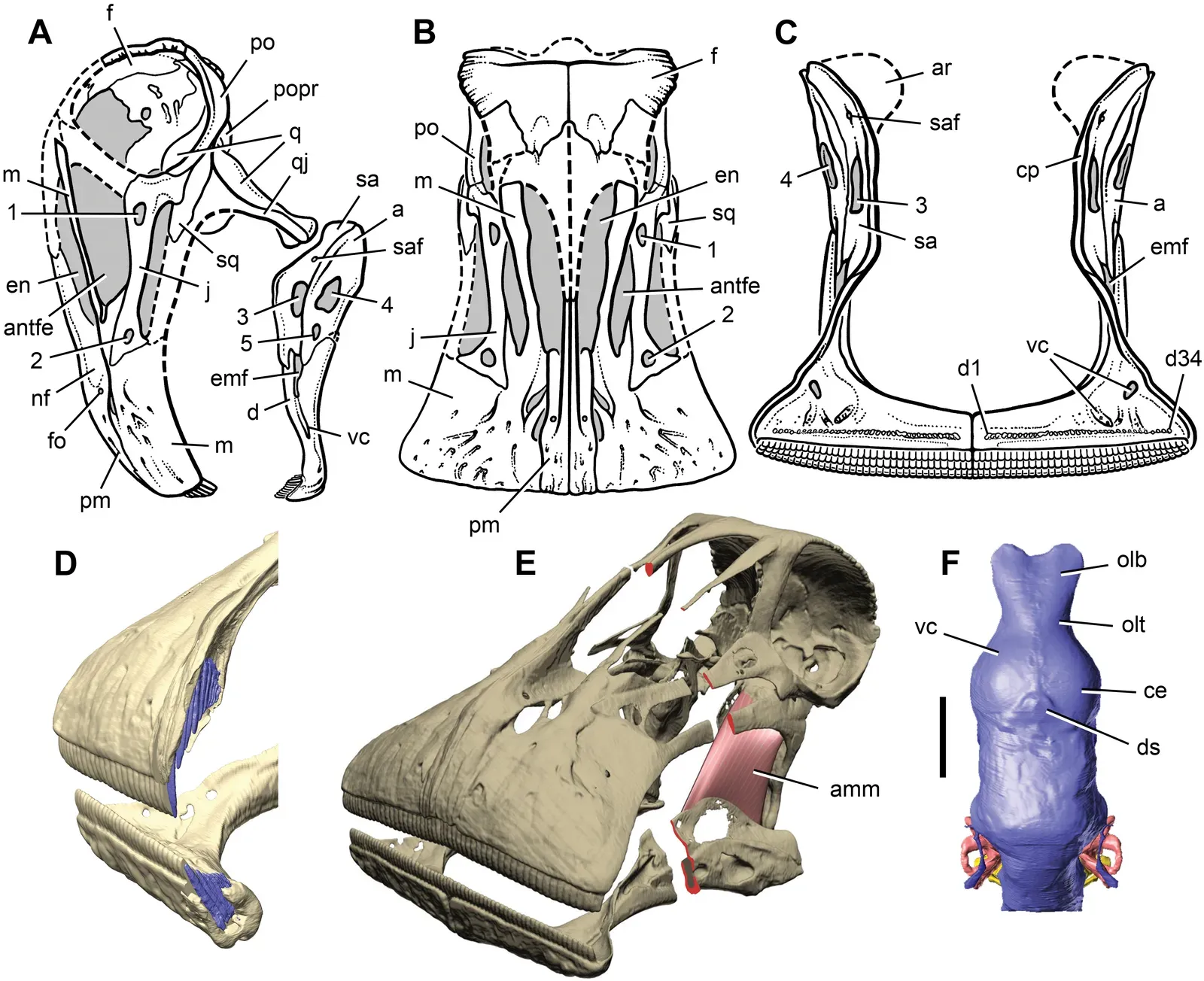
Here’s a discovery that flips intuition completely upside down. You’d assume that over millions of years, evolution would always push intelligence upward – bigger brains, smarter animals. For some dinosaurs, the exact opposite happened. US-China researchers uncovered a surprising evolutionary trend in horned dinosaurs by examining their fossilized skulls. Fossil evidence indicates that their brains were relatively large for their body size in early forms, suggesting a higher level of intelligence. As millions of years passed, these dinosaurs grew larger and more formidable. A remarkable 100 million years of evolution saw ceratopsians transition from bipedal creatures to quadrupedal giants.
Fossil scans reveal a decreased brain-to-body size ratio in later ceratopsians, such as Triceratops. This suggests a decrease in cognitive abilities, including a reduced sense of smell and hearing. In a way, it makes a strange kind of sense. When you’re armored like a tank and weigh several tons, you don’t need to be particularly clever to survive. Size became the strategy, and the brain paid the price. It’s a sobering reminder that intelligence isn’t always what evolution selects for.
Dinosaur Senses Were Far More Complex Than Anyone Expected
Let’s be real – when we talk about intelligence, we can’t ignore the senses that feed information into the brain. Through advanced imaging techniques and analysis of fossilized remains, scientists have discovered remarkable details about dinosaur vision, hearing, smell, taste, and touch. What they found was not a collection of dull, barely-functional senses. It was something far more impressive.
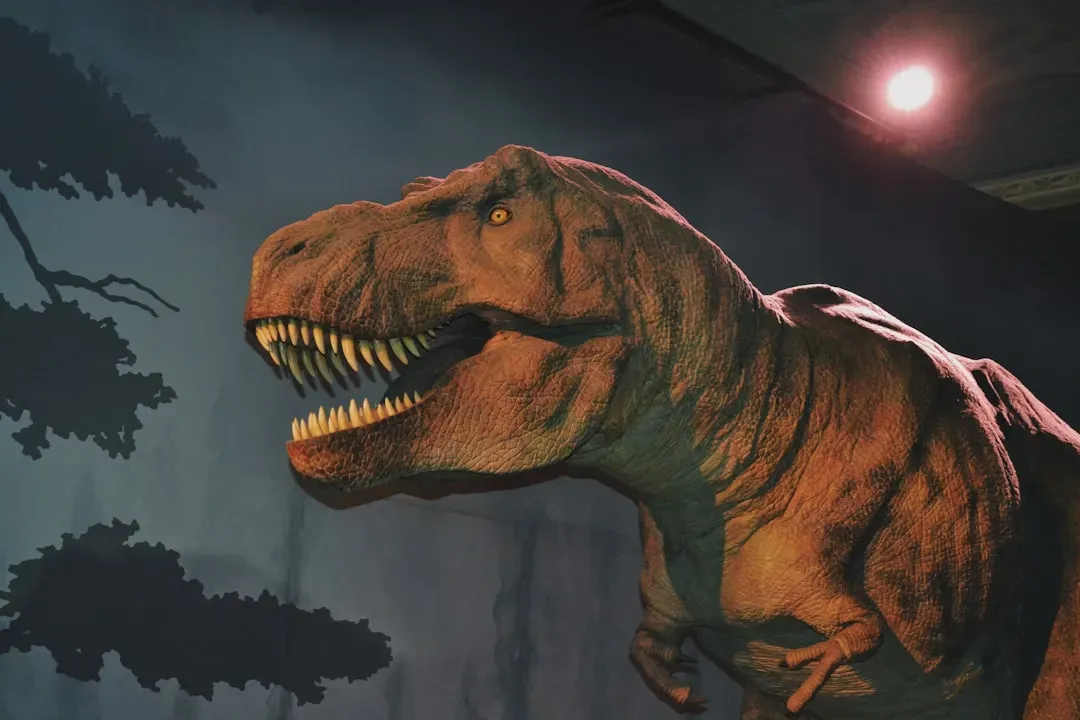
T. rex brains show unusually large olfactory regions for a dinosaur, indicating the species had an exceptionally keen sense of smell. On top of that, dinosaurs probably possessed tetrachromatic vision, meaning they had four types of cone cells in their eyes compared to the three types in human eyes. This allowed them to see a greater range of colors than humans, and they could likely see ultraviolet light. This enhanced color perception likely aided in hunting, communication, and navigation. You couldn’t have snuck up on a T. rex – it would have sensed you coming long before you got close.
The Pack Hunting Myth That Jurassic Park Got Wrong
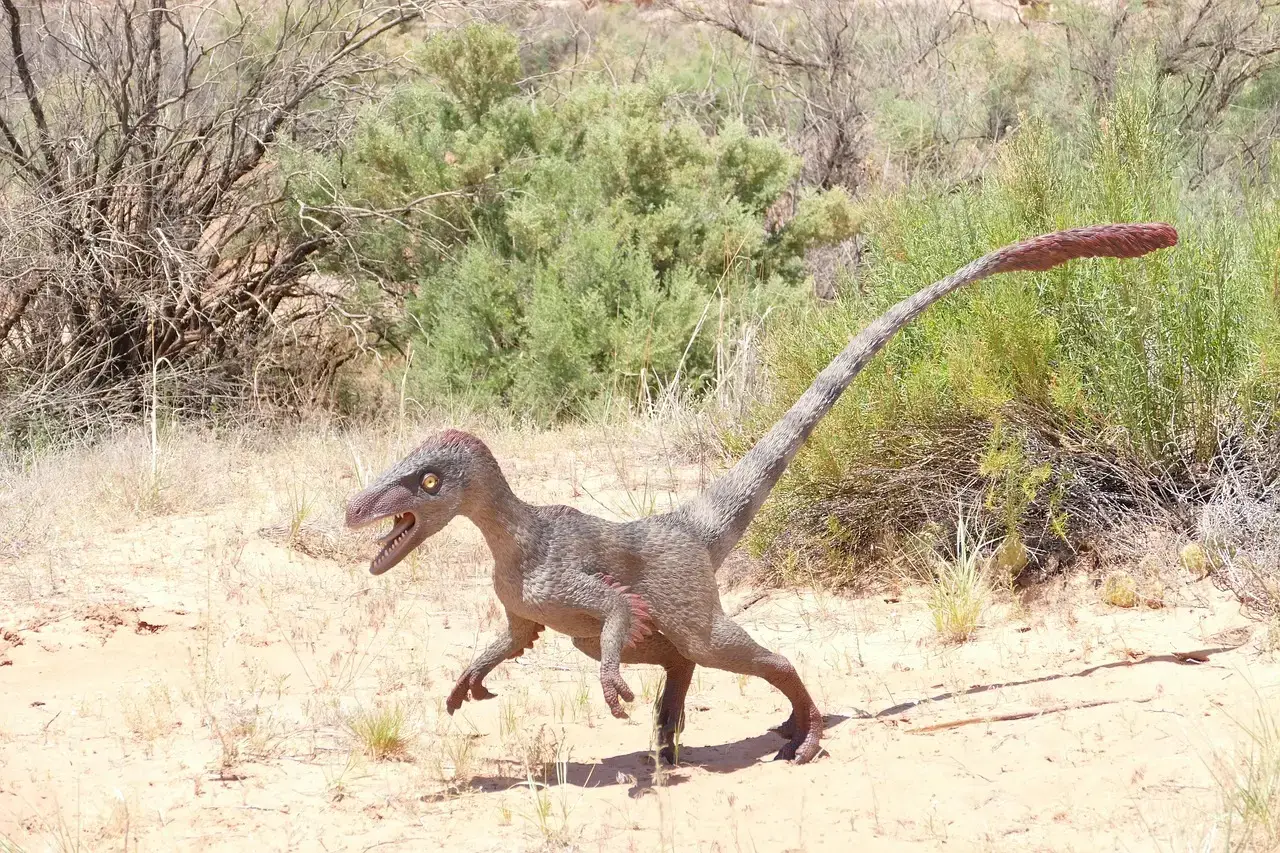
The image of raptors coordinating clever ambushes in packs is deeply embedded in popular culture. It’s also, according to current research, probably not accurate. Much of the evidence in favor of pack hunting in dinosaurs is circumstantial, say paleontologists. The Hollywood version made for great cinema, but the fossil record tells a more complicated story.
Through phylogenetic inference and character optimization, researchers concluded that the hypothesis of mammal-like pack hunting is both unparsimonious and unlikely, and that the null hypothesis should therefore be that nonavian theropod dinosaurs were solitary hunters or, at most, foraged in loose associations. Still, some behaviors did suggest grouping. Gregarious behavior was common in many dinosaur species. Dinosaurs may have congregated in herds for defense, for migratory purposes, or to provide protection for their young. So while coordinated pack hunts look unlikely, social behavior itself was very real – just not quite the clever, cooperative kind movies would have you believe.
The Surprising Genius Hidden in an “Overlooked” Dinosaur
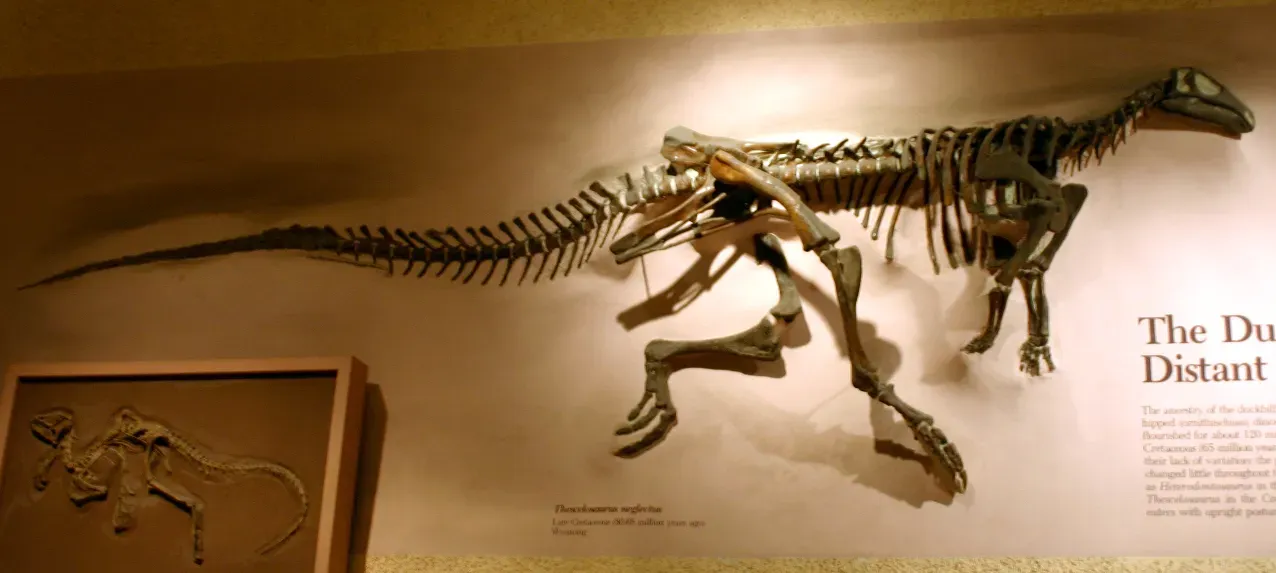
Sometimes the most stunning discoveries don’t come from the famous species. They come from the ones nobody was paying much attention to. A CT scan of an often-overlooked, plant-eating dinosaur’s skull revealed that it had a unique combination of traits associated with living animals that spend at least part of their time underground, including a super sense of smell and outstanding balance. The work was the first to link a specific sensory fingerprint with this behaviour in extinct dinosaurs.
Scientists found that the olfactory bulbs, the regions of the brain that process smell, were very well developed in Thescelosaurus. They were relatively larger than those of any other dinosaur known so far, and similar to those of living alligators, which can smell a drop of blood from miles away. Thescelosaurus may have used its similarly powerful sense of smell to find buried plant foods like roots and tubers. A small, “boring” plant-eater hiding underground from T. rex, guided by one of the most powerful noses in the dinosaur world. You genuinely could not make that up.
Conclusion
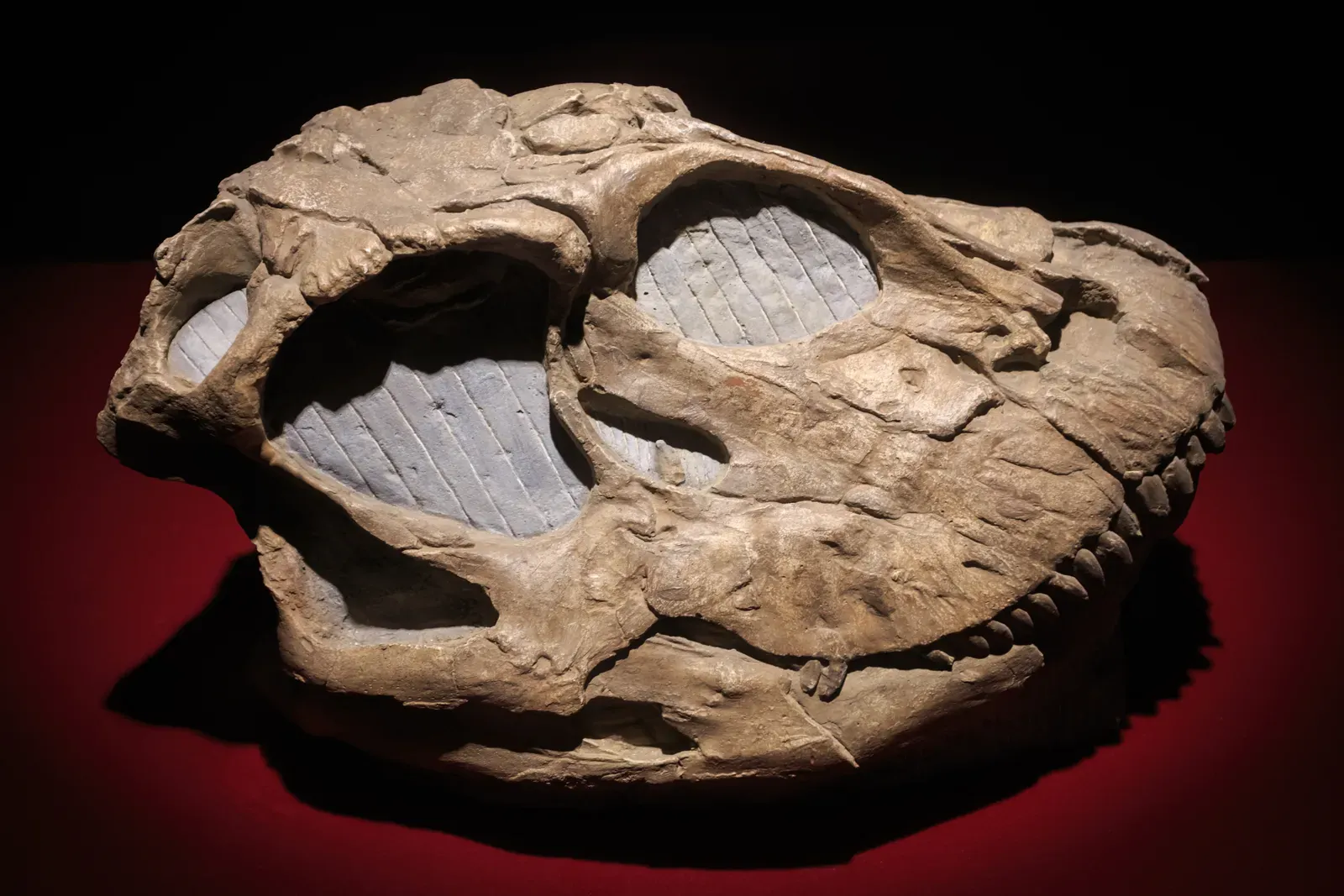
The story of dinosaur intelligence is not a simple one, and it never was. You now know that some had brains fine-tuned for smell, others had vision that put human eyesight to shame, and at least one group grew progressively less intelligent as it grew physically larger. The science keeps shifting, and honestly, that’s what makes it so compelling.
What these eight discoveries reveal, collectively, is that dinosaurs were not the dim-witted giants that decades of pop culture sold us. They were complex, sensory-rich animals occupying a remarkable range of ecological niches – and the more technology improves, the more secrets their fossilized bones give up. What is clear from research is that dinosaurs were among the most complex and intelligent animals in the Mesozoic, and their ancestors, the birds, have evolved into some of the most intelligent animals in the modern world. Every time science thinks it has the final answer on these creatures, another discovery rewrites the script. What discovery about dinosaur intelligence surprises you the most? Share your thoughts in the comments.