Most of us grew up picturing dinosaurs as the undisputed kings of the Mesozoic world, with every other creature cowering in the shadows. You probably imagined tiny, trembling proto-mammals hiding in dark burrows, waiting desperately for the dinosaurs to go extinct. Honestly, that picture could not be further from the truth. The real story is far more dramatic, and far more inspiring.
Recent fossil discoveries have completely rewritten what science thought it knew about early mammal life during the age of dinosaurs. You are about to find out just how bold, diverse, and surprisingly capable your ancient ancestors truly were. Let’s dive in.
Your Earliest Mammal Ancestors Were Already Around When the First Dinosaurs Appeared
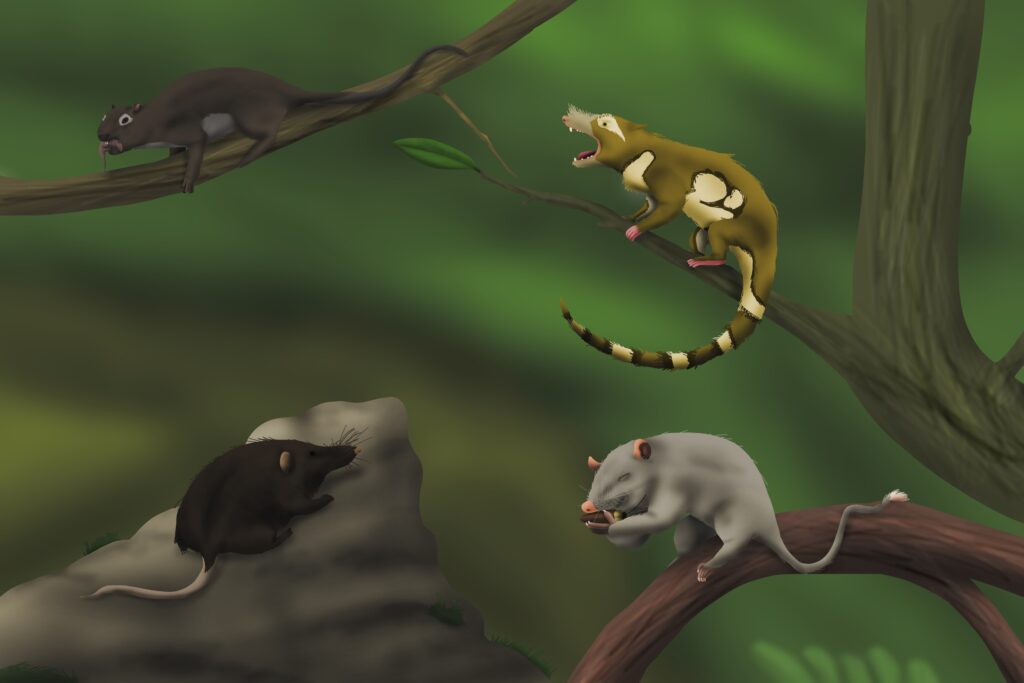
Here’s something that might genuinely shock you: mammals did not arrive on the scene after the dinosaurs got comfortable. The earliest known mammal was a tiny, shrewlike animal that lived alongside the first dinosaurs around 225 million years ago. That pushes the mammal timeline back much further than scientists had long assumed.
Depending on who you ask, mammals can be regarded as a broad group called mammaliformes that appeared by the Late Triassic, when dinosaurs were just beginning to diversify themselves, around 220 million years ago. So think about that for a moment. Your distant relatives were already navigating a world crawling with early dinosaurs before those very dinosaurs even hit their stride. The co-existence was not brief or accidental. It was roughly 160 million years of side-by-side living.
They Were Not Just Passive Prey – Some Early Mammals Actually Ate Dinosaurs
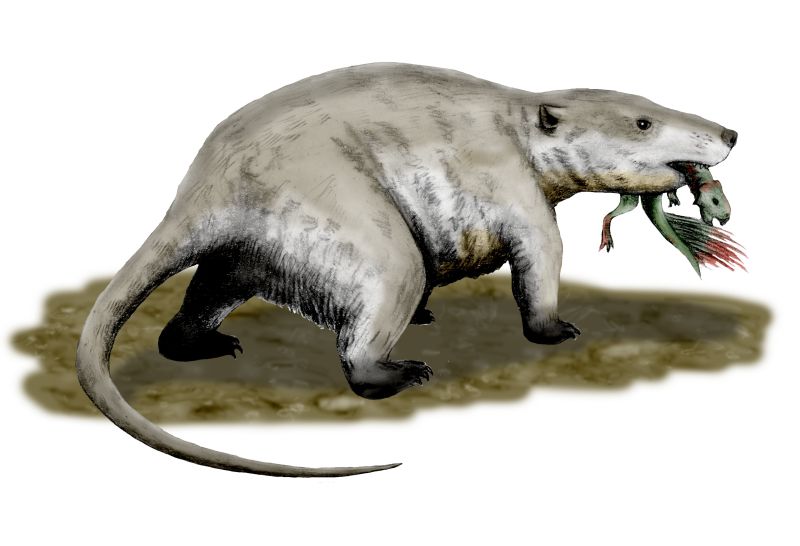
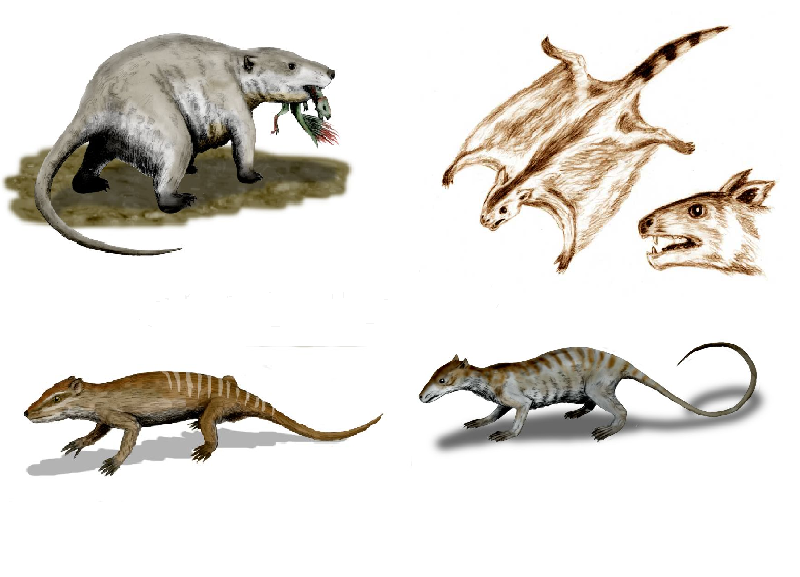
Let’s be real: when you picture a mammal and a dinosaur sharing a habitat, you probably assume the mammal is running for its life. So prepare yourself for this one. Repenomamus, a eutriconodont from the early Cretaceous 130 million years ago, was a stocky, badger-like predator that sometimes preyed on young dinosaurs. That is not a metaphor. There is actual fossil evidence of this.
A specimen of Repenomamus robustus was discovered with the fragmentary skeleton of a juvenile Psittacosaurus preserved in its stomach, representing direct evidence that at least some Mesozoic mammals were carnivorous and fed on other vertebrates, including dinosaurs. Even more remarkably, more evidence suggesting Repenomamus was suited to a predatory lifestyle was revealed when a specimen was uncovered alongside an adult Psittacosaurus, and the intertwined nature of the fossil suggested it was likely a byproduct of an active predation attempt by the mammal. Suddenly, the “hiding in shadows” narrative looks like a serious underestimation.
Early Mammals Were Stunningly Diverse – Swimmers, Gliders, and Burrowers Included
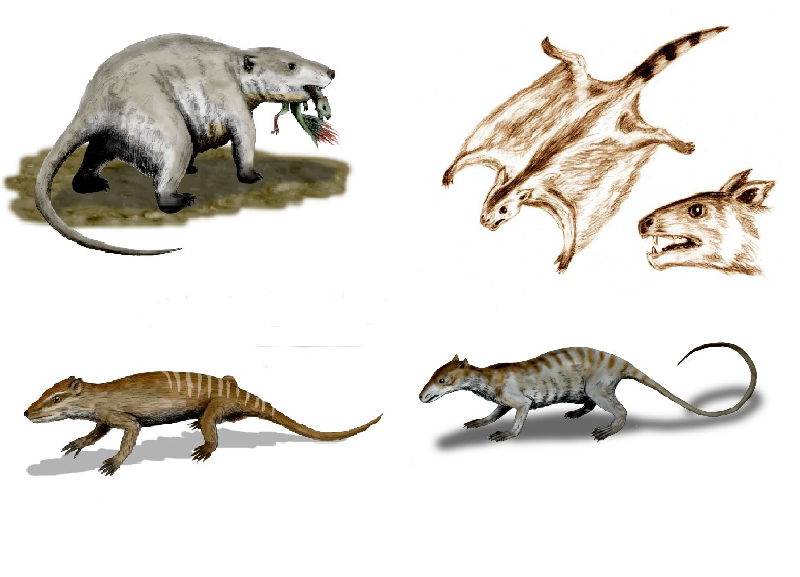
You might assume all early mammals were basically the same: small, brown, and insect-eating. The fossil record says otherwise, and the variety is genuinely astonishing. An explosion of fossil finds reveals that ancient mammals evolved a wide variety of adaptations allowing them to exploit the skies, rivers, and underground lairs. That is a range of ecological niches that rivals what you see in the animal kingdom today.
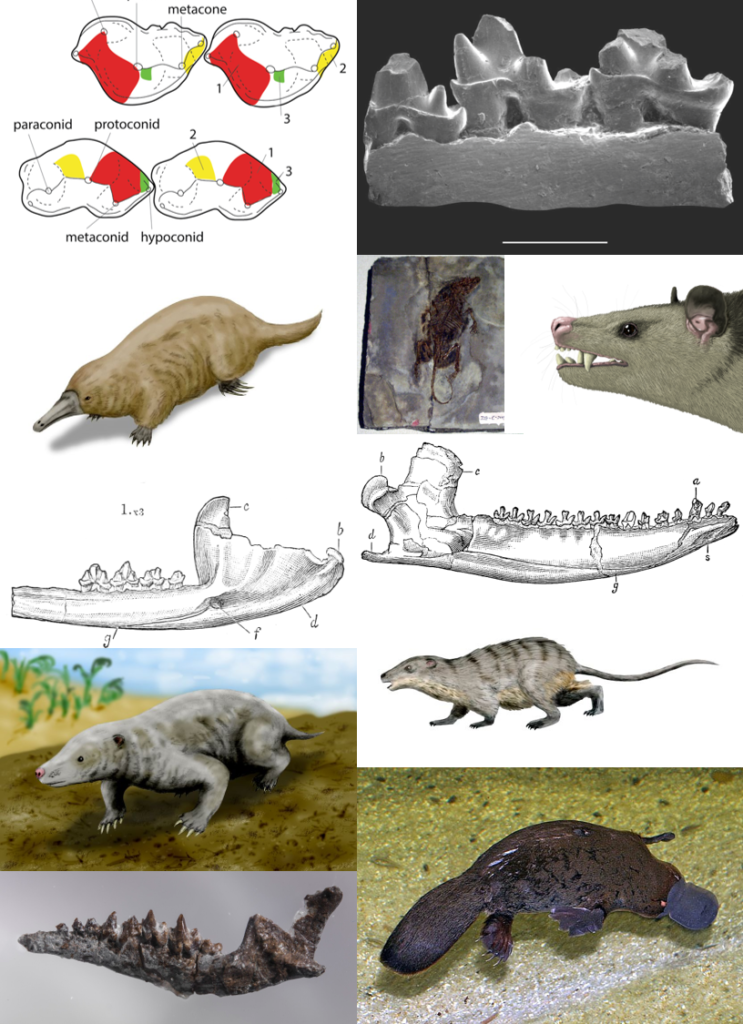
Castorocauda was the Jurassic equivalent of a beaver, complete with a scaly, flattened tail. Volaticotherium, from about the same time, resembled a flying squirrel. Fruitafossor was like a Jurassic aardvark, with powerful limbs that appear well-suited to tearing open termite nests. The badger-sized Repenomamus was an omnivore that, based on fossil stomach contents, we know ate baby dinosaurs. Think of it like a prehistoric petting zoo that nobody had the guidebook for.
The Jurassic Period Was the Fastest Phase of Mammal Evolution in All of History
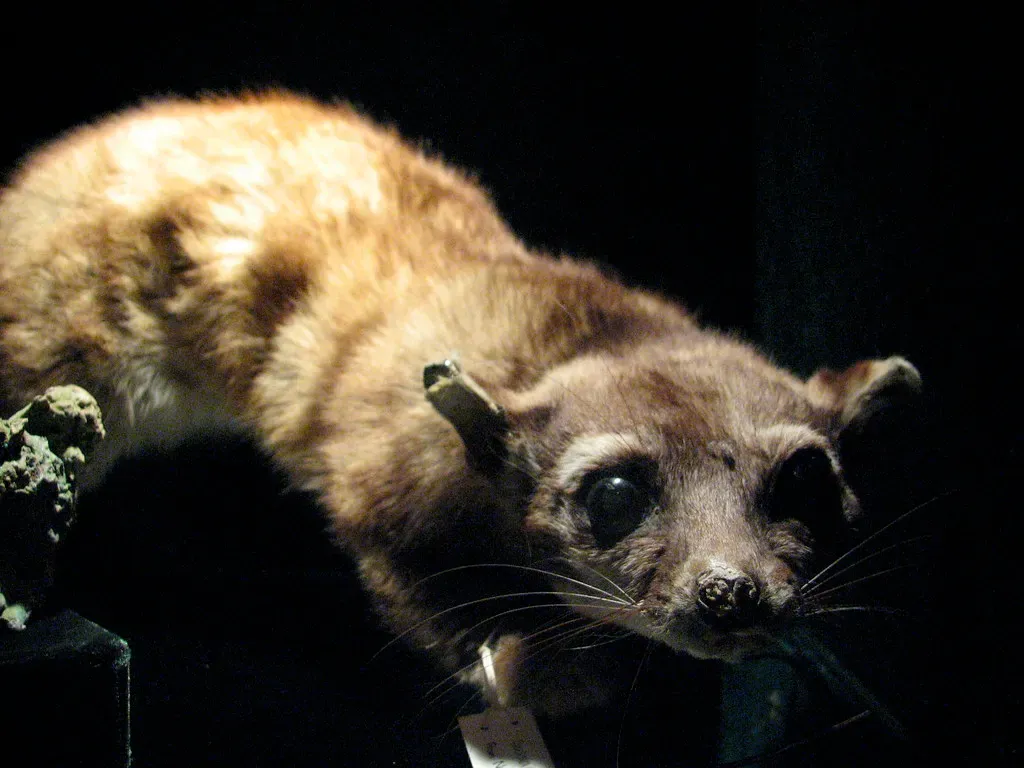
If you had to pick one era where your mammalian ancestors truly went through a transformation, the Jurassic period is your answer. Early mammals lived alongside the dinosaurs during the Mesozoic era, and they were once thought to be exclusively small nocturnal insect-eaters, but fossil discoveries of the past decade, particularly from China and South America, have shown that they developed diverse adaptations for feeding and locomotion, including gliding, digging, and swimming.
To find out when and how rapidly these new body shapes emerged, a team led by Oxford University researchers did the first large-scale analysis of skeletal and dental changes in Mesozoic mammals. By calculating evolutionary rates across the entire Mesozoic, they showed that mammals underwent a rapid burst of evolutionary change that reached its peak around the middle of the Jurassic. It is hard to say for sure why that particular window triggered such a surge, but the data speaks for itself. Your ancestors were changing fast, and dinosaurs were everywhere at the time.
Early Mammals Underwent at Least Three Separate Evolutionary Explosions During the Dinosaur Age
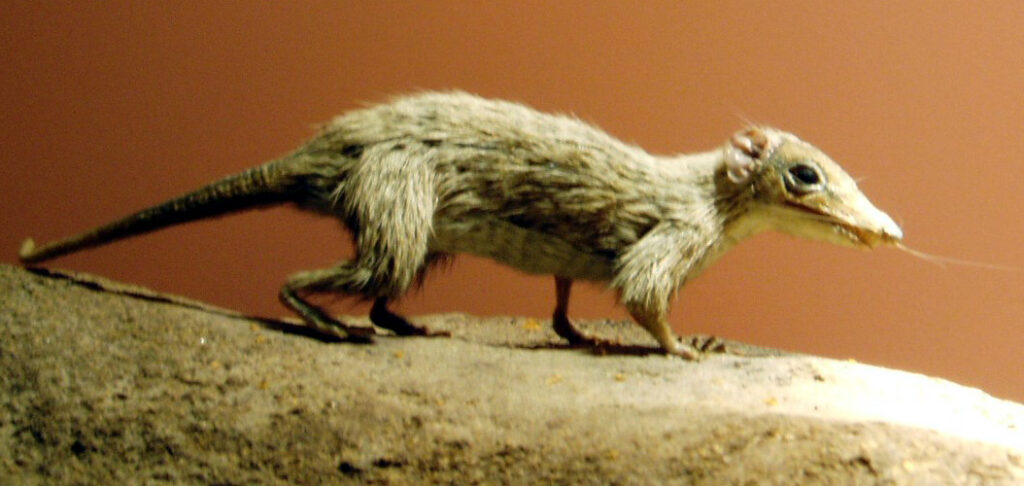
Most people assume mammal diversity only truly exploded after the dinosaurs went extinct. You would be forgiven for thinking that, but the reality is far more layered. Based on current fossil evidence, early mammals seem to have experienced three distinct diversification events, starting with very early mammals and mammalian cousins called mammaliaforms during the early or middle Jurassic, about 180 to 160 million years ago, and many mammal groups arose during that time.
In each of these radiations, mammaliaforms diversified from insect-chomping, rodent-like ancestors and adapted to a variety of ecological niches. New species arose that could climb, glide, or burrow, and ate more specialized diets of meat, leaves, or shellfish. So rather than one big bang of diversity after the asteroid hit, you are looking at a whole series of evolutionary leaps happening right in the thick of the dinosaur world. Resilient is an understatement.
Their Biggest Competition Was Not Dinosaurs – It Was Other Mammals
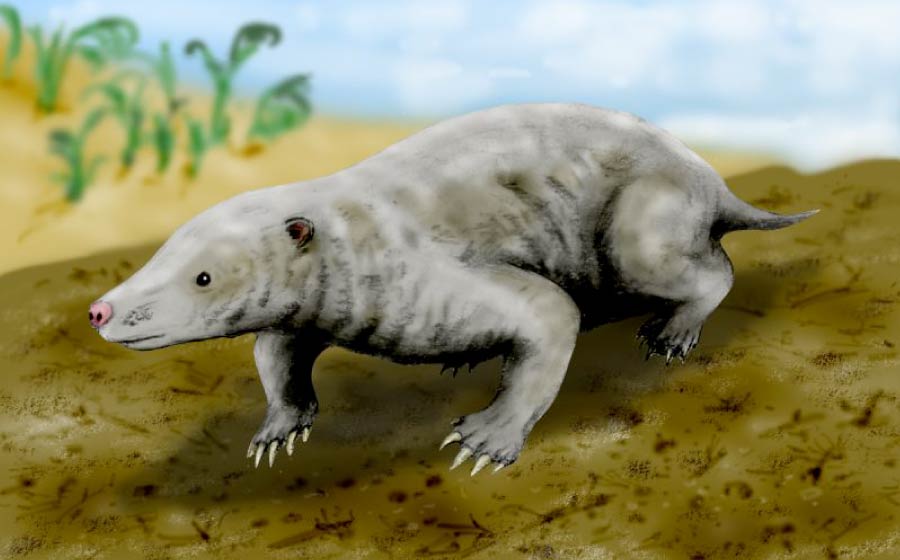
I know it sounds crazy, but here is the thing: the main obstacle holding back the ancestors of modern mammals was not a T. rex or a Triceratops. New research found that it was not dinosaurs, but possibly other mammals, that were the main competitors of modern mammals before and after the mass extinction of dinosaurs. That completely upends the classic story you were probably taught in school.
There were lots of exciting types of mammals in the time of dinosaurs that included gliding, swimming, and burrowing species, but none of these mammals belonged to modern groups – they all come from earlier branches in the mammal tree. These other kinds of mammals mostly became extinct at the same time as the non-avian dinosaurs, at which point modern mammals began to become larger and explore new diets and ways of life. So it was, in a strange sense, a clearing of the mammal family table that really opened the door for your lineage.
Jaw Bones Literally Became Ear Bones – One of Evolution’s Most Remarkable Tricks
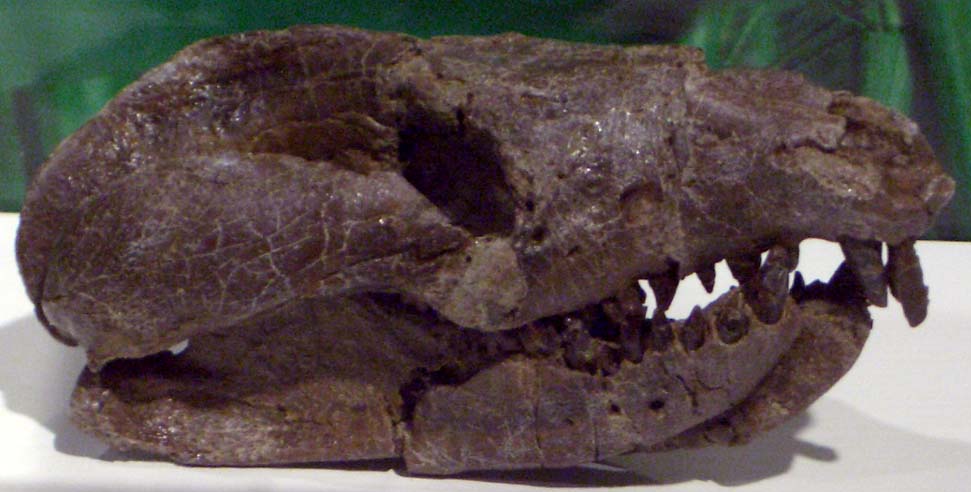
Of all the discoveries on this list, this one might be the most mind-bending. The bones in your ear right now, the tiny ones you use to hear sound, were once your ancient ancestor’s jaw joints. Over the course of mammalian evolution, one bone from the upper jaw and one from the lower jaw lost their function in jaw articulation and migrated to form the middle ear. The shortened structure connecting to these bones formed a kinematic chain of three ossicles, which amplify fine vibrations and facilitate more acute hearing.
Thanks to their intricate middle ear structure, mammals, including humans, have more sensitive hearing and can discern a wider range of sounds than other vertebrates. This sensitive hearing was a crucial adaptation, allowing mammals to be active in the darkness of the night and to survive in the dinosaur-dominated Mesozoic. With these small bones in the middle ear, a mammal extended its range of hearing for higher-pitched sounds, which would improve the detection of insects in the dark. Your ability to enjoy music today traces back to a nocturnal ancestor just trying not to go hungry.
Some of the Earliest Mammals Had a Surprisingly Long Lifespan and a Near-Reptilian Physiology
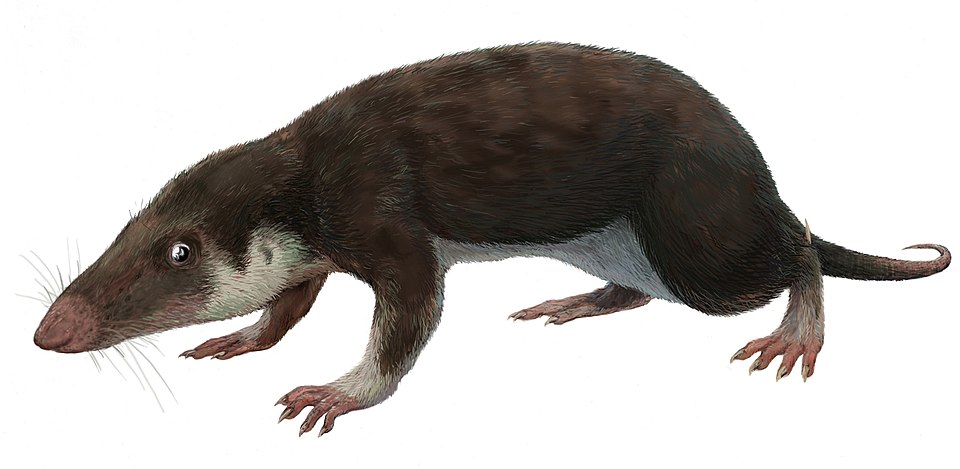
You might expect your oldest mammalian relatives to have lived fast, like modern small mammals. Mice today rarely survive beyond a couple of years. Yet one of the earliest known mammals broke completely from that pattern. One of the earliest mammals was the mouse-sized Morganucodon, which looked something like a shrew. Despite its familiar appearance, Morganucodon had not yet acquired the mammalian physiological advances in regulating body temperature. Instead, it had a slower and almost more reptilian physiology that allowed it to live as many as 14 years, seven times longer than a mouse of similar size today.
At the time, Morganucodon was likely able to go into torpor during harsh winters or adverse conditions, allowing these early mammals to get by on less. It was only later that mammals became synonymous with warm-bloodedness. Think of it as an evolutionary halfway house – not quite reptile, not yet the warm-blooded creature that would eventually inherit the Earth. It is a surprisingly humble origin story for a lineage that would go on to produce whales, elephants, and you.
Conclusion
The story of the earliest mammals is one of the most underrated chapters in the entire history of life on this planet. You have been sharing your evolutionary lineage with creatures that swam like beavers, glided like flying squirrels, ate dinosaurs for breakfast, and heard the world through bones that used to chew food. These were not cowering shadows hiding from greatness. They were full participants in the drama of the Mesozoic era.
What you know now barely scratches the surface of what paleontologists continue to uncover. What we think of as the Age of Mammals, after the end of the Cretaceous, is only roughly one third of all mammal evolution, with about 200 million years before that. The next time you think about dinosaurs, remember that your ancestors were already out there, doing remarkable things, long before the asteroid changed everything. What part of this story surprised you the most? Drop your thoughts in the comments.