You’ve probably called it a dinosaur at least once in your life. Don’t worry, almost everyone has. The pterodactyl is one of prehistory’s most iconic creatures, instantly recognizable from its sharp beak and dramatic wingspan. Yet so much of what you think you know about this ancient flyer might be wrong, or at the very least, seriously incomplete.
The story of the pterodactyl is far wilder, more surprising, and honestly more impressive than Hollywood ever gave it credit for. From furry coats to brain structures built for aerial mastery, these creatures were far more sophisticated than simple “flying lizards.” So let’s get into it.
Fact 1: The Pterodactyl Was Not Actually a Dinosaur
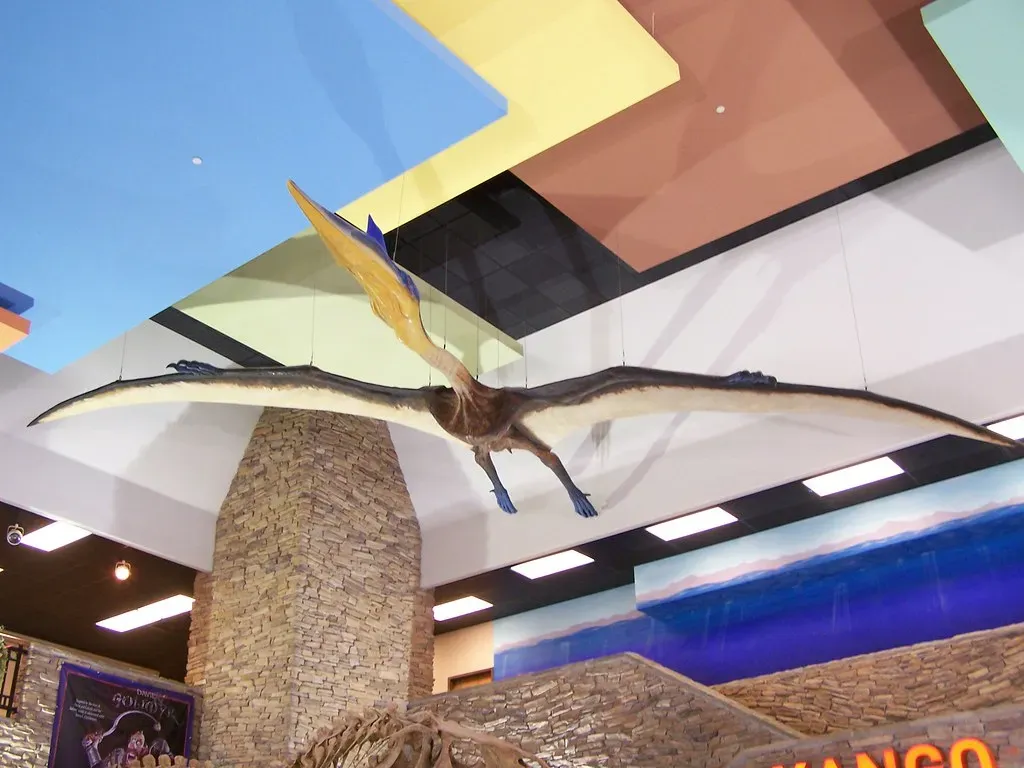
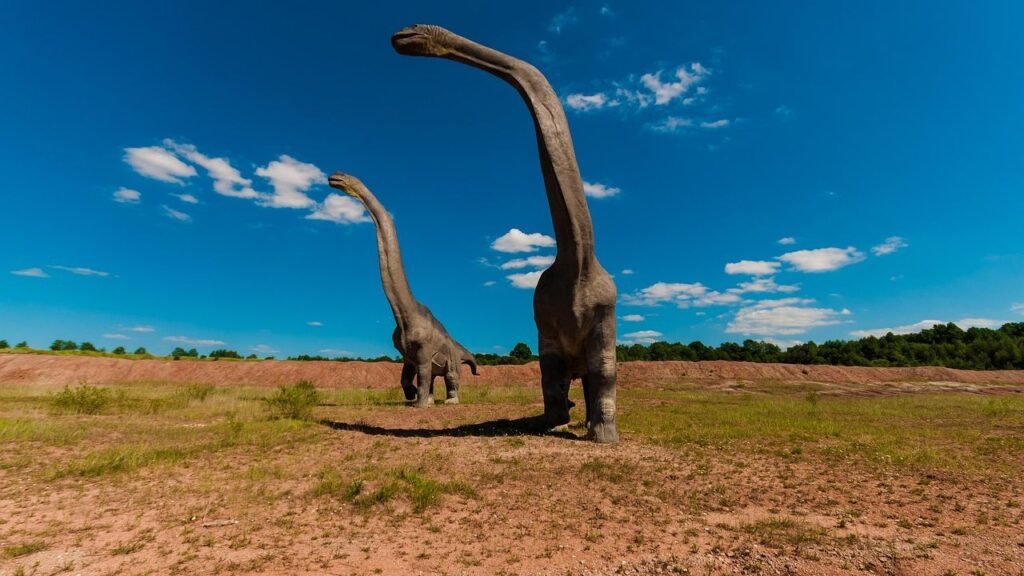
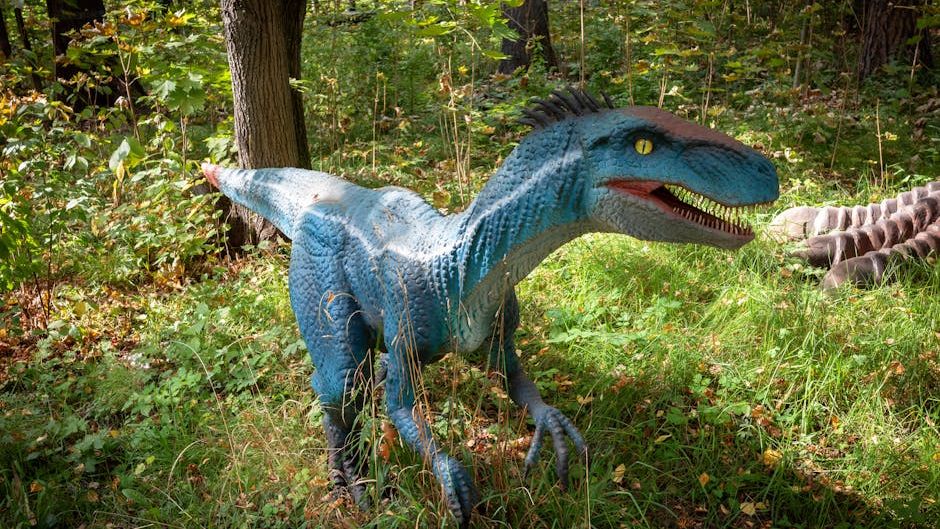
Here’s the thing that trips almost everyone up. Pterosaurs are often referred to by popular media and the general public as “flying dinosaurs,” but dinosaurs are defined as the descendants of the last common ancestor of the Saurischia and Ornithischia, which excludes the pterosaurs entirely. So despite living side by side with the T. rex and Brachiosaurus, the pterodactyl was a completely different kind of animal. Think of them less like cousins and more like neighbors from a very different family tree.
Paleontologists know that pterosaurs are a distinct group from dinosaurs because the fossil record shows they evolved from different species. Dinosaurs evolved from a common ancestor that pterosaurs don’t share. There are anatomical differences that put pterosaurs squarely in the “not-dino” category. Dinosaurs have a hole in their hip socket, for example, while pterosaurs have a bony depression instead. It’s a small detail, but in the world of paleontology, it makes all the difference.
Fact 2: They Were the Very First Flying Vertebrates on Earth
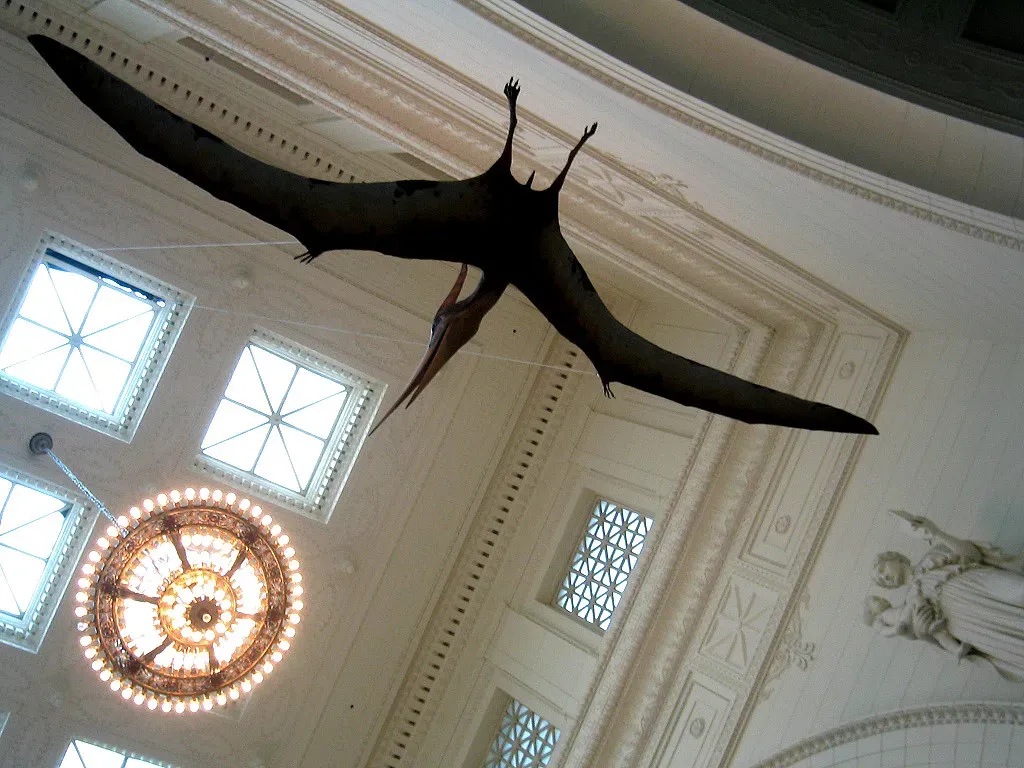
Let that sink in for a moment. Before birds, before bats, there were pterosaurs. Pterosaurs are the earliest vertebrates known to have evolved powered flight. This wasn’t gliding from tree to tree like a sugar glider. This was genuine, muscle-powered, controlled flight. Nothing with a spine had ever done it before them.
They first appeared during the Triassic period, 215 million years ago, and thrived for 150 million years before going extinct at the end of the Cretaceous period. Their endurance record is almost inconceivable compared with the span of humans, whose ancestors started walking upright less than four million years ago. In other words, if you think humans have been around a long time, the pterodactyl’s reign makes our entire existence look like a blink.
Fact 3: Their Size Range Was Absolutely Extreme
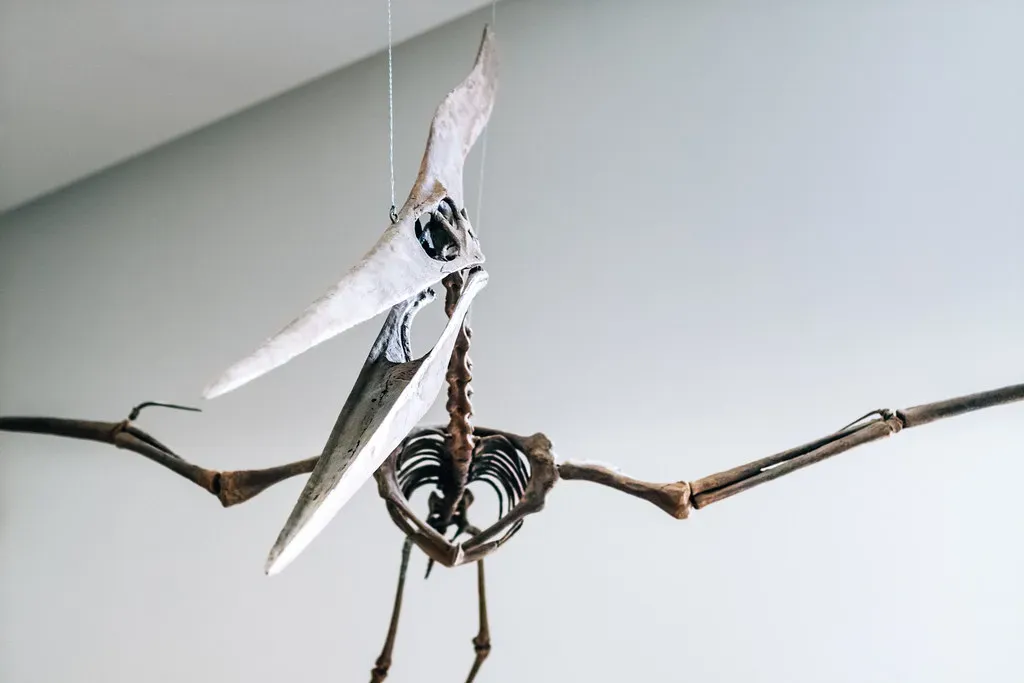
When you picture a pterodactyl, you probably imagine something enormous. The reality is that the group included animals ranging from sparrow-sized to genuinely monstrous. Of more than 120 named species, the smallest pterosaur measured no bigger than a sparrow, while the largest reached a wingspan of nearly 40 feet, wider than an F-16 fighter jet. That is an absolutely staggering range within a single animal family.
Pterodactylus antiquus, the only known species of the genus, was a comparatively small pterosaur, with an estimated adult wingspan of about 3.5 feet. So the creature you actually call a “pterodactyl” was roughly the size of a seagull. The big, terrifying beast from movies? That’s more likely Quetzalcoatlus. With a wingspan like a fighter jet at over 40 feet across, Quetzalcoatlus was the largest pterosaur ever to live. Now that’s a sky monster worth fearing.
Fact 4: Their Wings Were Built on a Single Elongated Finger
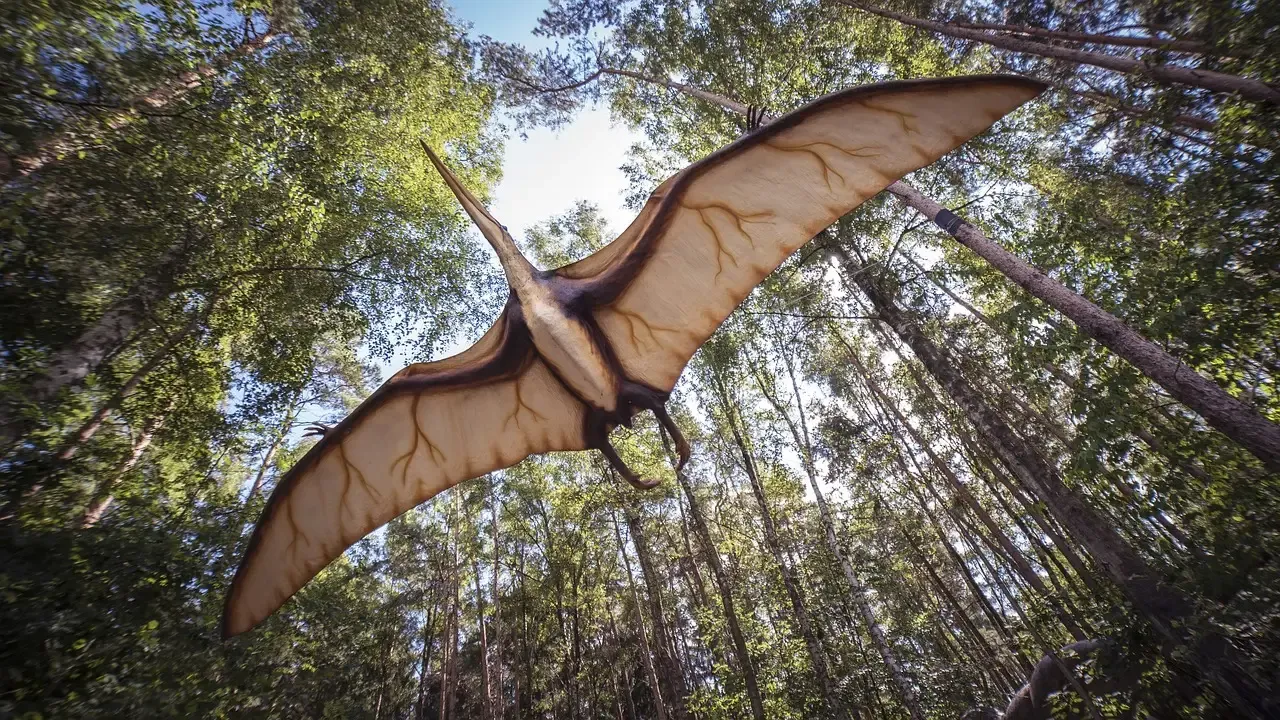
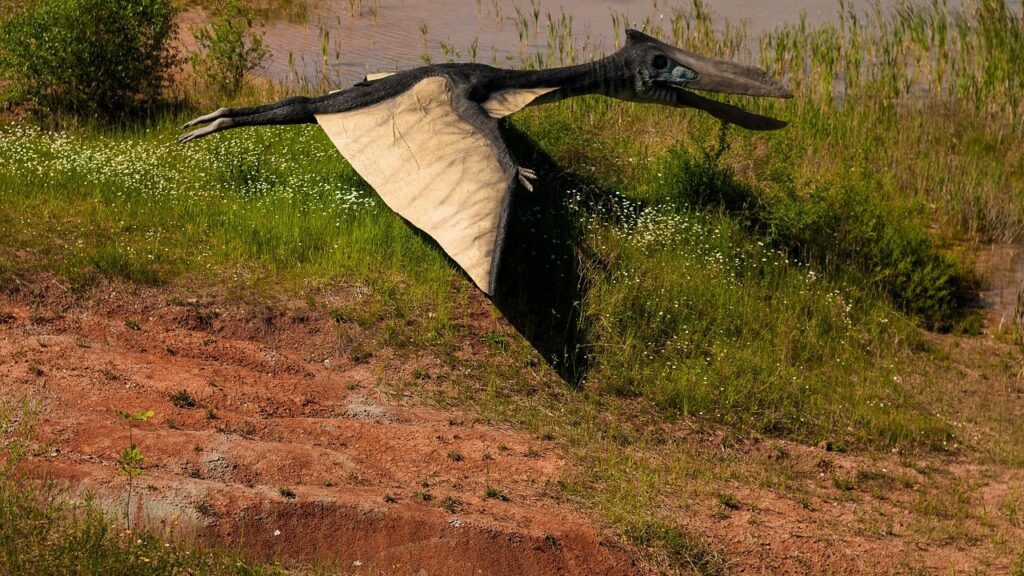
This is the detail that genuinely fascinates me every time I think about it. Imagine stretching one finger out so far that it becomes the main frame of an entire wing. That’s essentially what happened here. Their wings were formed by a membrane of skin, muscle, and other tissues stretching from the ankles to a dramatically lengthened fourth finger. It’s almost like evolution looked at the anatomy of a hand and said, “Let’s see how extreme we can take this.”
Despite their reptilian origins, pterosaurs exhibited many unique characteristics, such as their specialized wing membrane that stretched all the way from their elongated fourth finger to their hind limbs. This anatomical feature, combined with their skeletal adaptations, allowed them to take to the skies in ways that no other group of animals has since replicated. No bird, no bat, no other flying creature in history has replicated the exact same flight mechanism. It was uniquely, brilliantly theirs.
Fact 5: They Were Probably Warm-Blooded and Covered in Fuzz
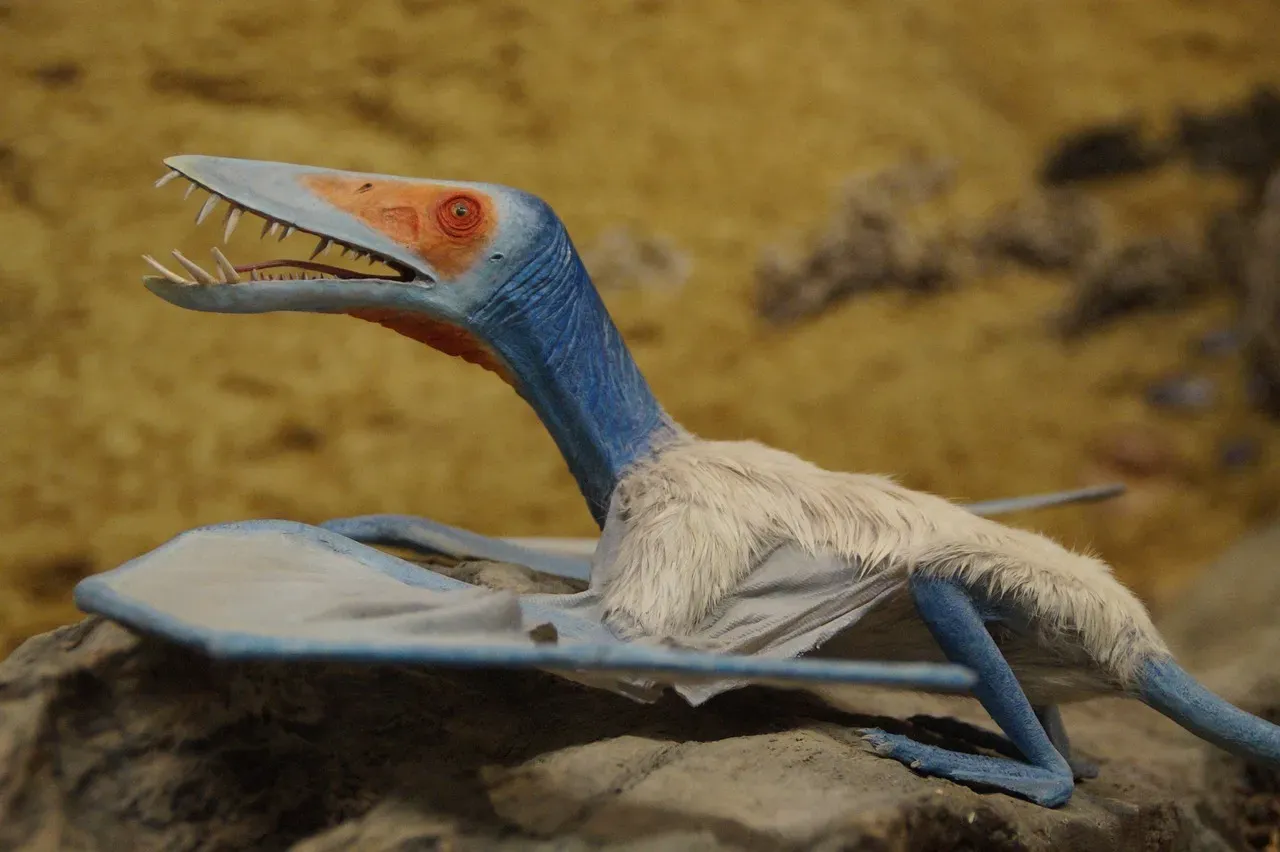
You might picture a cold, scaly reptile when you think of the pterodactyl. Prepare to have that image completely shattered. Pterosaurs sported coats of hair-like filaments known as pycnofibers, which covered their bodies and parts of their wings. Yes, that’s right. These ancient flying creatures were likely furry. Or at least fuzzy. It sounds bizarre, but the fossil evidence is surprisingly clear on this.
The pycnofibers show that pterosaurs were warm-blooded, providing insulation to prevent heat loss. This was a massive shift from how scientists originally understood them. Their bodies were covered in a coat of fur-like fibers called pycnofibers, which were made of keratin, the same protein found in human hair and bird feathers. Recent discoveries even show some species had branched, feather-like structures on their crests. Some pterosaurs may have even displayed colorful patterns, purely for attracting mates. Glamorous, honestly.
Fact 6: Their Diet Was Wildly Diverse and Often Surprising
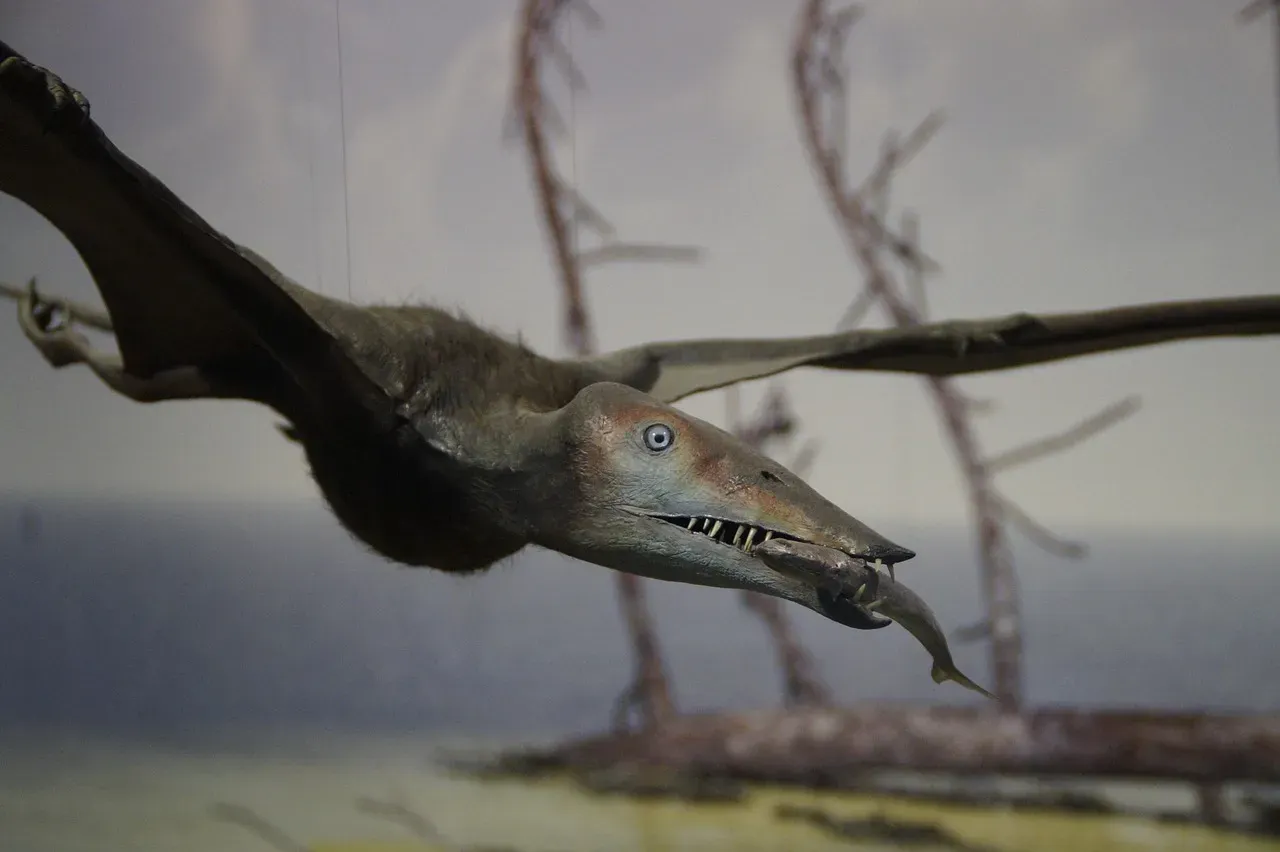
Pop culture loves showing the pterodactyl scooping fish from the sea or snatching human beings off cliffs. The real story is more interesting. Traditionally seen as fish-eaters, the group is now understood to have also included hunters of land animals, insectivores, fruit eaters, and even predators of other pterosaurs. Yes, some of them ate each other. Prehistoric skies were brutal.
Different genera within the pterosaur family exhibited varied feeding habits based on their size and habitat. Larger species such as Quetzalcoatlus likely hunted in open waters or along coastlines where fish were abundant, while smaller varieties might have targeted insects or smaller vertebrates found in lush environments. There’s even a remarkable fossil that tells a vivid hunting story. An ancient squid was discovered with the tooth of a pterosaur embedded in its body, the first evidence of a failed attack by one of these flying reptiles, giving an insight into their hunting behavior and diet over 150 million years ago. A failed hunt, frozen in stone forever. Wild.
Fact 7: Their Brains Were Designed Specifically for Flight and Hunting
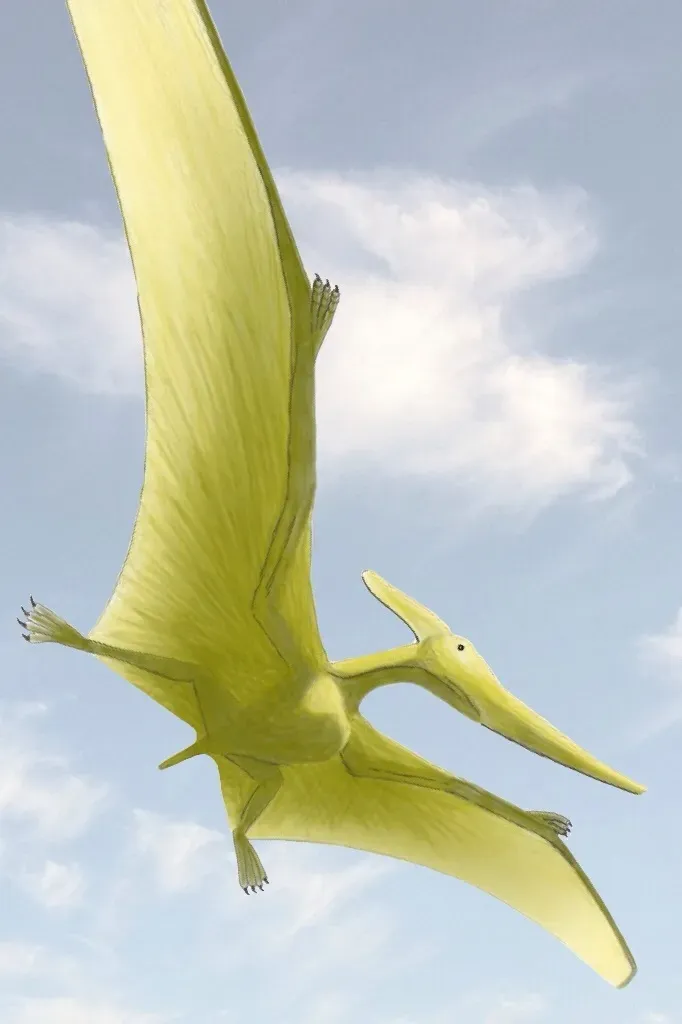
These weren’t mindless winged lizards coasting on instinct alone. Pterosaurs had evolved brains that were genuinely optimized for the demands of aerial life. Similar to modern-day birds, the brains of pterosaur species had small olfactory bulbs yet large optic lobes. This indicates that vision and motor coordination were much more important than a good sense of smell, and were likely adaptations for improved flight and hunting ability. Essentially, they traded a strong nose for extraordinary eyes and coordination. A very practical trade, when you’re hunting at speed hundreds of feet in the air.
The combination of endothermy, a good oxygen supply, and strong muscles made pterosaurs powerful and capable flyers. Their respiratory system was also remarkably efficient. The respiratory system had efficient unidirectional “flow-through” breathing using air sacs, which hollowed out their bones to an extreme extent. It’s the same kind of system birds use today, and it’s one of the key reasons both groups were able to sustain active flight across long distances.
Fact 8: A Single Asteroid Ended 160 Million Years of Sky Dominance

Pterosaurs ruled the skies for over a hundred and fifty million years. That’s an almost incomprehensible stretch of dominance. Then, in what was geologically speaking an instant, it all ended. It was only a celestial event that could wipe out Quetzalcoatlus and its kin. It was the infamous asteroid that crashed into the Earth 66 million years ago, the one that heralded the end of the Age of the Dinosaurs. The pterosaurs and their neighbors were gone for good. Not competition from birds. Not slow decline. One catastrophic impact.
It seems that the K-Pg extinction event at the end of the Cretaceous, which wiped out all non-avian dinosaurs and many other animals, was the direct cause of the extinction of the pterosaurs. While modern birds claim dinosaurs as their ancestors, no pterosaur descendant avoided extinction. There are no living relatives. No lineage that escaped. The entire pterodactyl family tree was simply erased. It’s one of natural history’s most sobering moments. Creatures that had mastered the sky longer than our mammalian ancestors had even existed, all gone in the blink of a geological eye.
Conclusion: The Pterodactyl Deserves Far More Respect Than It Gets
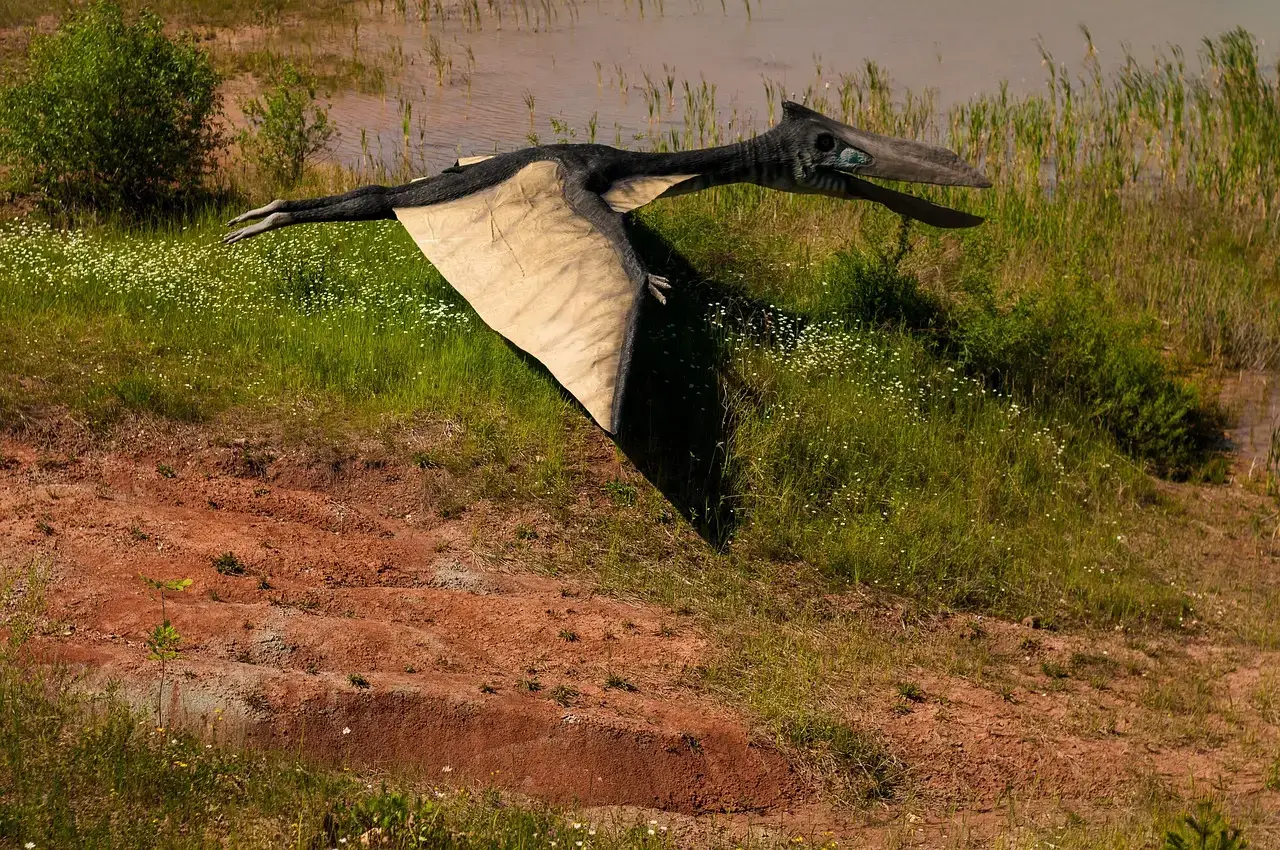
It’s easy to reduce the pterodactyl to a background creature in a Jurassic Park movie, just some screeching winged thing flapping around while the real stars fight on the ground. That would be a serious underestimation. These animals were the undisputed rulers of the prehistoric sky for an almost unimaginable span of time. They were warm-blooded, fiercely intelligent in their own way, structurally innovative, and ecologically diverse.
They were not dinosaurs. They were not simple gliders. They were not the scaly monsters of fiction. They were arguably the most successful flying creatures Earth has ever produced. Next time you see one depicted on a museum poster or a dinosaur toy, take a second look. You’re looking at a creature that dominated the skies long before the first feather, the first beak, the first bird ever existed.
Honestly, doesn’t that make you see them a little differently? What would you have guessed about these ancient sky rulers before reading this?