It’s a little unsettling when you realize humanity is basically crashing a party that almost ended several times before we ever showed up. Long before dinosaurs, long before forests as we know them, Earth was a drama machine, repeatedly slamming life to the edge of oblivion and then slowly rebuilding from the wreckage. If you zoomed out on a timeline, you’d see a planet that has, over and over, nearly hit the reset button on the entire biosphere.
What makes this story even more wild is that most of these disasters were not random cosmic bad luck. They were domino chains: continents drifting, volcanoes roaring for a million years, oceans turning toxic, even the planet itself freezing into a giant snowball. And yet, each time, a thin thread of survival held on somewhere. Those survivors are, ultimately, why you and I exist to obsess over it today. So let’s walk through eight of the most brutal close calls life faced long before humans were even a concept.
1. The Great Oxygenation Event: When Air Became a Deadly Poison
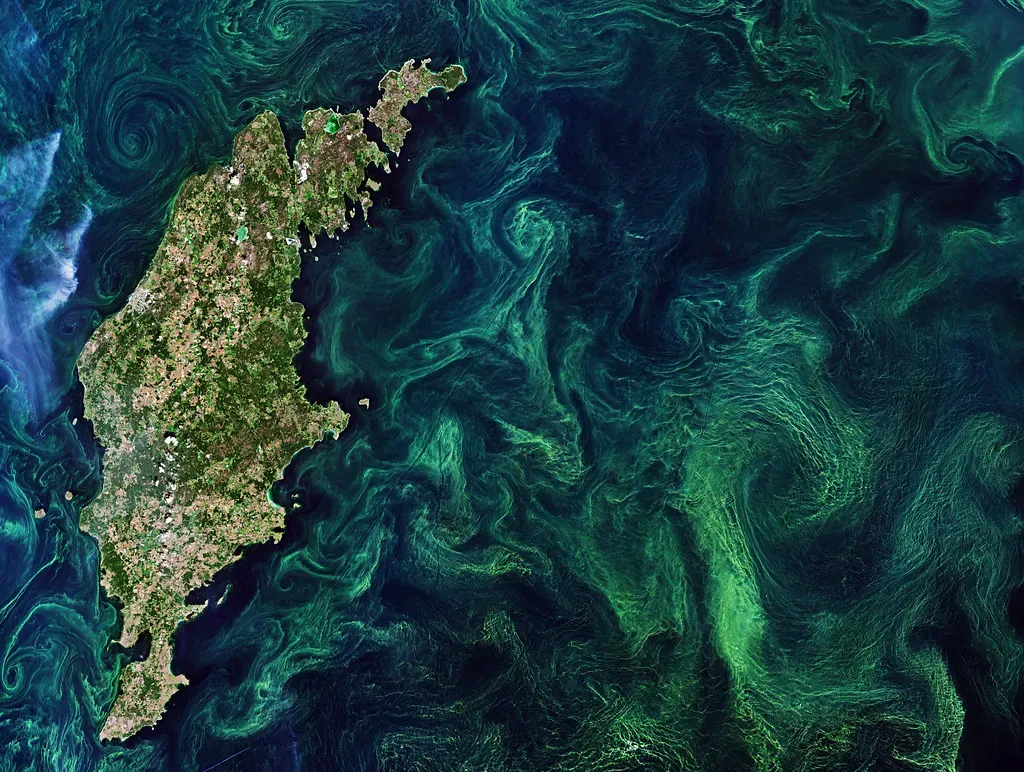
Imagine a world where breathing oxygen would kill you. That was early Earth before the Great Oxygenation Event, over two billion years ago, when most microbes thrived on a chemistry that totally collapsed once oxygen showed up in serious amounts. Tiny organisms called cyanobacteria slowly began pumping out oxygen as a waste product of photosynthesis, and at first, that oxygen reacted with iron in the oceans, staining the world with rust. But once the iron was used up, oxygen began building in the atmosphere and, for the dominant life forms of the time, it might as well have been nerve gas.
A lot of those early microbes simply could not handle oxygen’s reactive nature, and large parts of the biosphere likely died back dramatically as their environment turned toxic. Geologists see this in the rock record as a sharp shift in minerals and chemistry, a kind of planetary crime scene where the victim is anaerobic life. What survived were the lucky or adaptable lineages that could tolerate or even exploit this strange new gas. That catastrophe set the stage for everything that came later: complex cells, animals, and eventually us. In a twist that feels almost darkly funny, the gas that now keeps us alive started out as one of the most devastating pollutants in Earth’s history.
2. Snowball Earth: When the Planet Turned Into a Giant Ice Cube
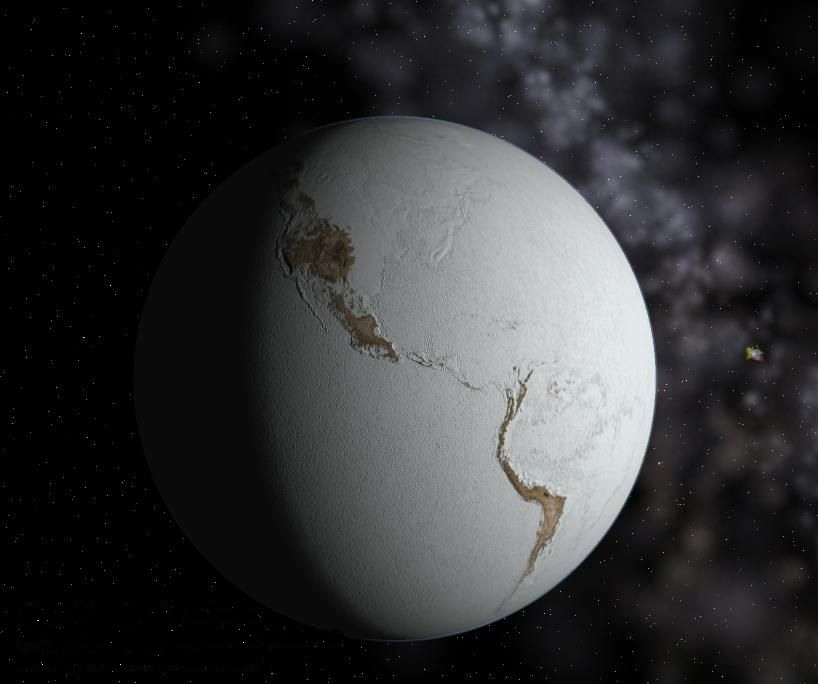
There were times in the Precambrian when Earth may have frozen so severely that ice reached all the way to the equator, a scenario often called Snowball Earth. Picture oceans locked under thick ice, continents buried in glaciers, and sunlight bouncing off a white planet like a cosmic mirror. If you’re a living thing relying on liquid water, that’s a terrifying situation. The idea is that some combination of reduced greenhouse gases and continental positions triggered runaway cooling, with ice expanding and making it even harder for the planet to warm back up.
For life, conditions would have been brutally restrictive, perhaps limited to thin meltwater layers on the ice, volcanic hotspots, or pockets under thick sea ice where a bit of light and liquid water still existed. It’s like asking an entire biosphere to live in the cracks of a frozen world. Yet, life did hang on, and when volcanoes gradually rebuilt atmospheric carbon dioxide, the planet thawed in a geologic instant. The aftermath may have been a burst of evolutionary experimentation, helping set the stage for more complex organisms. I sometimes think of this as Earth’s terrifying deep freeze that almost unplugged the system, only to come back online with a creative surge.
3. The End-Ordovician Mass Extinction: When Ice and Falling Seas Crushed Marine Life
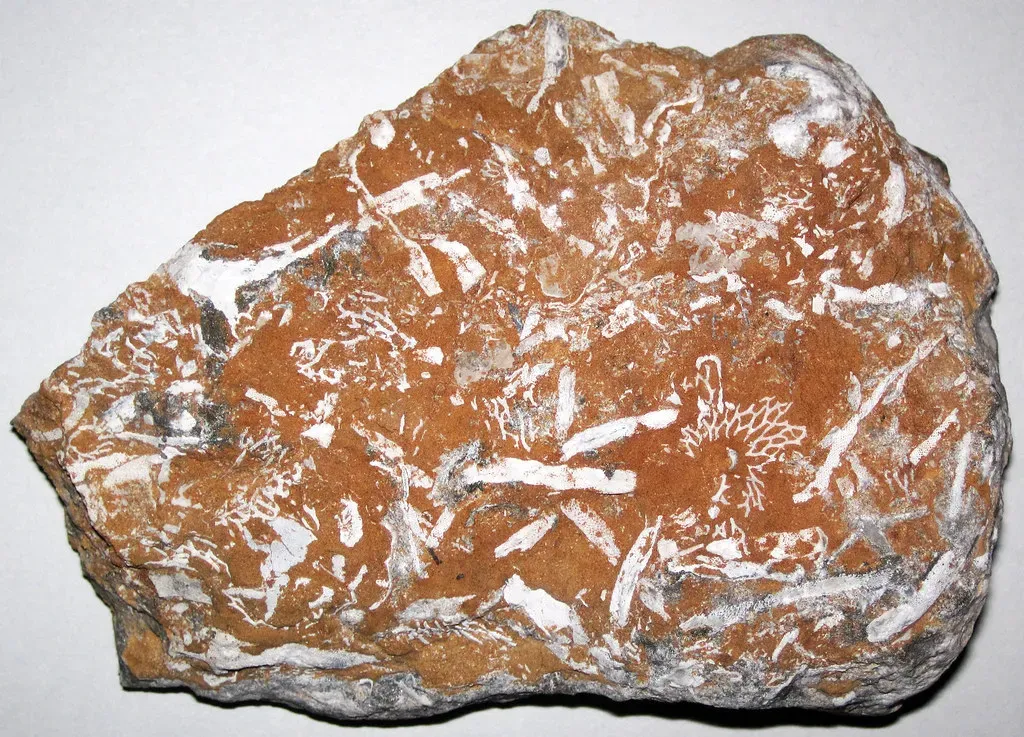
Jump ahead to about 444 million years ago, and the oceans were buzzing with early marine life: trilobites, strange armored fish, and coral-like communities. Then the climate lurched into an ice age, probably triggered by shifts in carbon dioxide as continents drifted and mountains weathered. Massive ice sheets locked up water at the poles, causing sea levels to drop dramatically. For species that depended on shallow continental seas, it was as if their world quite literally drained away, leaving ecosystems stranded and exposed.
As ice advanced and retreated, oceans went through wild swings in temperature and chemistry. Many species simply could not handle that rollercoaster, and a large portion of marine life vanished. It was one of those moments where survival was less about being the strongest and more about being in the right place with the right tolerance. Some lineages squeaked through in refuges, while others disappeared forever. The oceans eventually restabilized, but they were quieter, emptier places, and evolution had to rebuild the complexity of marine life almost from scratch.
4. The Late Devonian Crises: A Slow-Motion Collapse of Ancient Seas
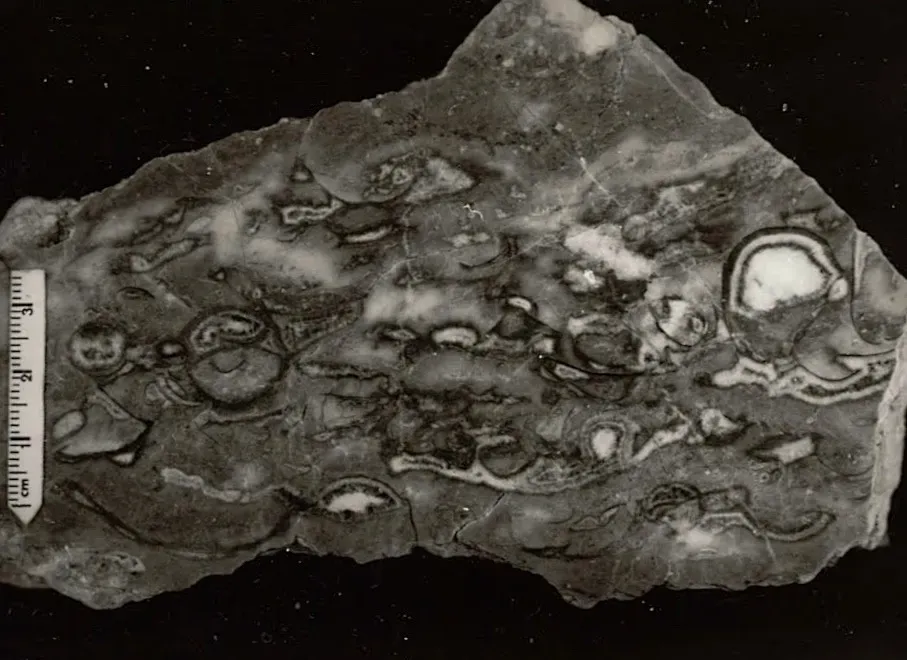
Unlike the sudden smack of an asteroid, the Late Devonian disasters were more like a bad decade that never ended, stretching over millions of years. This was the age when the first forests spread over land and early fish were experimenting with limbs, yet the oceans were already in trouble. Evidence points to repeated bouts of anoxia, where huge regions of the seas lost their oxygen, turning into dead zones. Imagine vast stretches of water that looked normal on the surface but were suffocatingly hostile below.
Some scientists think the spread of deep-rooted plants on land played a role, altering erosion and nutrient flows into the sea, which in turn fueled algal blooms that sucked up oxygen. Whatever the exact mix, the result was wave after wave of marine extinction, especially hitting reef builders and large fish. It was less a single punch and more a brutal grinding down, with each crisis shaving off diversity and resilience. By the time things finally stabilized, the ancient reef ecosystems were shadows of their former selves, and the evolutionary trajectory of fish and early tetrapods had been profoundly reshaped.
5. The End-Permian “Great Dying”: Earth’s Closest Brush With a Total Reset
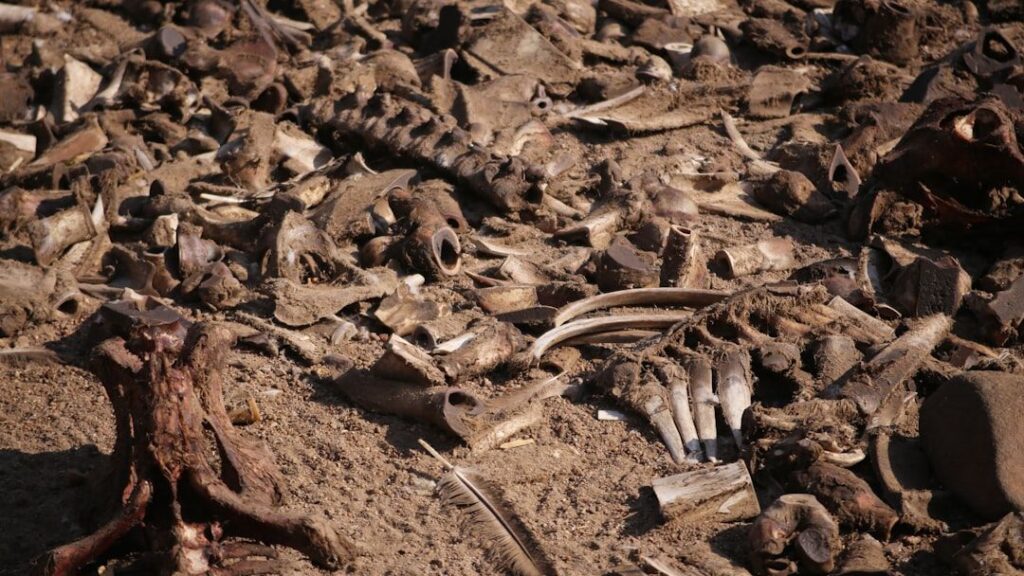
If Earth had a single worst day (or rather worst few hundred thousand years), it was the end-Permian extinction about 252 million years ago, often nicknamed the Great Dying. Roughly speaking, almost everything that could die in the oceans did, and life on land was battered nearly as badly. The leading suspect is gigantic volcanic activity in what is now Siberia, spewing unimaginable amounts of lava, ash, and greenhouse gases. That slow-motion disaster wrecked the climate, cooked the atmosphere, and likely turned oceans acidic and oxygen-poor.
The chain reaction is almost hard to wrap your head around: warming water holds less oxygen, stressed ecosystems collapse, and microbial communities shift toward ones that produce toxic gases. Fossil evidence paints a picture of a world where ecosystems did not just bend, they snapped, leaving a barren, devastated planet in many regions. The recovery took millions of years, and when life finally clawed its way back, the old Permian world was gone for good. Honestly, the fact that anything at all survived that level of chaos might be the single biggest stroke of luck in the entire history of life.
6. The End-Triassic Extinction: Supercontinent Breakup and Runaway Volcanism
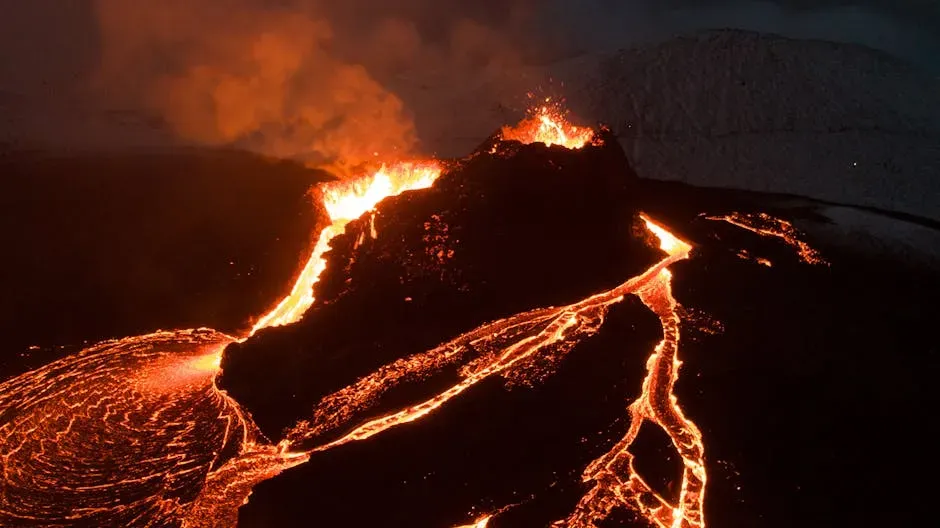
By the late Triassic, Earth was dominated by the supercontinent Pangaea, and the early dinosaurs were just one part of a mixed cast of bizarre reptiles and amphibians. Then came another volcanic nightmare, tied to the initial breakup of Pangaea and the opening of the central Atlantic. Huge lava flows and gas emissions transformed the climate, very likely with rapid spikes in carbon dioxide and wild swings in temperature. For species already adapted to a specific set of conditions, those sudden changes could be fatal.
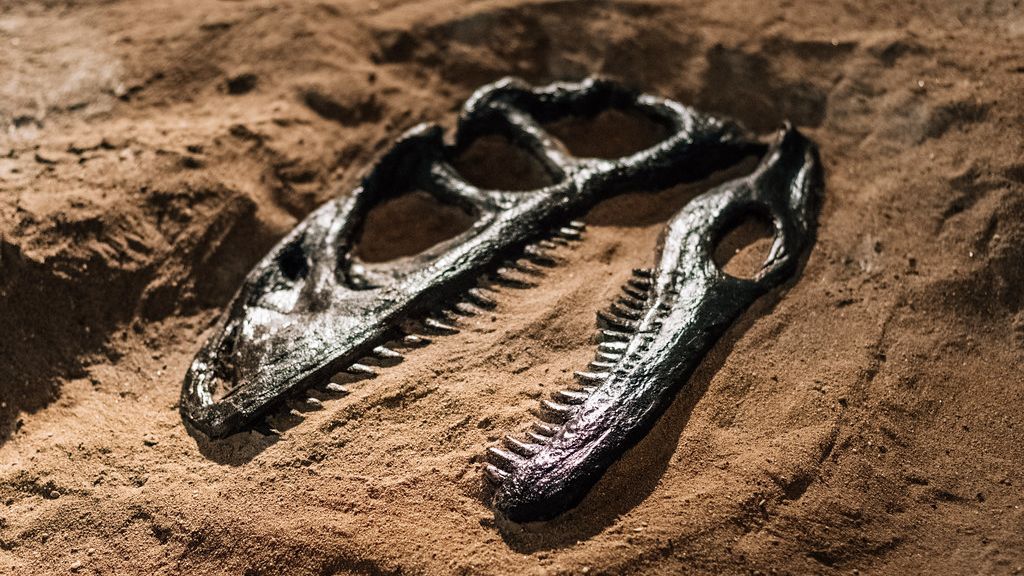
Marine ecosystems took a major hit, with many groups of ammonoids, reptiles, and other creatures disappearing. On land, several dominant reptile lineages vanished, clearing ecological space that dinosaurs would later surge into. It is one of those brutally ironic turns: a planetary disaster ends up being the lucky break that allows a new group to rise. From a human perspective, it feels strange to realize that our fascination with dinosaurs owes a lot to a mass extinction that almost scrubbed the biosphere again. The end-Triassic was not quite as severe as the Great Dying, but it was still a serious reminder that Earth’s crust moving around can be a life-or-death issue for anything living on top of it.
7. The Chicxulub Impact and Deccan Volcanism: The Day the Dinosaurs’ Luck Ran Out
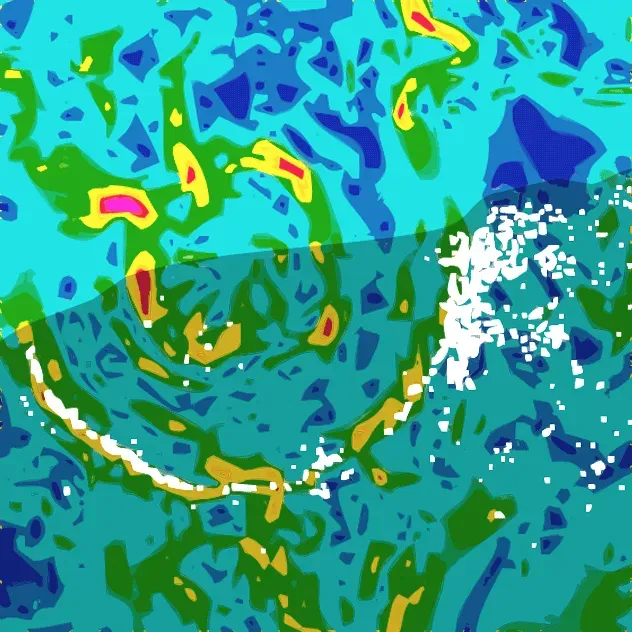
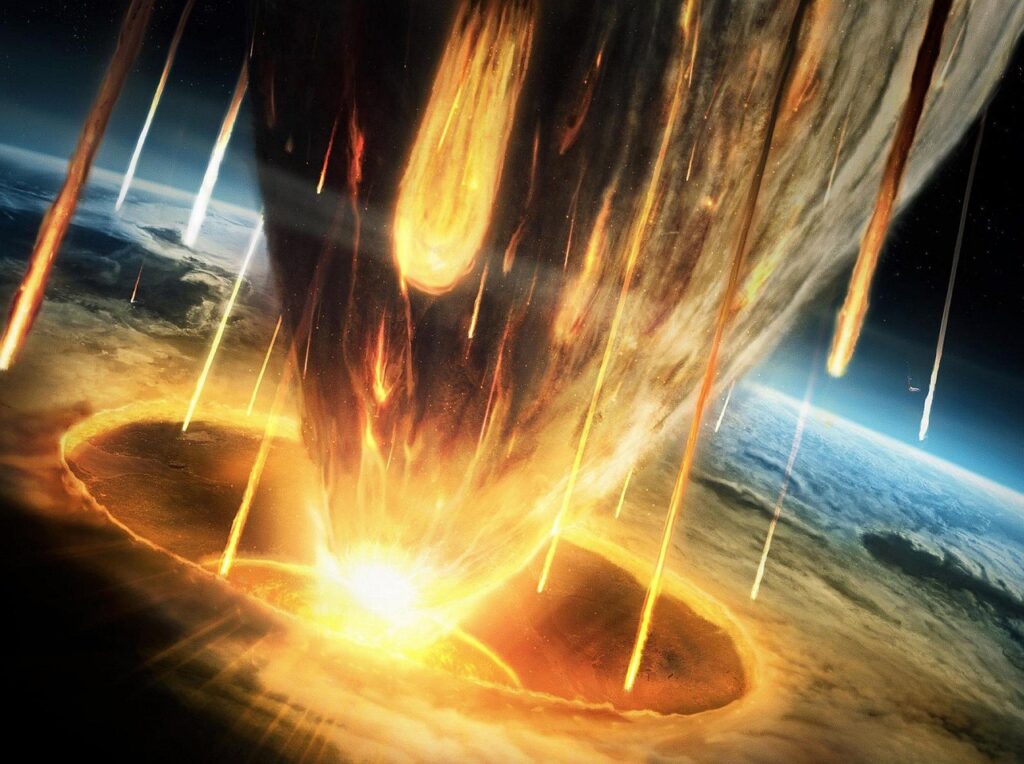
Everyone knows the broad strokes: a massive asteroid slammed into what is now the Yucatán Peninsula about 66 million years ago, and the dinosaurs (apart from birds) did not make it. The impact itself unleashed a cascade of horrors: shock waves, global wildfires, tsunamis, and dust and aerosols that dimmed the sun. Photosynthesis stalled, food webs crashed, and animals that were large, specialized, or unlucky in their location had little chance. It must have been the closest thing to an instant reset the planet has seen in hundreds of millions of years.
What makes this episode even more complex is that Earth was already under stress from intense volcanic activity in the region known as the Deccan Traps in India. Those eruptions were pumping out greenhouse gases and sulfur compounds, nudging the climate toward chaos even before the rock from space arrived. So when we talk about the dinosaurs’ extinction, we are really looking at a one-two punch: a volcanically stressed planet hammered by a cosmic bullet. The survivors tended to be small, adaptable, and able to cope with short, disrupted food chains. Mammals, including the distant ancestors of humans, were among those survivors, which is both humbling and a little eerie to think about.
8. Other Near-Misses: Gamma Rays, Supervolcanoes, and the Constant Dice Roll of Deep Time
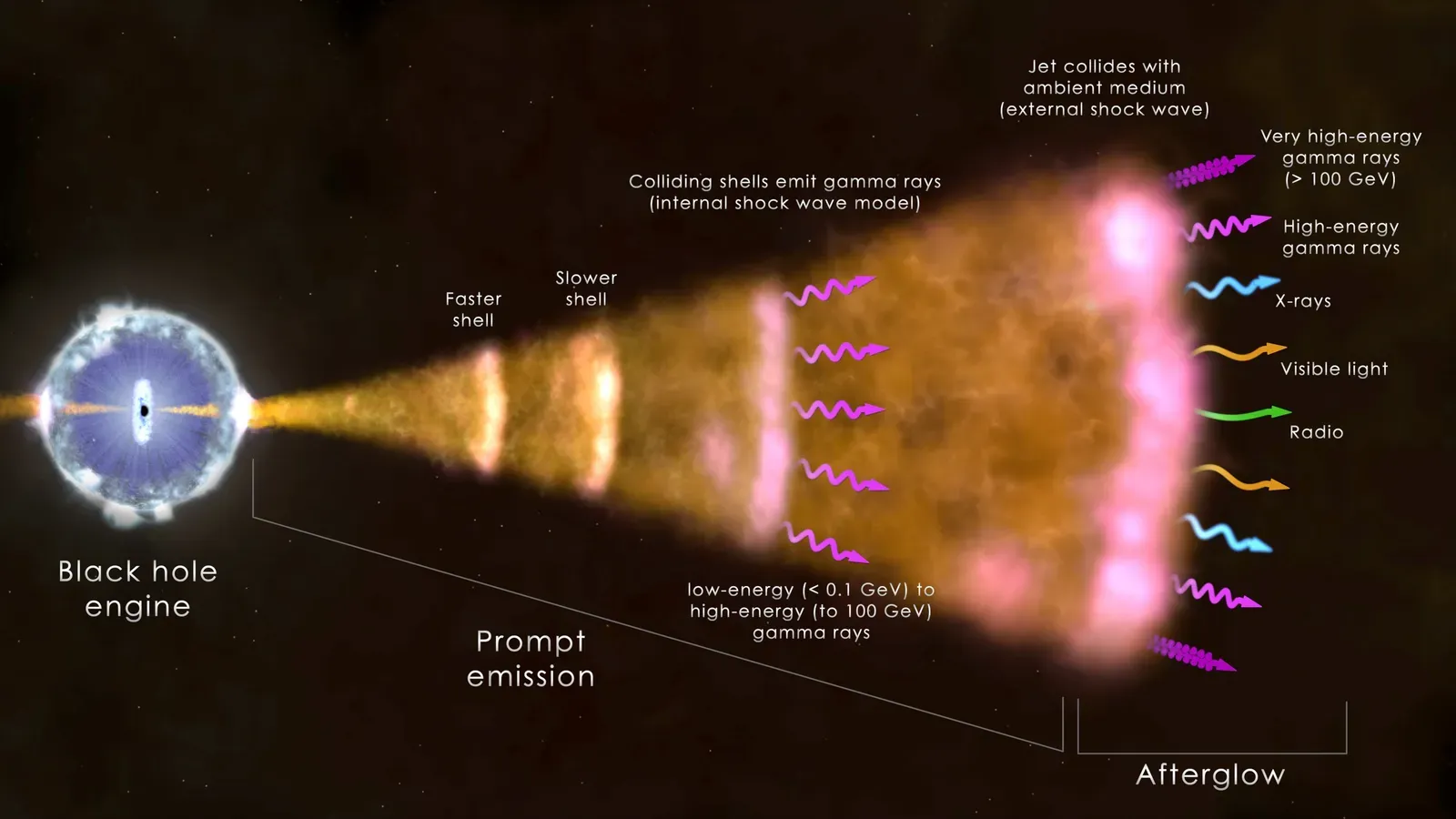
Not every existential threat leaves a crystal-clear fossil or rock signature, but scientists have flagged some chilling possibilities. One is that a nearby supernova or gamma-ray burst in the distant past could have blasted Earth with radiation, stripping parts of the ozone layer and stressing surface life. Another is the idea that massive eruptions, like those forming supervolcanoes and large igneous provinces, might have come close to pushing climate and oceans past the brink even when they did not trigger one of the “big five” official mass extinctions. In deep time, there were probably many episodes that were near-misses, where life bent uncomfortably but did not quite break.
When you zoom out, Earth’s history looks less like a smooth line and more like a survival thriller, with nature repeatedly rolling very large dice. Each catastrophe, confirmed or hypothesized, reminds us that the planet’s habitability is not guaranteed; it is contingent, fragile, and shaped by forces far beyond anything humans can currently control. At the same time, there is something fiercely inspiring about the resilience baked into life itself. The fact that this world has dodged so many bullets makes our current moment feel both precarious and incredibly precious.
Conclusion: A Planet Tempered by Catastrophe, and What That Means for Us
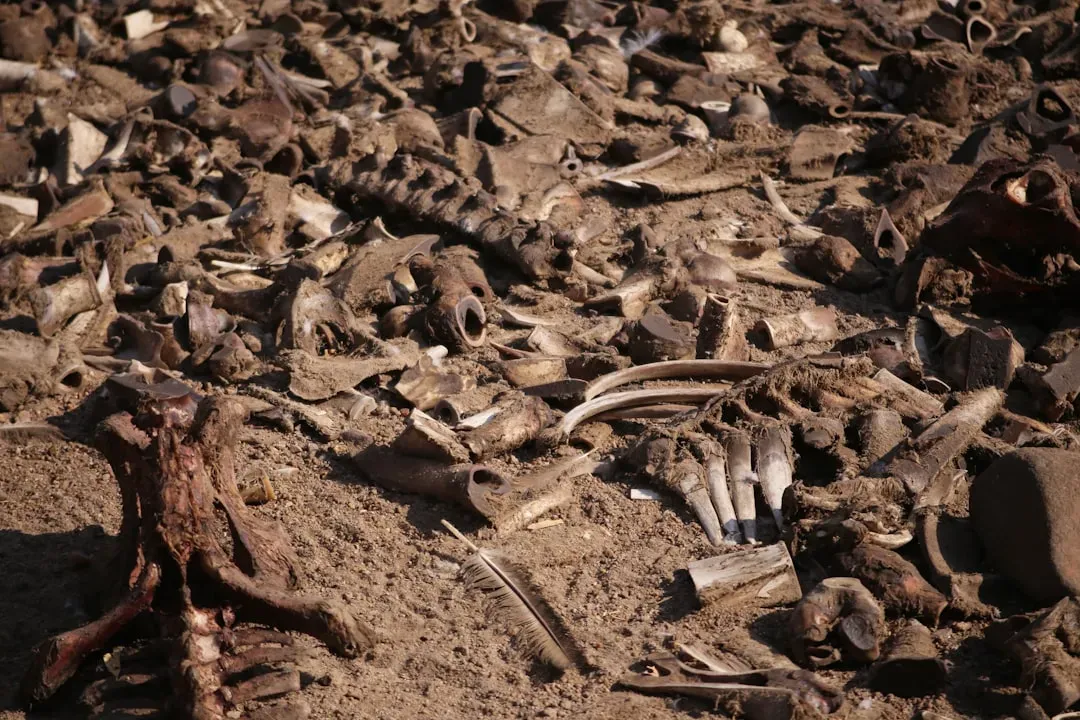
Looking back at these eight ancient disasters, I cannot shake the feeling that we live on a planet that has been tempered like steel in a forge. Each near-total wipeout stripped away fragile systems and rewarded resilience, creativity, and sheer luck. Without the Great Dying, dinosaurs might never have ceded the stage; without the asteroid, mammals like us might still be tiny, nocturnal background characters. That does not mean these catastrophes were somehow “meant” to happen, only that our existence is tangled up with a long history of brutal selection events we never had to endure ourselves.
At the same time, there is a sobering responsibility that comes with knowing this story. Natural forces almost erased life multiple times, but for the first time in Earth’s history, one species is powerful enough to trigger global-scale change on its own. Climate shifts, biodiversity loss, and ecosystem breakdowns are not just abstract headlines; they echo patterns we see in these ancient mass extinctions. To me, the real lesson of Earth’s violent past is not that life always bounces back, but that recovery can take millions of years while most current species never return. The question that lingers is simple and uncomfortable: now that we finally understand how close life came to ending before we existed, what will we choose to do with the fragile window of stability we inherited?