Have you ever stood at the edge of something so ancient that it makes your entire existence feel like a blink? Earth is covered with secrets, stories written in stone that whisper about unimaginable forces and creatures that once ruled the planet. These geological marvels aren’t just pretty landscapes or tourist stops. They’re time capsules. They’re evidence of cataclysms, slow transformations, and millions of years of planetary evolution. Some reveal mass extinctions, while others tell tales of when continents were still drifting into position, or when the very air you breathe now didn’t even exist yet.
Let’s be honest, rocks don’t usually get people excited. Yet when you realize that some formations hold the blueprint to Earth’s deepest mysteries, that changes. From impact craters that ended entire eras of life to volcanic outpourings that reshaped climates, these places are alive with history. So let’s dive in.
The Grand Canyon’s Layered Time Machine
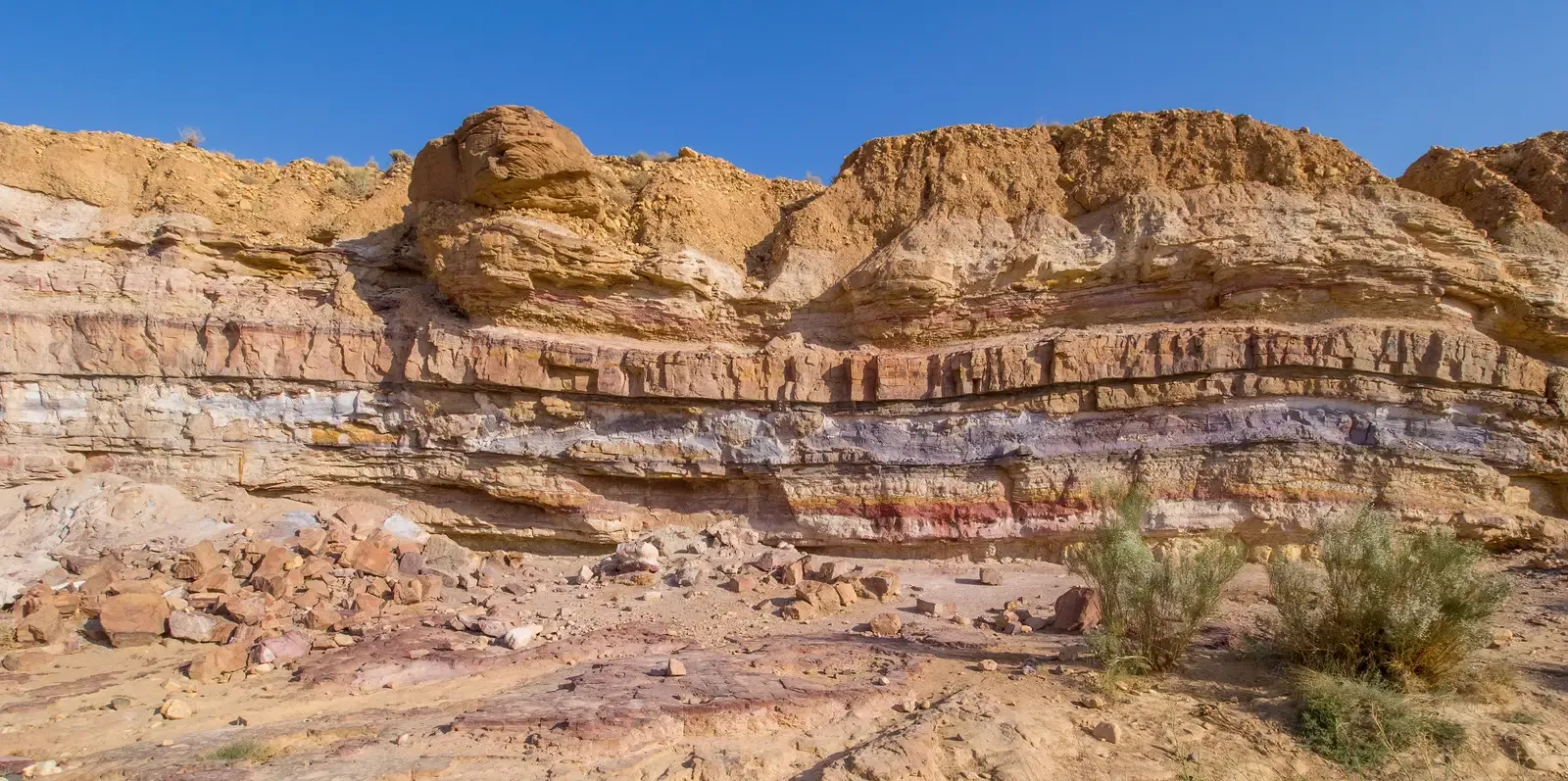
When you gaze into the Grand Canyon, you’re not just looking at a massive gorge. You’re peering back through nearly two billion years of Earth’s story, all neatly stacked in horizontal bands of rock. The sedimentary rock layers exposed in the Grand Canyon range in age from about 200 million to nearly 2 billion years old, and each tells its own chapter. What makes this place truly mind boggling is the sheer accessibility of so much geologic time in one location.
At the very bottom lies the Vishnu Schist, a hard rock originally deposited as sediments some 2 billion years ago, transformed by immense heat and pressure deep underground. You can find fossilized stromatolites and traces of ancient shallow seas that once covered what is now Arizona. It’s hard to imagine that the dry desert canyon was once submerged beneath warm, tropical waters teeming with primitive life forms.
Chicxulub Crater: Ground Zero for Extinction
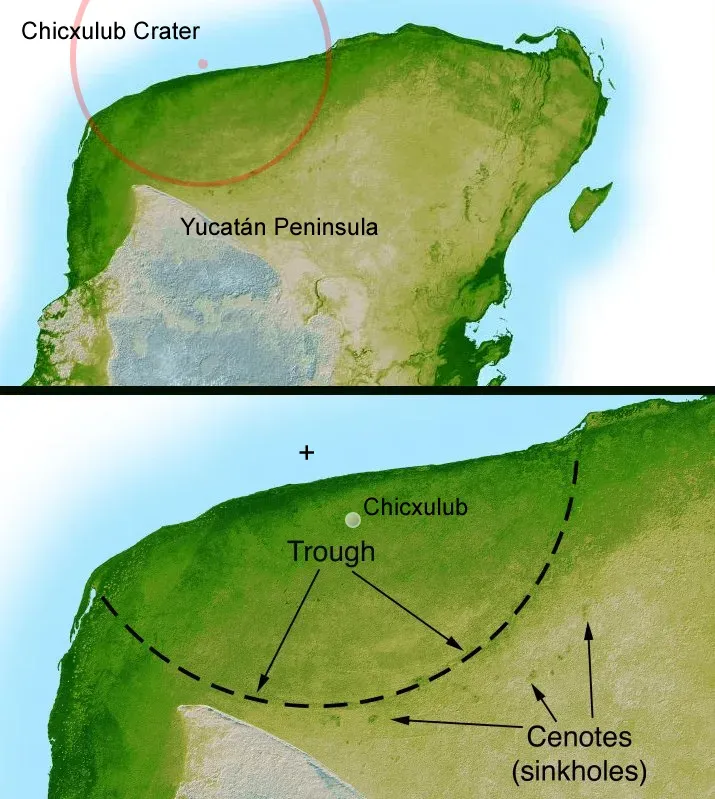
The Chicxulub crater was formed slightly over 66 million years ago when an asteroid, about ten kilometers in diameter, struck Earth, and the crater is estimated to be 200 kilometers in diameter. This isn’t just any impact site. It’s the smoking gun for the event that wiped out the dinosaurs and changed life on this planet forever. Think about that for a second: one cosmic collision reshaped evolutionary history.
It is now widely accepted that the devastation and climate disruption resulting from the impact was the primary cause of the extinction of 75% of plant and animal species on Earth, including all non-avian dinosaurs. Scientists have found iridium, a rare element on Earth but common in asteroids, directly in the crater’s rock cores, sealing the connection. The energy released was unfathomable, vaporizing rock and sending debris into the atmosphere that blocked out the sun for years, maybe decades.
Deccan Traps: A Volcanic Apocalypse in Layers
While the asteroid gets most of the fame, there’s another villain in the extinction story. The Deccan Traps are a large igneous province of west central India, one of the largest volcanic features on Earth, consisting of many layers of solidified flood basalt more than 2 kilometers thick. The scale is truly staggering. Imagine lava flows stretching over more than a thousand kilometers, erupting for hundreds of thousands of years.
The Deccan Traps began forming 66.25 million years ago, and the eruptions occurred over a 600 to 800,000 year time period spanning the Cretaceous Paleogene boundary. Some scientists argue that these eruptions pumped enough greenhouse gases and toxic sulfur into the atmosphere to cause climate chaos long before the asteroid hit. Maybe the dinosaurs were already struggling when that final blow came from space.
Stromatolites: Earth’s Oldest Living Fossils
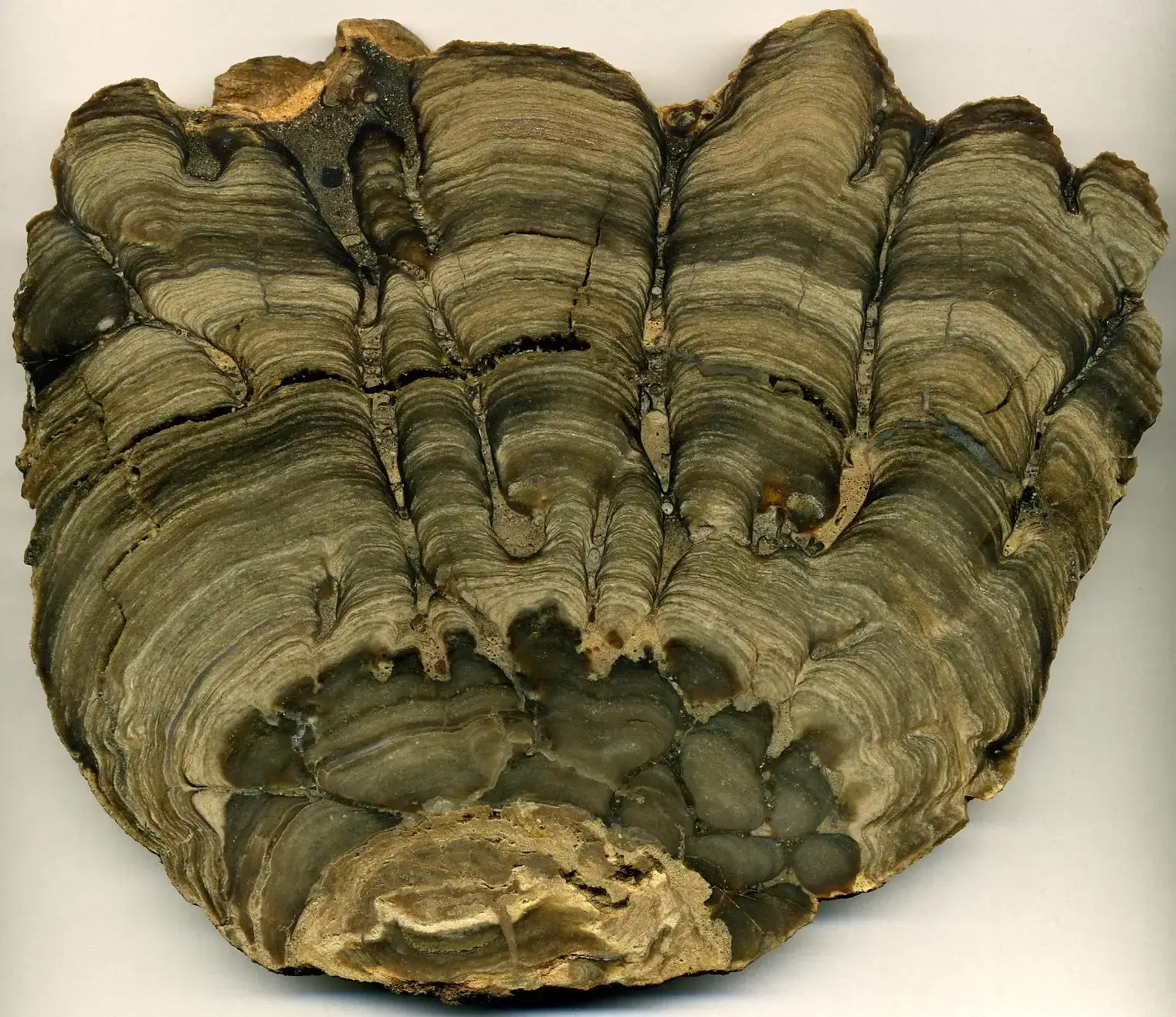
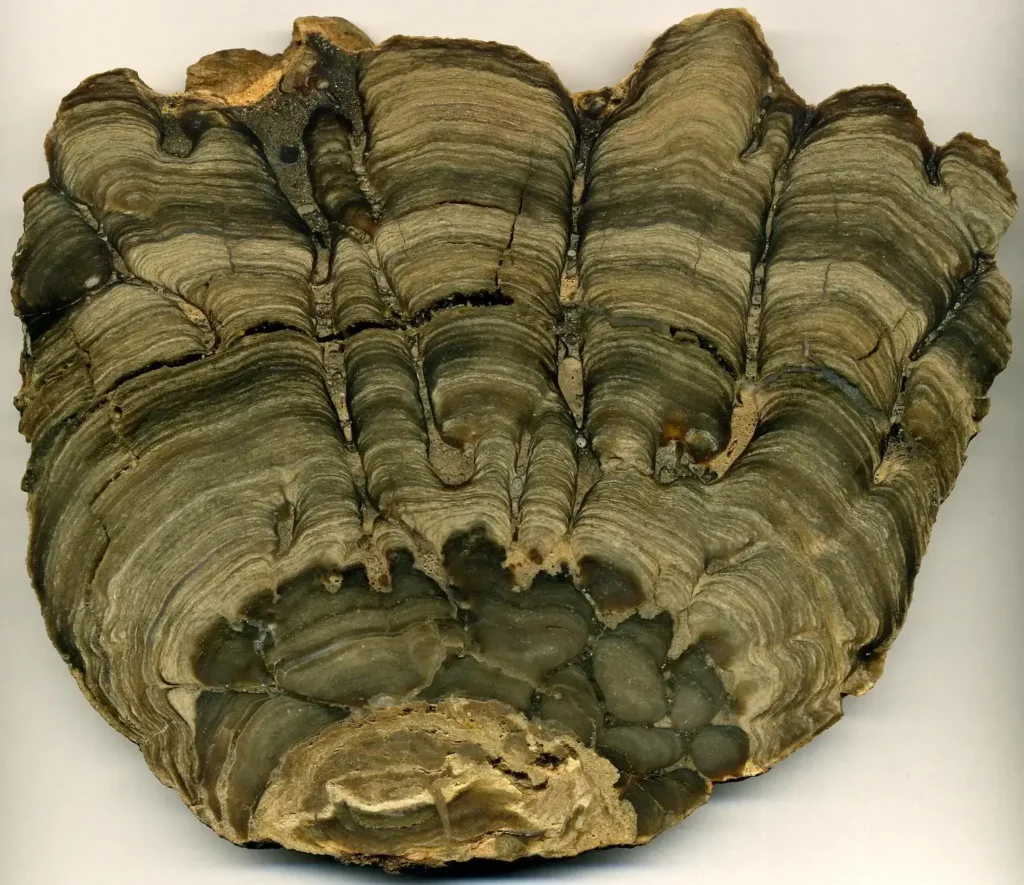
Stromatolites might not look like much at first glance. These layered, mound like structures are built by colonies of cyanobacteria, some of the most ancient life forms on Earth. You can still find living stromatolites in places like Shark Bay, Australia, but fossilized versions appear in rocks billions of years old. Let that sink in: billions.
These microbial mats played a massive role in transforming Earth’s atmosphere by producing oxygen through photosynthesis. Before stromatolites, the planet’s air was toxic to most forms of life as we know them today. Slowly, over eons, these tiny organisms oxygenated the oceans and eventually the atmosphere, paving the way for complex life to evolve. Without them, you wouldn’t be here reading this.
The Great Unconformity: A Billion Years Gone Missing
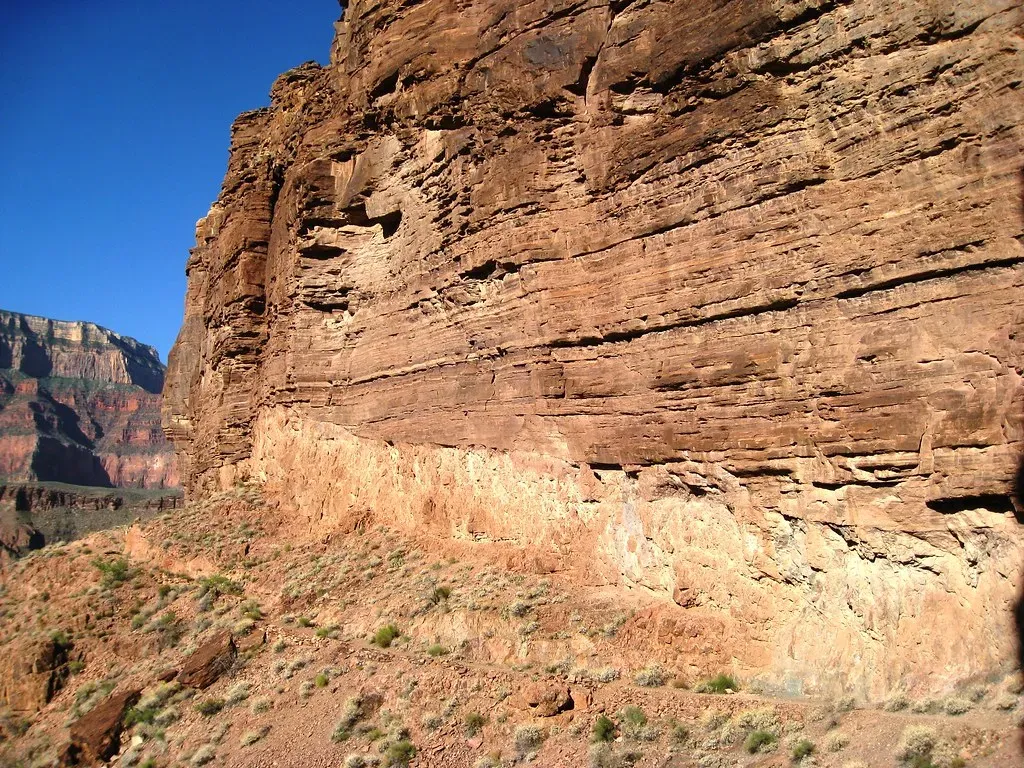
One of the most bizarre geological mysteries is something called the Great Unconformity, famously visible in the Grand Canyon. Unconformities are gaps in the geologic record that occur when rocks or sediments are eroded away and time elapses before new deposition occurs. In the case of the Great Unconformity, there’s a gap representing hundreds of millions of years, sometimes over a billion years of missing history.
What happened during that lost time? Scientists think massive erosion events, possibly linked to ancient glaciations or tectonic upheavals, scoured away entire sequences of rock. The very fact that there is this gap provides information to geologists, indicating changing ocean levels or changes in the Earth’s crust. It’s like someone ripped out entire chapters from Earth’s autobiography.
The Vishnu Basement Rocks: Metamorphic Mysteries
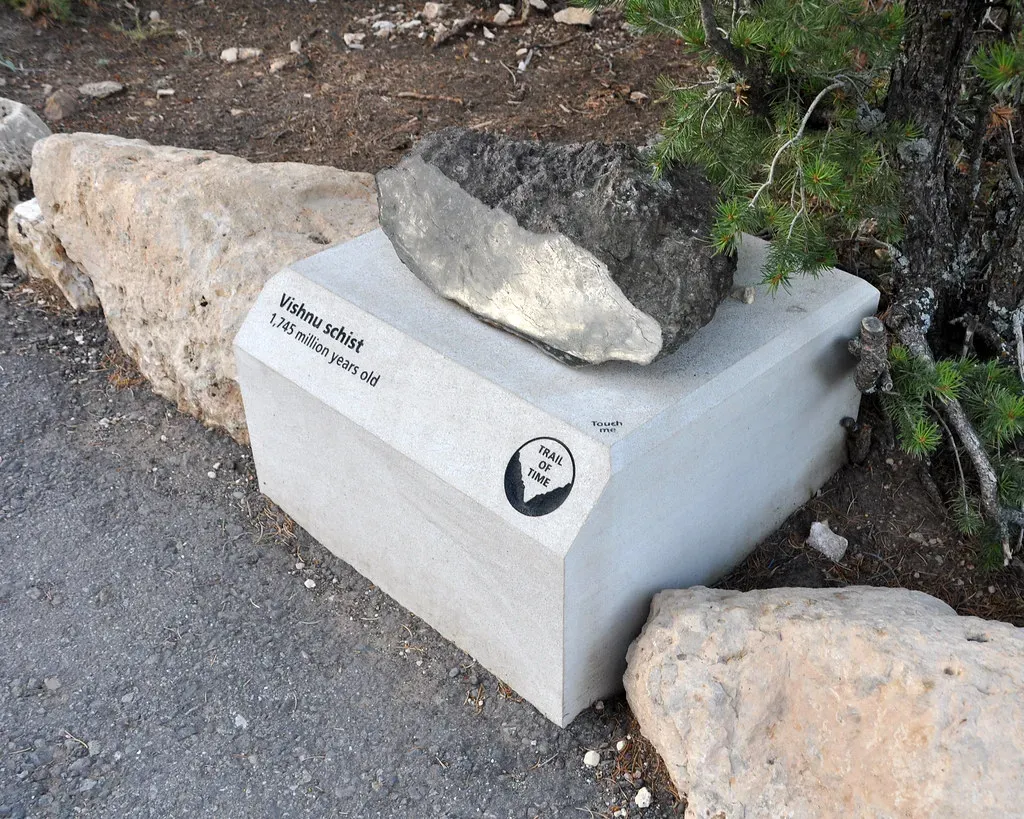
Deep in the inner gorges of the Grand Canyon, you’ll find some of the oldest exposed rocks in North America. Around 1.7 billion years ago, by then deep underground, these layers were transformed into schist through heat and pressure. These dark, twisted formations bear the scars of immense geological violence. They were once sediments and volcanic deposits that got buried, cooked, and crushed by mountain building forces.
Looking at these rocks is humbling. They formed when Earth was still in its middle age, long before multicellular life existed. The continents were different shapes, positioned in places we can barely reconstruct. Standing next to Vishnu Schist is like touching a relic from an alien world that happened to be our own planet.
Banded Iron Formations: Rust That Changed Everything
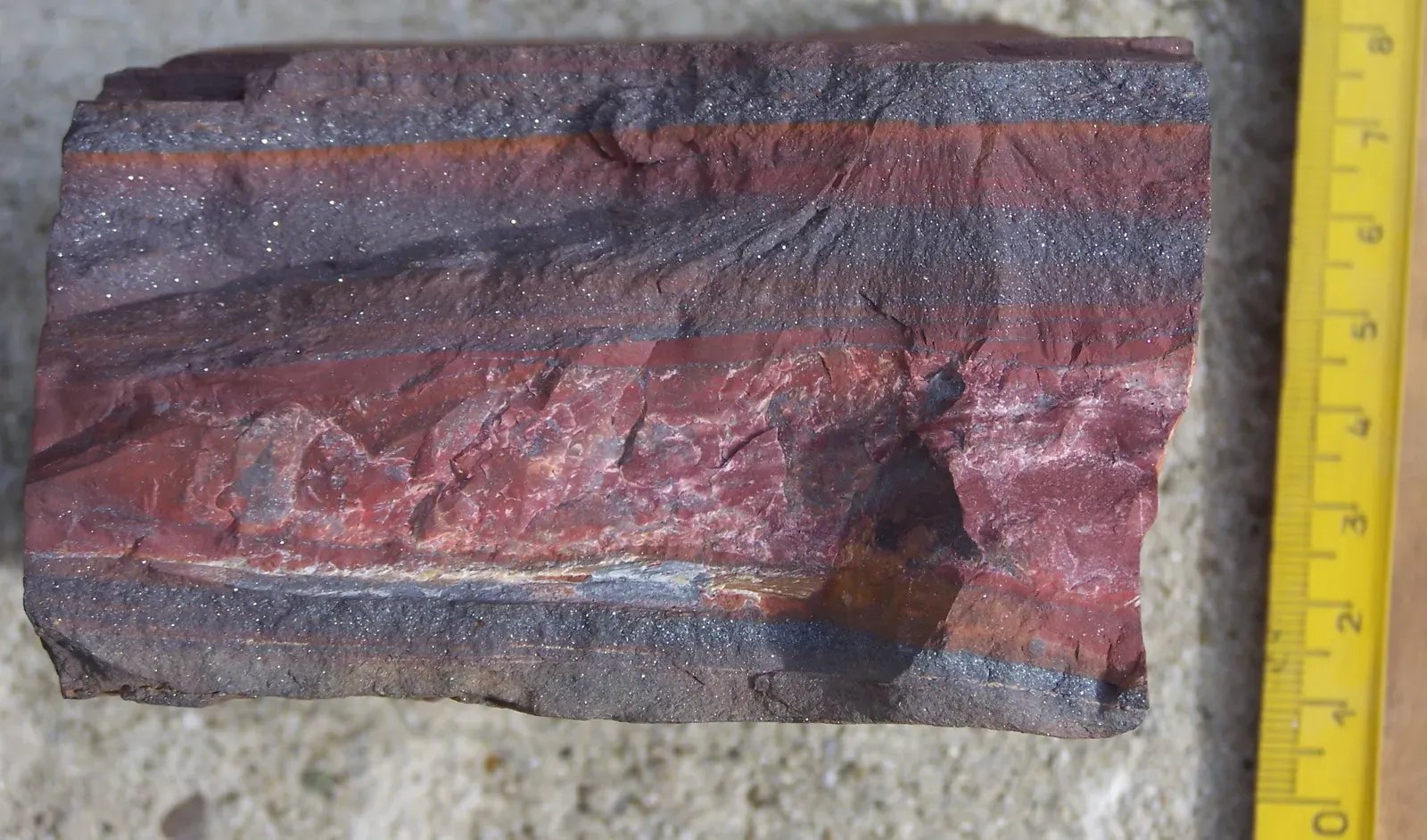
Banded iron formations are some of the strangest and most important rocks on Earth. These alternating layers of iron rich minerals and silica formed primarily between 2.5 and 1.8 billion years ago, during a time when Earth’s oceans were filled with dissolved iron. When cyanobacteria began producing oxygen, it reacted with the iron, causing it to precipitate out and settle on the ocean floor in massive layers.
These formations are evidence of the Great Oxidation Event, one of the most dramatic shifts in planetary history. The atmosphere went from having almost no free oxygen to containing enough to support aerobic life. Banded iron formations are also economically vital, they’re the source of much of the world’s iron ore. Every steel beam in every building owes its existence to ancient microbes and rust.
Burgess Shale: A Cambrian Snapshot
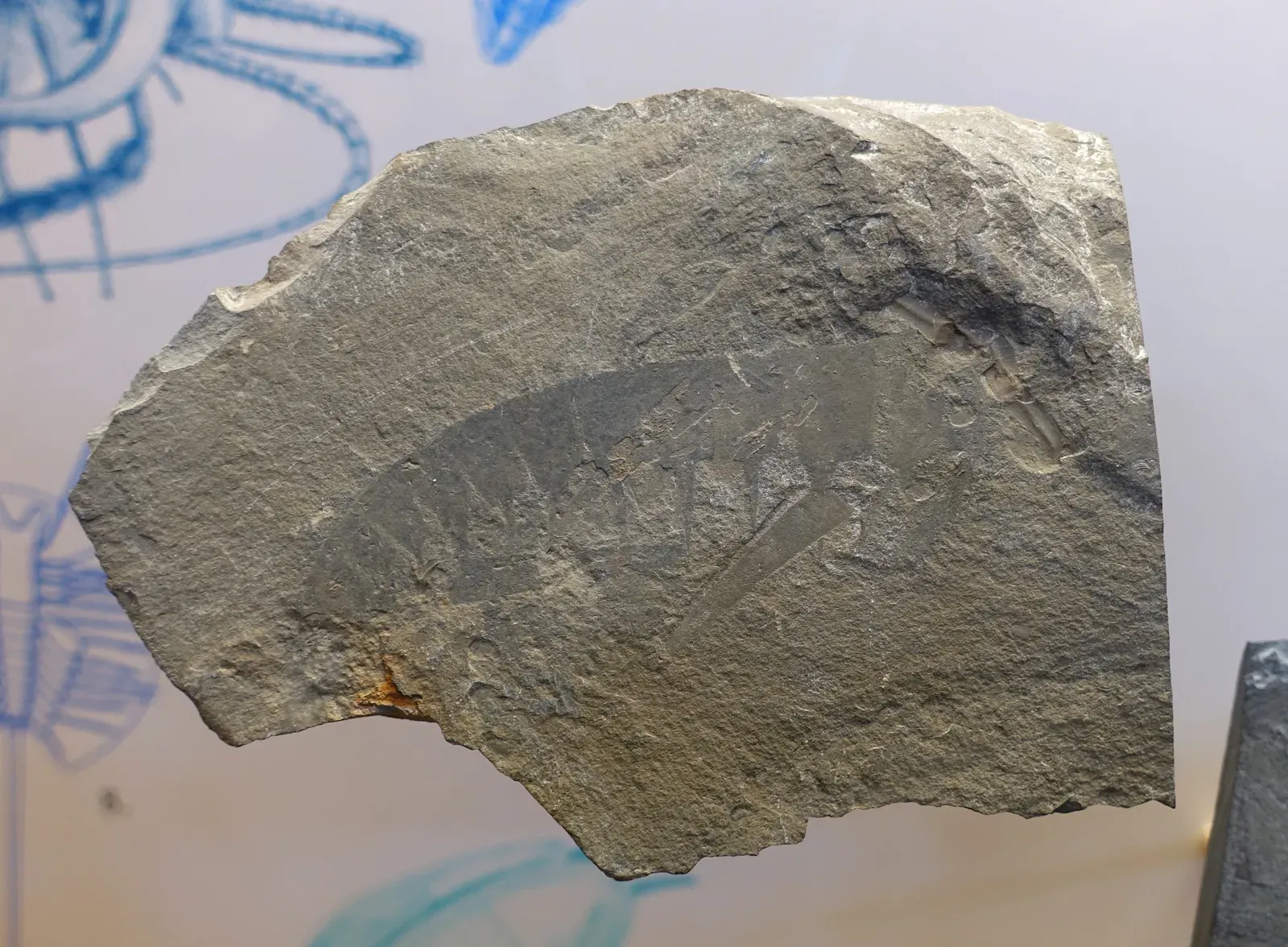
High in the Canadian Rockies lies a thin layer of rock that has revolutionized our understanding of early animal life. The Burgess Shale dates back roughly 508 million years to the Cambrian Period, a time when complex life was exploding in diversity. What makes this site extraordinary is the exceptional preservation of soft bodied organisms, creatures that normally wouldn’t fossilize at all.
You find bizarre animals here that look like they belong in a science fiction movie. Hallucigenia, Anomalocaris, and Opabinia are just a few of the strange inhabitants captured in exquisite detail. These fossils show us that evolution experimented with wildly different body plans, many of which didn’t survive. The Burgess Shale is a reminder that life’s history is full of dead ends, weird experiments, and unpredictable twists.
Conclusion: Stones That Speak
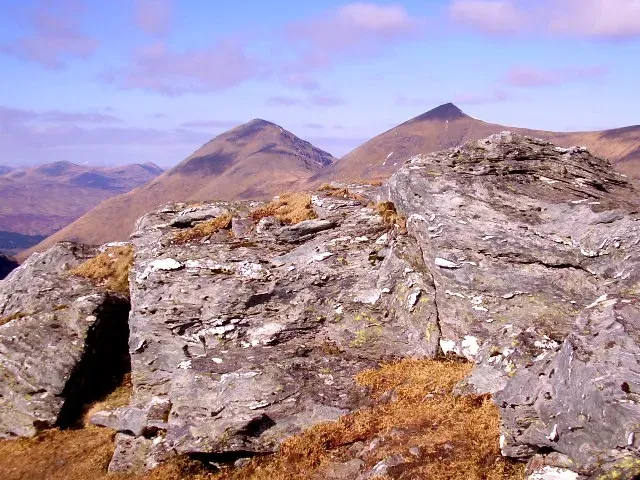
These geological marvels aren’t just relics. They’re active teachers, constantly revealing new details as technology improves and scientists dig deeper. From the layered history of the Grand Canyon to the catastrophic impact site at Chicxulub, each formation holds pieces of a puzzle that’s taken billions of years to assemble. Earth’s story is written in stone, and if you know where to look, those stones speak volumes.
It’s easy to take the ground beneath your feet for granted. Yet when you consider that some of it survived asteroid impacts, volcanic apocalypses, and atmospheric transformations, it becomes clear how extraordinary our planet really is. What do you think is the most fascinating clue these ancient rocks have revealed? Maybe the answer lies in formations we haven’t even discovered yet.