Every few years, a story explodes online claiming that archaeologists have uncovered enormous human skeletons that science is desperate to hide. Photos circulate, theories spread, and for a moment it feels like the history of humanity is about to be rewritten. Then, almost as quickly, the facts trickle in: misidentified bones, doctored images, mistranslations, or myths passed down for generations. Still, the idea of giants refuses to die.
I get why. When I first stumbled across an old newspaper clipping about a “nine‑foot skeleton” found in a farmer’s field, I spent an entire evening going down the rabbit hole. There’s something deeply emotional about the thought that our ancestors might have walked among towering humans whose existence was later erased. In this article, we’ll walk through eight of the most talked‑about “giant skeleton” discoveries, what actually happened, and why they still fascinate people today.
The Cardiff Giant: America’s Most Famous Stone “Skeleton”
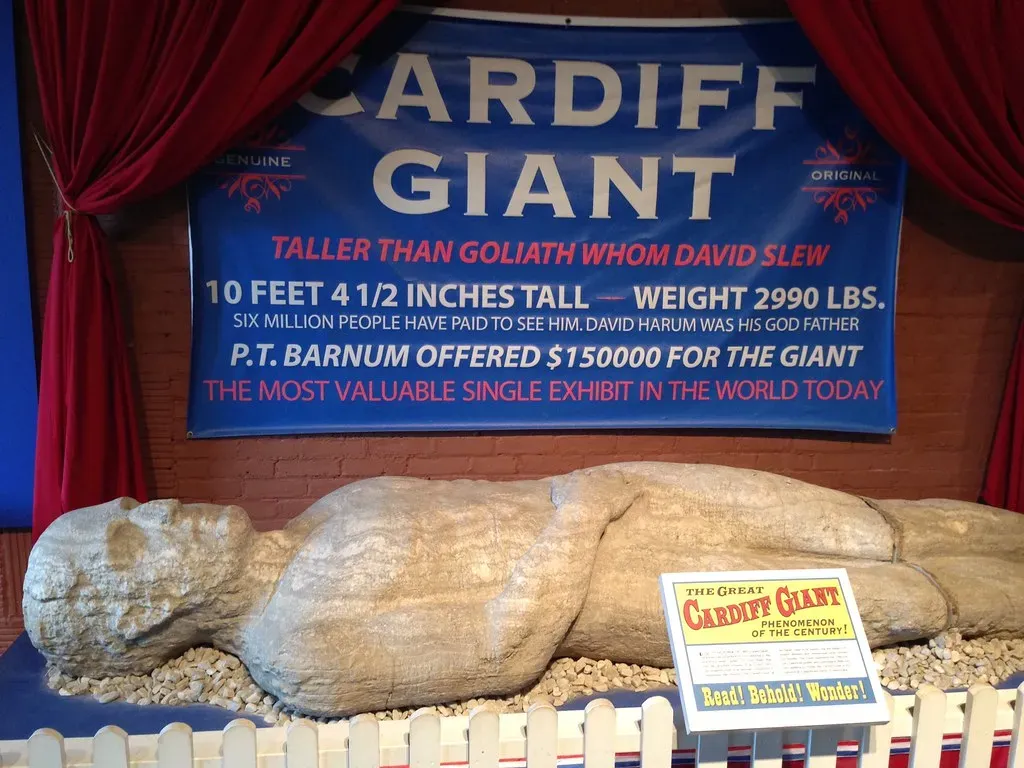
The Cardiff Giant is often the first name that comes up whenever people talk about ancient giants. In 1869, workers digging a well on a farm near Cardiff, New York, unearthed a massive ten‑foot figure that looked like a petrified human. Crowds flocked to see it, newspapers breathlessly reported it, and religious debates flared over whether this was proof of biblical giants. For many onlookers, it felt like the ground under scientific certainty had just cracked.
But the whole thing was a carefully planned hoax. The “giant” was carved from gypsum, buried for about a year, then dramatically “discovered” in front of witnesses. Geologists quickly noticed chisel marks and fresh surfaces; anatomists pointed out that its proportions were off. To me, the most revealing part isn’t the trick itself, but how badly people wanted it to be real. The Cardiff Giant shows how our hopes and beliefs can make us see ancient giants even when the evidence is literally carved by a nineteenth‑century sculptor.
The Lovelock Cave Skull Stories in Nevada
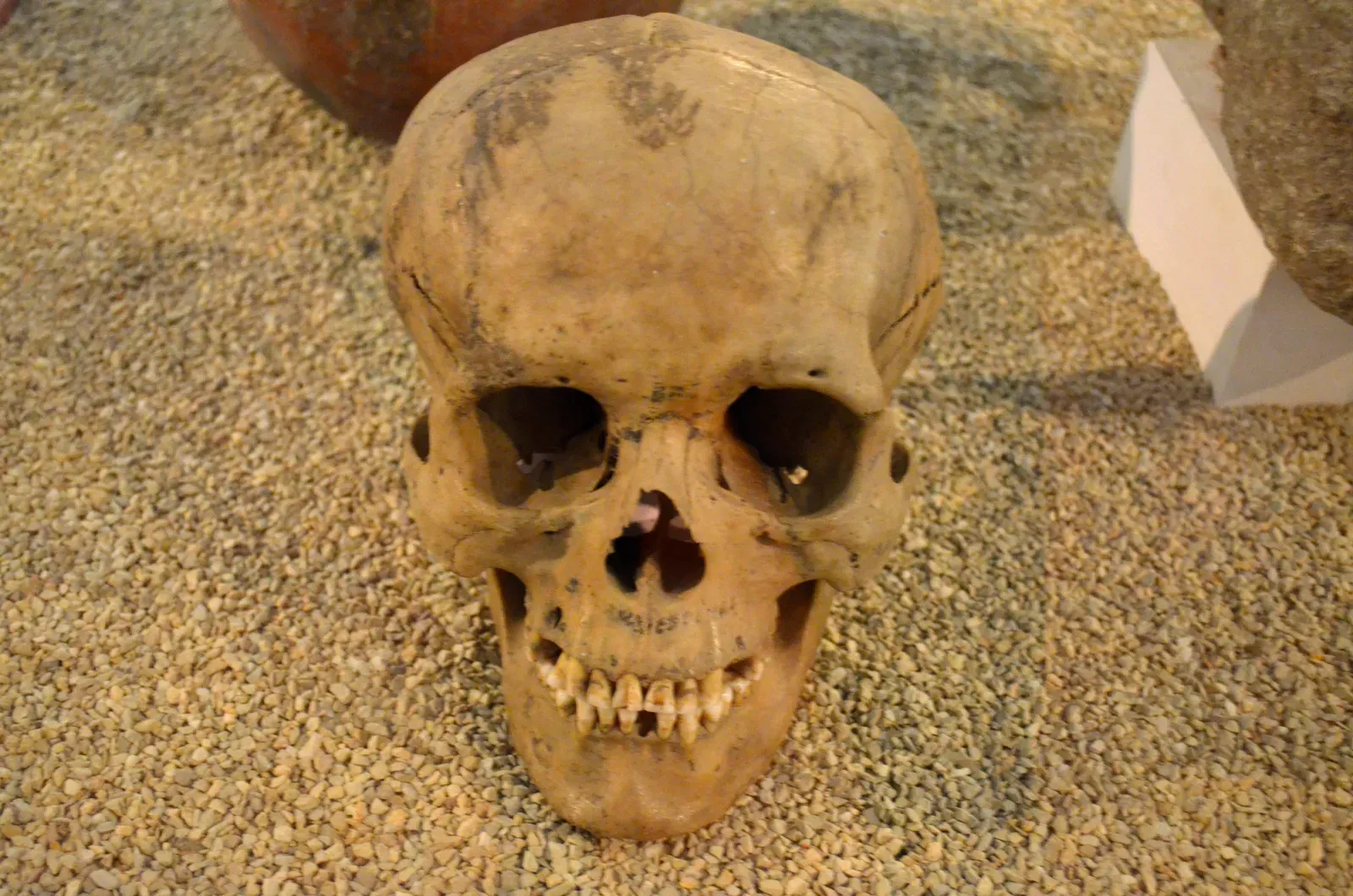
Lovelock Cave in Nevada has become legendary in giant folklore, especially on the internet. Early twentieth‑century digs there uncovered large bones and artifacts belonging to Indigenous people who lived in the region for centuries. Over time, stories grew that red‑haired cannibal giants once inhabited the cave, supposedly backed up by unusually large skulls mentioned in some old accounts. From there, the narrative took on a life of its own, blending archaeology, local lore, and modern conspiracy culture.
When you zoom in on the evidence, the story changes. Professional analyses of skeletal remains from Lovelock Cave show individuals within the upper range of normal human height, not towering, inhuman giants. Oral traditions about dangerous or powerful “others” in the landscape are common in many cultures, and they’re usually symbolic, not literal field reports. My own view is that Lovelock is a perfect example of how a kernel of truth – real bones, real people, real myths – gets remixed into an outsized giant legend that says more about our imaginations than about the skeletons themselves.
The Mounds of North America and the “Race of Giants” Myth
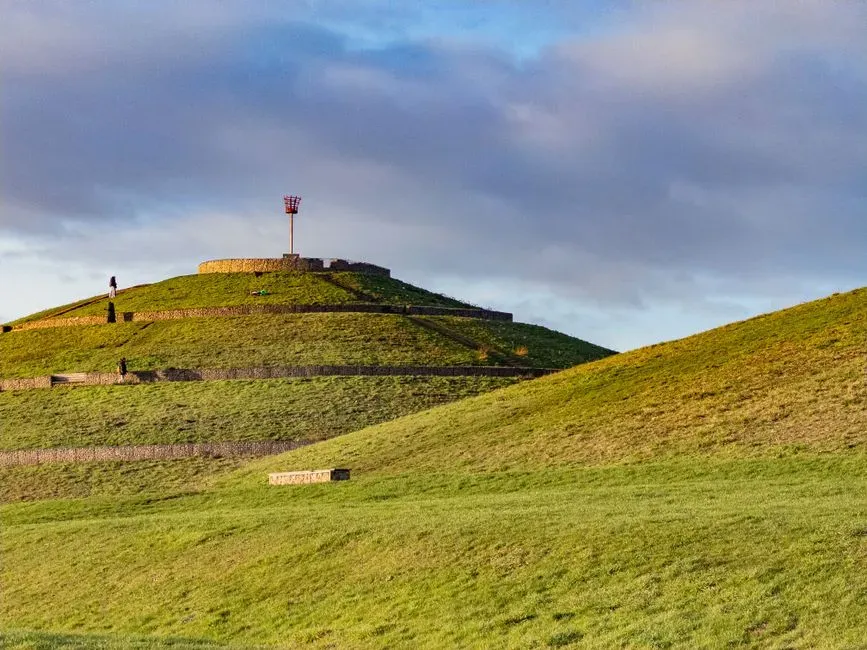
In the nineteenth century, as settlers pushed across North America, they encountered thousands of ancient earthen mounds created by Indigenous cultures over many centuries. Amateur antiquarians, local farmers, and early museum collectors sometimes reported finding very tall skeletons inside these mounds. Newspapers loved these stories and often described a mysterious “race of giants” who supposedly predated Native Americans, feeding into racist ideas that Indigenous people were not the original sophisticated builders of the land.
Modern archaeology paints a starkly different picture. Professional excavations have documented that mound builders were ancestral Native American societies, and the human remains found are within the normal range of human variation – though of course some individuals were tall. Old reports of “seven‑foot” or “eight‑foot” skeletons nearly always come from unsystematic digs, measurements taken after bones had been disturbed, or flat‑out exaggerations. For me, this controversy is less about giants and more about how people used the idea of giants to erase Indigenous achievements, which is far more troubling than any tall skeleton could ever be impressive.
Newspaper Clippings of Giant Skeletons from the Late 1800s
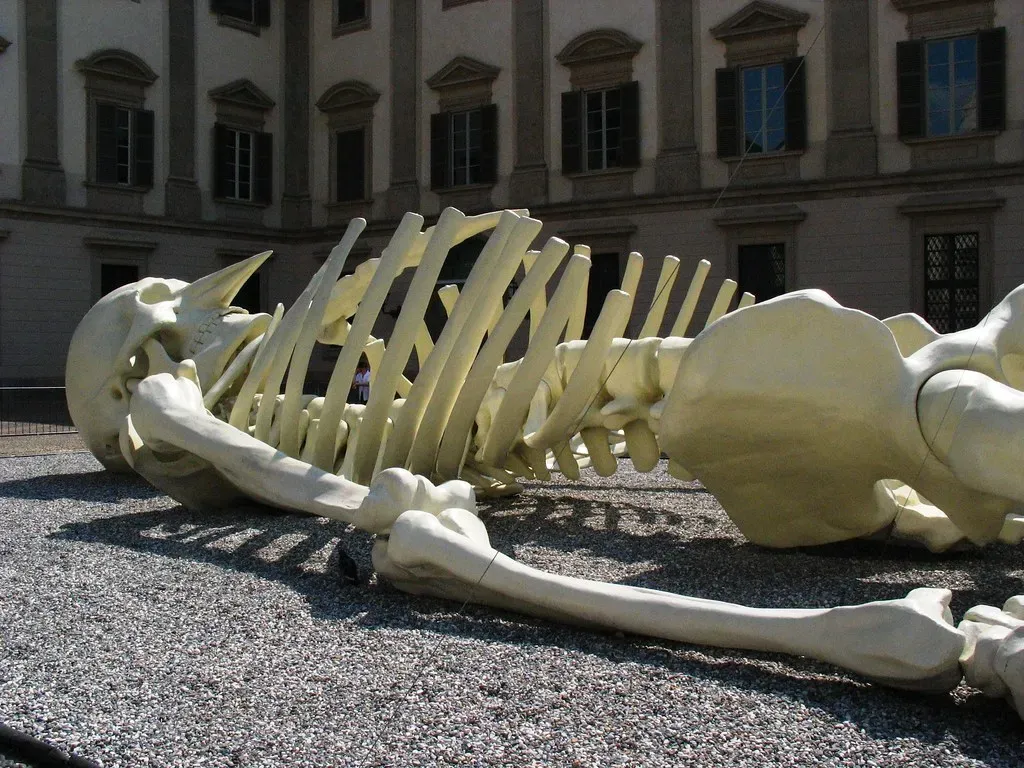
If you search old American newspapers from the late nineteenth and early twentieth centuries, you’ll find dozens of breathless articles about giant skeletons turning up in fields, riverbanks, and construction sites. Some claim that skeletons measured ten or even twelve feet, others that multiple giants were buried together. These accounts are often cited today as proof that science is covering something up, since you rarely see the actual bones in modern museums.
There are some very down‑to‑earth explanations. Newspapers of that era competed fiercely for readers and frequently printed sensational stories with little verification, especially about strange bones. Measuring scattered bones in the field, often by untrained people, can easily inflate apparent height. Many finds were never properly recorded, and some were likely misidentified large animal bones. When I read these clippings, I see a mix of real discoveries filtered through excitement, misunderstanding, and the incentives of a news industry that was more interested in entertainment than evidence. They’re historically fascinating, but they’re not solid scientific data.
The “Giant” Skeletons of Ancient Greece and Rome

Long before the internet, people in the ancient Mediterranean were already finding enormous bones and wondering who – or what – they belonged to. Greek and Roman writers sometimes described the discovery of huge skeletons, which they linked to heroes, gods, or mythic giants. When a massive bone turned up in a hillside, it was natural for people to connect it to stories they already knew: the towering warriors of epic poetry, the children of the earth and sky, or the legendary founders of cities.
Today, researchers studying these old accounts have shown that many of those “giant” bones were actually fossils of large animals, like mammoths, mastodons, or huge prehistoric mammals. To ancient observers, a massive femur embedded in rock looked like undeniable proof that giants once walked the earth. I actually find this deeply human: faced with bones far larger than any living person, people reached for their myths to make sense of them. The controversy here is not that scientists are hiding giants, but that we sometimes forget how good humans are at weaving stories around the unknown.
The Indonesian “Giants”: Misreading Homo floresiensis
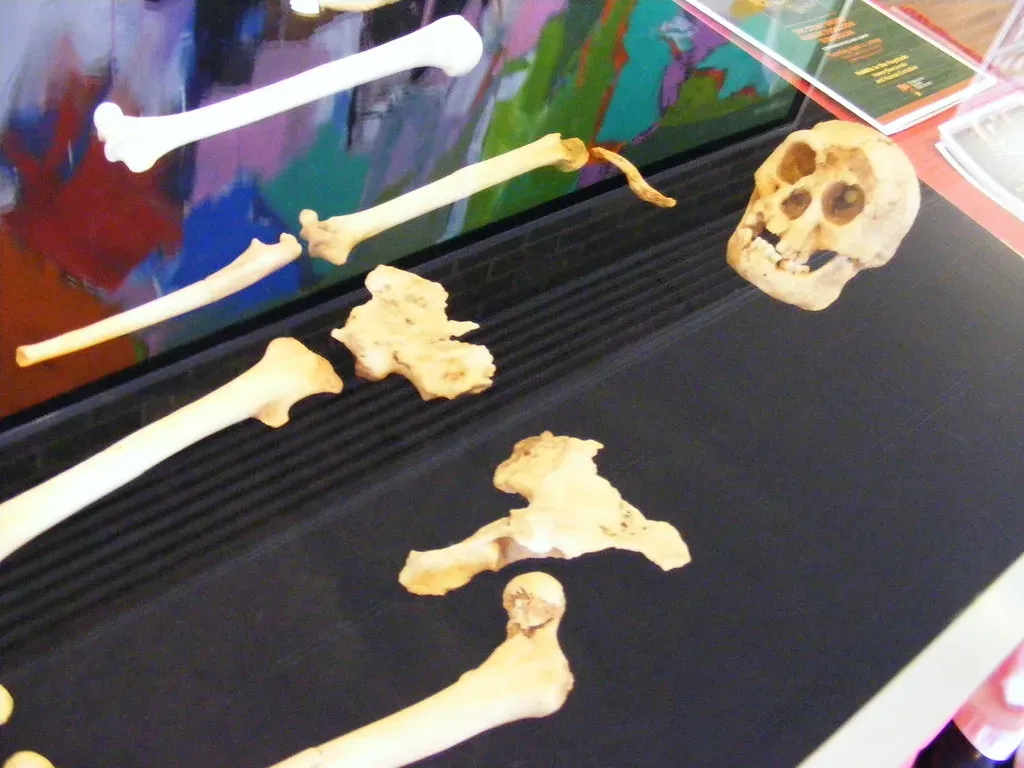
In the early 2000s, the discovery of Homo floresiensis on the Indonesian island of Flores turned paleoanthropology upside down. These ancient hominins were unusually small, not large – so small that they were nicknamed “hobbits.” Yet online, this find sometimes gets twisted into claims that scientists found a race of giants or that the bones prove myths about towering beings in the region. It’s a strange inversion of the actual evidence but it shows how flexible the giant narrative can be.
Scientifically, Homo floresiensis is fascinating precisely because it challenges simple ideas about human evolution and body size. These individuals appear to have adapted to their environment in ways that made them smaller, not larger, and their remains are studied intensely by serious researchers. The way some fringe stories try to flip them into giants shows how strong the urge is to see confirmation of existing myths, even when the data points in the opposite direction. To me, that mismatch between fact and story is exactly why a skeptical, curious mindset is so essential when we hear claims about ancient skeletons of any size.
Photoshop, Fake Skeleton Photos, and Viral Internet “Giants”
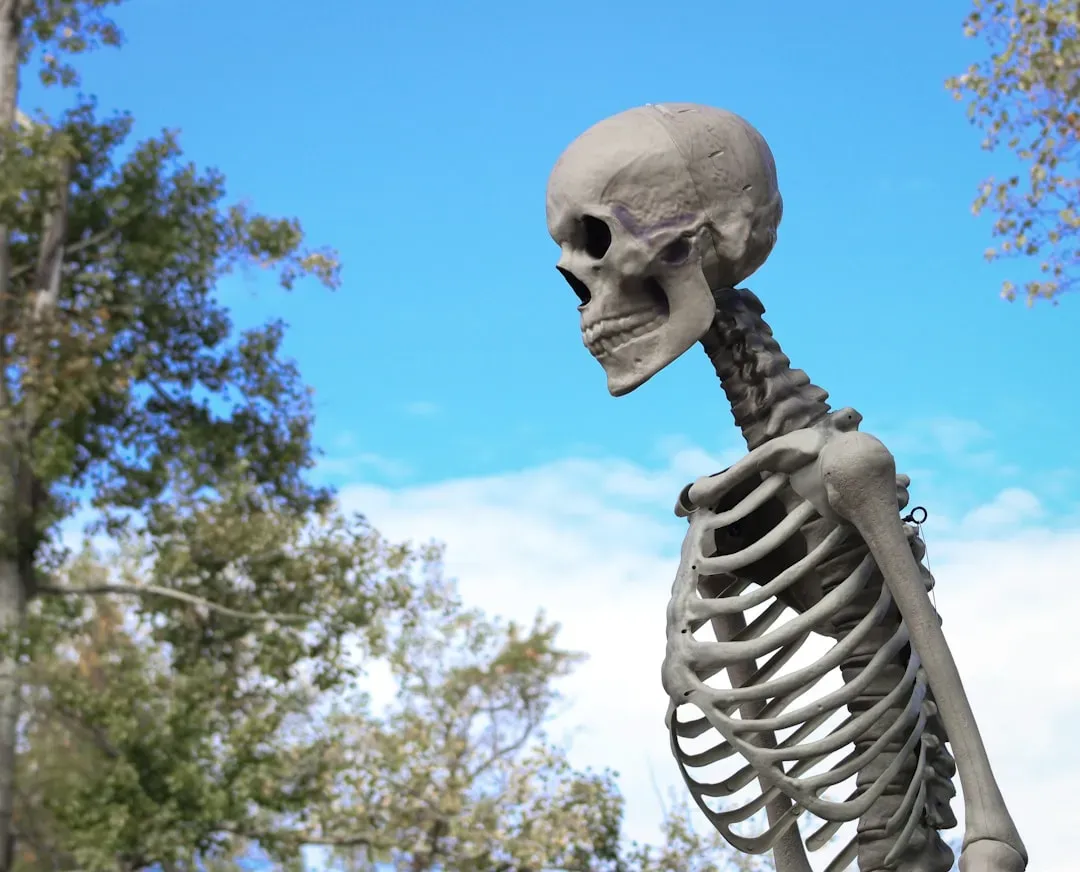
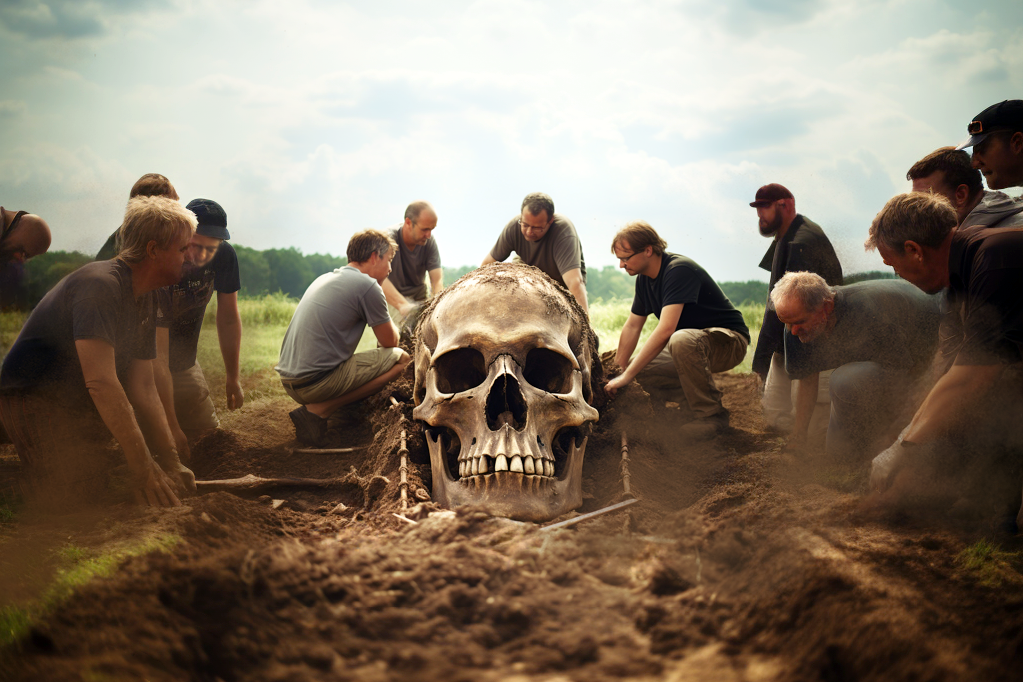
In the age of social media, one of the biggest sources of giant‑skeleton “discoveries” is not a cave or a field – it’s a photo editing program. You’ve probably seen those viral pictures of archaeologists standing next to an enormous skull, or a backhoe lifting a human femur the size of a telephone pole. Many of these images came from digital art contests or hoax projects and were later stripped of context, then shared as if they documented real digs. Once they hit certain corners of the internet, they’re almost impossible to fully debunk in people’s minds.
As someone who has watched these images resurface again and again, I think they reveal more about how we process images than about archaeology. A single striking picture feels more convincing than a page of careful measurements, even if that picture was never meant to be taken literally. It’s fun in a way – like a visual ghost story we pass around at night – but it can also drown out serious research. The real controversies in ancient skeletons are subtle questions about dating, migration, and evolution, not secret folders of giant skull photos tucked away in a museum basement.
Anomalously Tall Individuals: Giants Within Normal Humanity
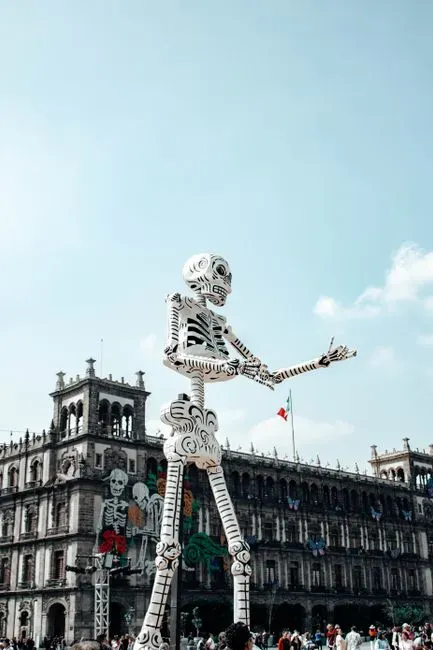
One reason giant legends stick around is that extremely tall people really do exist, both today and in the past. Skeletal remains from various ancient populations show occasional individuals who were much taller than the average for their group, sometimes due to natural variation, sometimes likely due to medical conditions like pituitary disorders. When communities with an average height on the shorter side encountered a person who was unusually tall, it would not have been hard to see them as otherworldly.
From a scientific standpoint, these cases fall within the normal biology of Homo sapiens, even if they push the boundaries at the extreme end. Yet in folklore and later retellings, a person who towered over neighbors by a head or two could easily become a “giant” in stories passed down generations. I think this is where history and myth overlap most honestly: there were no separate giant species ruling lost empires, but there certainly were remarkable individuals whose bodies became the seeds of larger‑than‑life tales. The controversy often arises when those tales are treated as literal population data instead of human storytelling at work.
Conclusion: Why Giant Skeleton Stories Refuse to Die
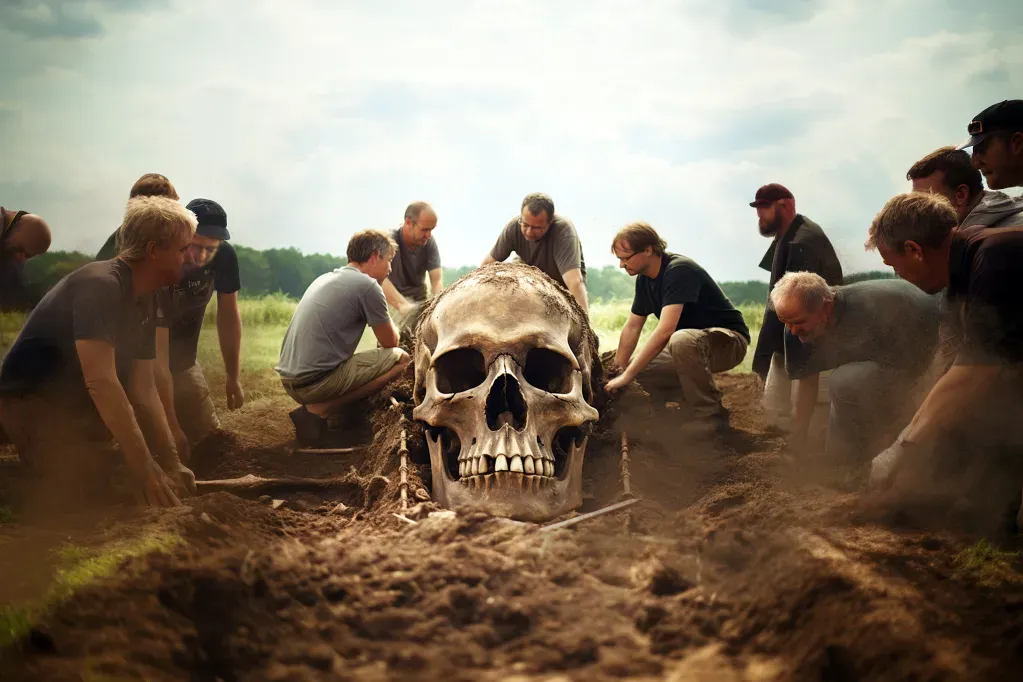
Looking across these eight cases, a pattern emerges: the more closely a “giant skeleton” is examined, the smaller and more ordinary it becomes. Hoaxes get exposed, animal fossils are correctly identified, exaggerated newspaper reports crumble under scrutiny, and viral photos turn out to be art projects. That does not make the stories meaningless; in fact, it makes them incredibly revealing. They show us how eager people are to find cracks in the accepted story of human history, and how satisfying it feels to imagine a world where the official version left something astonishing out.
My own opinion is that the real mystery is not whether there was a hidden race of gigantic humans, but why so many of us wish there had been. Giant skeleton controversies tap into a mix of wonder, skepticism, distrust of authority, and a deep hunger for surprise in a world that can feel over‑explained. If anything, the lesson is that we should keep our curiosity strong but our standards for evidence even stronger. The universe is already strange enough without inventing giants to make it interesting – though I’ll admit, a tiny part of me still feels a flicker of excitement every time a new skeleton is unearthed. Would you?