When you picture a dinosaur, you probably see a lumbering giant soaking in the blazing heat of a tropical jungle. Lush ferns everywhere. Steamy air. That classic image. But here’s the thing – that picture is dramatically incomplete, and what science has uncovered in recent years is genuinely mind-blowing.
Dinosaurs ruled the Earth for over 160 million years, adapting to various environmental changes, with climate playing a significant role in their evolution, shaping their size, behavior, and habitat distribution. These creatures weren’t just sunbathers on warm beaches. They survived volcanic winters, frozen Arctic landscapes, searing deserts, and monsoon-drenched floodplains. The real question isn’t why dinosaurs eventually disappeared – it’s how on Earth they lasted so long in the first place. Let’s dive in.
Protofeathers: Nature’s Original Parka
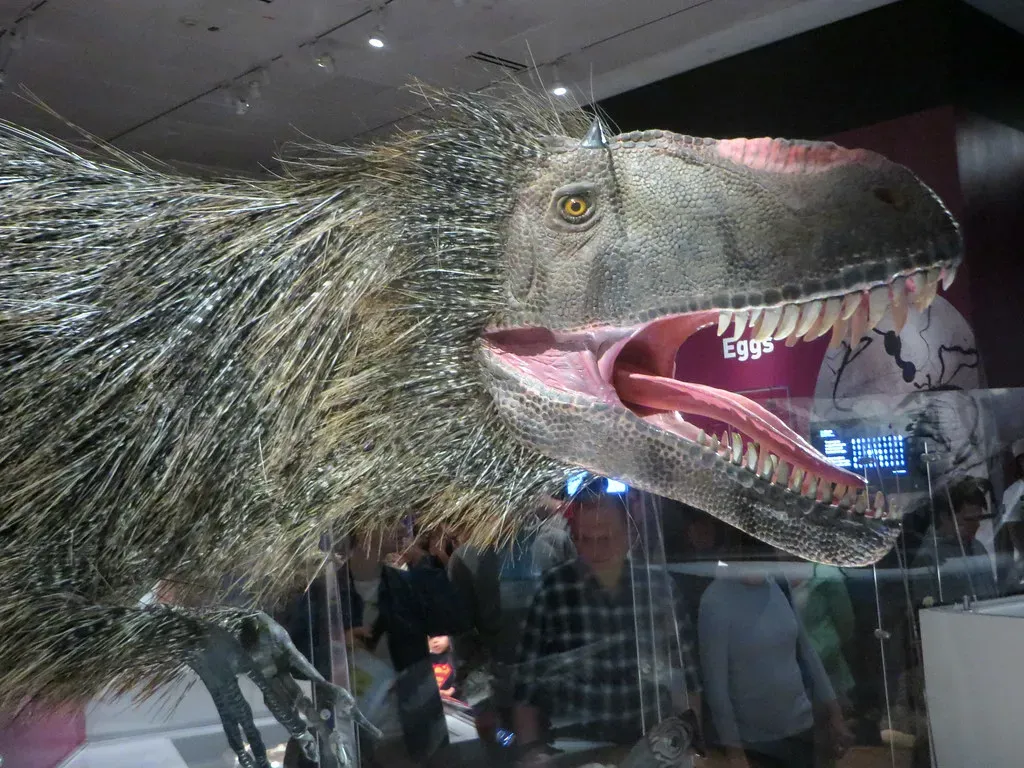
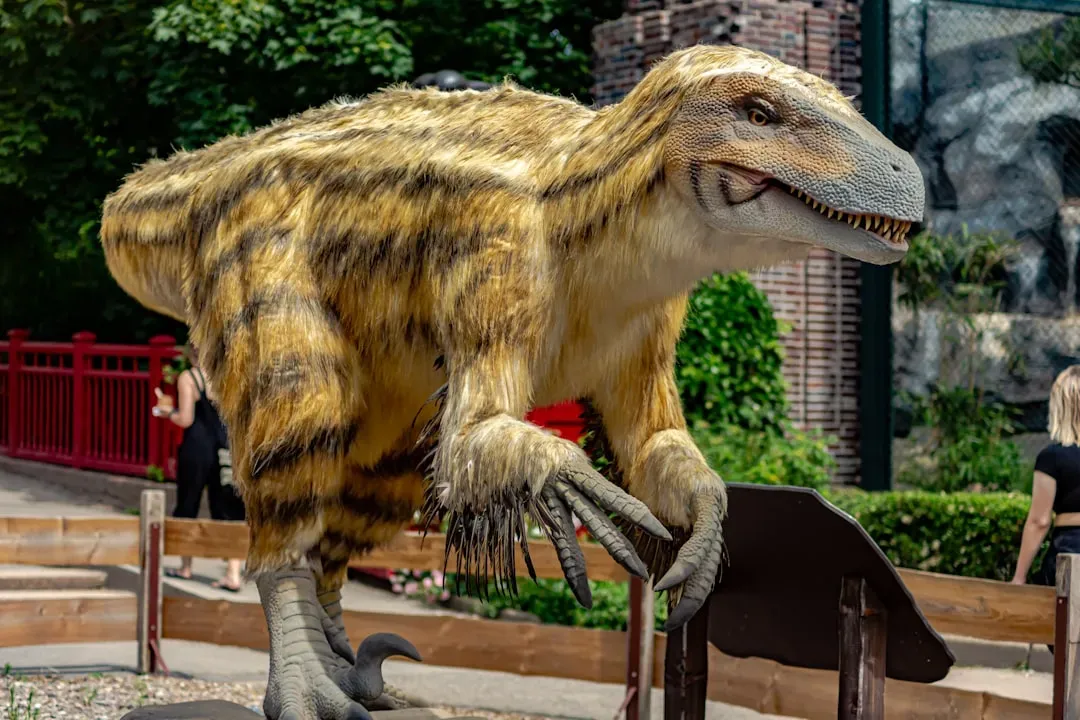
You wouldn’t wear a t-shirt to the Arctic – and neither, it turns out, did some dinosaurs. The discovery of fuzzy feathers on dinosaur specimens, similar to insulation found in modern birds, provides crucial insight into their ability to cope with the cold and expand into new territories when other animals couldn’t. Think of protofeathers as the prehistoric equivalent of a down jacket – lightweight, thermally efficient, and absolutely transformative for survival.
One of the key factors that allowed dinosaurs to thrive in cold conditions was their feather-like structures known as “protofeathers.” These feather-like structures provided insulation similar to the feathers of modern birds, and this insulation allowed dinosaurs to regulate their body temperature and maintain warmth in frigid climates, giving them a significant advantage over other species that could not adapt to the cold. Honestly, this single adaptation may have been the decisive factor separating dinosaur survivors from everything else that perished in the brutal volcanic winters of the Triassic.
Endothermy: Warming Up From the Inside Out
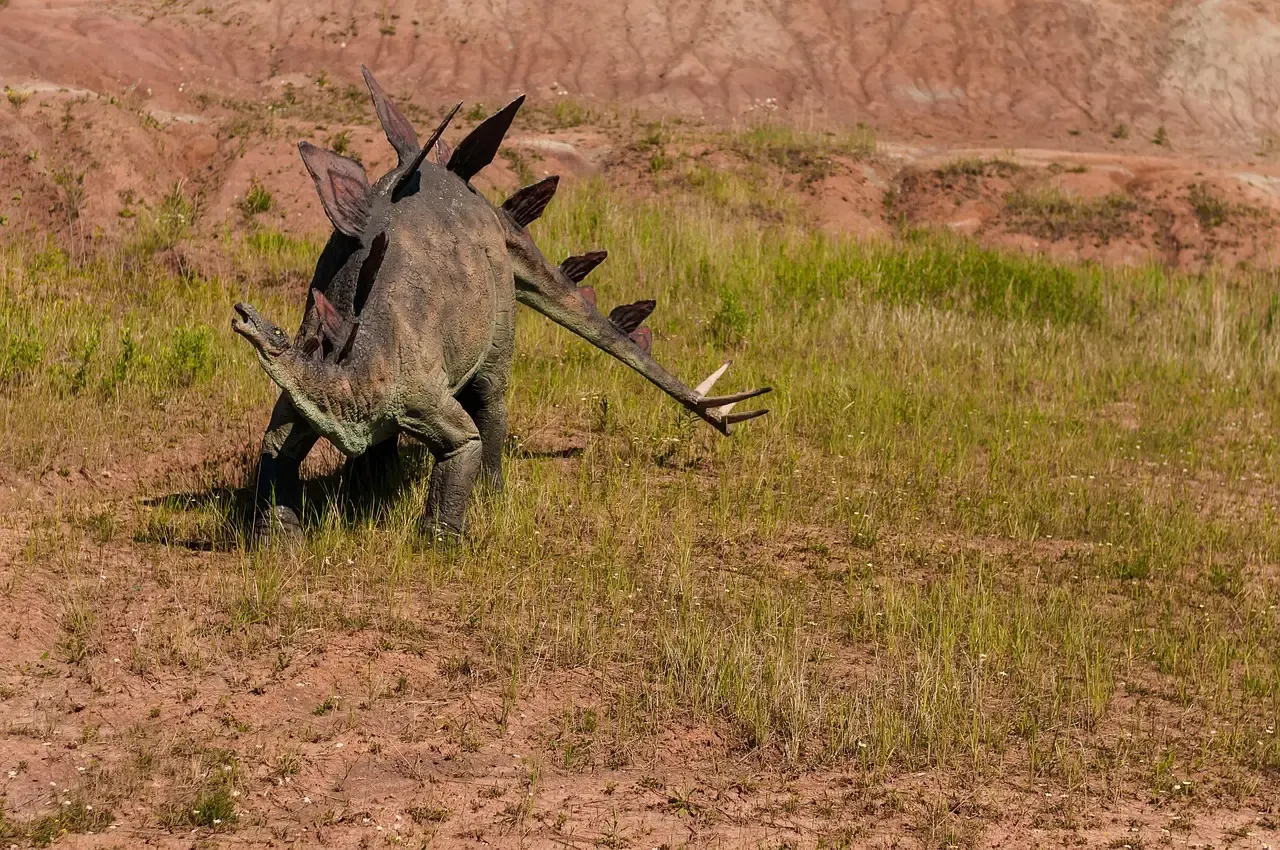
Imagine running a furnace that never switches off, no matter what the temperature outside drops to. That’s essentially what endothermy gave certain dinosaurs – the metabolic power to generate heat internally, without depending on the sun to get moving. Endothermy allowed certain dinosaurs to thrive in changing climates, and this adaptation enabled them to maintain high activity levels and survive in colder environments. The evolution of endothermy marks a significant turning point in dinosaur physiology.
Theropods, the group that includes the iconic T. rex and Velociraptor, and ornithischians, which include relatives of the plant-eating Stegosaurus and Triceratops, were the first to embrace this newfound ability to regulate their body temperature. Not all dinosaurs went down this path equally, though. These findings indicate that dinosaurs evolved different metabolisms and body temperatures for different environmental niches, just as today’s animals have. It was a diverse, adaptive toolkit rather than a one-size-fits-all solution.
Gigantothermy: Using Sheer Size as a Climate Shield
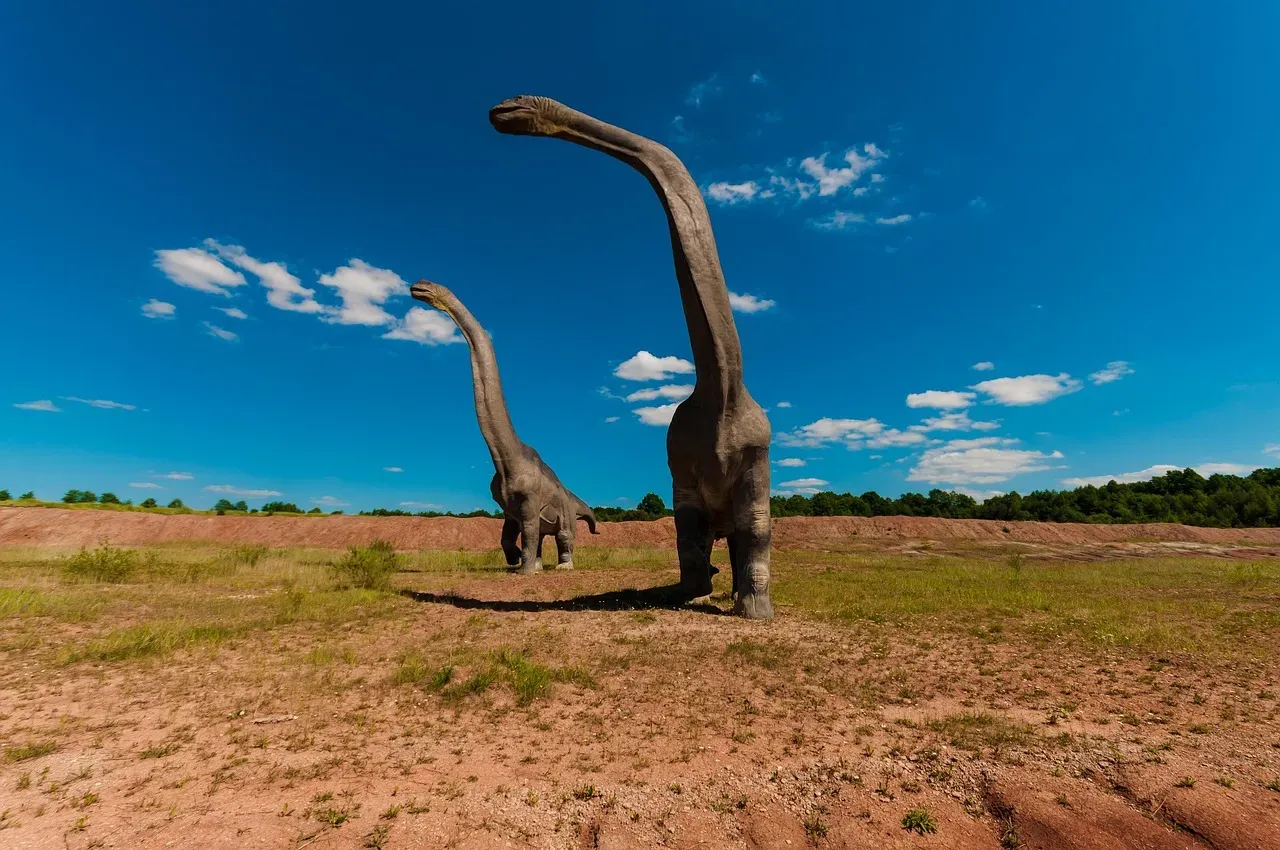
Here’s a fascinating biological trick that only the truly enormous could pull off. Gigantothermy is a phenomenon whereby large, bulky ectothermic animals are more easily able to maintain a constant, relatively high body temperature than smaller animals by virtue of their smaller surface-area-to-volume ratio. A bigger animal has proportionately less of its body close to the outside environment than a smaller animal of otherwise similar shape, and so it gains heat from, or loses heat to, the environment much more slowly. In other words, being enormous was basically a passive climate-control system.
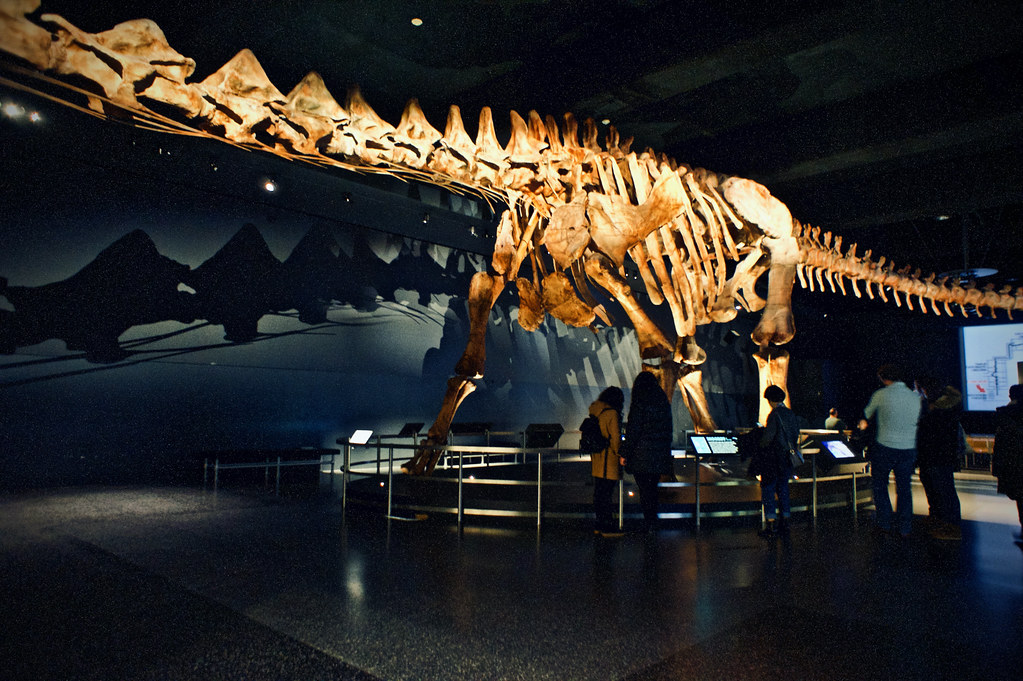
Although researchers found that large dinosaurs had warm body temperatures similar to modern mammals, it is not known if the animals actually had endothermic metabolisms or if they were warm simply because of their enormous sizes – a phenomenon known as gigantothermy. Gigantotherms have small surface areas relative to their large volumes and thus have less area through which they can lose heat. Therefore, the heat is trapped internally. As one Caltech researcher memorably put it, if you weigh 80 tons, your problem isn’t staying warm – it’s trying not to overheat. That’s a problem most of us will never have.
Cold Tolerance and the Volcanic Winter Survival Edge
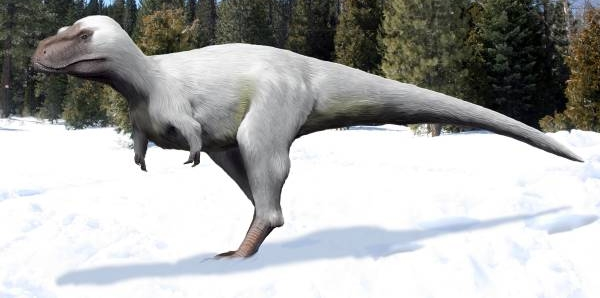
About 202 million years ago, the planet went through something genuinely terrifying. Massive volcanic eruptions tore open the crust of the ancient supercontinent Pangaea, spewing enormous quantities of sulfur and carbon dioxide into the atmosphere. The result was a series of volcanic winters – sudden, prolonged drops in temperature that killed off the vast majority of land species. Phylogenetic bracket analysis shows that non-avian dinosaurs were primitively insulated, enabling them to access rich deciduous and evergreen Arctic vegetation even under freezing winter conditions. Transient but intense volcanic winters associated with massive eruptions and lowered light levels led to the end-Triassic mass extinction, decimating all medium-to-large-sized nondinosaurian, noninsulated continental reptiles.
Being primitively insulated, dinosaurs were able to take advantage of the rich plant resources in the high latitudes. Through their adaptation to cold temperatures, dinosaurs were able to survive the volcanic winters and thereby expand to dominate terrestrial communities for the next 135 million years. Let that sink in for a moment. The very catastrophe that cleared the playing field was one that dinosaurs alone were equipped to endure. It was adaptation that looked like luck.
Seasonal Growth Slowdowns: The Art of Doing Less
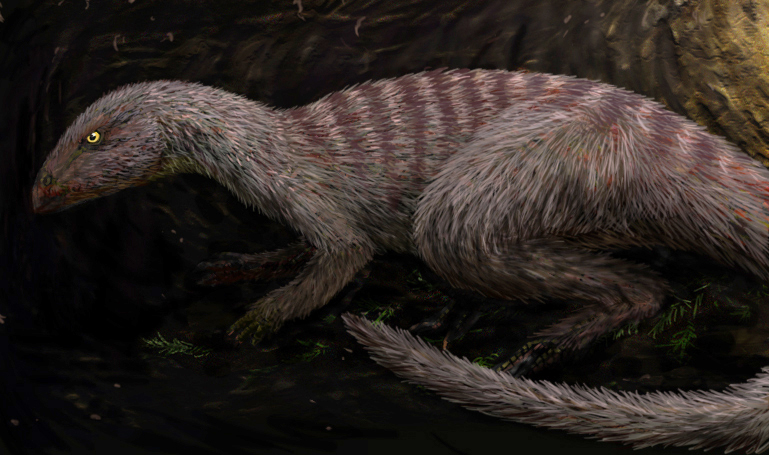
Sometimes the smartest survival strategy isn’t charging forward – it’s knowing when to slow down. Slowing down their growth during the cold months allowed dinosaurs to conserve energy when food resources were scarce. This adaptation gave them a competitive advantage over other animals and ensured their survival in these harsh environments. You can think of it a bit like a plant going dormant in winter, conserving every bit of energy until the spring thaw arrives.
By slowing down growth during the cold winter months, dinosaurs conserved energy when food resources were scarce. This adaptation allowed them to redirect energy towards survival rather than growth. When favorable conditions returned during the summer, dinosaurs could resume their growth and take full advantage of the abundant resources available. It’s a beautifully elegant biological trade-off. Instead of fighting the cold at full metabolic cost, they simply turned the dial down and waited it out.
Migration: Voting With Their Feet
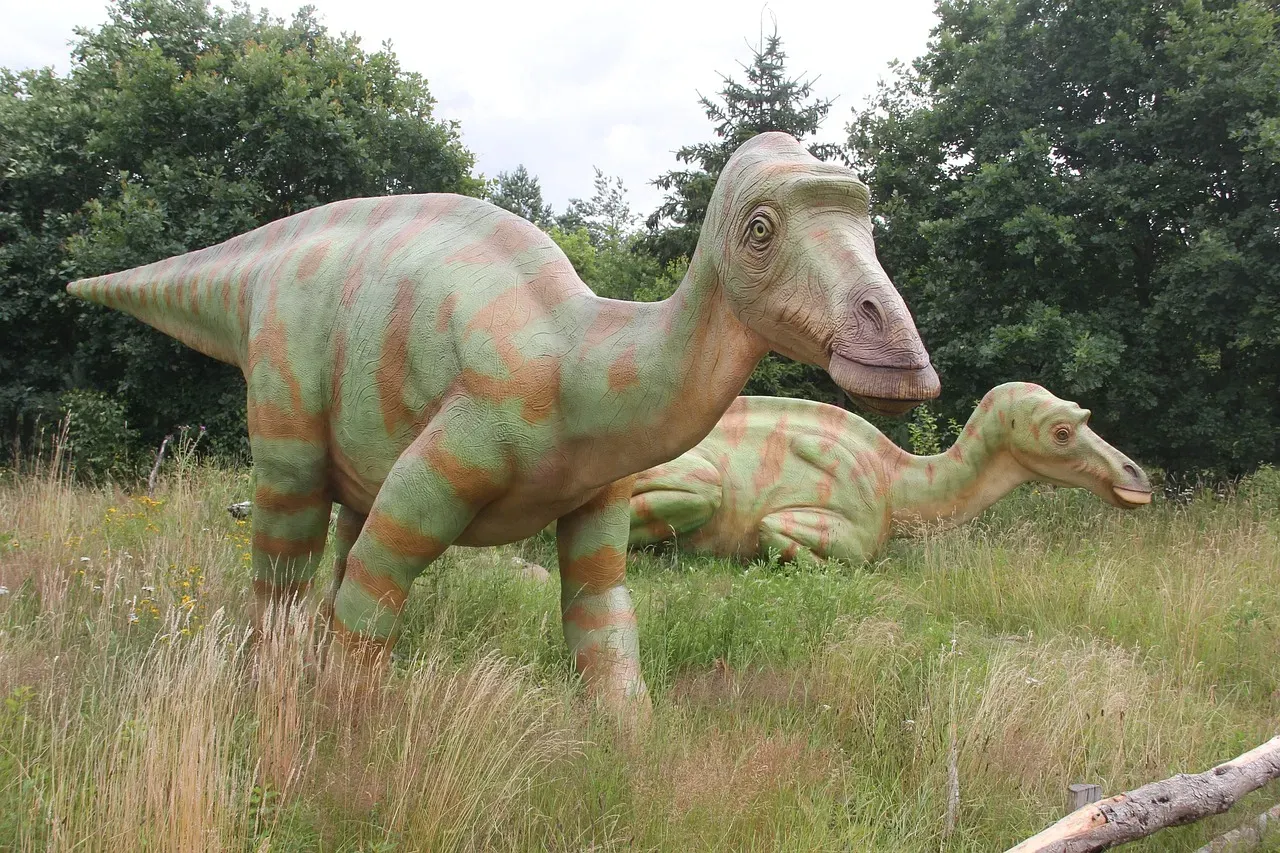
When the weather turns brutal, sometimes the wisest move is simply to leave. As temperatures shifted in one location, some dinosaurs moved to an area that better aligned with their preferences. Many of today’s birds share this trait, migrating south during the winter and flying north as the southern hemisphere warms up. By migrating according to climate shifts, dinosaur species also increased their chance of survival since they’d have better access to food. You could draw a straight evolutionary line between the seasonal migrations of ancient dinosaurs and the behavior of modern-day birds.
We know dinosaurs migrated at some point because of massive dinosaur track sites. Locations such as Dinosaur Ridge Trail near Morrison, Colorado, have over 300 dinosaur tracks preserved in the rock. What’s most interesting is that this track site has footprints from numerous species but dates at a similar geological age, indicating that various species may have traveled together. The image of multiple species journeying side by side across ancient landscapes is something that never gets old, no matter how many times you read about it.
Desert-Specific Physiological Tricks: Mastering the Heat
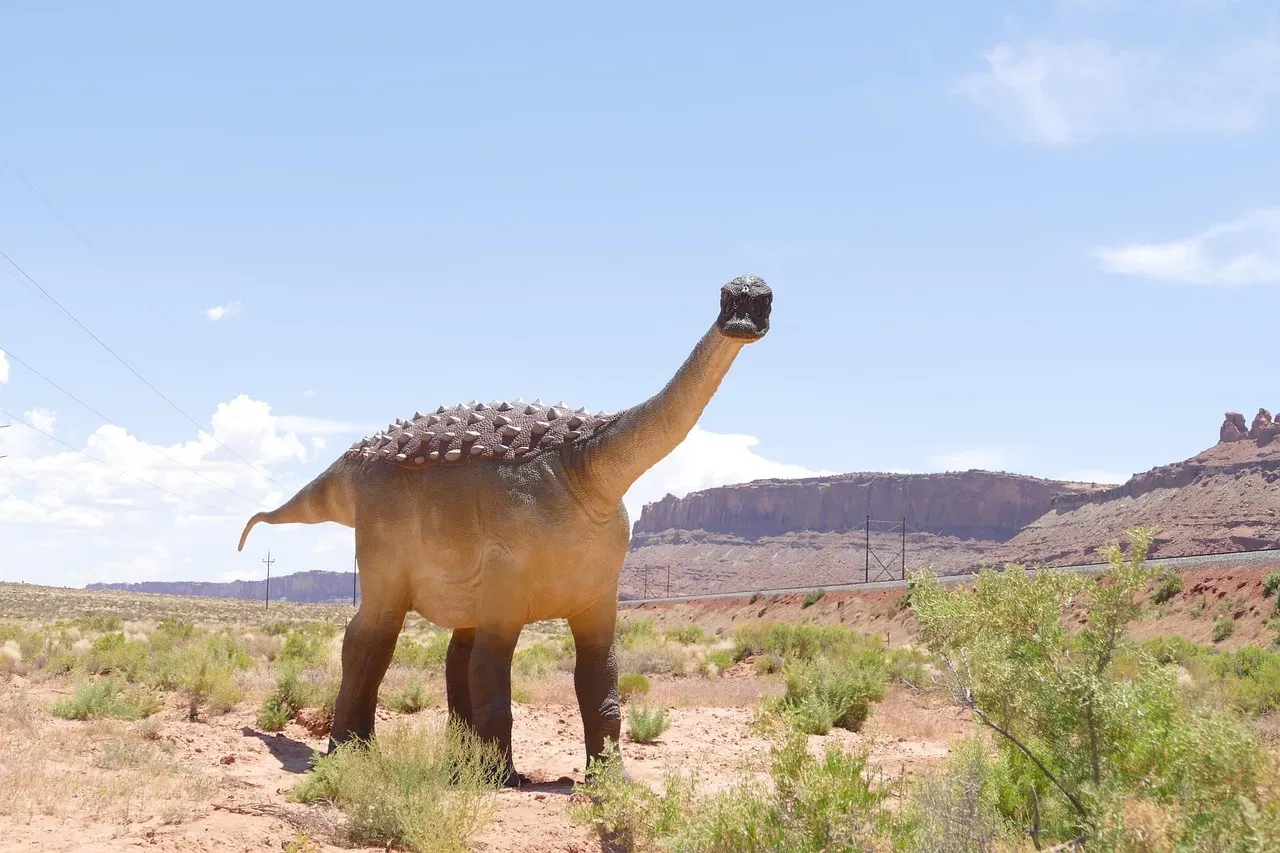
Surviving scorching arid environments required an entirely different playbook. While polar dinosaurs battled ice, their desert-dwelling cousins faced the opposite extreme – relentless heat and catastrophic water scarcity. Nasal passages in desert dinosaurs frequently show evidence of enlarged turbinate bones, structures that would have helped condense moisture from exhaled breath, recapturing precious water that would otherwise be lost during respiration. Some species may have also developed specialized scales or skin structures that minimized water loss through evaporation. These physiological adaptations collectively allowed desert dinosaurs to maintain critical hydration levels while consuming far less water than their counterparts in more temperate environments.
Some dinosaur species developed physiological and behavioral strategies to cope with high temperatures, such as elongated limbs for heat dissipation and seeking shade during the hottest parts of the day. It’s remarkably similar to what modern desert animals like camels and fennec foxes do today – a reminder that evolution tends to find the same elegant solutions again and again across vastly different time periods. The remarkable story of dinosaurs thriving in desert environments demonstrates the extraordinary adaptability of life even in Earth’s most challenging conditions. Through specialized physiological adaptations, behavioral strategies, and ecological relationships, desert dinosaurs not only survived but established complex ecosystems in landscapes that initially seemed hostile to large vertebrate life.
Burrowing and Polar Overwintering: Going Underground to Outlast the Cold
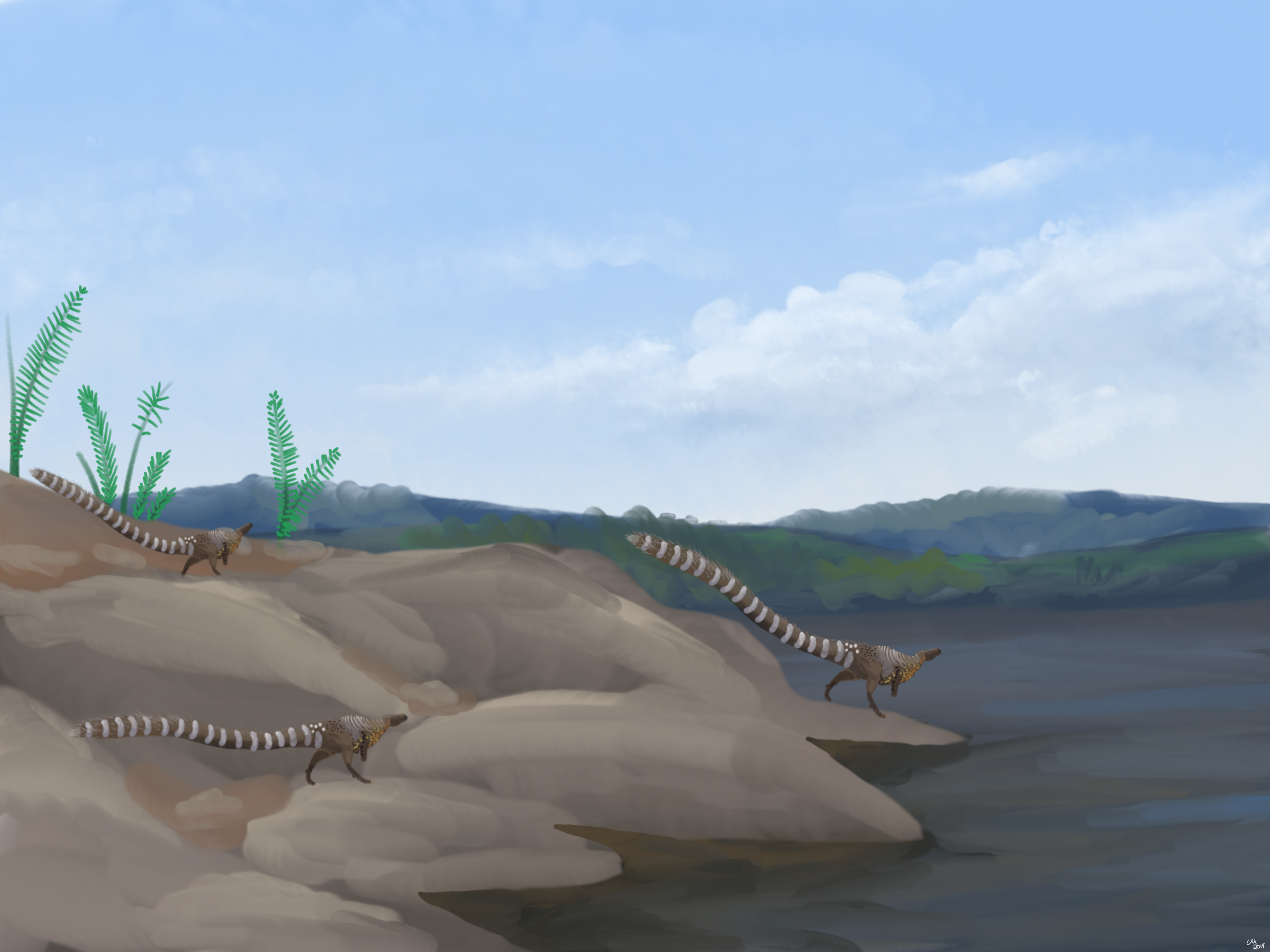
Not every dinosaur migrated when winter hit. Some of them simply dug in – literally. Some dinosaurs might have dug in to survive the harshest months. Paleontologists working in southern Australia’s strata have found burrow-like structures from the age of Leaellynasaura, and elsewhere these structures actually contain small, herbivorous dinosaurs. It’s a strategy that feels strikingly modern – like a bear retreating to its den, or ground squirrels vanishing underground for months at a time.
The 70-million-year-old rock of Alaska’s Prince Creek Formation contains the fossils of horned dinosaurs, tyrannosaurs, duckbilled dinosaurs, raptors, and more that lived within the Arctic Circle. These weren’t occasional visitors blown north by a warm spell. Arctic dinosaur species show unique adaptations like larger eyes for seeing in the long polar nights and possibly even methods of storing fat for the leaner winter months. Larger eyes for polar darkness – that detail alone is enough to reshape everything you thought you knew about how prehistoric life really worked. It’s the kind of adaptation that makes you stop and think: these animals weren’t just surviving, they were genuinely thriving in conditions that would have stopped everything else cold.
Conclusion
What makes the story of dinosaur climate adaptation so genuinely astonishing is its sheer breadth. These were not creatures locked into a single niche, doomed to collapse the moment their favorite jungle disappeared. They were, in a very real sense, the ultimate climate generalists of their era – evolving protofeathers for the cold, using their own body mass as a thermal battery, slowing their growth to outlast famines, and designing nasal passages like tiny water-recycling plants for the desert.
The ongoing identification of new species, not found anywhere else, highlighted how some dinosaurs adapted to the cold. Each thread comes together to underscore how wonderfully flexible dinosaur species were, adapting to some of the harshest habitats of their time. Every new fossil discovery adds another layer to this picture, and it keeps getting richer. The dinosaurs didn’t survive for over 160 million years by accident. They earned every single one of those years.
The next time a new paleontological discovery makes the headlines – and there will be one, there always is – ask yourself this: what else about these ancient creatures are we still getting completely wrong?