When you think about creatures flying through prehistoric skies, the pterosaur immediately grabs all the glory. Those enormous reptiles with their leathery wingspans have dominated the public imagination for decades. Yet the full, staggering story of how life first conquered the air is far richer, far stranger, and honestly far more mind-bending than any single creature can tell.
The road to prehistoric flight was paved with evolutionary experiments, dead ends, surprising shortcuts, and biological innovations that scientists are still scrambling to decode. From pigeon-sized dinosaurs that melted the line between reptile and bird, to flying creatures that looked like nothing evolution had ever tried before, the history of prehistoric flight reads more like science fiction than science fact. Buckle up.
1. Pterosaurs Didn’t Gradually Learn to Fly – They Just Could
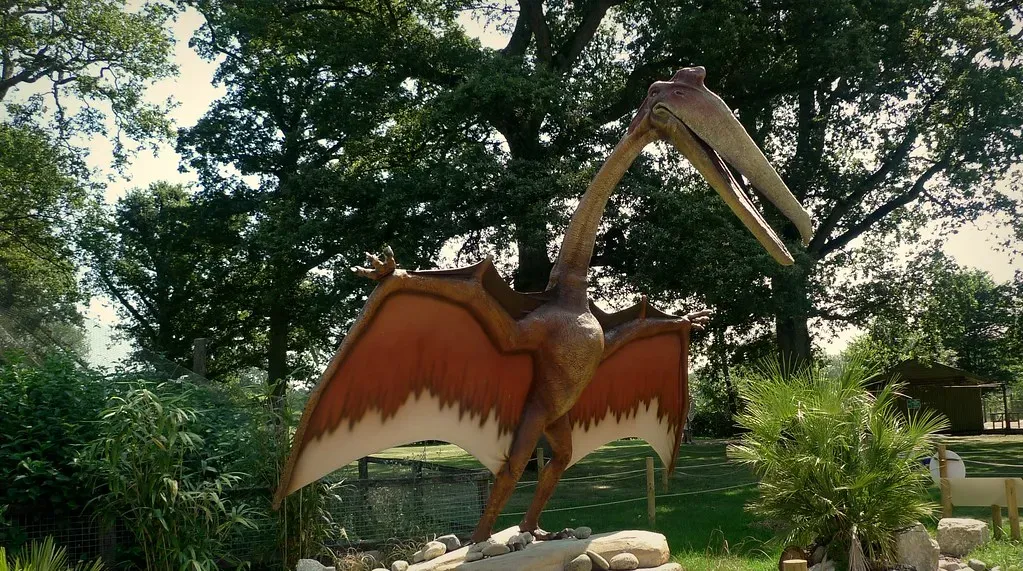
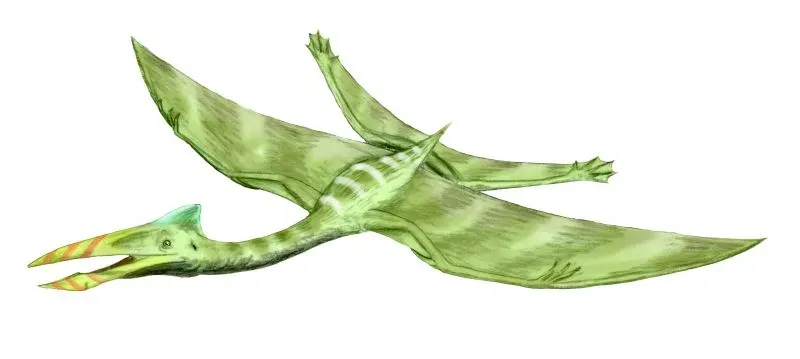
Here’s something that might genuinely stop you in your tracks. While you might imagine prehistoric flight developing slowly over millions of years, one of the most remarkable discoveries in recent paleontology is that pterosaurs seem to have done the opposite. Ancient pterosaurs may have taken to the skies far earlier and more explosively than birds, evolving flight at their very origin despite having relatively small brains. Think of it like a person waking up one morning and simply knowing how to swim, without any lessons at all.
A research team led by evolutionary biologist and Johns Hopkins Medicine assistant professor Matteo Fabbri suggests that a group of giant reptiles alive up to 220 million years ago may have acquired the ability to fly when the animal first appeared. A report on the study, which used advanced imaging tools to examine the brain cavities of pterosaur fossils, was published in Current Biology. The contrast with bird evolution is stark and astonishing. Modern birds are thought to have evolved flight through a more gradual process, appearing to have inherited several key traits, including expansion of the cerebrum, cerebellum, and optic lobes, from earlier relatives before further adapting these regions for flight.
2. The Pterosaur Brain Rewrote What We Know About Neurological Flight
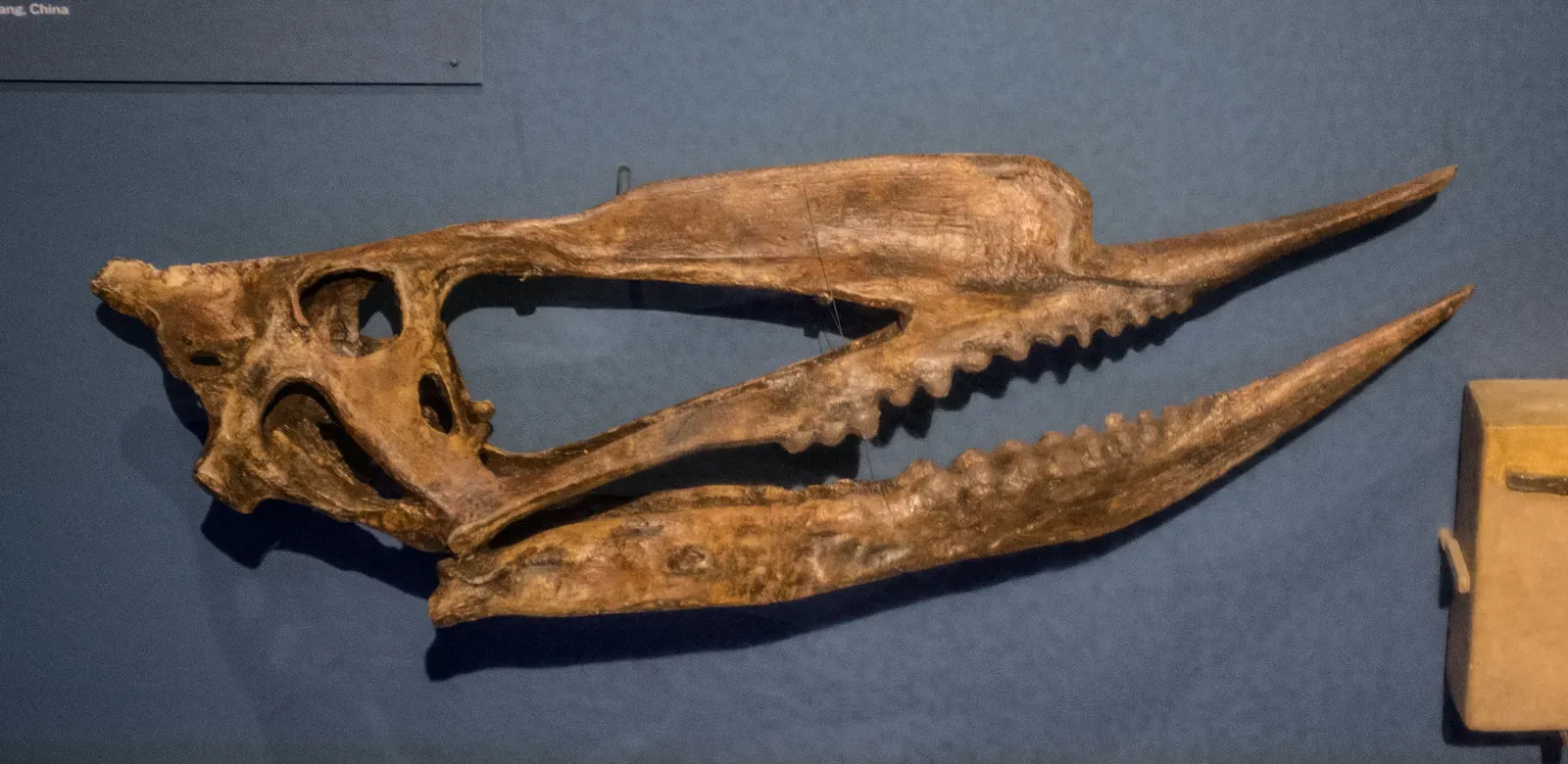
For a long time, scientists assumed you needed a big, complex brain to fly. More neurons, better coordination, better chance of surviving in the air. Pterosaurs proved that assumption completely wrong. Researchers confirmed that enlarged brains seen in modern birds and presumably in their prehistoric ancestors were not the driver of pterosaurs’ ability to achieve flight. It’s like finding out the best marathon runner in history trained on almost no sleep.
A unique feature of the brain of pterosaurs is a greatly enlarged flocculus, a structure of the cerebellum likely involved in processing sensory information from their membranous wings to keep their eyes fixed on a target while in flight. So instead of a broadly expanded brain, pterosaurs developed one highly specialized region that gave them exactly what they needed to navigate the sky. Analysis of the ancient pterosaur relative Ixalerpeton reveals that pterosaurs and birds evolved distinct neurological adaptations for flight, with pterosaurs developing unique brain features such as an enlarged flocculus, independently of birds, whose large brains were inherited from dinosaur ancestors. Two completely different biological blueprints, both ending up in the sky.
3. The Chicago Archaeopteryx Fossil Cracked Open the Origin of Bird Flight
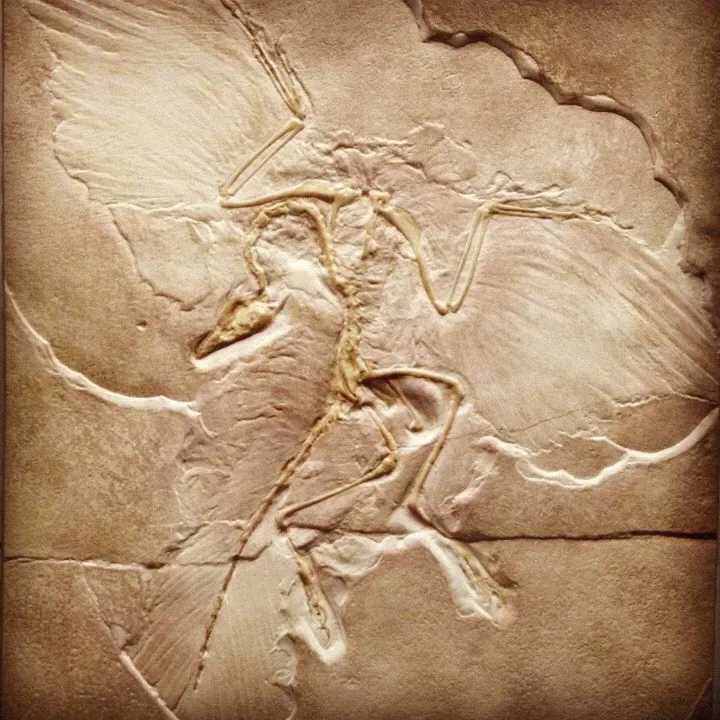
I honestly think this discovery deserves more attention than it gets. In May 2025, scientists published a groundbreaking study on what is now considered the finest Archaeopteryx fossil ever found. The Chicago Archaeopteryx provides rare 3D insights into skull evolution, soft tissue structure, and the first evidence of tertial feathers, marking a key stage in the origin of flight. Tertials are the inner wing feathers that bridge the gap between the body and the wing, and nobody had ever actually seen them preserved in Archaeopteryx before.
One such fossil was recently acquired by Chicago’s Field Museum of Natural History, and researchers published a description of the pigeon-sized specimen in the journal Nature on May 14, reporting that ultraviolet light and CT scans had revealed soft tissues and structures never seen before in this ancient bird. The implications are serious. The absence of tertials in all nonflying dinosaurs is one piece of evidence that supports the idea that flight evolved multiple times. In other words, the sky wasn’t conquered once. It was conquered over and over again, through completely separate evolutionary paths.
4. Archaeopteryx Was Part Walker, Part Flier – and That Changes Everything
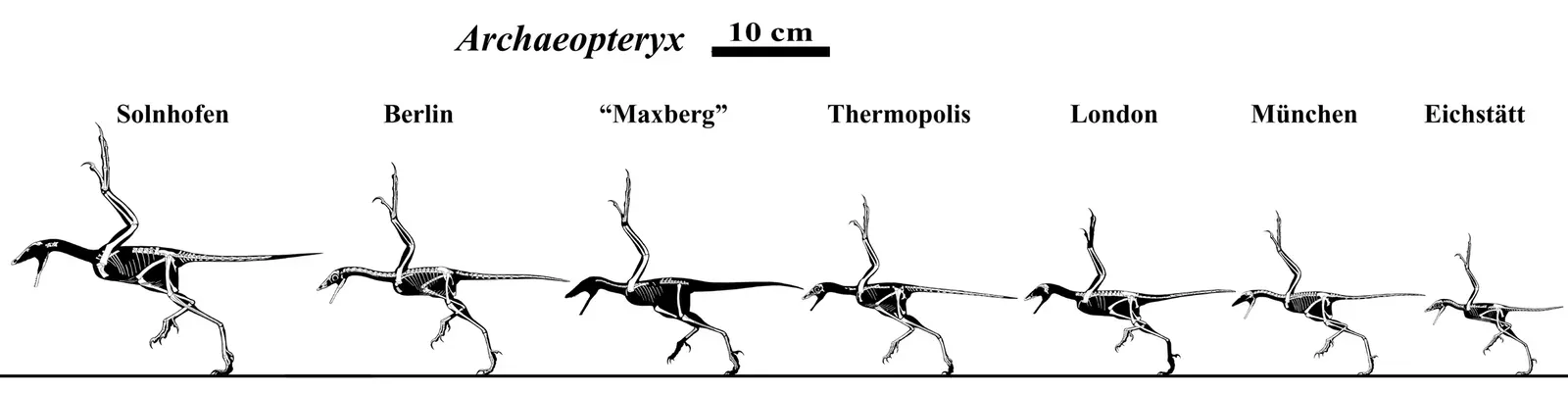
Archaeopteryx lived in the Late Jurassic around 150 million years ago, in what is now southern Germany, during a time when Europe was an archipelago of islands in a shallow warm tropical sea. Yet despite its now-confirmed ability to fly, it turns out this ancient “first bird” was leading a remarkably dual life. The toe pads resemble those of present-day ground-foraging birds, indicating that Archaeopteryx was likely adapted for terrestrial movement rather than predation, and these features support the view that Archaeopteryx had a versatile lifestyle, spending time both on the ground and possibly in trees.
Despite birdlike wings, Archaeopteryx retained dinosaur traits like teeth and a long tail, showing how evolutionary transitions occurred in stages over millions of years, while the fossil also reveals cranial kinesis in the skull and soft tissue in the feet, suggesting versatile behaviors like climbing and ground walking alongside flight. So picture a creature equally comfortable strutting along a beach and launching into the air. That image, honestly, is far more fascinating than the simplified “first bird” label it usually gets. Although it is currently thought that Archaeopteryx could sustain powered flight, it was probably not a strong flier; it may well have ran, leaped, glided, and flapped all in the same day.
5. Yi Qi – The Bat-Winged Dinosaur That Broke All the Rules
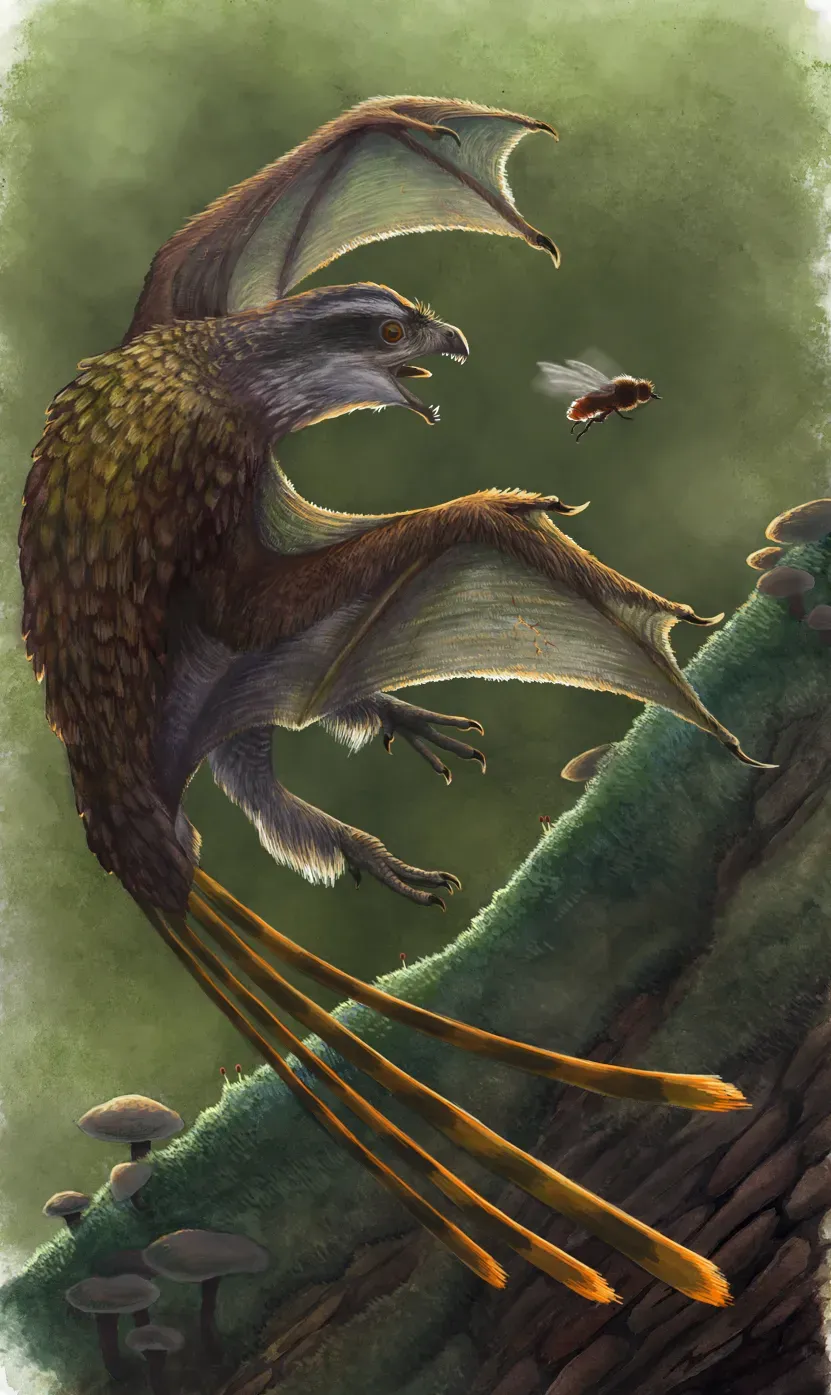
If prehistoric flight had one rule that everybody agreed on, it was this: dinosaurs used feathers to fly. Then Yi qi showed up. Discovered by a farmer in rural China in 2007 and named Yi qi, meaning “strange wing” in Mandarin, it is the first dinosaur with strong evidence for having a skin membrane for a wing, similar to a bat or flying squirrel, and it also had unusual feathers and a huge novel elongated bone that jutted out from its wrist called the styliform that helped support the wing membranes. Scientists had literally never seen anything like it.
Small patches of wrinkled skin were preserved between the fingers and the styliform bone, indicating that unlike all other known dinosaurs, the planes of Yi qi were formed by a skin membrane rather than flight feathers. The membrane stretched between the shorter fingers, the elongated third finger, the styliform bone, and possibly connected to the torso, and this would have given the animal an appearance similar to modern bats, in an example of convergent evolution. Yet here’s the tragic twist. While feathered dinosaurs eventually gave rise to modern birds, Yi qi’s membrane-wing experiment didn’t lead anywhere, as this creature and its close relatives were the only dinosaurs to try this particular approach to flight, and they all went extinct without leaving any descendants. Evolution tried something wild. It just didn’t stick.
6. Anchiornis Had Four Wings – But Couldn’t Actually Fly
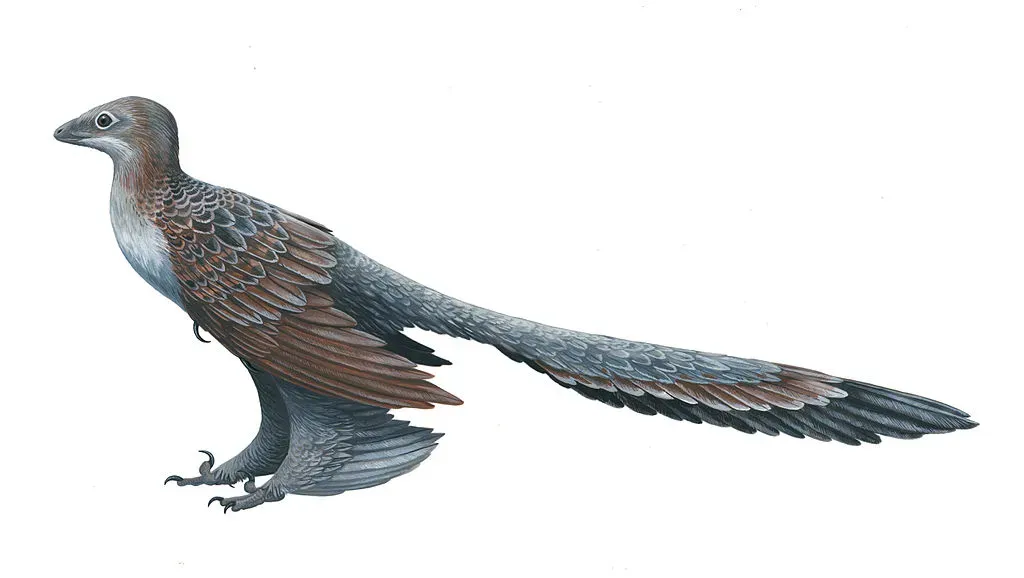
You’d think four wings would be more than enough to get off the ground. Apparently not. Anchiornis was a small, feathered, four-winged dinosaur that lived in what is now China around 160 million years ago, almost 10 million years before Archaeopteryx, the first recognized bird. For years, scientists debated its flight capabilities. Then a 2025 discovery delivered a stunning verdict. Paleontologists examined the 160-million-year-old fossils of Anchiornis huxleyi, a species of non-avian theropod dinosaur from the Late Jurassic Tiaojishan Formation in northeastern China, and found that these dinosaurs had lost the ability to fly.
The clue wasn’t in the bones. It was hidden in the feathers themselves. By studying rare fossils with preserved feathers, researchers uncovered a surprising clue hidden in molting patterns, revealing that Anchiornis likely couldn’t fly at all. Instead of the neat, symmetrical feather replacement seen in flying birds, these dinosaurs showed a messy, irregular molt, something only flightless animals exhibit. It’s a bit like checking someone’s workout routine to figure out whether they’re an athlete. This finding has broad significance, as it suggests that the development of flight throughout the evolution of dinosaurs and birds was far more complex than previously believed.
7. A New Species From Patagonia Reshuffled the Entire Pterosaur Timeline
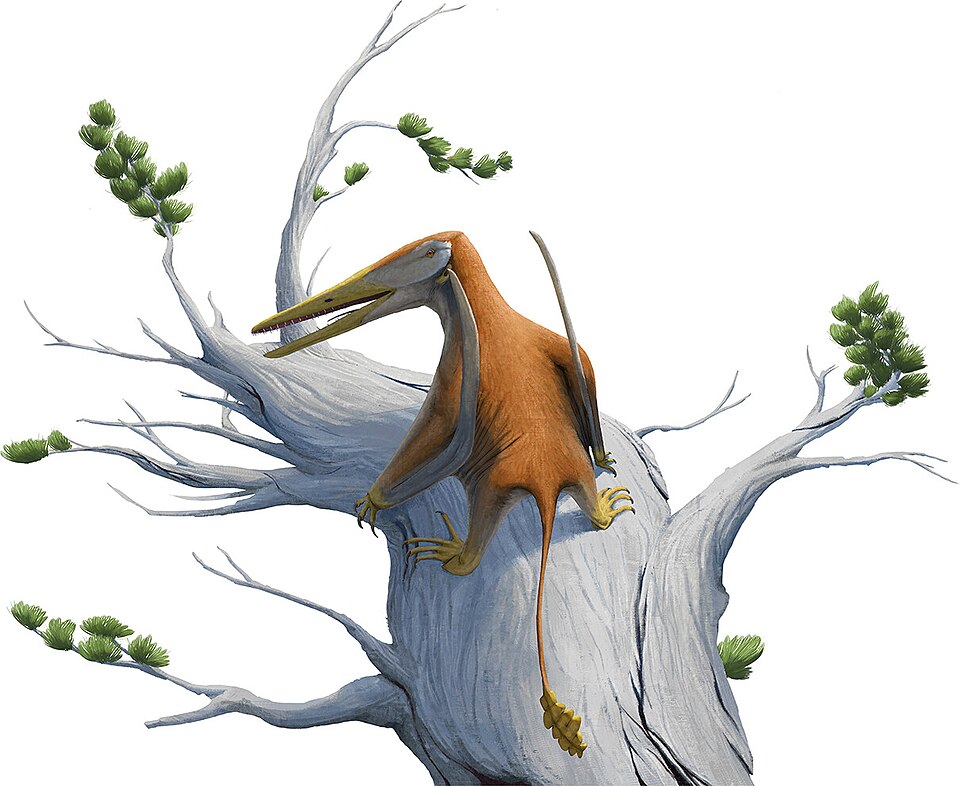
It’s hard to say for sure just how many surprises the fossil record still holds, but discoveries from South America keep reminding us the answer is “a lot.” Alexandra Fernandes and Prof. Oliver Rauhut introduced a new species of pterosaur from the late Early Jurassic of Chubut province, Argentina. The new species, named Melkamter pateko, shows several characters of the advanced pterodactyloids but is around 15 million years older than its next-oldest known relative. That’s not a small revision. That’s completely overturning what we thought we knew about when advanced pterosaurs first appeared.
The new species comes from an inland setting, apparently this pterosaur lived far from the nearest seacoast, while most known Jurassic pterosaurs come from marine environments and obviously lived close to the sea, but Melkamter probably mainly fed on insects. Think about that for a moment. While the rest of its relatives were presumably scooping fish from prehistoric seas, this one was hunting insects over dry inland terrain. This occurrence in inland environments and preference for non-aquatic prey supports recent suggestions that pterodactyloids might have originated in such regions, and it is possible that an early specialization in highly mobile prey such as flying insects contributed to the evolutionary success of the pterodactyloids.
8. The Ceoptera Discovery Proved Advanced Pterosaurs Evolved Far Earlier Than We Thought

One of the most exciting things about paleontology right now is how even heavily surveyed places on Earth keep yielding game-changing finds. The Isle of Skye in Scotland, best known for dramatic volcanic landscapes, turned out to be holding something extraordinary. This pterosaur species is important because of the quality of preservation and its age. It is one of only a handful of pterosaur skeletons from the Middle Jurassic period, approximately 167 million years ago, at a time when pterosaurs were undergoing colossal anatomical changes from early small-bodied, long-tailed pterosaurs to later giants like Pteranodon which had a wingspan similar to that of a small airplane.
This discovery, named Ceoptera, is crucial in understanding the pace of pterosaur evolution, and it has pushed back the appearance of more advanced pterosaurs to the Early Jurassic period, about 10 million years earlier than previously thought, bringing scientists one step closer to understanding where and when the more advanced pterosaurs evolved. The specimen was revealed using CT scanning technology, which allowed researchers to see almost the entire animal in three dimensions despite it being embedded in rock. Ceoptera’s discovery shows how palaeontologists are making new discoveries all the time, even in places like the UK, one of the most heavily surveyed places worldwide. If the UK can still surprise us, the rest of the world is practically bursting with secrets.
Conclusion: The Sky Was Never Conquered Just Once
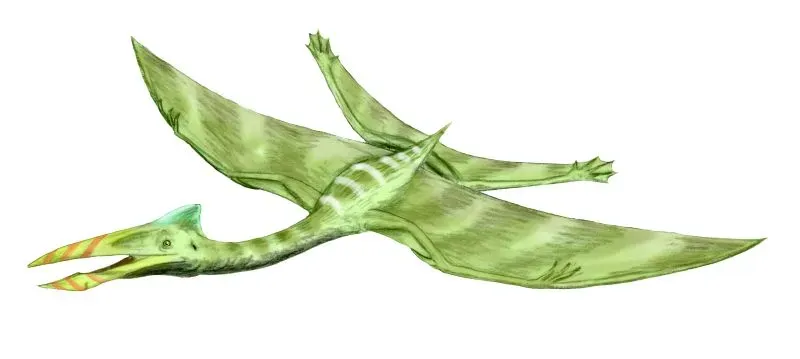
What all eight of these discoveries share is a single, quietly revolutionary idea: the evolution of prehistoric flight was not a straight road with one destination. It was a sprawling, messy, glorious experiment conducted by dozens of lineages across hundreds of millions of years. Some routes succeeded spectacularly. Others, like Yi qi’s bat-wing gamble, vanished without a trace. Some creatures like Anchiornis had all the gear and none of the ability. Others like pterosaurs skipped the gradual route entirely and launched themselves into the sky almost immediately upon arrival.
The deeper science digs into these fossils, especially with modern tools like CT scanning, UV imaging, and molecular analysis, the more it becomes clear that life’s conquest of the air was one of evolution’s greatest acts of improvisation. Every new fossil rewrites a page of that story. Honestly, what could be more thrilling than that? What would you have guessed about how many times prehistoric flight evolved independently? The answer, as it turns out, might surprise you more than you think.