Life on our planet has never stayed still. It creeps, crawls, swims, and sometimes – in the most dramatic fashion imaginable – it leaps from one world into a completely different one. The story of animals moving from sea to land, or land back to sea, is honestly one of the most jaw-dropping narratives in all of natural history. These weren’t quick changes. We’re talking about transformations unfolding over millions of years, reshaping skeletons, senses, and entire ways of surviving.
What you’re about to explore are eight of the most mind-blowing evolutionary journeys ever recorded in the fossil record and in modern science. Some of these stories will make you look twice at the animal kingdom. Some might even make you reconsider what you think you know about how life works. So let’s dive in.
Tiktaalik: The Fishapod That Rewrote the Rulebook
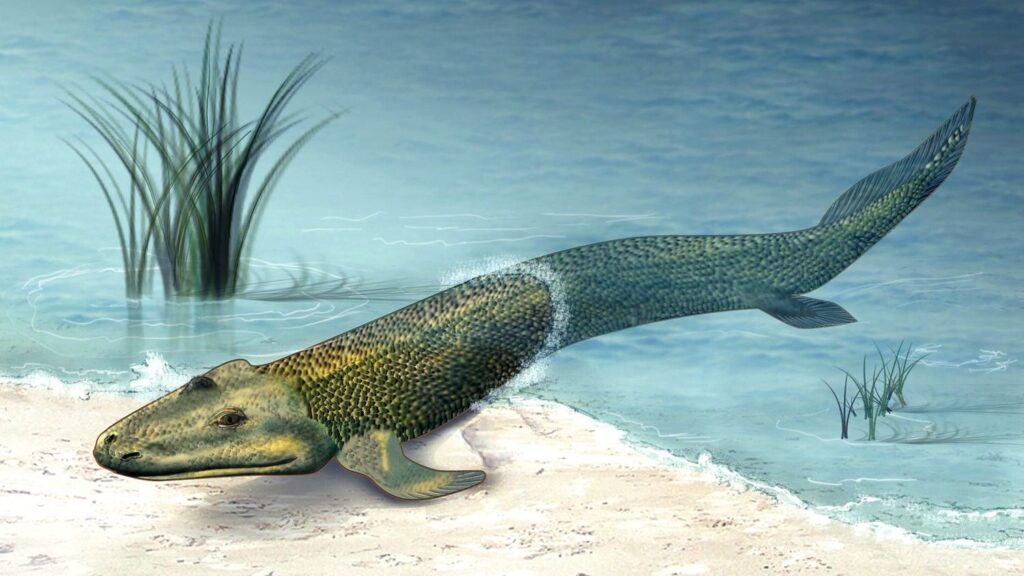
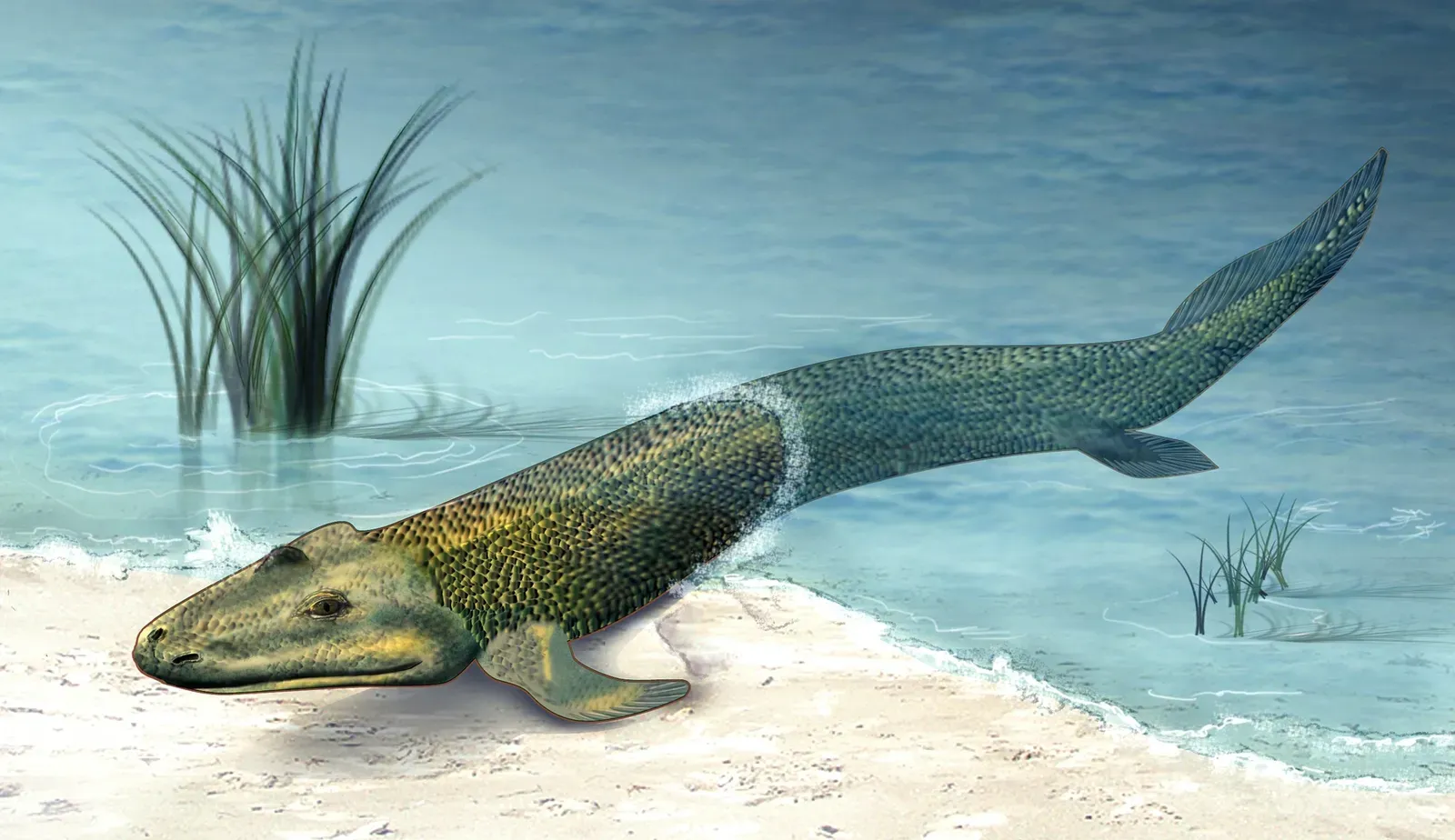
Picture this: you’re swimming through a warm, shallow Devonian stream roughly 375 million years ago, and you spot something that looks like a flattened crocodile with fish scales. That’s Tiktaalik for you. Unearthed in Arctic Canada, Tiktaalik is a non-tetrapod member of bony fish, complete with scales and gills, but with a triangular, flattened head and unusual, cleaver-shaped fins. It is, without question, one of the most important fossil finds in scientific history.
Like all fish, Tiktaalik possesses fins and scales, but it also has a number of distinctly un-fish-like characteristics, including a neck, a flat crocodile-like skull, and robust ribs, neatly filling the gap between tetrapod-like fish such as Panderichthys, which lived around 385 million years ago, and the earliest tetrapods like Ichthyostega and Acanthostega, which lived about 365 million years ago. Honestly, for those who love a good origin story, Tiktaalik is about as good as it gets.
Strong lungs, supported by the plausible presence of a spiracle, may have led to the evolution of a more robust ribcage, a key evolutionary trait of land-living creatures, which would have helped support the animal’s body any time it ventured outside a fully aquatic habitat. It’s hard not to be amazed when you realize that the neck you turn every morning to look both ways before crossing the street traces its origins back to this remarkable creature.
Lungfish: Ancient Survivors Living Between Two Worlds
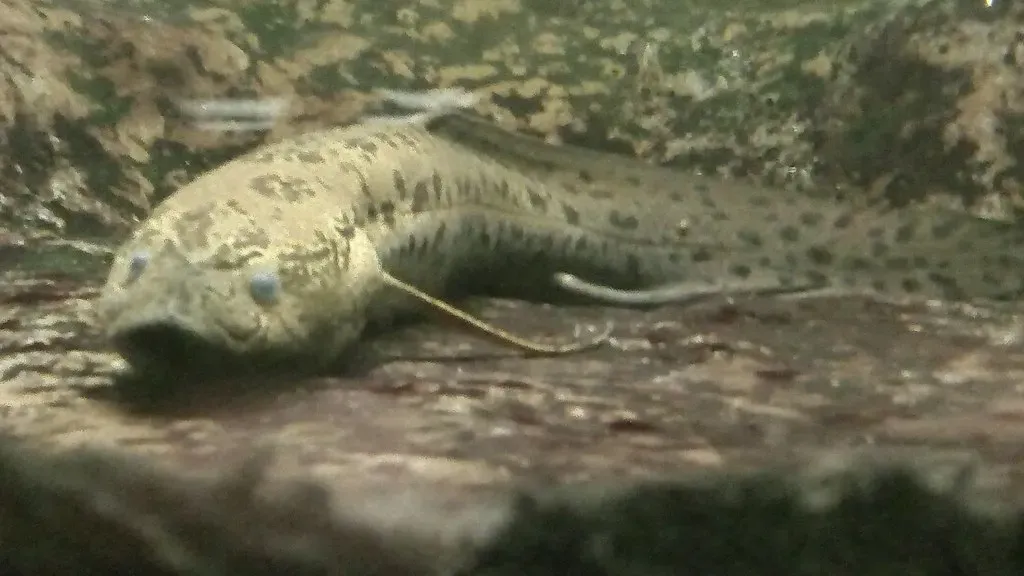
Lungfish, also known as dipnoans, are freshwater vertebrates best known for their innovative respiratory system, including the ability to breathe air, and derived structures within Sarcopterygii, including the presence of lobed fins with a well-developed internal skeleton. Lungfish represent the closest living relatives of the tetrapods, which includes living amphibians, reptiles, birds and mammals. Let that sink in for a moment. The fish you could walk past in a river in Australia is more closely related to you than it is to a common trout.
African and South American lungfish are capable of surviving seasonal drying out of their habitats by burrowing into mud and estivating throughout the dry season, with changes in physiology allowing the animal to slow its metabolism to as little as one sixtieth of the normal metabolic rate, and converting protein waste from ammonia to less-toxic urea. One of these, the Australian lungfish from Queensland, has long fascinated scientists because of its close evolutionary relationship to tetrapods, vertebrates with limbs such as humans. Few animals on Earth carry such an extraordinary backstory.
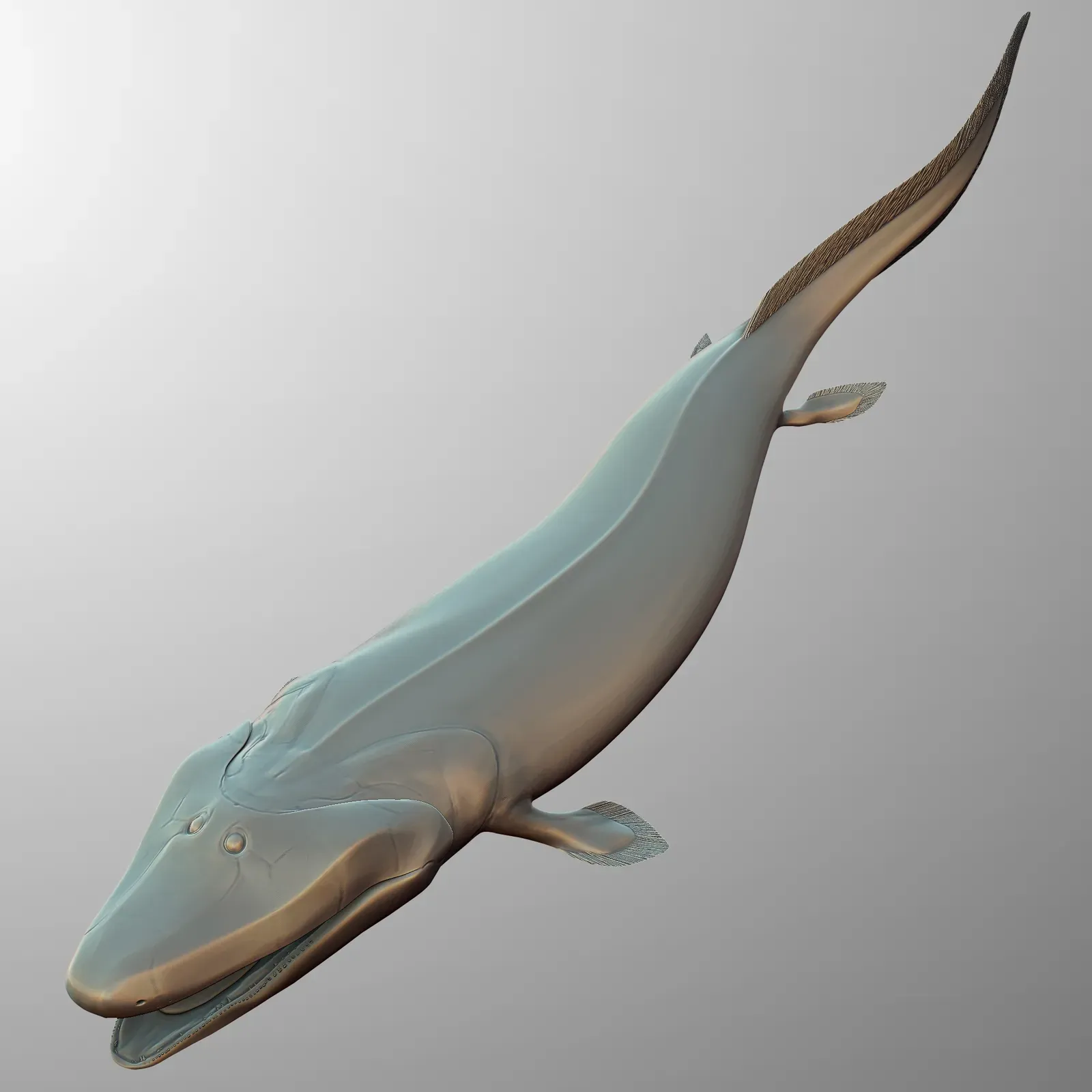
Whales: From Hoofed Land Wanderers to Ocean Giants
Here’s the thing – whales were once land animals. Not fish, not semi-aquatic creatures, but actual four-legged, fur-covered, land-trotting mammals. The first whales evolved over 50 million years ago from terrestrial ancestors, and these first whales, such as Pakicetus, were typical land animals with long skulls and large teeth that could be used for eating meat. It’s one of those facts that genuinely sounds made up the first time you hear it.
Over millions of years in the sea, nostrils evolved into blowholes now located at the top of the head, hind limbs disappeared, front limbs transformed into fins, and the body lost its fur and nearly all of its hair, becoming fully streamlined. If you watch footage of dolphins and other whales swimming, you’ll notice that their tailfins aren’t vertical like those of fish, but horizontal, because whales evolved from walking land mammals whose backbones did not naturally bend side to side, but up and down. That swimming motion is a ghost of their ancient terrestrial walk.
Pakicetus: The Wolf-Sized Ancestor of Every Whale
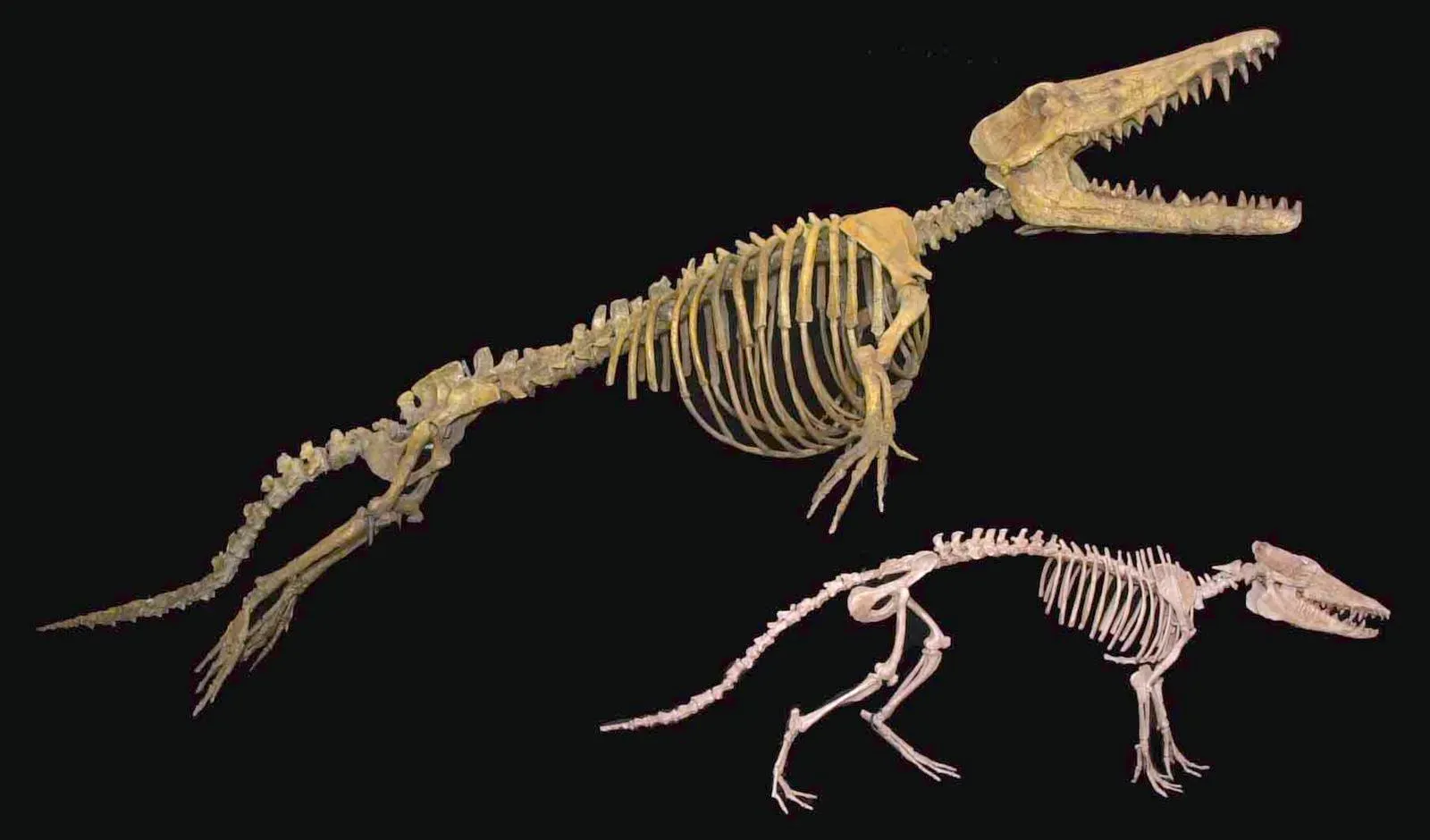
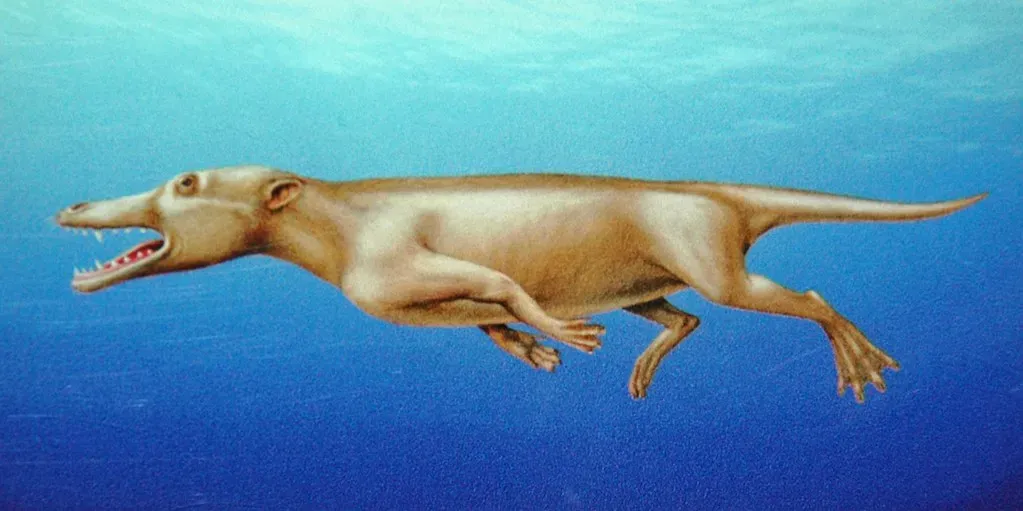
Pakicetus is a prehistoric mammal that lived approximately 53 million years ago and is considered one of the earliest ancestors of modern whales, a four-footed animal roughly the size and shape of a large dog or small wolf, likely covered with a light coat of fur, with a skull exhibiting characteristics similar to those of contemporary whales, particularly in the structure near the ears and its distinctive teeth. I know it sounds crazy, but this little wolf-like creature is the great-great-grandparent of the blue whale.
In the late 1990s, genetic data confirmed that whales were part of the same evolutionary line that spawned cows, pigs and camels, a branch called Artiodactyla, and fossils from modern-day India and Pakistan later fleshed out that family tree, identifying the closest ancient relatives of cetaceans as small, wading deer-like creatures. Within just 10 million years, from the age of Pakicetus to Dorudon, cetaceans had completely adapted to life in the water – which sounds like a long time, but in evolutionary terms this is considerably fast. Nature, when it decides to move, can move quickly.
Mudskippers: Living Proof That the Transition Is Still Happening
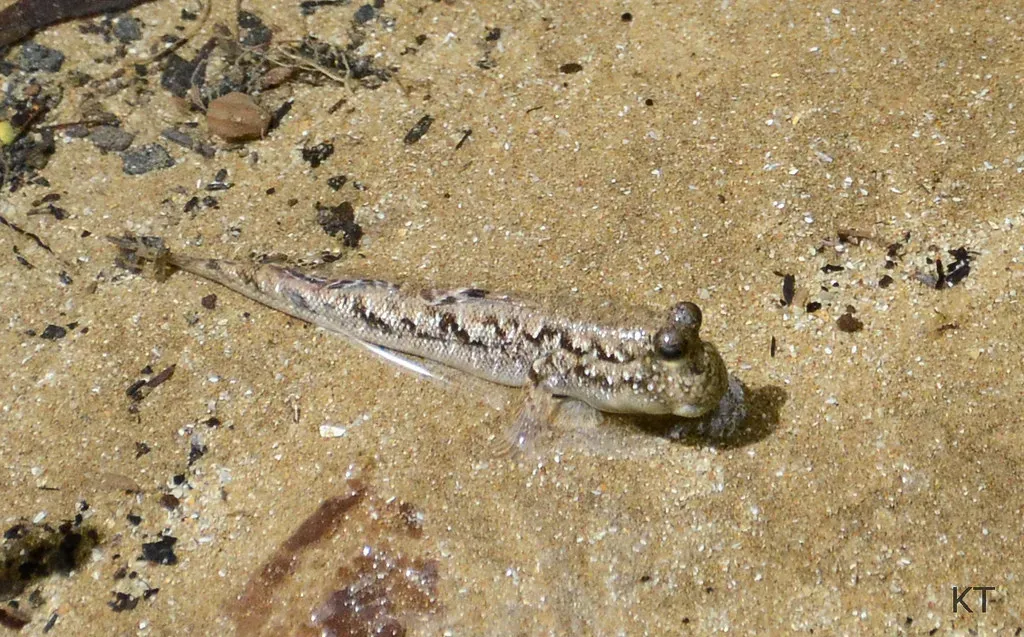
Mudskippers are the largest group of amphibious teleost fish uniquely adapted to live on mudflats, and during their successful transition from aqueous life to terrestrial living, these fish have evolved morphological and physiological modifications of aerial vision and olfaction, higher ammonia tolerance, aerial respiration, improved immunological defense against terrestrial pathogens, and terrestrial locomotion using protruded pectoral fins. That’s not a primitive animal fumbling through life. That’s a creature actively succeeding in two worlds simultaneously.
This subfamily of gobies is probably the most land-adapted of all fish, found in mangrove swamps in Africa and the Indo-Pacific, frequently coming onto land and surviving in air for up to three and a half days, breathing through their skin and through the lining of their mouth and throat. In the early evolution of tetrapods, forelimbs and skulls became modified earlier than hind limbs so that the head and anterior of the body could be raised out of the water for air breathing, as seen in present-day mudskippers. You’re essentially watching the past play out in the present every time you see one of these remarkable fish walking across mud.
Tetrapods: The Sea-to-Land Leap That Happened Astonishingly Fast
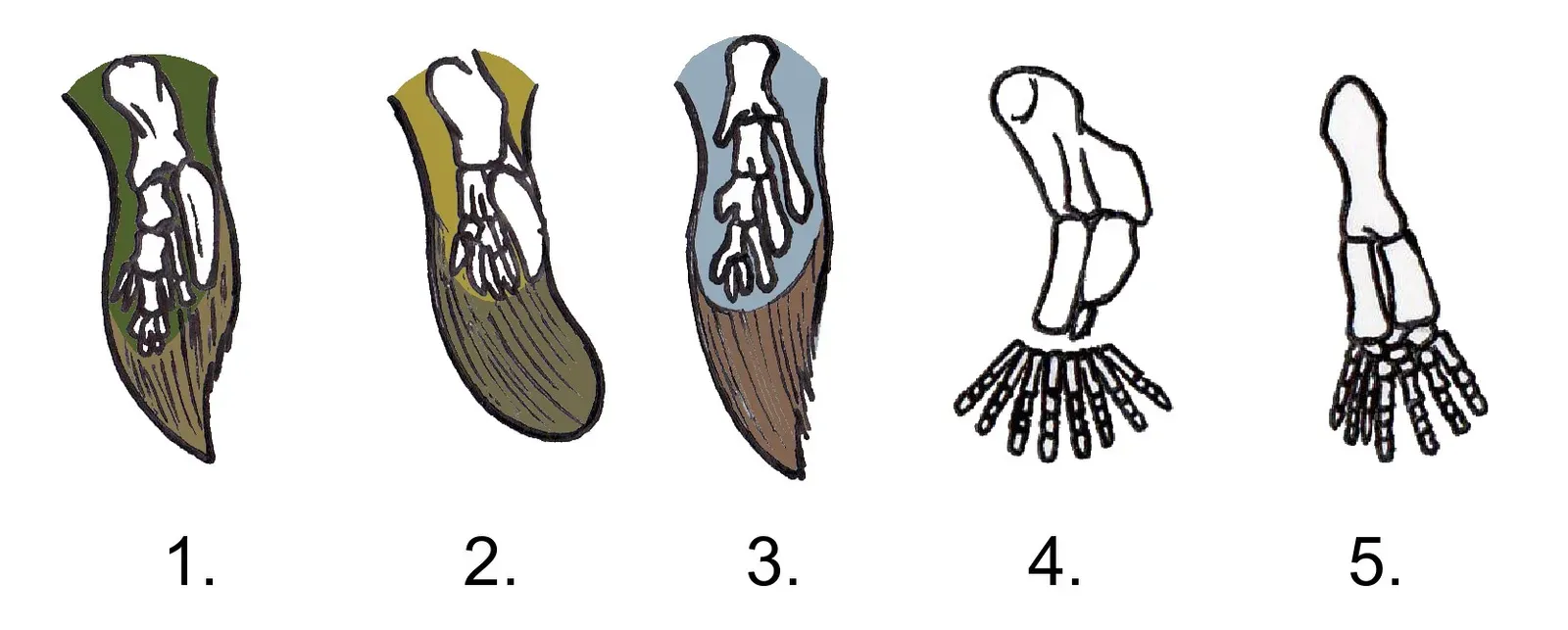
The story of all land animals begins with a squat-limbed, long-bodied swamp fish, and sometime in the steamy mid-Devonian, a family of those fish followed plants and bugs onto land and became the first tetrapods, or four-legged vertebrates, though the fossil record from 390 million years ago is so sparse that it’s hard to find clues about who those fish were or how they evolved. Think of it as nature’s most consequential commute, a short waddle out of shallow water that eventually produced every lizard, bird, elephant, and human being that has ever lived.
The fastest changes happened in the head, where newly terrestrial animals would have had to adapt their eyes, noses, and even jaws to a world above water, with tetrapods’ eyes migrating from the sides of their heads to the top, while a passage opened up to connect the mouth and nose. Four-legged animals evolved incredibly fast, with just six million years separating the first tetrapods from their ancestors – a blink of geological time for changes that would define the entire trajectory of vertebrate life on Earth.
Seals and Sea Lions: Land Carnivores That Chose the Ocean
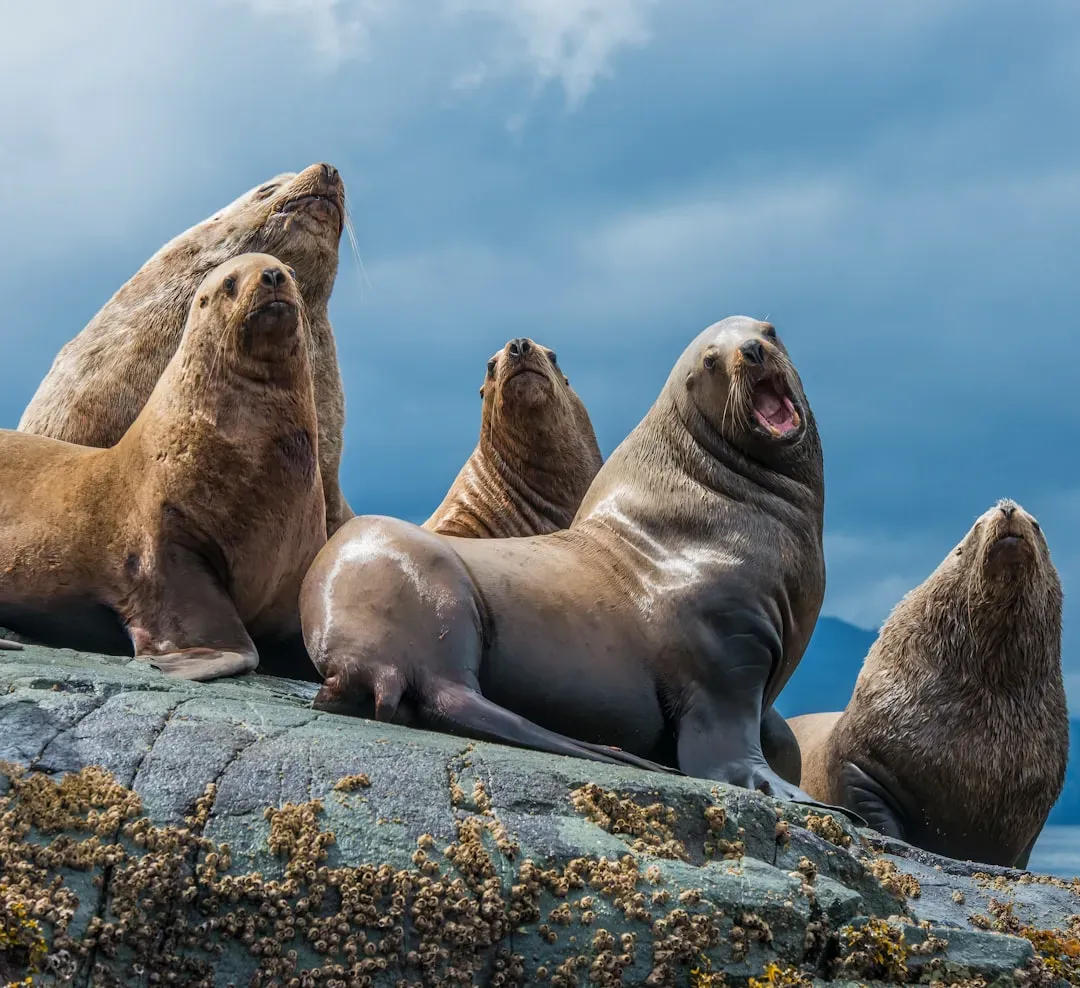
Pinnipeds are a group of marine mammals that evolved from terrestrial ancestors and include seals, sea lions, and walruses, retaining their hind limbs but adapting them into flippers that contribute to locomotion in water, and they can be divided into earless seals, which are more adapted to an aquatic lifestyle, and eared seals such as sea lions and walruses, which are capable of greater mobility on land. If you’ve ever watched a sea lion haul itself onto a dock, you’ve witnessed a living reminder of that dual heritage.
Convergent evolution occurs when completely unrelated groups of animals evolve similar features in response to similar environmental pressures, and a classic example is the evolution of flippers in reptiles and mammals that returned to life in the water millions of years after their ancestors voyaged onto land. Throughout their evolutionary history, the ancestors of today’s reptiles seemed to be better at evolving flippers than those of mammals, with their flippers often being longer-handed and evolving more often. Evolution, it turns out, keeps rediscovering the same elegant solutions.
Sirenians: When Elephants’ Distant Cousins Went to Sea
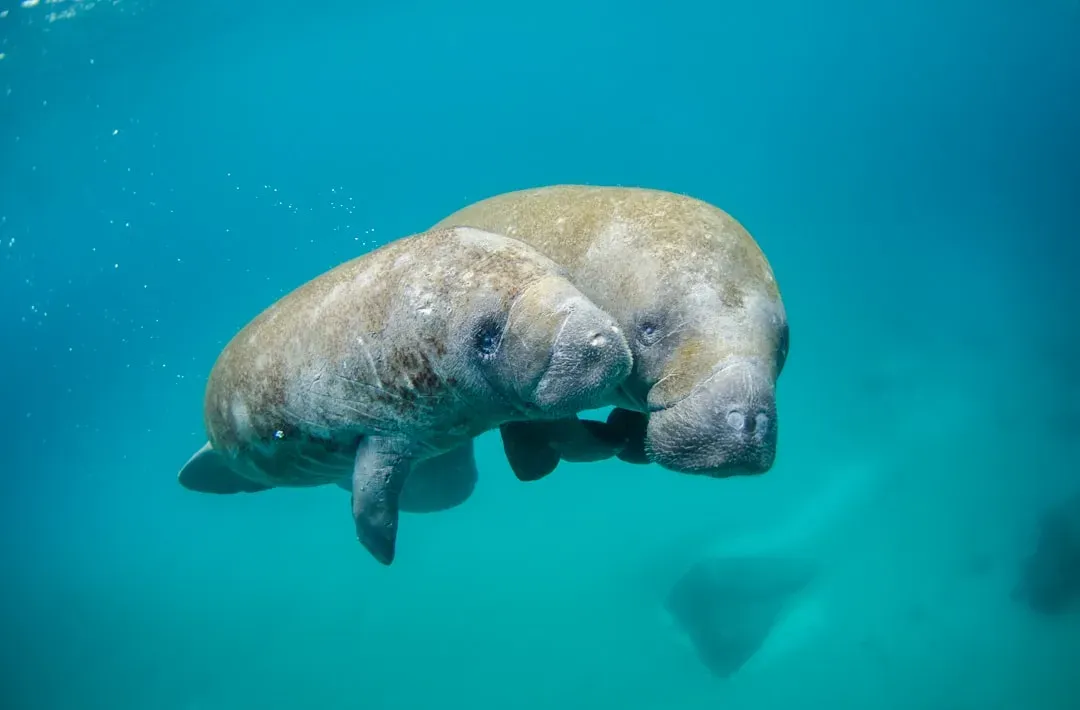
Sirenians are related to elephants, and they are the only marine mammals that are completely herbivorous, with dugongs and manatees being both sirenians and the first type of mammal to head back into the ocean from land. Stop and appreciate how extraordinary this is. The creature grazing on seagrass beneath the ocean surface shares an ancestor with the largest land animal on Earth. Their hind limbs are no longer present, and they possess a horizontally flattened tail to assist in swimming, with adaptations such as lungs positioned along the dorsal side helping these animals to remain buoyant and feed on sea grasses.
All marine mammals evolved from land animals that returned to the sea, and like land animals, all marine mammals are warm-blooded, breathe air through their lungs, and nurse their babies with the milk they produce. Manatees are called sea cows because they’re slow and friendly grazers that eat a little over ten percent of their body weight in vegetation daily, and most are about ten feet long and weigh up to 1200 pounds, though they can be about twice as large. There’s something deeply poetic about a creature so gentle and massive, carrying the ancient memory of land in its very breathing.
Conclusion: Life Has Never Stopped Moving
http://nsf.gov/news/mmg/mmg_disp.cfm?med_id=58310
http://nsf.gov/news/news_summ.jsp?cntn_id=106807
https://flickr.com/photos/nsf_beta/3705198718, Public domain)
You’ve just traveled through hundreds of millions of years of life’s most daring decisions. From the first fish that dared to prop itself up in the shallows, to the wolf-like ancestor of every whale now gliding through the deep, evolution has never been a one-way street. In most narratives, the story of evolution is the story of organisms emerging from the ocean and eventually populating the land, but for some species that evolution also involved a return trip, with dozens of major mammal and reptile groups ultimately making their way back to the beach and into the water.
There is even evidence that some species may have been double-dippers, transitioning between sea and land more than once, and these land-to-sea transitions act like repeated evolutionary experiments, allowing researchers to learn quite a bit about evolution by comparing the similarities and differences in each group. The most humbling takeaway? Every breath you take, every step you walk, and every time you dive into a pool on a hot summer day – you are re-enacting in a tiny way what your ancient ancestors did across an entire lifetime. What would you have guessed was the most surprising chapter of that story?