Most people think the story of life on Earth begins with dinosaurs. You picture massive, thundering creatures ruling entire continents, and honestly, it’s a compelling image. The thing is, those famous reptiles were practically newcomers on this planet. Long before the first dinosaur took its inaugural steps, life had already been through extraordinary transformations – explosions of diversity, invasions of land, and apocalyptic mass extinctions that nearly ended everything.
The world before the dinosaurs was stranger, more brutal, and in many ways more surprising than you might expect. You are about to discover a timeline that spans hundreds of millions of years, packed with bizarre creatures, dramatic upheavals, and evolutionary leaps that made every living thing on Earth today possible. Let’s dive in.
Life Took Its First Breath Long Before You Might Imagine
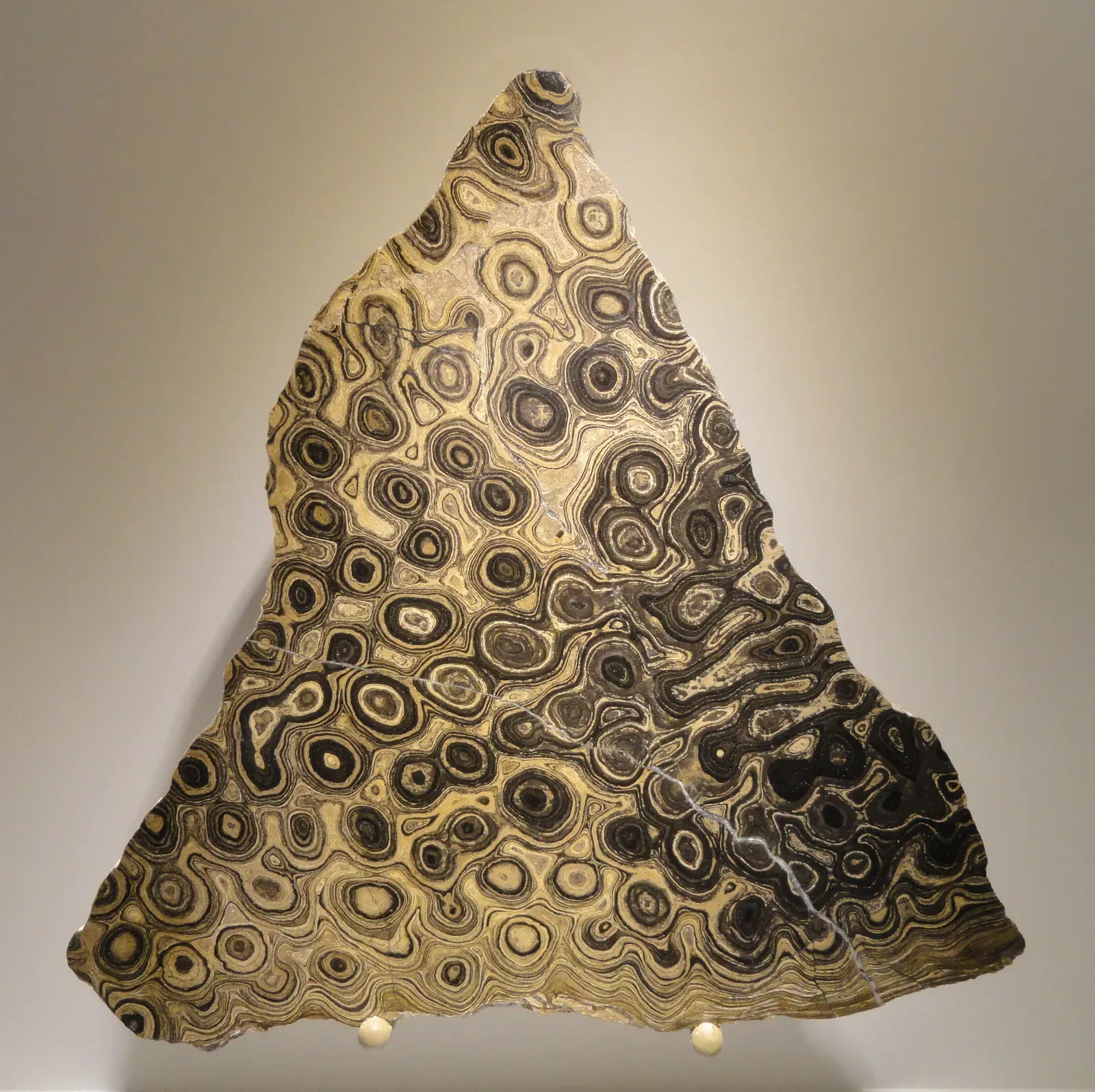
Here is something that completely reframes how you think about time on this planet. The earliest undisputed evidence of life on Earth dates at least from 3.5 billion years ago, during the Eoarchean Era, after a geological crust started to solidify following the earlier molten Hadean eon. That is not a typo. Life was already present on this planet billions of years before even the simplest recognizable animal body plans existed.
The fossil record shows us that the first organisms on Earth were simple bacteria that dominated the Earth for several billion years, with more complex organisms only beginning to develop about 540 million years ago. Think about that proportion. Bacteria ran the entire show, largely unchallenged, for the vast majority of Earth’s history. The dinosaurs, by comparison, were a blip. You and I are barely a footnote.
Life on Earth started 3 billion years ago, but it took another 2.4 billion years before complex animals developed. Then they multiplied, diversified, and took over rapidly. This slow build-up, followed by an explosive surge, is one of the most jaw-dropping patterns in all of natural history. It is a bit like watching paint dry for years, then turning around to find someone painted the entire Sistine Chapel in an afternoon.
The Cambrian Explosion Was Nature’s Most Creative Moment
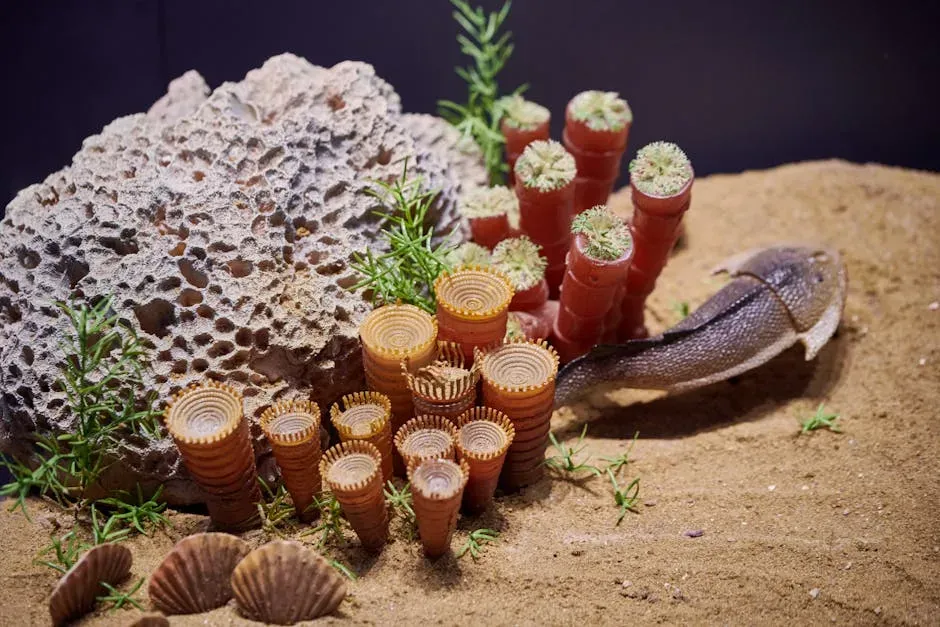
Imagine a world where almost no recognizable animal forms exist. Now imagine that within a relatively brief geological window, the seas suddenly fill with creatures sporting eyes, shells, claws, and legs. The Paleozoic Era began 538.8 million years ago with the Cambrian explosion, an extraordinary diversification of marine animals. Nothing in the entire history of life on Earth has matched it for sheer creative output.
The Cambrian witnessed the most rapid and widespread diversification of life in Earth’s history, known as the Cambrian explosion, in which most modern phyla first appeared. You are reading that correctly – the foundational blueprints for nearly every major animal body plan alive today were established during this one remarkable period. The beginning of the Paleozoic Era is marked by the first appearance of hard body parts like shells, spikes, teeth, and scales. Most basic animal body plans appeared in the rock record during the Cambrian Period – this sudden appearance of biological diversity is called the Cambrian Explosion.
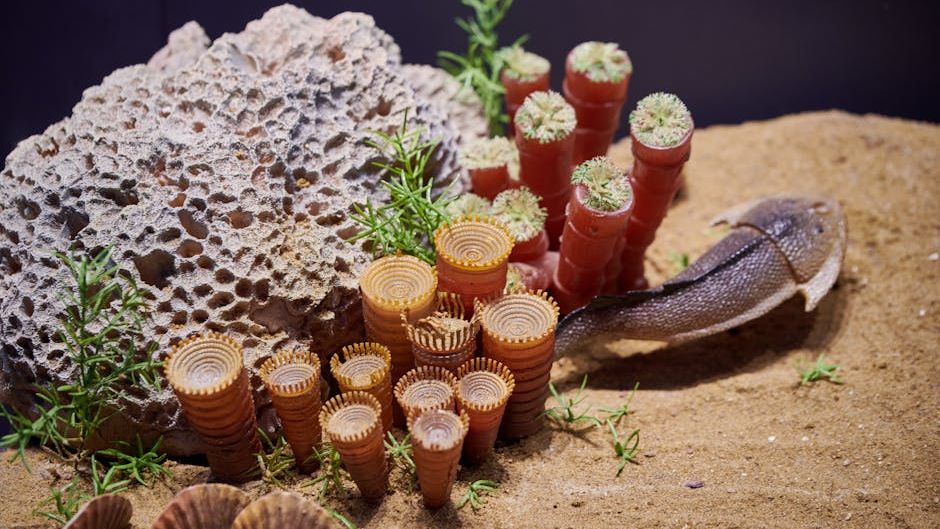
The biggest mystery surrounds animals that do not fit existing lineages and are unique to that time, including the first compound-eyed trilobites, Wiwaxia – a creature covered in spiny plates – Hallucigenia, a walking worm with spikes, Opabinia, a five-eyed arthropod with a grappling claw, and Anomalocaris, the alpha predator of its time. Honestly, it sounds less like evolution and more like something a wildly imaginative science fiction writer dreamed up at 3 a.m.
The First Animals to Conquer Land Were Nothing Like You’d Expect
http://nsf.gov/news/mmg/mmg_disp.cfm?med_id=58310
http://nsf.gov/news/news_summ.jsp?cntn_id=106807
https://flickr.com/photos/nsf_beta/3705198718, Public domain)
By the end of the Ordovician, life was no longer confined to the seas. Plants had begun to colonize the land, closely followed in the Silurian by invertebrates, and in the Late Devonian by vertebrates. This transition is one of the most consequential events in the history of life. Every land animal you have ever seen, from a frog to an elephant, traces its lineage back to that courageous first step out of the ocean.
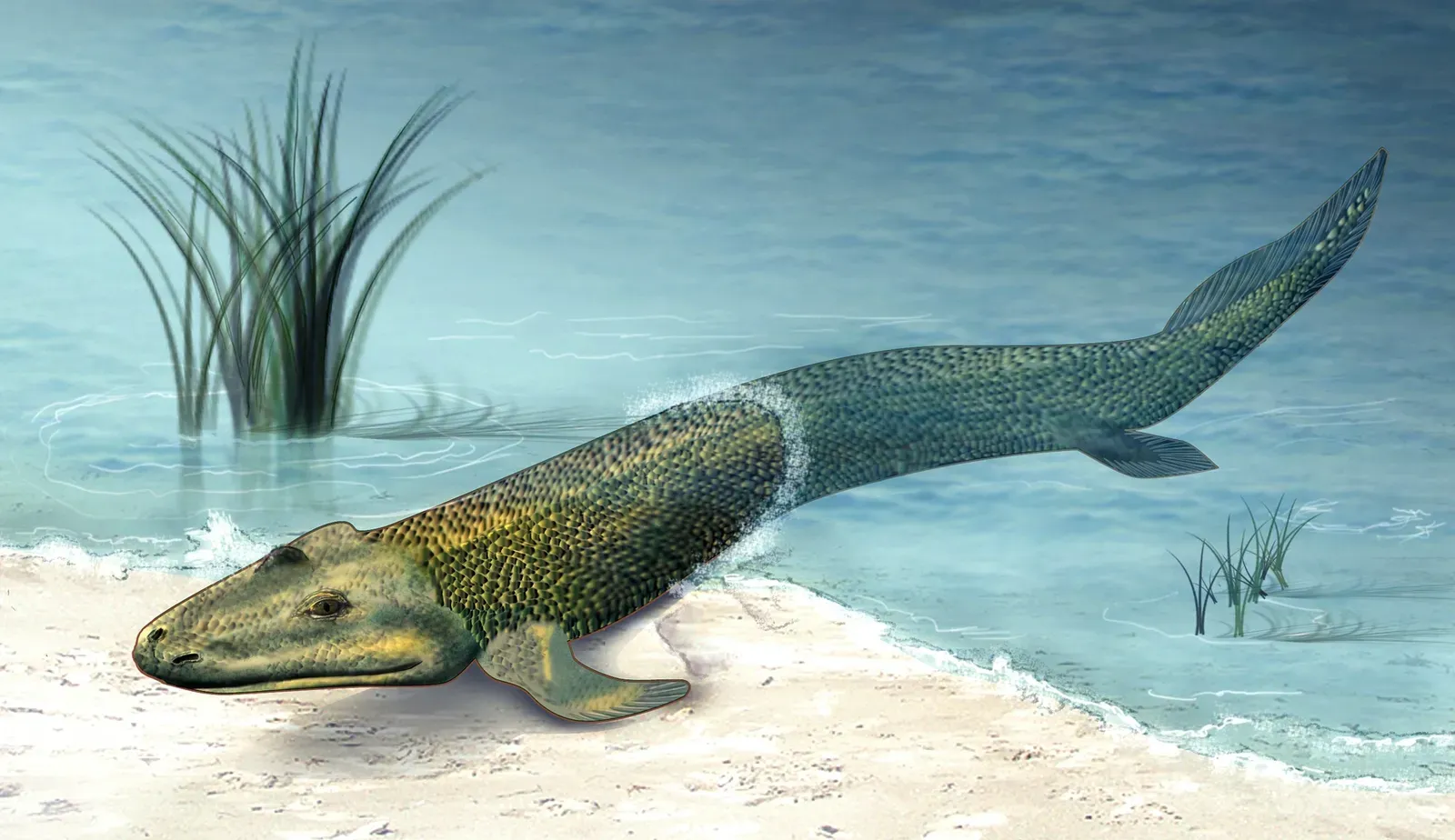
Fish aren’t typically known for their ability to walk on land, but Tiktaalik wasn’t your typical fish. By definition it was a fish, but sporting primitive, air-breathing lungs as well as gills, and four fleshy appendages that resembled limbs, it was well on its way to becoming a fully fledged terrestrial tetrapod. You could think of Tiktaalik as a living bridge – still wearing its fins but already experimenting with walking. It is hard not to feel a kind of awe imagining that precise moment in shallow Devonian water.
Where Tiktaalik falls on the vertebrate family tree is debated, but there’s no denying that it lived during an important time in the evolution of four-limbed animals. From Tiktaalik and its close cousins a new dynasty spawned – one that would give rise to reptiles, dinosaurs, birds, mammals and, eventually, humans. The next time you take a step, you’re technically carrying forward a legacy that began with a lobe-finned fish hauling itself through ancient mud.
The Devonian Period Rewrote the Planet’s Surface Forever
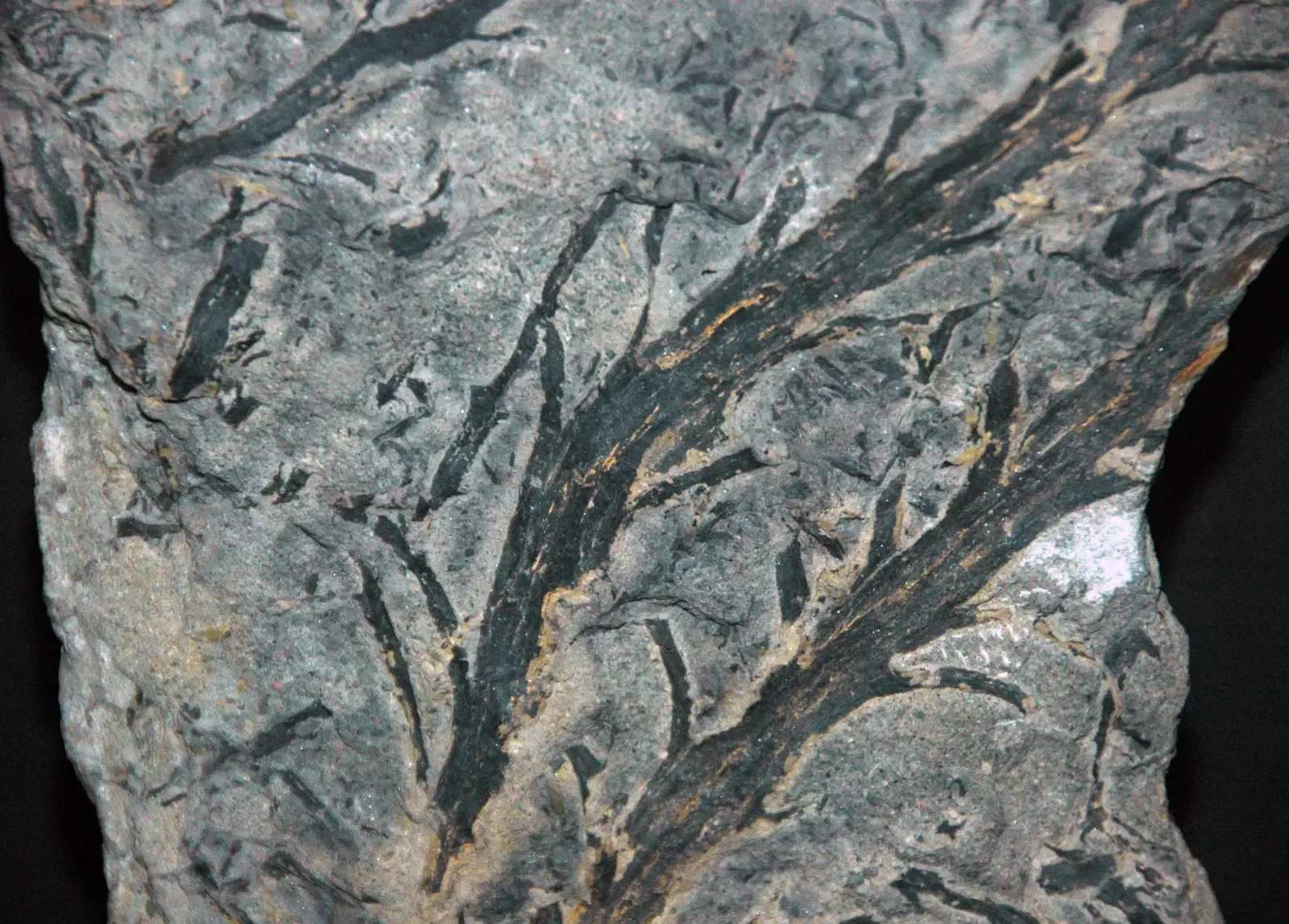
You might not immediately associate trees with evolutionary revolution, but the Devonian period changed Earth’s very atmosphere. The Devonian Period, from 419 to 359 million years ago, has been termed the “Age of Fishes” because in this epoch aquatic life reached unprecedented highs and terrestrial life also began taking leaps. It was, in every meaningful sense, a world in the process of reinventing itself.
Great plants like Archaeopteris produced the first forests, changed Earth’s atmosphere profoundly, and this period also came to a close with mass extinctions impacting marine life sharply. The arrival of real forests was not just an aesthetic development. Trees pumped oxygen into the air, altered soil chemistry, and completely transformed what kinds of creatures could survive on land. The second mass extinction was the Late Devonian extinction, probably caused by the evolution of trees, which could have led to the depletion of greenhouse gases or the eutrophication of water, wiping out roughly seven out of ten of all species. Plants causing an extinction event. I know it sounds crazy, but evolution has always had a dark sense of humor.
The Carboniferous Period Was a World of Genuine Nightmares
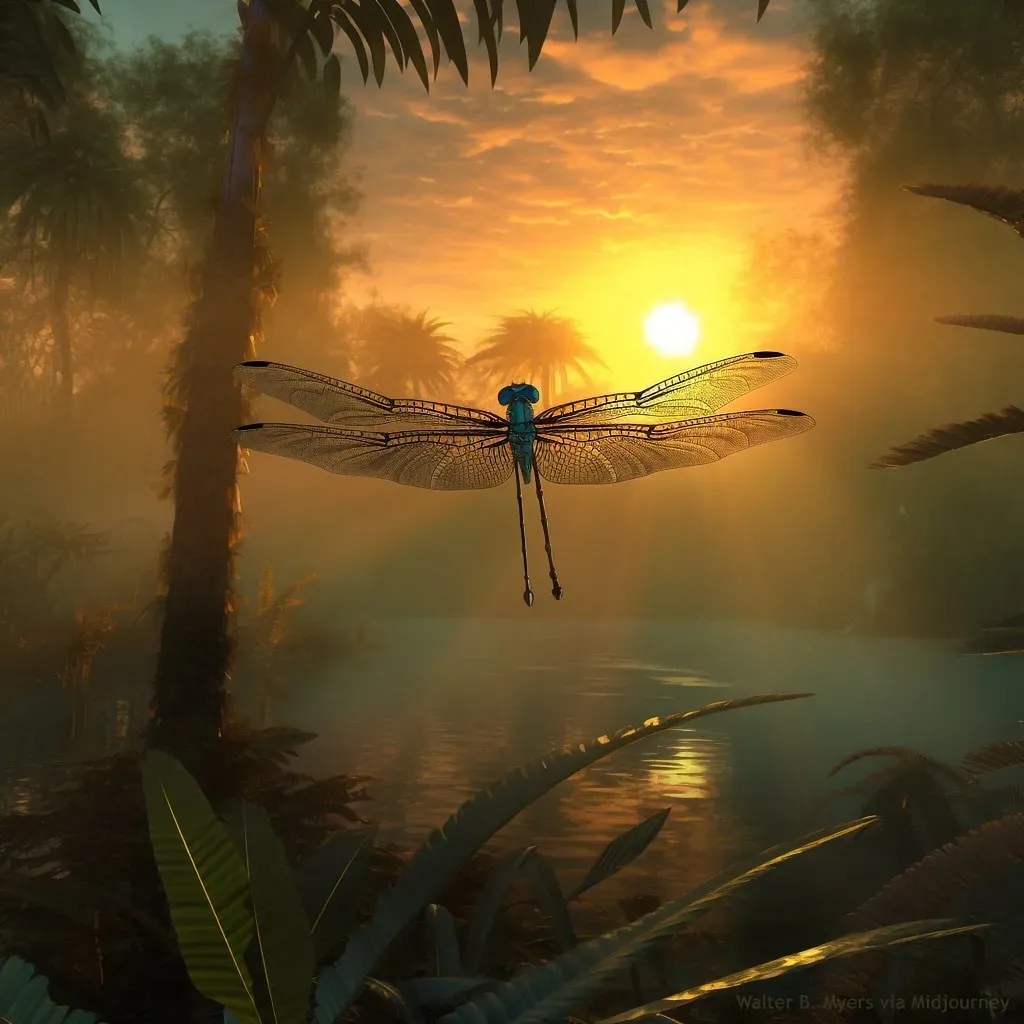
Here is something that might disturb you if you have even the mildest discomfort around insects. The Carboniferous Period, from 359 to 299 million years ago, is known for its vast swampy forests and the diversification of terrestrial life. Giant arthropods such as Arthropleura, a giant millipede, and Meganeura, a dragonfly with a wingspan of over two feet, were common. A dragonfly the size of a pigeon. A millipede longer than a car. This was the real world, not a monster movie.
The reason these creatures grew so massive was atmospheric. Around 300 million years ago, Earth was saturated with oxygen. Today’s atmosphere is about 21% oxygen, while the Carboniferous period had an atmosphere that was roughly 35% oxygen. That extra oxygen allowed insects to push past the physiological limits that keep modern bugs small. Giant dragonflies of the extinct order Protodonata, known as Meganeura, had wingspans exceeding 70 cm in length, with over five times the length and twice the thoracic width of the largest extant dragonflies.
Arthropleura, a group related to modern day millipedes, reached upwards of 2 m in length, almost six times the size of any extant millipede. Scientists believe this oxygen surge happened because wood-eating bacteria didn’t exist yet in the Carboniferous. Earth’s giant, primordial forests were taking in lots of carbon dioxide and pumping out lots of oxygen, but since the trees weren’t decomposing, the CO2 wasn’t being released back into the atmosphere, resulting in an all-time high in the world’s levels of atmospheric oxygen. Nature built a machine it couldn’t fully control.
Dimetrodon Was Not a Dinosaur and Is Actually More Related to You
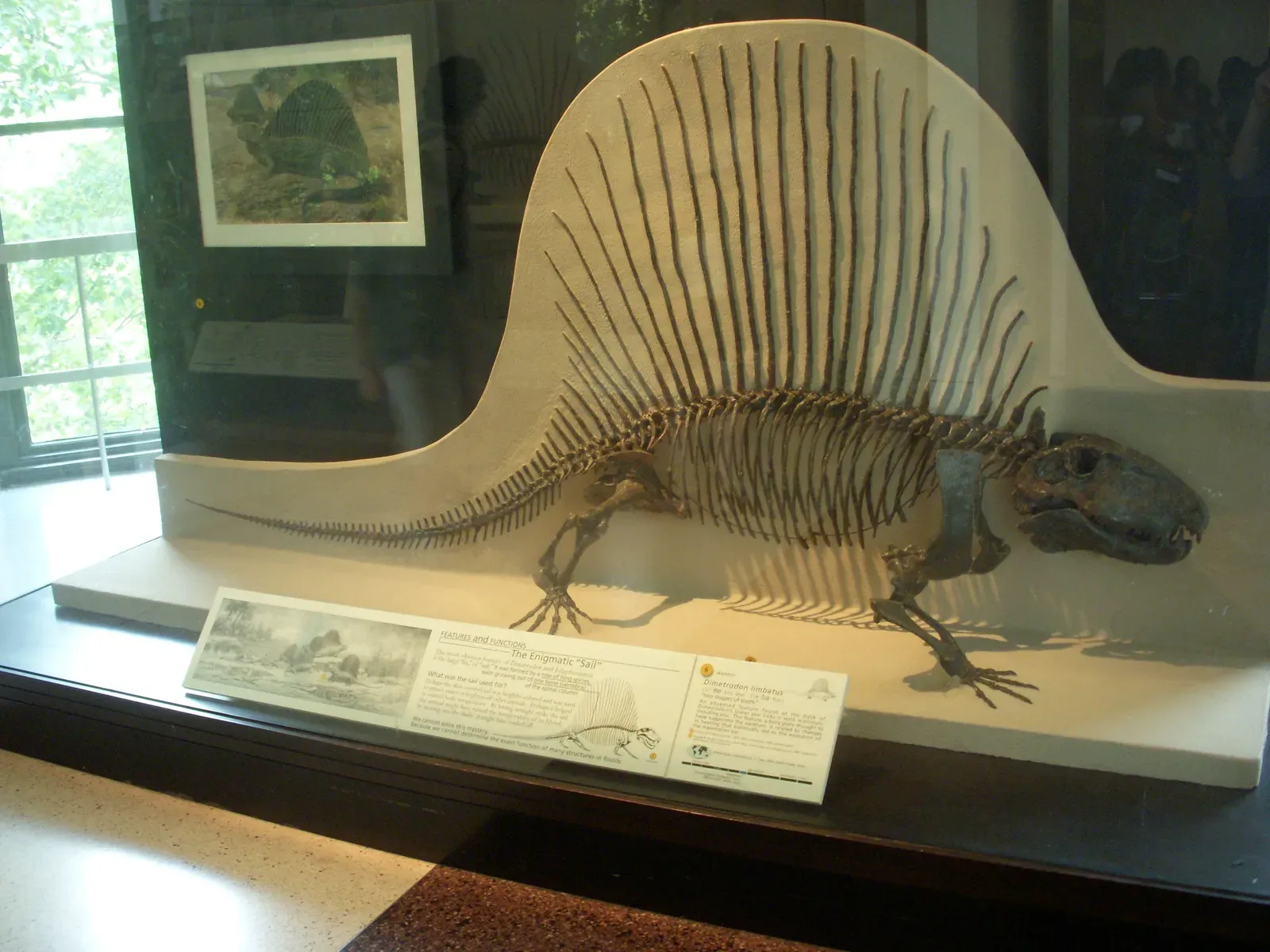
If you have ever seen a toy set of “prehistoric creatures” that included a sail-backed animal alongside the Tyrannosaurus and Triceratops, you have witnessed one of the most persistent misconceptions in popular paleontology. Just one look at Dimetrodon and your eyes are immediately drawn to the huge sail on its back – a feature shared by the iconic dinosaur Spinosaurus. This scaly, tiger-sized beast wasn’t a dinosaur though. In fact, it’s more closely related to us than Spinosaurus.
Synapsids – mammal-like reptiles including pelycosaurs with sail-backed Dimetrodon – evolved alongside gorgonopsids, saber-toothed predators that hunted with ferocious efficiency. These creatures represent your ancient family line, not the dinosaur branch of the evolutionary tree. Dimetrodon also had different teeth for different functions, which is where its name – meaning “two-measure tooth” – comes from. In contrast, dinosaurs and their ancestors were equipped with rows of identical teeth. That dental diversity, however small it seems, was an early evolutionary whisper of what mammals would eventually become.
As for that famous sail, for a long time researchers thought its function was to regulate body temperature across a range of habitats. It’s now thought the sail was used as a giant billboard to display sexual readiness and scare off rivals. So even hundreds of millions of years ago, looking impressive was already a survival strategy. Some things never change.
The Great Ordovician Biodiversification Quietly Changed Everything
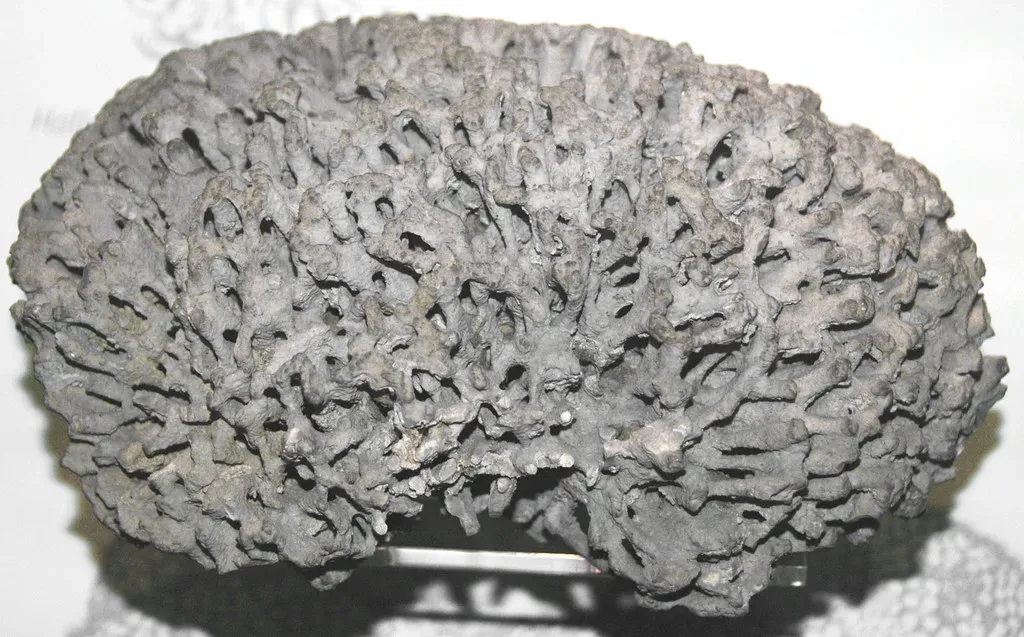
While the Cambrian Explosion tends to steal all the headlines, there is a quieter but equally important chapter that most people never hear about. The Ordovician spanned from 485 to 444 million years ago. It was a time in Earth’s history in which many of the biological classes still prevalent today evolved, such as primitive fish, cephalopods, and coral. The most common forms of life, however, were trilobites, snails and shellfish.
One important evolutionary advancement during the Ordovician Period was reef-building organisms, mostly colonial coral. These reefs created the first genuinely complex underwater habitats, offering shelter and ecological niches that drove further diversification. Corals took advantage of ocean chemistry, using calcite to build large structures that resembled modern reefs like the Great Barrier Reef off the coast of Australia. It’s remarkable to think that the basic architecture of today’s ocean ecosystems has its roots this far back in time.
The Ordovician did not end gently, though. The first of five great mass extinctions was the Ordovician-Silurian extinction. Its possible cause was the intense glaciation of Gondwana, which eventually led to a Snowball Earth. Roughly 60% of marine invertebrates became extinct, and about one quarter of all families. Life was resilient, but it always paid a steep price for every global shift in conditions.
The Great Dying Almost Ended Everything – and Set the Stage for Dinosaurs
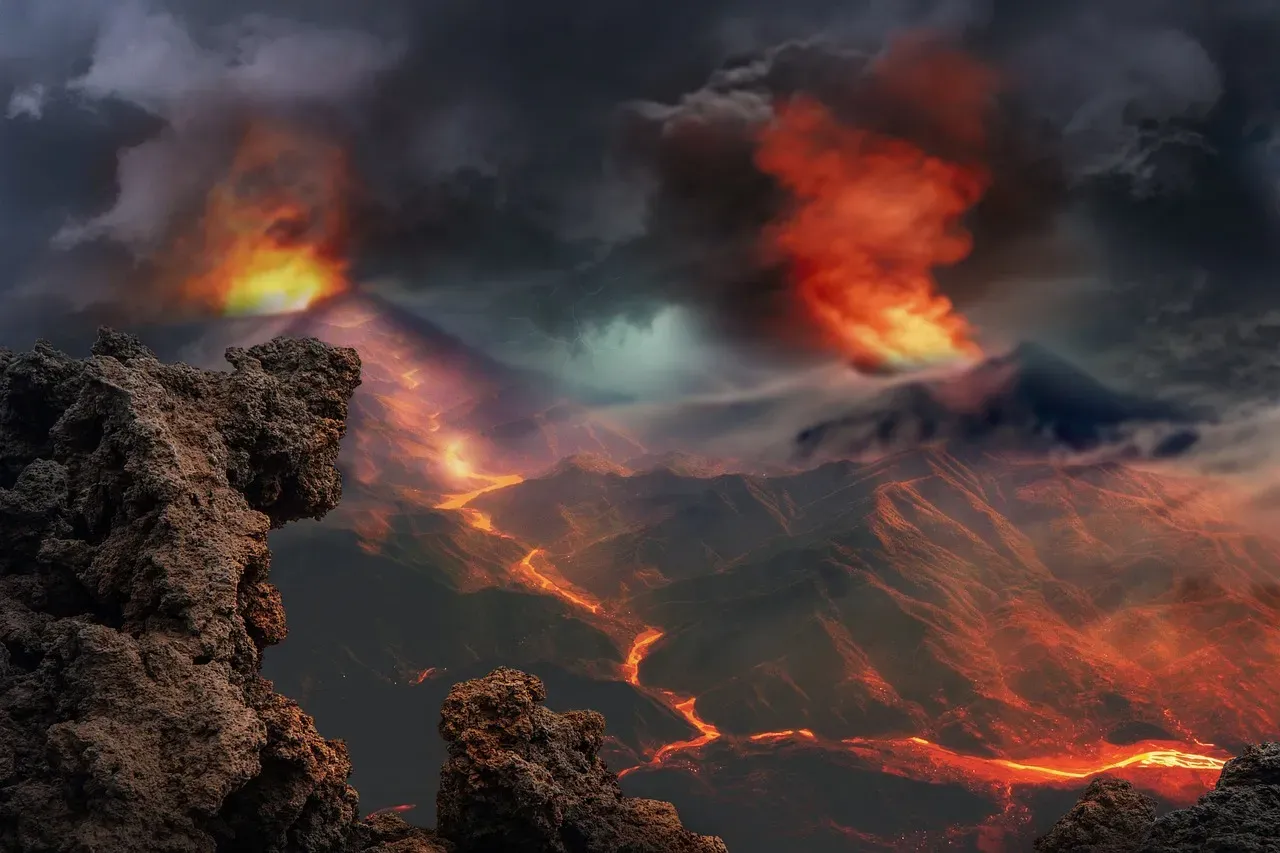
Of all the facts in this article, this one deserves to sit with you for a moment. The Permian-Triassic extinction event, colloquially known as the Great Dying, was an extinction event that occurred approximately 251.9 million years ago. It is Earth’s most severe known extinction event, with the extinction of the vast majority of biological families, genera, most marine species, and around seven out of ten terrestrial vertebrate species. The sheer scale of this catastrophe is almost incomprehensible.
The scientific consensus is that the main cause of the extinction was the flood basalt volcanic eruptions that created the Siberian Traps, which released sulfur dioxide and carbon dioxide, resulting in oxygen-starved, sulfurous oceans, elevated global temperatures, and acidified oceans. Imagine a volcanic event so colossal it essentially poisoned the entire planet. The scientific consensus is that volcanism drove the Great Dying, specifically from the Siberian Traps, a volcanic region in what is now Siberia. When the Siberian Traps erupted some 252 million years ago, they engulfed about 5 million square kilometers in lava and obliterated an area half the size of the United States.
Yet somehow, life survived. The Permian-Triassic extinction event killed most complex species of its time, some 252 million years ago. During the recovery from this catastrophe, archosaurs became the most abundant land vertebrates, and one archosaur group – the dinosaurs – would go on to dominate the Jurassic and Cretaceous periods. There is something deeply moving about that. The worst day in life’s four-billion-year history was also the morning that made the age of dinosaurs possible. Such mass extinctions may have accelerated evolution by providing opportunities for new groups of organisms to diversify. Destruction and renewal, endlessly intertwined.
Conclusion
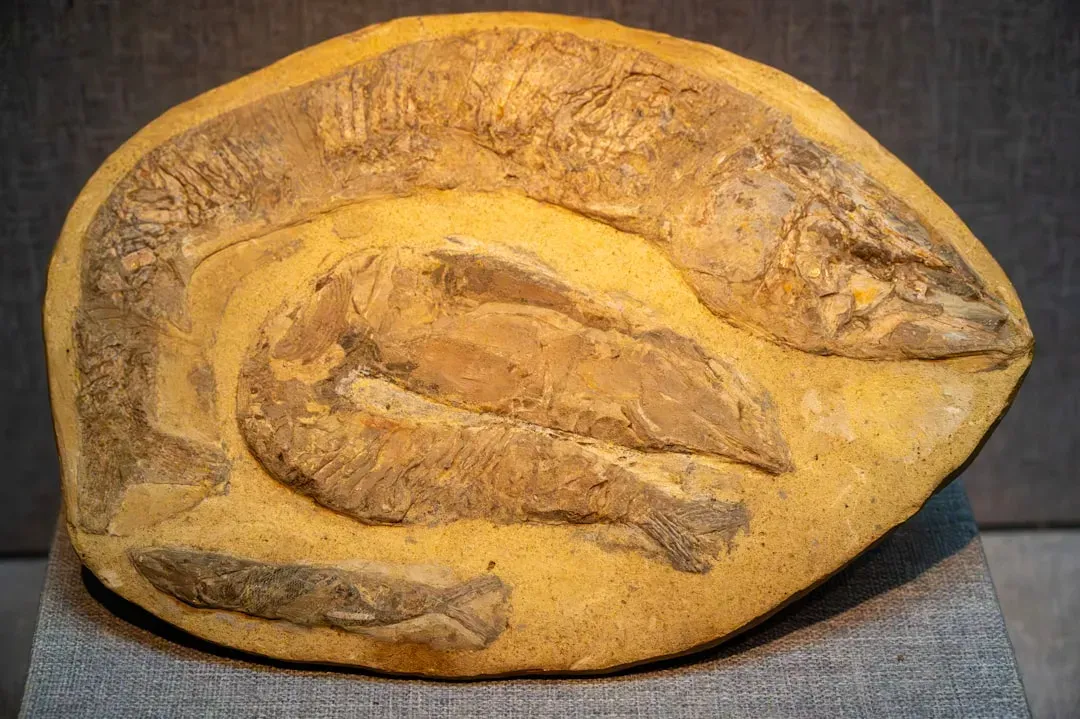
You now know that the world before the dinosaurs was not empty or quiet. It was an extraordinary saga – billions of years of bacteria, then a sudden creative explosion in the Cambrian seas, a bold march onto land, an age of giant insects breathing oxygen-rich air, and creatures that were your direct ancestors long before a single dinosaur existed.
Every mass extinction that nearly erased life also cleared the way for something new and remarkable to emerge. The story of pre-dinosaur life is ultimately a story of staggering resilience, of organisms pushing boundaries, of a planet constantly reinventing itself in ways that no one could have predicted.
The next time you spot a dragonfly hovering over a pond, think about Meganeura with its 70-centimeter wingspan. When you see a horseshoe crab on a beach, remember the trilobites that once ruled the ocean floor for hundreds of millions of years. Life before the dinosaurs wasn’t a preamble – it was an epic in its own right. Did any of these facts surprise you more than you expected? Tell us in the comments below.