When most of us picture the age of dinosaurs, we imagine a world ruled entirely by T. rex, Triceratops, and Brachiosaurus. It’s an easy assumption to make. Popular culture has done such a thorough job of putting dinosaurs center stage that everything else in the Mesozoic world has been overshadowed.
Here’s the thing though – dinosaurs were never truly alone. Because we hear so much about dinosaurs, it is easy to forget that many other amazing animals lived in the Mesozoic Era. Dinosaurs may have been the dominant animals on land, but in the sea and in the air it was a very different story. The Mesozoic world teemed with creatures just as spectacular, terrifying, and jaw-dropping as any dinosaur. Some swam the depths of ancient oceans. Others ruled the skies. A few even walked the same ground and refused to be eaten quietly. So let’s dive into eight of the most astounding prehistoric creatures that shared the planet with dinosaurs, and prepare to see the Mesozoic in a completely different light.
Mosasaurus: The Terrifying Sea Monster of the Late Cretaceous
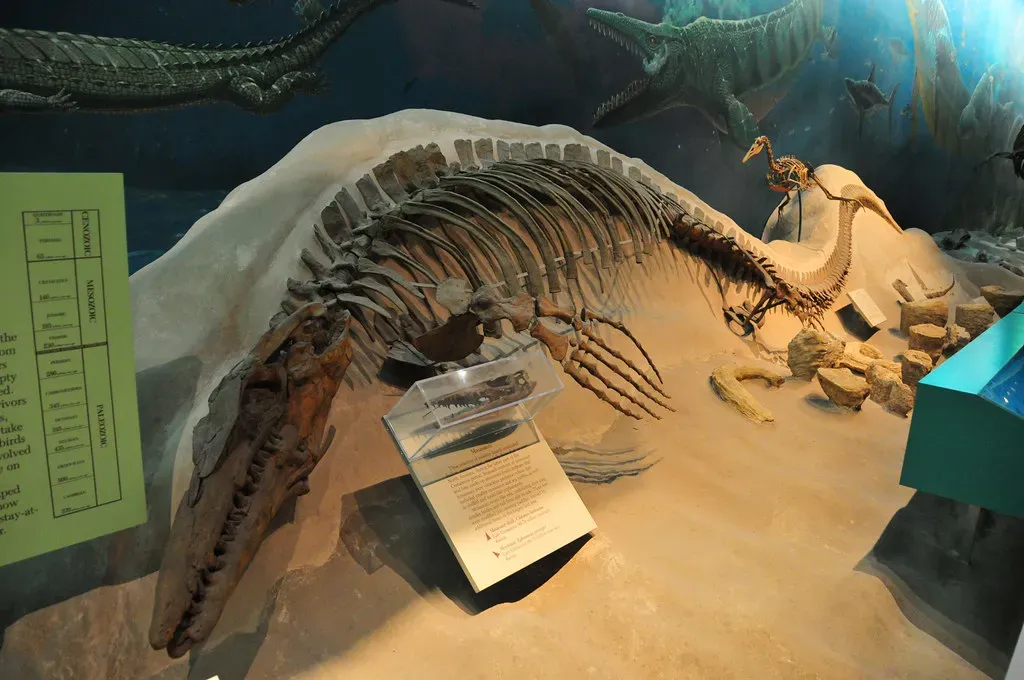
If you have ever watched a giant shark get swallowed whole on a movie screen, you have probably already met a fictional version of this beast. Mosasaurs are an extinct group of large aquatic reptiles that lived during the Late Cretaceous. They were not dinosaurs, but they were every bit as deadly, and honestly might have been even more frightening once you factor in the ocean setting.
During the last twenty million years of the Cretaceous period, with the extinction of the ichthyosaurs and pliosaurs, mosasaurids became the dominant marine predators. The largest mosasaur species was an apex predator that used bursts of high speed to catch large prey animals such as turtles, sharks, and even other mosasaurs. Think of them as the ocean’s most ruthless opportunists – fast, powerful, and completely uninterested in mercy. Mosasaurs breathed air, were powerful swimmers, and were well-adapted to living in the warm, shallow inland seas prevalent during the Late Cretaceous period.
Plesiosaurs: The Long-Necked Giants That Inspired Loch Ness Legends
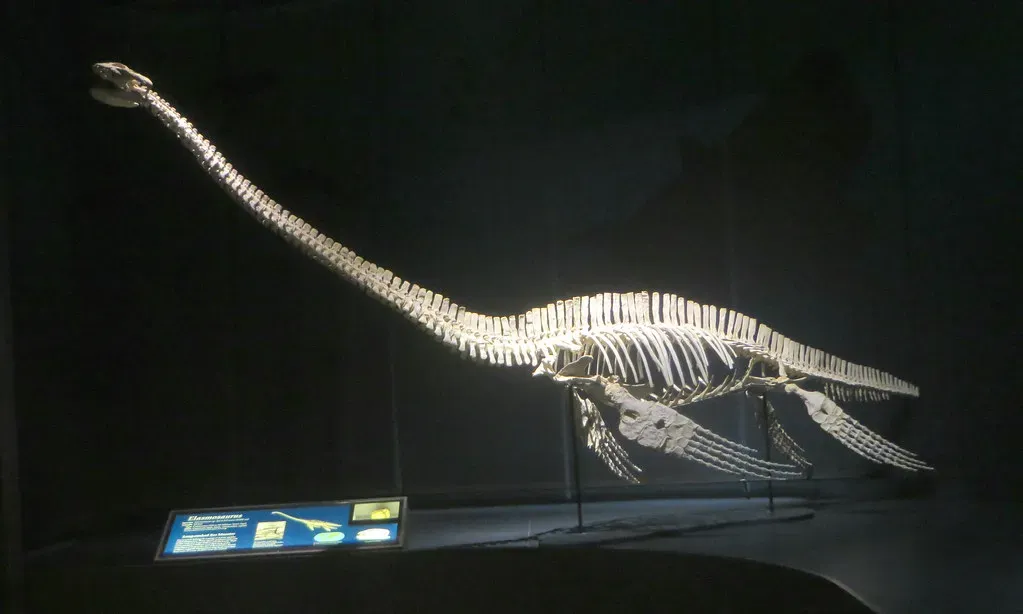
You have almost certainly heard of the Loch Ness Monster. Well, meet the creature that likely inspired the legend. Plesiosaurs were long-necked, finned reptiles. Think of the Loch Ness Monster, and you have got a pretty good idea of what one looked like. These remarkable animals were not dinosaurs at all, but rather a distinct group of marine reptiles that carved out a dominant niche in Mesozoic seas.
Plesiosaurs first appeared in the latest Triassic Period, possibly in the Rhaetian stage, about 203 million years ago. In general, plesiosaurians varied in adult length from between 1.5 meters to about 15 meters. I think what makes them truly special is their swimming style. Plesiosaurs retained their ancestral two pairs of limbs, which had evolved into large flippers. They were related to the earlier Nothosauridae, that had a more crocodile-like body. The flipper arrangement is unusual for aquatic animals in that probably all four limbs were used to propel the animal through the water by up-and-down movements. Picture an ancient, underwater flier – rowing through the deep in slow, hypnotic strokes.
Ichthyosaurs: The Dolphins of the Dinosaur Age
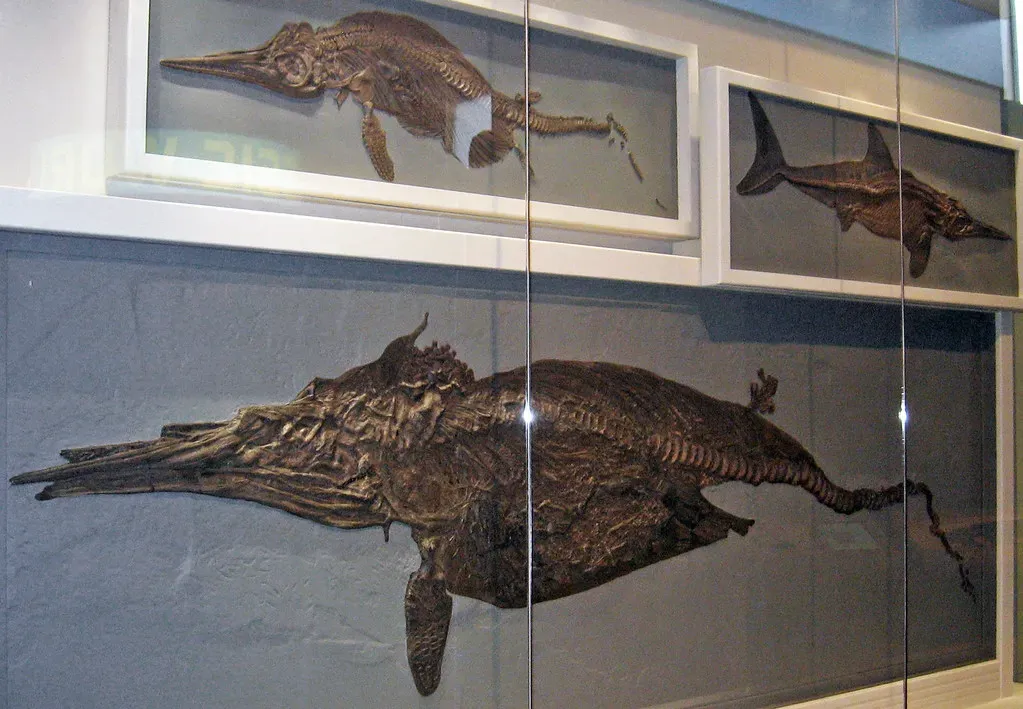
Honestly, if you dropped an ichthyosaur into a modern aquarium, most visitors would think it was some kind of exotic dolphin. Ichthyosaurs looked similar to today’s dolphins, and evolved from land animals in much the same way as dolphins did millions of years later. This is one of nature’s most mind-bending examples of convergent evolution – two completely unrelated lineages arriving at strikingly similar designs, separated by tens of millions of years.
Ichthyosaurians thrived during much of the Mesozoic era; based on fossil evidence, they first appeared around 250 million years ago and at least one species survived until about 90 million years ago, into the Late Cretaceous. Ichthyosaurians were air-breathing, warm-blooded, and bore live young. Many, if not all, species had a layer of blubber for insulation. That last detail is staggering when you think about it – a reptile with blubber, giving birth to live young in open water. They were, in many ways, more mammal-like than their distant crocodilian cousins.
Pterosaurs: Masters of the Mesozoic Skies
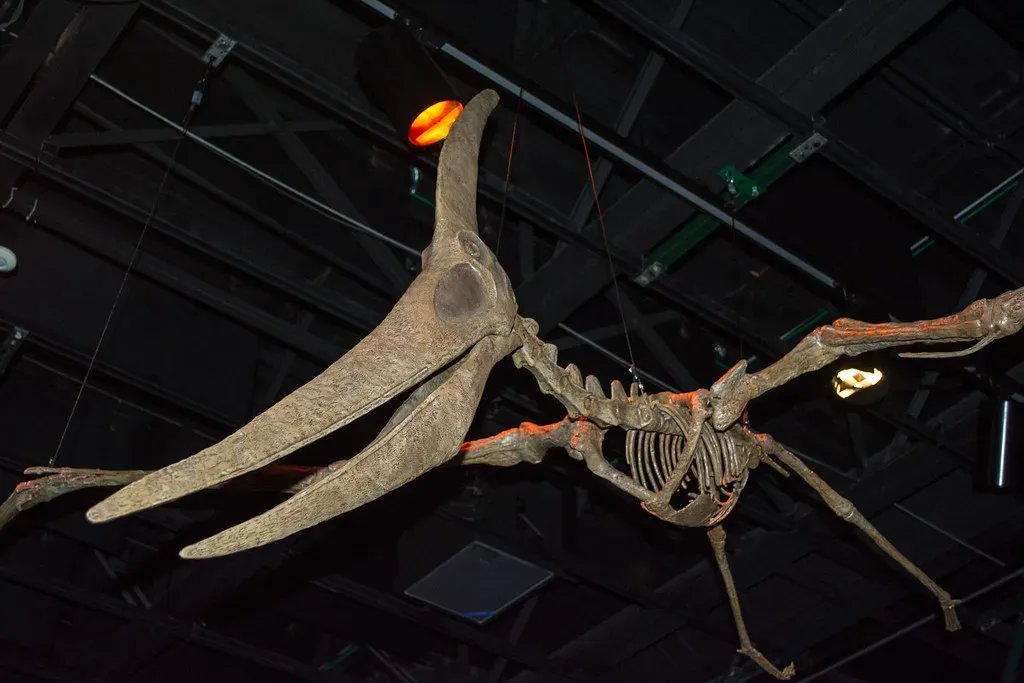
Let’s be real – when people imagine flying creatures from the dinosaur age, they picture pterosaurs. Yet surprisingly, pterosaurs were not dinosaurs at all. Pterosaurs, often confused with dinosaurs, were flying reptiles that lived during the same time as dinosaurs. They were part of the archosaur group, meaning they were distant cousins to the dinosaurs. Unlike dinosaurs, pterosaurs developed wings and took to the skies, with wingspans that could reach over 30 feet.
The first vertebrate animals ever to learn to fly by flapping their wings were the pterosaurs. That is an extraordinary title to hold. With a wingspan of around 23 feet, Pteranodon was one of the largest known pterosaurs. Like all of the later pterosaurs, Pteranodon lacked both teeth and a tail. Its head was adorned with a large crest. They ruled the skies for an astonishing stretch of time, filling ecological niches that no other creature had ever touched before them.
Sarcosuchus: The Supercroc That Made T. rex Look Over Its Shoulder
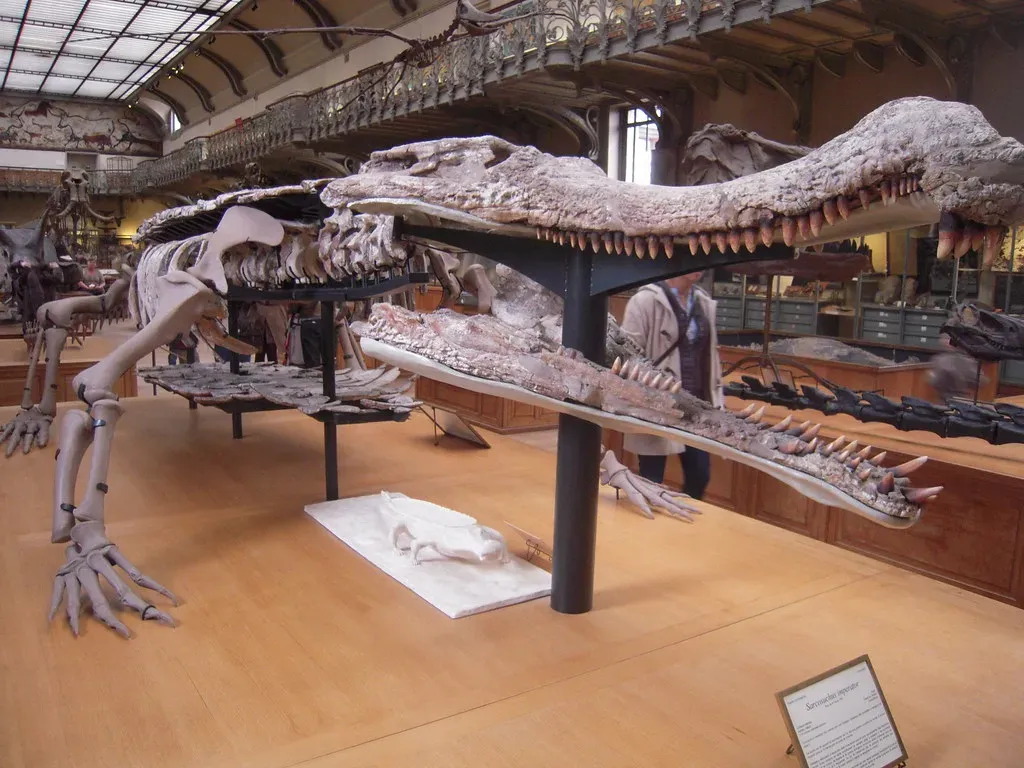
Imagine a crocodile the size of a city bus, lurking at every riverbank, and suddenly the world of the dinosaurs feels a great deal more dangerous. Sarcosuchus was ten times bigger than any crocodile alive today and had a bite force of eight tons. That is not a typo. Eight tons of crushing pressure – enough to snap through virtually anything alive at the time, including mid-sized dinosaurs.
The Cretaceous period was full of giant crocs like Sarcosuchus, Dryosaurus, Deinosuchus, Shieldcroc, and others. Some ancient crocodilian relatives grew to colossal lengths of up to 12 meters, almost 40 feet, and snatched elephant-sized dinosaurs from riverbanks. It is hard to say for sure, but life near any ancient river during this period must have been an exercise in constant terror. Crocodilians have been on the planet for about 240 million years, and Sarcosuchus represents one of their most spectacular and terrifying peaks.
Archelon: The Giant Sea Turtle the Size of a Small Car
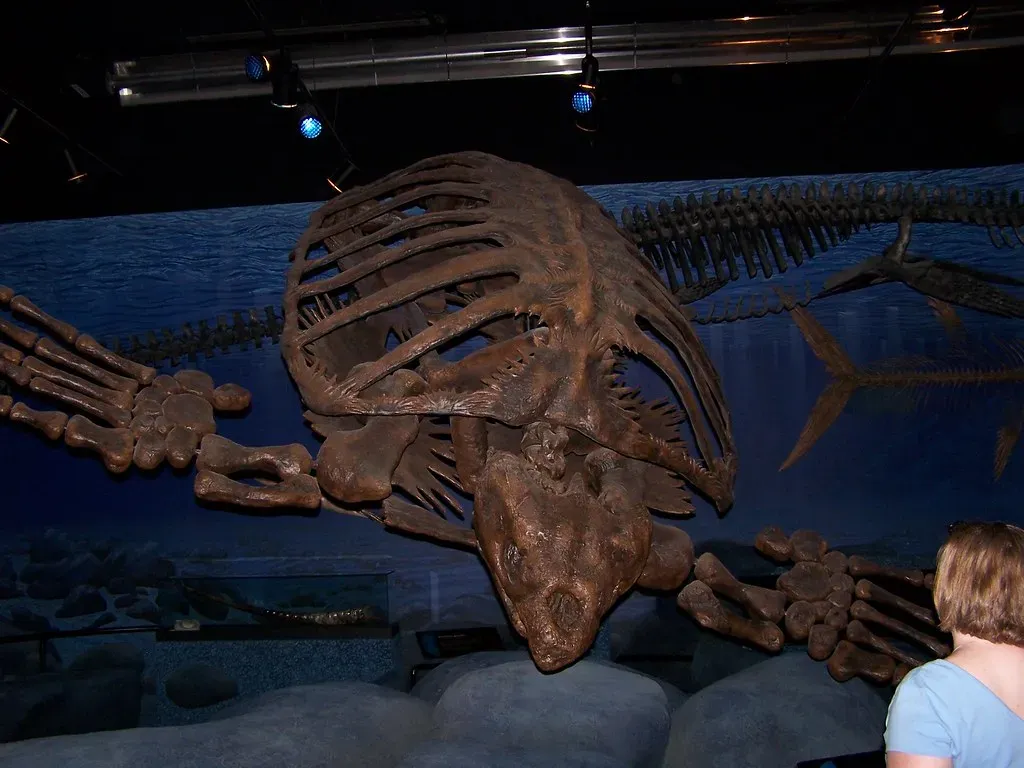
You might think of sea turtles as gentle, slow-moving ocean wanderers. Now scale one up to the size of a small automobile and place it in a Cretaceous sea full of mosasaurs. Turtles evolved alongside dinosaurs, with sea turtles emerging as a distinct type about 110 million years ago. All living species of sea turtle have origins that can be traced back to ancient times; about 80 million years ago, a genus of extinct sea turtles called Archelon swam the oceans.
Each one of these ancient turtles was over four metres long and measured at five metres wide from flipper to flipper. That is genuinely enormous. These turtles belonged to a group of ancient reptiles called Archelon, which is closely related to the leatherback sea turtle we can see today. It is a beautiful thought – that the leatherbacks gliding through our modern oceans carry a genetic echo of these prehistoric giants, swimming the same waters in miniaturized form across tens of millions of years.
The Tuatara’s Ancient Relatives: Sphenodontids That Thrived Among Dinosaurs
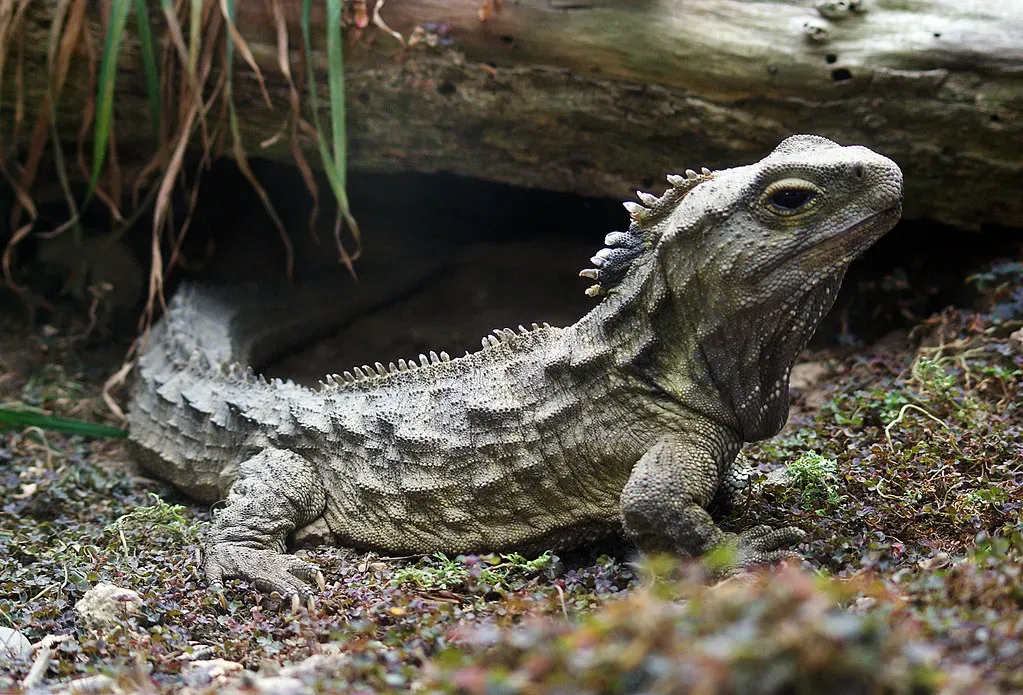
Here is a creature most people have never heard of, yet its story is one of the most astonishing in all of natural history. As dinosaur diversity exploded during the Early Jurassic around 200 million years ago, another group of scaly, lizard-like creatures began to thrive. These were the Sphenodontids, a once highly diverse family of reptiles now represented by one species, Sphenodon punctatus, or tuatara.
Tuatara lived alongside some of the first dinosaurs and separated from other reptiles 200 million years ago in the Upper Triassic period. While tuataras are not dinosaurs, they share a common ancestor with them, dating back over 200 million years. Their evolutionary stability has allowed them to remain virtually unchanged for millions of years, making them a living link to the era of dinosaurs. Not really a lizard, nor a dinosaur, the last surviving species of its kind, the tuatara still exists today and can be found only in New Zealand. That one living survivor is basically a 200-million-year-old design still walking the Earth today – and that is extraordinary.
Early Mammals: The Tiny Underdogs Living in the Dinosaurs’ Shadow
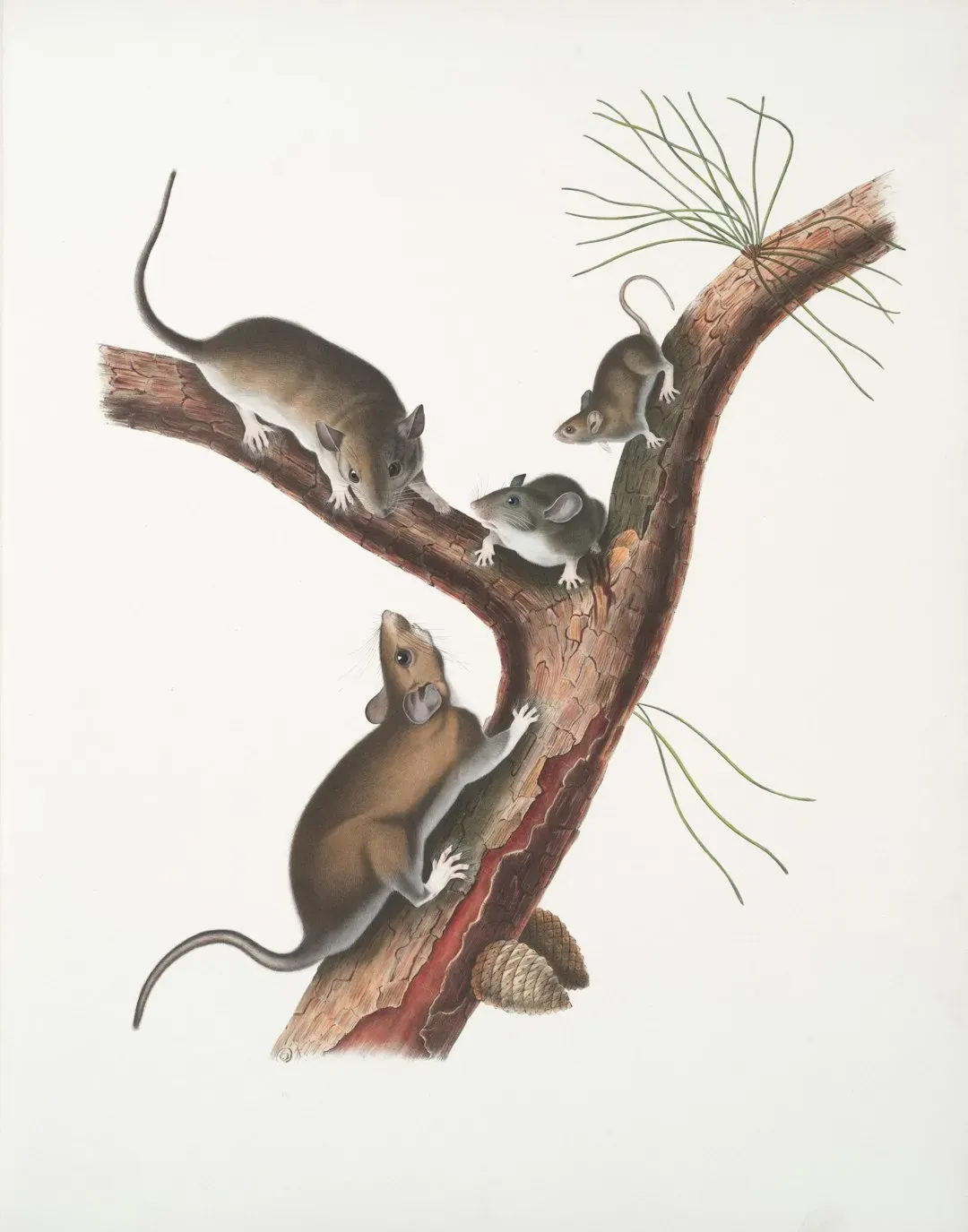
It would be easy to overlook early mammals in a world dominated by dinosaurs. They were small, mostly nocturnal, and spent enormous amounts of energy just staying alive. Mammals have existed for roughly 170 to 225 million years and some ancient mammals that lived alongside dinosaurs were called mammaliaforms. These were not the majestic lions and elephants of today – they were far closer to shrews and ferrets in size and lifestyle.
The discovery of early mammals blew the lid off the old idea that mammals barely eked by in a primitive form until the disappearance of the dinosaurs. In reality, the Middle Jurassic hosted an explosion of different types of mammals. Some were even bold enough to fight back. Repenomamus giganticus was a carnivore that ate both dinosaurs and mammals. A fossil showed that it had eaten a baby dinosaur called Psittacosaurus. That detail alone reframes everything – the Mesozoic was not just a world where mammals cowered and survived. Some of them were actively eating dinosaurs. Not bad for an underdog.
Conclusion: The Mesozoic Was a World Far Stranger and Richer Than We Imagine
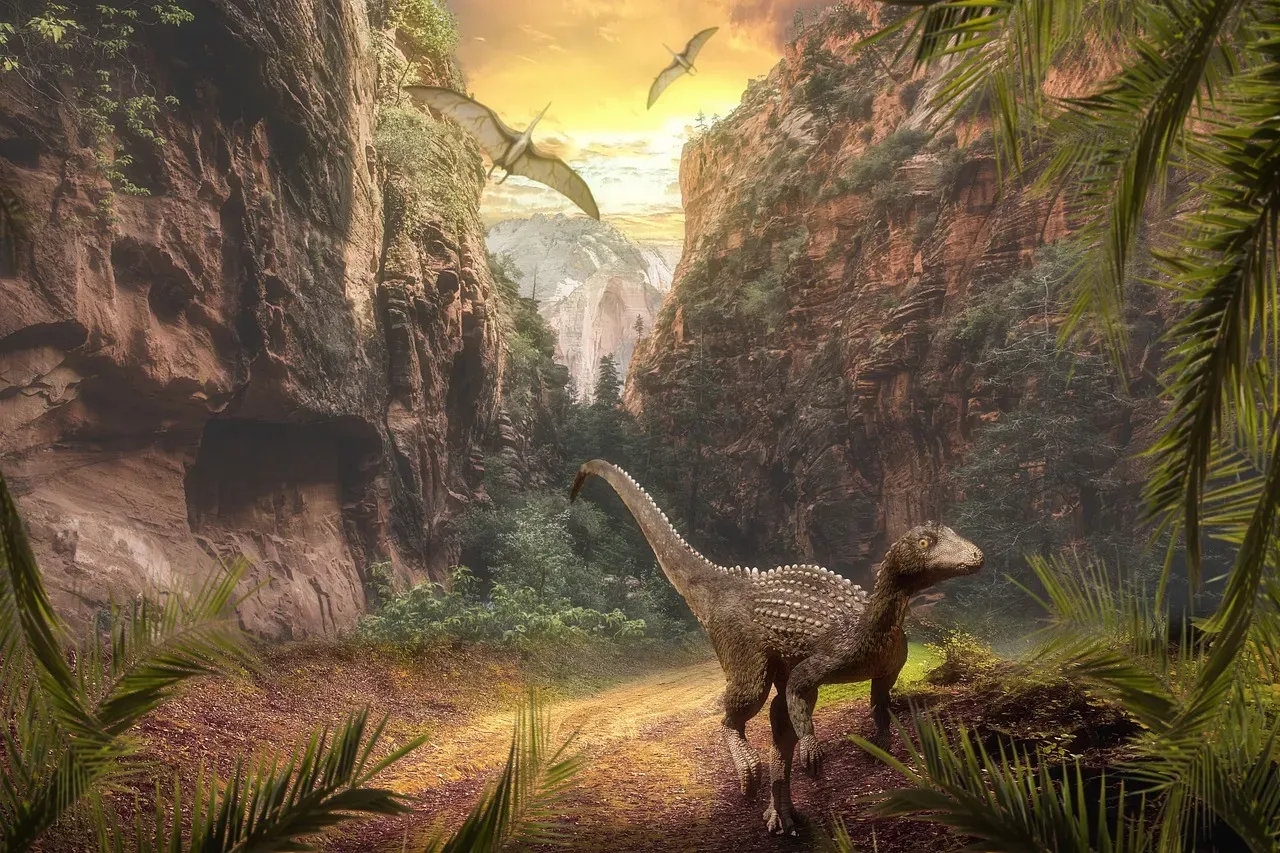
The more you dig into the Mesozoic Era, the more you realize how narrow our popular picture of it truly is. The Mesozoic is commonly known as the Age of the Dinosaurs because the terrestrial animals that dominated both hemispheres for the majority of it were dinosaurs. Yet the skies, the oceans, and even the riverbanks hosted creatures of equal drama and complexity – and in many cases, far stranger biology.
These ancient creatures give us a glimpse into what life was like millions of years ago. They also show us just how resilient some groups have been to calamitous, prehistoric events that have consigned others to extinction. From a sea turtle the size of a car to a crocodile with an eight-ton bite, from warm-blooded ocean dolphins in reptile form to tiny mammals quietly eating dinosaur babies – the Mesozoic world was jaw-dropping in its diversity. Dinosaurs may have gotten all the headlines. But the supporting cast? Equally unforgettable.
Which of these eight creatures surprises you the most? Drop your answer in the comments – the answers might just surprise you further.