Prehistoric life never runs short of jaw-dropping surprises. Every time scientists think they have a solid grip on ancient Earth, a new fossil crawls out of the rock and upends everything. You’d think that with all our technology, our CT scanners, our DNA labs, and our supercomputers, the deep past would be giving up its secrets faster than ever. In some ways it is. Yet the more paleontologists dig, the longer the list of genuinely baffling mysteries seems to grow.
Some of these puzzles have been sitting on the table for decades. Others are fresh wounds to our understanding of life on this planet. Either way, each one forces you to reconsider just how much we actually know about the creatures that ruled the Earth before we arrived. Buckle up, because what follows might genuinely change how you see prehistoric life. Let’s dive in.
The Tully Monster: The Fossil That Defies Every Label
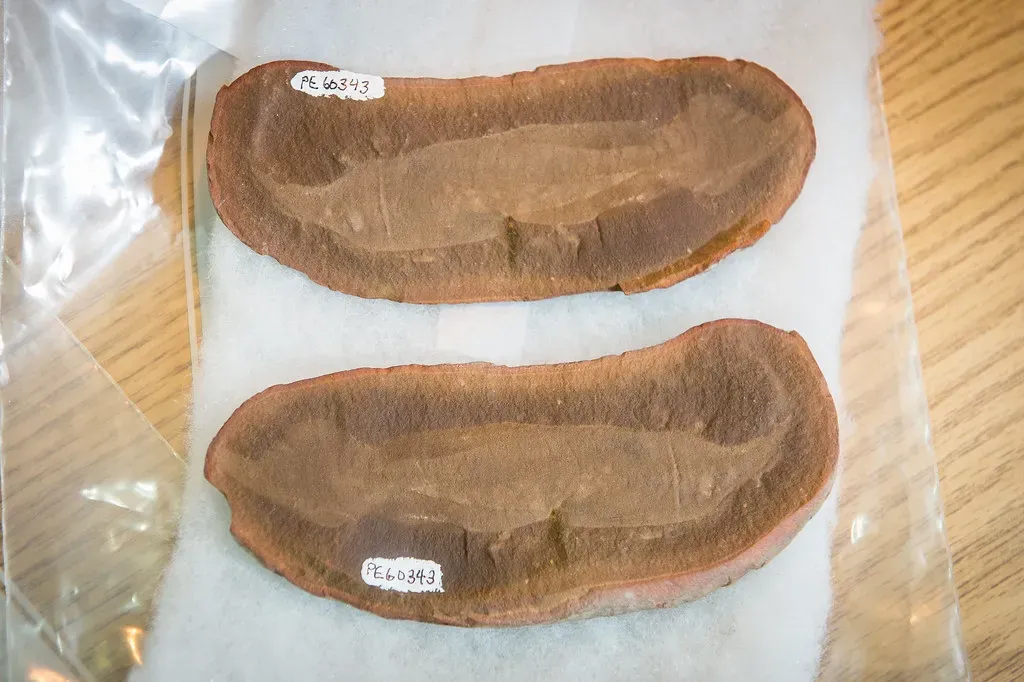
Here’s the thing about paleontology’s greatest identity crisis: it fits in the palm of your hand. Tullimonstrum, colloquially known as the Tully Monster, is an extinct genus of soft-bodied marine animal that lived in shallow tropical coastal waters of muddy estuaries during the Pennsylvanian period, about 310 million years ago. You’d think a creature that’s been studied since the 1950s would have been pinned down by now. You’d be wrong.
The fossil remains “a puzzle,” and interpretations liken it to a worm, a mollusc, an arthropod, a conodont, or a vertebrate. Scientists spent years arguing over whether it even had a backbone. A pivotal 2016 study argued it was a vertebrate related to jawless fish like lampreys. Then a 2023 study using 3D imaging flipped the table again. A 2023 study using 3D imaging presented evidence contradicting the vertebrate hypothesis, suggesting the features were misinterpreted, with one analysis pointing to head segmentation not seen in any vertebrate, arguing it was an invertebrate. Honestly, for a creature just six inches long, it has caused an extraordinary amount of scientific chaos.
Were Dinosaurs Warm-Blooded, Cold-Blooded, or Something Else Entirely?
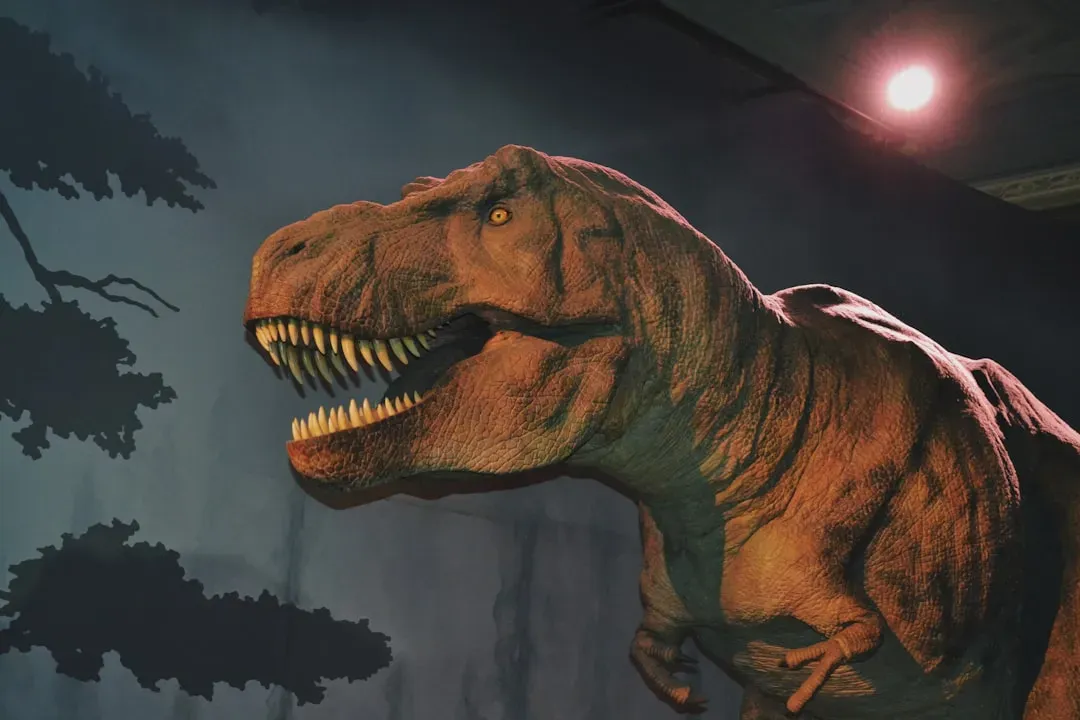
Imagine asking whether lions are hot-blooded, only to get a different answer every few years. That’s essentially what’s been happening with dinosaurs. For decades, paleontologists have debated whether dinosaurs were warm-blooded, like modern mammals and birds, or cold-blooded, like modern reptiles, since knowing that could give hints about how active they were and what their everyday lives were like. The debate has fueled arguments at every level of science since the 19th century.
Researchers found that dinosaurs descended from a common ancestor were likely warm-blooded, but didn’t all stay that way. In the Triassic period, dinosaurs split into two major groups: the saurischians and the ornithischians. Evidence suggests saurischians, including meat-eating theropods like Tyrannosaurus and Allosaurus, were warm-blooded creatures like their ancestors. Yet dinosaurs classified as ornithischians, including instantly recognizable creatures such as Triceratops and Stegosaurus, evolved to have low metabolic rates comparable to those of cold-blooded modern animals. So the answer, it turns out, may be “both” – which is somehow a more confusing answer than either option alone.
The Cambrian Explosion: Where Did All That Complex Life Come From?
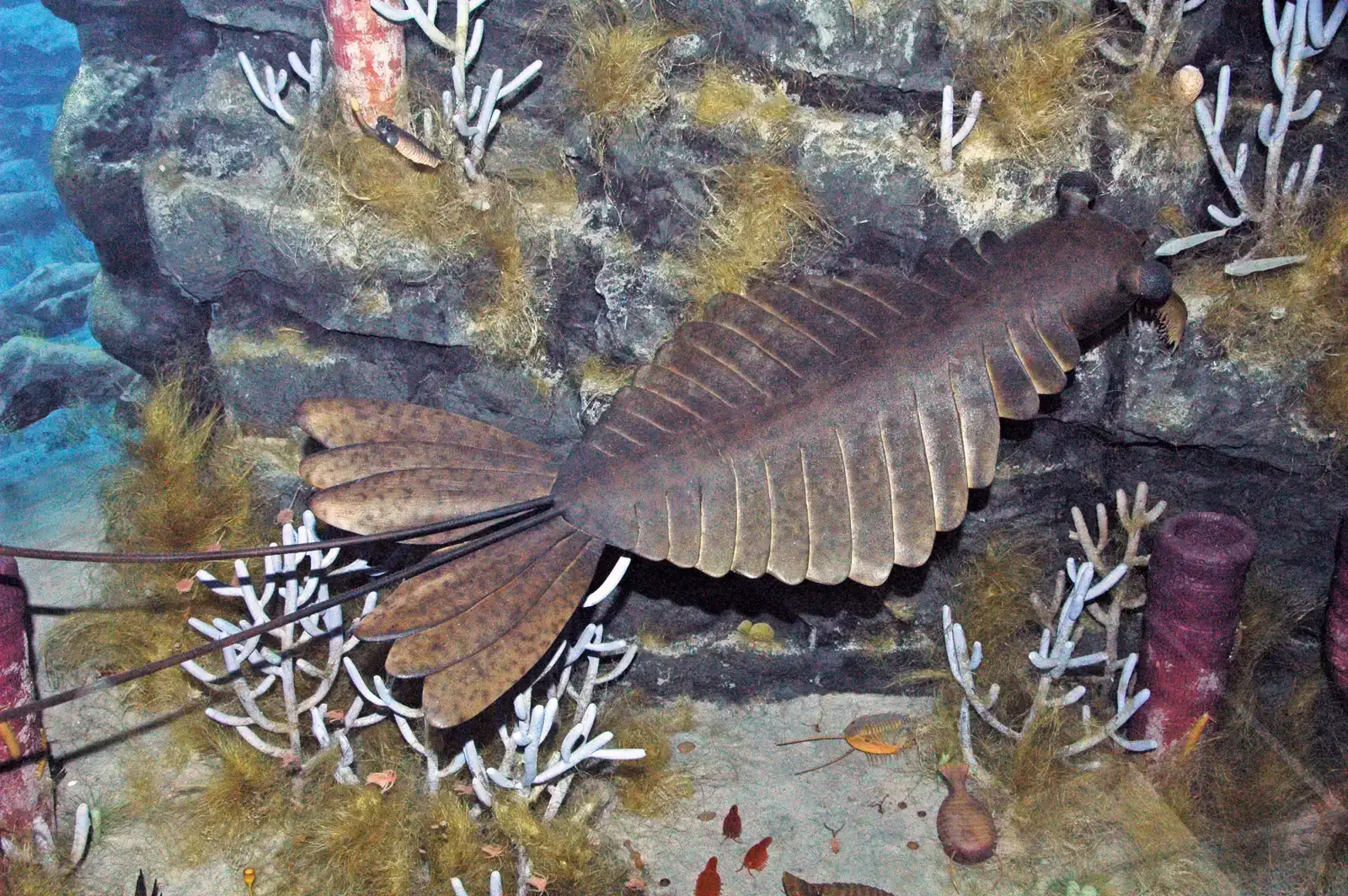
About 540 million years ago, something extraordinary happened. Life went from being mostly simple, soft-bodied blobs to an explosion of wildly diverse, complex creatures in what is – geologically speaking – the blink of an eye. There were a number of “problematic fossils” in older rocks, particularly during the Cambrian explosion 530 million years ago. This explosion of life saw the evolution of animals that would look alien to us today, but which were actually early offshoots of lineages leading to modern groups. Scientists call it the most important event in the history of animal life.
The trouble is that we still cannot fully explain why it happened so rapidly. Think of it like an empty city that, in the span of a few thousand years, suddenly fills up with skyscrapers, people, traffic, and complicated social rules. The raw materials were there, but something flipped a switch. Since then, a wide variety of strange soft-bodied fossils have been identified from over 30 different localities around the world, on every continent except Antarctica, dating to ages from over 600 to 542 million years ago. They’re known as the Ediacaran biota, after the Ediacara Hills in Australia where some of the most famous examples have been found. A few show possible similarities to known groups, but scientists still don’t know what sort of lifeforms most of them actually were. The Cambrian Explosion remains, quite literally, one of Earth’s greatest unsolved origin stories.
The Mystery of Bat Origins: A Family Tree With No Roots
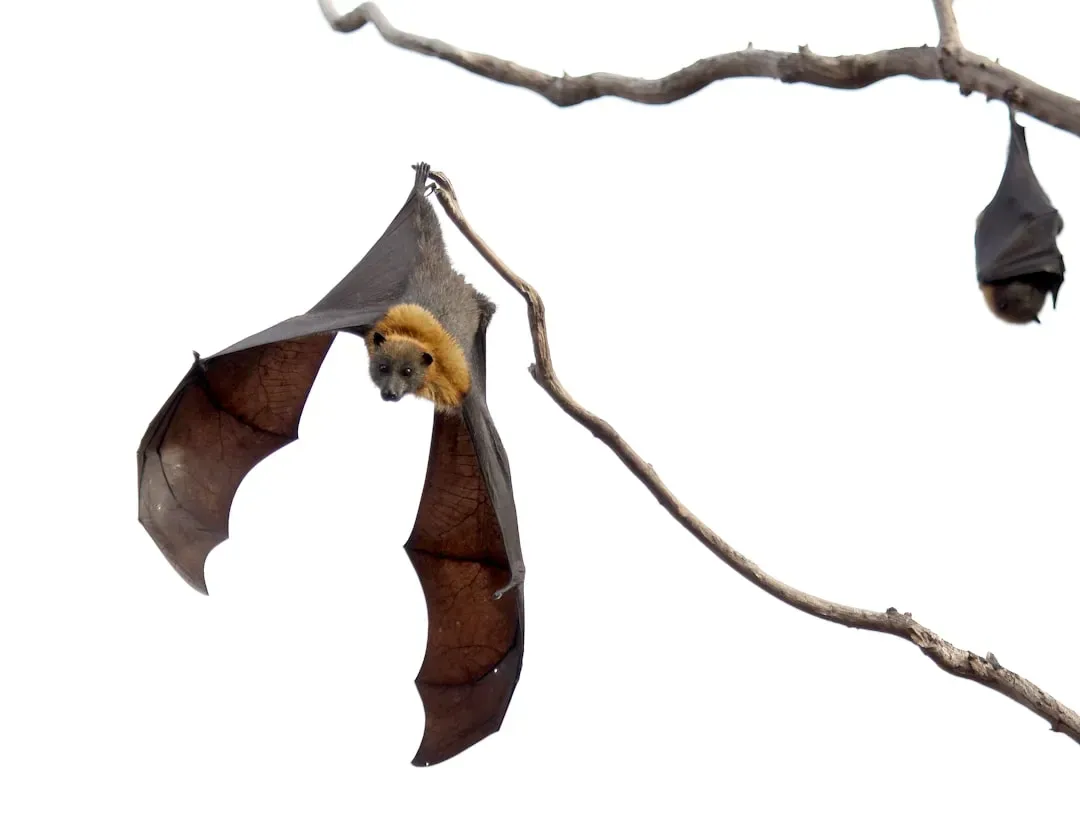
Bats are everywhere. There are roughly one in five of all mammal species on Earth that is a bat. So you’d expect their evolutionary family tree to be mapped out clearly. Yet here’s the uncomfortable truth: for paleontologists, bats are mysterious for a very particular reason – they don’t know where they came from. The oldest bat fossils date to around 50 million years ago. That’s already deep time, yet what came before remains a black hole in the fossil record.
Every bat fossil known is unmistakably a fully formed bat. The fossils that would represent their immediate predecessor species have never been found. It’s like finding a finished jigsaw puzzle with the first hundred pieces simply missing. Based on their phylogenetic position, the earliest ancestors of bats may have been small tree-climbing shrew-like animals who evolved flight while leaping in pursuit of insects. They might even be closely related to an obscure group called nyctitheriids, but without a lucky find of an exceptional fossil, scientists simply don’t know. The missing link for bats is one of paleontology’s most frustrating open files.
How Did the Non-Avian Dinosaurs Actually Go Extinct?
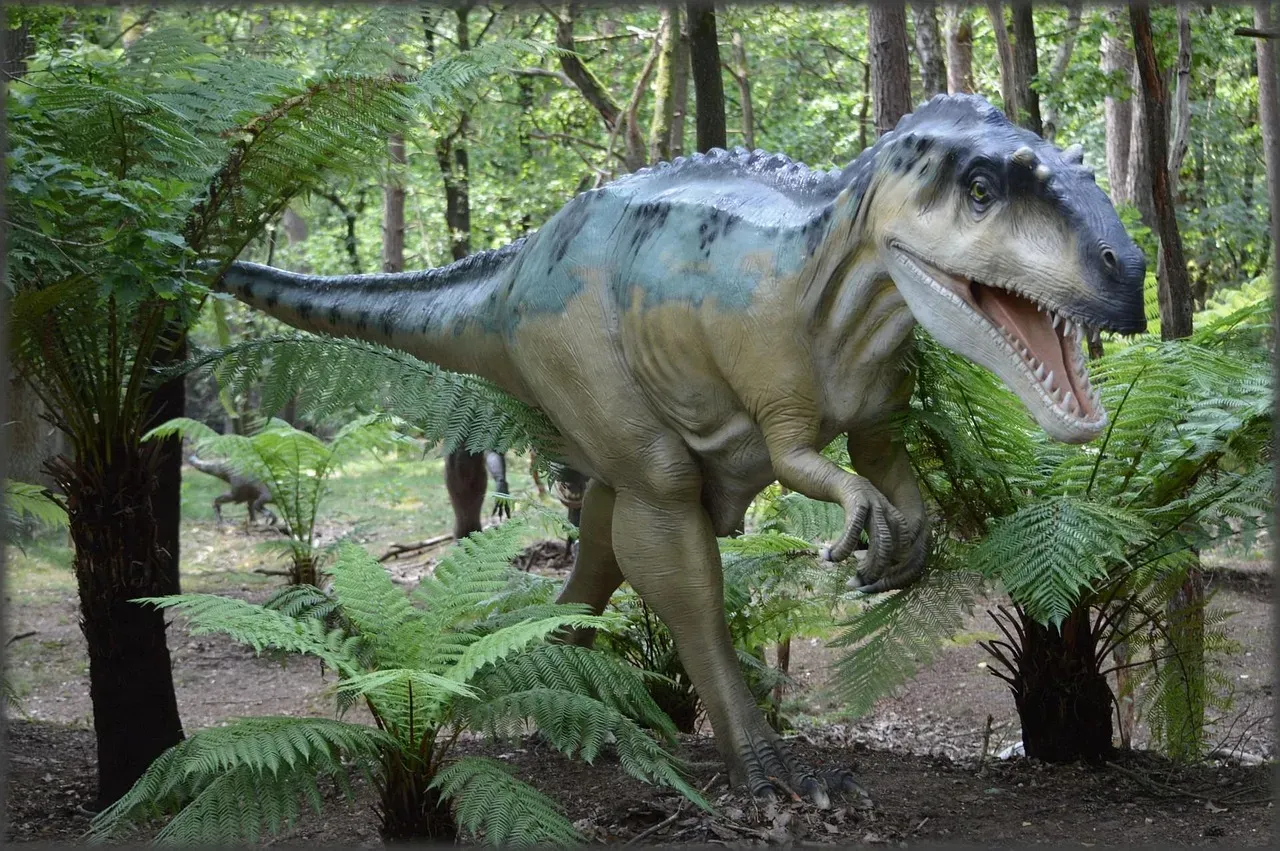
Yes, you’ve heard the asteroid story. The massive rock hit about 66 million years ago, near present-day Mexico, and set off a catastrophic chain of events. Most people consider this case closed. It isn’t. A massive asteroid struck the planet at that time, following a protracted period of global ecological change and intense volcanic activity in a spot called the Deccan Traps. Paleontologists haven’t fully pieced together how all these triggers translated into a mass extinction that killed off all the non-avian dinosaurs. Not to mention that most of what we know about the catastrophe comes from North America, even though dinosaurs lived around the globe.
The deeper question is about the sequence of events, the timeline, and why some lineages survived while others vanished completely. Recent discoveries have added even more complexity to an already tangled story. A Science study reported that an array of dinosaurs found in New Mexico lived within 400,000 years of the impact and were not millions of years older, as previously reported. Paleontologists found this community was made up of different species and even different dinosaur groups than equivalent communities found to the north. Not only does this suggest dinosaurs were spinning off new species right until the end, but the identification of several dinosaur communities hints that undiscovered dinosaurs may still be lying in rocks that date to just before the mass extinction. The extinction, in other words, may be far more complicated than any single dramatic event.
How Big Was the Biggest Dinosaur? Nobody Truly Knows
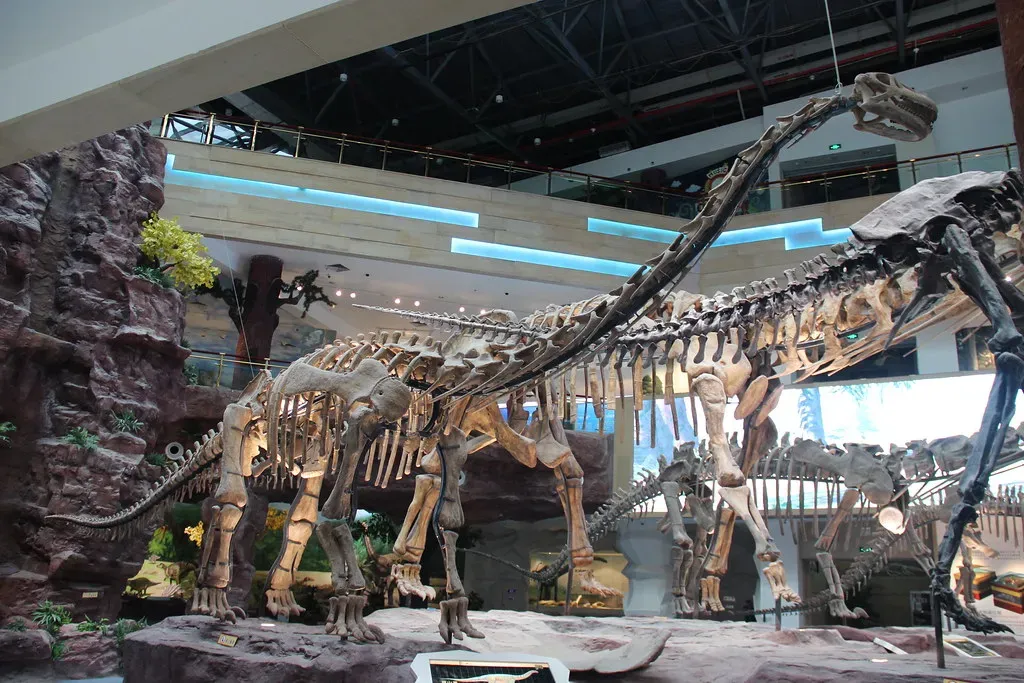
This one sounds like it should have a definitive answer by now. You’d expect science to have a winner. A leaderboard. A clear champion. It doesn’t. Picking out a clear winner for “biggest dinosaur” is confounded by quirks of evolution and the fossil record. Instead of just getting bigger on a straight trajectory through the entire Age of Dinosaurs, titanic sauropods evolved multiple times. That complicates the comparison enormously.
There’s enormous leeway in size estimates because the biggest dinosaurs are only known from partial skeletons, typically less than half the skeleton, sometimes down to just one part of a single bone. That means paleontologists have to rely on smaller, more complete cousins of the giants to come up with size estimates, and these figures are often revised as researchers unearth new fossils. With so many huge dinosaurs topping out at around the same size, more complete fossils are needed for a definitive size check. It’s a bit like trying to guess the height of a building when you can only see two windows. A frustrating, ongoing guessing game that new digs keep reshuffling.
The Ediacaran Biota: Life Before Life As We Know It
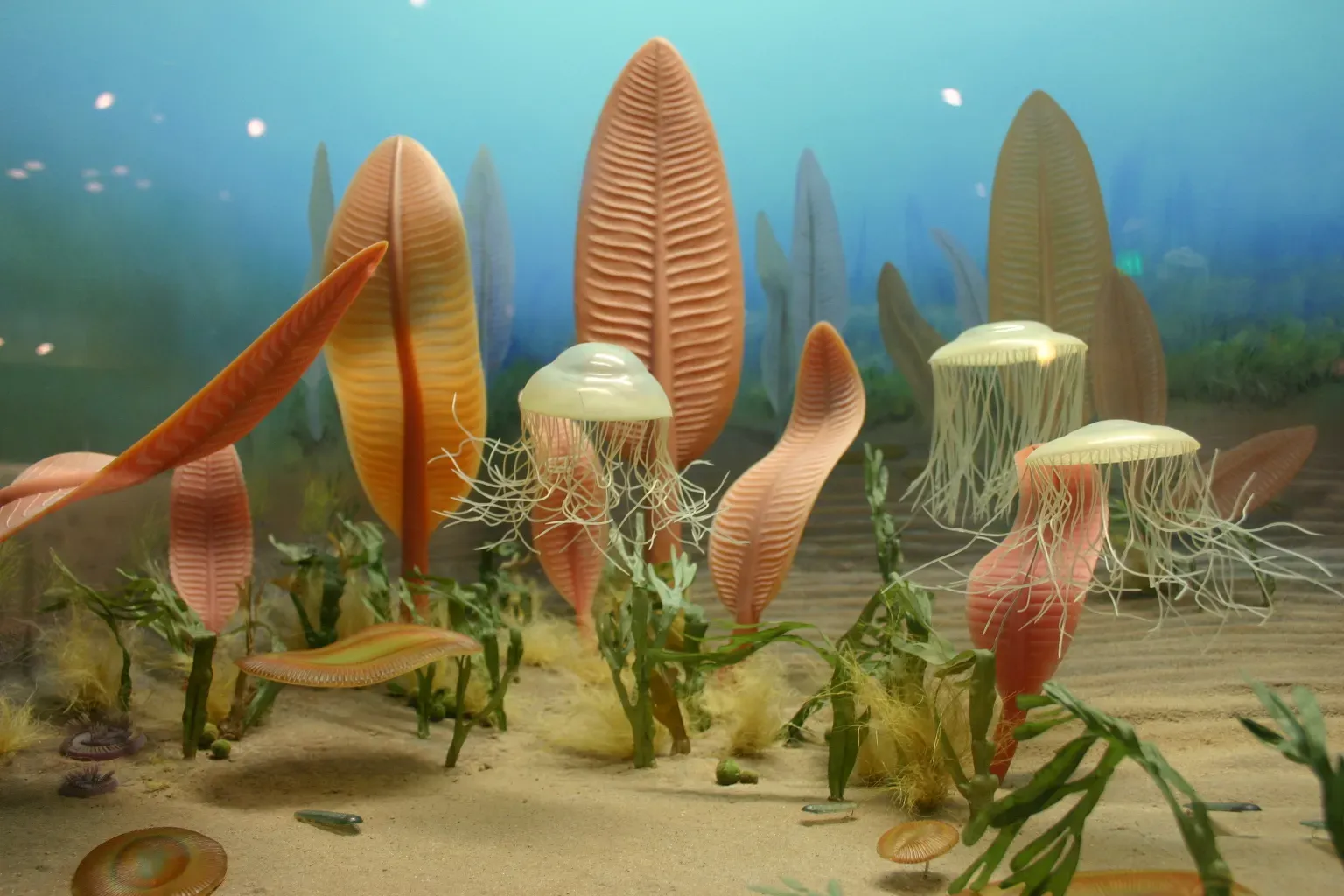
Rewind to a world before shells, before jaws, before anything that resembled the animals you’d recognize today. The Ediacaran period, roughly 635 to 542 million years ago, was populated by organisms so strange that scientists still argue about whether they were animals, fungi, algae, or something with no living equivalent at all. Although Precambrian fossils have been known since the mid-1800s, the overwhelming belief among 19th and early 20th century scientists was that complex life couldn’t have originated that early, meaning such discoveries either weren’t taken seriously or were forcibly assigned to a Cambrian age.
Think of the Ediacaran organisms as nature’s first rough draft, soft-bodied, flat, frond-like, disk-shaped puzzles preserved in sandstone. A wide variety of strange soft-bodied fossils have been identified from over 30 different localities around the world, on every continent except Antarctica, dating to ages from over 600 to 542 million years ago. They’re now known as the Ediacaran biota, after the Ediacara Hills in Australia where some of the most famous examples have been found. A few show possible similarities to known groups, but scientists still don’t know what sort of lifeforms most of them actually were. Some paleontologists suggest they were a completely separate experiment in multicellular life that was simply wiped out, leaving no living descendants. That’s a haunting thought.
What Was Nanotyrannus: A Unique Species or Just a Teenage T. Rex?
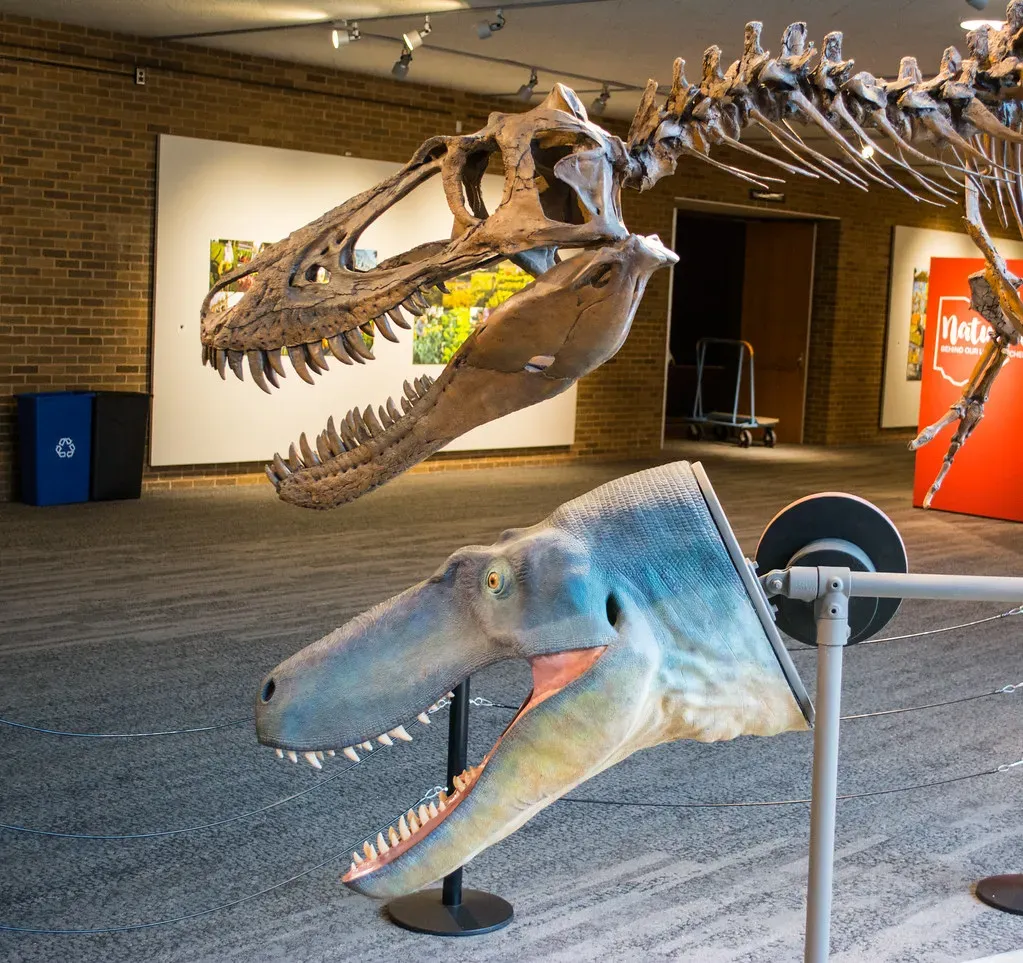
Few debates in paleontology have been as long, as heated, or as publicly entertaining as the Nanotyrannus saga. For decades, paleontologists argued over the lone skull used to establish the distinct species Nanotyrannus. Was it truly a separate species or simply a juvenile Tyrannosaurus rex? The question may sound straightforward, but it has enormous implications for how we understand the entire ecosystem of Late Cretaceous North America.
Recent evidence has started to tip the scales, though the debate is far from buried. The recent findings followed a 2024 paper that found more than 150 differences between disputed Nanotyrannus specimens and fossils of T. rex. A second study in Science, from different researchers, came to the same conclusion based on the fact that the first skull named Nanotyrannus appears to be a mature animal and not a juvenile. The find will cause paleontologists to reconsider how T. rex grew up and how both predatory species coexisted. It’s a reminder that even the most famous creatures in prehistoric history can still surprise us, sometimes dramatically so, decades into the investigation.
The Ancient World Still Has Questions Left to Answer
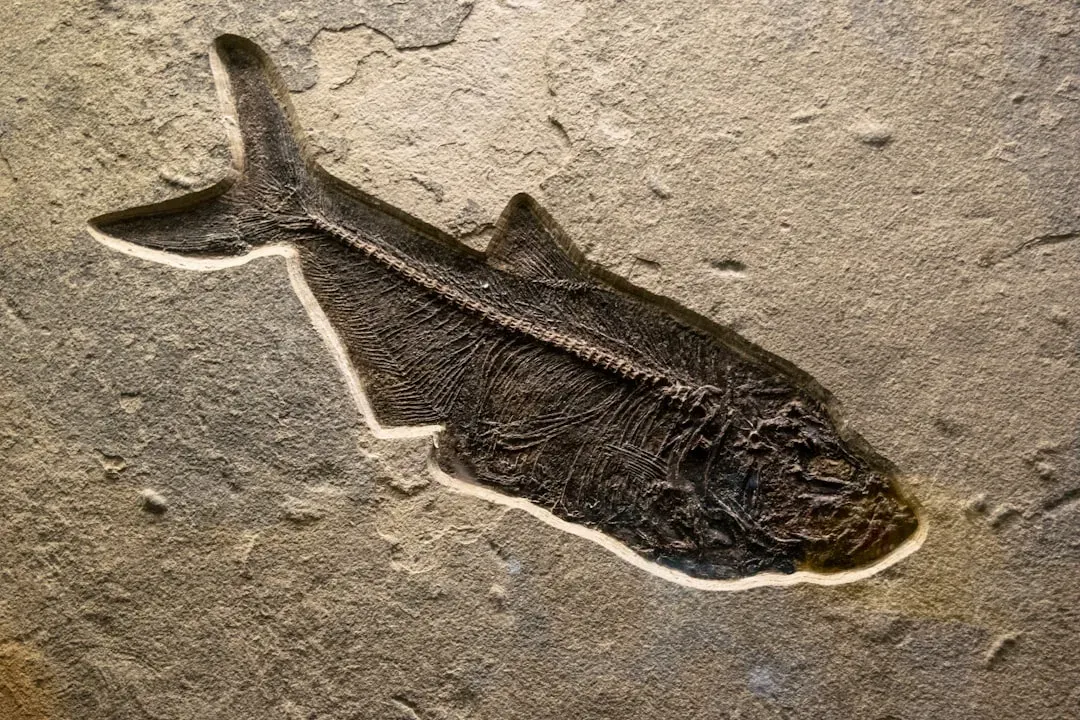
There’s something quietly thrilling about the fact that the deep past is still so full of open doors. With every new fossil, every scan, every breakthrough in molecular analysis, the picture sharpens, then blurs in unexpected places. Paleontology is the study of prehistoric life forms on Earth through the examination of plant and animal fossils, including body fossils, tracks, burrows, fossilized feces, and chemical residues. It is, at its core, an art of inference and imagination, guided by science.
What’s remarkable is that tools are advancing faster than ever. Scientists extracted and sequenced ancient RNA from 39,000-year-old woolly mammoth tissues in 2025, a breakthrough because RNA degrades much faster than DNA and almost never fossilizes. This marks one of the first successful recoveries of gene-expression material from deep time. RNA reveals physiology, gene regulation, and cellular activity that DNA alone cannot show. The ancient world is being interrogated with 21st century tools, and the answers that come back are both thrilling and humbling.
Each of these eight puzzles is a reminder that the Earth keeps secrets on a geological scale. You can dig for a lifetime and still find something that breaks every rule you thought you understood. Perhaps that’s not a failure of science. Perhaps that’s science working exactly as it should, leaving just enough mystery to keep the next generation digging. What ancient puzzle would you most want to see solved in your lifetime?