There is something deeply humbling about standing beside a rock and realizing it has existed for longer than the concept of time itself. Our planet has been sculpting, collapsing, erupting, and rebuilding for billions of years, and scattered across its surface are monuments to that extraordinary history. These formations are not just pretty landscapes. They are chapters in a living textbook, each one holding secrets about volcanic fury, ancient oceans, shifting continents, and the slow, patient work of water and wind.
From the sun-baked deserts of Australia to the frozen depths of Canada’s Northwest Territories, from a cave in Mexico so deadly you cannot survive inside it unprotected to a canyon that literally shows you two billion years of Earth’s past in a single glance down its walls, these geological wonders never stop surprising. You might think you know what Earth looks like. These eight formations will prove otherwise. Let’s dive in.
The Grand Canyon, USA – Earth’s Most Readable History Book
Honestly, the Grand Canyon might be the single most dramatic example of geological storytelling on the planet. The geology of this area includes one of the most complete and studied sequences of rock on Earth, with nearly 40 major sedimentary rock layers exposed in the canyon ranging in age from about 200 million to nearly 2 billion years old. When you look down from the rim, you are not just seeing a canyon. You are watching time unfold, layer by layer, like the pages of a book.
The Grand Canyon was formed over millions of years through a combination of Colorado River erosion, tectonic uplift, and weathering, revealing nearly two billion years of Earth’s geological history. What makes this place feel almost impossible is the Great Unconformity, a massive gap in the record buried within the walls. The length of time represented by the Great Unconformity varies along its length, and in some parts of the Grand Canyon, a period of 175 million years is simply “missing” between the Cambrian Tonto Group sandstones and the Grand Canyon Supergroup. A lost chapter. Swallowed by time.
The Acasta Gneiss, Canada – The Oldest Known Rock on Earth
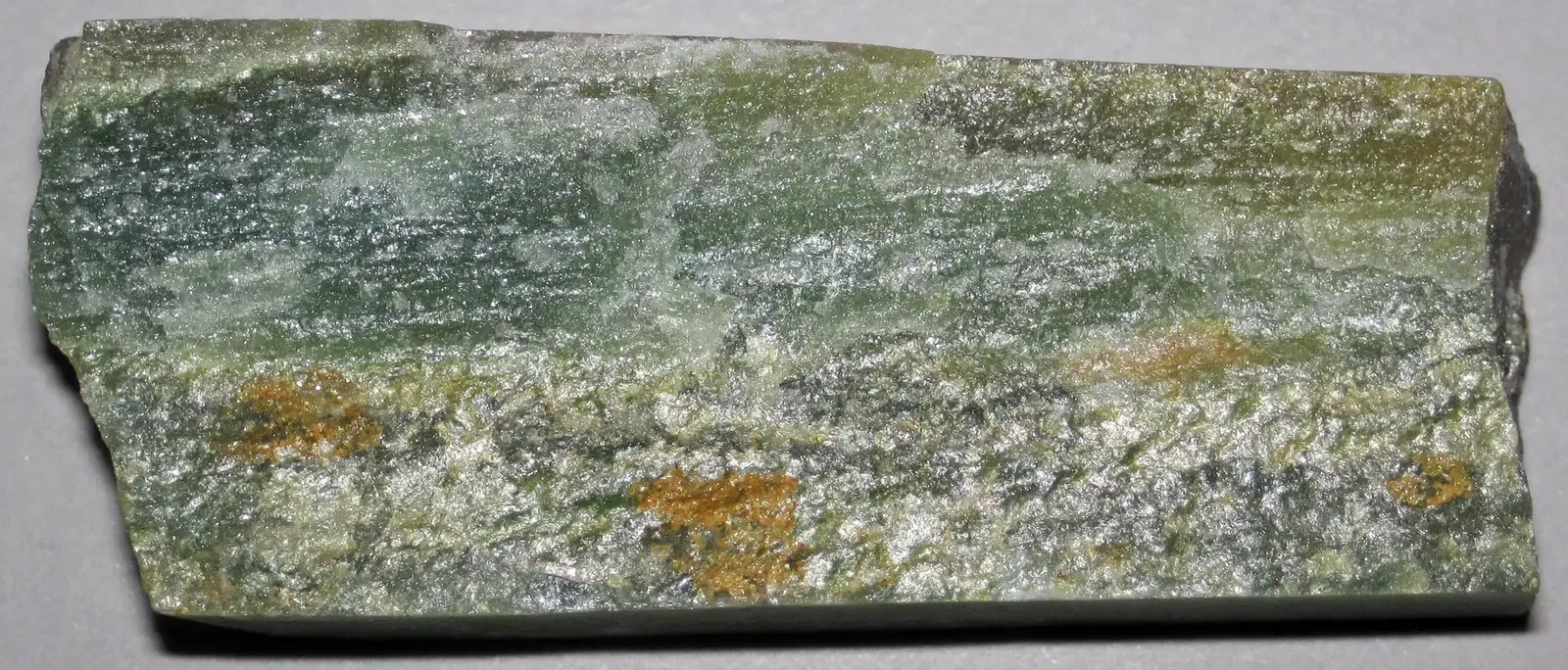
Here is a fact that should stop you in your tracks. The Acasta Gneiss of Northwest Canada, dating back 4.03 billion years, holds the title of Earth’s oldest exposed rock formation. Think about that for a moment. When these rocks formed, the Earth was barely recognizable. No continents as you know them. No life. No oxygen. Just raw, violent planetary chemistry, and these rocks survived all of it.
The Acasta Gneiss formed during Earth’s earliest geological period, the Hadean eon. These ancient rocks originated as igneous formations that underwent intense metamorphic processes, transforming them into the banded gneiss we see today. It’s a bit like finding a handwritten letter from the very first day of the universe. Scientists have dated these rocks using uranium-lead radiometric dating of zircon crystals found within the formation, determining that the Acasta Gneiss is approximately 4.03 billion years old, making it the oldest known exposed rock formation on Earth.
Uluru, Australia – The Iceberg of the Desert
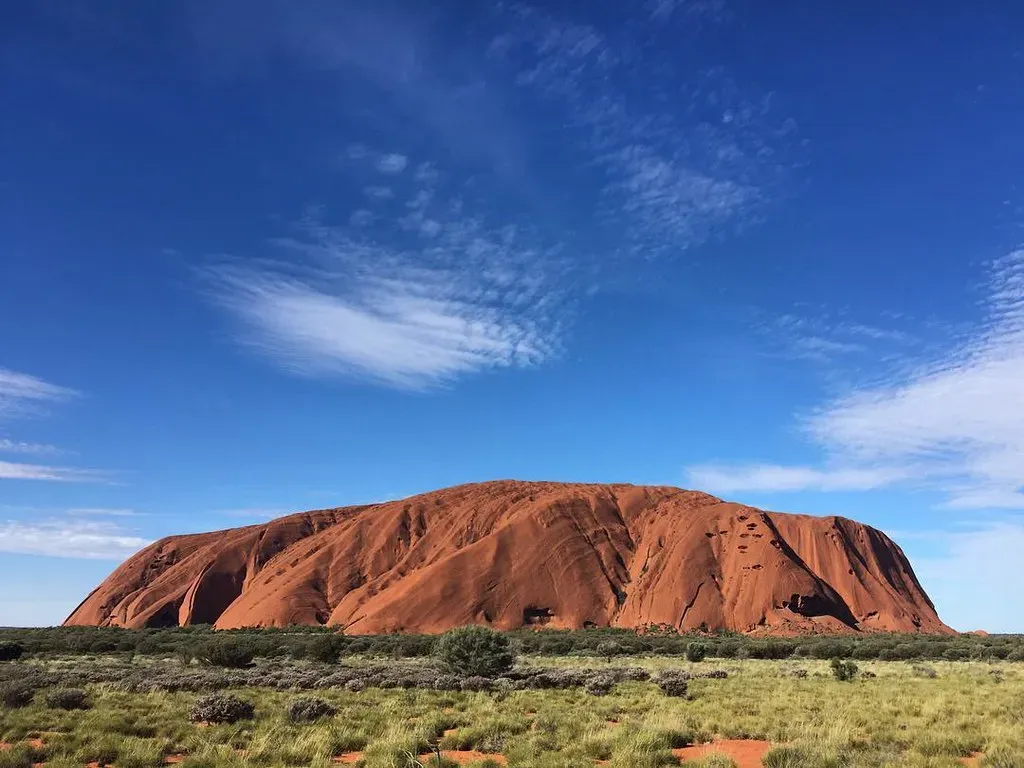
You think you see Uluru when you visit it in the Northern Territory of Australia. You don’t. Not really. Uluru is a roughly 550 million year old isolated rock of arkosic sandstone. It has been tilted on its side by 90 degrees since its formation, and it continues for possibly 5 to 6 kilometers below the surface, sort of like an iceberg. What you see above the ground is barely the beginning of what this ancient rock actually is. That, to me, is genuinely mind-bending.
Erosion of surrounding sediment has revealed the more resistant arkose sandstone of Uluru, and these formations are thought to be only the tips of much larger sections of rock which actually extend deep into the Earth. The red glow it produces at sunrise and sunset comes directly from its geology. The Mutitjulu waterhole displays indigenous artwork on the surrounding rock and a crystal clear reflection of the red sandstone above it, where the red colour is obtained from iron oxide impurities in the rock.
The Giant’s Causeway, Northern Ireland – Nature’s Perfect Geometry
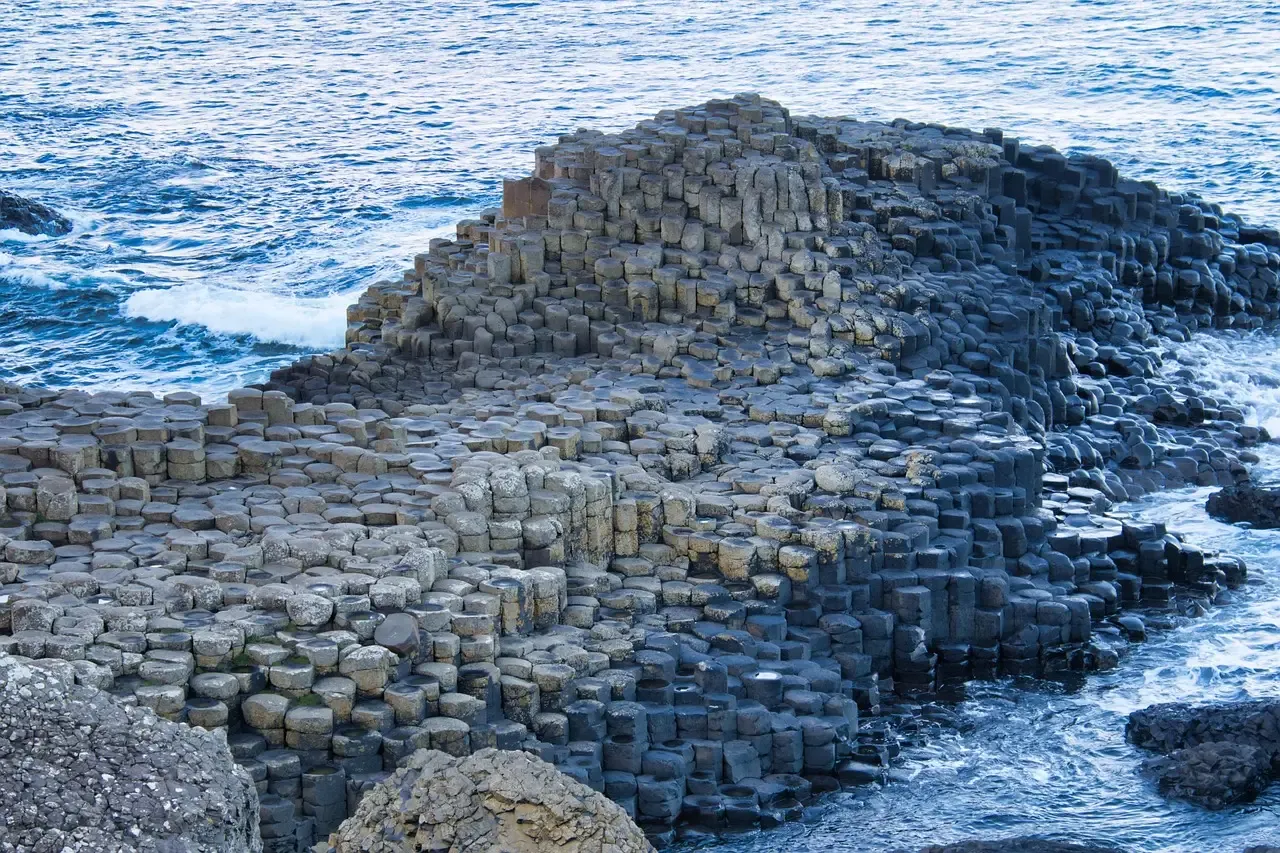
There’s something almost suspicious about the Giant’s Causeway. The columns are so perfectly shaped, so mathematically precise, that your brain keeps insisting someone must have built them. Nobody did. Over 40,000 basalt hexagonal columns make up the Giant’s Causeway on the northeast coast of Northern Ireland, forming one of the most interesting geological sites in Europe. The columns formed when hot, mafic volcanic rock cooled and contracted into hexagonal columns.
The legend behind it is equally spectacular. The Giant’s Causeway consists of more than 40,000 interlocking volcanic rock pillars, most of which are hexagonal. Legend has it that the giant Finn McCool fashioned the Giant’s Causeway to walk across the sea to Scotland and face his great rival Benandonner. It was declared a World Heritage Site by UNESCO in 1986. Let’s be real, it deserves every bit of that recognition. It’s the kind of place that makes you feel both tiny and astonished at the same time.
The Eye of the Sahara (Richat Structure), Mauritania – Earth’s Giant Bullseye
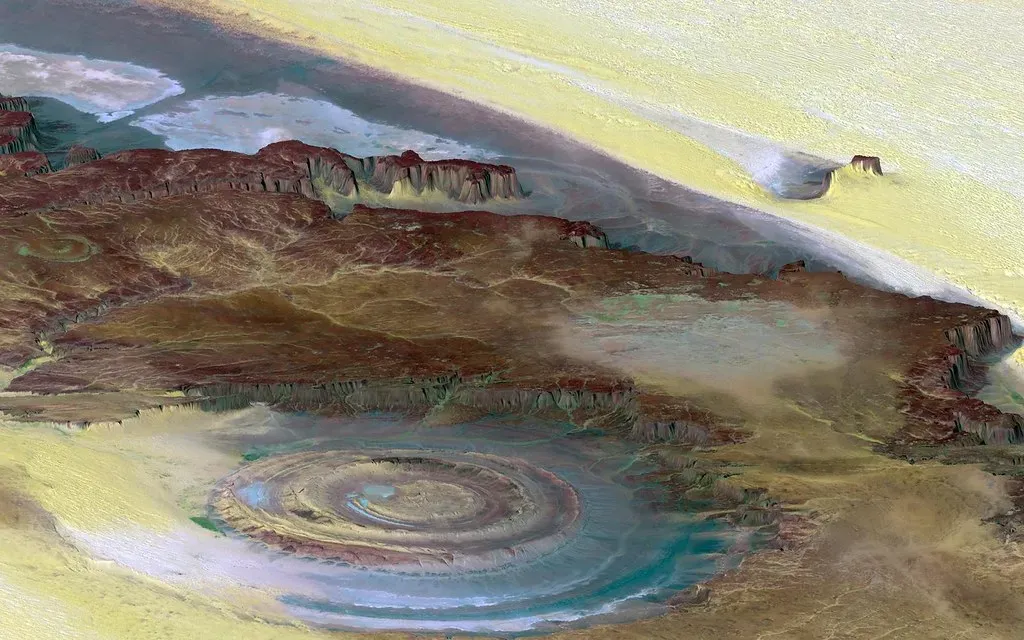
Typically known as the Richat Structure, the Eye of the Sahara is a geological formation that spans 40 kilometers and looks like a bull’s eye from the sky. From ground level, you would never suspect anything unusual. It is only when you pull back, far enough to see it from space, that this structure reveals its jaw-dropping, concentric ring geometry. Astronauts famously used it as a navigation landmark during early space missions.
Geologists initially thought the site was created by an asteroid impact, but there isn’t enough melted rock among the rings to support this theory. Similarly, there’s no evidence to suggest a volcanic eruption. The current leading idea is more fascinating than either of those. More recently, geologists have proposed that the Eye of the Sahara could be an eroded, collapsed geological dome, formed some 100 million years ago when the supercontinent Pangea broke up. Ancient rocks found on its surface originated as much as 125 miles beneath the Earth’s crust, predating all life on Earth. It’s hard to say for sure, but this formation may be one of the most genuinely mysterious places on the planet.
The Wave, Arizona, USA – Dunes Frozen in Time
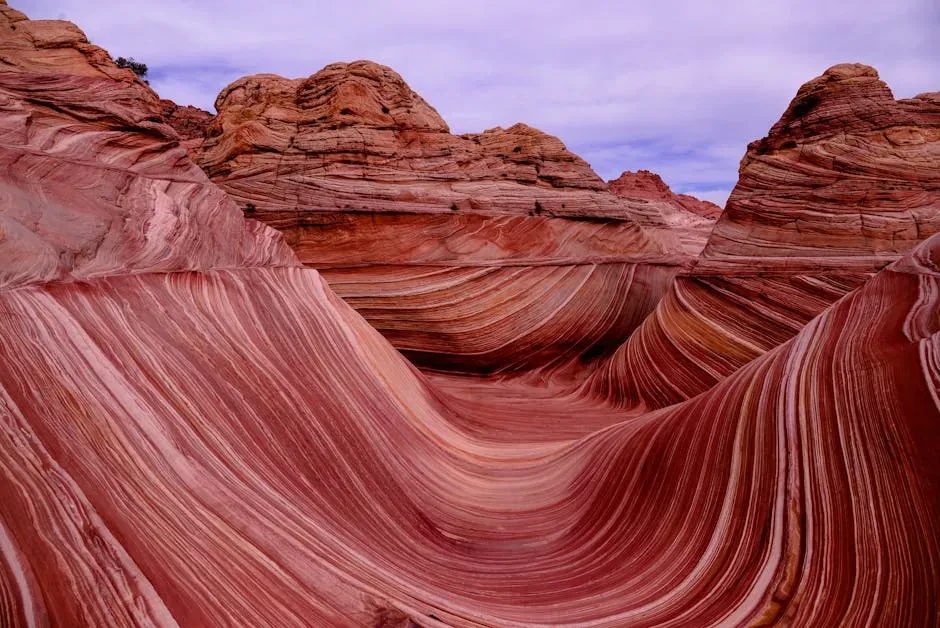
If you showed someone a photograph of The Wave without context, they might assume it was a CGI render from a science fiction film. It looks that otherworldly. The Wave, located in the Coyote Buttes area of the Paria Canyon-Vermilion Cliffs Wilderness in Arizona, USA, is a mesmerizing sandstone formation renowned for its unique geological features, with distinct undulating patterns and vibrant colors that have captivated visitors for years.
Back when dinosaurs roamed the Earth, wind blew sand across vast dunes in what is now Arizona. As the winds changed direction, the sand built up one way then another, gradually forming rippling, cross-bedded layers. Dinosaurs crossed the dunes, leaving footprints in the muddier slurry, along with swirled sediment from tiny landslides. Over the years, water rich with iron and manganese salts cemented the dunes into bright red rocks, petrifying their dramatic, swirling shapes. Due to its delicate nature, access to The Wave is limited and tightly regulated to preserve its pristine condition, with a limited number of permits granted daily through a lottery system.
The Cave of Crystals, Mexico – The Most Beautiful Place You Cannot Safely Enter
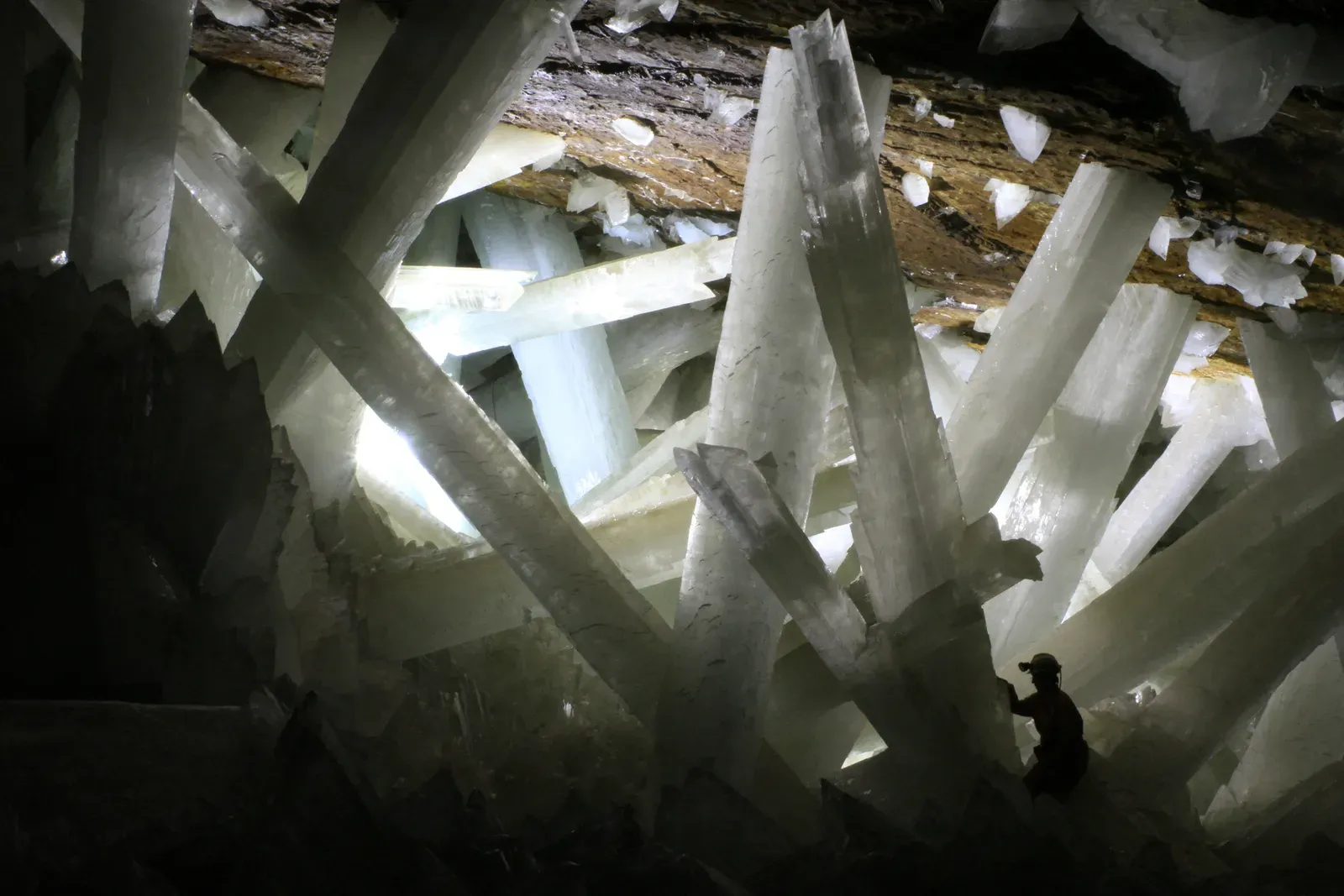
This is perhaps the most surreal geological formation on this entire list. Buried nearly a thousand feet beneath a mountain in Chihuahua, Mexico, is a cave that looks like the interior of Superman’s Fortress of Solitude. The cave contains some of the largest natural crystals ever found: translucent gypsum beams measuring up to 36 feet long and weighing up to 55 tons. These are not small, delicate crystals. They are enormous, gleaming white pillars that fill an entire cave chamber.
Roughly 26 million years ago, a mound of magma strained upward through the earth beneath southeastern Chihuahua, Mexico. This rising magma created the mountain near Naica and forced hot, mineral-rich waters into caverns and gaps in the limestone. It was in these waters that the giant crystals of Naica were born. The patience of geology is on full display here. Researchers estimate it took between 500,000 and 900,000 years in water under 58 degrees Celsius for the crystals to reach their current size. The cave’s interior reaches temperatures of 58 degrees Celsius with nearly 100 percent humidity, meaning an unprotected human can survive inside for only a matter of minutes.
The Nuvvuagittuq Greenstone Belt, Canada – A Possible Window Into Life’s Origins
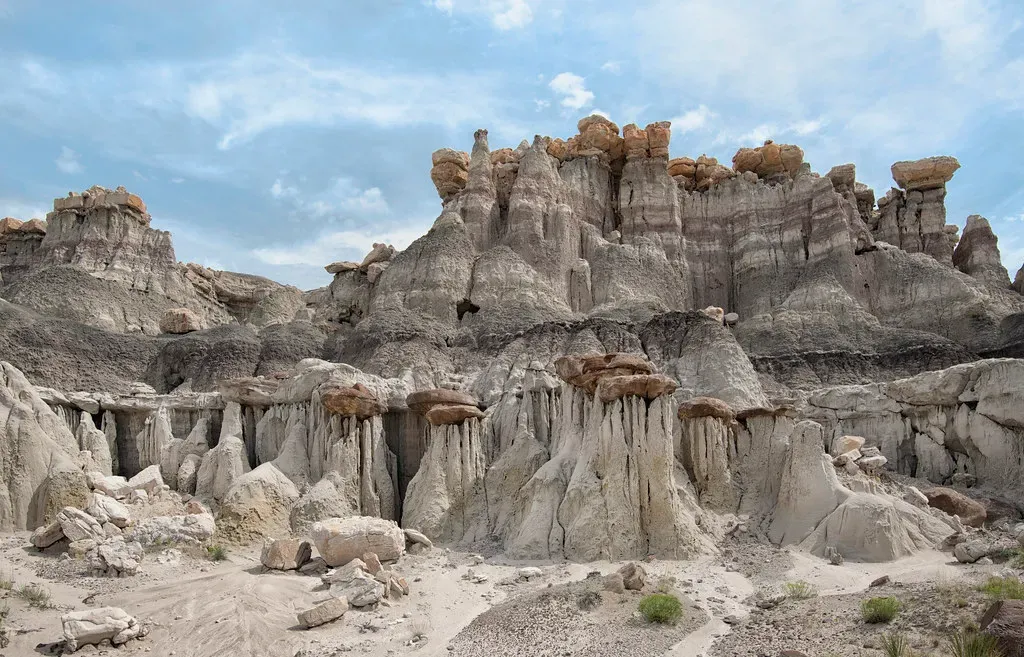
If you thought the Acasta Gneiss was ancient, the Nuvvuagittuq Greenstone Belt pushes things even further back into geological prehistory. The exposed remnant of this ancient ocean floor dates to 4.16 billion years ago, making it the only rock determined to be from the first of four geological eons in our planet’s history: the Hadean. This, in short, is the oldest piece of ocean floor humanity has ever found above the surface.
The fact that these are volcanic rocks erupted in an ancient ocean is documented by the presence of lava pillows. Lava that erupts underwater forms conspicuous pillow shapes as a crust solidifies instantly around the oozing lava as it spills out underwater. What makes this place arguably the most exciting formation on this list is the possibility of ancient life. A report published in 2017 provides evidence that fossils of microorganisms have been found in the Nuvvuagittuq rocks, which would be the oldest trace of life yet discovered on Earth. I think that deserves a moment of quiet awe. The oldest life. Hiding inside the oldest rock. On a coastline in northern Quebec.
Conclusion – The Planet Beneath Your Feet Is Older Than Imagination
What strikes me most about these eight formations is not just their visual drama, though that is undeniably spectacular. It is the sheer humility they inspire. Every canyon wall, every crystal beam, every ancient banded gneiss is a message from a version of Earth so distant from us in time that our entire human civilization, every war, every empire, every invention, is not even a rounding error in comparison.
You do not need to be a geologist to feel something profound when you stand at the rim of the Grand Canyon or look at a photograph of those giant crystals in Naica. These formations speak a language that bypasses science and goes straight to instinct. They remind you that this planet was here long before us and, given the right care, will be here long after. The next time you pick up a rock, even an ordinary one, you might want to wonder just how long it has been waiting to be noticed.
Which of these eight formations surprised you the most? Tell us in the comments below.