If you grew up loving dinosaur movies, there’s a decent chance your inner seven-year-old is about to feel a little betrayed. Hollywood has given us some iconic monster moments, sure, but when you compare many of these “prehistoric epics” to what paleontologists actually know, the gap is not just big – it’s downright ridiculous. Jurassic jungles stuffed with random species, cavemen riding dinosaurs, raptors the size of basketball players turned into six‑foot murder-lizards… it gets messy fast.
I still remember rewatching some of these films as an adult, pausing every few minutes to mutter, “That’s not how that works” like some grumpy museum curator. But here’s the fun twist: the scientific mistakes are often so over-the-top that they become part of the entertainment. So let’s lean into it. Below are eight prehistoric movies that got dinosaurs hilariously, spectacularly wrong – and what real science actually says was going on.
1. One Million Years B.C. (1966) – Cavemen, Dinosaurs, And A Timeline From Another Universe
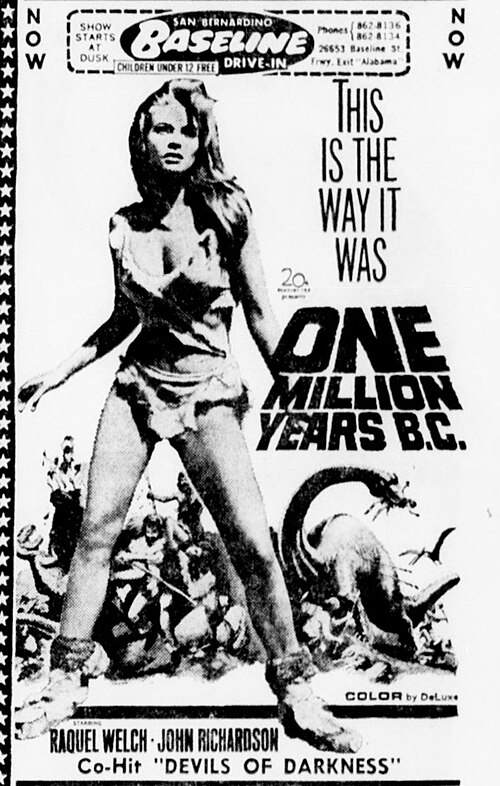
Let’s start with one of the biggest offenders: One Million Years B.C. cheerfully throws cavemen and dinosaurs into the same beach scene like it’s a prehistoric crossover event. In reality, non‑avian dinosaurs died out about sixty-six million years ago, while our own species, Homo sapiens, did not show up until roughly three hundred thousand years ago. That means there is a gap so huge between them that if you compressed Earth’s history into a single day, dinosaurs would be gone hours before humans even existed.
The movie also tosses together species that never shared the same time or place, like a prehistoric grab‑bag: various giant reptiles clashing with humans as if the entire Mesozoic era were one long chaotic theme park. Real dinosaurs lived in distinct ecosystems, separated by millions of years and entire continents, shaped by slow climate shifts and evolution. The idea of shaggy cave people dodging stop‑motion dinosaurs is great pulp fantasy, but as far as the fossil record is concerned, it might as well be a crossover between knights and astronauts.
2. The Good Dinosaur (2015) – What If The Asteroid Missed… And Evolution Checked Out Too?
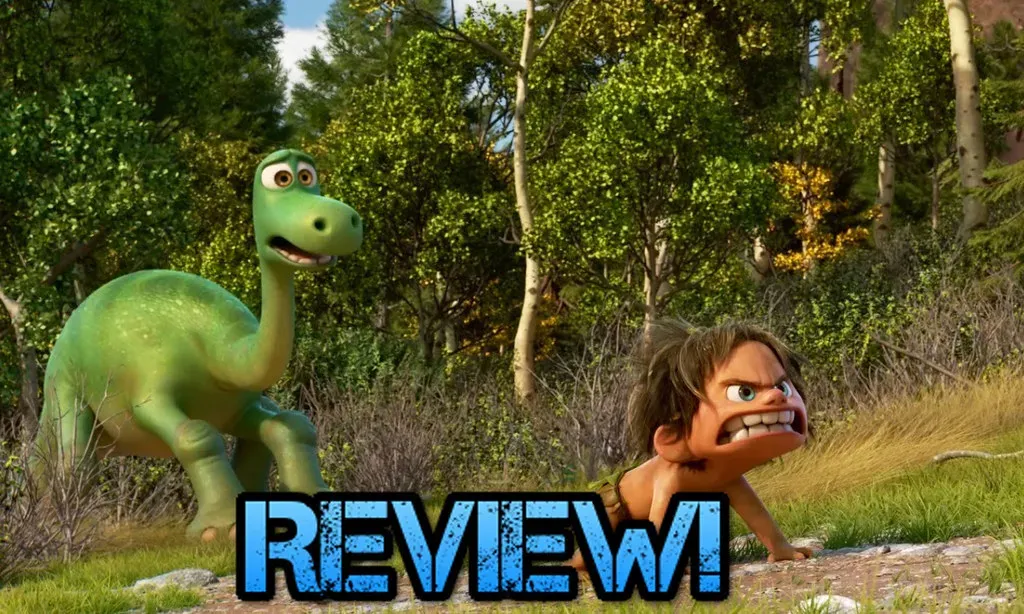
Pixar’s The Good Dinosaur is charming, but scientifically it’s like a kid’s drawing of prehistory that no adult in the room bothered to correct. The entire premise is that the asteroid never hit, so dinosaurs survived and evolved alongside early humans. Even granting that “what if,” the movie still has a major problem: humans simply would not be there. If non‑avian dinosaurs had continued ruling the planet, mammal evolution – and eventually primates and humans – would likely have followed a completely different, far less human‑friendly path.
Then there’s how the dinosaurs themselves are portrayed. They’re basically modern Western ranchers in dinosaur suits, plodding around like oversized lizards with cow personalities. Real dinosaurs were wildly diverse, especially in posture and movement: many were bird‑like, with agile bodies, complex behaviors, and in many species, feathers or filamentous coverings. The film never really engages with that science; it treats “dinosaur” as a single, generic body plan. It is sweet, emotional storytelling – but as an evolutionary thought experiment, it barely gets past the opening question.
3. Jurassic Park / Jurassic World (1993–2020s) – Iconic, Influential… And Stuck In The 1980s
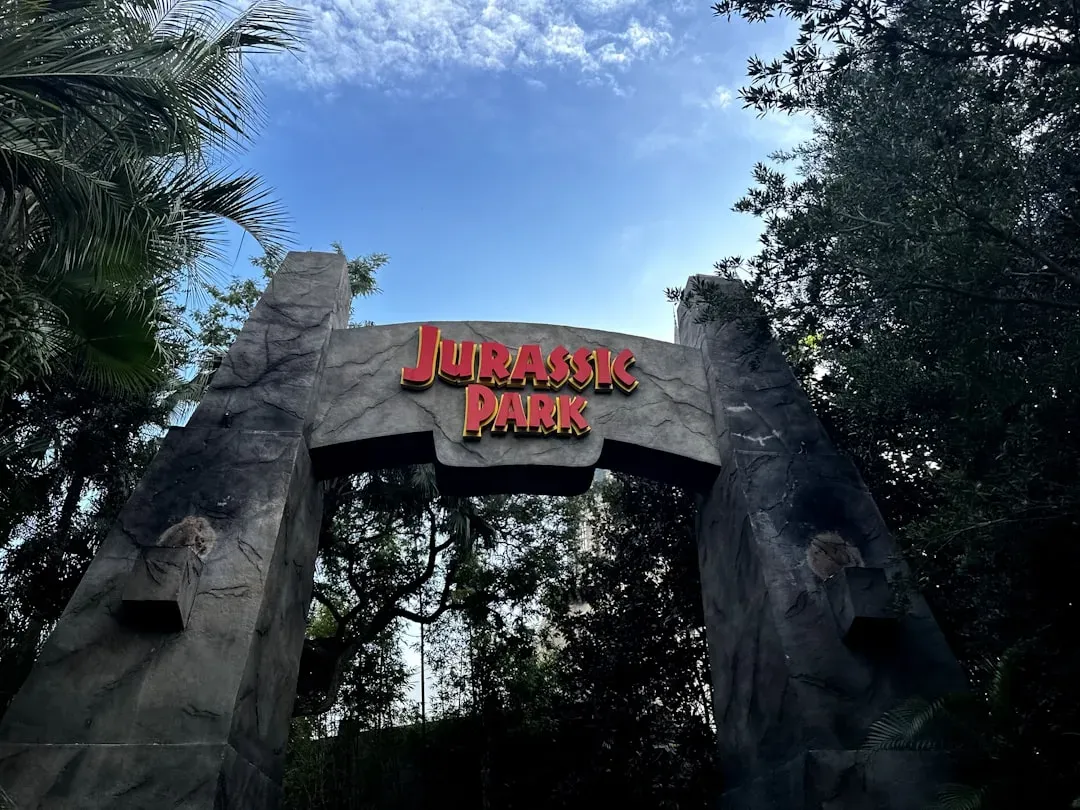
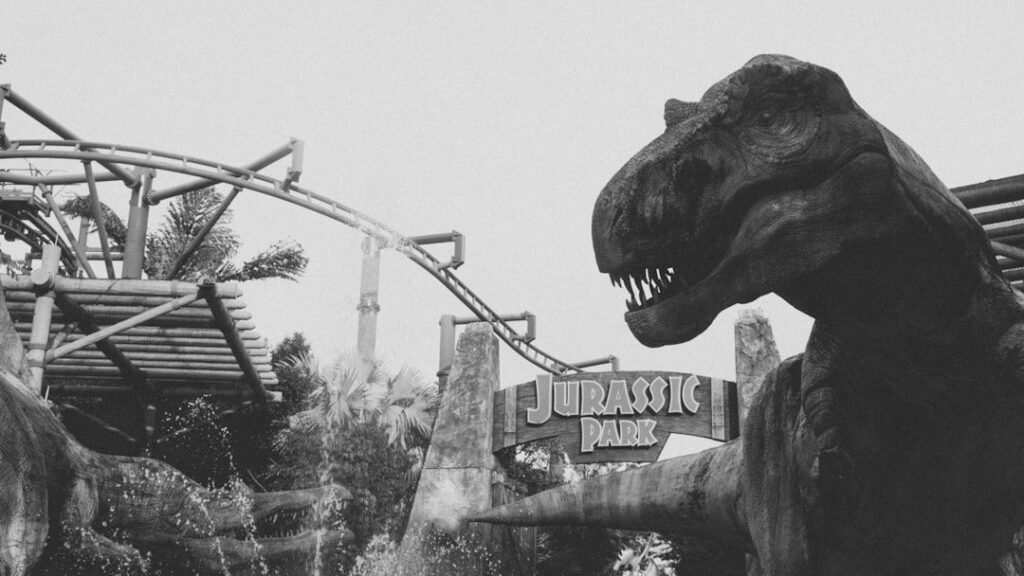
This one hurts, because the original Jurassic Park genuinely did move cinema closer to what scientists thought in the early 1990s: active, dynamic dinosaurs instead of sluggish swamp monsters. But even that first film played fast and loose, and the franchise since then has drifted further away from modern science while real paleontology sprinted ahead. The most infamous offender is the “Velociraptor” design: in real life, Velociraptor was coyote-sized and feathered, closely related to birds, not a six‑foot naked super‑raptor. Many researchers now treat it more like a deadly, highly specialized bird of prey than a scaly movie monster.
Across the franchise, the dinosaurs are generally too big, too scaly, and missing the plumage we now know many theropods had. Species are mashed into the wrong periods, their behaviors are exaggerated, and intelligence is often cranked up to near‑human levels for drama. Paleontologists have repeatedly pointed out that many of these animals should be fluffy, colorful, and bird‑like rather than reptilian. The films even acknowledge, in‑universe, that their dinosaurs are deliberately inaccurate “monsters” tuned for audience expectations. That honesty is refreshing, but it also cements Jurassic Park as a fantasy version of dinosaurs, not a scientific one.
4. Jurassic Park’s T. rex – The King Of Wrong Assumptions
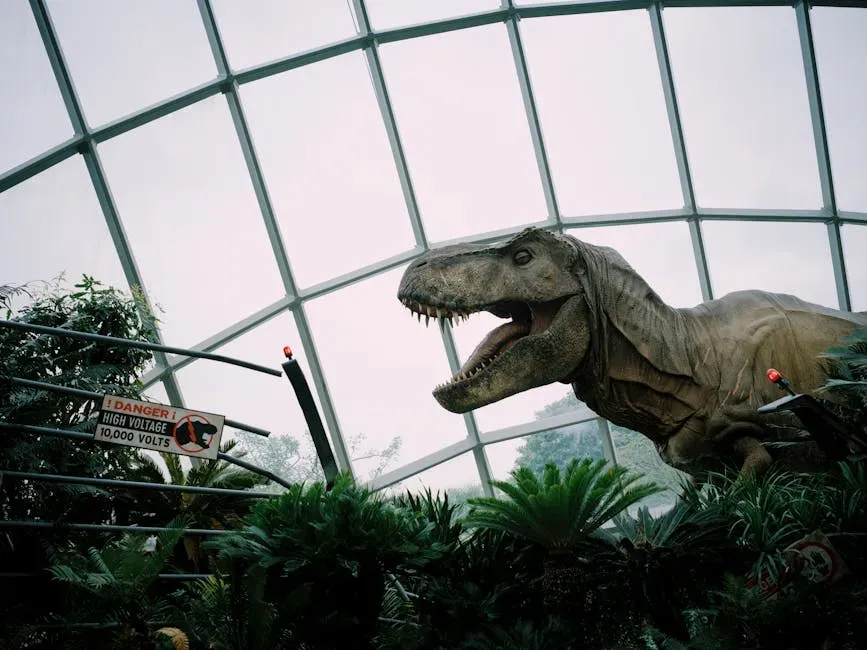
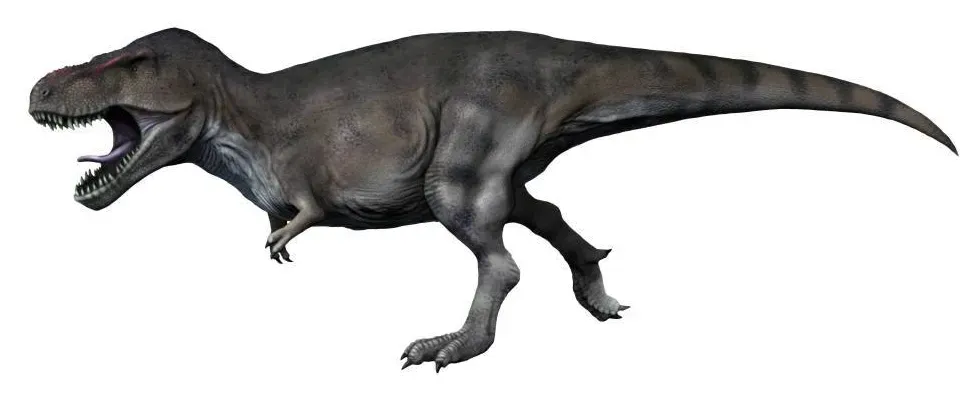
The Tyrannosaurus rex in Jurassic Park is one of cinema’s greatest monsters, but it’s also a walking pile of outdated assumptions. The film leans hard on the idea that T. rex’s vision was based on movement, so if a character stands perfectly still, the animal supposedly cannot see them. In reality, evidence from skull and brain studies suggests T. rex had forward‑facing eyes and excellent depth perception, more like a modern predatory bird than a clumsy reptile. Standing still in front of a hungry tyrannosaur would not be a stealth trick; it would be a last, very bad decision.
Then there is the look of the animal itself. The movie’s T. rex is a muscular, scaly brute with a studio‑designed roar stitched together from modern mammals. Fossil evidence and biomechanical studies suggest a more nuanced creature: likely a top predator and scavenger with a complex sensory toolkit, possibly capable of low, booming vocalizations instead of the iconic roar. While skin impressions show mostly scaly textures, some researchers argue that juveniles may have had sparse proto‑feathers, and that even adults could have had more variation than the movie version allows. The result is a T. rex that is unforgettable cinema, but increasingly distant from the animal scientists are piecing together.
5. Jurassic Park’s Velociraptors – Featherless Super‑Geniuses That Never Existed
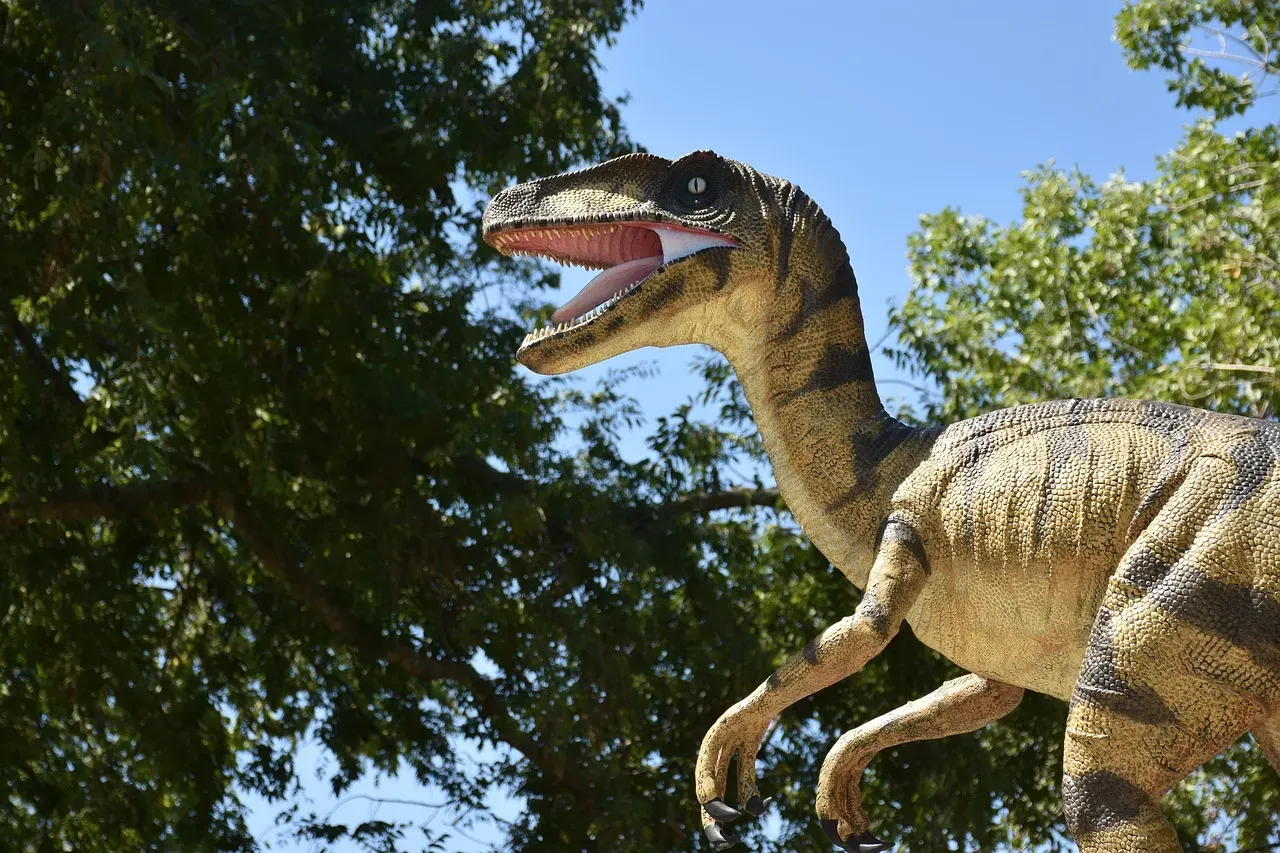
Ask any paleontologist which movie dinosaur makes them wince the hardest, and “Jurassic Park raptors” usually land near the top of the list. Real Velociraptor mongoliensis was a relatively small dinosaur, likely under a meter tall at the hip, armed with a sickle claw and a full coat of feathers. Fossils show quill knobs on the bones of its forelimbs, clear evidence for wing‑like feather attachments. The movie raptors, by contrast, are oversized, naked, and built more like a human in a lizard costume, right down to the eerily expressive eye level with adult actors.
Then there’s the brainpower. The films treat raptors as near‑human strategists, opening doors, running pack ambushes more complex than what we see in most modern predators, and trading meaningful glances. Real dromaeosaurs were probably smart – for dinosaurs. Some studies suggest intelligence comparable to modern corvids or other brainy birds, which is impressive but still a long way from “evil genius.” The cinematic raptor has imprinted a kind of urban legend into popular culture: a monster that never truly existed, stitched together from a smaller Mongolian dinosaur, a larger North American cousin, and a lot of screenwriting bravado.
6. The Land Before Time (1988) – Adorable, Heartbreaking… And A Biogeographical Train Wreck
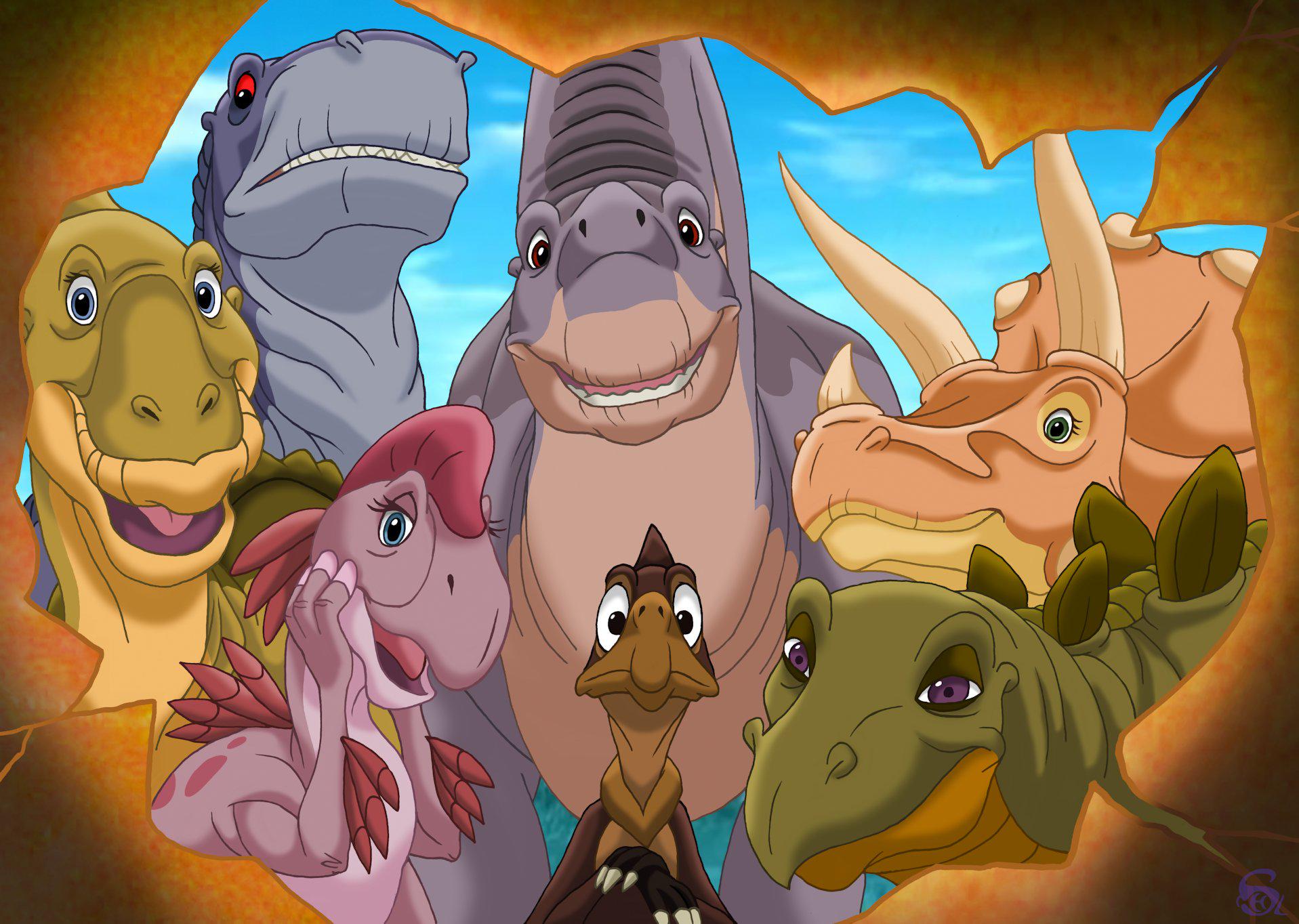
The Land Before Time is a childhood classic, and emotionally, it still hits hard. Scientifically, though, it throws together a cast of species that would never have met. Littlefoot the long‑necked sauropod, Cera the “three‑horned” ceratopsian, Ducky the hadrosaur, Petrie the pterosaur, and Spike the stegosaur are portrayed as best friends in one shared landscape. In reality, these animals lived in very different times and places across the Mesozoic, separated by millions of years and evolving in different environments. You might as well put a woolly mammoth, a sabertooth cat, and a modern house cat in ancient Greece and call them classmates.
The movie also leans into old stereotypes: herbivorous dinosaurs are gentle and childlike, while carnivores are mindless, roaring villains. The infamous Sharptooth is basically a slasher‑film T. rex that never stops hunting, while real predators would have been constrained by energy budgets, injury risks, and the need to rest and scavenge. While the film was never aimed at scientific accuracy, it quietly reinforces the idea that all dinosaurs lived together in one big melting pot and that they behaved like good guys and bad guys in a fairy tale. For paleontologists, that kind of simplification makes education harder later on.
7. The Flintstones (1994 Film) – Domestic Dinosaurs And Stone Age Appliances
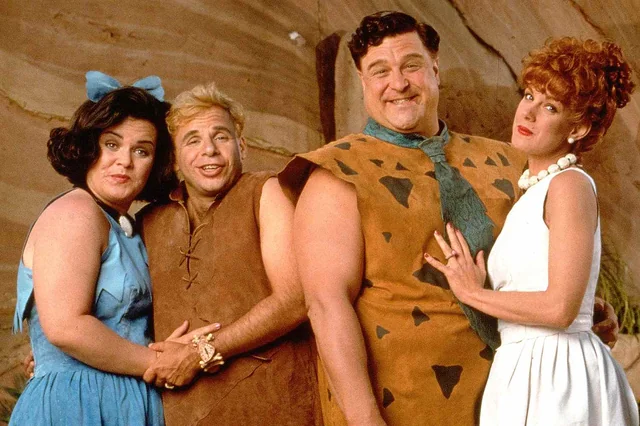
The Flintstones movie (and the cartoon it came from) takes the “humans and dinosaurs coexisting” idea and pushes it all the way into sitcom absurdity. Dinosaurs function as household appliances, construction tools, and pets, with cavemen living suburban lives in a kind of stone‑age parody of 1960s America. The scientific problem is the same as with other caveman‑and‑dinosaur stories: by the time anything like modern humans existed, the last non‑avian dinosaurs had already been gone for tens of millions of years. There was never a period where a family could casually adopt a baby brontosaur as a pet.
The film also jumbles species, sizes, and behaviors with zero regard for actual biology. Enormous sauropods are treated like trainable, docile beasts of burden, despite the fact that their size alone would have made close handling extremely dangerous, assuming humans had ever been there to try. Carnivorous dinosaurs are similarly turned into goofy, semi‑tame animals whose main job is to set up slapstick gags. It is deliberately silly, of course, but it cements one of the most stubborn public misconceptions: that humans and dinosaurs once shared the planet like neighbors, instead of being separated by an unimaginably deep gulf of time.
8. Dinosaur (2000) – Modern Mammals, Franken‑Ecosystems, And Talking Iguanodons
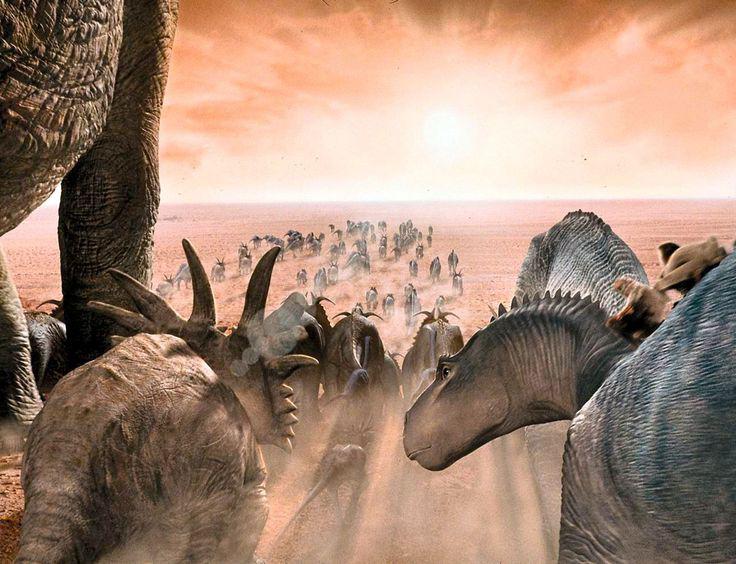
Disney’s Dinosaur tries harder than some live‑action films to show anatomically recognizable dinosaurs, but then undercuts itself with an impossible ecosystem. The main character, Aladar, is an Iguanodon raised by lemur‑like primates on an island that looks suspiciously modern. Non‑avian dinosaurs and primates never coexisted; early primates evolved well after the dinosaur extinction, and even their earliest relatives look nothing like the fluffy cartoon mammals in the film. It would be like putting kangaroos in a documentary about trilobites and expecting no one to notice.
The film also merges different dinosaur groups and time periods into one migration story, ignoring how specific real fossil sites and ages truly are. Behavior is anthropomorphized to the point where complex, human‑style social politics replace anything grounded in modern animal behavior or what we can infer from trackways and bone beds. As a kid, I loved how moody and epic it felt; as an adult, it plays more like a fantasy road movie wearing a thin dinosaur mask. The actual Late Cretaceous world was stranger, subtler, and in many ways more interesting than anything the film dares to imagine.
Conclusion – Why These Dinosaur Fails Still Matter (And Why I Still Watch Them Anyway)
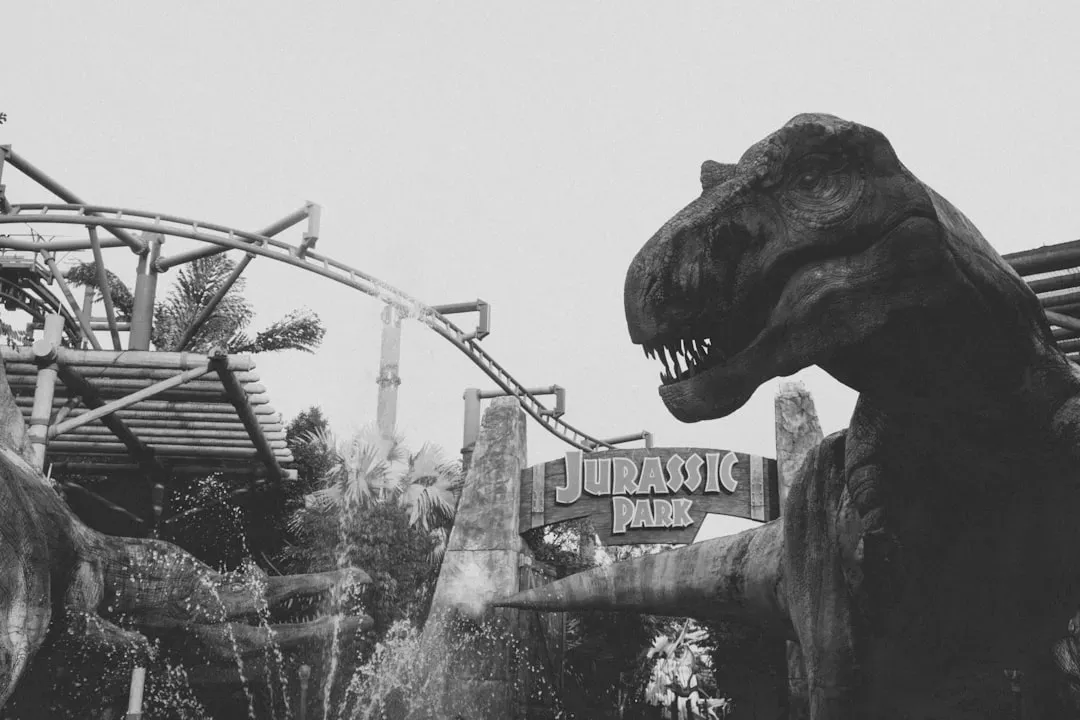
Looking back at these movies, it is tempting to just roll our eyes and laugh at how wrong they are, then move on. But they really do shape how people picture prehistoric life. When nearly half of what the public “knows” about dinosaurs comes from a handful of movies, getting the basics painfully wrong – timelines, feathers, intelligence, behavior – does more than annoy paleontologists. It buries the real animals under layers of cinematic mythology, so that accurate reconstructions can feel “wrong” simply because they do not match the movies. That is backwards, but it is the reality anyone teaching dinosaur science has to push against.
At the same time, I cannot pretend these films did not spark genuine curiosity; some of the most hard‑core dinosaur nerds I know started with exactly these messy, inaccurate movies. The problem is not that they mix fantasy and science – it is that they rarely admit how much is fantasy. The most exciting shift in recent years is seeing more media embrace weird, feathered, bird‑like dinosaurs and lean into what the evidence actually shows, rather than clinging to scaly monsters from decades past. Maybe the real question is this: now that we know better, do we really want to keep watching the same old wrong dinosaurs forever?