
You know that feeling when your mind feels like a browser with seventy-three tabs open? Where every thought competes for attention, nothing feels finished, and you’re somehow exhausted from doing very little? Let’s be real, most of us are living in a constant state of mental clutter. We scroll, we stress, we caffeinate, we crash. Then we wonder why focus feels so impossible.
Here’s the thing though. Mental clarity isn’t some mystical gift reserved for monks and productivity gurus. It’s something you can actually cultivate, starting today, with a few intentional daily rituals. Not hacks, not shortcuts, but real, science-backed practices that genuinely rewire how your brain operates. Think of these as gentle resets for your overworked mind. Small shifts that create surprisingly big changes in how sharp, calm, and present you feel throughout your day.
Start Your Day by Drinking Water Before Anything Else

Your brain cannot store water and has been deprived of fluids throughout sleep. This makes rehydration the absolute foundation of morning clarity, yet it’s something most people completely skip. You might reach for coffee first, but your brain is literally thirsty before it’s tired.
Even mild dehydration can affect memory, attention and mood. The impact is immediate and measurable. Consuming just 200ml (one glass) of water is sufficient to reduce thirst, anger, fatigue, and poor mood. Imagine addressing brain fog before you’ve even brushed your teeth. Try drinking a full glass within the first few minutes of waking up, ideally at room temperature so your body doesn’t have to work to warm it up.
Get Natural Light Exposure Within Your First Hour

Expose your eyes to natural light within the first 10–30 minutes of waking up. This helps regulate your circadian rhythm and primes your brain for focus. It sounds almost too simple, yet sunlight works on your brain chemistry in ways that artificial light simply cannot replicate.
Sunlight exposure suppresses melatonin, increases cortisol appropriately for morning hours, and improves immune function, metabolism, and focus. You don’t need a tropical beach for this ritual. Even viewing sunlight through cloud cover provides benefits. Step outside for a few minutes, stand by a window, or have your morning drink on your porch. Your brain will thank you hours later when you’re still alert and focused.
Practice Intentional Breathing for Just a Few Minutes

Most of us breathe on autopilot, shallow and rushed, matching the pace of our racing thoughts. “Deep breathing oxygenates the brain and regulates cortisol, creating what I call ‘alert serenity,'” and honestly, that phrase captures it perfectly. You’re calm but not sleepy, focused but not tense.
Box breathing is particularly effective: inhale for four counts, hold for four, exhale for four, then pause for four. Complete three cycles to activate your parasympathetic nervous system within 90 seconds, lowering stress hormones. This technique literally shifts your brain out of stress mode and into clarity mode. Try it before you check your phone or dive into work. The difference in how grounded you feel is remarkable.
Move Your Body, Even for Just Five Minutes

Even a short walk, light stretching or a few minutes of mobility work can improve blood flow to the brain. “Modest morning movement can improve working memory and mood regulation,” and the benefits extend far beyond physical fitness. You’re basically jump-starting your cognitive engine.
Physical activity stimulates blood flow to the brain, releases endorphins, and regulates stress hormones like cortisol, all of which sharpen focus and improve mood. You don’t need an hour at the gym or a fancy workout plan. A few stretches, some shoulder rolls, maybe a quick walk around your block. The key is consistency, not intensity. Movement tells your brain that you’re awake and engaged, not just passively existing.
Engage in Mindfulness or Meditation Practice
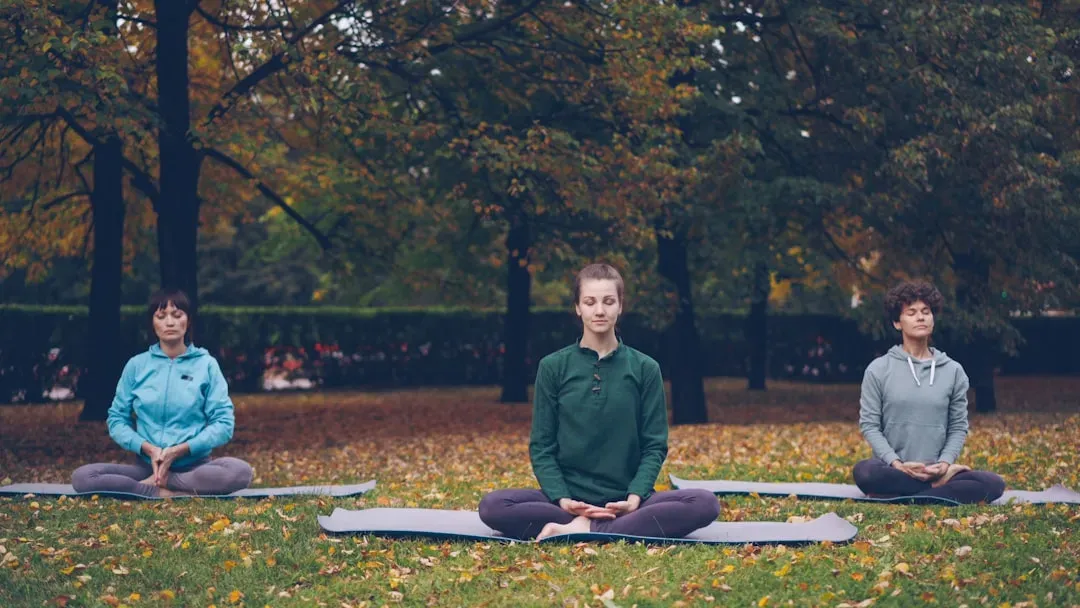
Mindfulness practices, such as meditation, can significantly improve mental resilience by promoting emotional regulation and reducing the impact of stress. Research by Kabat-Zinn (2003) has shown that mindfulness meditation can reduce symptoms of anxiety and depression, improve cognitive flexibility, and enhance overall mental health. It’s one of those practices that sounds vague until you actually do it consistently.
“Mindfulness literally shifts your brain chemistry, boosting dopamine and serotonin,” says Brecka. Starting your day this way can reduce stress and improve decision-making. Ten minutes is enough. You don’t need to empty your mind completely or achieve some zen state. Simply sit, focus on your breath, notice when your mind wanders, and gently bring it back. Over time, this trains your attention like a muscle, making concentration easier throughout your entire day.
Fuel Your Brain with a Protein-Rich Breakfast

A balanced, protein-rich breakfast stabilizes blood sugar and supplies amino acids needed for neurotransmitters like dopamine and serotonin. Dreher explains, “Protein is essential for focus, motivation and mood stability. It also prevents the mid-morning crash that can leave you feeling foggy.” What you eat in the morning quite literally becomes the building blocks of your brain chemistry.
Think eggs, Greek yogurt, nuts, or a smoothie with protein powder. The goal is to avoid the blood sugar rollercoaster that comes from carb-heavy breakfasts. When your glucose levels spike and crash, so does your mental clarity. Steady fuel means steady focus. It’s hard to say for sure, but I’d guess that roughly half of the brain fog people experience before lunch is actually just hunger and blood sugar instability in disguise.
Limit Digital Noise and Screen Time

Our brain gets cluttered by constant exposure to different social media posts and news, as it has to process information continuously. By limiting screen usage, you can easily improve your mental well-being. This one hits hard because most of us reach for our phones within seconds of waking up, flooding our brains with information before we’ve even fully woken up.
Avoid checking your phone during the first hour. Morning phone checking floods your system with dopamine before establishing clarity, increasing stress hormones by 28% within fifteen minutes. Set boundaries around your screen time. Maybe keep your phone in another room overnight, or commit to no scrolling before breakfast. Start by setting a time limit for mobile scrolling. Also, mute unnecessary notifications that keep your mind engaged and cause mental overload. Your brain needs space to settle before it starts consuming content.
Establish a Consistent Sleep Schedule

During sleep, the brain consolidates memory, clears metabolic waste, and restores neurotransmitter balance. Inconsistent or shallow sleep disrupts this process and leads directly to poor concentration, reduced reaction time, and emotional volatility. Mental clarity doesn’t just happen in the morning. It’s built the night before, during those hours when your brain is essentially taking itself to the repair shop.
Prioritize 7–9 hours of uninterrupted, deep sleep every night. Establish a fixed bedtime, eliminate screen exposure at least 30 minutes before sleep, and keep your bedroom dark and cool. A regular sleep schedule ensures you get sufficient sleep hours for emotional stability and higher cognition. I know it sounds basic, but consistency is the secret ingredient here. Going to bed and waking up at roughly the same time every day trains your brain’s internal clock, making both sleep and waking feel more natural and less like fighting against biology.
Conclusion: Small Rituals, Big Transformations

Mental clarity isn’t about overhauling your entire life overnight. It’s about layering small, intentional practices that compound over time. The journey toward mental clarity through rituals isn’t about perfection or complexity. It’s about bringing intention to moments that would otherwise pass unconsciously, transforming ordinary actions into opportunities for cognitive renewal. In this transformation lies the true power of daily rituals – not as another self-improvement project, but as a return to the natural human capacity for presence and clarity that modern life so often obscures.
You don’t need to adopt all eight rituals at once. Start with one or two that resonate with you. Maybe it’s the morning water ritual, or perhaps the breathing practice speaks to you. Build from there, giving your brain time to adapt to each new pattern. The key is consistency, not perfection. Which ritual will you try first tomorrow morning?