Think back to the dinosaur posters on your bedroom wall or those chunky school textbooks with snarling T. rexes and swamp-dwelling brontosauruses. A lot of what many of us learned about dinosaurs felt absolutely certain, almost like it had been carved into stone. But here’s the twist: in the last few decades, dinosaur science has been turned upside down so dramatically that some of those childhood “facts” now look almost comical.
What changed? In short, almost everything. New fossils, better technology, and fresh ways of asking questions have revealed a world that’s stranger, more colorful, and more dynamic than the old illustrations ever hinted. When I first realized how many of my own childhood assumptions were wrong, it felt a bit like discovering someone had quietly rewritten the ending of my favorite movie. Let’s walk through eight of the biggest textbook myths that simply don’t hold up anymore.
1. Dinosaurs Were All Cold‑Blooded, Slow, and Sluggish
For a long time, dinosaurs were painted as oversized lizards: cold-blooded, lumbering, and doomed from the start. Early textbooks often described them as evolutionary misfires, too big and too slow to survive in the long run. That image stuck hard, probably because it matched the low-slung, tail-dragging monsters in old movies and museum dioramas. The idea was simple: like modern reptiles, they were supposedly driven by the sun, warming up lazily before doing anything interesting.
Modern research has shredded that stereotype. Bone structure, growth rates, and even oxygen studies suggest that many dinosaurs had high metabolisms and were more active, closer to birds and mammals than to today’s crocodiles. Some scientists think different groups of dinosaurs had different metabolic strategies rather than all being strictly “cold-blooded” or “warm-blooded.” That picture is way more nuanced and honestly, more exciting: imagine packs of active predators and herds of fast-moving plant‑eaters, not just sleepy beasts basking in the sun like oversized garden iguanas.
2. All Dinosaurs Dragged Their Tails Like Giant Lizards
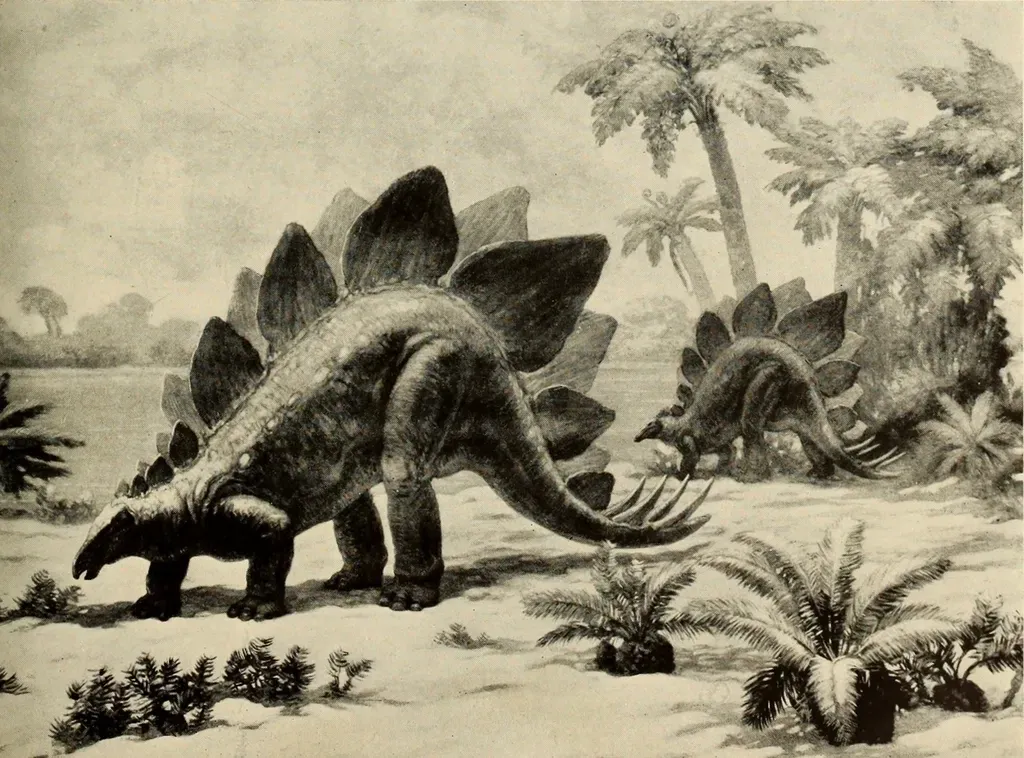
If you flip through older dinosaur books, you’ll notice almost every dinosaur has its tail glued to the ground, carving a trench behind it. That look came from early reconstructions that treated dinosaurs as scaled-up reptiles, using their tails more like crutches than dynamic balancing tools. You even see it in old Godzilla-style creature design: huge torso, low-slung tail, plodding steps, like a walking letter “L.” It was such a familiar image that it felt unquestionable.
Then paleontologists started paying closer attention to fossil trackways and skeletons. The footprints simply didn’t show tail drag marks, and the tail vertebrae themselves suggested a strong, elevated structure full of muscle attachments. Today, we know that most dinosaurs held their tails off the ground, using them as sophisticated counterbalances, especially the fast-running predators and the big plant‑eaters. Picture a tightrope walker using a pole to stay steady – that’s essentially what the tail was doing, turning dinosaurs from awkward plodders into surprisingly athletic animals.
3. Tyrannosaurus Rex Could Barely Run and Only Scavenged
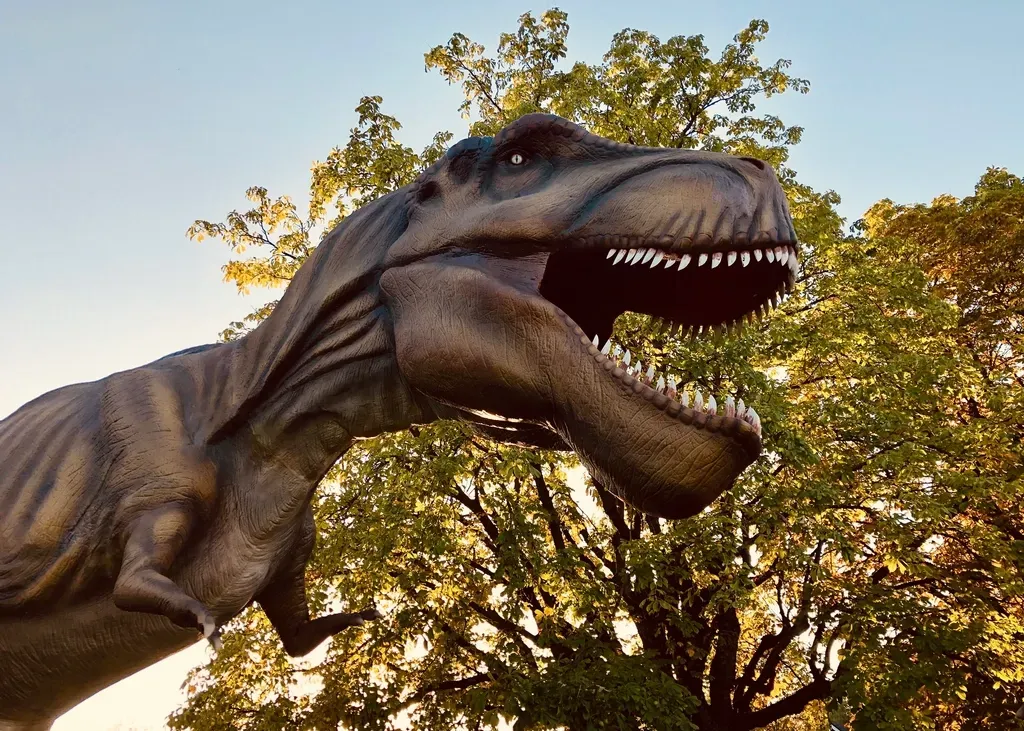
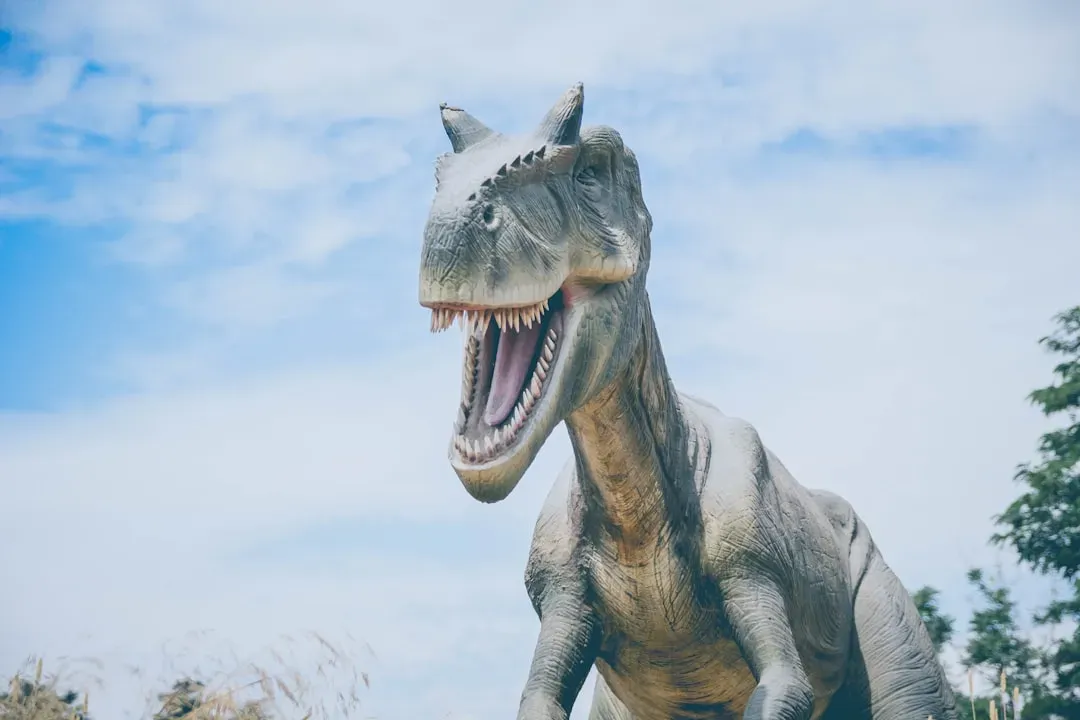
There was a period when T. rex took a real beating in the public imagination. You might remember claims that it was too big and clumsy to hunt, that its tiny arms made it pathetic rather than terrifying, and that it mostly waddled around stealing kills from smaller, more agile predators. To a kid who loved the idea of a fearsome dinosaur apex predator, this was mildly heartbreaking. The image of T. rex as a slow, lumbering trash collector just did not land well.
That simplified scavenger story has not aged well. Studies of leg proportions, muscle attachment, and bone strength suggest that T. rex was built for powerful, purposeful movement, even if it was not a sprinter in the cheetah sense. Its senses – especially smell and vision – were extremely well developed, which fits a life of active predation, not just picking at leftovers. Most experts today see T. rex as both hunter and scavenger, the way lions, hyenas, and bears are: opportunistic, versatile, and absolutely not to be taken lightly. Slow, helpless, and harmless? Not a chance.
4. Brontosaurus Lived Half‑Submerged in Swamps to Support Its Weight
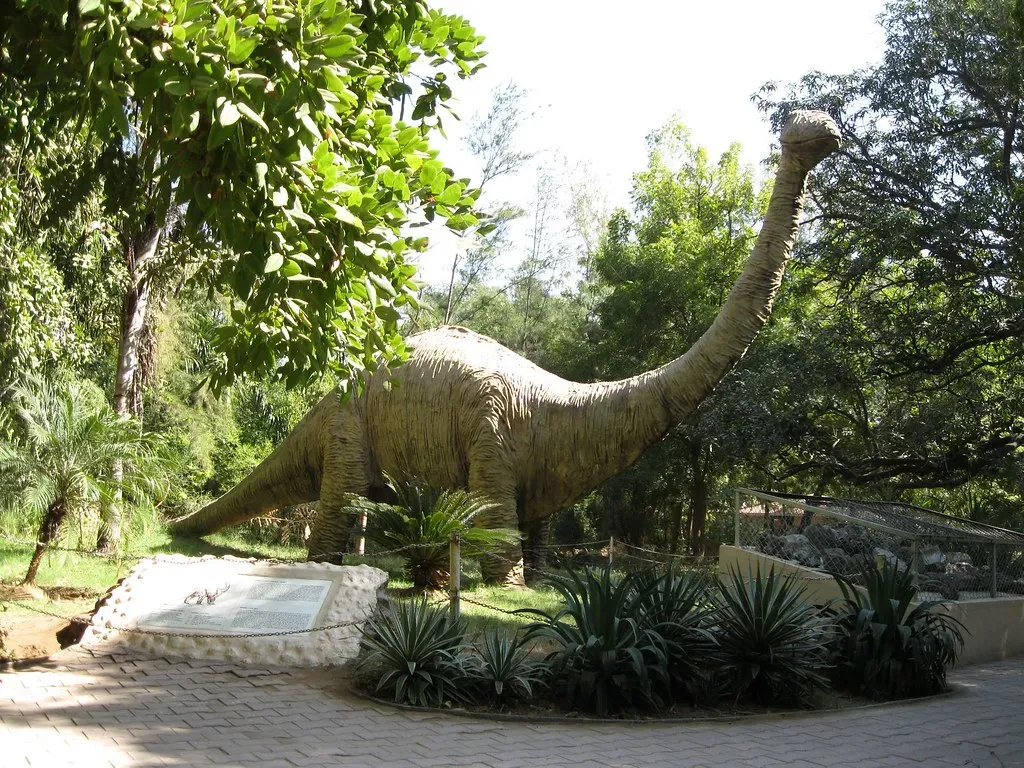
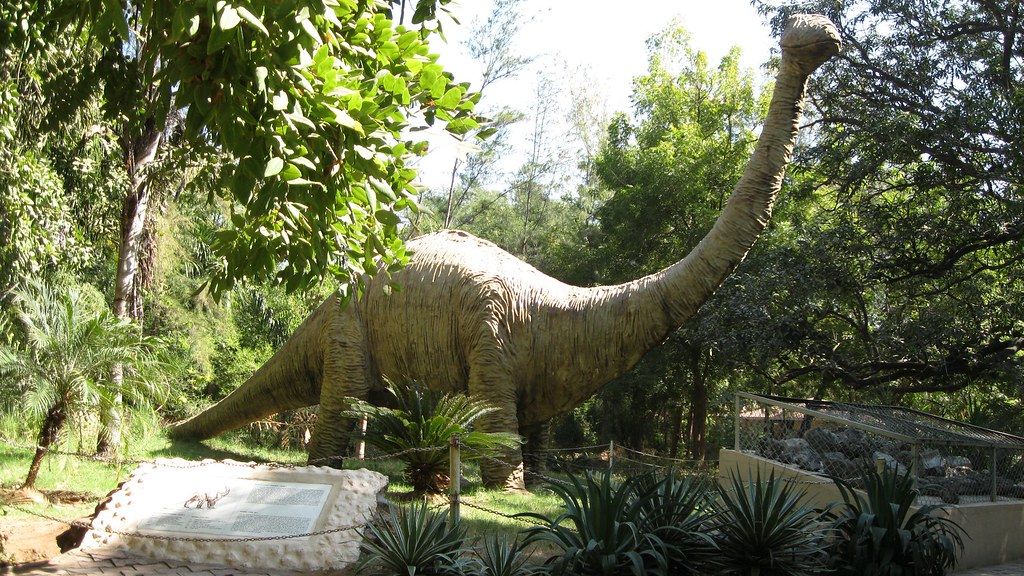
One of the most persistent childhood images is that of long‑necked dinosaurs standing chest‑deep in murky water, using lakes and swamps to support their impossible bulk. Textbooks once showed brontosaur‑type dinosaurs (sauropods) with nostrils on the top of their heads, like snorkels, suggesting they spent much of their time half‑floating to avoid collapsing on land. It felt logical enough: they were massive, and the thought of them walking around on dry ground seemed almost impossible.
We now know that idea does not hold water – literally. Detailed studies of sauropod skeletons, limb bones, and trackways show they were fully capable land animals, with strong column‑like legs and efficient weight‑bearing structures. If a multi‑ton sauropod tried to stand in deep water, the pressure on its chest would have made breathing difficult, if not impossible. Instead of wallowing helplessly in swamps, these giants likely walked long distances over solid ground, feeding on vegetation at varying heights and leaving impressive footprints that we can still find today. The image of them as semi-aquatic marsh monsters has pretty much sunk.
5. Dinosaurs Were Just Big, Scaly Reptiles Without Feathers
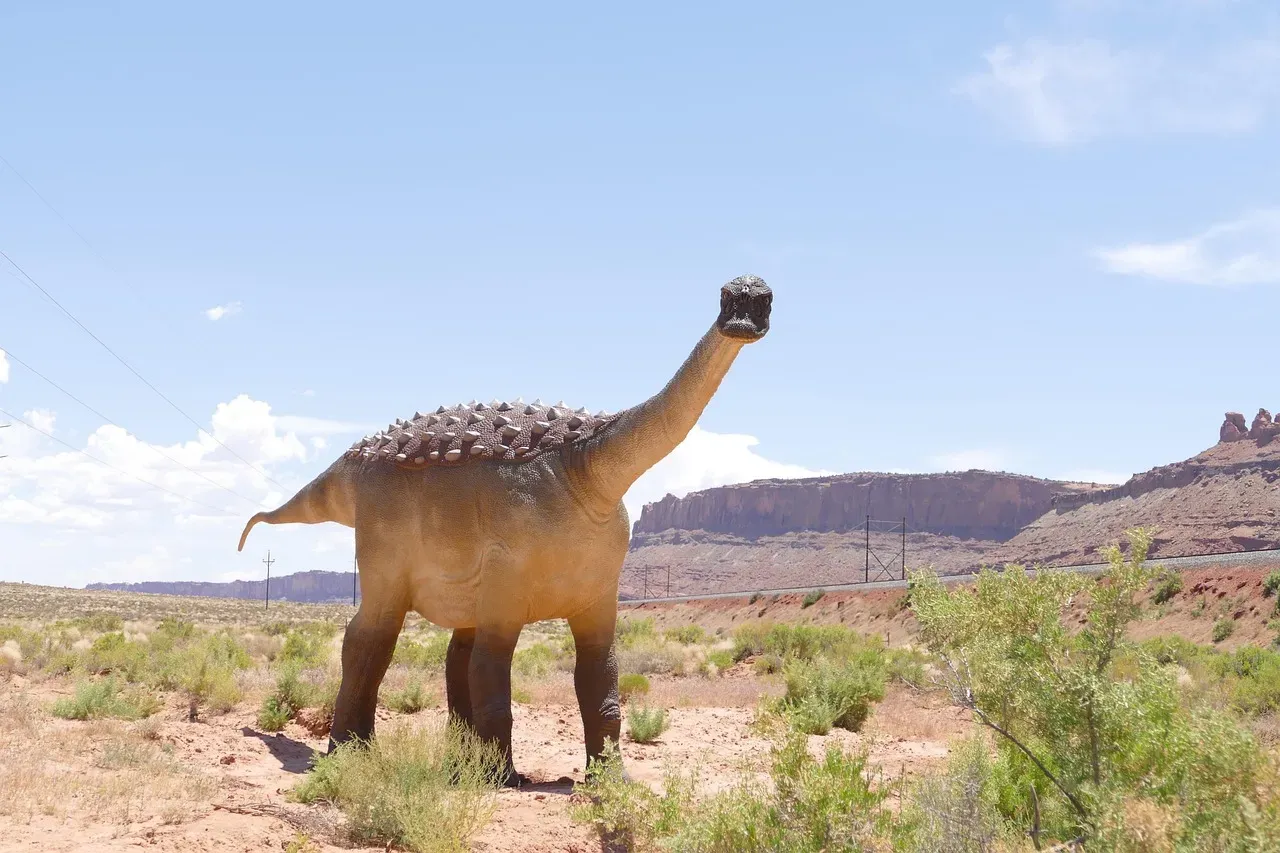
If your childhood dinosaur toys were anything like mine, they were all smooth or crocodile‑skinned: maybe a few spiky plates or horns, but definitely no fluff. For decades, the idea of a feathered dinosaur sounded almost like a joke, or something out of a fantasy comic. Dinosaurs were supposed to be scaly, end of story. Feathers, in most people’s minds, belonged exclusively to birds, which were seen as a separate, later success story.
Fossil discoveries – especially from places with extraordinary preservation – have completely rewritten that picture. We now have clear evidence of feather‑like structures in many theropod dinosaurs, including relatives of Velociraptor and even some early tyrannosaurs. In some species, we see complex, branching feathers that look more like what we recognize on birds today. Not every dinosaur had them, and plenty were still scaly, but the idea that feathers were rare, late‑appearing, or strictly “bird things” is gone. In a way, those scaly plastic figures are now more like vintage sci‑fi props than accurate models of prehistoric life.
6. Dinosaurs All Lived Together at the Same Time in One Big Prehistoric Mash‑Up
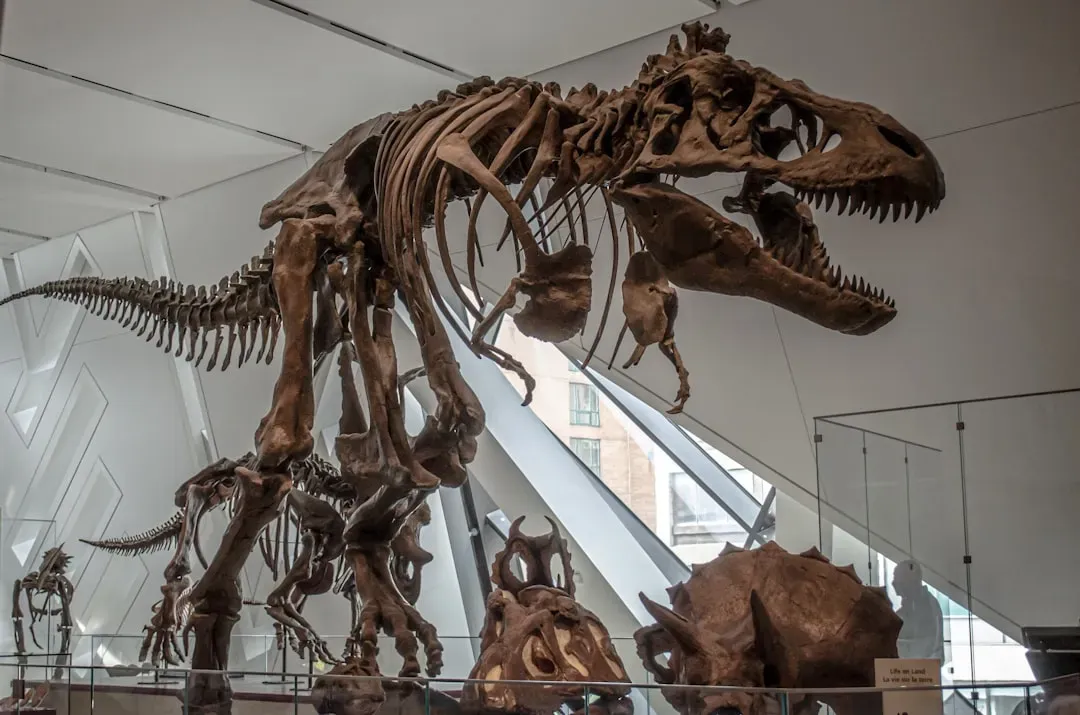
Old textbooks and cartoons often tossed every famous dinosaur into the same scene, as if T. rex, Stegosaurus, and Triceratops were next‑door neighbors. It made for great illustrations – hugely popular species all meeting in one dramatic landscape – but it gave a completely distorted sense of time. The message that filtered through to a lot of kids was that the “age of dinosaurs” was one big, uniform moment, like a single snapshot rather than a vast and evolving saga.
In reality, the age of dinosaurs stretches over an almost unimaginable span of time. Some dinosaurs lived so far apart on the timeline that they were separated by more years than you are from the earliest dinosaurs themselves. Many famous species never actually crossed paths, because they belonged to different periods, on different continents, under very different climates. Once you grasp that, the dinosaur world starts to feel less like a crowded theme park and more like a long-running series with constantly changing casts and settings, with entire lineages rising and falling before others ever appeared.
7. Dinosaurs Were Evolutionary Failures That Deserved to Go Extinct
A surprisingly common message in older materials hinted that dinosaurs were clumsy, outdated “mistakes” of evolution, destined to be replaced by smarter, more efficient mammals. The story was often framed like a moral lesson: dinosaurs were too big, too specialized, too stupid, and when the environment changed, they got what was coming to them. For a kid trying to make sense of natural history, it subtly implied that evolution has a clear direction, and dinosaurs had simply gone the wrong way.
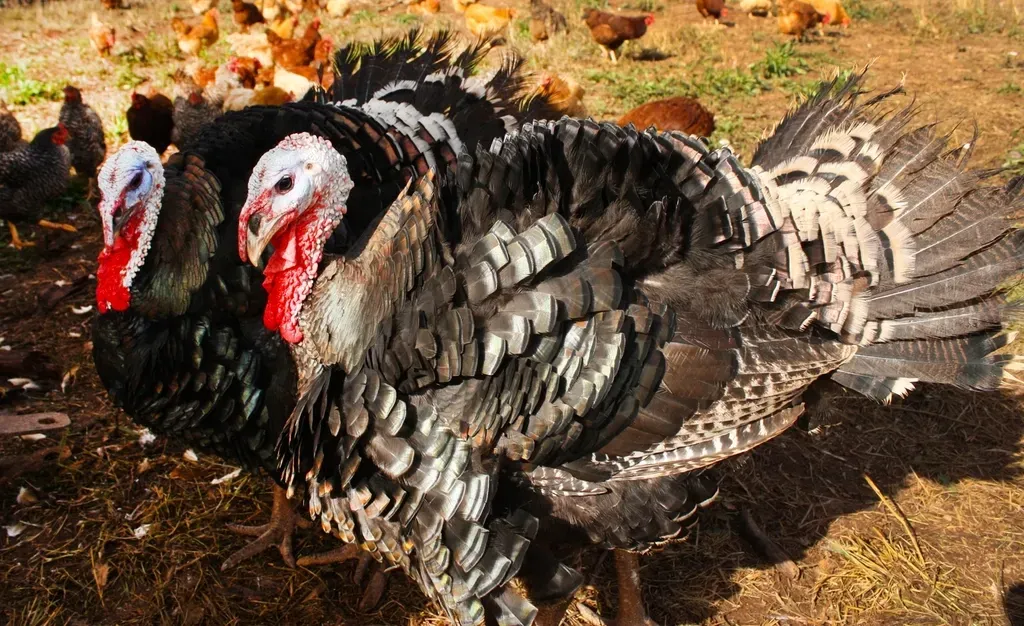
Modern science offers a sharply different perspective. Dinosaurs dominated the planet for well over a hundred million years, adapting to countless environments and producing an incredible variety of forms. They were not failures; they were one of evolution’s most successful experiments. And crucially, not all dinosaurs died out. Birds are now recognized as living dinosaurs, descendants of one branch that survived the mass extinction and took to the skies. In that light, the “failure” narrative collapses. If anything, dinosaurs are still here, just wearing a different outfit and raiding our bird feeders.
8. The Dinosaur–Bird Connection Was Just a Wild Theory
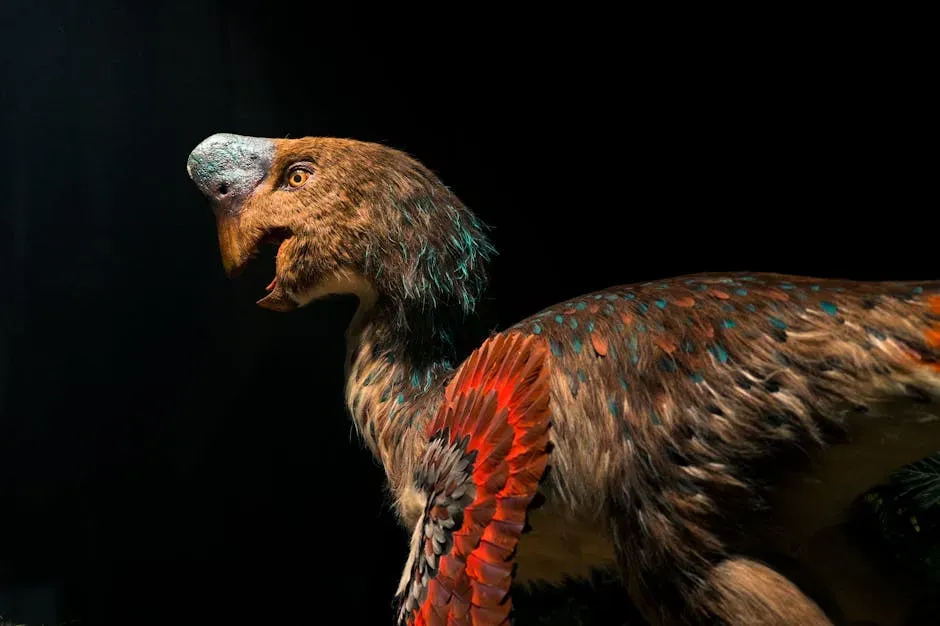
When I was younger, the idea that birds were dinosaurs was often presented as a quirky fringe theory, something a few bold scientists pushed but that “real” textbooks treated cautiously. The dominant story said birds had some distant reptilian roots, sure, but putting them directly inside the dinosaur family tree felt like too big a leap. Many illustrations drew a hard line between the end of the non‑avian dinosaurs and the later rise of modern birds, almost as if one group simply vanished and something totally different took their place.
Today, the bird–dinosaur link is one of the strongest, most widely supported ideas in vertebrate paleontology. When you line up the skeletons, look at the wishbones, hollow bones, three‑toed feet, feathers, nesting behavior, and more, the continuity becomes hard to deny. Birds are not just “related to” dinosaurs in a vague sense; they are the direct descendants of a particular group of small theropods. That means the pigeon on the sidewalk and the hawk over your neighborhood are, in a very real way, modern dinosaurs. It is one of those rare scientific shifts that completely reorders how you see the world outside your window.
Conclusion: Letting Go of Nostalgia to Appreciate the Real Dinosaurs
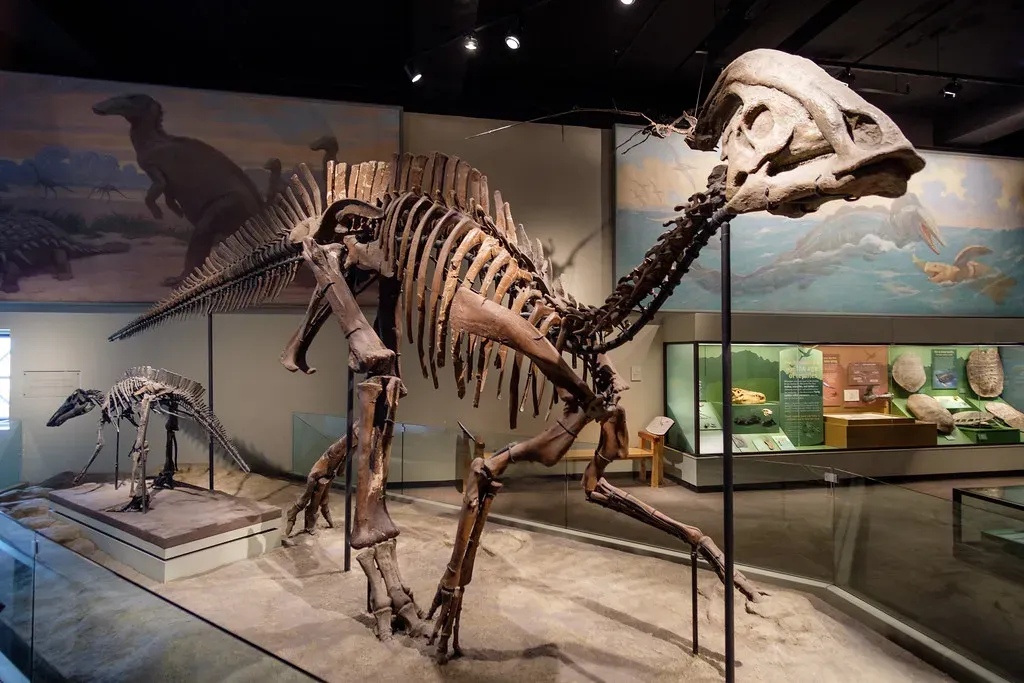
There is something oddly emotional about realizing that so many of our childhood dinosaur “facts” have been swept aside. Part of you wants to cling to the swamp‑dwelling brontosaurus and the sluggish, tail‑dragging T. rex, because they are tied up with nostalgia and the thrill of early discoveries. But the more you look at the evidence, the more those old images feel like black‑and‑white TV compared to modern high‑definition. I have come to believe that clinging to outdated dinosaur myths does them a real disservice, because the actual animals were far more fascinating than the simplified versions we grew up with.
If anything, the constant overturning of old ideas is the best part of the story. It means paleontology is alive, arguing with itself, chasing new fossils, rethinking what it thought it knew. The dinosaurs we carry in our heads should not be museum pieces frozen in time; they should evolve as fast as the science does. Next time you see a bird on a power line or a child clutching a smooth plastic stegosaurus, it is worth remembering how much of that picture has already changed – and how much more might still be rewritten. Which of your old dinosaur “facts” are you most ready to finally retire?