
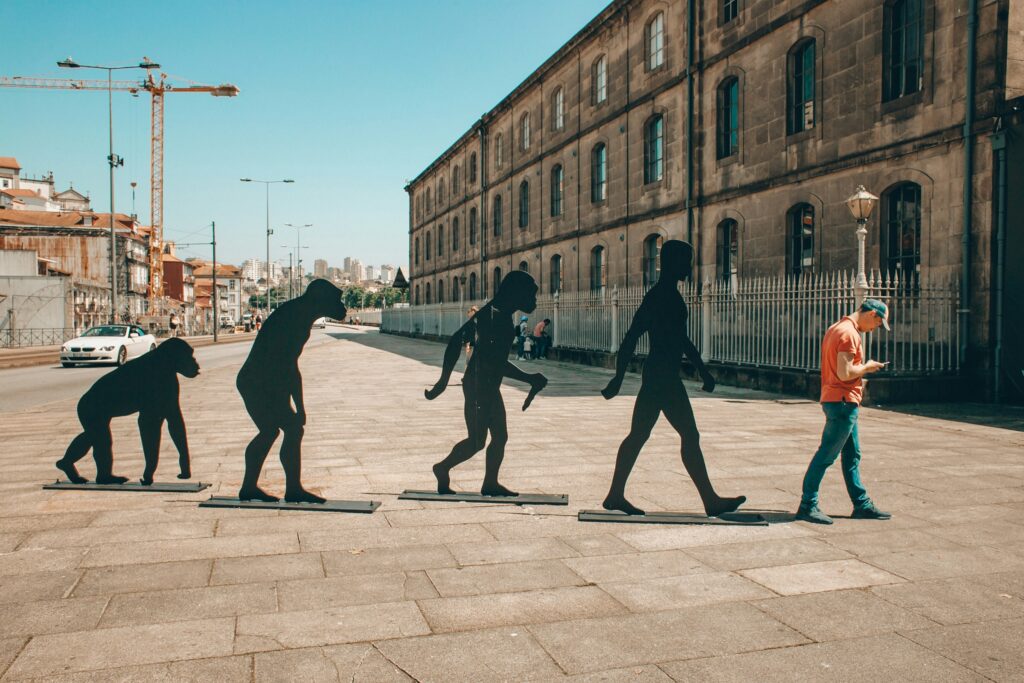
Imagine hitting the wrong button and accidentally sending a life-changing message. Now scale that tiny mishap up to planet Earth and four billion years, and you have evolution. For all its elegance, evolution is not a perfectly planned process; it is a noisy, tinkering, trial‑and‑error system where random changes occasionally open doors to entirely new worlds of possibility.
Some of the most important turning points in life’s history look, in hindsight, like happy accidents: genetic glitches, weird partnerships, or strange side effects that stuck around because they worked. From cells swallowing other cells, to fish fumbling their way onto land, these “oops” moments reshaped the planet and made your existence possible. Here are eight of the strangest, most important evolutionary accidents .
The Great Oxygen Catastrophe: A Deadly Mistake That Made Complex Life Possible
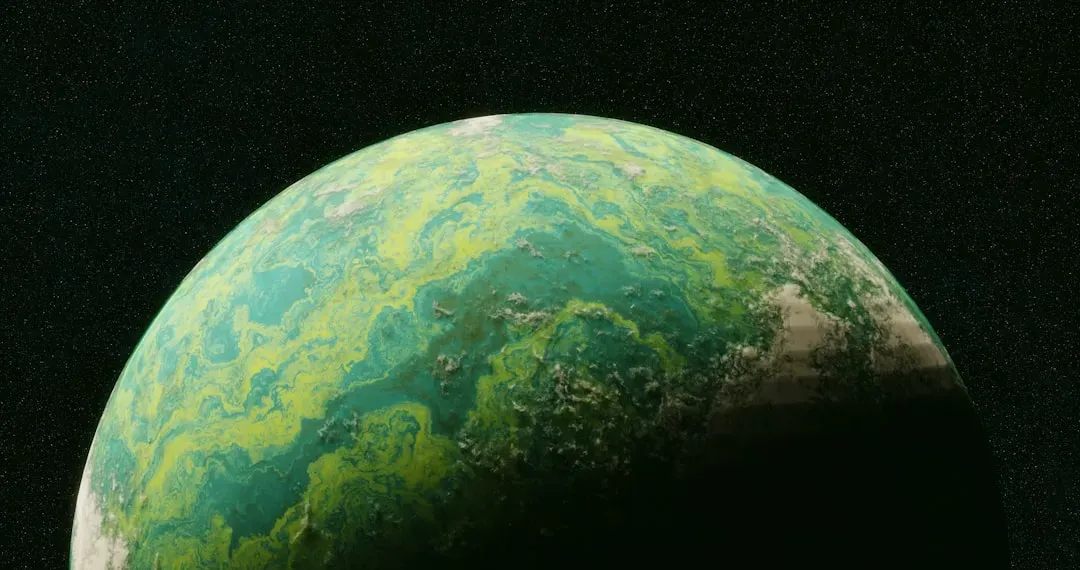
A few billion years ago, tiny microbes accidentally reinvented the planet’s atmosphere. Early cyanobacteria evolved a way to capture sunlight and split water, releasing oxygen as a waste product. To them, it was just chemistry. To almost everything else alive at the time, it was toxic. Oxygen ripped apart delicate molecules, and what we now call the Great Oxygenation Event wiped out a huge portion of Earth’s early life.
It sounds like pure disaster, but that catastrophe quietly set the stage for creatures like us. Oxygen is incredibly energetic, and once life figured out how to safely use it, cells could extract far more energy from their food. Over long stretches of time, that extra energy fueled bigger bodies, more complex tissues, and eventually the dizzying variety of animals and plants we see today. In a darkly ironic twist, one microbe’s poisonous exhaust became another lineage’s rocket fuel.
Endosymbiosis: When One Cell Accidentally Moved In and Never Left
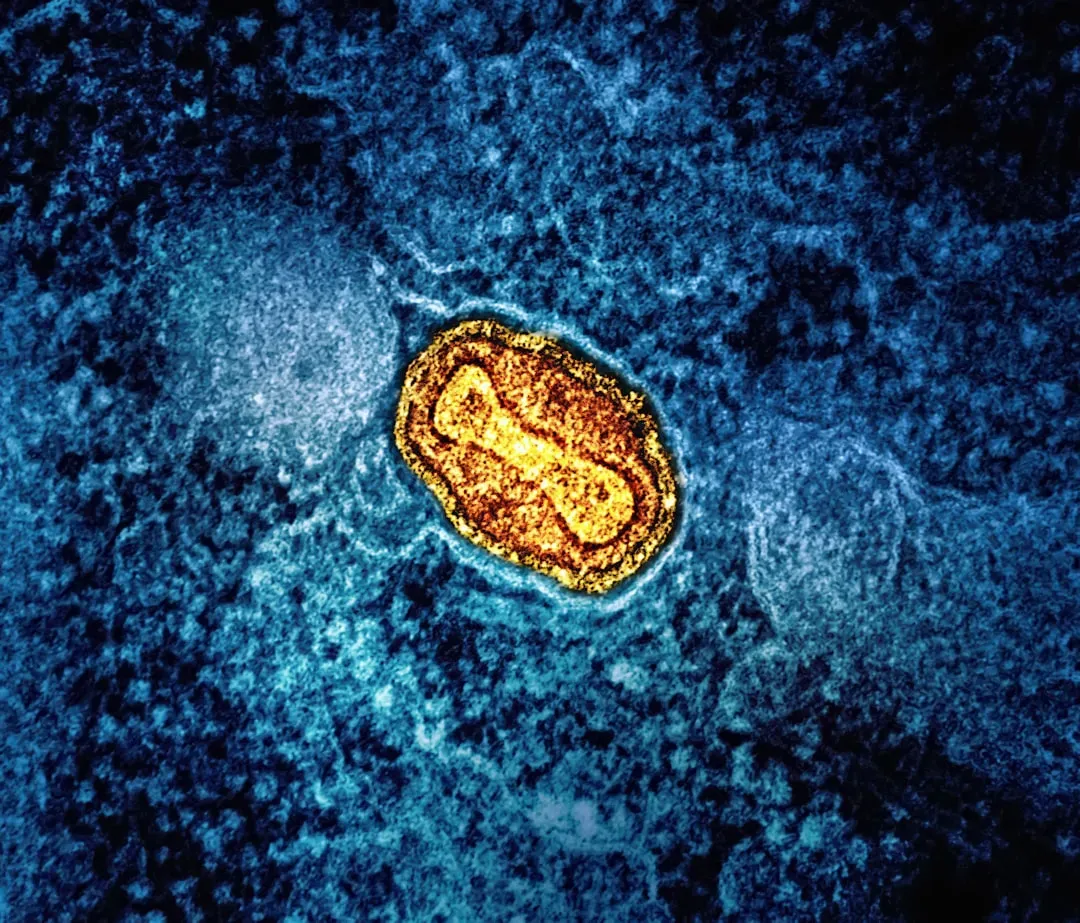
At some point in deep time, a large primitive cell swallowed a smaller bacterium and, against all odds, failed to digest it. Instead of becoming lunch, that bacterium survived inside its host and started pulling its weight, providing a massive energy boost. Over generations, the two partners became so tightly linked that the internal bacterium evolved into what we now call the mitochondrion, the power station inside almost every complex cell.
This weird roommate situation is not just a fun footnote; it is the foundation of complex life. Mitochondria allowed cells to generate much more energy, powering larger genomes, intricate internal structures, and eventually the multicellular bodies of animals, plants, and fungi. A similar accident seems to have created chloroplasts in plant cells, when another engulfed bacterium started doing photosynthesis from the inside. Life did not just grow more complicated through gradual tweaks; it also jumped forward with a few wildly successful mergers.
Sexual Reproduction: A Complicated Fix for a Simple Problem
On paper, sex is a terrible strategy. If a creature can copy itself directly, why bother with the messy business of finding a partner, mixing genes, and ending up with offspring that are only half you? But somewhere along the line, early eukaryotic organisms stumbled onto the idea of shuffling their genetic decks, and that accidental innovation turned out to be an evolutionary superpower.
By blending DNA from two parents, sexual reproduction constantly generates new combinations of traits. That diversity helps populations adapt to changing environments and evolving parasites, instead of getting stuck with the same vulnerabilities generation after generation. It is not that evolution “wanted” sex; it is more that, once it appeared, lineages that used it tended to outcompete those that did not. The fact that this strategy became so widespread shows how powerful a good accident can be, even when it looks inefficient at first glance.
Multicellularity: Single Cells That Accidentally Stuck Together
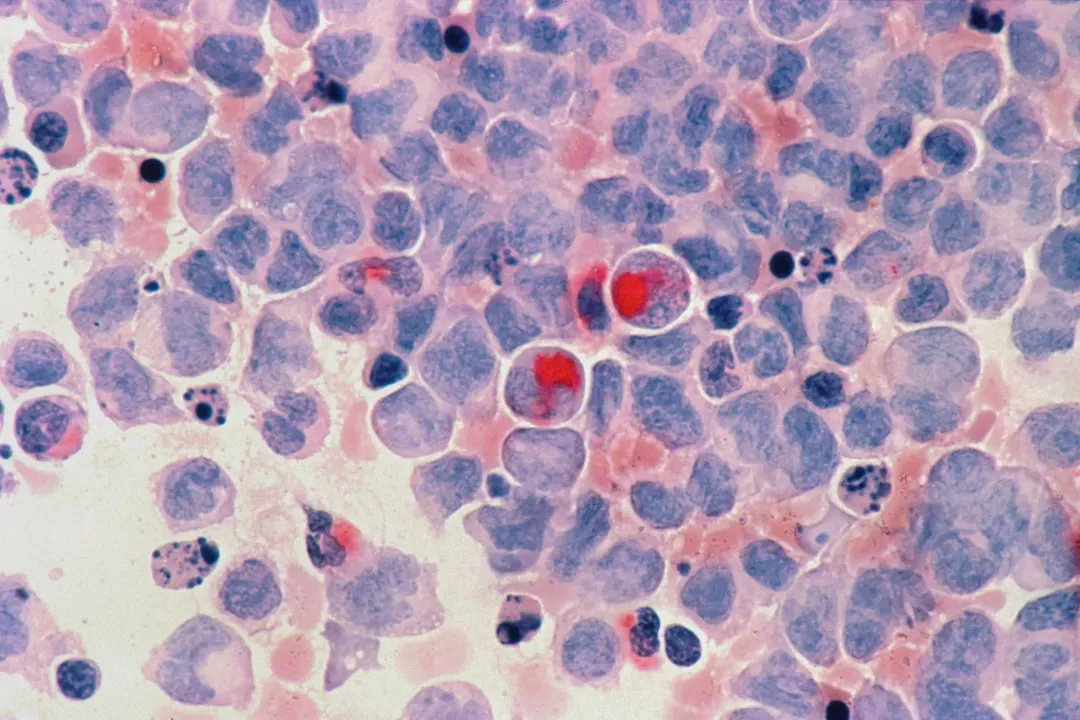
For most of Earth’s history, life was microscopic and solitary, with each cell living on its own. Then, in multiple separate lineages, cells began to cluster, cooperate, and specialize. The first step was probably simple and almost accidental: cells failing to fully separate after division or gluing themselves together in slimy clumps for protection. What started as loose cooperation slowly hardened into true multicellularity, where different cells took on specific jobs.
Once that leap happened, everything changed. Specialization allowed some cells to focus on movement, others on digestion, others on reproduction, and still others on defense. Over long timescales, this division of labor produced seaweeds, mushrooms, insects, trees, and humans. I sometimes think of it like a group project that never ended: a few cells did something useful, others leaned into different strengths, and together they built an organism far greater than the sum of its parts.
The Cambrian Explosion: Evolution Turned Up to Fast‑Forward
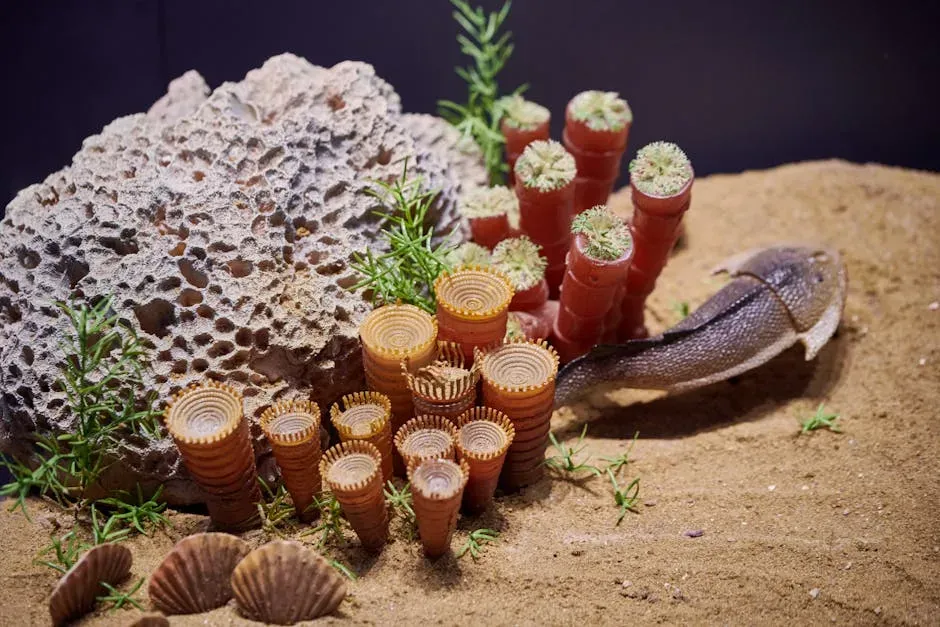
Roughly half a billion years ago, the fossil record suddenly gets wild. In a geologically brief burst, oceans filled with strange new body plans – creatures with shells, spikes, eyes, claws, and segmented limbs. For a long time, it looked almost like life just decided to get creative one day. In reality, this so‑called Cambrian Explosion was probably the result of many overlapping accidents and thresholds: changes in oxygen levels, new predator‑prey arms races, and tweaks in developmental genes that made it easier to evolve complex bodies.
One of the biggest accidental tools here was the evolution of gene networks that control body patterning, often called tool‑kit genes. Once these flexible genetic switches existed, small mutations could produce large, coordinated changes in body shape. That meant evolution could “try out” new designs more easily, and successful ones spread quickly. From our vantage point, the Cambrian looks like a sudden artistic outburst, but under the hood it was evolution discovering a new set of design software and hitting fast‑forward.
Limbs from Fins: Awkward Fish Stumbles That Led to Land Animals
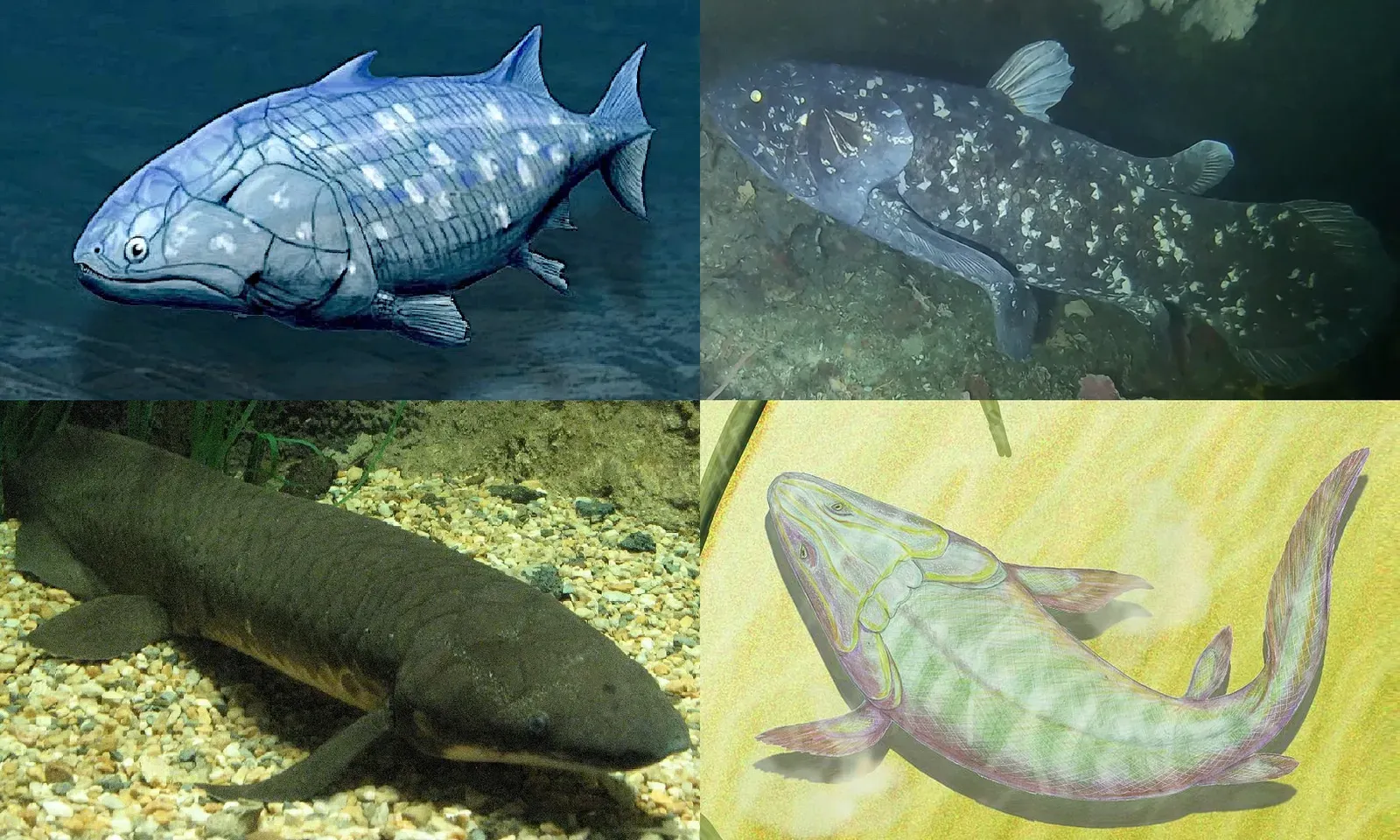
The first vertebrates to drag themselves out of the water probably did not look heroic at all. They were awkward, lobe‑finned fish using beefed‑up fins to push through shallow, weedy swamps. Those strengthened bones and muscles may have first evolved just to maneuver in cluttered or low‑oxygen waters, giving certain fish a local advantage. Only later did those same structures accidentally become pre‑adapted for something much bigger: walking on land.
Over millions of years, those lumpy fins morphed into limbs with digits – early versions of arms and legs. From that humble beginning came amphibians, then reptiles, birds, mammals, and eventually humans. The wild part is that evolution did not “aim” for land animals; it just kept tweaking fins for short‑term survival. I like to imagine that if you told one of those ancient fish it was laying the groundwork for giraffes and eagles, it would just blink its little eyes and keep gasping in the mud.
Warm‑Bloodedness: A Side Effect That Supercharged Activity
Being warm‑blooded, or endothermic, is energetically expensive. Animals like mammals and birds burn a lot of fuel to keep their body temperature steady. The classic story is that warm‑bloodedness evolved so creatures could be active in the cold, but many researchers think it may have begun as a side effect of other changes, such as higher activity levels or shifts in growth and metabolism. Extra heat produced as a by‑product then became useful in its own right.
Once stable internal temperatures were in place, they opened doors to new lifestyles. Warm‑blooded animals can stay active at night, in cooler climates, and for longer periods without slowing down, which reshaped ecosystems all over the planet. Think of a small mammal darting around in winter while a reptile needs to bask in the sun just to wake up properly. What started as metabolic noise turned into a defining feature that helped some lineages spread into nearly every environment on Earth.
Feathers and Flight: Insulation, Display, and an Accidental Takeoff
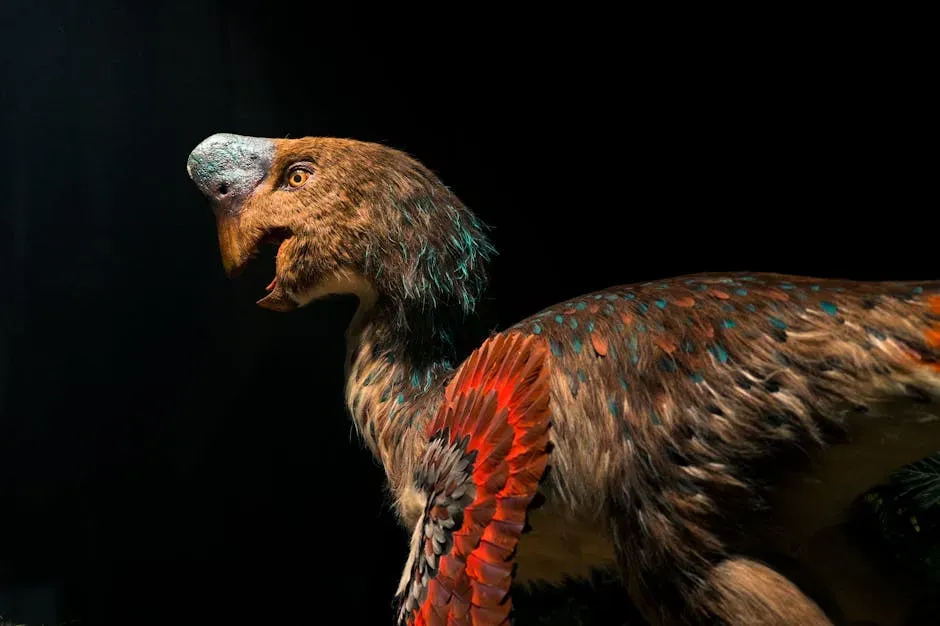
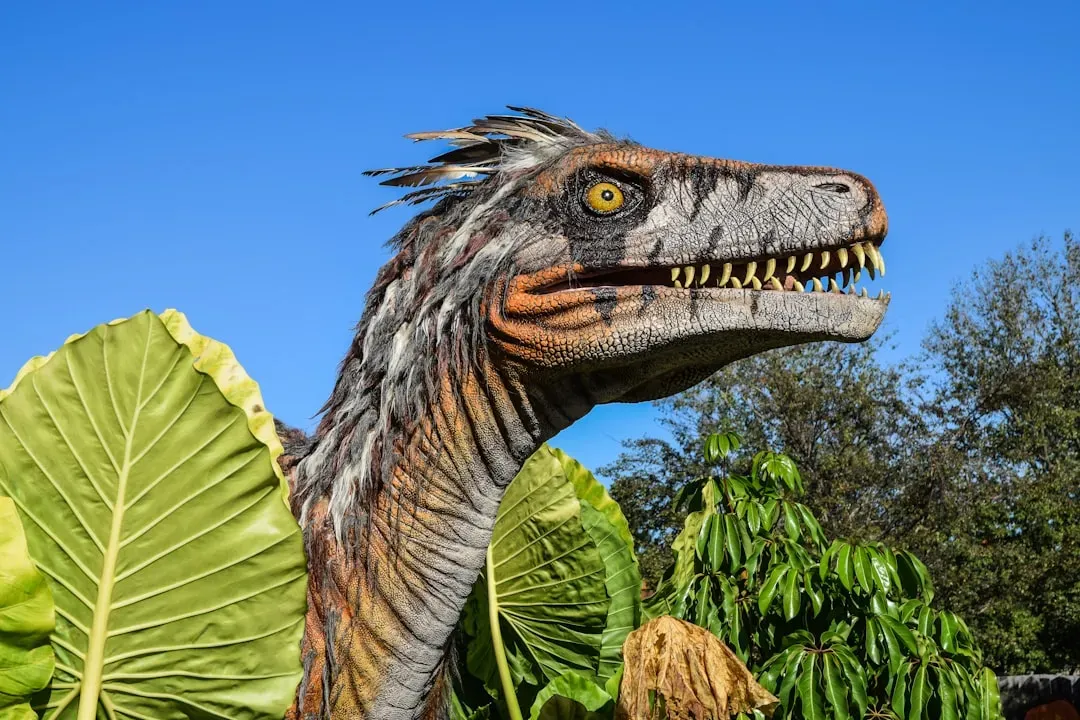
Feathers did not start as tools for flight. Early feathered dinosaurs almost certainly used them for insulation, keeping warm with fluffy coverings, and for visual display, signaling to mates or rivals. These lightweight, flexible structures were not wings at first; they were more like colorful jackets and billboards. That original purpose set the stage for something extraordinary when some dinosaurs began leaping, gliding, or flapping between branches.
As certain lineages experimented with the air, natural selection reshaped those feathers into aerodynamic surfaces, and wings gradually emerged. Flight then transformed the possibilities of life, unlocking new feeding strategies, migration, and ways to escape predators. To me, there is something strangely moving about the idea that birds owe their soaring grace partly to the fact that some ancient dinosaur just needed to stay warm or look impressive.
Human Big Brains: A Risky Gamble That Rewired the Planet
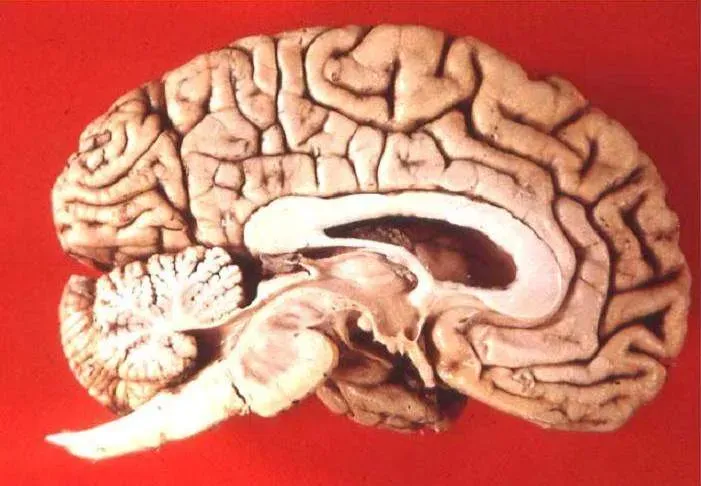
From a purely biological standpoint, our oversized brains are weird. They are costly to grow, demanding during childbirth, and incredibly hungry for energy throughout life. The leading ideas suggest that accidents in our evolutionary past – dietary shifts, tool use, changing climates, and intense social living – pushed our ancestors into a feedback loop where slightly better cognition paid off just enough to be worth the cost. Each small gain in problem‑solving, language, or cooperation opened the door to yet more gains.
The result is a species that can rewrite landscapes, split atoms, send robots to other planets, and simultaneously struggle to manage its own impulses. Our brains are both our greatest asset and our most dangerous liability, an evolutionary gamble whose consequences echo everywhere. When I look at a city skyline or a satellite image of deforestation, it feels less like a triumphant destiny and more like a reminder that one strange, accidental trajectory in primate evolution ended up holding the thermostat of the entire planet.
Conclusion: Evolution’s Genius Lies in Its Clumsiness
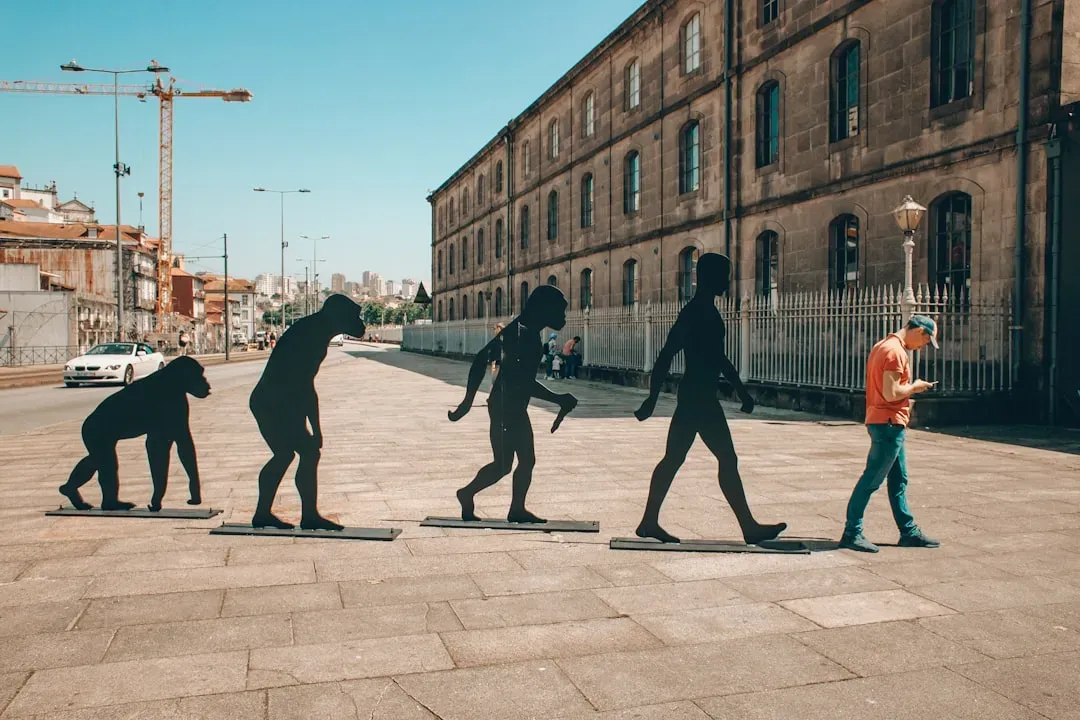
When you zoom out, evolution looks less like a carefully written novel and more like a messy improvisation that somehow turns into a masterpiece. Oxygen as deadly waste, swallowed bacteria as powerhouses, fish limbs doubling as legs, feathers repurposed from warmth to wings – none of these turning points had a master plan behind them. They were accidents that happened to work well enough in the moment, then snowballed into era‑defining revolutions.
I think that is the most humbling and inspiring part of the story: complexity, beauty, and even consciousness itself can grow out of blind trial and error. If life on Earth can stumbled its way from toxic fumes and single cells to redwoods and blue whales and late‑night human arguments about the universe, it says something about the creative potential of small changes compounded over time. The real question is what we will do, now that one of evolution’s strangest “accidents” has become self‑aware – are we going to treat that as just another blip, or as a chance to steer this story a little more wisely?