There is something deeply fascinating about a creature that no longer walks the earth, yet somehow continues to reshape science, medicine, and our understanding of life itself. Extinction, we often assume, is the end of the story. A full stop. Game over. Yet the survival strategies these species evolved over millions of years didn’t vanish with them. In many ways, they left behind a kind of biological blueprint, a set of instructions so remarkable that modern researchers are still trying to decode them today.
You might be surprised to learn just how many breakthroughs in genetics, medicine, ecology, and climate science trace their roots back to creatures that went extinct thousands, or even millions, of years ago. From ice-age giants to tiny acid-suppressing frogs, the extinct world has plenty left to teach us. Let’s dive in.
1. The Woolly Mammoth: A Blueprint for Cold Survival
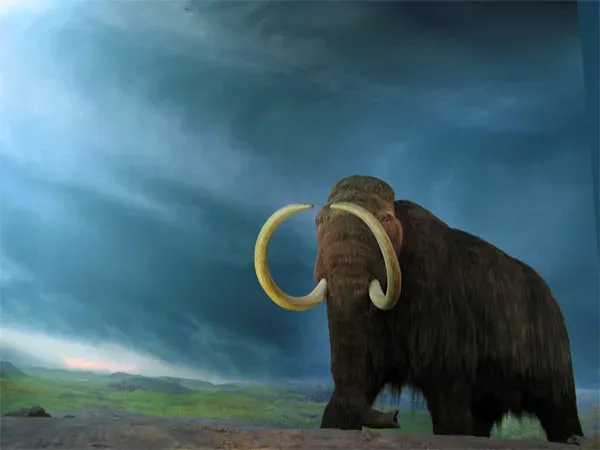
If you ever wondered what the ultimate cold-weather survival machine looked like, the woolly mammoth is your answer. While the living relatives of the woolly mammoth, the Asian and African elephants, are only found in tropical and subtropical environments, mammoths were adapted to the cold, dry steppe-tundra of the Northern Hemisphere high latitudes, with average winter temperatures ranging from negative thirty to negative fifty degrees Celsius. To cope with their extreme environment, woolly mammoths evolved a set of unique adaptations to minimize heat loss, including thick fur, small ears and tails, as well as a thick layer of fat under the skin serving as an energy reservoir during winter.
Researchers found a disproportionate number of changes in genes involved in hair development, how the body stores and processes fats, and how the body senses temperature. Scientists described these as strongly enriched classes of genes related to the adaptation of the woolly mammoth to extreme cold. Researchers also performed laboratory experiments verifying a computational prediction that a mammoth-specific change in a protein called TRPV3, known to be related to temperature sensation, hair growth, and body-fat storage, modifies the protein’s response to temperature changes. Today, that TRPV3 research has direct implications for understanding human metabolic disorders and temperature-related conditions. Honestly, the mammoth wasn’t just a big hairy elephant. It was a walking cold-resistance laboratory.
2. The Gastric-Brooding Frog: Nature’s Most Bizarre Pregnancy
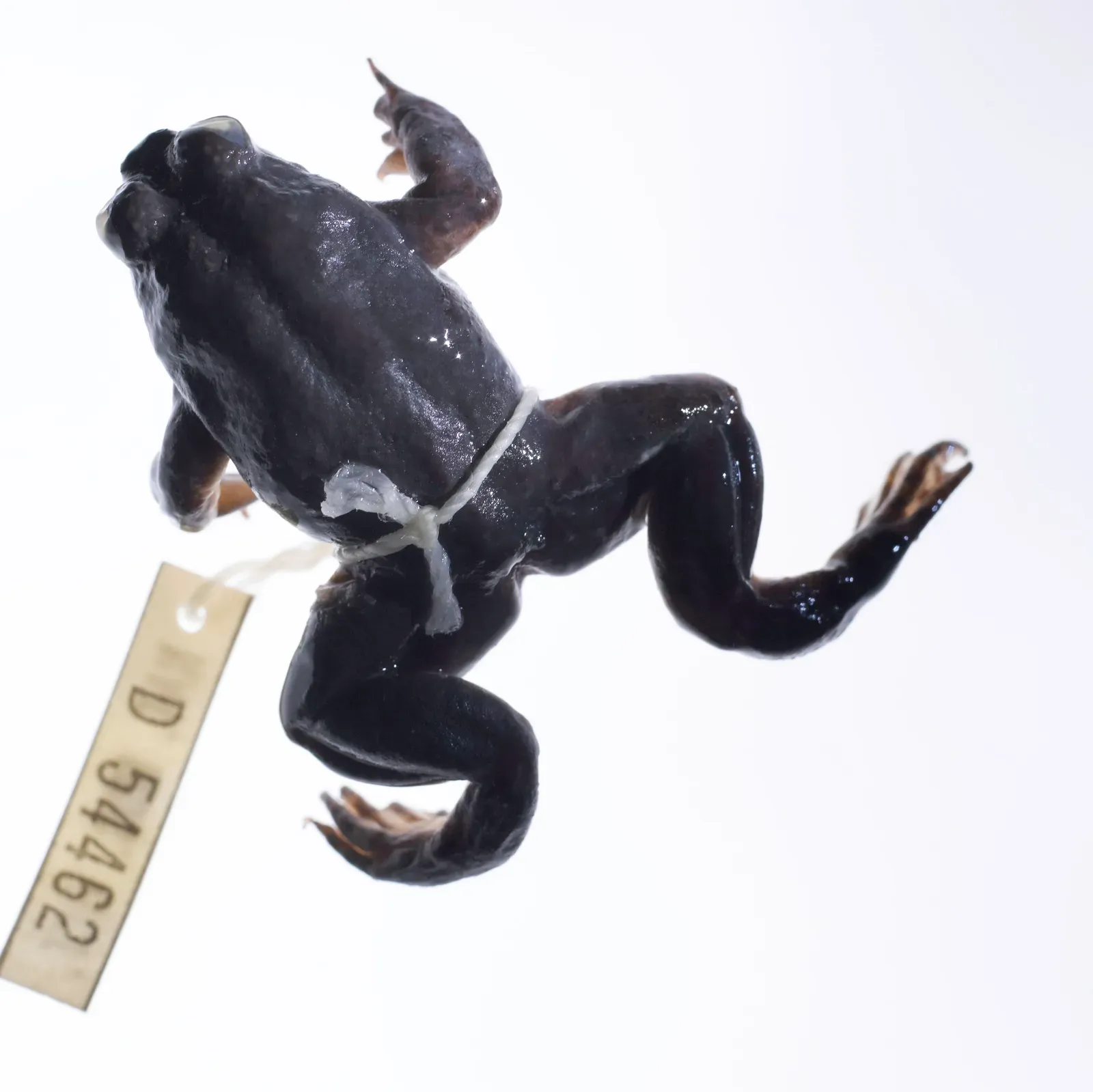
Here’s something that sounds completely impossible. A frog that turns its own stomach into a womb. The mother frog converts her stomach into a womb, swallows her own eggs, and stops making hydrochloric acid to avoid digesting her own young. Around twenty to twenty-five tadpoles hatch inside her, and the mucus from their gills continues to keep the acid at bay. The species was officially declared extinct in 2002, but its legacy in medical research remains very much alive.
Researchers studied this frog’s reproductive behavior and how the eggs and embryos escape digestion. Some scientists claimed that resurrecting this frog could result in future medical applications related to digestion and to reprogramming organ function. Think about what that means for you. Understanding how this frog suppressed stomach acid on demand could inform treatments for peptic ulcers, digestive disorders, and even conditions related to organ function reprogramming. In the jelly around each egg was a substance called prostaglandin E2, which could turn off production of hydrochloric acid in the stomach. That tiny chemical detail may one day transform gastroenterology as we know it.
3. The Thylacine (Tasmanian Tiger): Convergent Evolution’s Most Stunning Proof
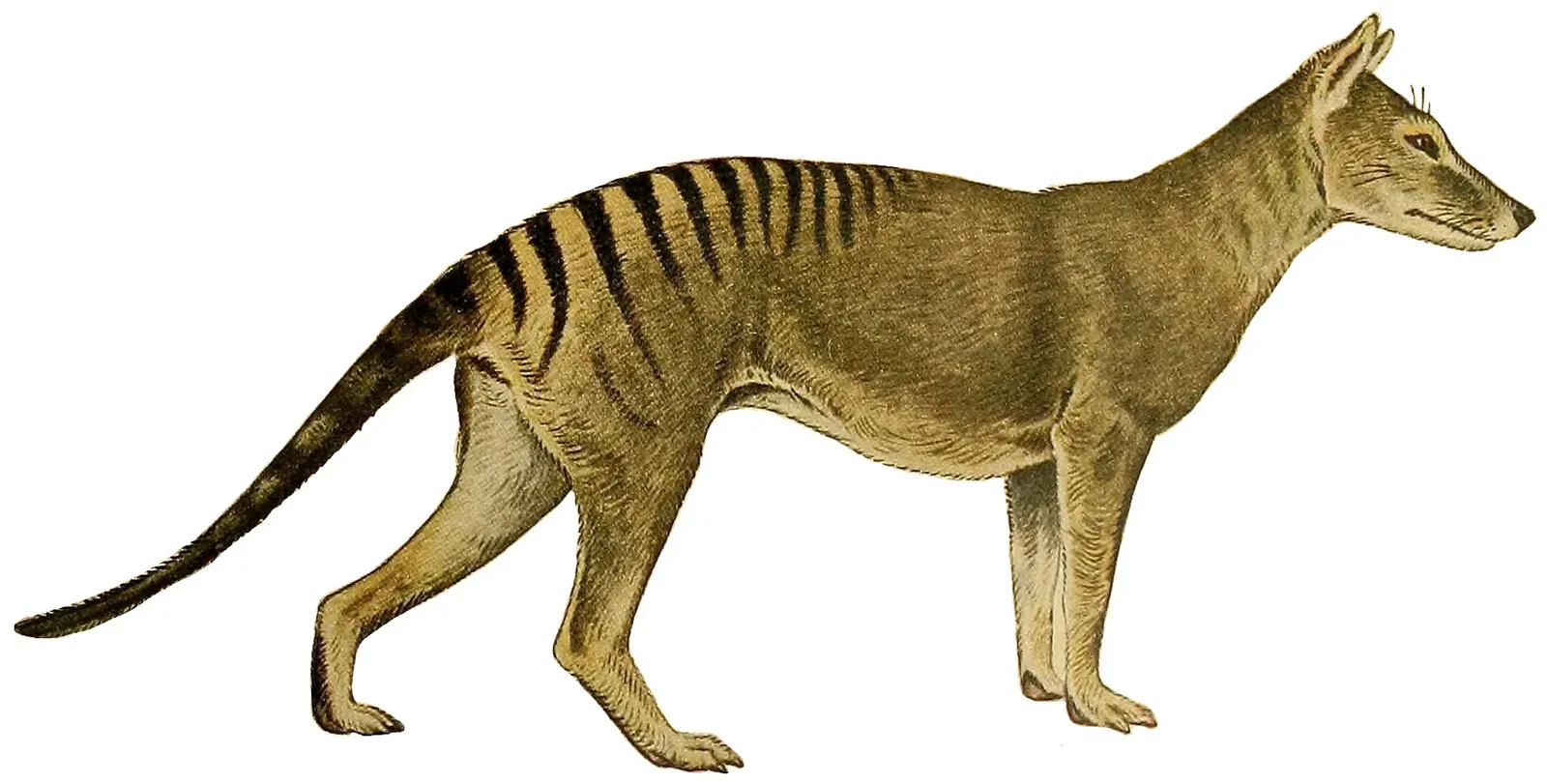
The thylacine is a fascinating animal, a marsupial that evolved to look remarkably like a wolf even though they are separated by more than one hundred million years of evolution. That detail alone should stop you in your tracks. Two completely unrelated animals, on opposite sides of the evolutionary tree, independently arrived at nearly the same physical form. Scientists call this convergent evolution, and the thylacine is arguably its most compelling example.
Colossal Biosciences is working to revive the thylacine, a carnivorous marsupial that was once native to mainland Australia, Tasmania, and New Guinea. The last example died at Hobart Zoo in 1936. Colossal is using a genetic relative called the fat-tailed dunnart, a tiny marsupial, as the foundation, with the goal of engineering the dunnart’s genome to express traits found in thylacines. Beyond de-extinction, the thylacine teaches researchers how nature can arrive at the same solution through entirely different paths, and that knowledge is reshaping how you understand adaptation, body plan evolution, and ecological roles in modern ecosystems.
4. The Woolly Rhinoceros: Ice Age Immunity and Genetic Survival
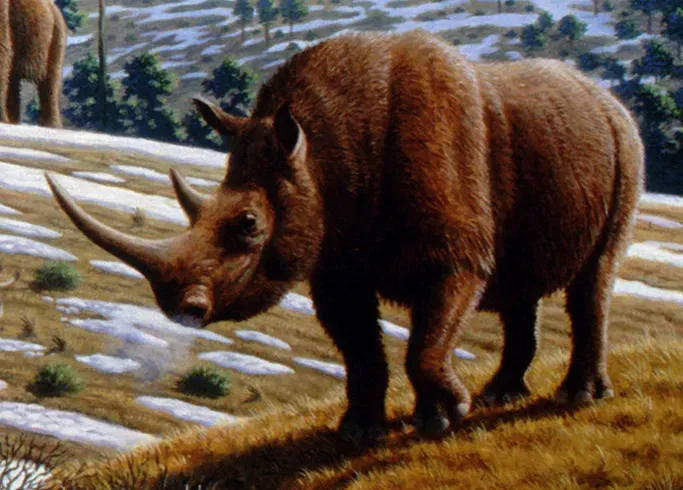
The woolly rhinoceros was a species endemic to Northern Eurasia during the Pleistocene. It is believed to have become extinct as a result of both climate change and overhunting by early humans. In November 2023, scientists managed to sequence the woolly rhinoceros’s genome from the faeces of cave hyenas, in addition to the existence of mummified specimens. That’s right. Researchers extracted genetic data from ancient animal droppings. Science, as it turns out, will go wherever the answers are hiding.
The woolly rhinoceros is particularly valuable because it shows how large mammals adapted immune systems and metabolic functions to thrive in extreme climates over millennia. Studying its genome helps researchers understand the relationship between cold-environment adaptation and immune response, research that carries real meaning for you when you consider how climate change is currently forcing many species into new environments with new pathogen pressures. The woolly rhino survived ice ages. Understanding how may help modern species do the same.
5. The Aurochs: The Ancestor of Every Cow You’ve Ever Seen
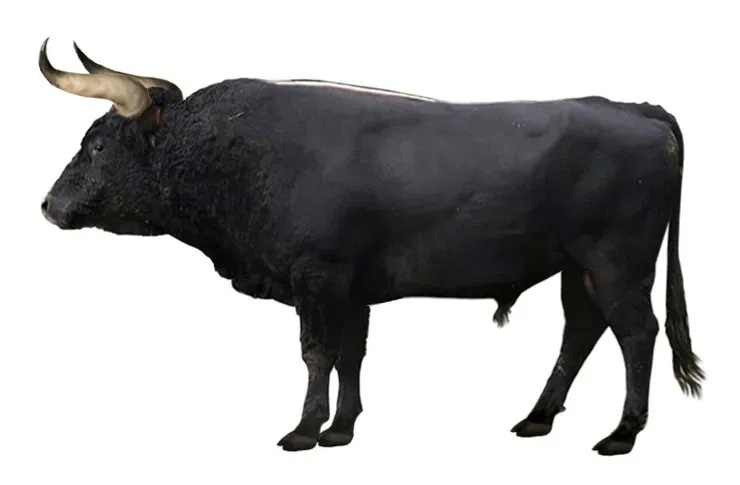
Aurochs are the wild ancestors of all modern cattle, including domestic cows. They were giant, horned beasts whose range extended across North Africa, Asia, and nearly all of Europe for thousands of years, with the earliest known fossils dating to around seven hundred thousand years ago. Aurochs were the largest terrestrial mammals left in Europe after the last ice age ended, but humans drove them to extinction through overhunting and habitat destruction. The last wild aurochs died in Poland in 1627.
Ongoing efforts to recreate the aurochs differ from those for other extinct species in that they do not require genetic engineering. Most of the aurochs’ DNA lives on in modern cattle breeds, prompting researchers to try an alternative method called back-breeding, which involves selecting and breeding cows that have physical traits and behaviors resembling those of aurochs. Today’s eighth-generation tauros shares well over ninety-nine percent of its genes with aurochs. Experts say there are around eight hundred and ten tauros alive today, with about three hundred and fifty in herds in areas managed for wildlife conservation in Europe. Their grazing behavior and herd dynamics continue to inform rewilding strategies across the continent.
6. The Passenger Pigeon: A Lesson in Population Genetics and Ecological Collapse
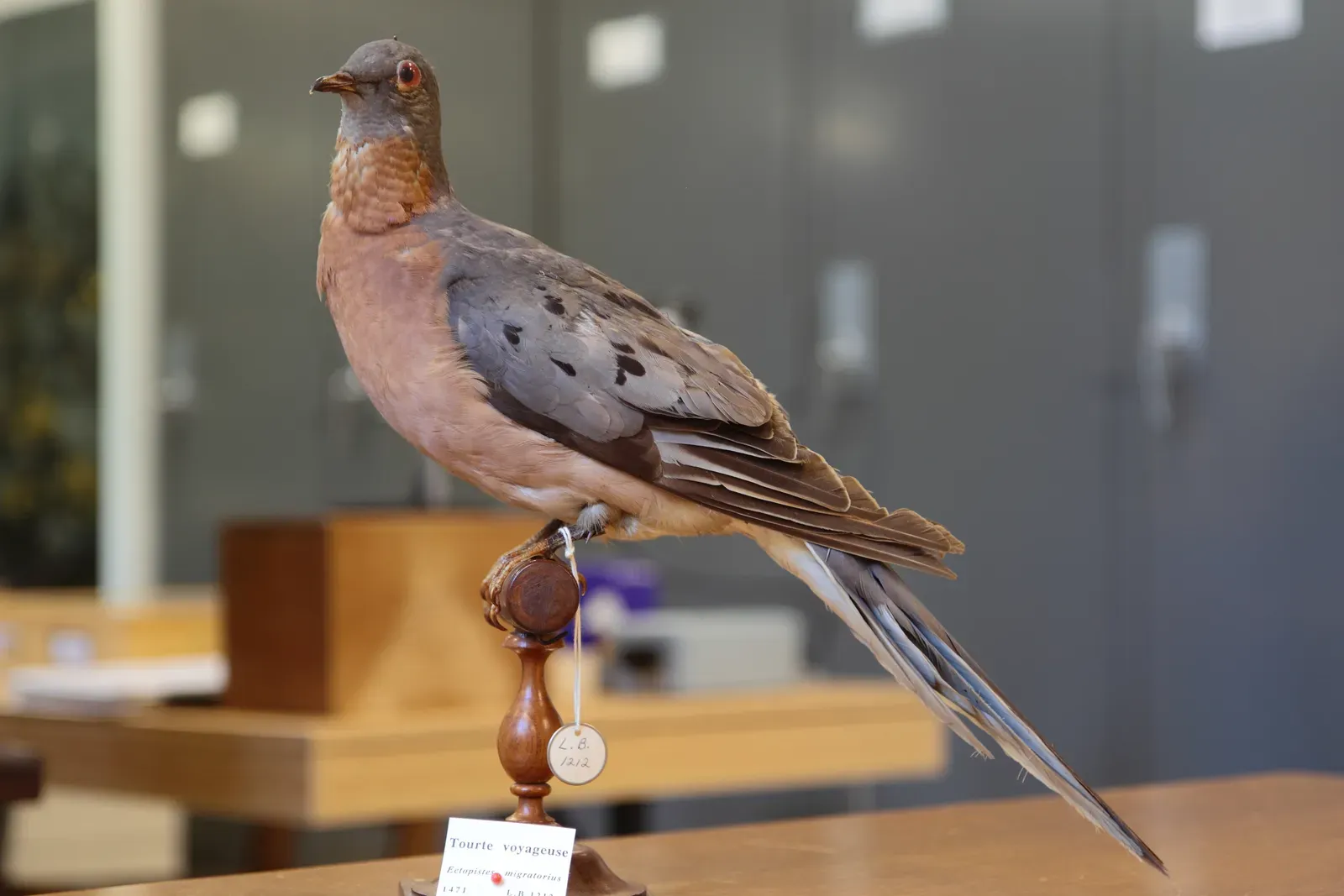
There was a time when flocks of passenger pigeons were so enormous they darkened the sky for days. Then, within decades, they were gone. Passenger pigeons traveled in large flocks and bred communally, which made them extremely vulnerable to hunting. The last known passenger pigeon, a female named Martha, died in 1914. The speed of their collapse is one of the most studied collapses in all of conservation science.
Researchers sequenced the DNA of the band-tailed pigeon, the passenger pigeon’s nearest relative, and compared the two to get a more complete picture. Scientists at Revive and Restore envision using the band-tailed pigeon as a surrogate for passenger pigeon eggs, whose hatchlings would be a composite of both species. More than the de-extinction effort itself, the passenger pigeon forces researchers to confront a hard truth that applies directly to you and every ecosystem you depend on: when you remove a species that exists at massive scale, the entire food web shudders. That lesson from one vanished bird now guides conservation planning worldwide.
7. The Dire Wolf: Ancient Predator, Modern Gene Editing Pioneer
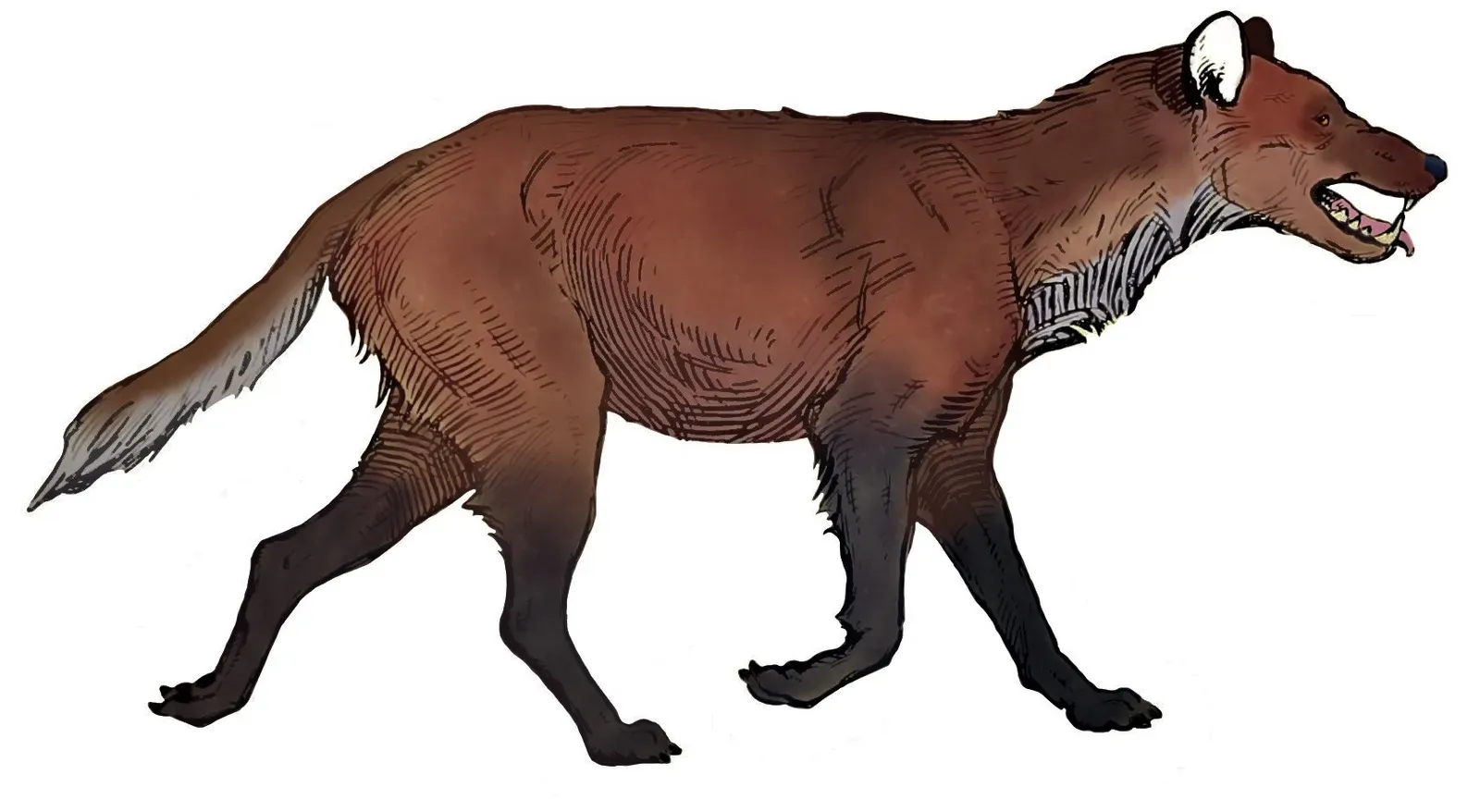
You probably know the dire wolf from television more than from textbooks. I think most people do. Colossal scientists have created three dire wolf pups by using ancient DNA, cloning, and gene-editing technology to alter the genes of a gray wolf, the prehistoric dire wolf’s closest living relative. That announcement in early 2025 sent shockwaves through the scientific community, and it hasn’t stopped reverberating since.
The company hopes the technologies that created the dire wolf can directly help endangered animals as well. Colossal said it has produced two litters of cloned red wolves, the most critically endangered wolf species, using a new, less invasive approach to cloning developed during the dire wolf research. So here’s what’s remarkable. By studying how a predator that went extinct roughly twelve thousand years ago survived and adapted, researchers have developed tools that may now save critically endangered wolves alive today. The dire wolf turned out to be the key to helping its modern relatives. I know it sounds a bit circular, but that’s exactly how beautiful science can be.
8. The Gastric-Brooding Frog’s De-Extinction Cousin: The Pyrenean Ibex and Cloning Science
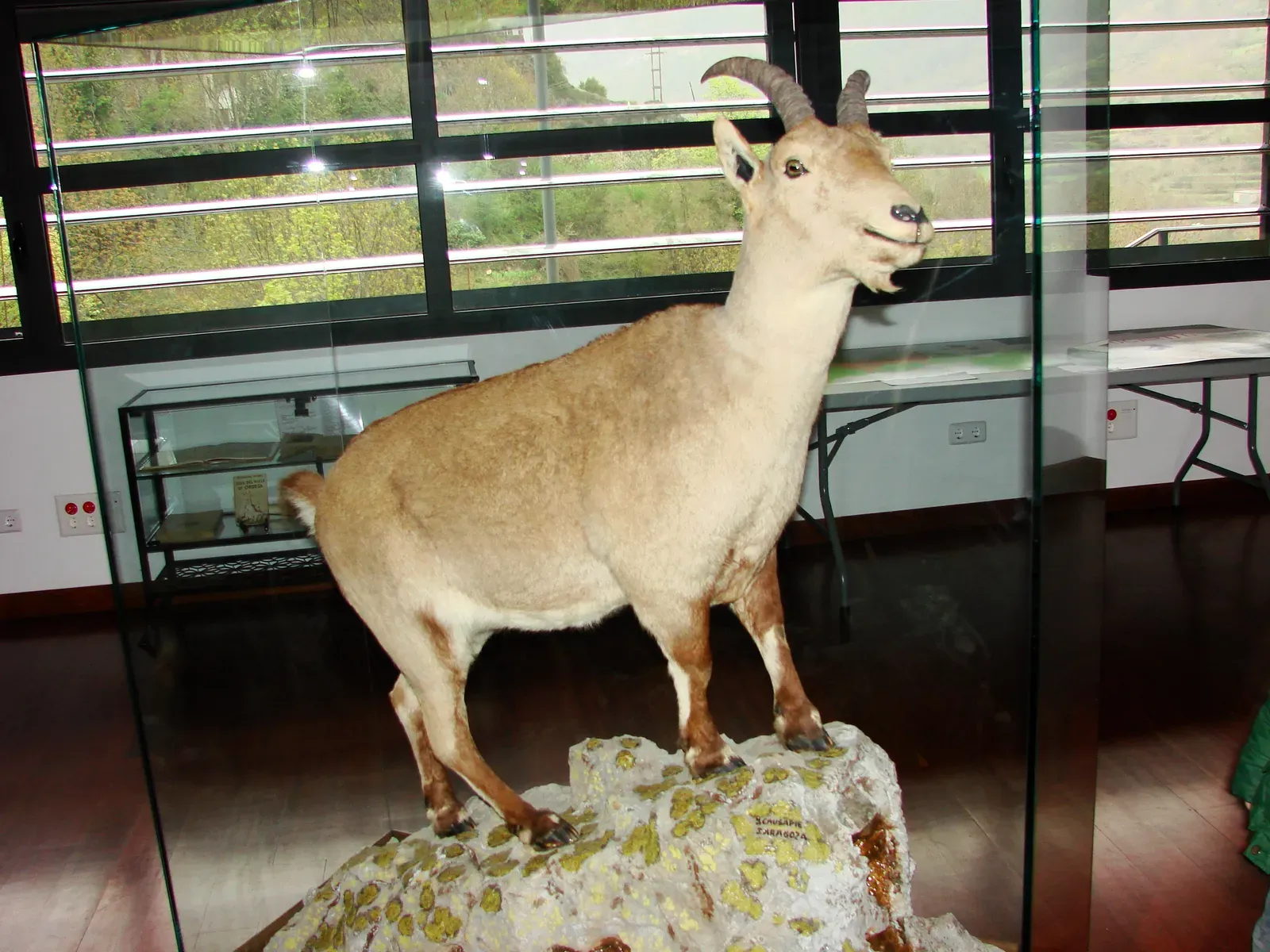
The Pyrenean ibex holds the distinction of having gone extinct, been brought back from the dead, and then gone extinct again. It officially died out in 2000 after the last remaining individual was killed by a falling tree. Despite that tragic sequence of events, what happened in the laboratory shortly after its extinction became a turning point for the entire field of cloning science.
In 2003, researchers in Spain successfully cloned the first extinct animal, the Iberian Pyrenean Ibex, at the Centre for Research and Food Technology of Aragon using DNA from the last living specimen that died three years prior. The clone only lived for a few minutes and died because of a lung defect. That failure was profoundly important. It taught scientists what you need to succeed at species revival, specifically, better understanding of how ancient or degraded DNA interacts with surrogate physiology. The most promising strategies for achieving de-extinction are back-breeding, cross-species cloning, and genetic engineering. Back-breeding is a selective breeding from individual organisms genetically and morphologically close enough to the extinct species. Every technique refined since 2003 owes a debt to the lessons from that short-lived ibex clone.
Conclusion: The Dead Still Have Something to Say
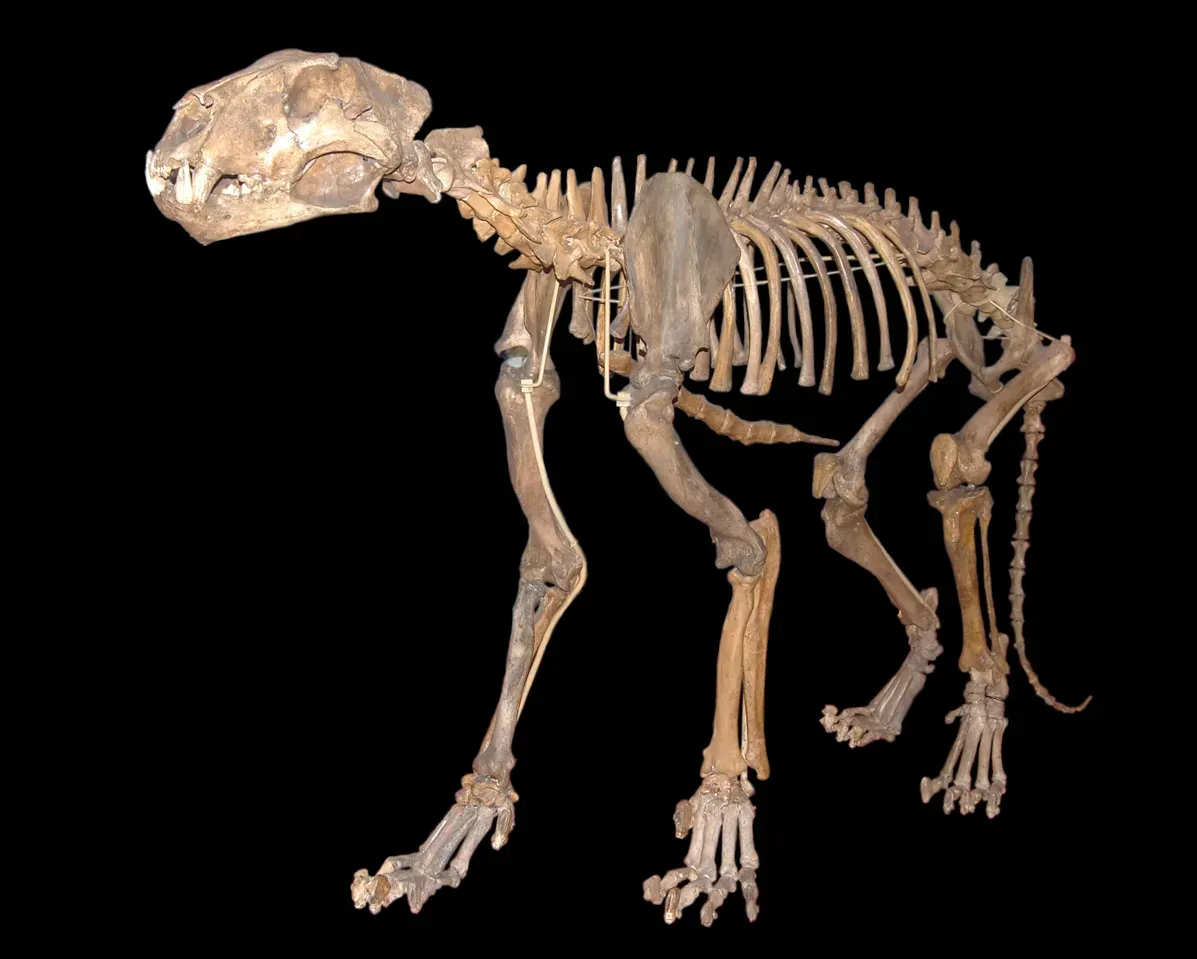
It’s easy to think of extinction as a door slamming shut forever. These eight species remind you that the door stays ajar, at least scientifically. From the woolly mammoth’s cold-resistance genes that could one day inform climate adaptation research, to the gastric-brooding frog’s acid-suppression mechanism that could transform digestive medicine, the survival strategies of extinct creatures are anything but finished stories.
Studying extinct species at a genetic level deepens our understanding of evolution, adaptation, and resilience. The science here isn’t just about bringing things back for the spectacle of it. It’s about extracting millions of years of evolutionary problem-solving and applying it to the challenges we face right now, from disease to climate change to ecological collapse.
Every species that disappears takes with it a library of solutions that nature took eons to write. The question worth sitting with is this: how many libraries are we still losing before we’ve even had a chance to read them?