
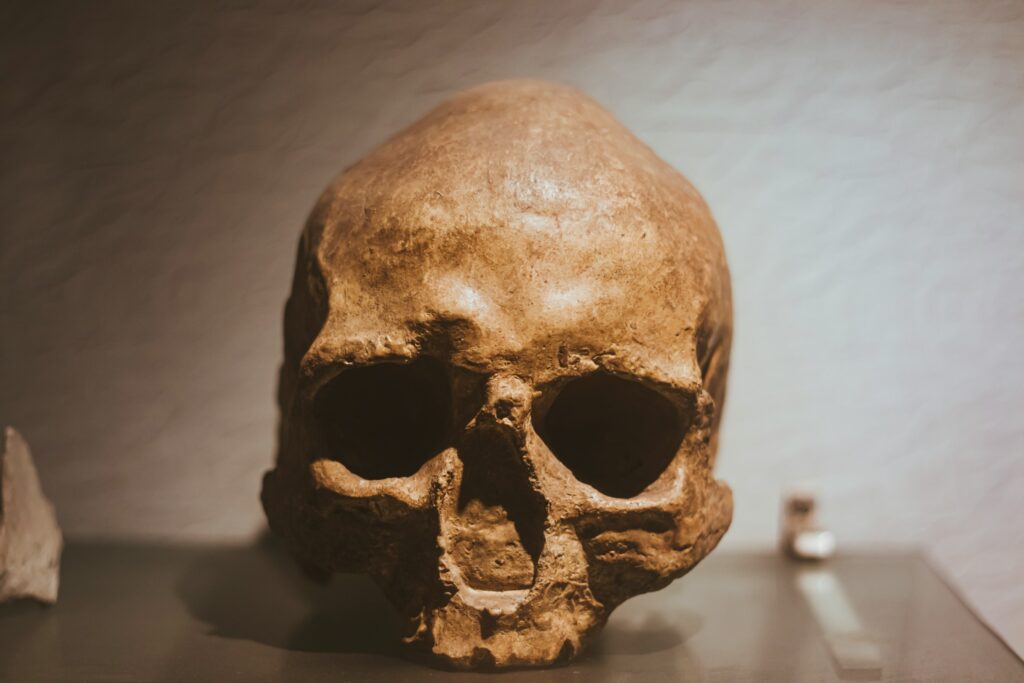
Picture this: a teenager in a small African community, two hundred thousand years ago, casually shaping a tool that would still make sense to an engineer today. Or a group of hunter‑gatherers mapping the stars more carefully than most of us ever will. Ancient humans were not slow, dim, or primitive in the way pop culture likes to portray them. In some ways, they were tougher, sharper, and more inventive than we are right now.
Once you start digging into the science, a strange feeling hits you: the line between “them” and “us” gets blurry fast. The fossils, tools, and even ancient DNA keep sending the same message: we are not the sudden, miraculous peak of evolution we like to imagine. We’re just the latest version in a long, wild, and often shocking story. Here are eight almost impossible at first glance, but are backed by serious research.
1. Some Ancient Humans Had Bigger Brains Than We Do
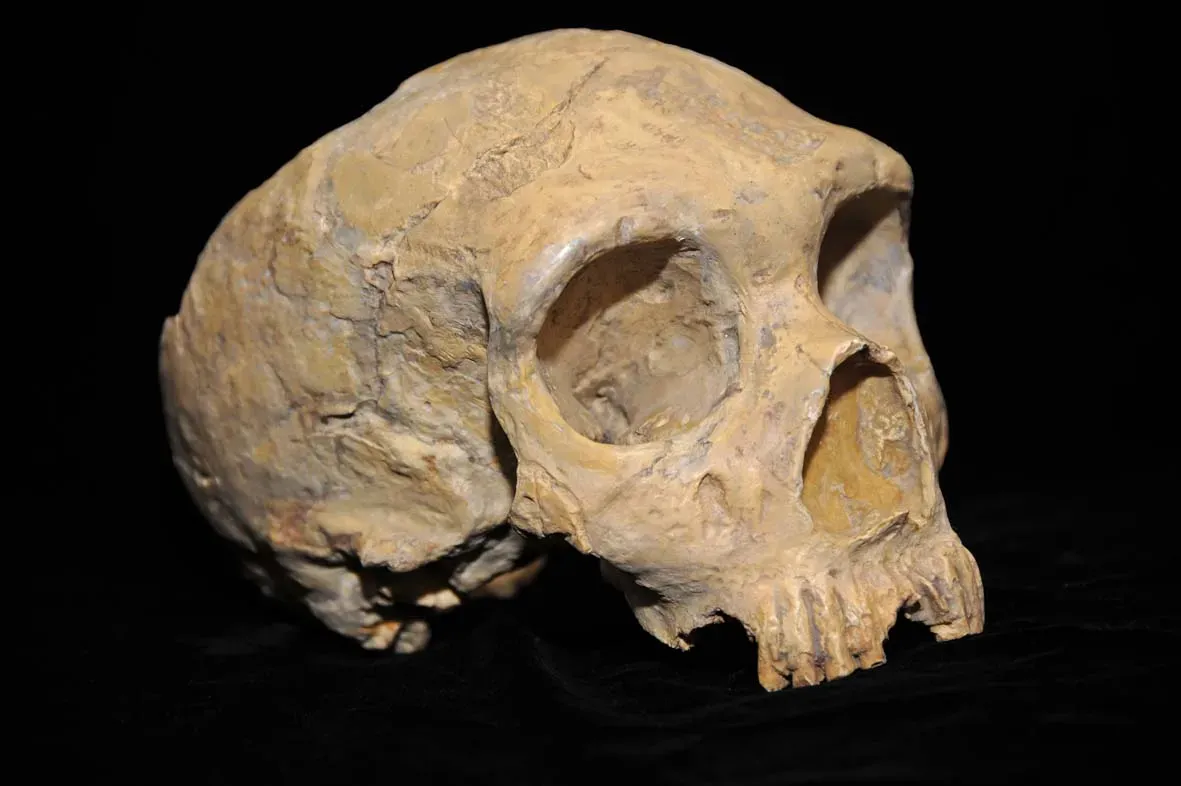
It feels natural to assume that brain size has been steadily climbing toward modern humans like some sort of evolutionary staircase. The reality is far messier and much more humbling. Neanderthals, for example, often had brain volumes that were on average slightly larger than those of many people today, and some early Homo sapiens skulls also show surprisingly big cranial capacities.
That does not mean they were “smarter” in a modern sense, because intelligence is not simply about raw brain size. Still, it is wild to realize that some ancient relatives carried around more brain volume while living in landscapes full of predators, ice, and scarcity. When I first learned that, it felt like discovering that your supposedly “primitive” great‑grandparent quietly had a more powerful computer in their head than you do now.
2. Humans Almost Went Extinct More Than Once
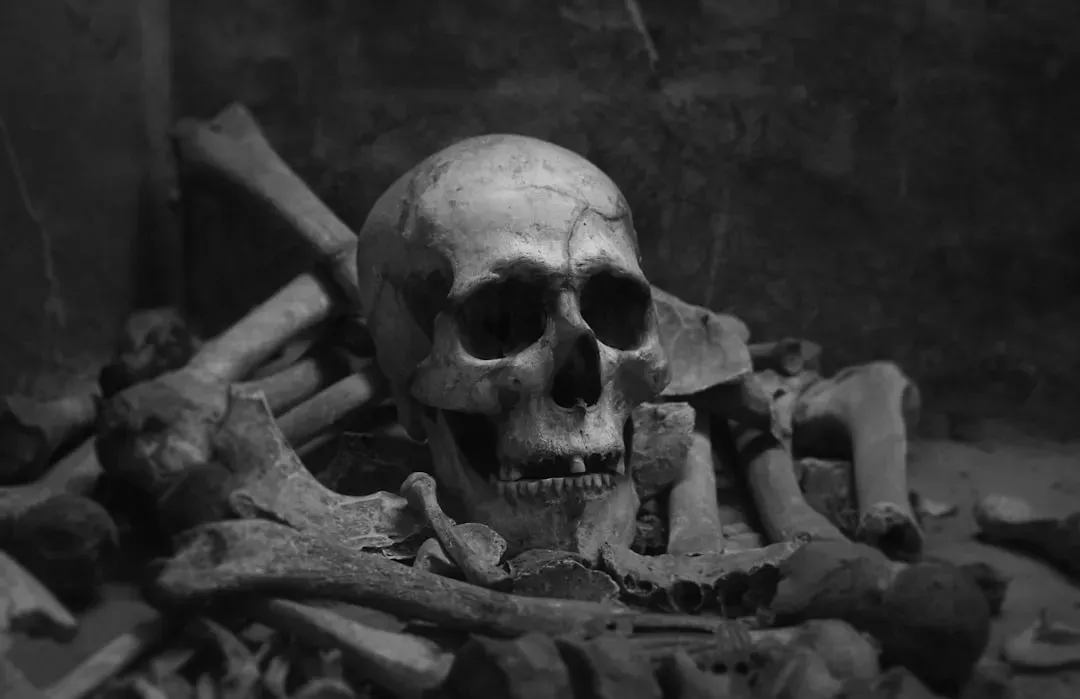
We like to think of human history as a steady march forward, but our species came terrifyingly close to disappearing altogether. Genetic studies suggest that at certain points in the distant past, the breeding population of Homo sapiens may have crashed to a tiny fraction of today’s numbers, likely thanks to climate swings, volcanic events, or brutal ecological pressures. Imagine the entire future of humanity resting on a group that might have fit into a large modern town.
What sounds impossible is that every single language, story, invention, and person alive today is descended from those small, fragile clusters of survivors. It turns human history into less of an inevitable saga and more of a nail‑biting thriller in which we almost lost the main character before the second chapter. The next time someone talks like humans were “destined” to dominate the planet, it is worth remembering how close we came to not being here at all.
3. Ancient Hunters Could Run Down Animals By Sheer Endurance
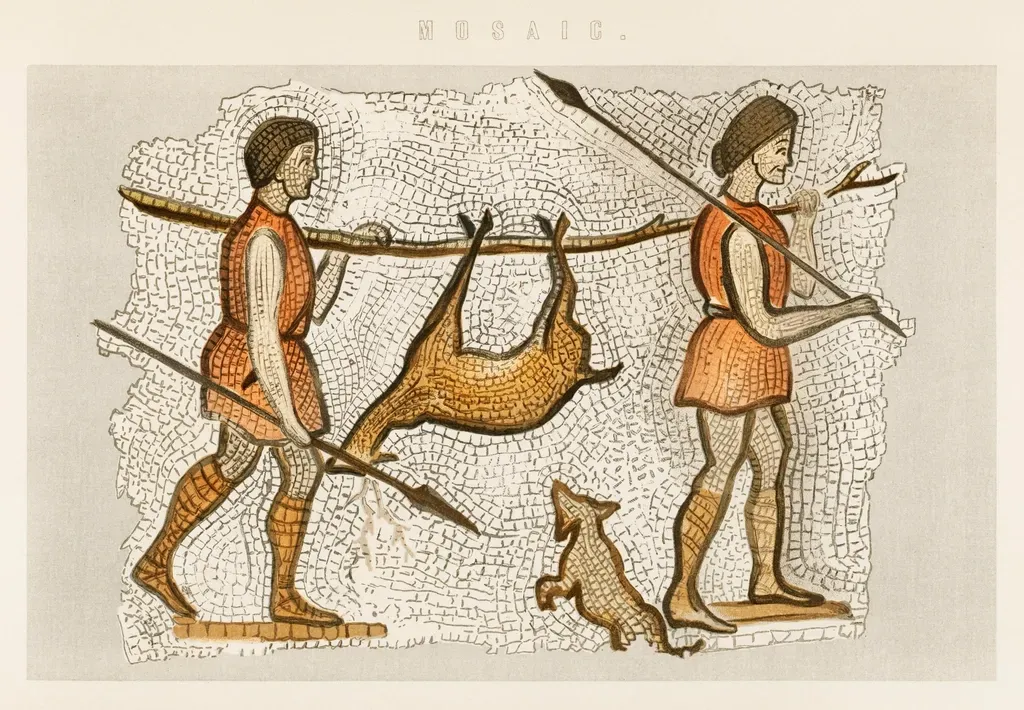
The idea that humans could chase big animals into exhaustion without cars, horses, or weapons that worked at a distance sounds like a myth. Yet endurance hunting is one of the most striking abilities our bodies evolved for. Our long tendons, sweat‑based cooling system, and upright posture turn us into surprisingly good long‑distance runners in hot conditions, even compared to fast quadrupeds like antelope.
In some traditional societies that persisted into recent times, hunters tracked animals under the blazing sun for hours until their prey literally overheated and could no longer flee. That style of hunting matches what our skeletal anatomy and physiology are built for. It is bizarre to sit in an air‑conditioned office, scrolling on a phone, knowing your body is technically the descendant of a marathon predator designed to out‑persist an antelope on foot.
4. Ancient Stone Tools Stayed Nearly the Same for Over a Million Years
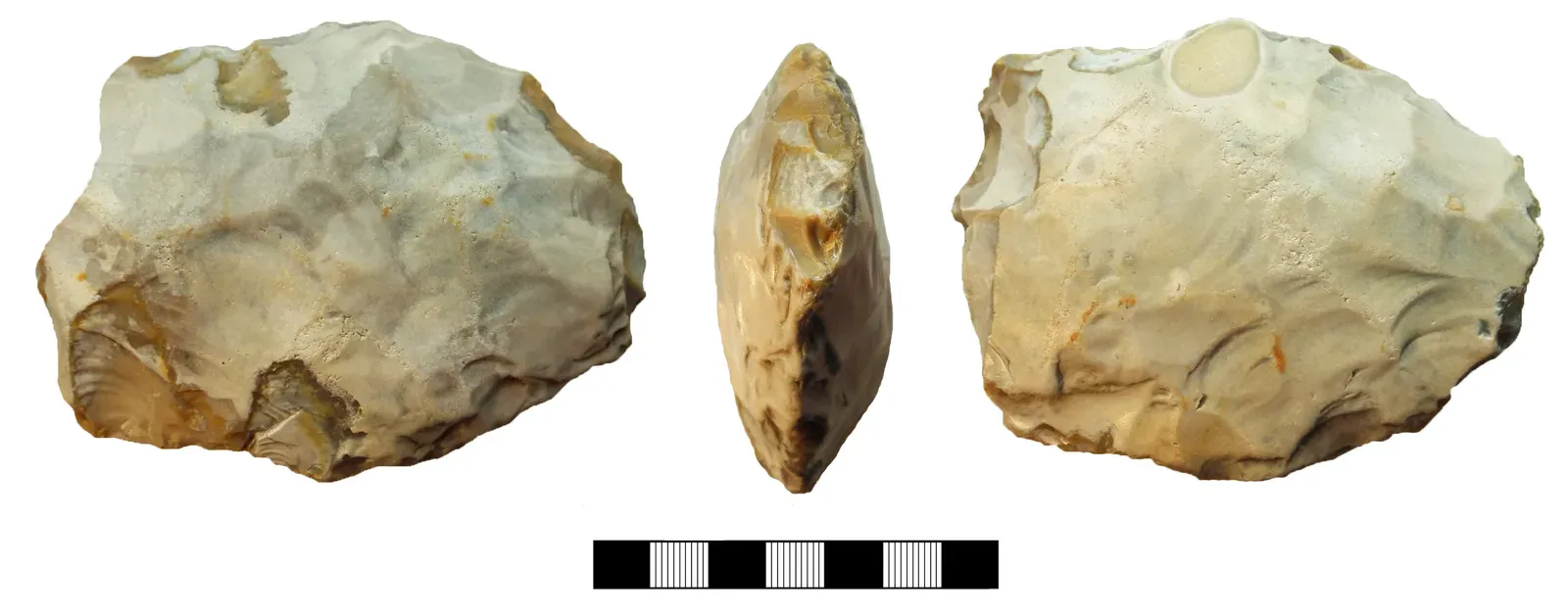
In our age of yearly smartphone upgrades and constant software updates, the idea of a tool design remaining stable for hundreds of thousands of years feels alien. Yet some early stone tool traditions persisted with relatively minor changes across vast stretches of time and geography. Generations upon generations made handaxes or simple cutting tools using methods that would have felt instantly familiar to their distant ancestors.
This is not evidence of laziness or lack of creativity; it is proof that once ancient humans discovered a robust, versatile design, it worked so well it barely needed changing. A well‑made handaxe could cut, scrape, butcher, dig, and split – like a prehistoric multitool with almost no moving parts. It is oddly comforting, and a little eerie, to think of a long chain of people copying a design for longer than all of recorded history combined.
5. Different Human Species Interbred and Swapped DNA
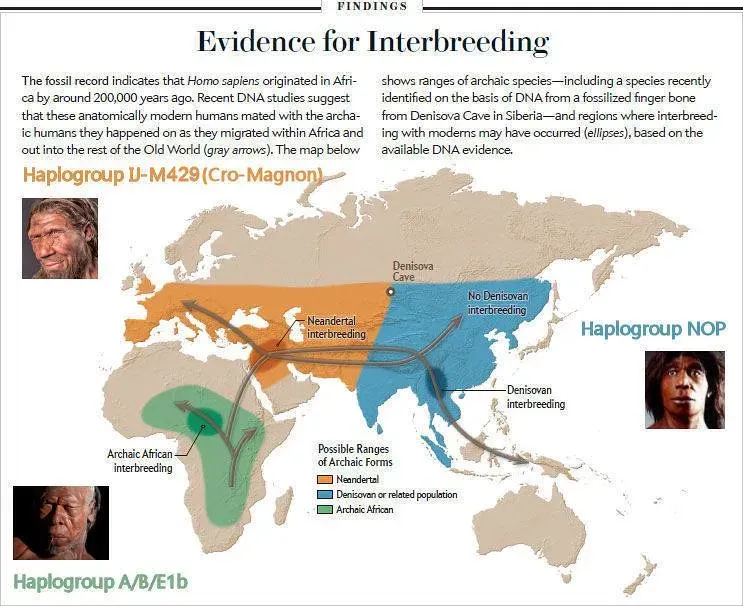
For a long time, textbooks framed human evolution as a neat story: one species replaces another and becomes the new star of the show. Genetic research demolished that simple picture. Modern humans outside Africa carry small but real amounts of Neanderthal DNA, and some populations in Asia and Oceania also carry DNA from other ancient groups like Denisovans. Our family tree looks less like a straight line and more like a tangled network of branches that occasionally reconnect.
The strange part is that bits of this ancient DNA still affect us today. Some of these inherited gene variants influence our immune systems, how our bodies handle sunlight, or even how we respond to certain diseases. When people talk about having “Neanderthal genes,” it is not just a meme; it reflects a real legacy of ancient relationships and shared children between groups that once walked the same valleys and caves.
6. Early Humans Crossed Seas Without Modern Boats

The image of ancient humans stuck on single continents, terrified of open water, does not hold up to the archaeological evidence. Very early on, humans or their close relatives reached islands that were never connected to the mainland by land bridges, which implies they crossed stretches of sea using some form of watercraft. These were not sleek yachts or metal ships – more likely simple rafts, dugouts, or lashed‑together platforms guided by experience and nerve.
Standing on a modern ferry or airplane, it is easy to feel technologically superior, but the courage it must have taken to push off toward a hazy horizon in a handmade vessel is on another level. Those journeys were high‑risk bets: no satellites, no weather apps, no backup engines. Just human judgment, timing, and a willingness to stake your life on wood, fiber, and the hope that another shore waited somewhere beyond the waves.
7. Ancient People Engineered Landscapes on a Massive Scale

There is a stubborn myth that ancient humans simply “lived lightly” in untouched wilderness, leaving barely a trace. In reality, many past societies were skilled land engineers. They built irrigation canals, fish traps, raised fields, and terraced hillsides, and some groups used controlled burning to shape forests and grasslands over long time spans. The ecosystems that later explorers thought were pristine were often the result of centuries of intentional human management.
What sounds impossible is just how sophisticated some of these systems were without modern surveying gear or written plans. People learned, through trial, error, and observation, how to flood certain areas at the right moment, how to coax crops out of poor soils, and how to maintain biodiversity while still feeding communities. It is the opposite of the usual story that skips straight from “cavemen” to urban civilization, ignoring the quiet genius embedded in ancient land use.
8. Our “Modern” Bodies Are Basically Ancient Designs
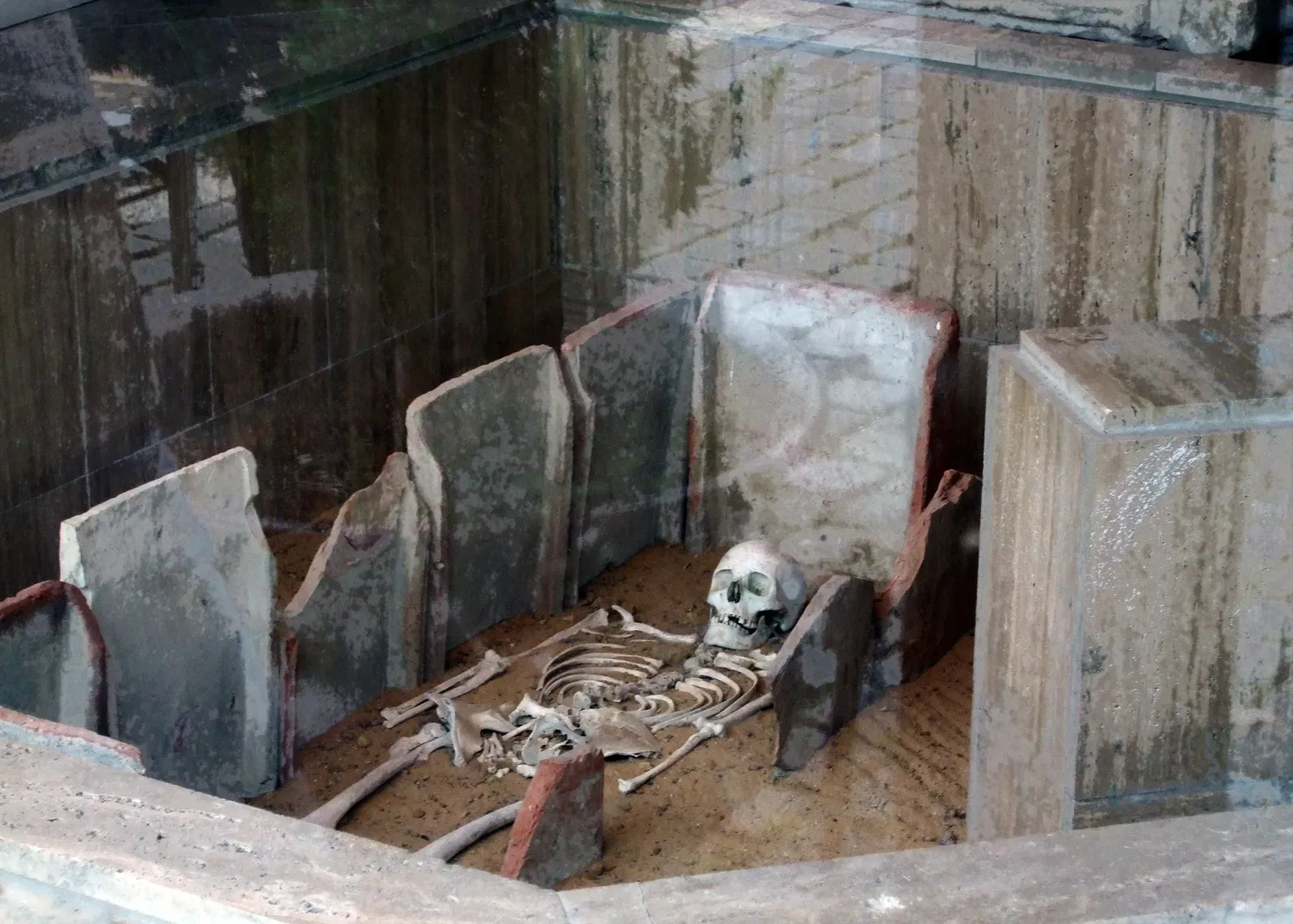
One of the strangest facts is not about what ancient humans did, but about how similar they were to us physically. If you time‑traveled and placed a healthy child from, say, thirty or forty thousand years ago into a modern family at birth, that child would almost certainly grow up indistinguishable from any other person in terms of basic abilities. Our bones, muscles, and brains were already shaped to be capable of language, art, complex social lives, and abstract thinking.
In other words, the hardware has barely changed; it is the software – culture, technology, beliefs – that has been updating at breakneck speed. That realization is both unsettling and inspiring. It means that people who knapped flint and painted in caves were not fundamentally “less” than us, just born into different circumstances. The gap we like to imagine between them and ourselves is mostly about tools, not about what their minds could grasp.
Conclusion: Ancient Humans Were Not Who We Wanted Them To Be
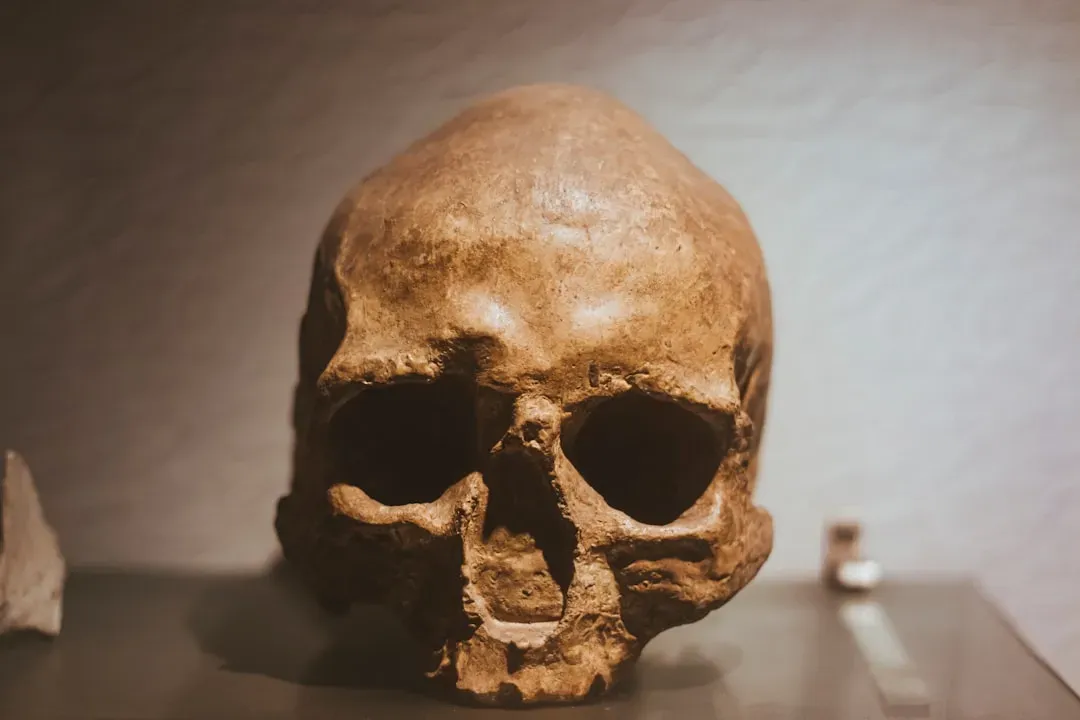
When you line up these facts, a pattern jumps out: the cartoon version of ancient humans as grunting, half‑awake brutes simply does not survive contact with actual evidence. They were experimental sailors, landscape engineers, endurance athletes, and survivors of near‑extinction, all running on brains and bodies that look uncomfortably familiar. In my view, clinging to the old “primitive caveman” stereotype is less about truth and more about ego – it lets us pretend we are a dramatic upgrade rather than the latest expression of a very old design.
The more I learn about them, the less I see an “us versus them” divide and the more I see a continuous, messy, and deeply human story that we are still in the middle of. Their fears, risks, and gambles shaped the world we inherit, and their resilience is the only reason any of us exist to speculate about them at all. Maybe the most impossible‑sounding fact is this: we are not as special or as separate from our ancestors as we like to think. Knowing that, what else about our own place in history might we be getting wrong?