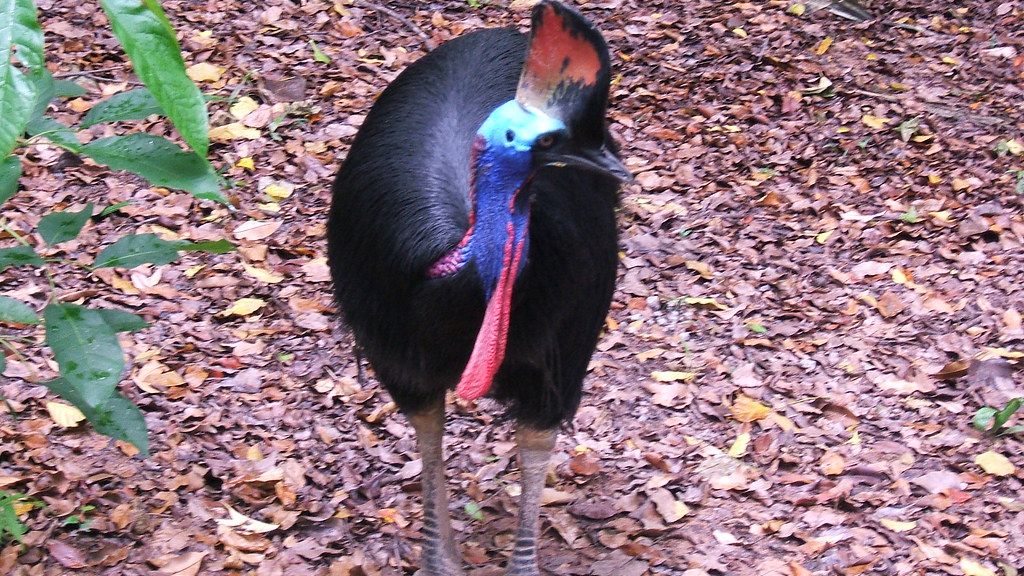
Ever wondered what it would be like to stumble upon a living dinosaur? Picture this: you’re walking through a tropical rainforest, and suddenly, you spot a massive bird with glossy black feathers, a vivid blue neck, and a towering helmet on its head. Its powerful legs end in feet that look like they belong to a velociraptor. This isn’t science fiction. This is the cassowary, one of the most extraordinary and misunderstood creatures on Earth.
These birds are fascinating, dangerous, and absolutely critical to their ecosystems. Let’s be real, though. Most people have never heard of them. Yet they’re walking around the rainforests of Australia and New Guinea like feathered relics from another era. So what makes these birds so special? Let’s dive in.
They’re Living Dinosaurs With Prehistoric Features
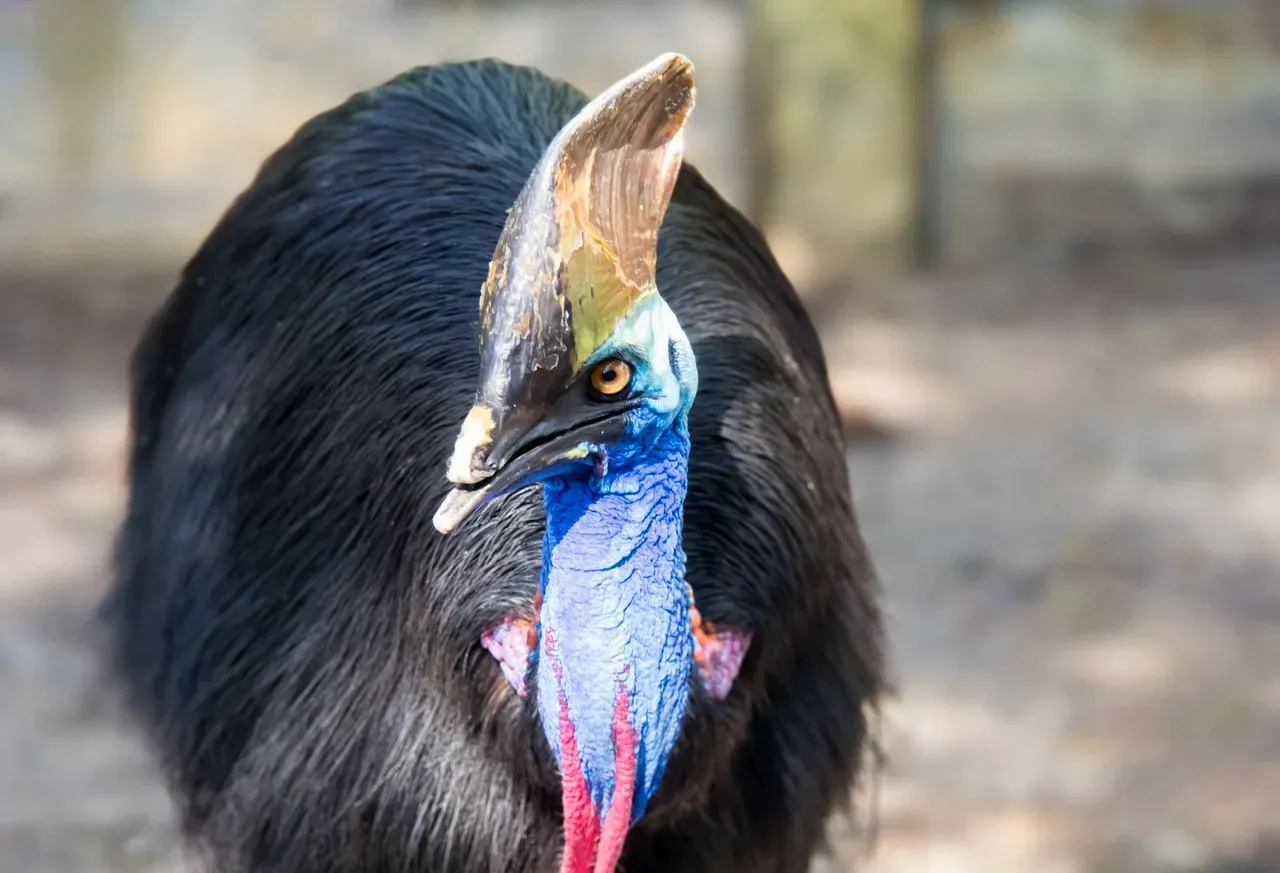
Cassowaries, like most modern birds, are direct descendants of theropod dinosaurs, and honestly, it shows. These flightless birds have casques, a helmet-like structure atop the head, which many dinosaurs are believed to have had. Scientists say the birds are one of the most direct relatives to prehistoric creatures, still thriving after 80 million years.
Thick, three-toed feet with 4-inch talons and a dagger-like inner claw are also what give these birds the nickname of “living dinosaurs”. When you see their feet up close, you’d swear you were looking at something straight out of Jurassic Park. Some scientists speculate cassowaries may be the closest link between dinosaurs and modern birds, pointing to their three-toed feet and the horn-like casque on their head.
The Casque Serves Multiple Purposes
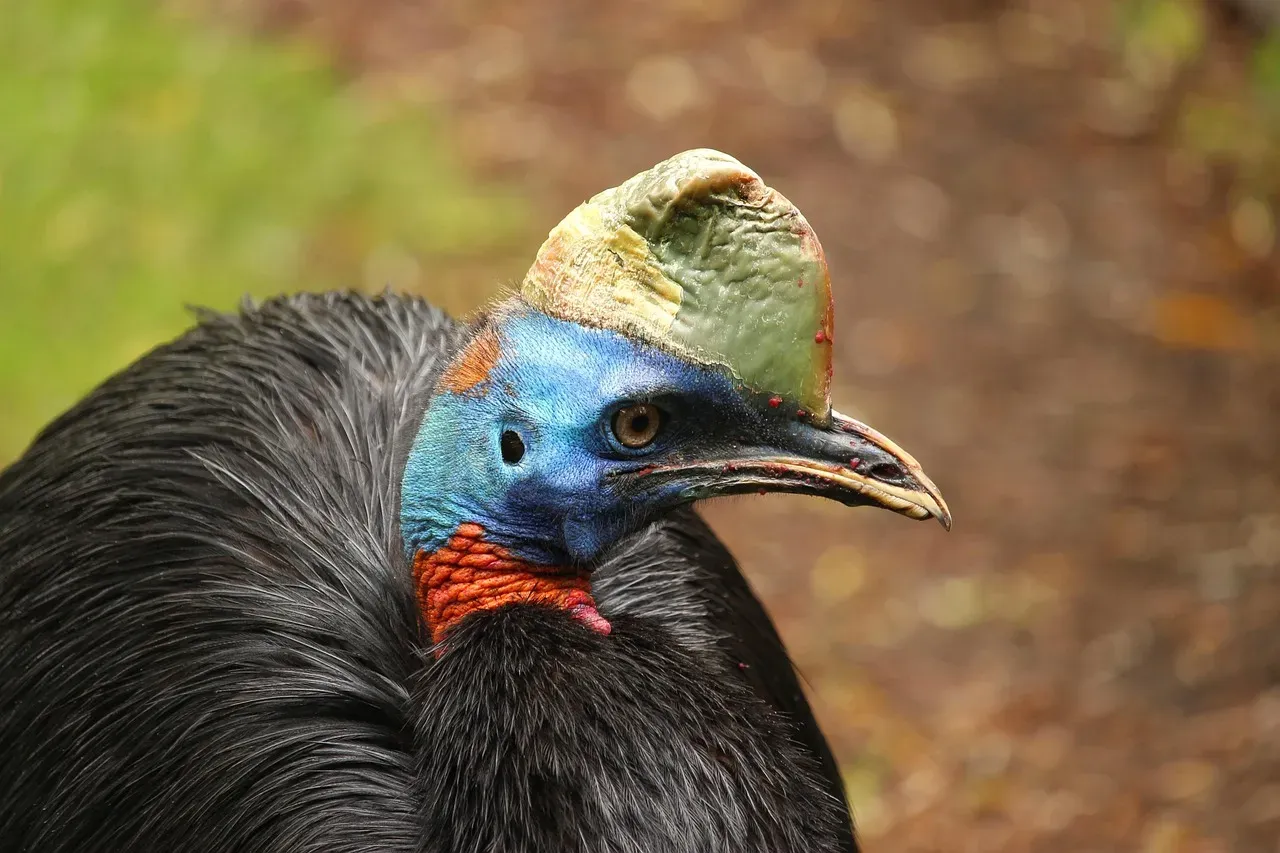
That bizarre helmet sitting on top of a cassowary’s head isn’t just for show. It is a hollow, pointed structure made of keratin, the same substance as our hair and nails. For years, scientists were puzzled about its function. Recent studies suggest that the casque acts as a thermal radiator to cool the bird in hot rainforests.
Still, that’s probably not its only job. It could reveal a bird’s age or dominance, or be used as a sort of helmet or shock absorber that protects the bird’s head as it pushes through the rainforest underbrush, or even help the bird make sounds. Honestly, it’s hard to say for sure. The casque remains one of those mysteries that makes cassowaries even more intriguing.
These Birds Are Massive and Intimidating
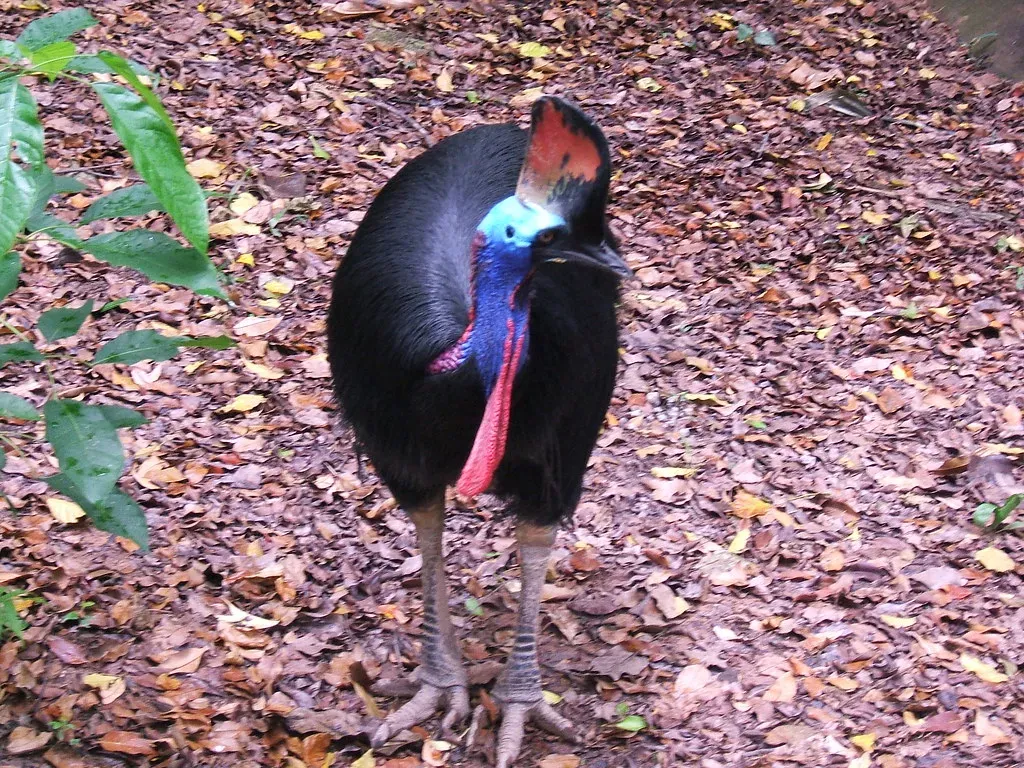
The southern cassowary is the third-tallest and second-heaviest living bird, smaller only than the ostrich and emu. Adult southern cassowaries are 1.5 to 1.8 m tall, and weigh 58.5 kg. Females tend to be bigger. It is not uncommon to see exceptionally large females topping the scales beyond 70 kg, with the largest maximum recorded being a southern cassowary at 85 kg and 190 cm tall.
Think about that for a second. These birds can weigh as much as a fully grown human. Each foot has three toes, with the inner toe bearing a dagger-like claw that can grow up to 5 inches long. Their powerful kick, which defends them from predators, can break bones, damage internal organs, and even be lethal. You definitely don’t want to mess with one.
Their Call Is Almost Too Low for Humans to Hear
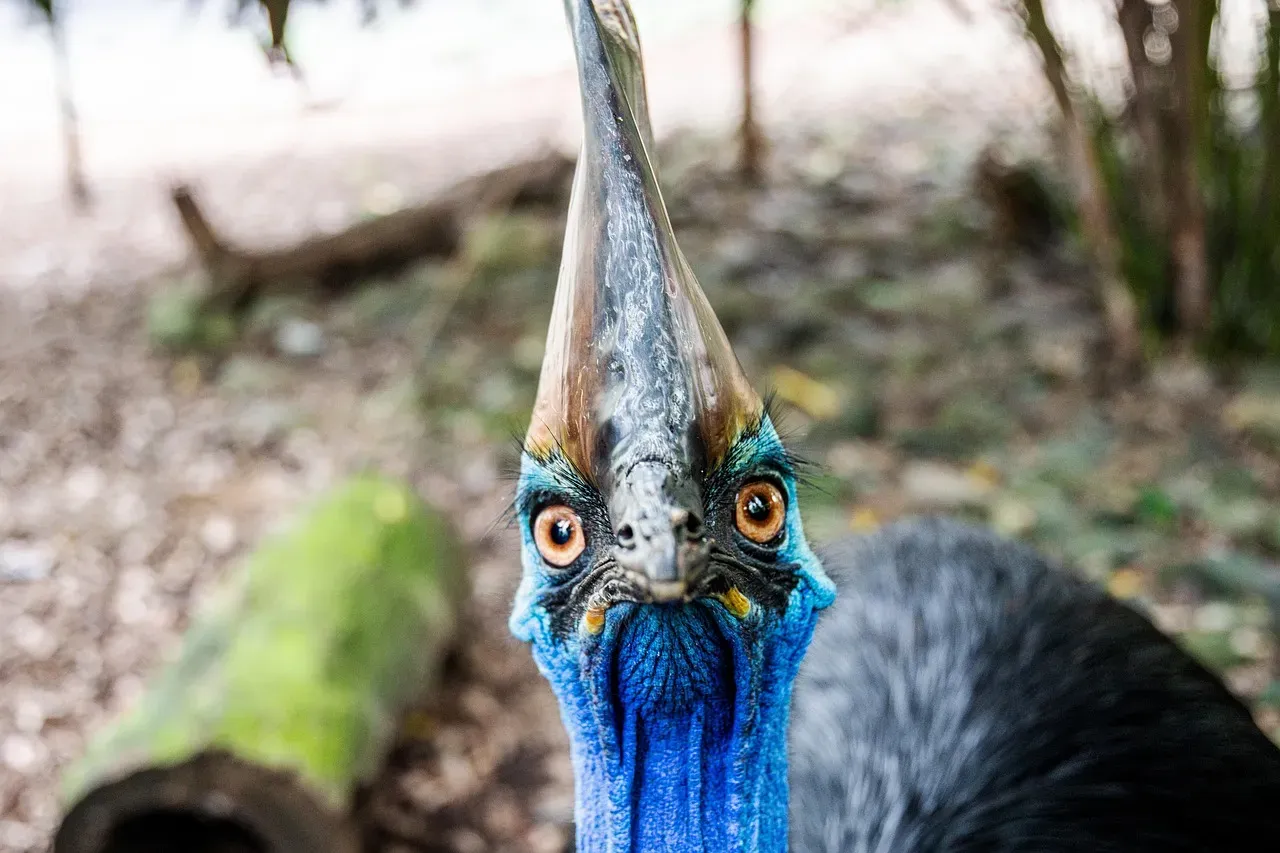
Among the sounds cassowaries make is a low-frequency rumbling boom that is the lowest known sound made by a bird, registering 32 hertz or lower, which is just on the edge of human hearing. If you are nearby when it does this call, you can feel the vibrations in your chest.
Scientists believe cassowaries use this low rumbling boom to communicate long distances through the dense rainforest understory. It’s kind of eerie when you think about it. These birds are sending messages through the jungle that you might not even consciously hear but can actually feel.
They’re the Rainforest’s Most Important Gardeners
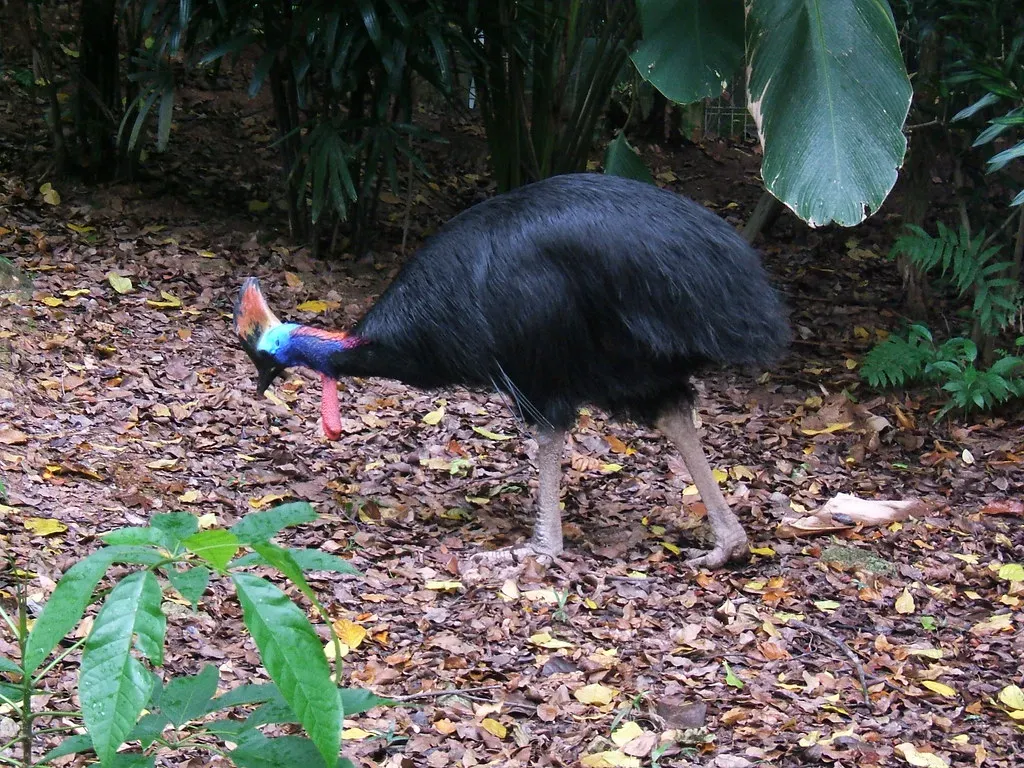
Here’s the thing: without cassowaries, rainforests would look completely different. Cassowaries have been recorded eating over 238 species of plants, and they play an important role in maintaining the diversity of the rainforest. Scientists estimate that cassowaries disperse the seeds for at least 238 species of fruit-producing plants, including approximately 100 plant species for which they are the sole seed disperser.
A study found that the seeds of a rare Australian tree showed increased germination from 4% to 92% after passing through the digestive tract of a southern cassowary. They swallow fruit whole, and the seeds pass through unharmed, getting deposited in a nice pile of natural fertilizer. Cassowaries are one of only a few species that can disperse large rainforest fruits and are the only long-distance dispersal agent for large-seeded fruits, and are the only animals capable of distributing the seeds of more than 70 species of trees. They’re basically nature’s ultimate landscapers.
Males Are Devoted Single Dads
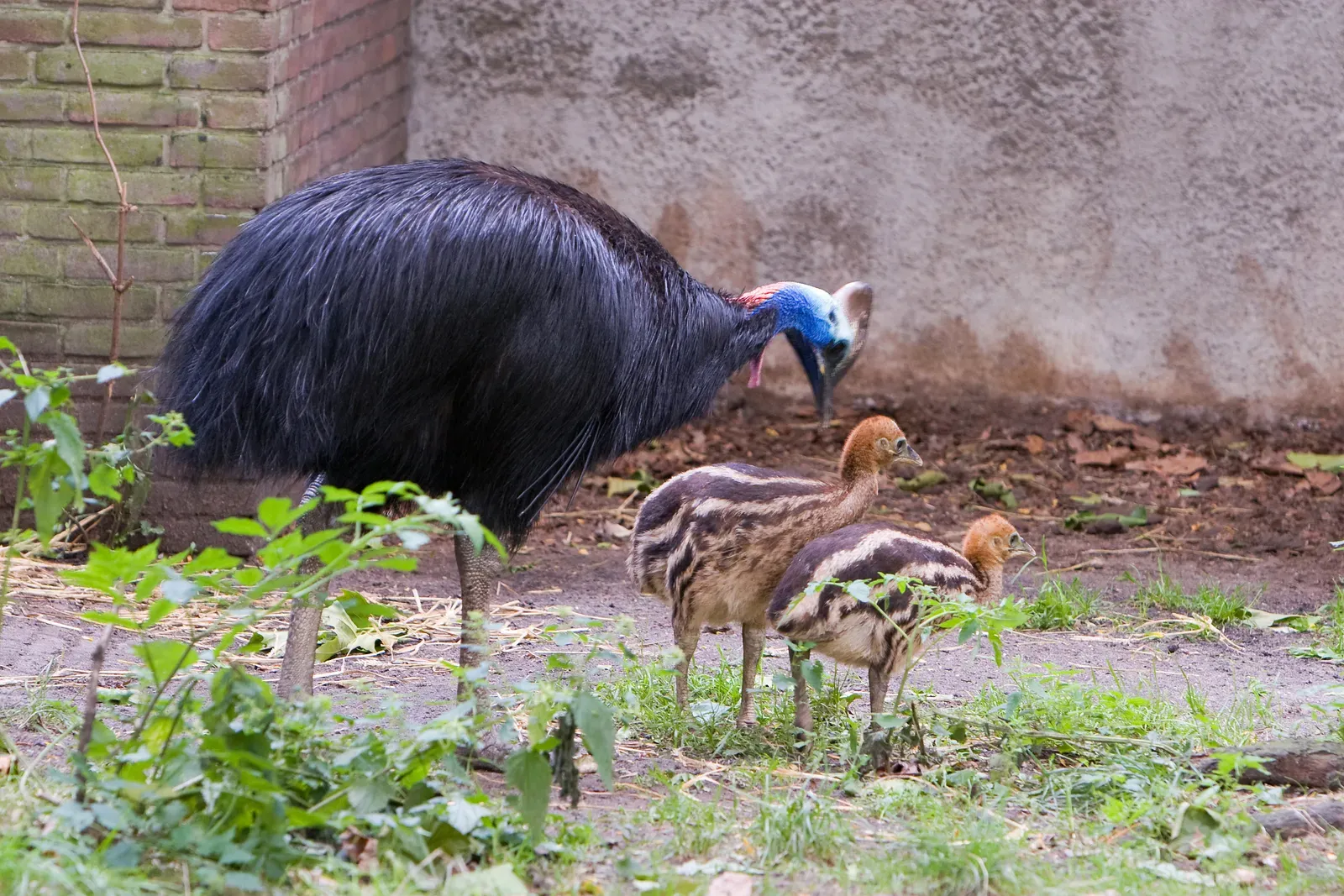
Females are taller and heavier than the males and have brighter coloring and a larger casque, while the males are the ones who incubate the eggs and care for the young. The male cassowary guards and incubates the eggs; he will guard the chicks and protect them from predators for about nine months as they learn to forage.
During egg incubation the father will barely leave the nest, and after hatching he spends up to 18 months with the chicks. Meanwhile, the females? They lay their eggs and move on to the next male. Talk about reversing traditional gender roles. Cassowaries are protective and proactive fathers. It’s honestly quite beautiful.
The Dangerous Reputation Is Mostly Exaggerated
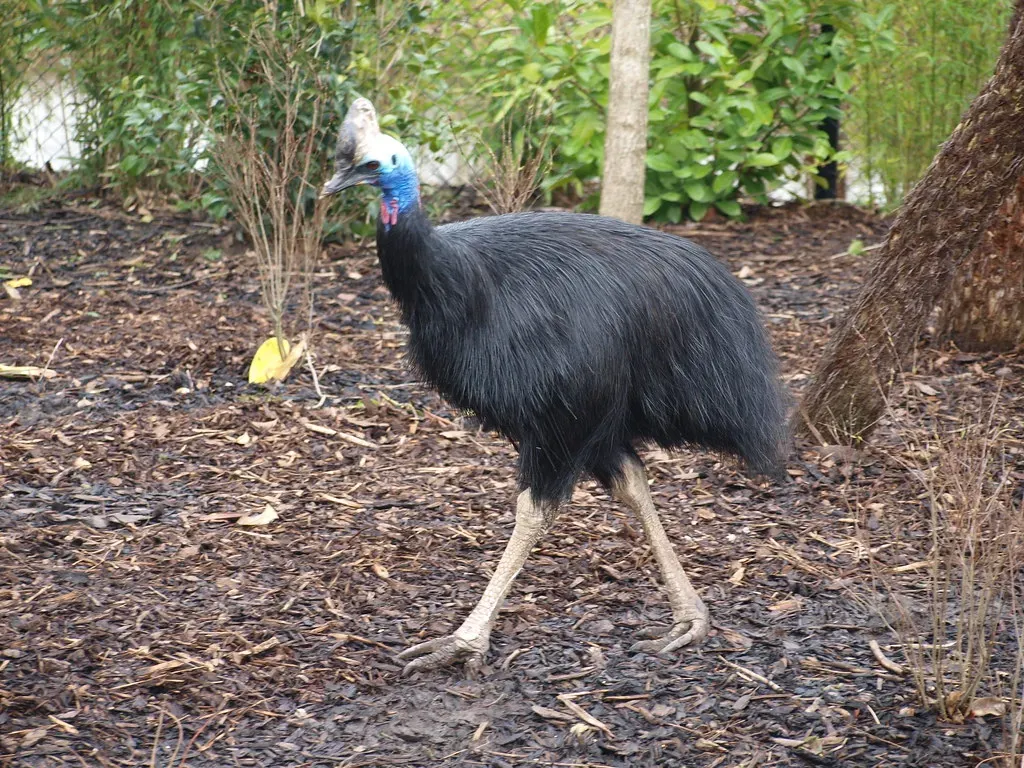
Let’s be real here. The two recorded human deaths related to this creature have earned it the title of “world’s most dangerous bird” in the Guinness Book of World Records. However, context matters. A 2003 historical study of 221 cassowary attacks showed that 150 had been against humans; 75% of these had been from cassowaries that had been fed by people, and 73% involved the birds expecting or snatching food, with only one human death reported.
Crocodiles kill about a thousand people a year, and hippos kill about 500 people a year, compared to cassowaries’ two recorded fatalities since 1926. Cassowaries are shy and they are usually hard to spot, at least in their natural rain forest habitats, and they are not overly aggressive, and attacks are rare. So yeah, they can be dangerous if you corner them or mess with their babies, but they’re not out hunting humans for sport.
They’re Endangered and Need Our Help
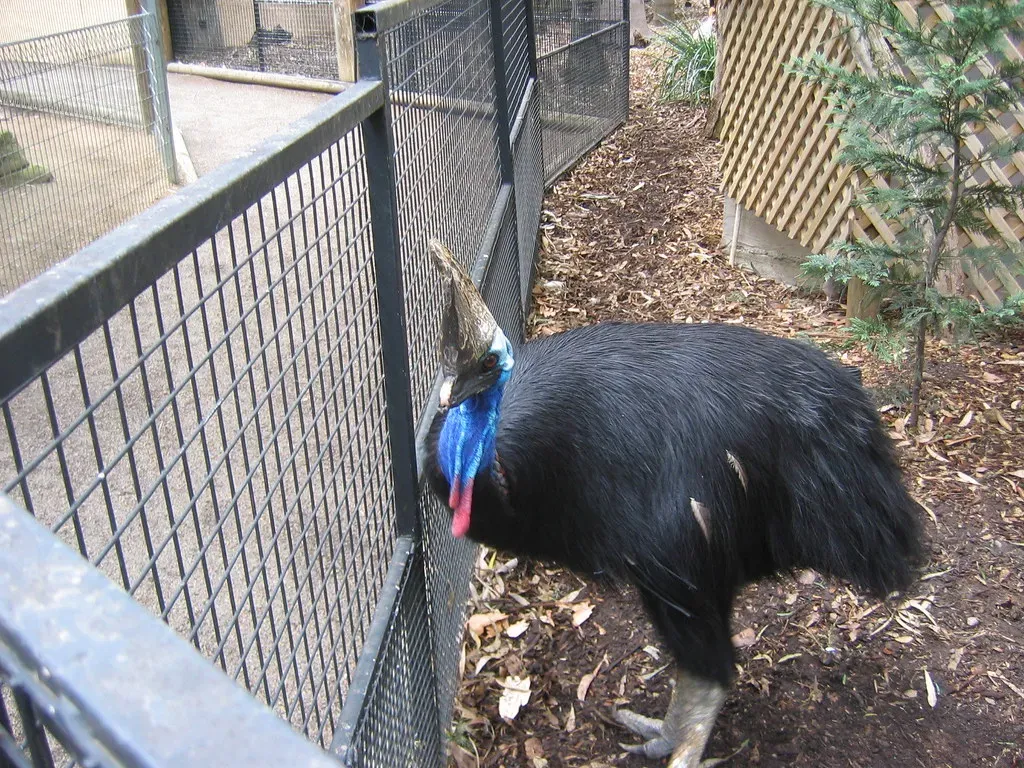
Southern cassowaries are now endangered in Australia, with less than 5,000 left in the wild, threatened by habitat loss, car strikes, and dog attacks. Motor-vehicle strikes accounted for 55% of the deaths, and dog attacks produced another 18%. These statistics are sobering.
More than 80% of the coastal lowland rainforest in Australia has been cleared over the past century. Since cassowaries are slow to reach breeding age, and can live up to 50 years, each cassowary lost has a major impact on the population. Conservation groups are working hard to protect their habitats and create safe corridors, but the birds need more support. Without them, entire ecosystems would collapse. The loss of cassowaries wouldn’t just be tragic for the birds themselves; it would fundamentally alter the rainforests they call home.
So there you have it. Eight remarkable facts about one of nature’s most incredible survivors. These birds have walked the Earth for millions of years, and they deserve our respect and protection. What do you think? Had you heard of cassowaries before? Tell us in the comments.