Have you ever wondered if dinosaurs cared for their babies? Did towering giants nurture their young, or did tiny hatchlings face the ancient world alone? For decades, paleontologists have unearthed clues frozen in time that tell remarkable stories about prehistoric parenting. These fossilized moments capture behaviors that happened millions of years ago, revealing surprising parallels to modern animals and some truly unique strategies that belonged only to dinosaurs.
Let’s be real, the image of a protective dinosaur parent was once dismissed as pure fantasy. Scientists thought these creatures simply laid eggs and wandered off. Yet discoveries over the past few decades have completely transformed our understanding. From nesting colonies to parents found frozen in protective positions over their eggs, the fossil record now paints a far more nuanced picture of dinosaur family life. Some species were devoted guardians, while others adopted what researchers now call a hands-off approach that still managed to ensure survival.
Brooding Behavior: When Dinosaurs Sat on Their Nests
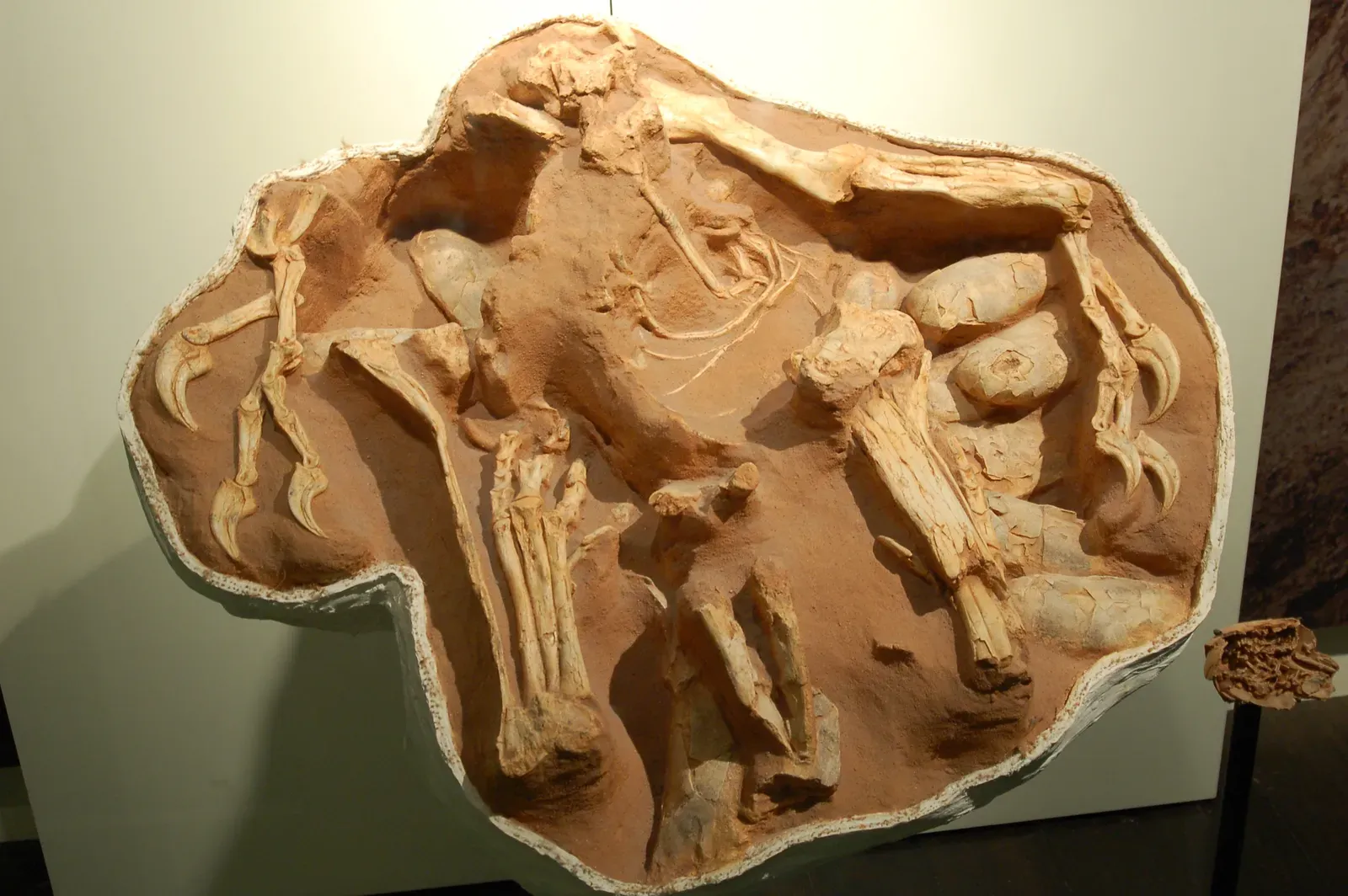
The discovery of the Citipati osmolskae fossil dubbed ‘Big Mama’ provided substantial evidence for how dinosaurs behaved with their eggs, showing a 75-million-year-old oviraptorid brooding on a nest of eggs. This wasn’t just any fossil find. The dinosaur was caught in the act, curled up on its nest, possibly caught in a sandstorm or mudslide and was buried with its eggs – displaying protective behavior to the detriment of the parent.
The ancient scene provides the first hard evidence that dinosaurs were brooding parents, laying their eggs and incubating them for quite a long time. Analysis of oxygen isotopes in fossilized eggshells and embryonic dinosaur bones revealed that eggs were incubated at high temperatures of about 86 to 100 degrees Fahrenheit, adding another layer of evidence that the adult oviraptorid was sitting on the nest to keep the eggs warm. This brooding technique closely resembles what modern birds do today, creating a direct behavioral link between dinosaurs and their avian descendants.
Colonial Nesting: Safety in Numbers
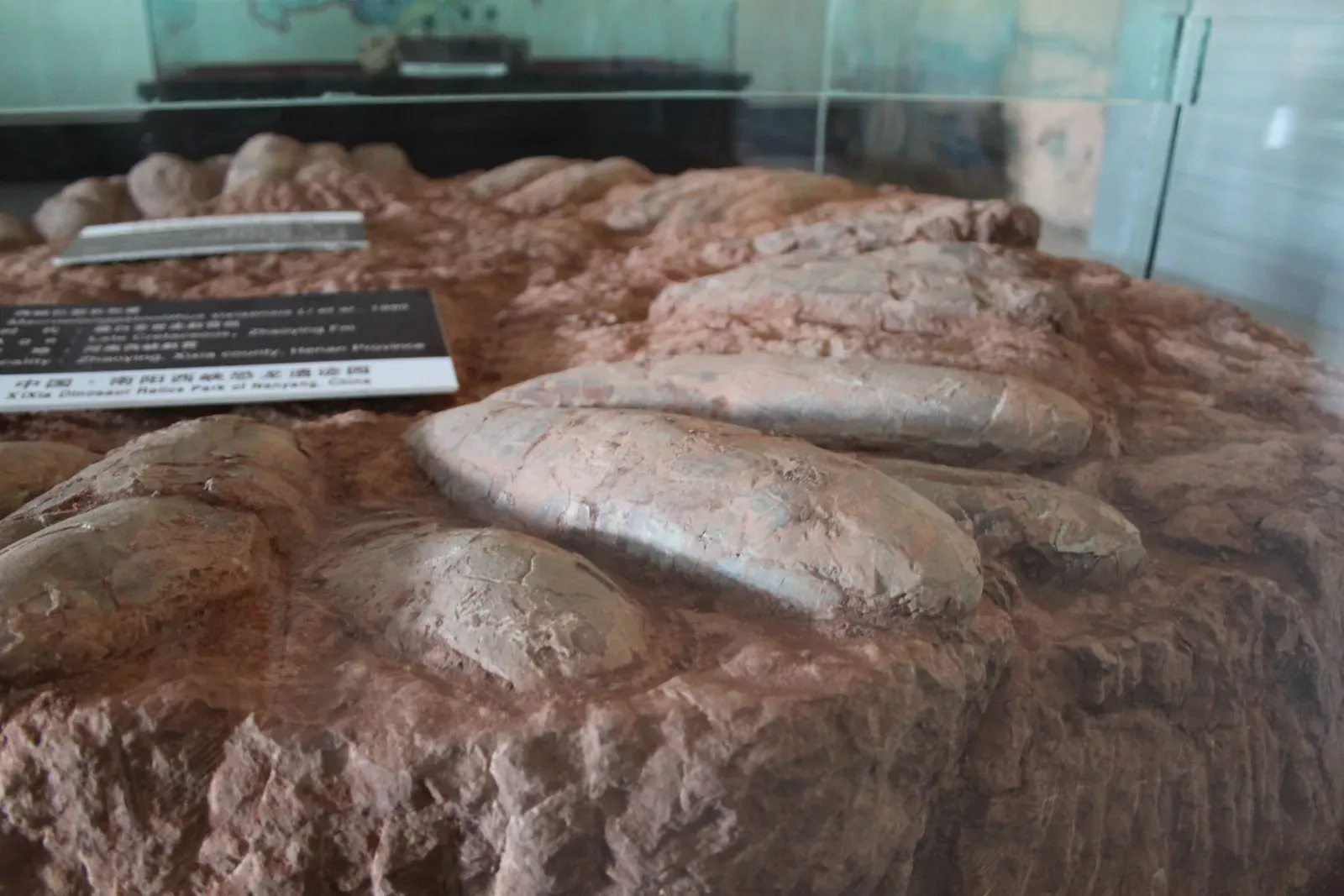
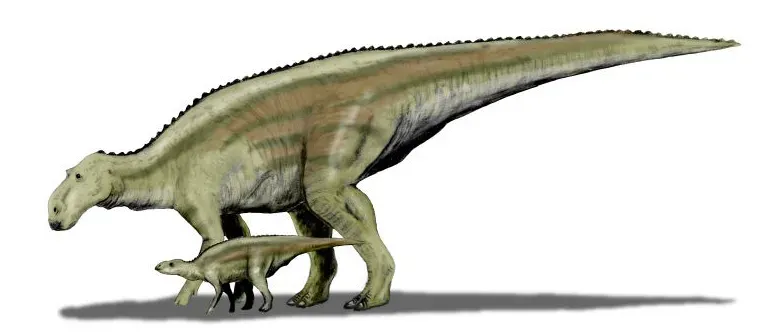
The presence of numerous clutches of eggs in at least four distinct horizons within a small area provides the earliest known evidence of complex reproductive behavior including site fidelity and colonial nesting in a terrestrial vertebrate. Picture vast stretches of ancient floodplains dotted with dinosaur nests, all clustered together like a prehistoric nursery. The fossils of the duck-billed dinosaur Maiasaura indicate these animals nested in groups, and the close proximity of nests indicated these dinosaurs nested in groups.
One remarkable find includes the fossils of 15 nests and more than 50 eggs that are roughly 80 million years old, with a thin streak of bright red rock connecting 15 clutches of relatively undisturbed eggs. The relatively high hatching success rate mirrors that of modern birds and crocodiles that guard their nests, suggesting that some dinosaurs tended to their nests. Colonial nesting would have provided protection from predators and created a community environment where multiple adults could potentially watch over the breeding ground.
The Lay and Leave Strategy: Sauropod Parenting
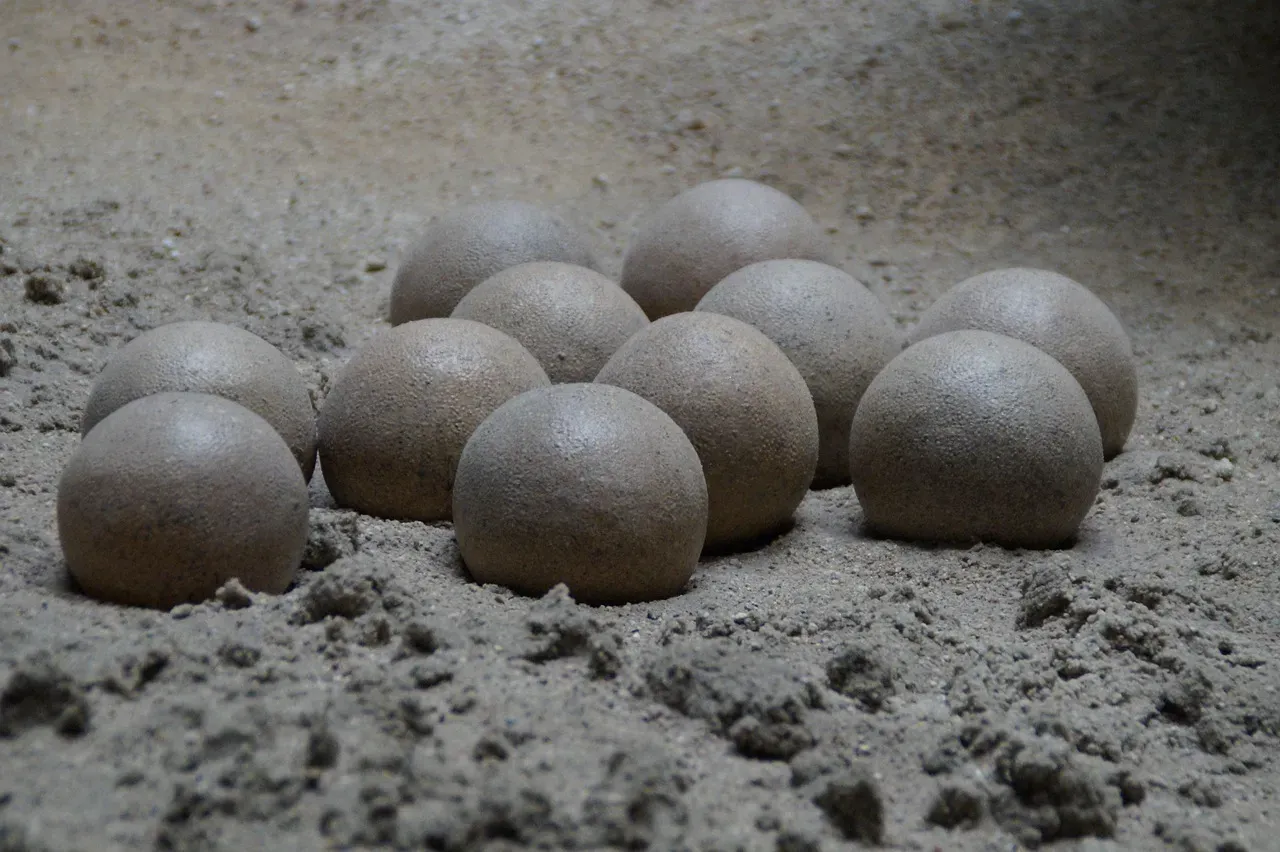
Not all dinosaurs were doting parents. For some groups like sauropods – the long-necked giants like Apatosaurus and Brachiosaurus – researchers don’t have evidence of post-laying care. These massive creatures faced a unique problem: their sheer size made it nearly impossible to tend nests without crushing everything in their path.
With so many nests in close proximity at titanosaur breeding sites, it would have been hard for the massive reptiles to access the site to incubate eggs or feed hatchlings, so they were presumably hands-off parents. Instead, they might have incubated eggs by covering them with sand, with titanosaur eggs laid and buried in shallow pits that may have been warmed by sunlight and the heat of the earth. This strategy resembles modern sea turtles more than birds, prioritizing quantity over intensive parental investment.
Free-Range Juveniles: The Latchkey Kid Approach
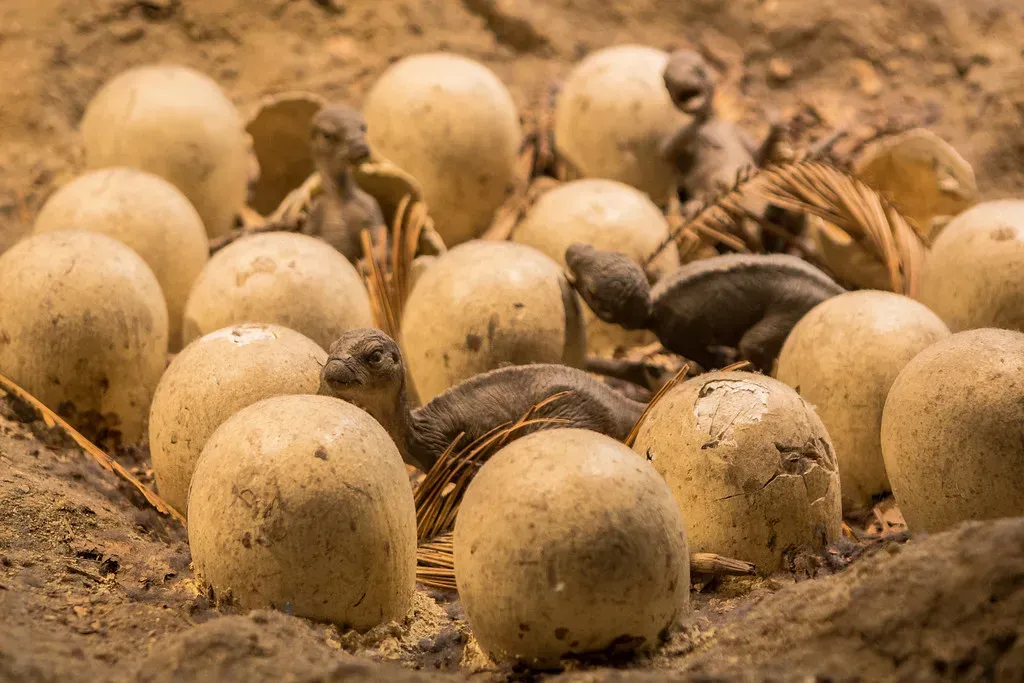
Here’s where things get really interesting. Fossil evidence shows pods of skeletons of youngsters all preserved together with no traces of adults nearby, and these juveniles tended to travel together in groups of similarly aged individuals, getting their own food and fending for themselves. Think about that for a moment – baby dinosaurs forming their own survival groups.
Dinosaurs’ free-range parenting style complemented the fact that they hatched eggs, forming relatively large broods in a single attempt, and because multiple offspring were born at once and reproduction occurred more frequently than in mammals, dinosaurs increased the chances of survival for their lineage without expending much effort or resources. This approach created something remarkable in ancient ecosystems. Young dinosaurs occupied entirely different ecological niches than their parents, essentially functioning as separate species within the same environment. It’s hard to say for sure, but this strategy might have actually increased overall biodiversity during the Mesozoic era.
Multi-Brood Care: One Adult, Many Babies
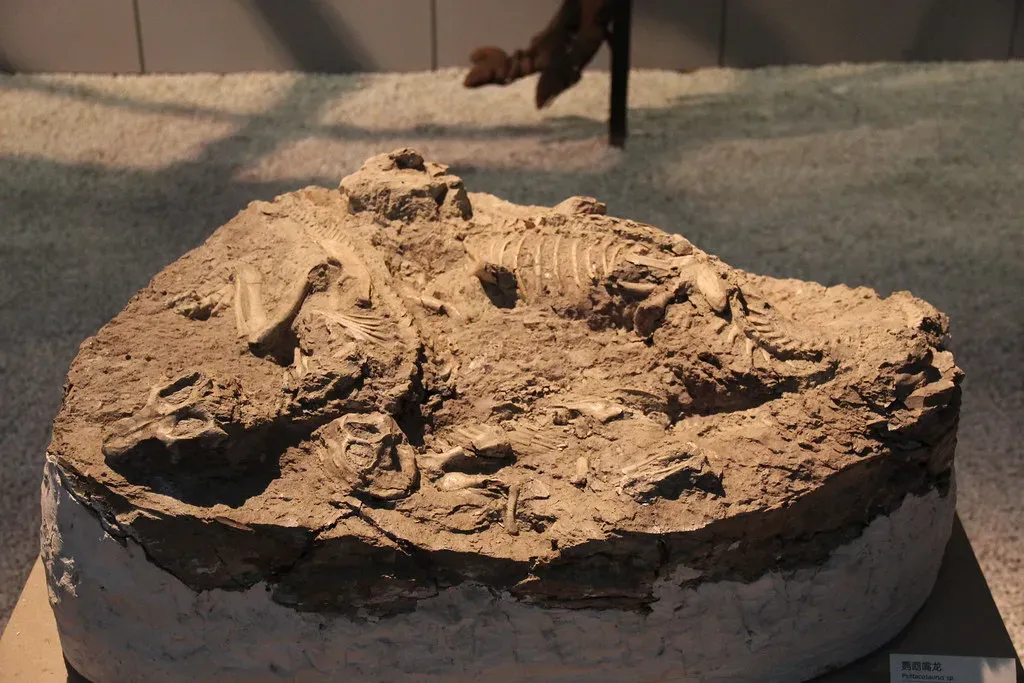
A group of fossils shows that an adult dinosaur died together with 34 hatchlings, with a single adult Psittacosaurus clustered with 34 juveniles within an area of 0.5 square metres, providing strong evidence for post-hatching parental care in Dinosauria. Now that’s a lot of mouths to feed. This adult may have been protecting several broods, as it’s hard to imagine one female laying 34 eggs.
The fossil tells a story of parental care that is absolutely clear. Whether this adult was caring for its own offspring plus those of relatives, or had taken on a communal childcare role, remains uncertain. However, the preservation of this group together suggests the adult was actively tending to these young dinosaurs when disaster struck. This kind of extended post-hatching care contradicts the earlier assumption that all dinosaurs abandoned their young immediately after they emerged from eggs.
Sequential Egg Laying: A Bird-Like Behavior
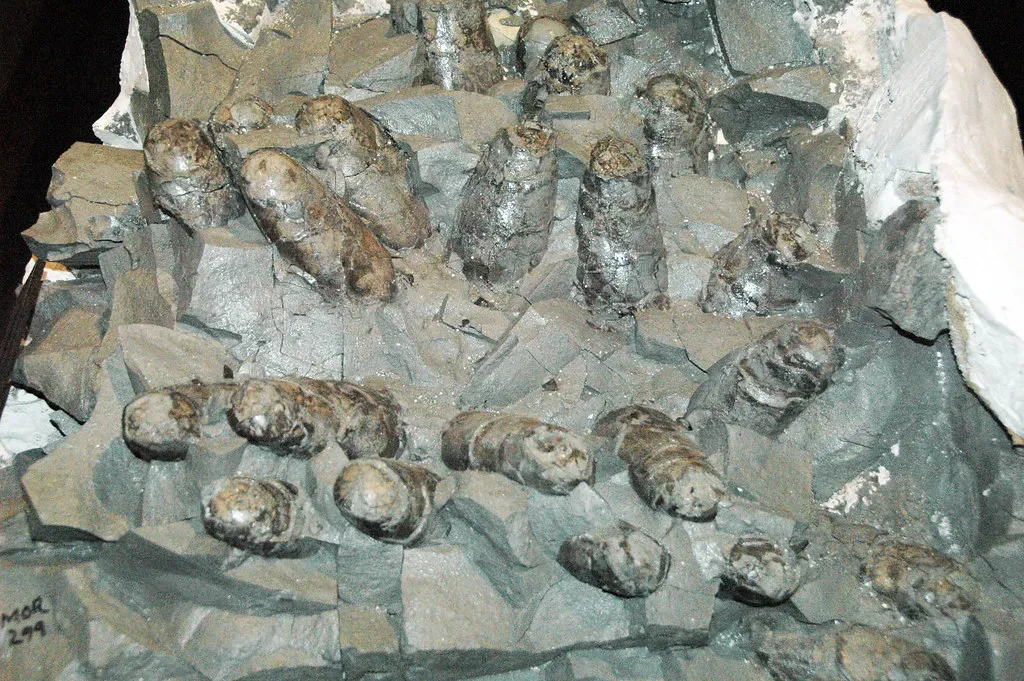
The small coelurosaurian Troodon formosus produced two eggs simultaneously at daily or longer intervals and incubated eggs using a combination of soil and direct body contact. This discovery revealed something crucial about the evolution of reproductive strategies. Rather than laying all eggs at once like crocodiles, some dinosaurs adopted a more bird-like approach.
Not all embryos in a clutch were at the same stages of development, suggesting the clutch may ultimately have hatched at different times – a feature that was thought to show up much later, in only some types of birds. An oviraptorosaur fossilized while carrying two eggs – one in each egg tube – means that these theropod dinosaurs were halfway between their crocodile ancestors and their bird cousins, having two egg tubes like crocs but only one egg in each like modern birds. This intermediate reproductive anatomy reveals the gradual evolutionary transition from reptilian to avian reproduction.
Nest Architecture: Engineering for Protection
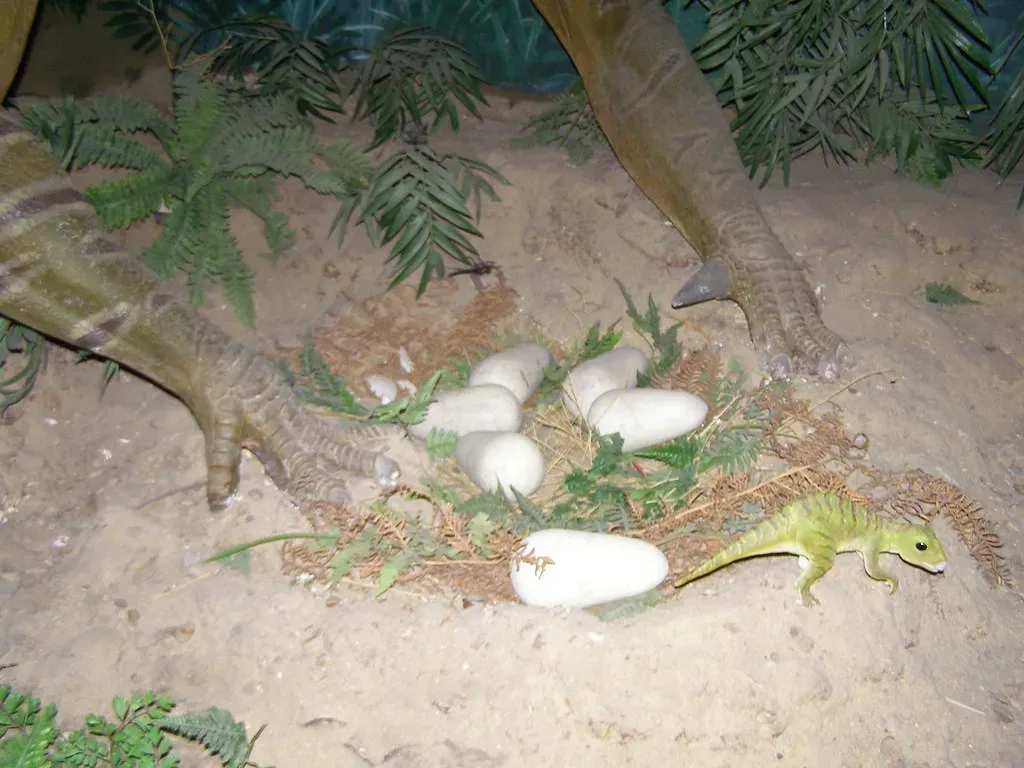
Palaeontologists have looked at how larger dinosaurs prevented damage by crushing, and the arrangement of eggs in the nest could be a major clue – by laying their eggs in a ring around themselves, heavier dinosaurs could incubate their eggs without having to directly sit on them. Smart, right? These ancient creatures solved engineering problems that would challenge modern architects.
An unusual trace containing eggs of the 50 kg-plus theropod dinosaur Troodon formosus represents one of the best preserved dinosaur nests, with a clutch of 24 tightly-placed eggs sat in the center and both nest and clutch showing bilateral symmetry about a north-south axis. The bowl-shaped depression with distinct rims suggests these dinosaurs carefully prepared their nesting sites, creating protective microenvironments that shielded developing embryos from temperature extremes and potential threats.
Color Coded Eggs: Visual Communication in Nests
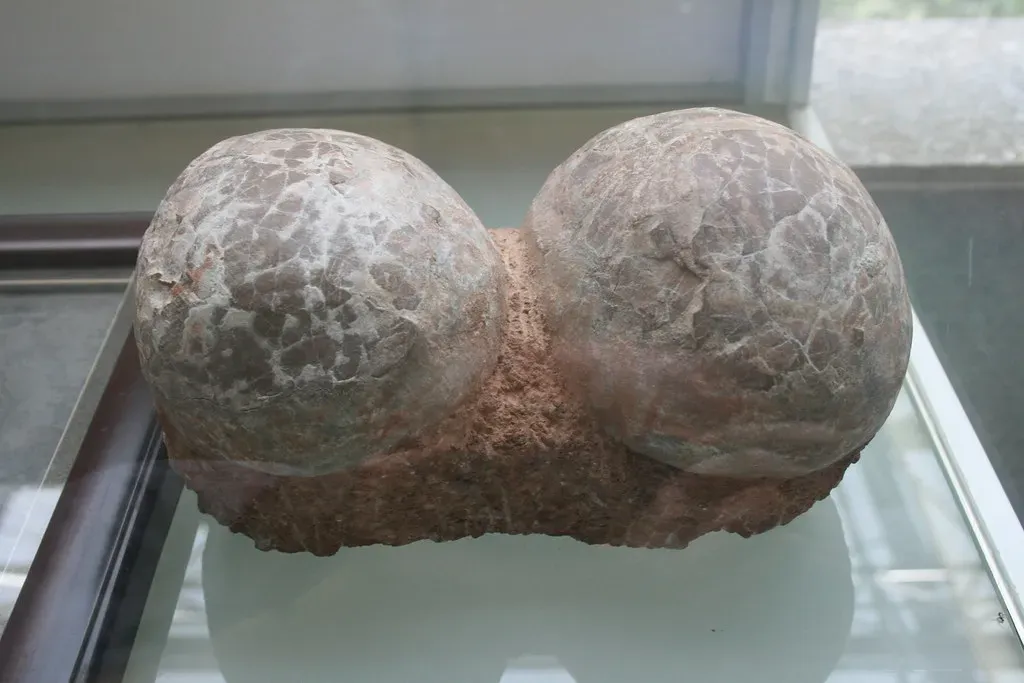
For birds that lay eggs in open nests – and the dinosaurs that did so before them – color could camouflage the clutch from predators or differentiate parents’ eggs from those of other species, and in fossil nests from the oviraptorid Heyuannia, pigments in the eggs were identified to determine their original blue-green color. Imagine walking through a Late Cretaceous landscape and spotting these vibrant eggs in partially exposed nests.
The common ancestor of all dinosaurs laid soft-shelled eggs buried in moist soil, and hard-shelled eggs evolved multiple times in several lineages, with the rise of colored eggs in the fossil record coinciding with the shift to partially open nests that dinosaurs incubated by sitting on them. This evolutionary innovation served multiple purposes – camouflage from egg predators, species recognition in colonial nesting sites, and possibly even signaling between mates about nest readiness. The discovery of egg pigmentation preserved in 70-million-year-old fossils represents one of the most remarkable achievements in paleontology.
Conclusion: Rewriting Dinosaur Family Life
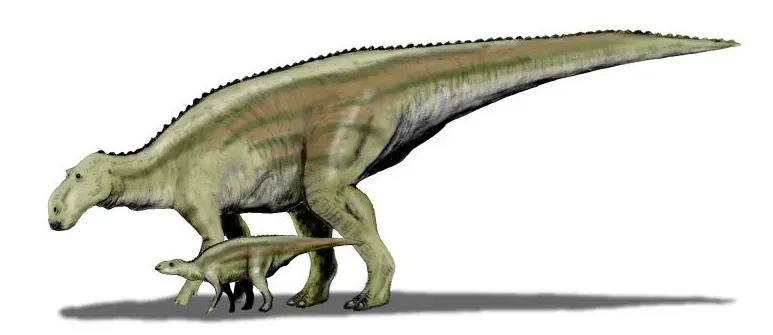
The fossil record has fundamentally transformed how we understand dinosaur parenting. Far from being cold, reptilian creatures that simply abandoned their eggs, many dinosaurs displayed surprisingly sophisticated reproductive behaviors. Some species brooded their clutches with devotion rivaling modern birds, dying in protective positions over their nests. Others established vast colonial breeding grounds, returning year after year to the same locations. Meanwhile, certain groups like the massive sauropods adopted a quantity-over-quality approach, laying numerous eggs and allowing hatchlings to fend for themselves immediately.
What makes this research so compelling is how it challenges our assumptions about ancient life. These discoveries remind us that behavior, emotion, and family bonds aren’t exclusive to mammals or modern animals. The same protective instincts that drive a bird to shelter its eggs today were alive and well in creatures that vanished 66 million years ago. Each new fossil find adds another brushstroke to our portrait of the Mesozoic world, revealing that dinosaur parents were far more diverse and complex than anyone imagined. What other secrets about their lives might still be buried, waiting for the next paleontologist to uncover? The ground beneath our feet holds stories that continue to surprise us.