You’ve seen the dinosaur books, the museum displays, the movies. That instantly recognizable creature with three horns and a massive bony frill has captured imaginations for over a century. Yet despite its celebrity status in the prehistoric world, Triceratops continues to surprise researchers with discoveries that challenge what we thought we knew. Recent findings have rewritten the story of this iconic beast, revealing behaviors and characteristics that make it far more complex than the simple plant eater we once imagined. Let’s be real, there’s more to this three-horned giant than meets the eye.
What if the horns weren’t primarily for fighting predators at all? What if Triceratops lived a completely different social life than its relatives? The truth is, this dinosaur walked the earth during the final chapter of the age of reptiles, and it had some tricks up its metaphorical sleeve that scientists are only now beginning to understand.
Your Horns Changed Shape as You Grew Up
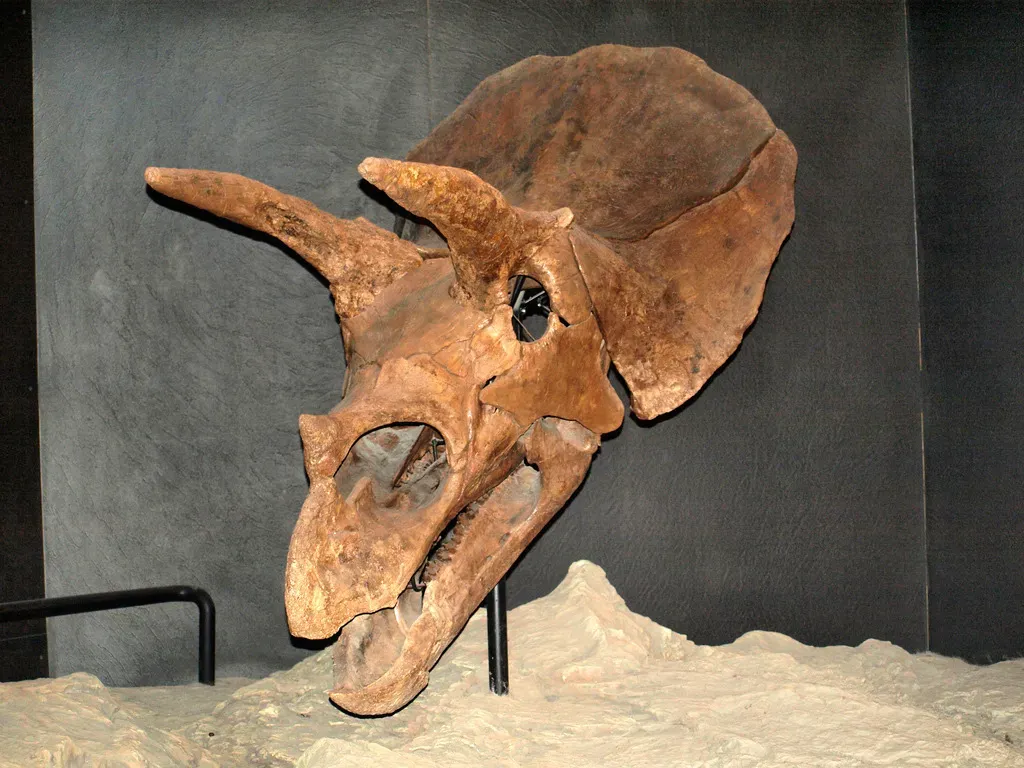
Here’s something wild: the size and shape of the horns changed so much as the dinosaur aged that scientists first thought fossils of young and old Triceratops were two different species. Imagine being so dramatically transformed during your lifetime that people think you’re an entirely different animal. When you were young, those impressive horns above your eyes were tiny and angled differently than the massive, forward-pointing weapons you’d sport as an adult.
Juvenile Triceratops fossils have tiny horns over each eye that change their angle as they grow into the long, forward-pointing horns of the adults. This dramatic transformation wasn’t random. The fact that the horns change through the youth and adolescence of the dinosaurs to a final, mature arrangement suggests that the horns were important social signals and not simply defensive weapons that stayed static through the dinosaurs’ lives. Think of it like a teenager growing a beard or developing other adult features. Your horns were a billboard advertising your maturity level to every other Triceratops you encountered.
You Had Up to 800 Teeth Working in Shifts
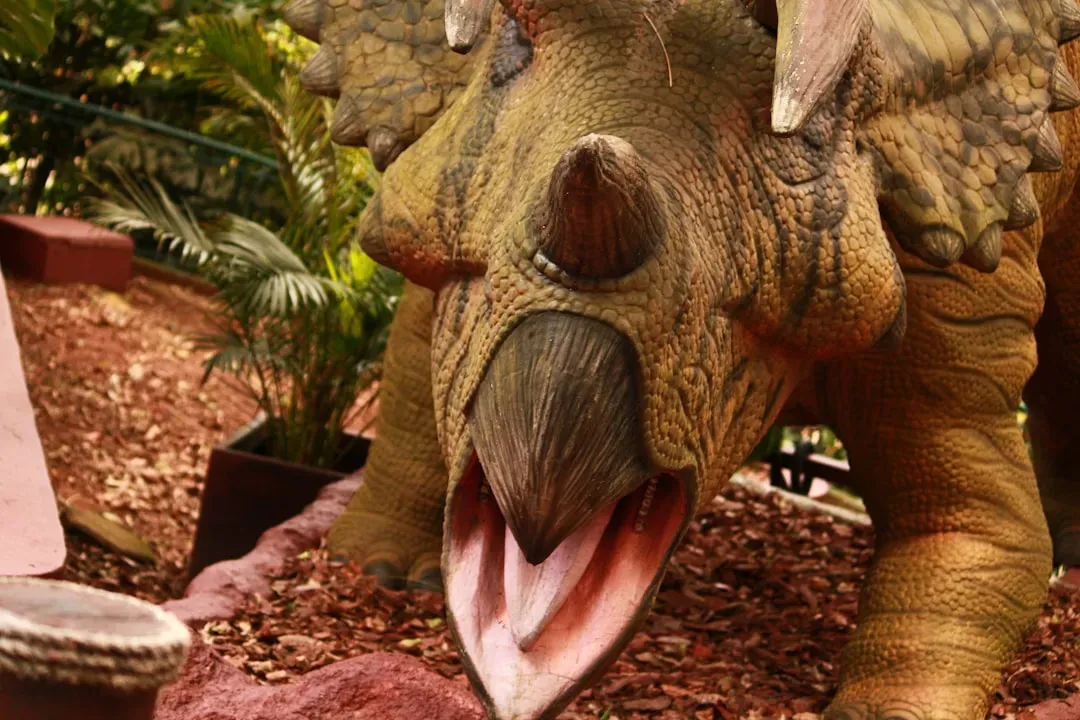
Triceratops teeth were arranged in groups called batteries, which contained 36 to 40 tooth columns in each side of each jaw and 3 to 5 stacked teeth per column, depending on the size of the animal, giving a range of 432 to 800 teeth, of which only a fraction were in use at any given time. Let that sink in for a moment. You weren’t just equipped with hundreds of teeth, but had them organized in a sophisticated conveyor belt system.
Evidence suggests that Triceratops teeth were incredibly complex, enabling them to slice through dense vegetation that would have been difficult for other herbivores to consume. Your teeth weren’t static either. Their teeth wore as they fed, creating fullers that minimised friction as they masticated. This constant replacement system meant you were always equipped with fresh chompers ready to tackle the toughest plants around, giving you access to food sources other dinosaurs couldn’t touch.
You Were Initially Mistaken for a Giant Bison
Talk about a case of mistaken identity. When the first specimen was discovered in 1887, it was mistaken for a gigantic species of extinct bison, and only later did further discoveries reveal that it was actually a horned dinosaur. Picture a paleontologist staring at those horn cores thinking they’d stumbled upon some prehistoric buffalo. The scientist Othniel Charles Marsh named the find Bison alticornis before realizing his error.
Triceratops was originally discovered in 1887 by Othniel Charles Marsh, who thought the horn cores belonged to a giant bison, but eventually realized the cores belonged to a three-horned dinosaur, which he called Triceratops. It took additional fossil discoveries to finally set the record straight. Honestly, it’s understandable when you consider they were working with fragmentary remains, but it shows how challenging paleontology can be when you’re piecing together creatures no human has ever seen alive.
Your Skull Was One-Third of Your Entire Body Length
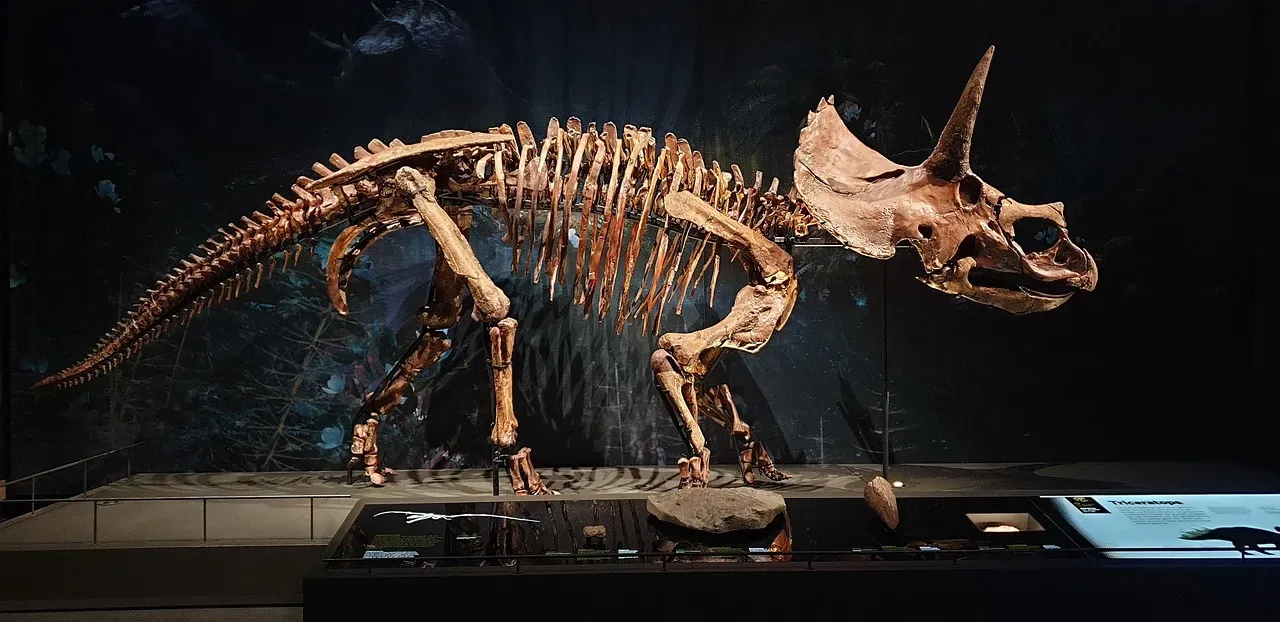
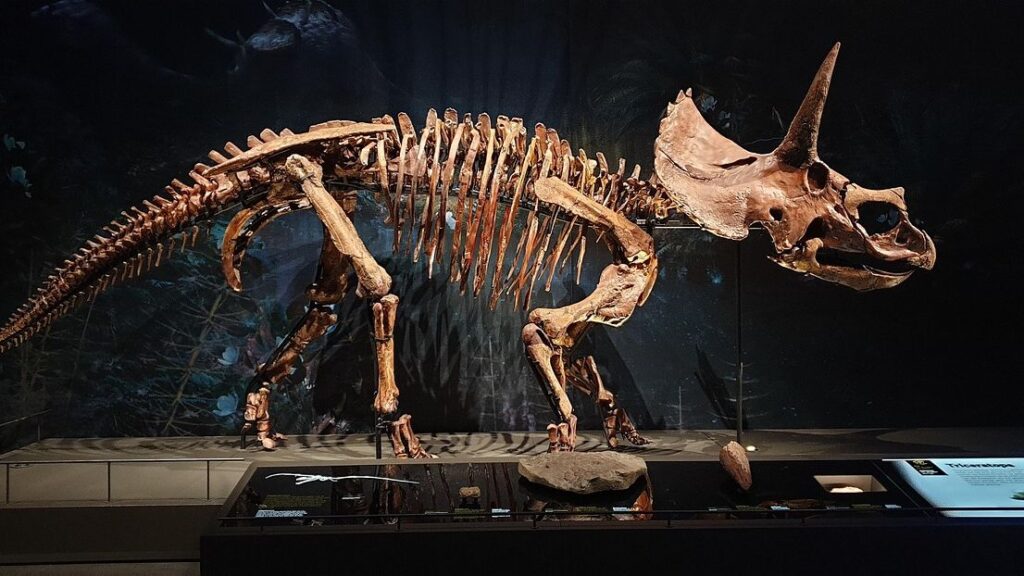
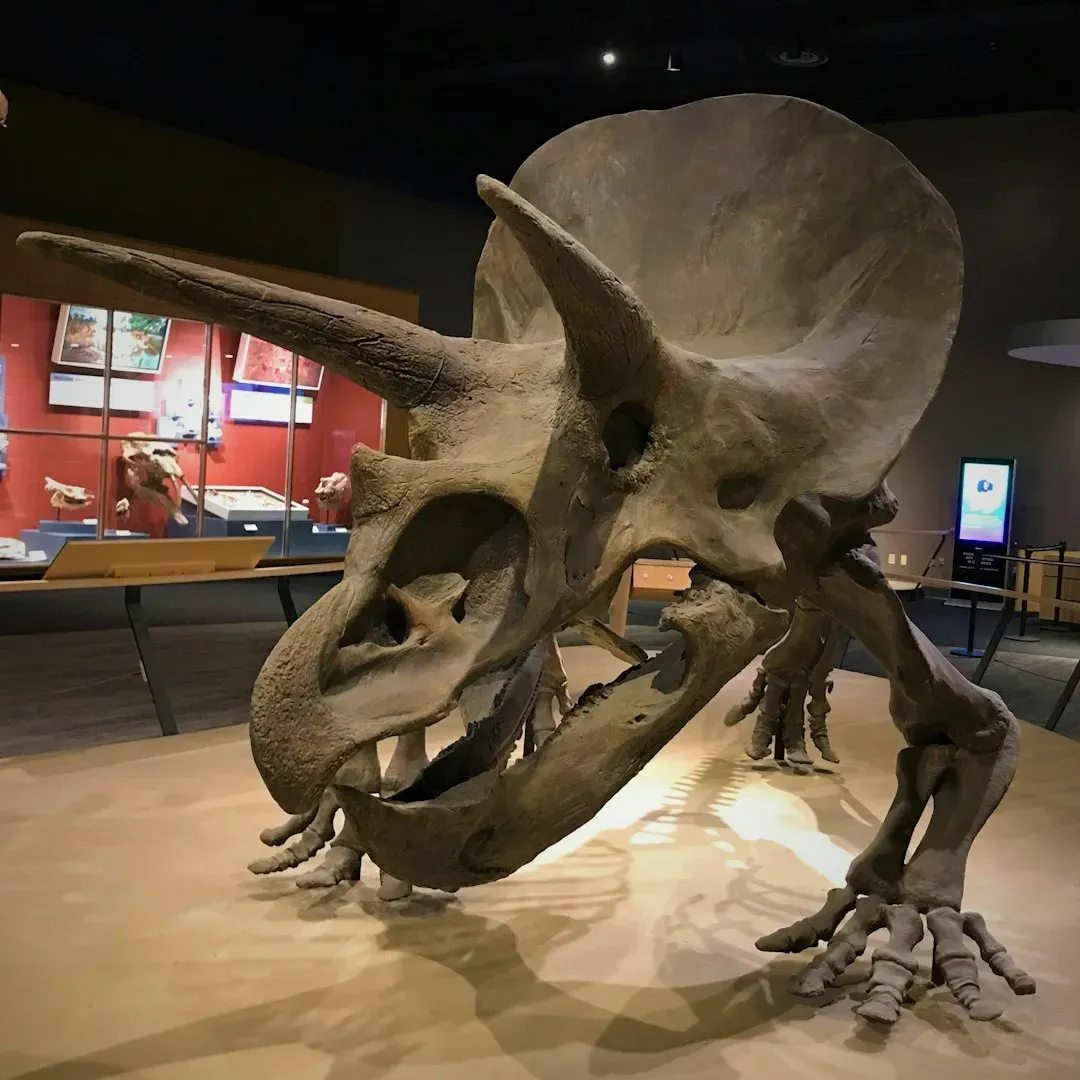
Triceratops possessed a gigantic skull, and some individuals had skulls nearly 3 metres (about 10 feet) long, which would place them among the largest of all terrestrial animals. Ten feet long. That’s longer than most modern cars are wide. Your head was an absolute unit, among the biggest of any land animal that’s ever existed on this planet.
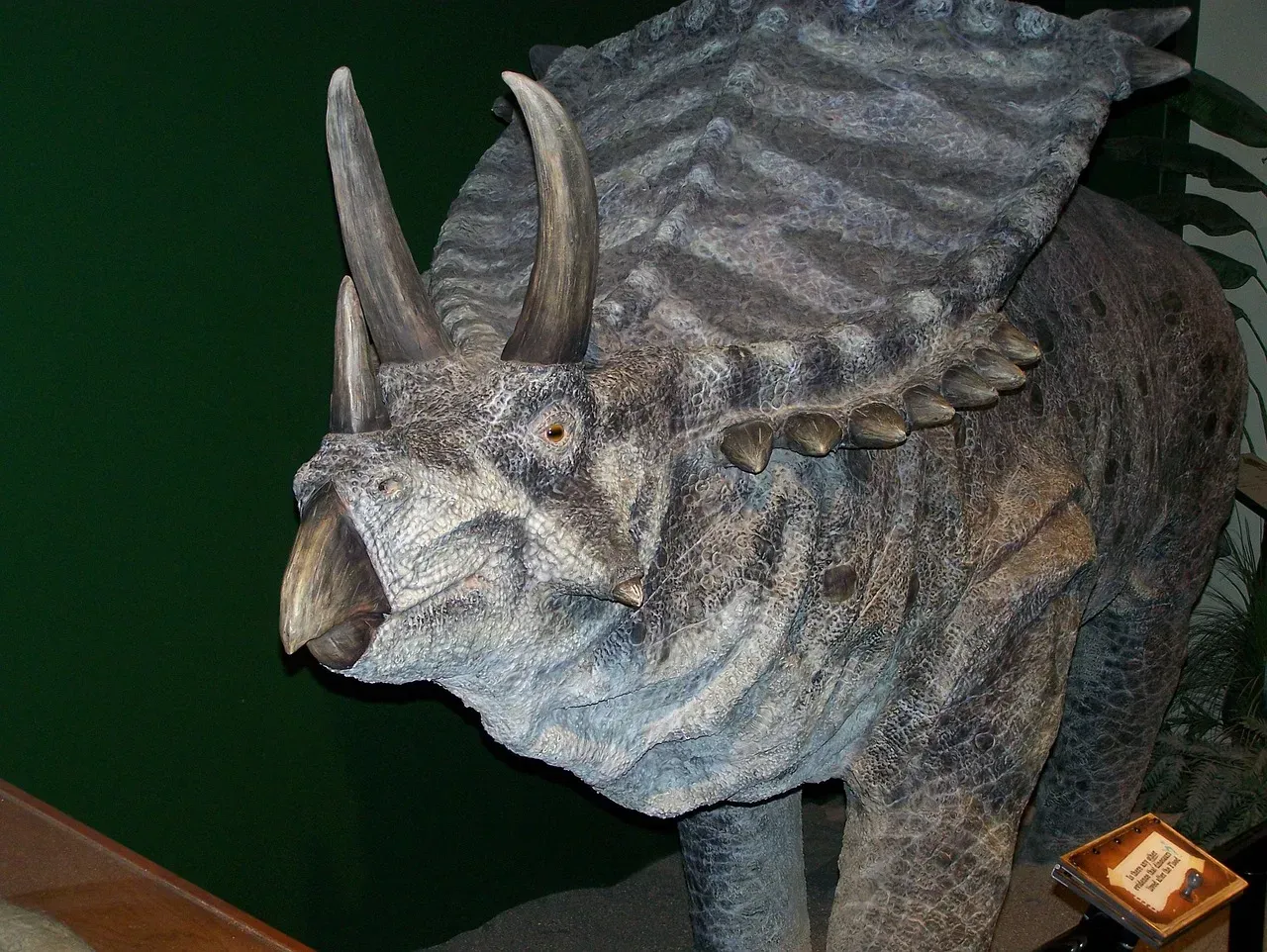
The horned head was a full 1/3 of its entire body length. Imagine carrying around that much weight on your neck and shoulders every single day. In addition to its three conspicuous horns, it possessed numerous small spikes (epoccipitals) that bordered the margin of the expanded frill of bone at the back of the skull. Your entire head was basically a heavily armored fortress, decorated with between 19 and 26 small spikes around the frill’s edge. The engineering required to support such massive cranial architecture speaks to just how important that head was to your survival and social life.
You Probably Lived a Solitary Life
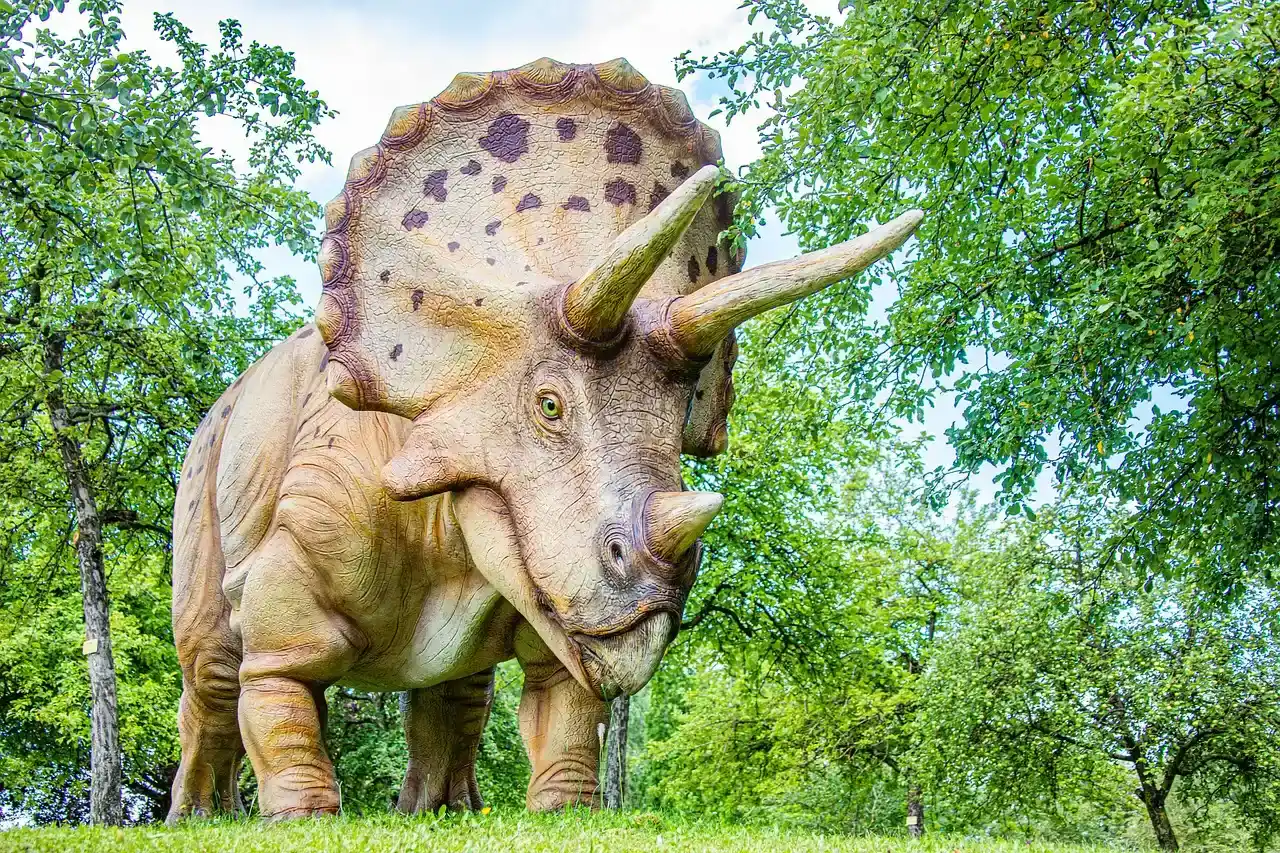
This might surprise you, because many other horned dinosaurs traveled in herds. While many other horned dinosaur species lived in herds, Triceratops was unusual in this respect, as their remains are usually found individually, which suggests that they may have spent much of their lives alone. You were the lone wolf of the ceratopsian world.
Although many other large ceratopsians have been discovered in massive bone beds representing numerous individuals, Triceratops has only rarely been found in groups of three or more individuals. Sure, you might have occasionally crossed paths with other Triceratops, maybe during mating season or at particularly rich feeding grounds. Triceratops fossils are rarely found in groups, suggesting they lived solitary lives. This solitary lifestyle sets you apart from your cousins and suggests a very different social structure than researchers once assumed.
Your Horns and Frill Were Covered in Colorful Keratin
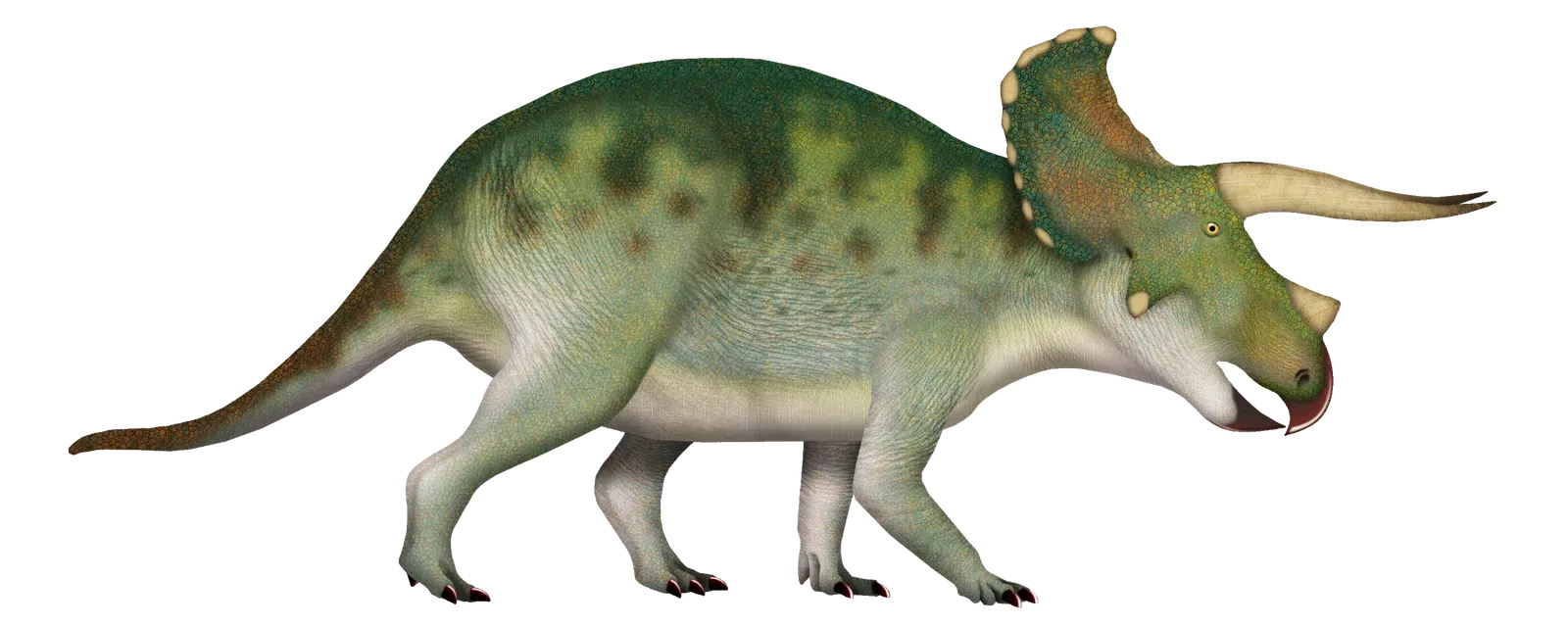
Most of the skull was covered by indentations made by blood vessels, and this suggests that the dinosaur’s entire head, aside from the cheeks and the area around the nostrils, was covered in keratin while it was alive. That’s the same material that makes up your fingernails and hair. Horn cores are the bony inner part of the dinosaur’s horns, which in life would have been covered in keratin, and this keratin would have made the horns longer and sharper in life than the fossils might suggest.
Here’s where it gets really interesting. In many living birds, keratin is very colourful, a fact that suggests that the skulls of Triceratops may have been very colourful as well. You might have sported vibrant reds, blues, yellows, or striking patterns across that massive frill and those imposing horns. The fossils we see today are just pale bones, stripped of their once-brilliant display colors that likely played a crucial role in attracting mates or intimidating rivals. We’ll never know exactly what color you were, but the possibility of a rainbow-hued Triceratops is genuinely fascinating.
You Really Did Lock Horns With Rivals
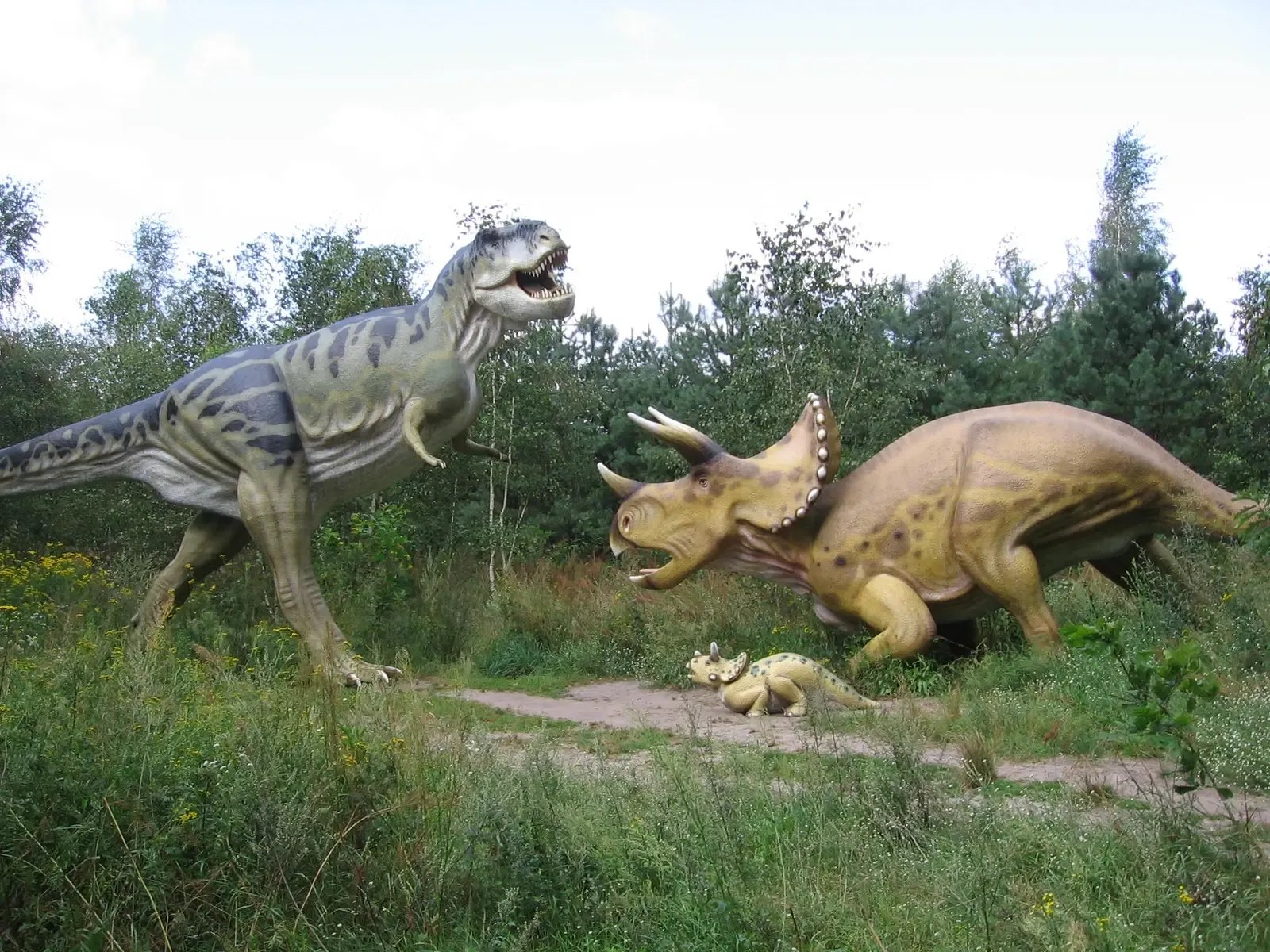
Those epic battles depicted in movies? They actually happened. A study reveals that the beast routinely used its horns in combat with rival triceratops, much as contemporary animals like deer and moose lock horns in violent competition for mates. Fossil evidence backs this up in dramatic fashion.
Compared to Centrosaurus, Triceratops had ten times as many lesions on its squamosal bone, and if you imagine two bulls lowering their heads and jousting with their horns, the squamosal bone is the one that would take the brunt of the impact. Puncture marks on fossil frills show that male Triceratops also used their horns to fight each other, probably to impress females. You weren’t just showing off those weapons for display. You were actively using them in contests that must have been absolutely brutal, leaving scars and injuries that healed over time and remained preserved in the fossil record millions of years later.
You Were One of the Last Dinosaurs Standing
Fossils of “three-horned face” date to the final 3 million years of the Cretaceous Period, making it one of the last of the non-avian dinosaurs to have evolved. You were a latecomer to the dinosaur party, evolving just before everything came crashing down. This dino lived alongside Tyrannosaurus rex, and both species went extinct when an asteroid hit Earth 66 million years ago.
After three million years of roaming this planet and evolving, once the cataclysmic event occurred, Triceratops became one of the last non-avian dinosaurs to inhabit the Earth – a distinction left for a few. You were there at the very end, one of the final chapters in a story that had been unfolding for over 160 million years. Today, Triceratops is one of the most-found fossils, which is good news for dino lovers. Your abundance in the fossil record means scientists can continue studying you with new technologies, uncovering more secrets about your life in those final days before the world changed forever.
The mighty Triceratops was far more than just a three-horned dinosaur munching on prehistoric ferns. You were a complex creature with sophisticated dental systems, dramatic physical transformations throughout life, and a potentially vibrant appearance we can only imagine. Your solitary nature set you apart from your herd-living cousins, while your battle-scarred skulls tell stories of fierce competitions that echo through millions of years. As one of the last dinosaurs to walk the earth before the asteroid struck, you represent both the pinnacle of ceratopsian evolution and a poignant reminder of how quickly everything can change. What other secrets are still hiding in those abundant fossil remains?