Have you ever wondered what made some prehistoric creatures thrive for millions of years while others vanished? The ancient world was filled with challenges that would make our modern struggles seem trivial. Extreme climate swings, predators lurking around every corner, scarce resources, and natural disasters that reshaped entire continents.
Yet certain creatures didn’t just survive – they absolutely mastered their environments. Their strategies were so effective that we can still learn from them today, whether you’re navigating a tough career move, building resilience in your personal life, or simply trying to adapt to constant change. Let’s dive into the fascinating habits that kept these ancient survivors going strong.
They Adapted Without Waiting for Perfect Conditions
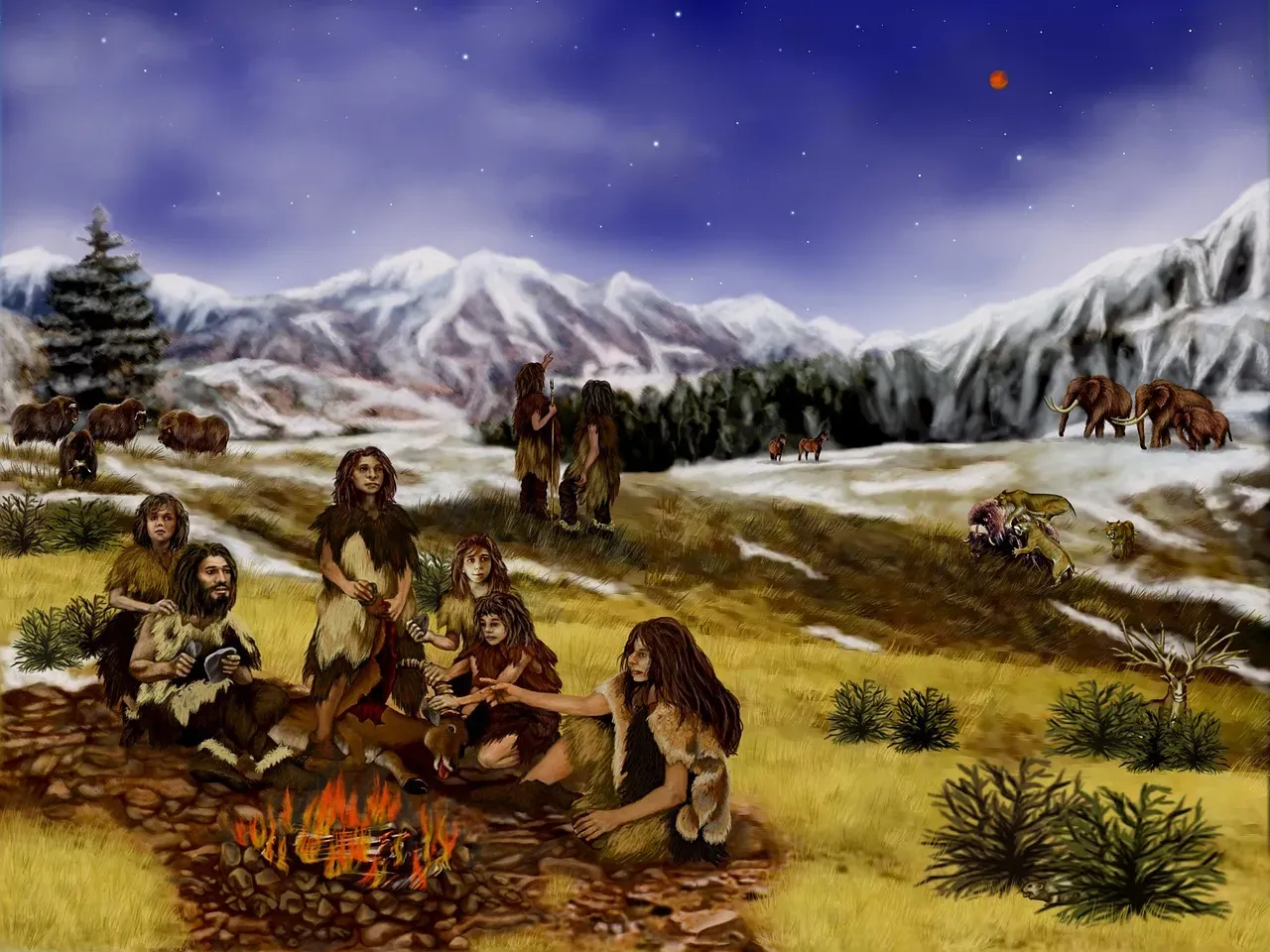
Prehistoric creatures, including Neanderthals, modified their survival strategies even without external influences like environmental or climate changes, showing they were more advanced in their development than previously thought. This tells you something powerful: they didn’t wait for ideal circumstances to evolve. They actively improved themselves regardless of what was happening around them.
Environmental change created both risks and opportunities in the lives of early creatures, and over time, the line between thriving and extinction was defined by how best to adjust to uncertainties of climate shifts. Think about that for a moment. The most resilient prehistoric animals weren’t the strongest or the biggest – they were the most flexible. When your environment throws curveballs, your ability to pivot without panic determines whether you sink or swim.
They Embraced Diversity in Their Survival Strategies
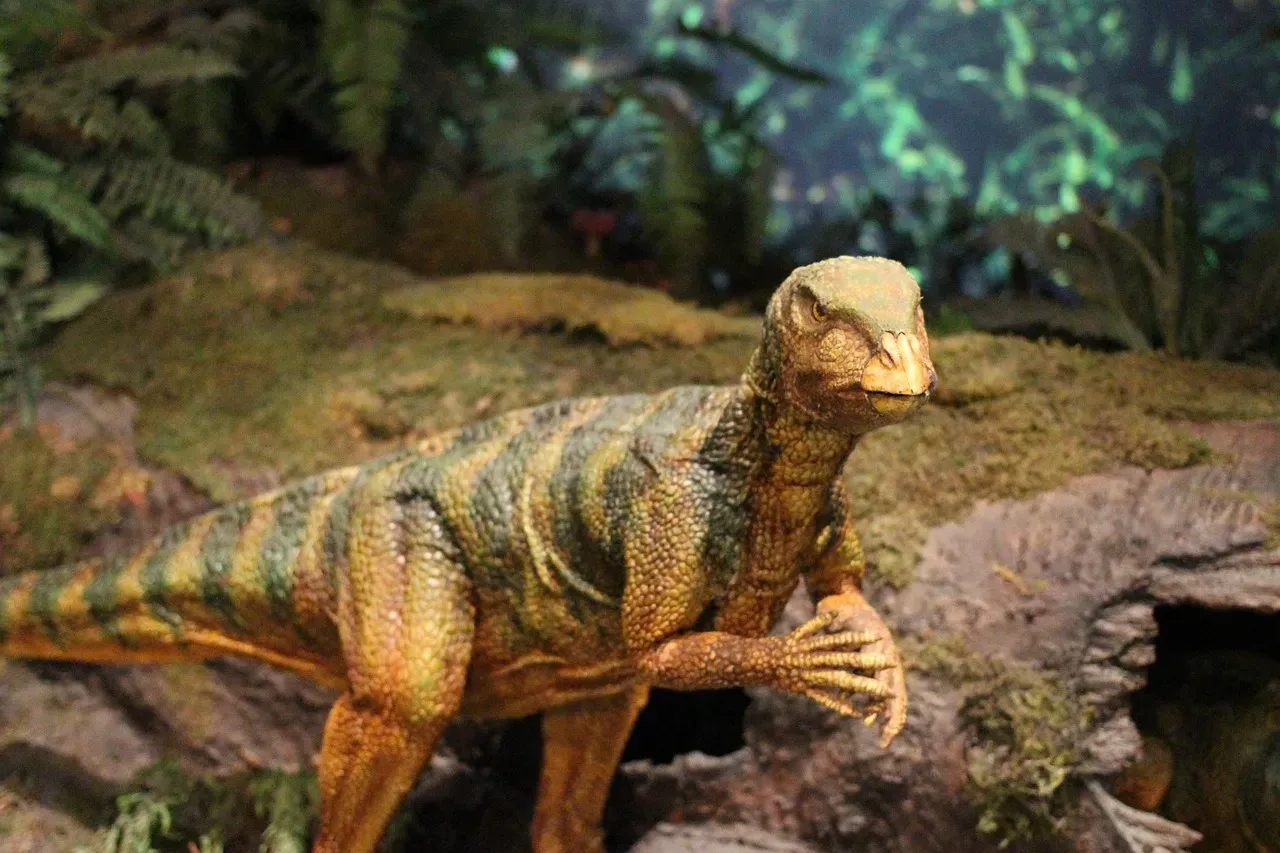
Not every prehistoric creature evolved to run quickly – some developed camouflage, some grew massive in size, and others relied on group behavior, demonstrating that there is no single path to survival. Honestly, this might be the most underrated lesson from the prehistoric world. You don’t have to be the fastest runner in the race.
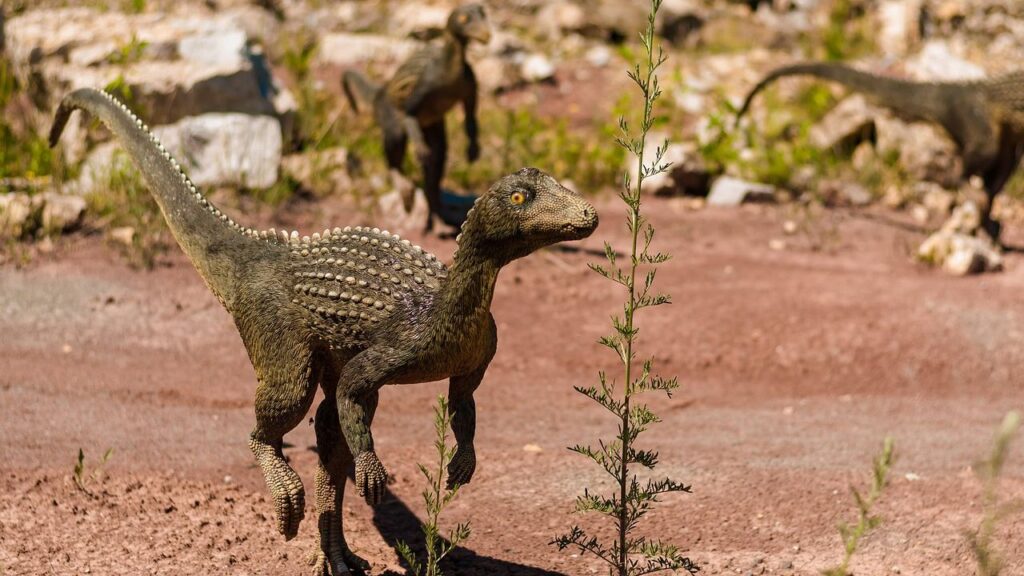
Different creatures found different paths. Some dinosaurs became speed demons, while others built defensive armor or formed tight social bonds. Creatures that could adapt their diets or develop new feeding strategies thrived, while others stuck in their old ways faced extinction. The takeaway? Your unique strengths matter more than copying someone else’s playbook. What worked for the swift Velociraptor wouldn’t have saved the armored Ankylosaurus, and vice versa.
They Built Strong Social Networks
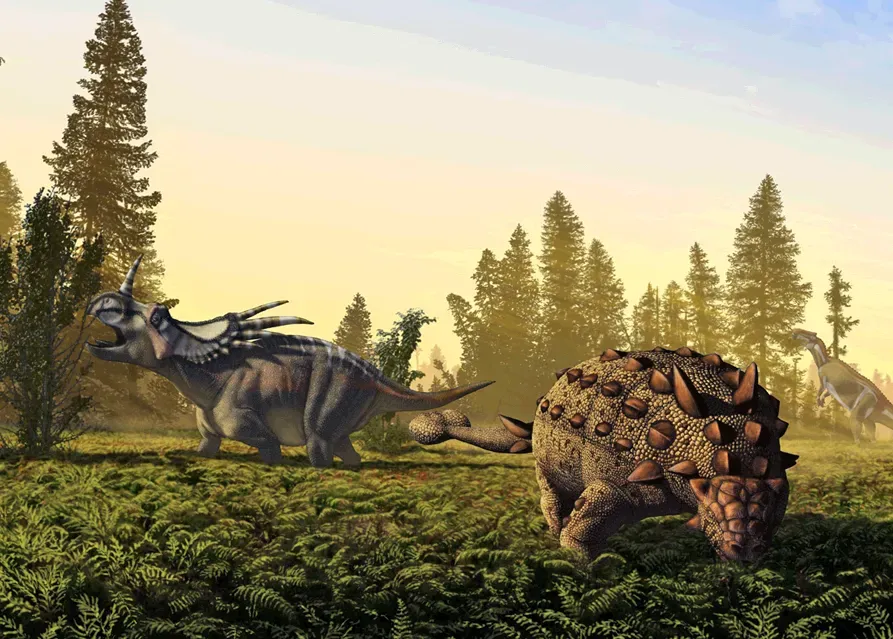
Herbivorous dinosaurs formed herds and exhibited cooperative foraging behavior, with specialized teeth and broader guts allowing them to efficiently digest plant material, ensuring a constant food source and reducing the risk of predation. Cooperation wasn’t just a nice bonus – it was a survival necessity. These creatures figured out early that going it alone was a losing strategy.
Fossil evidence supports the existence of communal feeding sites where multiple herbivorous dinosaurs shared food sources, suggesting group feeding behavior fostered a sense of community and cooperation. Whether it was sharing resources, protecting young, or defending territory, prehistoric animals that banded together had better odds. Modern life isn’t so different. Your network – your tribe – can be the difference between merely surviving and actually thriving.
They Developed Specialized Skills for Their Environment
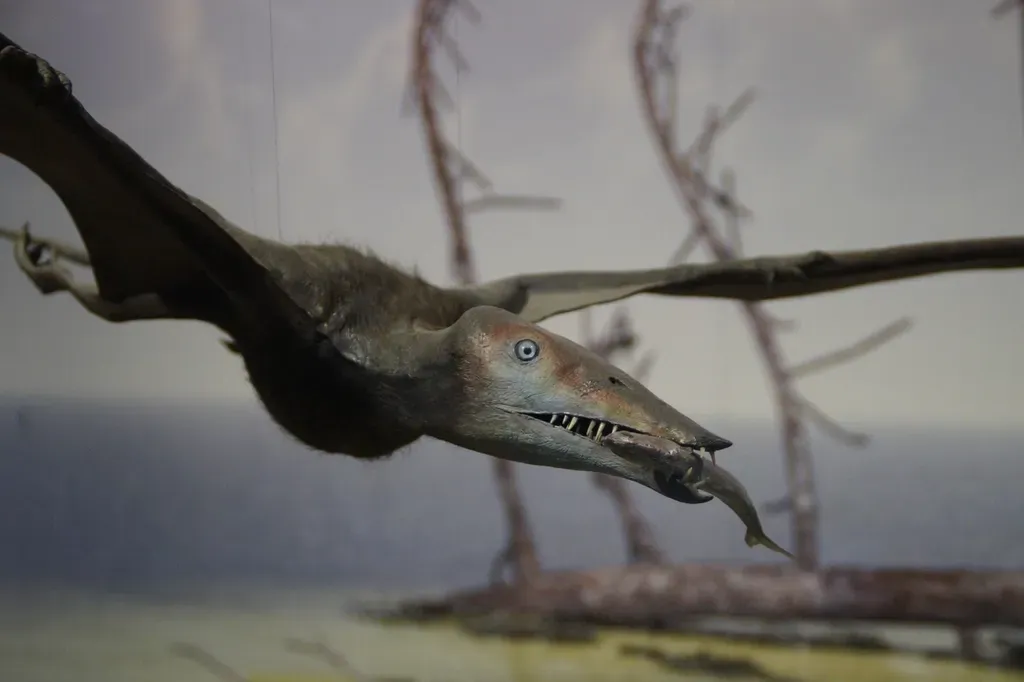
From the development of flight in pterosaurs to specialized features allowing certain species to thrive in aquatic and harsh terrestrial environments, the adaptability and diversity of these ancient creatures reveal remarkable resilience and evolutionary strategies. Specialization wasn’t about being one-dimensional; it was about being exceptionally good at what mattered most in their specific world.
The physical adaptations of prehistoric mammals were both diverse and ingenious – the thick fur of the woolly mammoth adapted to cold climates, while long necks of ground sloths allowed them to reach nutritious leaves, with each species developing features that maximized survival in specific environments. You don’t need to be a jack of all trades. Find your niche, master it, and own it completely. That focused excellence is what kept certain species around for millions of years.
They Knew When to Shelter and Conserve Energy
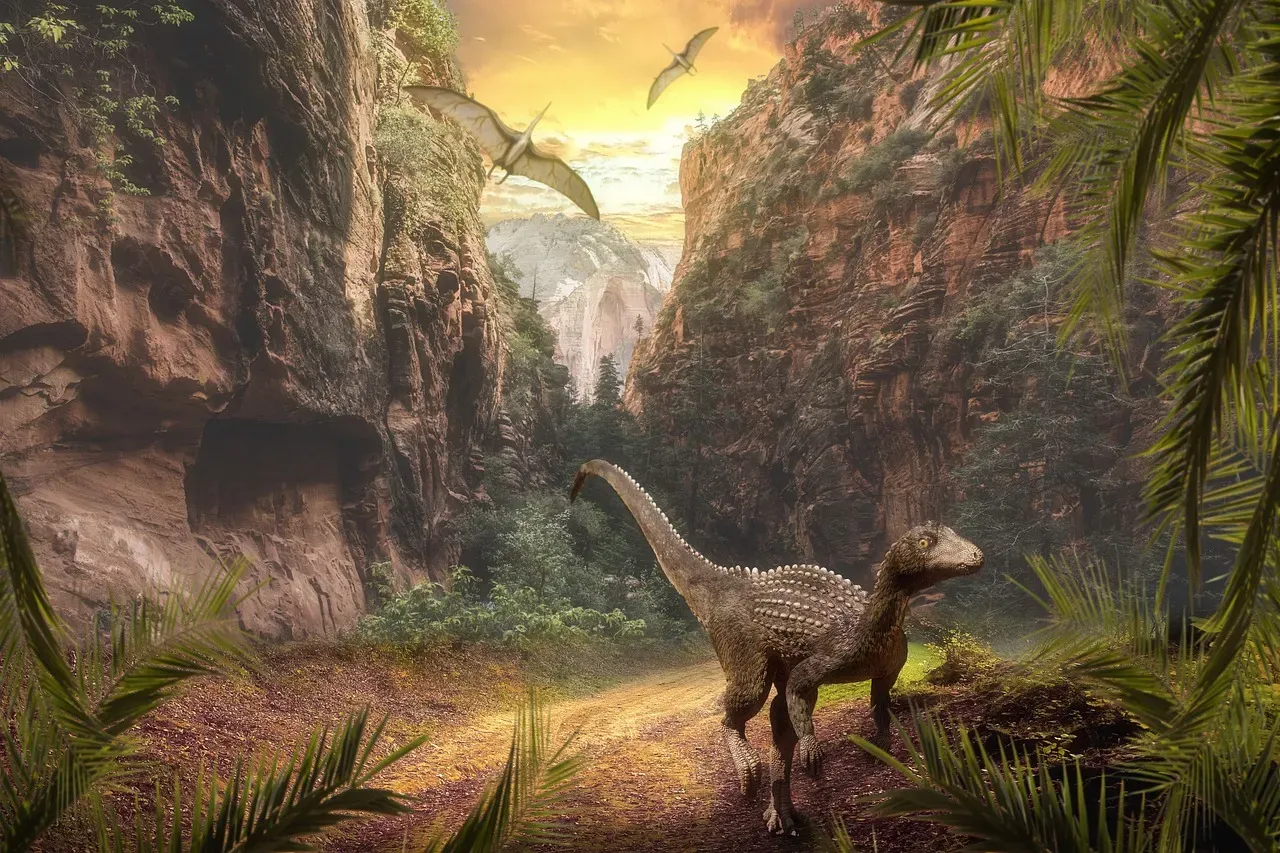
Dinosaur burrows help explain how they managed extremes in climate, with evidence suggesting they used burrows to shelter from the cooling and warming effects of the Cretaceous Period. Sometimes the smartest move isn’t to fight – it’s to hunker down and wait out the storm. These creatures understood that survival sometimes means strategic retreat.
Some dinosaurs may have cared for their young in burrows, but discoveries also suggest they used burrows to shelter from climate extremes during a time of great climate transformation. There’s wisdom in knowing when to push forward and when to preserve your resources. Rest isn’t weakness; it’s preparation for the next challenge. Prehistoric creatures that mastered this balance outlasted those that burned out too quickly.
They Were Quick to Respond but Didn’t Panic
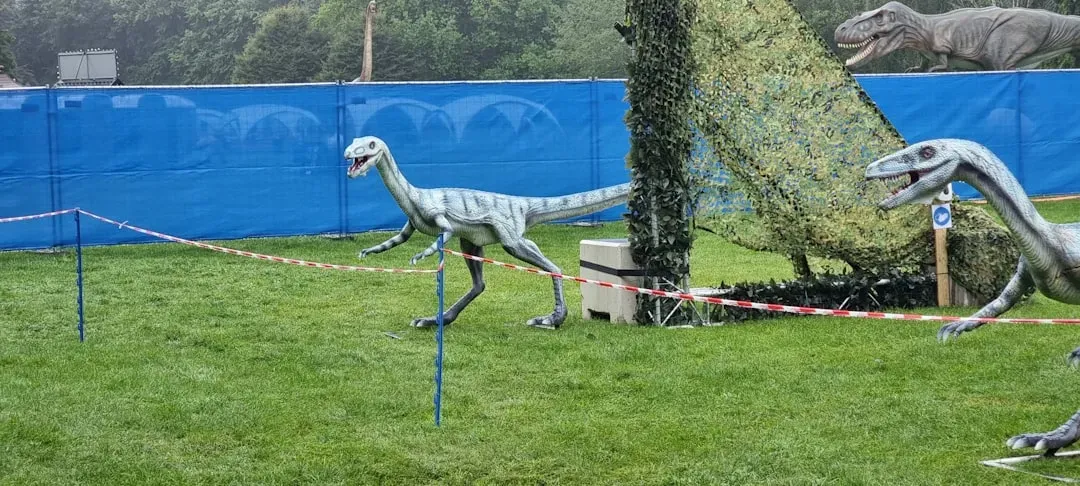
Scientists estimate the fastest dinosaurs could reach speeds of up to 60–70 kilometers per hour, and this remarkable ability was an essential adaptation that ensured survival in a world filled with predators, shifting environments, and fierce competition. Speed wasn’t just about physical velocity – it was about rapid response to threats and opportunities. But here’s the thing: fast doesn’t mean reckless.
Speed came at a cost – swift creatures lacked the brute strength of larger predators or natural armor of heavily built creatures, showing that in evolution, advantages often come with disadvantages, and adaptation is about balance, not perfection. They made quick decisions but understood trade-offs. You can move fast and still be strategic. Panic is chaotic; resilience is measured and purposeful, even when the clock is ticking.
They Maintained Flexibility in Their Diet and Resources
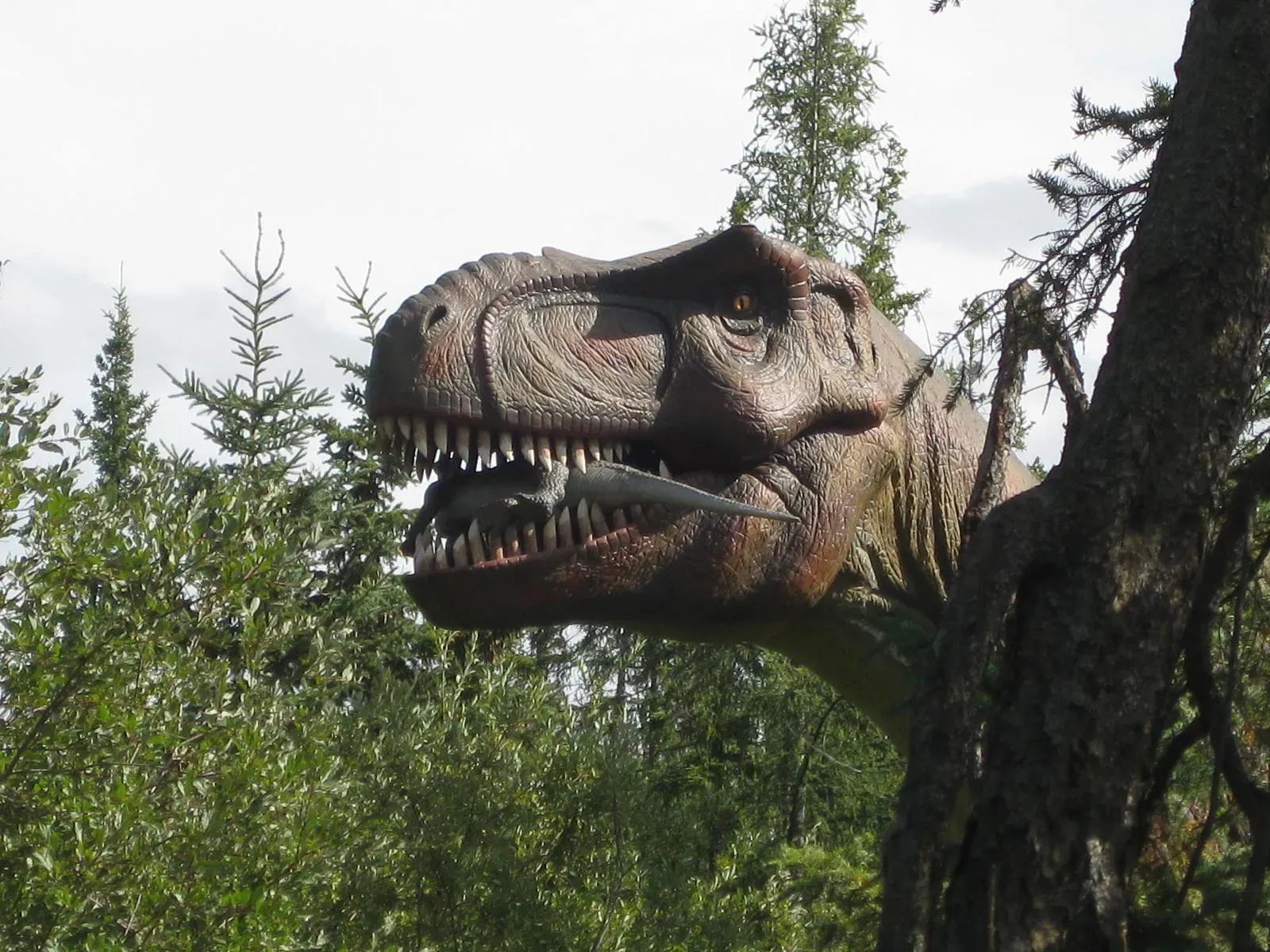
When there seems to be ecological flexibility in diet, you would think that would allow coping with whatever happens in the environment, and this was normally a survival advantage. Flexibility in what you consume – whether literal food or metaphorical resources – kept many species alive when conditions shifted. Those who insisted on only one food source often didn’t make it.
A lack of dietary flexibility when food became scarcer created greater vulnerability to extreme climate shifts, with strict herbivory making creatures more vulnerable to decreases in plant biomass related to colder climates. The lesson here is clear: don’t become so specialized that you’re brittle. Keep options open. Diversify your skills, your income streams, your relationships. Resilience lives in your ability to pivot when your first choice becomes unavailable.
They Passed Down Knowledge Across Generations

The transmission of stone tool technology and other cultural knowledge across generations required social learning mechanisms, and the expansion of early populations into new environments suggests cognitive and social skills evolved in response to challenges of adaptation and survival. Knowledge wasn’t just individual – it was collective and transferable. The smartest prehistoric creatures didn’t reinvent the wheel every generation.
As scientists uncovered fossil records, it became clear that ancient creatures held secrets to survival strategies still influencing modern mammals, and studying them provides insights into climate adaptation, dietary specialization, and social behaviors that echo through time. Teaching the next generation wasn’t optional; it was fundamental. Your experiences, your hard-won lessons, your mistakes – they all have value beyond your own life. Share what you know. Build on what came before. That’s how real progress happens.
Conclusion
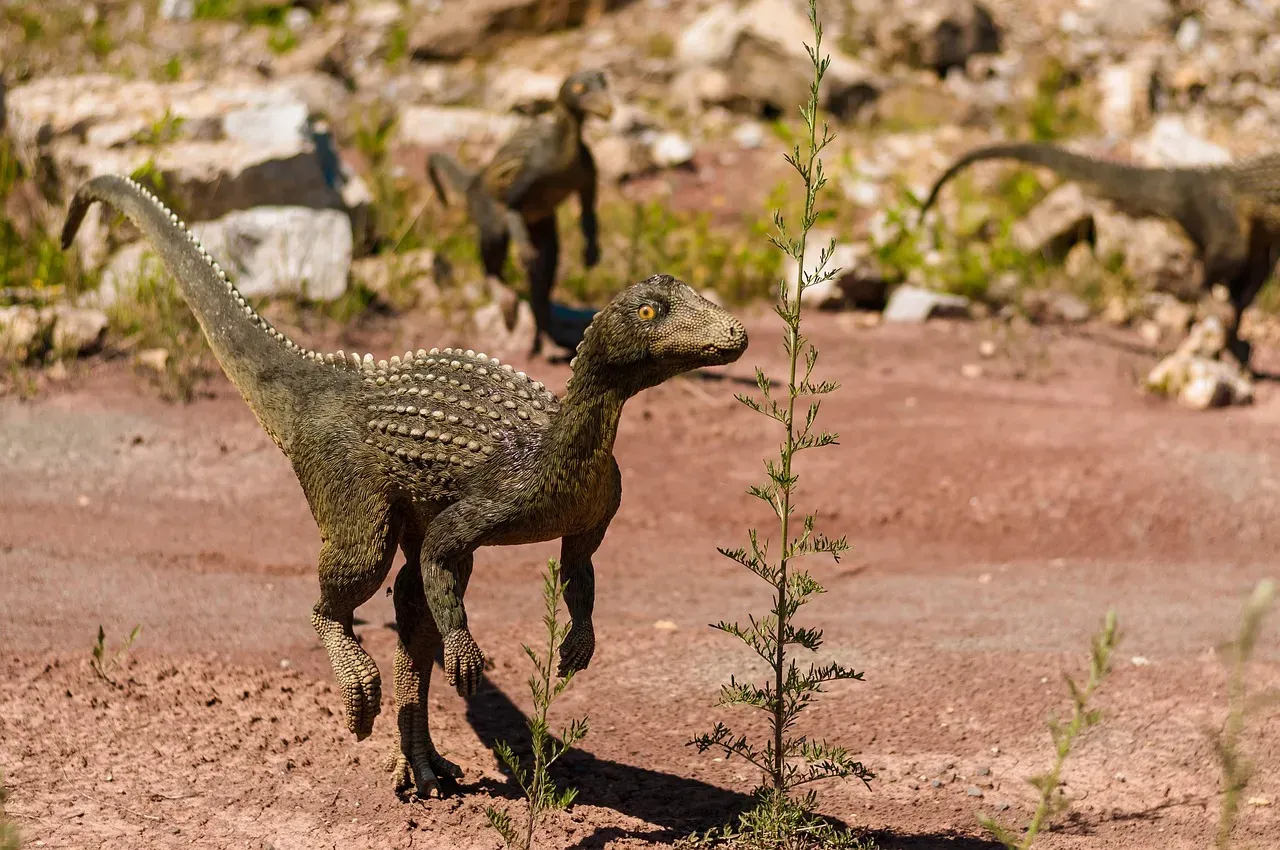
The prehistoric world was brutal, unpredictable, and constantly shifting. Yet certain creatures didn’t just endure – they dominated their environments for millions of years. Their habits reveal timeless principles: adapt proactively, diversify your strategies, build strong networks, specialize smartly, know when to rest, respond quickly without panicking, stay flexible, and pass knowledge forward.
The journey through prehistoric creatures offers a fascinating glimpse into when giants roamed Earth, with their unique adaptations, survival strategies, and evolutionary legacies continuing to shape our understanding of life and its resilience. These aren’t just interesting facts about extinct animals – they’re blueprints for navigating whatever challenges you face today. What survival strategy will you adopt first?