Have you ever wondered why you feel exhausted even when you’ve gotten a full night’s sleep? You’re not alone in this. I think it’s one of the most frustrating experiences, dragging yourself through the day when you thought you did everything right.
Here’s the thing: burnout doesn’t always announce itself with flashing lights. Sometimes the real culprits behind your fatigue are hiding in plain sight, disguised as perfectly normal parts of your routine. They’re subtle, sneaky, and they build up over time until you’re wondering why every single task feels like climbing a mountain.
Let’s dive into the hidden energy vampires that might be sabotaging your vitality and what you can actually do about them. You might be surprised by what’s been silently sapping your strength all along.
Constantly Jumping Between Tasks

You probably think you’re being productive when you’re answering emails while on a video call, texting during lunch, and keeping ten browser tabs open. Constantly switching between tasks can dilute your attention, leaving each task only half-done, causing your energy to drain more than you might realize or admit. Your brain isn’t actually multitasking; it’s rapidly switching focus, and that takes a serious toll.
All of that re-focusing uses up the oxygenated glucose in your brain, according to Science Alert, making you tired and less capable of tackling your to-do list. Think of it like constantly stopping and starting your car instead of cruising smoothly. The fuel burns faster, the engine works harder, and you get nowhere efficiently. Try dedicating specific blocks of time to single tasks instead of bouncing around like a pinball.
Making Too Many Micro-Decisions

Another draining habit you might unconsciously engage in is the countless daily micro-decisions you make. In trying to achieve the best possible outcome every time, we often waste precious mental resources on relatively trivial matters. For instance, deciding on what to wear in the morning, endlessly scrolling through food delivery options, or spending five or more minutes choosing which playlist to listen to while working.
These decisions can add up and lead to what researchers call decision fatigue, a psychological state where your ability to make decisions gets worn down as the day progresses. It’s hard to say for sure, but I’ve noticed that people who automate their small choices tend to have more mental energy for what actually matters. Meal prep on Sundays, pick out your clothes the night before, or create go-to playlists in advance. Your brain will thank you.
Putting Things Off Until the Last Minute

The more you put off tasks, the more they hang over your head, sucking up your energy with anxiety and stress. That presentation you’ve been avoiding? It’s taking up mental real estate whether you realize it or not. Each of these open loops takes up mental space, creating a low-level background hum of stress that drains your energy throughout the day.
Even though the old saying ‘There’s nothing so productive as the last minute’ certainly FEELS true, leaving everything until then and then relying on an adrenaline rush to get things done is secretly exhausting you. Try breaking big projects into smaller chunks or changing how you think about deadlines. Instead of seeing something as due in two weeks, calculate it in hours. Suddenly that deadline feels a lot closer and you’re more likely to act now instead of later.
Checking Your Phone Compulsively

I want to tell you- nothing drains our energy more than checking our phones and social media compulsively every 5 minutes. It is such a big energy vampire that I cannot emphasise it enough. Every notification pulls you out of whatever you’re doing, fragmenting your focus and keeping your nervous system on high alert.
With social media at our fingertips and most of us scrolling through social media on multiple platforms 24/7, the negative impact of social media on our mental health has been well documented. Heavy social media usage is associated with depression, anxiety, and feelings of isolation, and this can be worse for the heaviest users. Set specific times to check your phone rather than letting it control you. Put it in another room while you work, or at least turn off non-essential notifications. You’ll feel the difference in your mental clarity almost immediately.
Drinking Coffee Late in the Day

That afternoon pick-me-up might be sabotaging your entire next day. Researchers at Michigan’s Henry Ford Hospital’s Sleep Disorders & Research Center and Wayne State College of Medicine found that consuming caffeine even six hours before bedtime can reduce how long a person sleeps – and the quality of their sleep. Let’s be real, most of us don’t connect our morning exhaustion with that 3 PM latte.
Like refined carbs, these can send your energy up before crashing back down. Not only that but caffeine can take up to 8 hours to clear your system, making it harder to get a good night of sleep, adding to the energy drain. If you need an afternoon boost, try a short walk instead, or switch to herbal tea. Your sleep cycle will improve and so will your overall energy.
Sitting Still All Day

It sounds backwards, but not moving actually makes you more tired. Not moving your body can make you want to move even LESS! Studies have linked sitting and passive sedentary behavior, such as watching television and scrolling through social media, with higher depression and anxiety symptoms. Movement, on the other hand, reduces your levels of stress hormones and releases mood-boosting neurotransmitters, including serotonin (known as the “happy” hormone) and dopamine.
You don’t need to run a marathon to feel the benefits. Even just walking daily, climbing stairs, or dancing around during commercial breaks can boost circulation and blood flow. This energizes your entire system and makes you feel lighter and more awake. Stand up every hour, take the stairs, or do a few stretches at your desk. Small movements add up to big energy gains.
Beating Yourself Up Over Mistakes
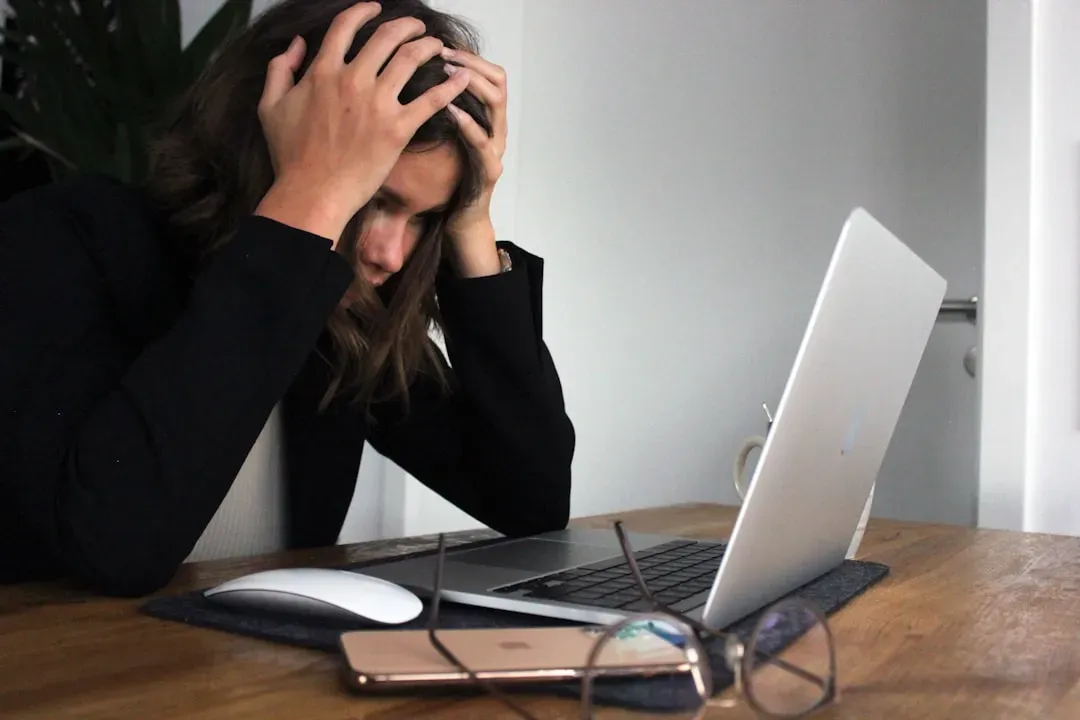
If you beat yourself up instead of learning from your mistakes, you might get into a habit of using negative self-talk. Similar to overthinking, negative self-talk can make you stuck in your head. And this drains your energy. Every time you replay that awkward conversation or dwell on what you should have done differently, you’re spending mental energy on something you can’t change.
Beating yourself up and blaming yourself doesn’t change matters or improve the situation, but it’s another habit that drains your energy. Try treating yourself with the same kindness you’d show a good friend. Acknowledge the mistake, learn what you can from it, and move on. The energy you save by not constantly criticizing yourself is enormous.
Surrounding Yourself With Negativity

Being around negative people- people who are always criticizing, complaining, gossiping and talking about the burdens of life drains our energy and life force. Anyone who leaves you feeling exhausted and drained after spending time with them is an energy vampire and you should avoid them as much as possible. You probably know exactly who these people are in your life.
It’s possible to “catch” the moods of the people around you, but being aware of it can help lower your susceptibility, as can finding things that make you feel positive! This doesn’t mean you abandon everyone who’s going through a tough time. It means being mindful of who you spend your time with and protecting your energy when you need to. Seek out people who lift you up rather than drag you down, and notice how your energy levels shift when you do.
Conclusion

Energy isn’t just about sleep or caffeine. It’s about how you manage your attention, your choices, your movement, and even your thoughts throughout the day. The habits that drain you most are often the ones you barely notice because they’ve become so automatic.
Start with just one change from this list. Maybe it’s putting your phone away for an hour, or taking a quick walk around the block, or being gentler with yourself when things don’t go perfectly. Small shifts create momentum, and before you know it, you’ll have more energy than you’ve had in months. What would you tackle first if you had your energy back? Tell us in the comments.