Picture the world 66 million years ago. A rock the size of a small city comes screaming out of the sky, and in an instant, everything you know about life on Earth is erased. The skies go dark. Fires sweep across continents. The food chain collapses like a row of dominoes. It is, without question, the worst day in the history of complex animal life.
Most of us learned the story as a simple one: the asteroid hit, the dinosaurs died, end of chapter. But here is what rarely gets told. Scientists now recognize that an ecological refugium role, potentially offered by the higher thermal inertia of freshwater environments and microhabitats, may explain differential survivorship, with refugia from extinction-level temperature excursions possibly found in deep valleys, fluvio-lacustrine systems, coastal regions, and in the tropics. In other words, some corners of the planet may have acted as life rafts. And the dinosaurs, or at least their closest relatives, may have known exactly where to find them. Let’s dive in.
The Shadowy World of Underground Burrows
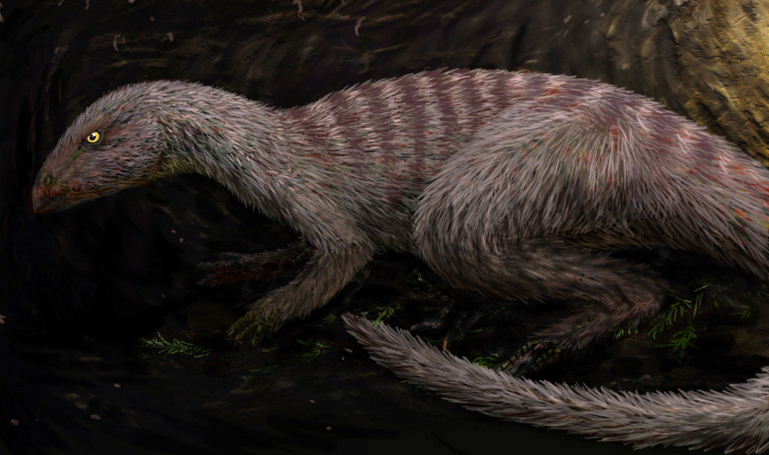
You might picture dinosaurs as creatures of open plains and ancient forests, stomping around in the open air. But some of them literally went underground. An underground den of dinosaurs revealed the first evidence that at least one species of “terrible lizards” could burrow, suggesting they could have endured extremes of heat or cold by finding shelter within dens of their own making. That is a game-changing discovery, and honestly, it reframes how you should picture certain dinosaur species.
These burrowing dinosaurs could have even survived the initial brunt of whatever eventually killed most of them off. The new species, Oryctodromeus cubicularis, meaning “digging runner of the lair,” possessed a snout that could have shoveled away dirt, as well as large shoulder bones for powerful muscles and strong hips, all traits possibly evolved for digging. Think of it like a prehistoric storm cellar. While the world above burned, a small dinosaur deep in its tunnel may have experienced nothing more than a deep, unsettling rumble.
Freshwater Lakes and River Systems
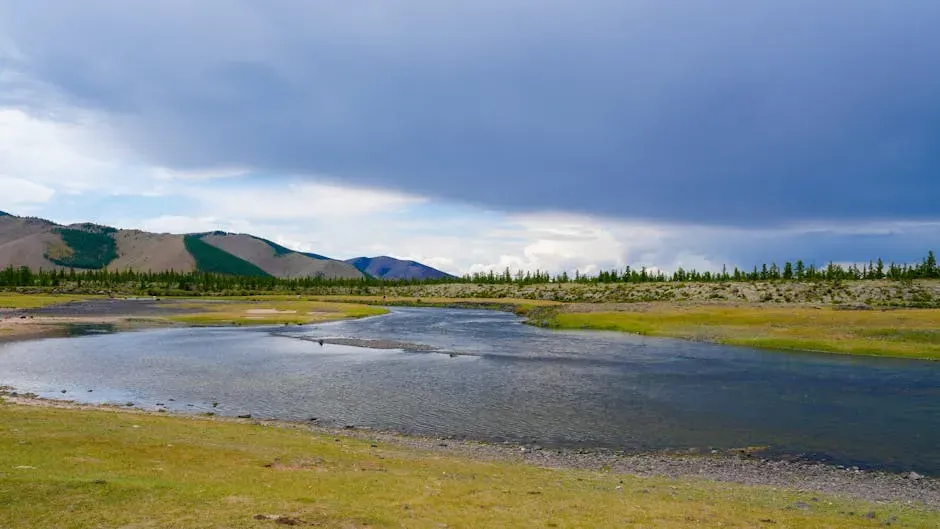
Water is an extraordinary insulator. You might not think of a lake as a place of safety during a global catastrophe, but the physics here are remarkable. Freshwater ecosystems proved to be crucial survival zones because water’s high heat capacity helped maintain more consistent temperatures, water bodies filtered out some of the atmospheric dust and debris, and aquatic environments often held onto nutrients better than land. For creatures that lived near or in these systems, the immediate thermal shock of the impact was dramatically reduced.
Freshwater environments provided a buffer against some of the worst effects of the extinction event, with lakes and rivers experiencing less severe temperature fluctuations and a more stable food supply compared to marine environments. It is worth noting that many turtle and crocodile species survived by hunkering down in their freshwater refuges. There is every reason to think that smaller, semi-aquatic dinosaur relatives used the very same strategy, clinging to riverbanks and lake margins while the terrestrial world around them disintegrated.
Deep Valley Systems Shielded from the Sky
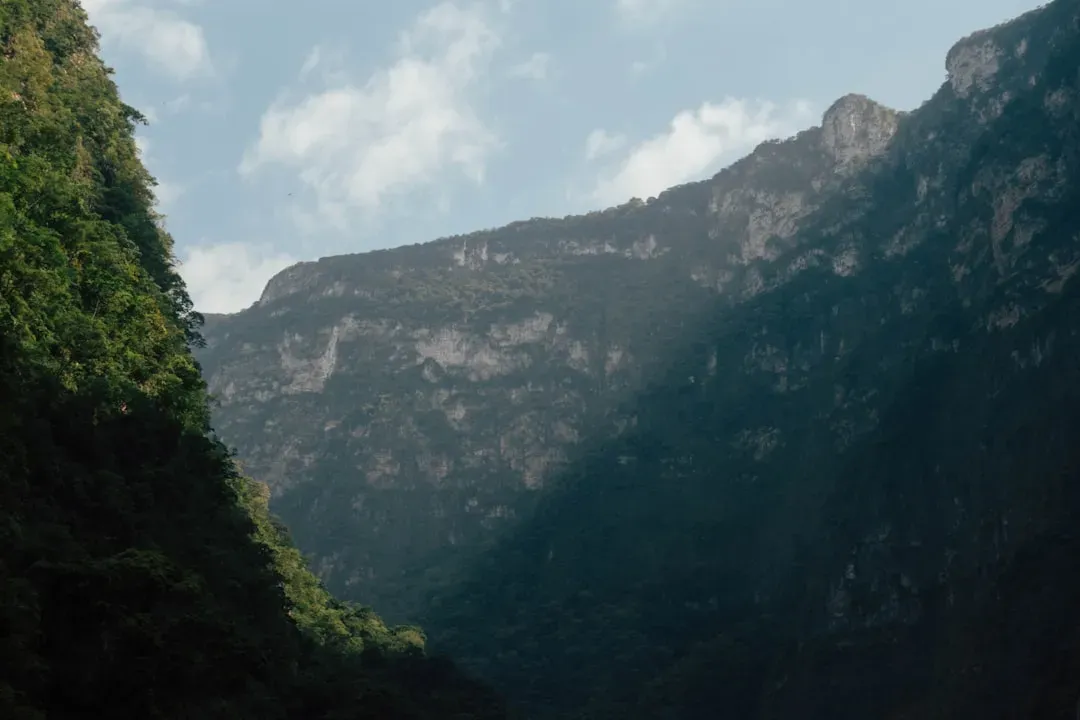
Here is a concept that does not get nearly enough attention. Imagine a deep gorge, steep walls on either side, a narrow ribbon of sky overhead. When the superheated debris from the Chicxulub impact rained down from above, this rain of hot dust raised global temperatures for hours after the impact and cooked alive animals that were too large to seek shelter, but small animals that could shelter underground, underwater, or perhaps in caves or large tree trunks may have been able to survive this initial heat blast. A deep valley acts like a natural shield against exactly this kind of radiant heat event.
An ecological refugium role, potentially offered by freshwater environments and microhabitats, may be a potential explanation behind the differential survivorship process, and refugia from extinction-level temperature excursion might have been found in deep valleys and fluvio-lacustrine systems, which would have offered shelter for taxa including birds, mammals, turtles, crocodiles, lizards, and snakes. Think of it like sheltering in a canyon during a wildfire. The surrounding rock walls and the valley’s own microclimate could have created an island of tolerable conditions in a world that was otherwise rapidly becoming unlivable.
Tropical Lowlands and Equatorial Refugia
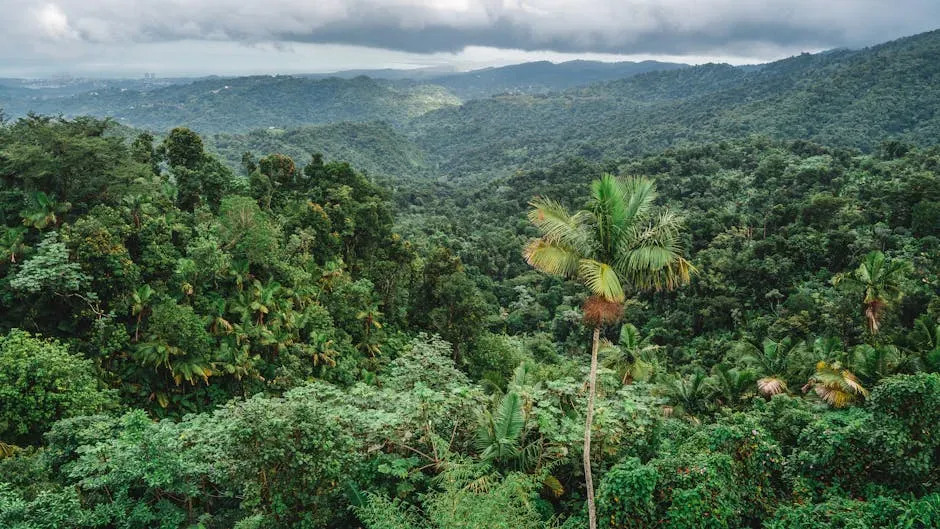
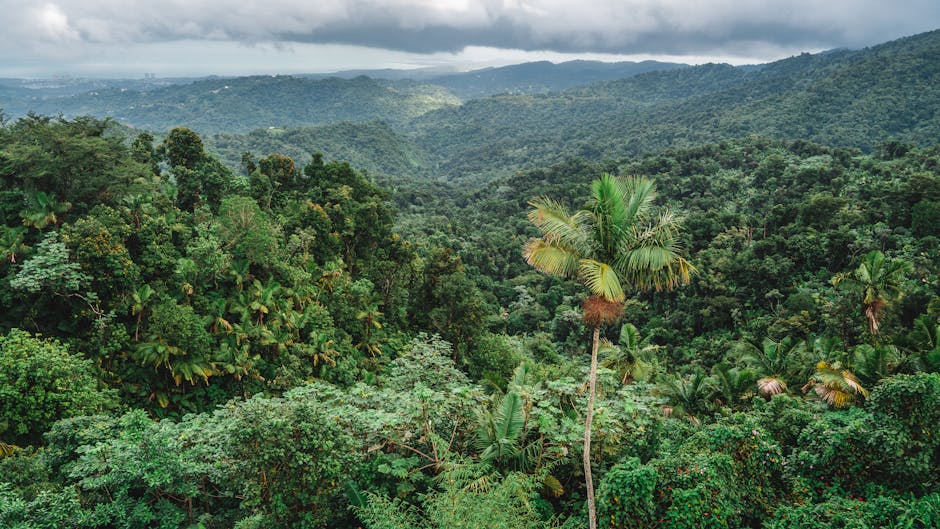
The tropics are biologically resilient in ways that still impress ecologists today. They sustain extraordinary biodiversity precisely because their conditions are stable over long periods. Extensive and stable lowlands developed in northern South America during the Maastrichtian, with a persistent humid climate over millions of years. That long period of thermal and ecological stability may have primed certain low-latitude regions to bounce back faster than anywhere else on Earth after the catastrophe struck.
Why calcareous plankton at high latitudes died out more completely than those near the equator is one of the puzzles scientists still study, with some suggesting that the dusty, cooling climate at higher latitudes was more devastating, and ecologists studying modern eruptions test how polar and tropical ecosystems react differently. In other words, the equatorial zone appears to have been buffered against the worst of the impact winter. For smaller, ground-dwelling dinosaurs and their avian relatives living in these warm lowland forests, survival was at least theoretically possible in ways it simply was not for their kin closer to the poles.
Coastal and Island Environments
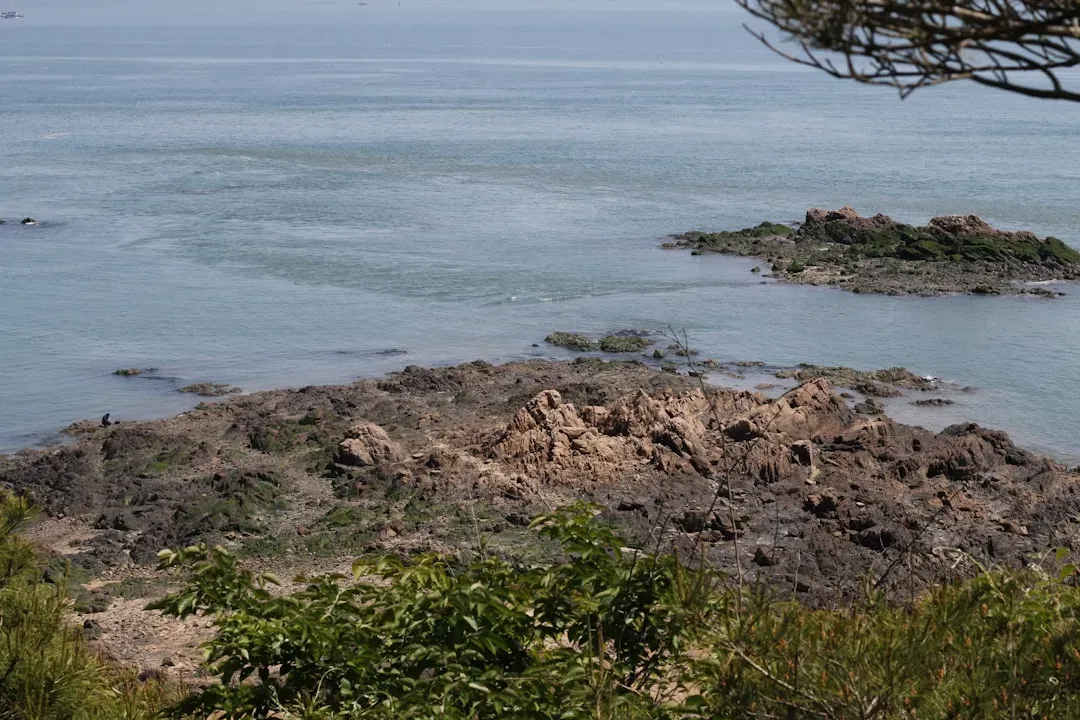
Islands and coastlines have always been evolutionary hotspots. They isolate populations, they concentrate resources, and during catastrophic events they can act as natural barriers against the worst effects of continent-wide chaos. Appalachia was a huge island mass that came about when North America was split by the Western Interior Seaway about 100 million years ago, and during this time the Sevier Mountains and Rocky Mountains gradually rose. These kinds of geographic separations meant certain dinosaur communities were already living in relatively isolated coastal and island conditions long before the asteroid hit.
Another consequence of the regression of inland seas was an expansion of freshwater environments, since continental runoff now had longer distances to travel before reaching oceans, and while this change was favorable to freshwater vertebrates, those preferring marine environments suffered. Coastal zones that combined access to fresh water, moderate ocean temperatures, and geographic protection from wildfire would have been among the most hospitable places on the planet in the immediate aftermath of the impact. It’s hard to say for sure exactly which species took advantage of these coastal corridors, but the ecological logic is compelling.
Polar Forests and High-Latitude Woodlands
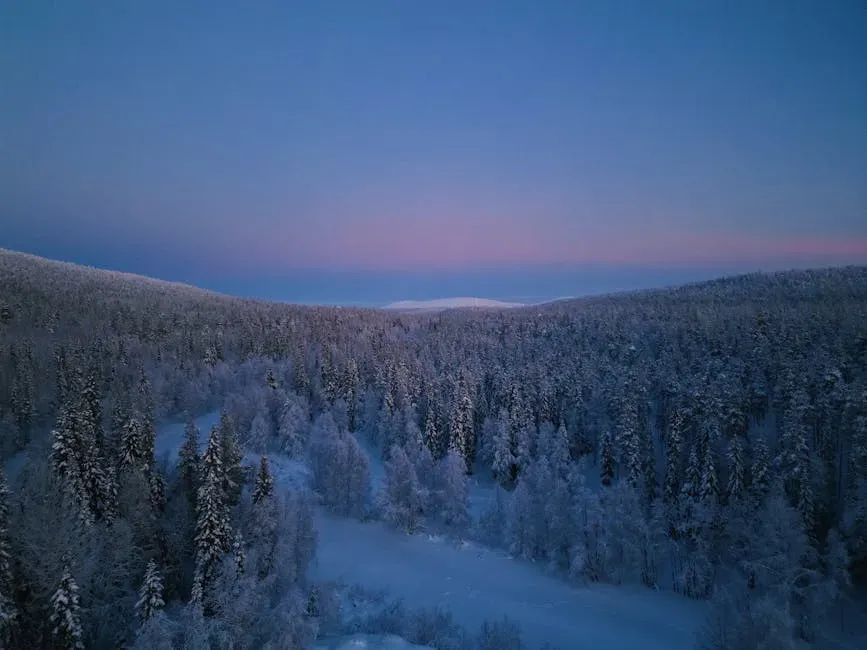
This one is genuinely surprising, and I think it deserves more attention than it usually gets. During the Cretaceous, the polar regions were not the frozen wastelands you might picture. The polar regions were covered by lush forests and not by ice sheets during the Cretaceous period. Dinosaurs were already thriving in these high-latitude environments, adapted to long months of darkness and cold, well before the asteroid ever arrived.
The Leaellynsaura survived using its big eyes specially adapted to night vision and may have dug burrows to protect itself, or it was endothermic, paleontologists believe. Meanwhile, it was also thought that polar regions’ species might have had deeper resilience to the climatic upheaval following the initial event, since life there demands adaptation to extreme conditions, including darkness for half the year and an irregular food supply. Let’s be real: a creature already accustomed to months of darkness and food scarcity would arguably be far better prepared for an impact winter than a tropical giant dependent on abundant daily vegetation. The polar forest adapted survivors may represent an underappreciated chapter of the extinction story.
Swamps, River Deltas, and Wetland Refugia
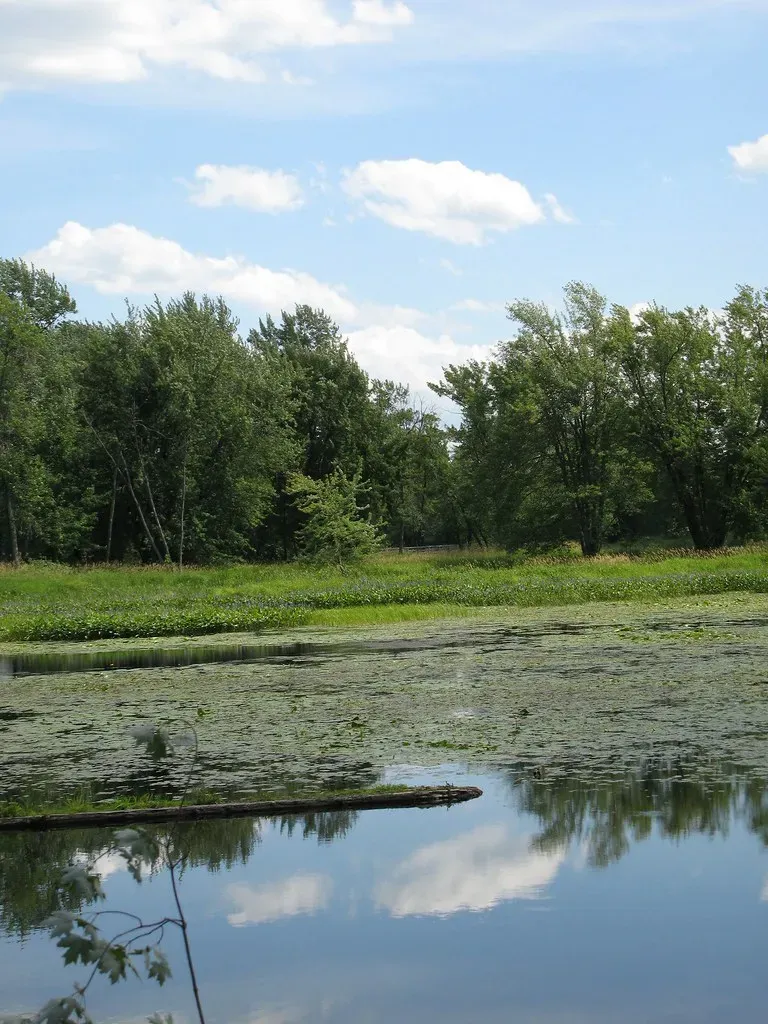
Swamps have a bad reputation. They are sticky, murky, and most people would prefer not to think about them. Yet during the end-Cretaceous catastrophe, they may have been among the most important lifeboats on the planet. Swamps and river deltas are ideal places for the preservation of fossils, and steamy swamps existed along the edges of the Cretaceous continents, where wet-loving trees such as swamp cypresses dominated and provided the perfect habitat for fish-eating dinosaurs such as Spinosaurus. These kinds of dense, water-saturated environments would have offered insulation from the heat pulse, a stable detritus-based food chain, and protection from the worst of the wildfires sweeping terrestrial landscapes.
Survival during the K-Pg event often came down to size, diet, and habitat, with small, generalist feeders that could burrow or live in freshwater environments, which rely more on detritus than live plants, faring better than large, specialized land-dwellers. Wetlands, with their layers of organic material, decaying vegetation, and standing water, represent exactly the kind of detritus-rich environment that could sustain life even when photosynthesis had essentially stopped. A worldwide spike in fern populations is noted after the final days of the Cretaceous, as disaster taxa capable of thriving in nutrient-poor soil were quick to grow, reproducing via spores that can germinate and succeed where others cannot. Those ferns likely first took hold in exactly these wet, low-lying zones.
The Chicxulub Impact Crater Itself
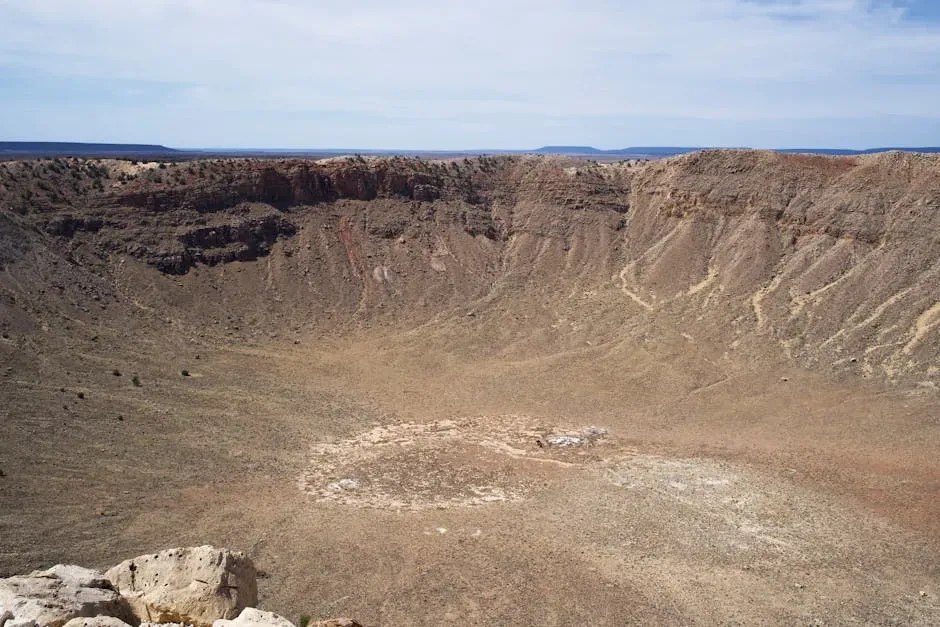
This last one will genuinely stop you in your tracks. The very site where the world-ending asteroid struck may have become one of the fastest recovering refugia on the planet. About 66 million years ago, an asteroid slammed into the planet, wiping out all non-avian dinosaurs and about seventy percent of all marine species. Yet the crater it left behind in the Gulf of Mexico was a literal hotbed for life enriching the overlying ocean for at least 700,000 years, according to research published in Nature Communications, with scientists discovering that a hydrothermal system created by the asteroid impact may have helped marine life flourish at the impact site by generating and circulating nutrients.
About 66 million years ago, an asteroid smashed into Earth, triggering a mass extinction that ended the reign of the dinosaurs and snuffed out three quarters of life, yet research led by The University of Texas at Austin found that the crater it left behind was home to sea life less than a decade after impact, and it contained a thriving ecosystem within 30,000 years, a much quicker recovery than other sites around the globe. It is, when you think about it, one of the most poetic reversals in natural history. The very wound in the Earth’s surface became a cradle. New research suggests the catastrophe also opened the door for life to rebound far sooner than scientists once believed, with new species of plankton emerging less than 2,000 years after the impact. That is not a comforting story for the dinosaurs who did not make it, but it is a deeply astonishing one for everything that came after.
Conclusion
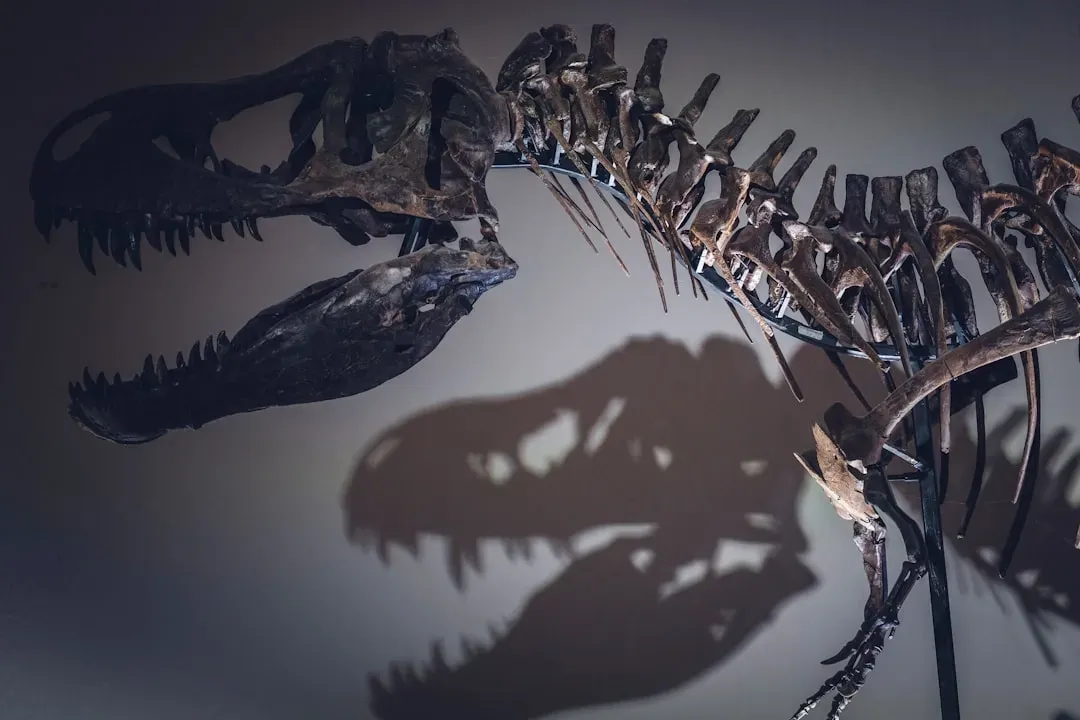
The story of the dinosaurs is often told as a tragedy with a clean ending. Asteroid hits, curtain falls. Yet the closer you look, the messier and more remarkable it all becomes. Pockets of the planet, whether deep valleys, freshwater wetlands, underground dens, or even the crater itself, seem to have served as biological lifeboats during the worst catastrophe life on Earth had seen in hundreds of millions of years. Because organisms are not adapted for very rare global events, survival is more a matter of luck than some innate superiority. Luck. Geography. Body size. A burrow at the right depth. A valley with the right orientation.
What this tells you is that extinction is never a perfectly clean sweep. Even in the most catastrophic moments in Earth’s history, life finds the cracks. Even after a catastrophic mass extinction, ecosystems can begin rebuilding within only a few thousand years, with new species emerging far sooner than scientists once thought. The dinosaurs that fly past your window every morning, the ones you call sparrows and robins and hawks, are the living proof. They found their oasis. And they never left. What would you have done, given 66 million years to figure it out?