Think about ruling planet Earth for more than 160 million years. That’s not just survival – that’s total domination. Dinosaurs didn’t just exist during the Mesozoic Era; they owned it.
While other creatures struggled and faded into extinction, these remarkable animals thrived across continents, climates, and ecosystems. How did they pull off this extraordinary feat? The answer lies in a collection of evolutionary innovations so effective that some still exist in their descendants today. From breathing systems that make ours look primitive to body structures that defy physics, dinosaurs evolved features that gave them an edge no competitor could match. Let’s explore the biological brilliance that turned these ancient reptiles into the most successful land animals our world has ever seen.
Advanced Respiratory Systems That Defied Low-Oxygen Environments
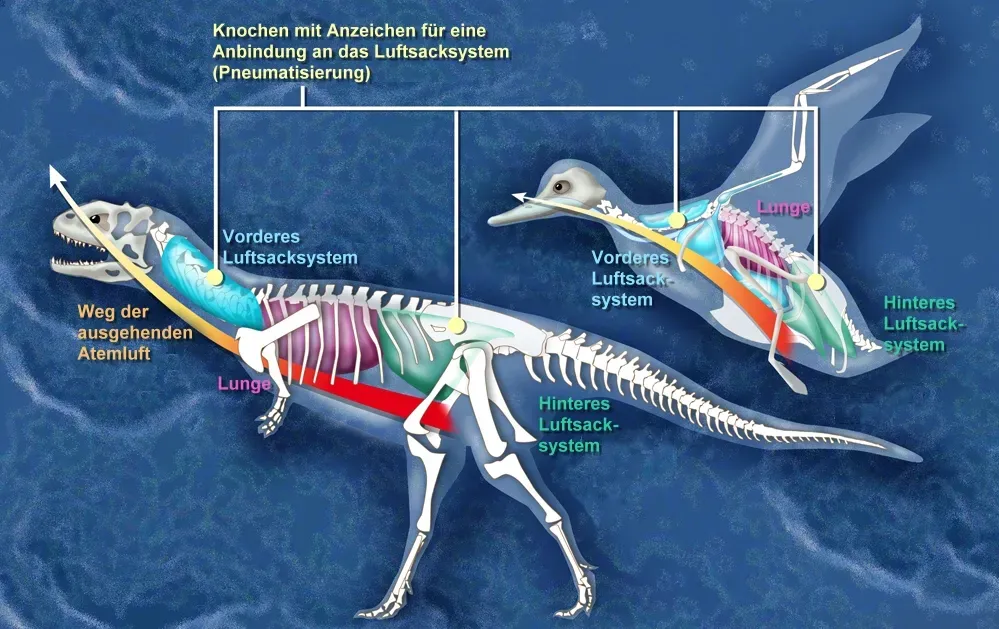
Here’s something wild: dinosaurs flourished in an atmosphere containing only ten to fifteen percent oxygen, compared to twenty percent today. These superlungs may help explain why dinosaurs were able to dominate and spread, even when the air was thin and unforgiving.
If even the very first dinosaurs to evolve had bird-like lungs, this explains why dinosaurs became the dominant animal species of their time – other animal groups simply may not have had lungs as well suited to extracting oxygen from the air. The efficient respiratory system wasn’t just helpful. It was revolutionary. The respiratory system of dinosaurs was probably capable of sustaining fairly high levels of activity and high metabolic rates, allowing them to hunt, migrate, and compete far more effectively than their oxygen-starved rivals.
Hollow Bones Filled With Air Sacs for Strength and Efficiency
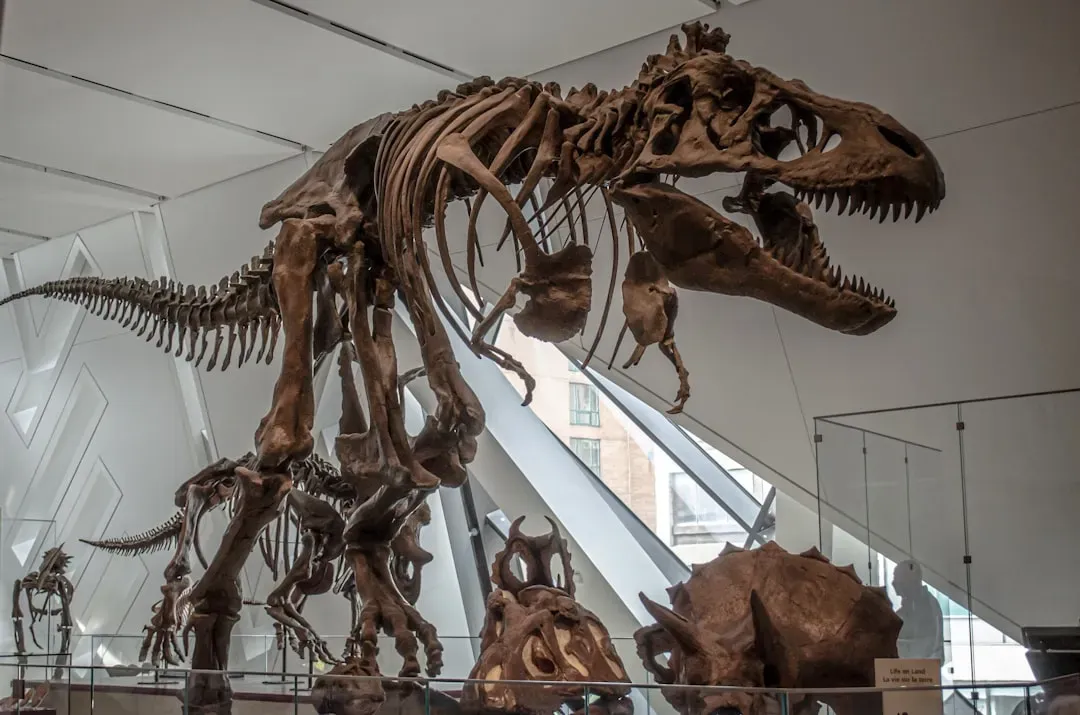
Imagine building something massive yet lightweight – that was the dinosaur secret. Hollow bones filled with little air sacs were so important to dinosaur survival, they evolved independently several times in different lineages.
Like many modern birds, Tyrannosaurus, Apatosaurus and other giants had complex networks of air sacs that grew out of their throats and lungs and into their bones, making them lighter while maintaining bone strength. This wasn’t just about reducing weight for show. The sacs also let the dinosaurs breathe more efficiently and may even have aided cooling. Think of it like nature’s version of corrugated cardboard – tough but featherlight. This adaptation gave enormous dinosaurs the structural advantage to move swiftly without collapsing under their own mass.
Bipedalism Powered by Massive Tail Muscles
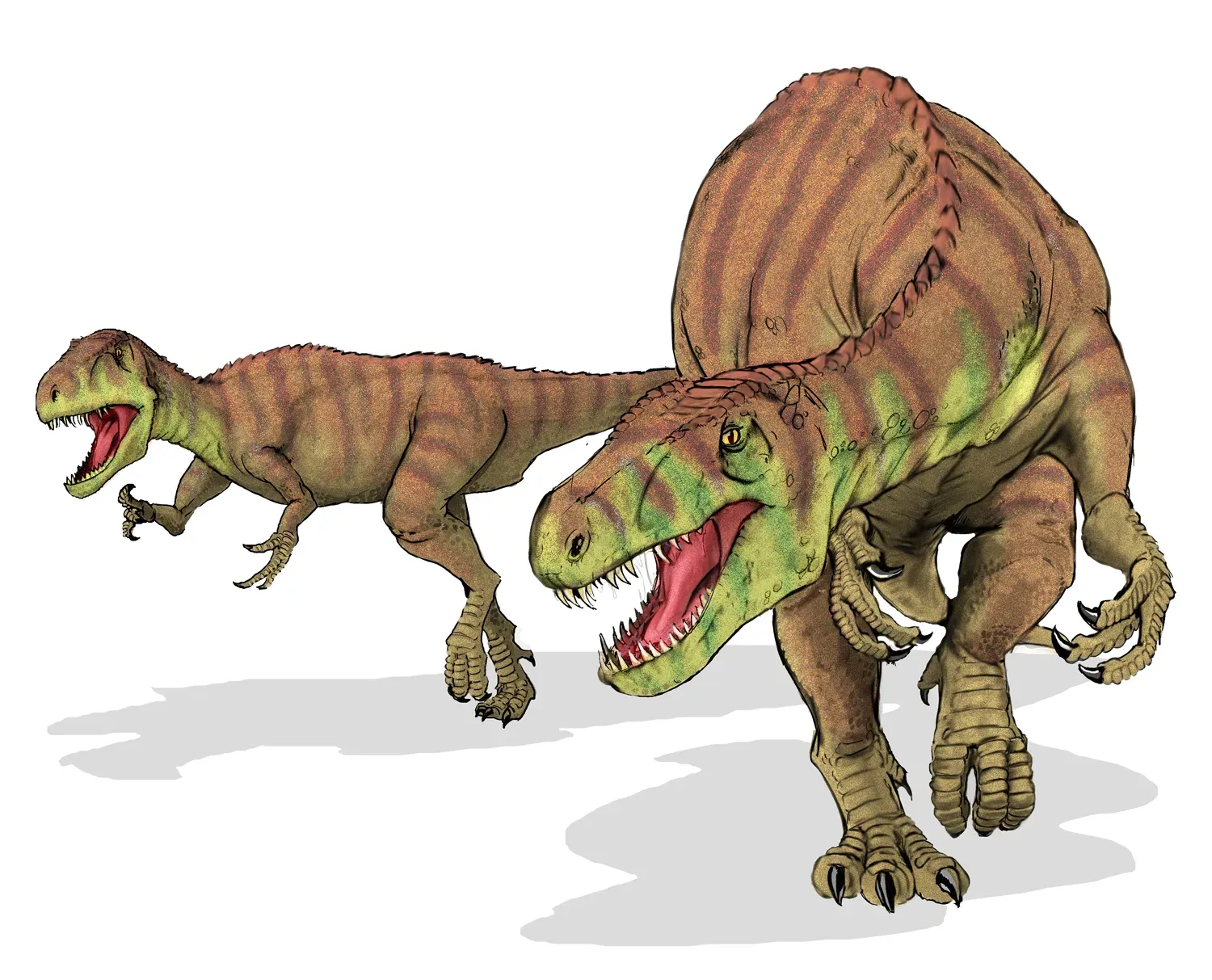
Standing upright wasn’t just about looking intimidating. The tails of proto-dinosaurs had big, leg-powering muscles, providing the strength and power required for early dinosaurs to stand on and move with their two back feet.
This setup freed their forelimbs for other uses while maximizing speed and agility. Bipedalism allowed theropods and some ornithischians to achieve high speeds, making them efficient hunters or quick to escape predators. Meanwhile, their long tails acted as perfect counterbalances, keeping them stable during rapid turns and sprints. Over time, proto-dinosaurs evolved to run faster and for longer distances – hind limb elongation allowed ancient dinosaurs to run faster, while smaller forelimbs helped to reduce body weight and improve balance. Evolution basically turned them into living pursuit machines.
Specialized Teeth for Diverse Diets
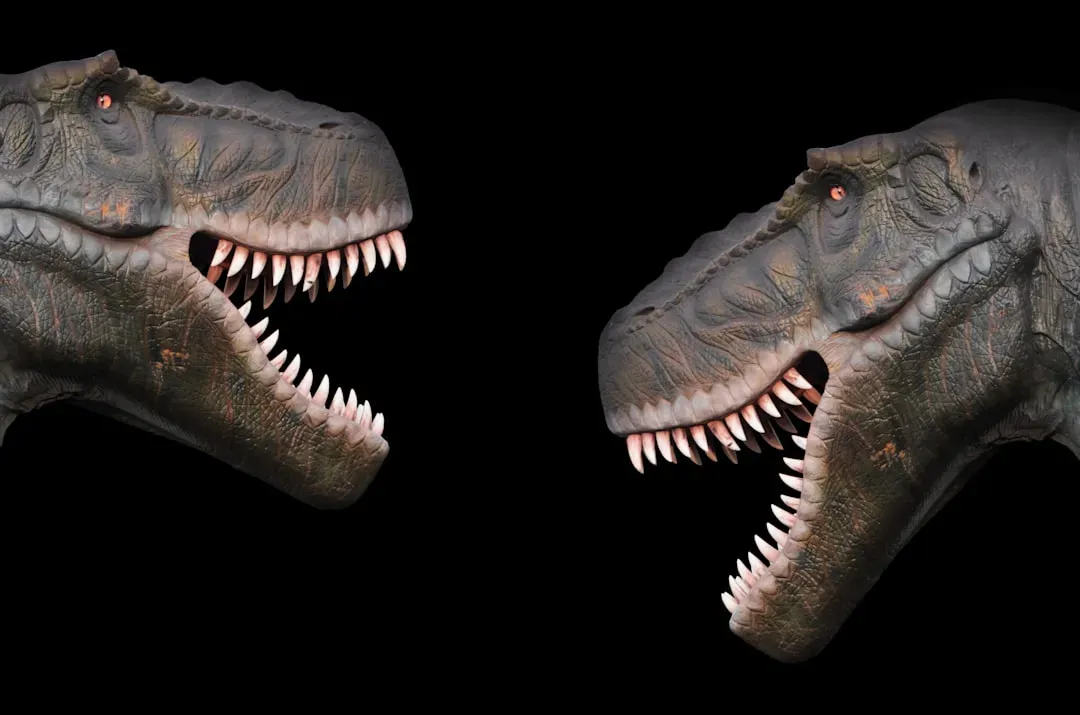
Herbivores and carnivores evolved specialized teeth that enabled them to process food efficiently – herbivores had flat and broad teeth for grinding plants, while carnivores sported sharp teeth for tearing flesh, allowing them to exploit various food sources and minimize competition. You can tell a lot about an animal by its teeth.
Honestly, this might seem simple, but dietary flexibility was absolutely crucial. Some dinosaurs could strip leaves from towering trees, others could crunch through bone, and still others could filter-feed from swamps. Massive, long-necked herbivores such as Brachiosaurus and Diplodocus developed elongated necks that allowed them to reach high into the canopy, accessing a wide range of plant matter that was otherwise inaccessible to smaller herbivores. Different diets meant less direct competition and more ecological niches to conquer.
Remarkable Cold Climate Adaptations
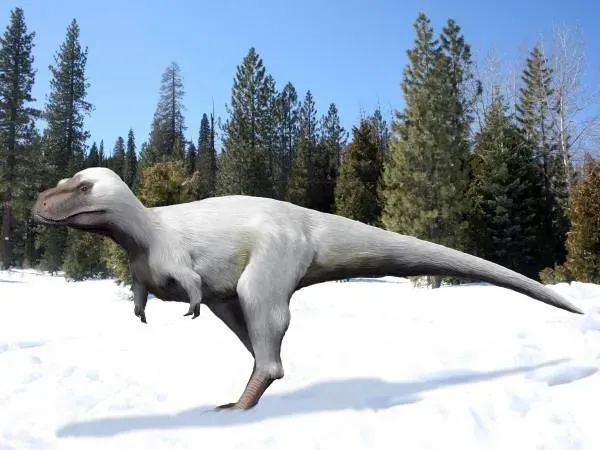
Challenging the traditional perception of dinosaurs as inhabitants of warm, tropical jungles, fossil evidence from northern regions suggests that dinosaurs not only survived but thrived in freezing conditions. This wasn’t supposed to be possible for reptiles.
The discovery of fuzzy feathers on dinosaur specimens, similar to insulation found in modern birds, provides crucial insight into their ability to cope with the cold and expand into new territories when other animals couldn’t. Let’s be real – being able to survive volcanic winters and icy climates gave dinosaurs a staggering advantage. As other species struggled to survive, dinosaurs’ cold adaptations granted them a competitive advantage. While rivals shivered and died off, dinosaurs marched into frozen landscapes and thrived.
Social Structures and Pack Hunting Behaviors
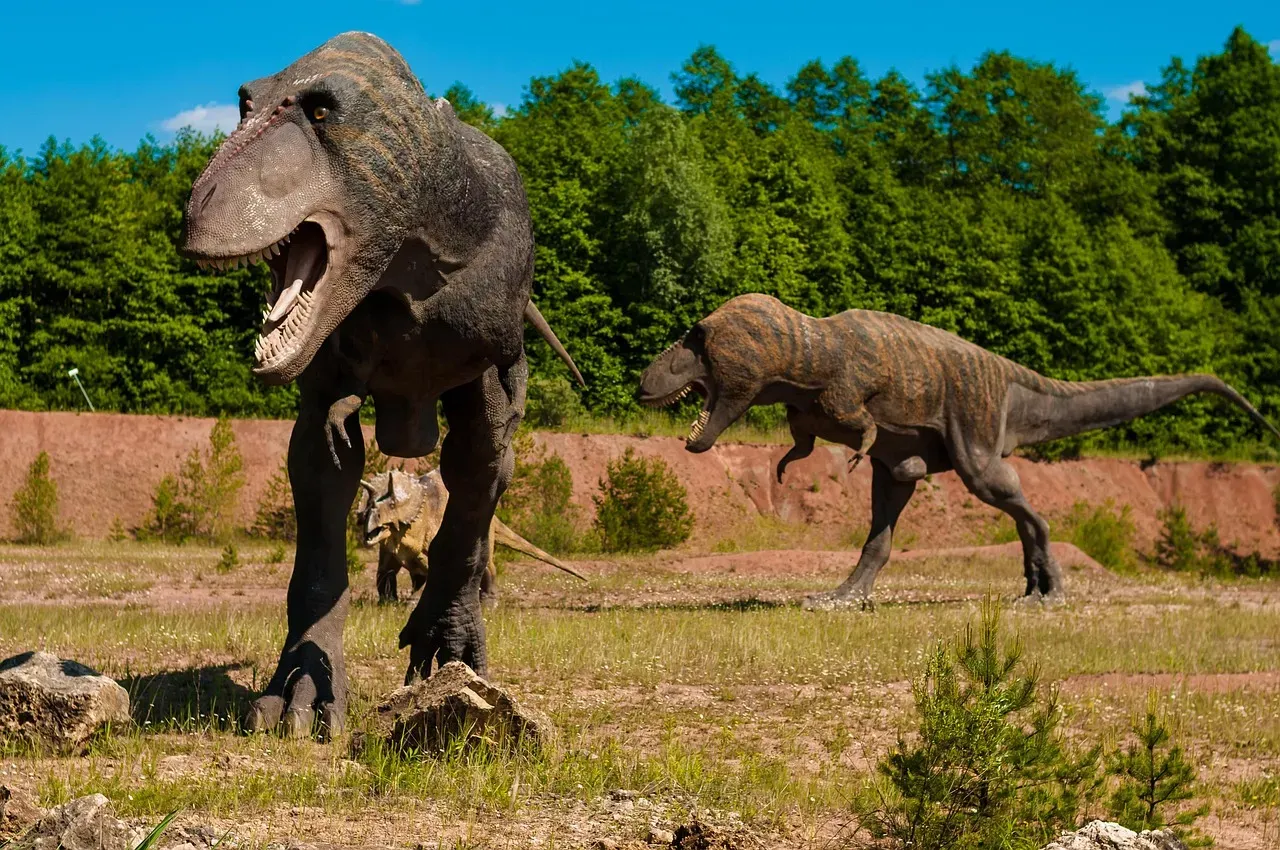
Lone wolves get the glory in movies, but cooperation wins wars. Fossil evidence indicates that some dinosaurs, like the theropods, may have hunted in packs, displaying complex cooperative behavior that allowed them to take down larger prey and ensured their survival in challenging environments.
This wasn’t just about numbers; it was strategy. Pack hunting required communication, planning, and role assignment – signs of intelligence that elevated dinosaurs above mindless beasts. Social behavior also meant better protection for young, shared resources during lean times, and coordinated defense against threats. It’s hard to say for sure, but these dynamics likely created tight-knit groups that functioned like well-oiled machines. Cooperation turned individual strengths into collective dominance.
Versatile Locomotion Allowing Rapid Adaptation
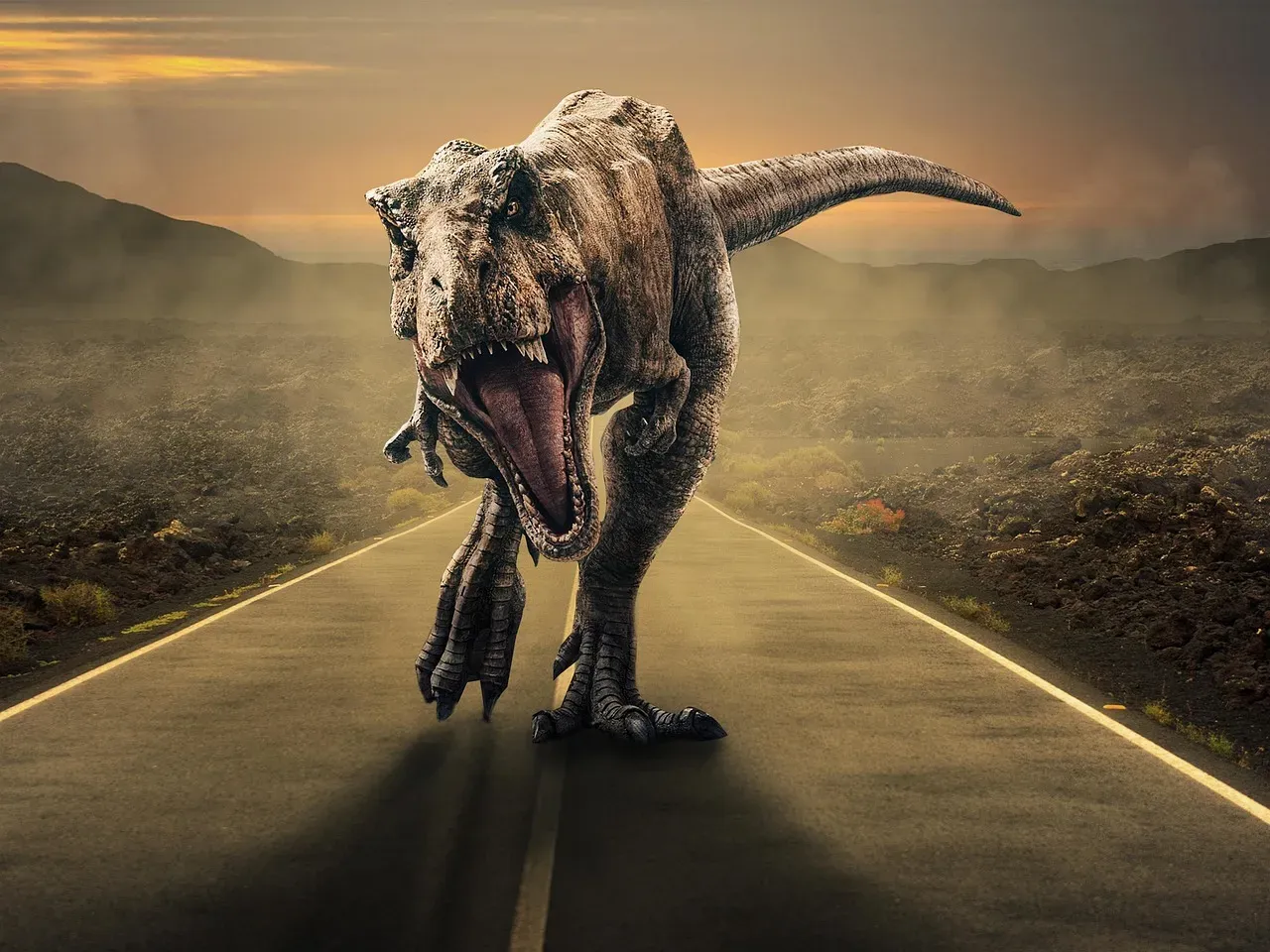
Dinosaurs and their close relatives were inherently bipedal and cursorial, meaning their limbs were evolutionarily fashioned for running, giving them a broader spectrum of running styles than their rivals. Speed equals survival in nature.
The diversity of their posture and focus on fast running meant that dinosaurs could diversify when they had the chance – after the end-Triassic mass extinction, truly huge dinosaurs emerged, some with armor, many quadrupedal, but many still bipedal like their ancestors, ensuring strong success on Earth for so long. This flexibility meant dinosaurs could shift their body plans to suit new environments, food sources, or threats. Whether sprinting after prey or lumbering through swamps, their versatile movement strategies kept them ahead of the evolutionary curve.
Efficient Thermoregulation for Active Lifestyles
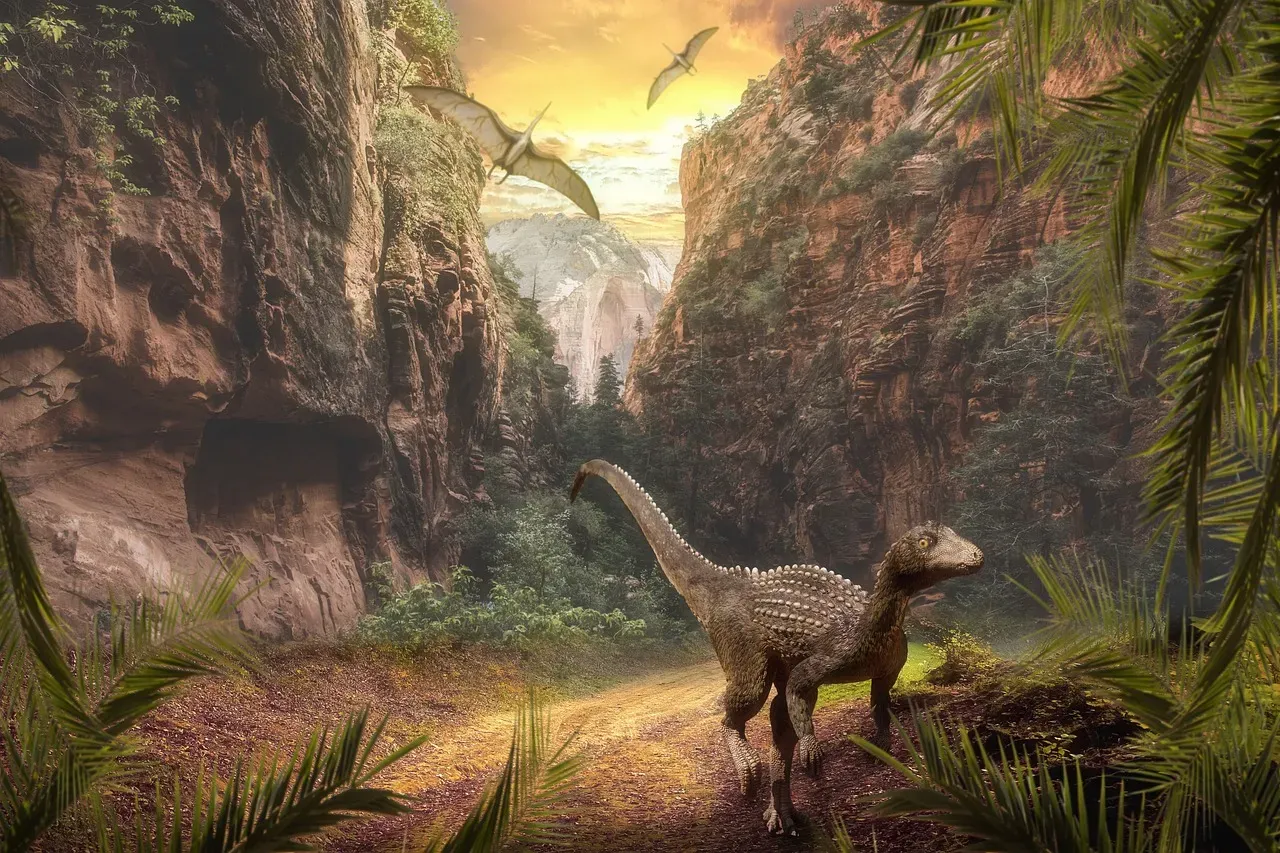
Research conducted since the 1970s has indicated that dinosaurs were active animals with elevated metabolisms and numerous adaptations for social interaction. They weren’t sluggish, cold-blooded lizards lounging in the sun all day.
Some evidence suggests larger species used gigantothermy – maintaining stable body temperatures through sheer size and internal heat retention. Others likely had metabolic rates closer to modern birds than modern reptiles. The diverse range of adaptations in dinosaurs’ anatomy and physiology played a crucial role in their survival and dominance over millions of years, allowing dinosaurs to exploit a wide range of ecological niches. Active lifestyles required energy, and efficient thermoregulation meant dinosaurs could hunt at dawn, migrate across continents, and stay competitive in rapidly changing climates. Temperature control wasn’t a luxury – it was a ticket to long-term success.
Conclusion
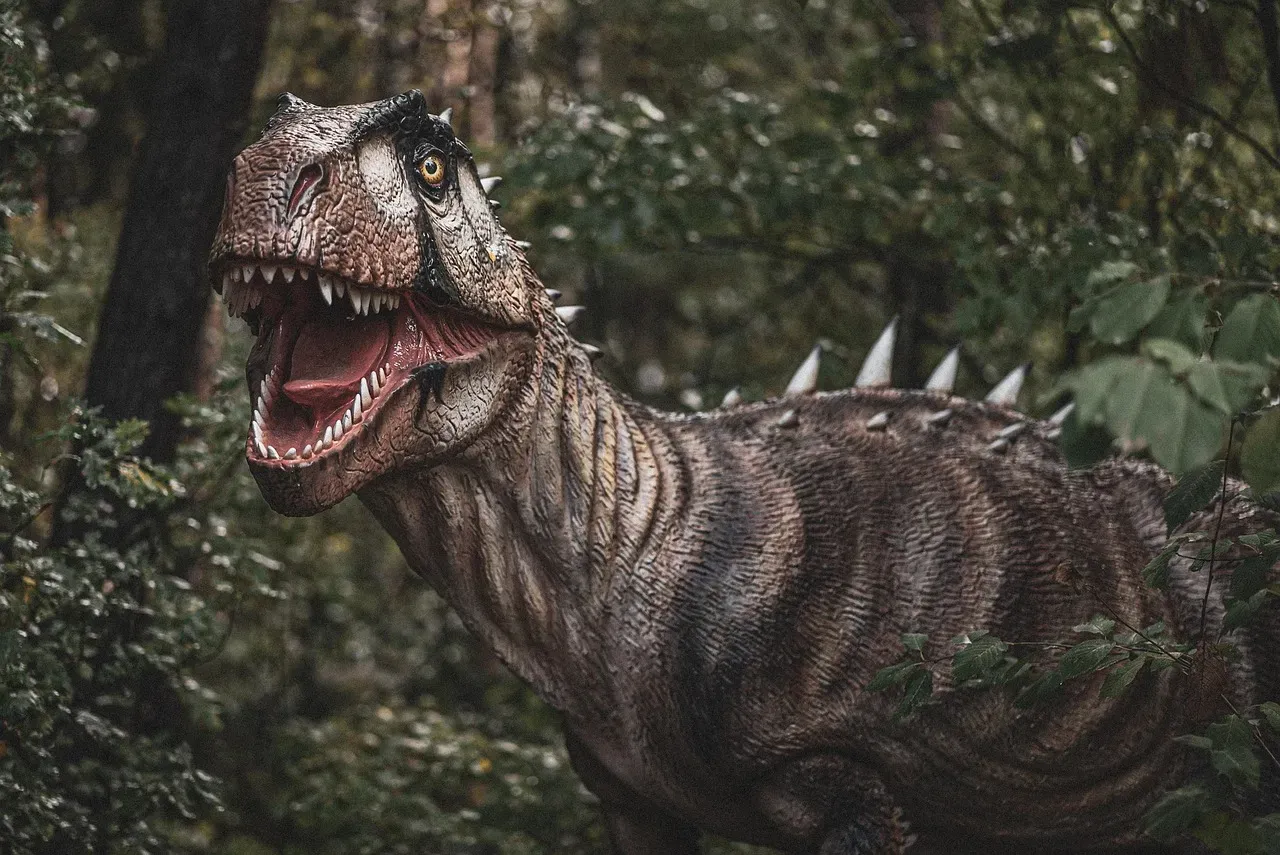
Dinosaurs didn’t dominate by accident. Every adaptation – from their super-efficient lungs to their remarkable ability to survive in freezing climates – was a piece of a larger survival puzzle. These creatures were masters of evolution, constantly refining their bodies and behaviors to stay ahead of extinction.
While a catastrophic asteroid eventually ended their reign, their evolutionary legacy lives on in every bird that takes flight today. What’s truly fascinating is how many of these adaptations emerged multiple times across different lineages, proof that nature found the same winning solutions over and over. So, what do you think about these ancient rulers? Could any modern animal ever match their dominance?