You don’t need a PhD to change the course of science. Sometimes all you need is a pair of sturdy boots, an eye for something odd in the ground, and a little bit of luck. Throughout history, some of the most jaw-dropping dinosaur discoveries have not come from university-funded expeditions or high-tech research labs. They’ve come from farmers, pilots, physicists, and even kids wandering along a beach.
It’s honestly one of the most thrilling aspects of paleontology. The earth keeps secrets buried for millions of years, and sometimes it chooses the most unlikely person to reveal them to. These stories remind us that curiosity is every bit as powerful as credentials. So, if you’ve ever looked down at a strange rock and wondered, prepare to be inspired by what follows.
Mary Anning: The Girl Who Rewrote Natural History
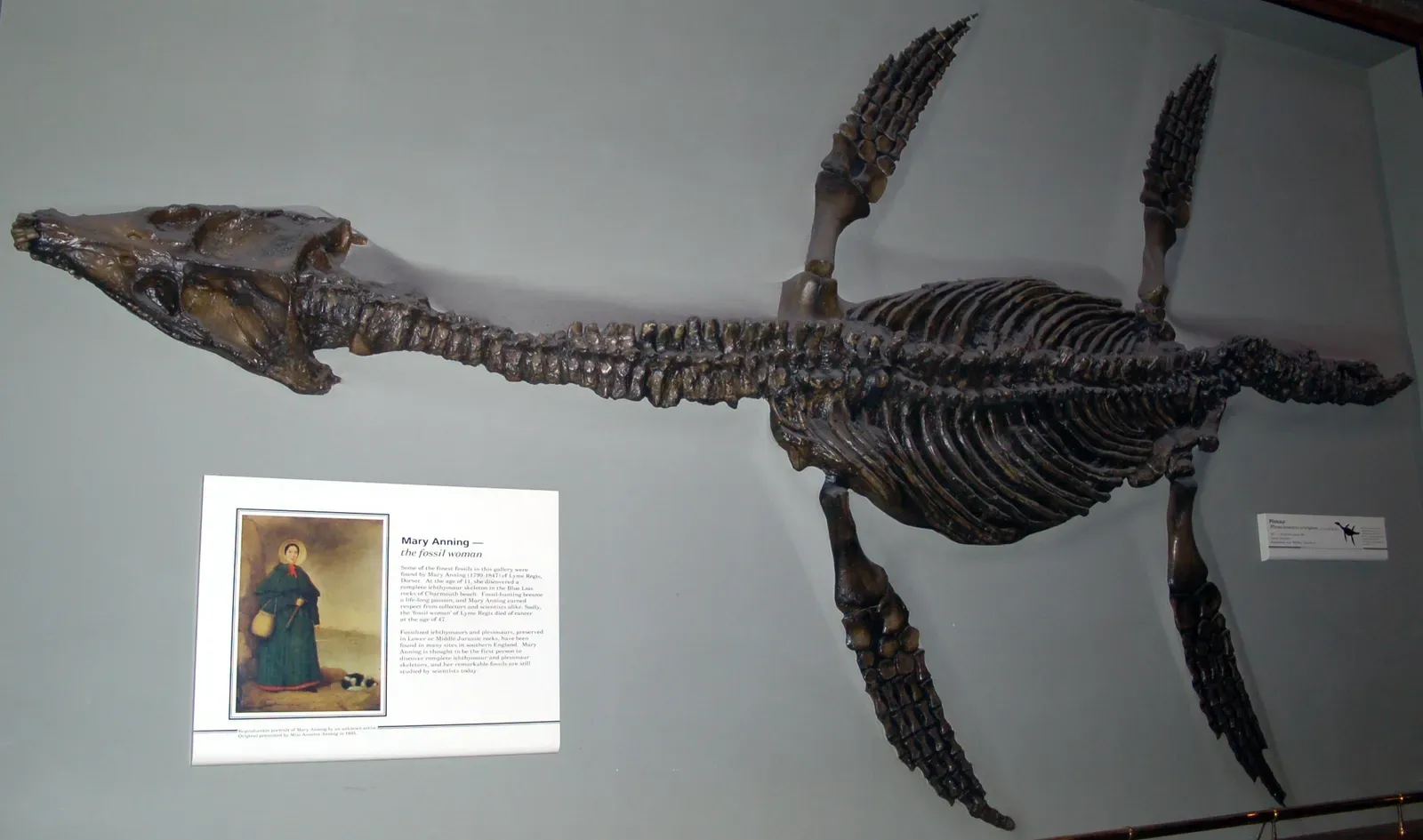
Here’s the thing – she was just twelve years old, scraping a living along the crumbling cliffs of southern England, when she helped uncover something the scientific world wasn’t even sure could exist. Mary Anning, born in 1799, was an English fossil collector and palaeontologist who became known internationally for her discoveries in Jurassic marine fossil beds along the English Channel at Lyme Regis in Dorset, Southwest England. She wasn’t hunting for glory. She was hunting to survive.
Her discoveries included the first correctly identified ichthyosaur skeleton when she was twelve years old, the first two nearly complete plesiosaur skeletons, the first pterosaur skeleton located outside Germany, and significant fish fossils. What makes her story almost unfathomable is that despite her growing reputation for finding and identifying fossils, the scientific community was hesitant to recognize Mary’s work, and male scientists who frequently bought the fossils she uncovered, cleaned, prepared, and identified often didn’t credit her discoveries in their scientific papers.
Anning’s findings contributed to changes in scientific thinking about prehistoric life and the history of the Earth. In fact, in 2010 she was recognized by the Royal Society as one of the 10 most influential women scientists in British history. Not bad for someone who was once turned away from the very institutions that relied on her finds.
Bill Shipp and the Dinosaur on His Ranch
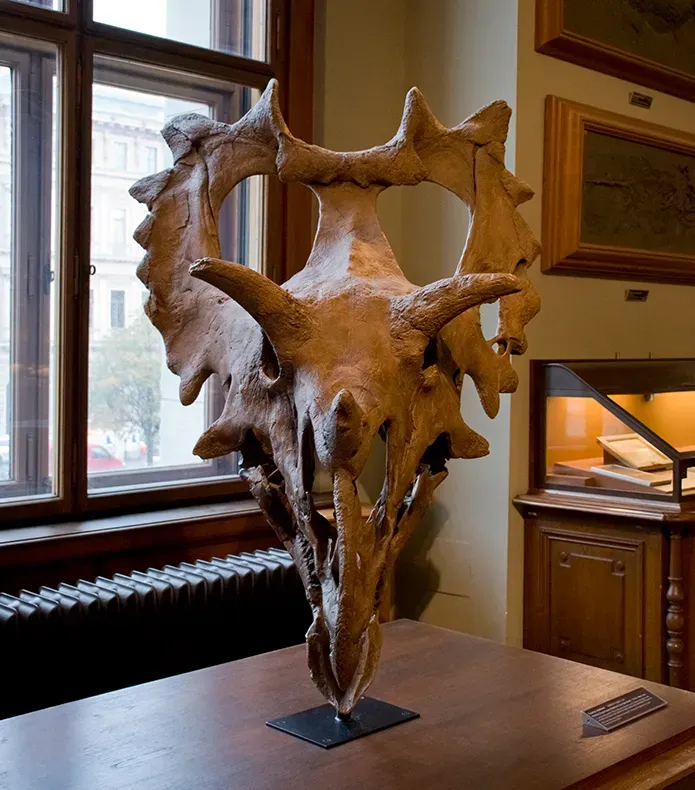
Imagine buying a ranch in rural Montana for a quiet retirement, and then accidentally discovering a brand-new species of dinosaur in your own backyard. I know it sounds crazy, but that’s exactly what happened to Dr. Bill Shipp. Retired nuclear physicist Dr. Bill Shipp, who had just bought a ranch in Montana in 2000, made the discovery – and had never been fossil hunting before, so finding an entirely new species was quite unexpected for him.
The scientific name is Spiclypeus shipporum, nicknamed “Judith” after the Judith River geological formation where the fossils were found by Bill Shipp, and Canadian Museum of Nature paleontologist Jordan Mallon says Judith is closely related to the well-known Triceratops, both having horned faces and elaborate head frills, although Judith’s horns stick out sideways instead of over the eyes. There’s a sad and fascinating twist to the story too. Close examination of some of its other bones suggests a life lived with pain, as Judith’s upper arm bone showed distinct signs of arthritis and bone infection – yet analysis of the annual growth rings inside the dinosaur’s bones suggested that it lived to maturity, and would likely have been at least 10 years old when it died.
Murray Cohen and the Two-Inch Jawbone That Made History in Texas
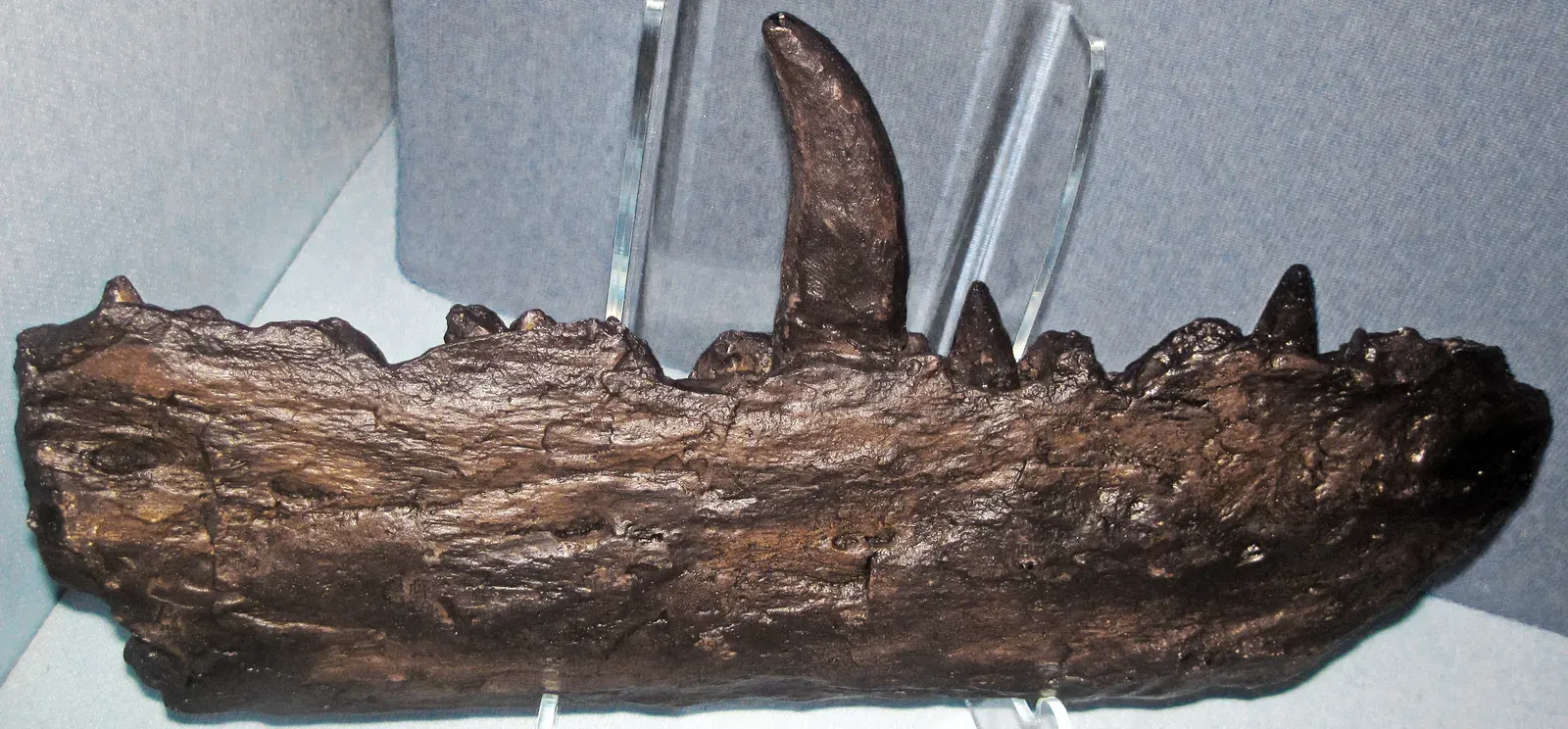
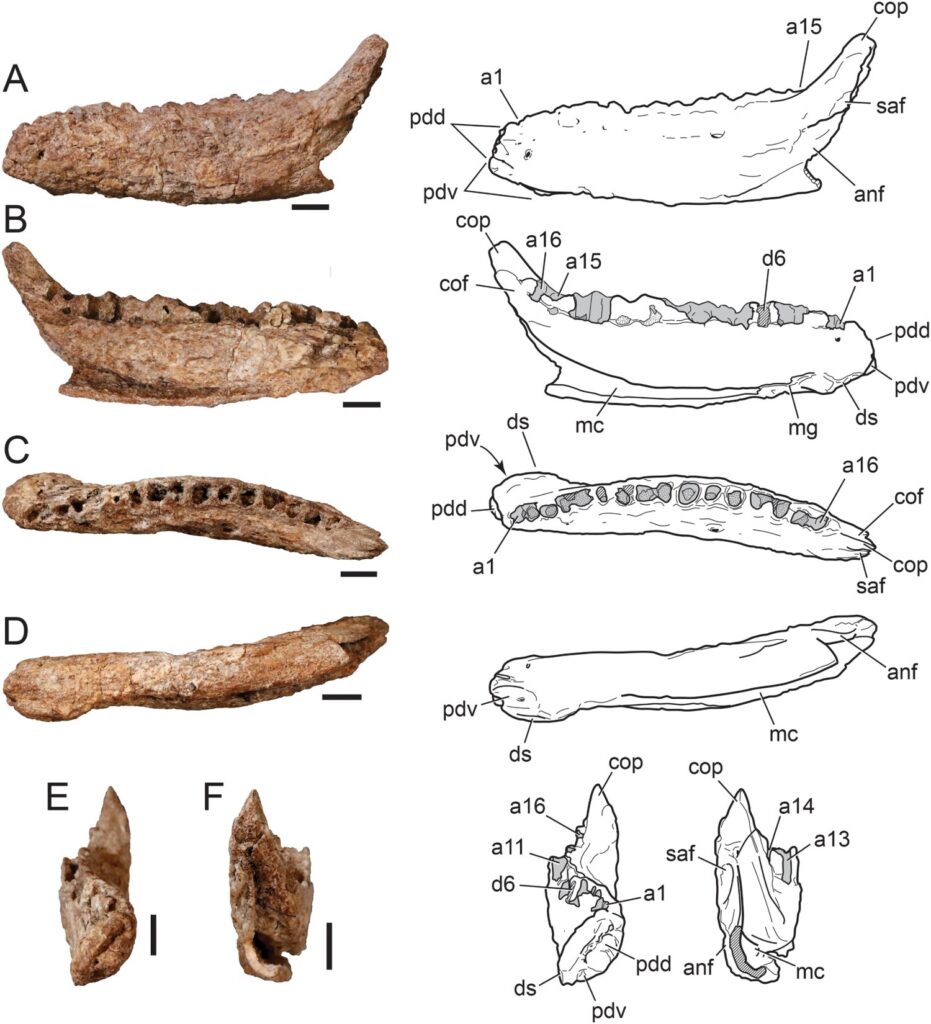
You’d be amazed what a two-inch piece of muddy bone can turn into. Murray Cohen, a commercial airline pilot and museum volunteer, was out on a solo fossil-hunting walk near Grapevine Lake in Texas when he stumbled onto something small and seemingly unremarkable. In September 2019, Murray Cohen was fossil-hunting on his own when he found a two-inch-long jawbone in a sandy area near Grapevine Lake’s spillway, about thirty miles northwest of downtown Dallas, and he later handed the muddy bit of bone over to the Perot Museum’s researchers, who cleaned it carefully under a microscope with miniature needles.
The scientists thought at first that the jawbone might have belonged to a crocodile, but then they spotted an even smaller bone feature that once connected the lower jaw to a beak – which was thrilling, because it meant the fossil could only be from one kind of creature: a dinosaur. After four years of careful analysis, researchers submitted a paper to the Journal of Vertebrate Paleontology announcing they had identified a new species, calling it Ampelognathus coheni – where “ampelos” means grapevine, “gnathos” means jaw, and “coheni” nods to Cohen, the volunteer who made the initial discovery. This was the first new dinosaur species identified in Texas since 2010.
Marie Woods and the Footprint That Revealed a Hidden Behavior
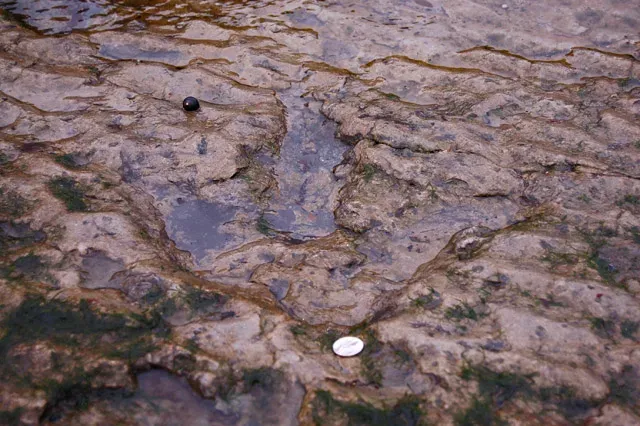
Not every major discovery involves bones. Sometimes a single footprint pressed into ancient rock can rewrite what scientists understand about how dinosaurs actually lived. Across the Atlantic Ocean, Marie Woods made one of those new discoveries when she found a fossilized dinosaur footprint along the Yorkshire coast. She was just out for a casual walk, with no expectation of finding anything scientifically extraordinary.
What scientists said was quite significant about this particular print is the fact that it’s the only one of its kind in the world that shows the behavior of a dinosaur of this kind actually taking a rest. Think about that for a second. A single print, found by someone strolling along a beach, gave us the first physical evidence that theropod dinosaurs could stop, squat, and rest. Fossil collectors carefully removed the footprint to protect it from the elements, and that’s when they realized another fossil hunter, Rob Taylor, had spotted the same print but not fully exposed a few months earlier – so Woods and Taylor share in the historic find.
The Boys Who Built a Museum: Mark Turner and Daniel Helm
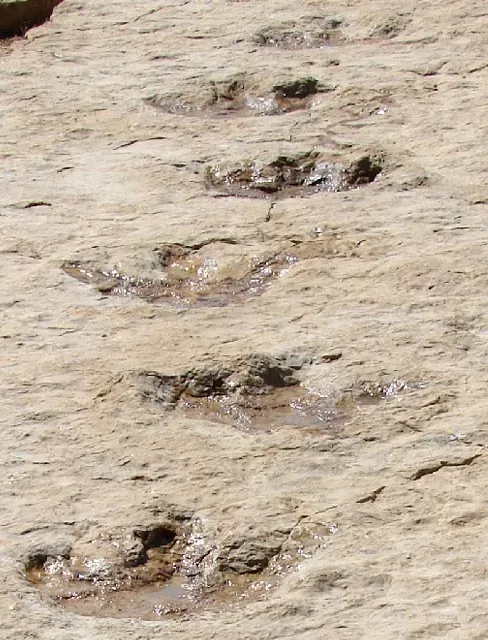
Sometimes a discovery doesn’t just end up in a museum. Sometimes it creates one. Back in 2001, two young boys named Mark Turner and Daniel Helm were doing what kids do outdoors – exploring, wandering, probably getting their shoes muddy – when they came across something remarkable in northeastern British Columbia. It was the discovery of a dinosaur trackway by the two young boys, Mark Turner and Daniel Helm, in 2001 that led to the discovery of more tracks and fossils in the region and the creation of a paleontology center in the first place.
The impact of their find rippled far beyond what any child could have anticipated. The Peace Region Paleontology Research Centre in Tumbler Ridge owes its very existence to their discovery. The curator estimates that regular people doing outdoor activities have made at least roughly three quarters of the discoveries that his museum has studied in recent years, and the museum can get a dozen to twenty reports in a year. It’s a powerful reminder that young eyes, low to the ground and full of wonder, often see things adults walk right past.
Ray Stanford and the Baby Armored Dinosaur in a Creek Bed
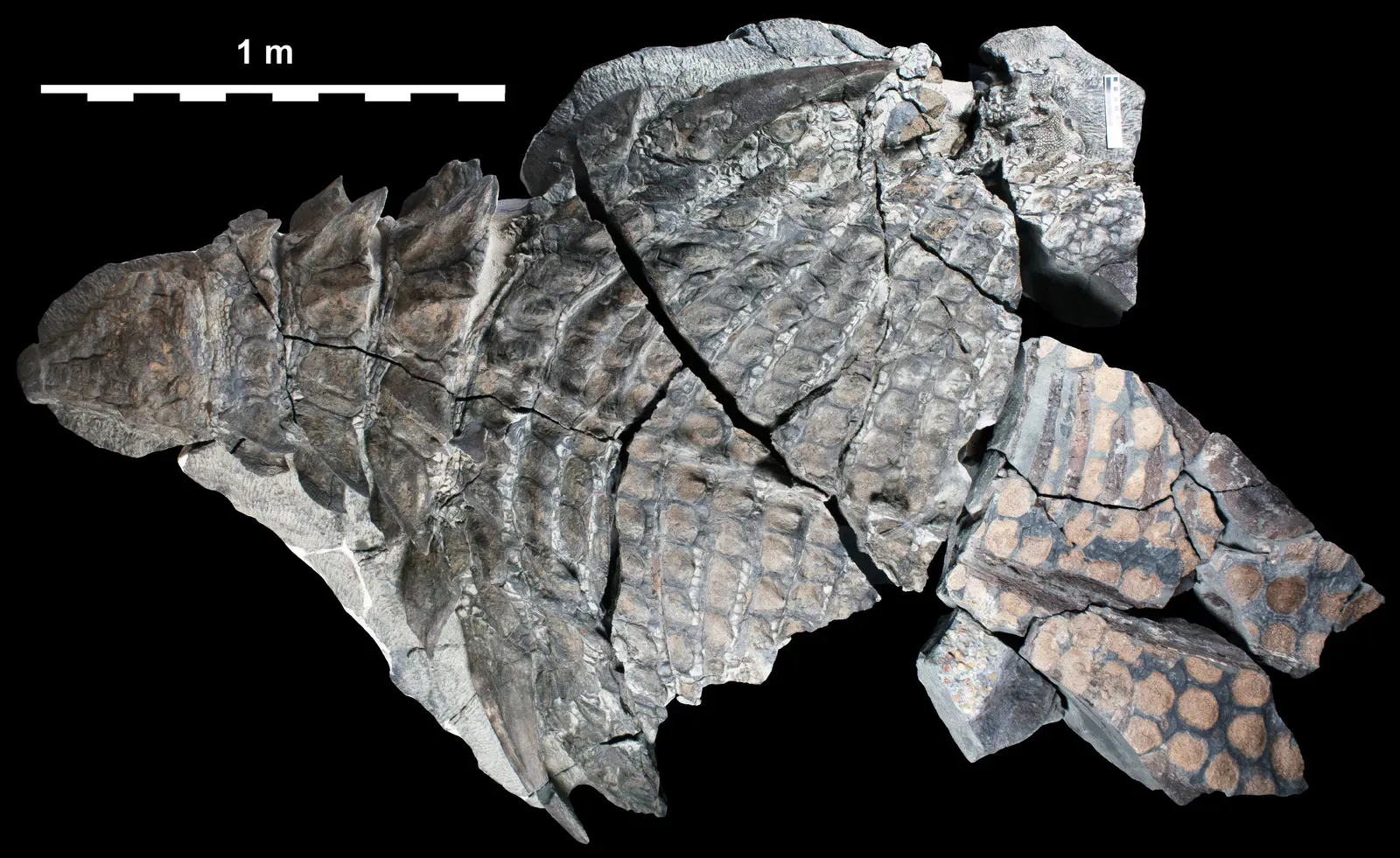
Ray Stanford isn’t your typical fossil hunter. He’s a dinosaur tracker who spent years scanning the ground near his home in Maryland, looking for what others couldn’t see. His patience paid off in a way that stunned researchers at Johns Hopkins University. The fossil was discovered in 1997 by Ray Stanford, a dinosaur tracker who often spent time looking for fossils close to his home – this time searching a creek bed after an extensive flood – and he identified it as a nodosaur and called a paleontologist expert.
Researchers at the Johns Hopkins University School of Medicine, with help from Stanford, described the fossil of an armored dinosaur hatchling that is the youngest nodosaur ever discovered, and a founder of a new genus and species that lived approximately 110 million years ago during the Early Cretaceous Era. In addition to being the youngest nodosaur ever found, it is the first hatchling of any dinosaur species ever recovered in the eastern United States. The tiny body was only about thirteen centimeters long, roughly the length of a dollar bill. An astonishing find by anyone’s measure.
Aaron Fredlund and the Giant Tyrannosaur Tracks of British Columbia
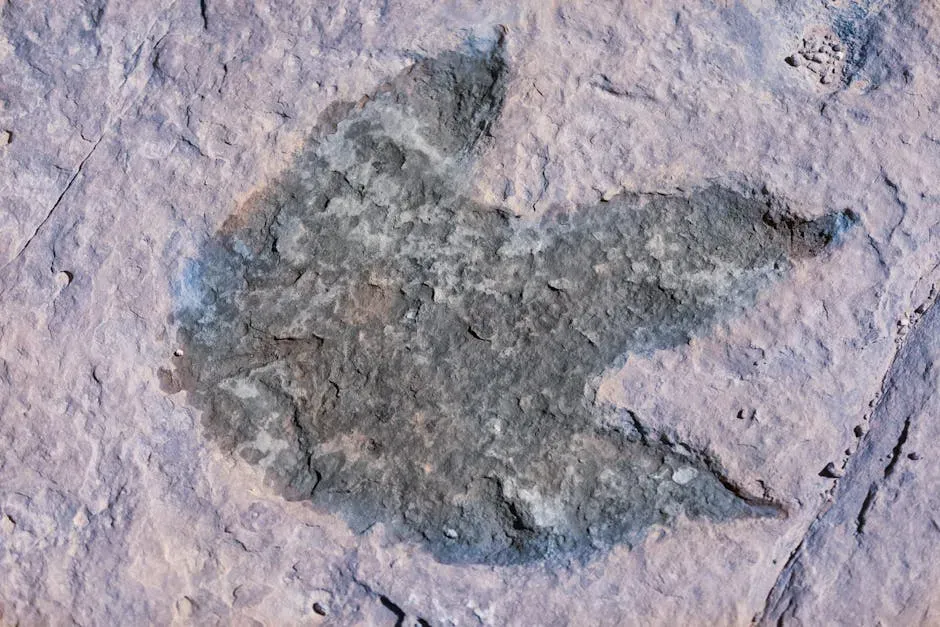
Picture a hunting guide leading a group through remote forest in northeastern British Columbia – not exactly the place you’d expect a paleontological bombshell to go off. Yet that’s precisely where Aaron Fredlund made a discovery that left scientists stunned. The tyrannosaur footprints discovered by hunting guide Aaron Fredlund in northeastern British Columbia were each more than sixty centimeters long. To put that in perspective, that’s roughly the size of a large pizza box – per footprint.
Tracks of this size and quality are extraordinarily rare. They offer scientists something bones simply cannot: a direct window into how an animal moved through its world. Amazing fossils of new species of dinosaurs and other creatures have been found by ordinary people out for a walk rather than professional paleontologists, and paleontologists say these finds are of huge importance to science, with several being entirely new species that experts were able to describe for the first time in scientific papers. Fredlund’s tracks are a perfect example of that principle in action.
Bill Shipp, the Ampelognathus Team, and the Wider Power of Citizen Paleontologists
Let’s be real – by now, you might be starting to see a pattern. The professionals simply cannot be everywhere at once. There are only a couple of professional paleontologists in many regions, and they can’t be in all these places, so science depends heavily on volunteers or fossil enthusiasts who know that when they find something potentially significant, they should bring it to a researcher’s attention. Amateur fossil hunters are, in many ways, the front line of discovery.
Over the past decade, paleontology has entered a new era of rapid discovery and scientific transformation, with breakthrough fossils unearthed across Asia, South America, North America, and Europe dramatically expanding our understanding of dinosaur evolution, biology, and behavior – and these finds showcase how much remains to be uncovered about life in the Mesozoic. The contributions of non-professional hunters feed directly into that expansion. Every year, because of snowstorms, rainstorms, or other events, layers of rocks keep getting eroded – so just because an area didn’t produce fossils last year doesn’t mean it won’t this year. The ground is always changing, and the next great find could be waiting for the next curious person who happens to look down.
Conclusion: The Ground Beneath Your Feet Holds Secrets
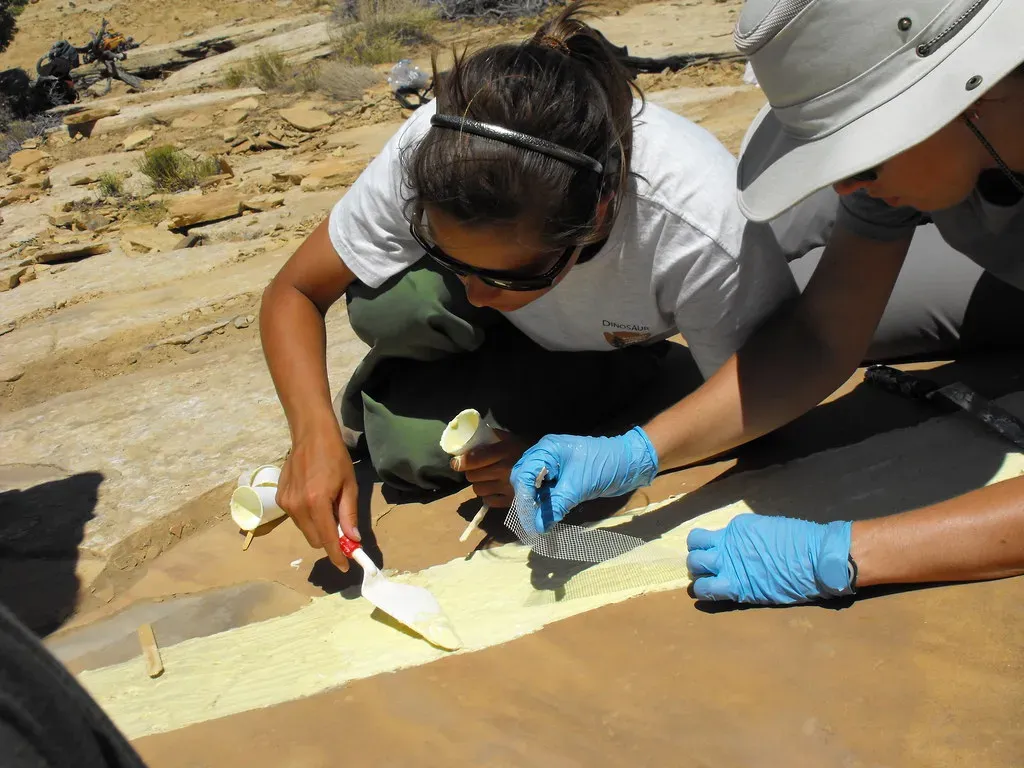
What ties all eight of these stories together isn’t expertise. It isn’t expensive equipment or academic credentials. It’s curiosity, a willingness to look closely, and the humility to bring what you find to the right people. Whether you’re a twelve-year-old girl hunting the cliffs of southern England, a retired physicist exploring your Montana ranch, or a pilot volunteering on weekends, the earth doesn’t care about your day job.
Honestly, that’s what makes paleontology so uniquely democratic among the sciences. New species are still being named at a rapid pace from fossil sites around the planet, and the next major find could come from virtually anyone. The fossils are out there. They always have been. The real question is whether you’ll be the one looking in the right direction when the earth decides to give one up.
So the next time you’re hiking a trail, walking a beach, or wandering across a piece of open land, maybe look down a little more than usual. You never know what millions of years of history might be waiting just beneath the surface. What would you do if you found something? Would you know what to look for?