There was a time, not so very long ago in geological terms, when North and South America were crawling with giants. Mammoths the size of double-decker buses. Ground sloths that made modern elephants look modest. Saber-toothed cats stalking prey through what is now downtown Los Angeles. It sounds like something out of a fantasy novel, but it was real, and the evidence is hiding in the soil, the tar, and the fossilized footprints beneath our feet.
What’s even more fascinating is how much our understanding of these beasts has shifted in recent years. New technologies, bold excavations, and a willingness to challenge old assumptions have rewritten the story of in ways that feel almost shocking. Buckle up, because you’re about to find out just how wild that world actually was. Let’s dive in.
The Colombus Mammoth Was Almost Unimaginably Large
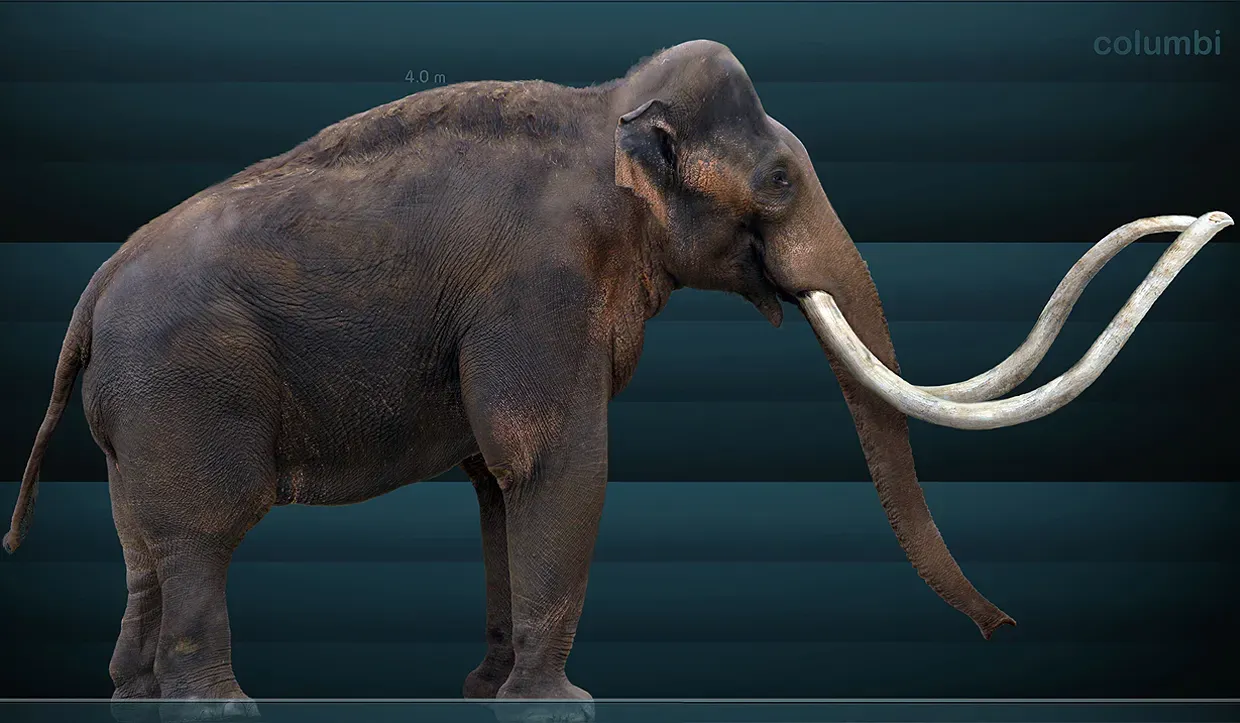
Here’s a fact that might stop you in your tracks: the Columbian mammoth, the North American species named for Christopher Columbus, stood up to 14 feet tall at the shoulder, towering two feet over African elephants. That’s not a small margin. That’s the height of your living room ceiling stacked on top of itself, walking around and eating everything in sight.
The Columbian mammoth was one of several mammoth species that lived during the Pleistocene, about 2.6 million to 11,700 years ago, and it would have appeared in North America about one million years ago, where its range stretched from Canada down to Nicaragua and Honduras. These animals were not confined to frozen tundra as most people imagine. They roamed grasslands, dunes, and even high plateaus, making them extraordinarily adaptable giants.
They stood up to 14 feet high at the shoulder and 13 to 15 feet long, with tusks up to 16 feet long, and these animals may have weighed between 18,000 and 22,000 pounds, just under the weight of a school bus. Honestly, when you picture something that heavy lumbering across ancient America, it puts your morning commute into a completely different perspective.
Mammoths and Mastodons Were Actually Very Different Creatures
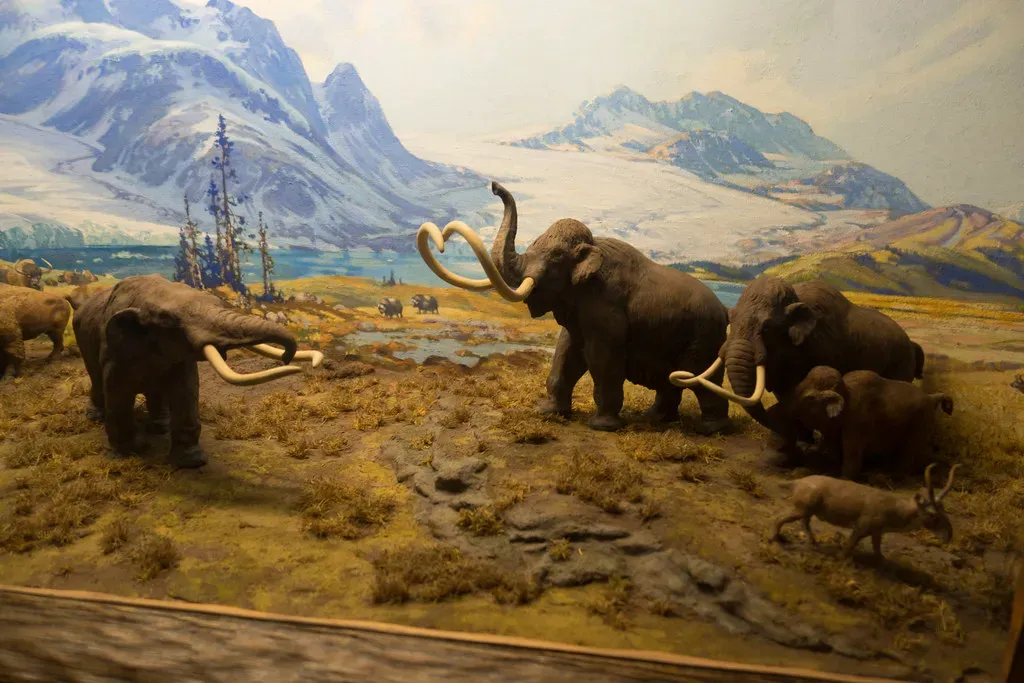
A few of the most iconic Ice Age giants are woolly mammoths, Columbian mammoths, and mastodons, three imposing, elephant-like animals that towered high above other animals of the time, but as similar as these three mammals look from the outside, there are a few key differences that made each a unique player on the Ice Age team. Most people lump them all together, which is a bit like confusing a grizzly bear with a polar bear just because they’re both big and furry.
The American mastodon isn’t technically a mammoth, and these forest-dwelling browsers were a bit different than their distant mammoth relatives, consuming wood branches, pinecones, and shrubs rather than grazing on grasses. You could think of the mammoth as the open-plains grazer and the mastodon as the woodland forager, occupying very different niches in the same broad era. The tusks of mammoths are iconic, long, swooping things that are instantly recognizable, and sometimes they’d curve slightly inward, crossing each other toward the tips, but mastodon tusks aren’t nearly as curved, resembling modern elephants a bit more in that way.
The Dire Wolf Was Not Actually a Wolf
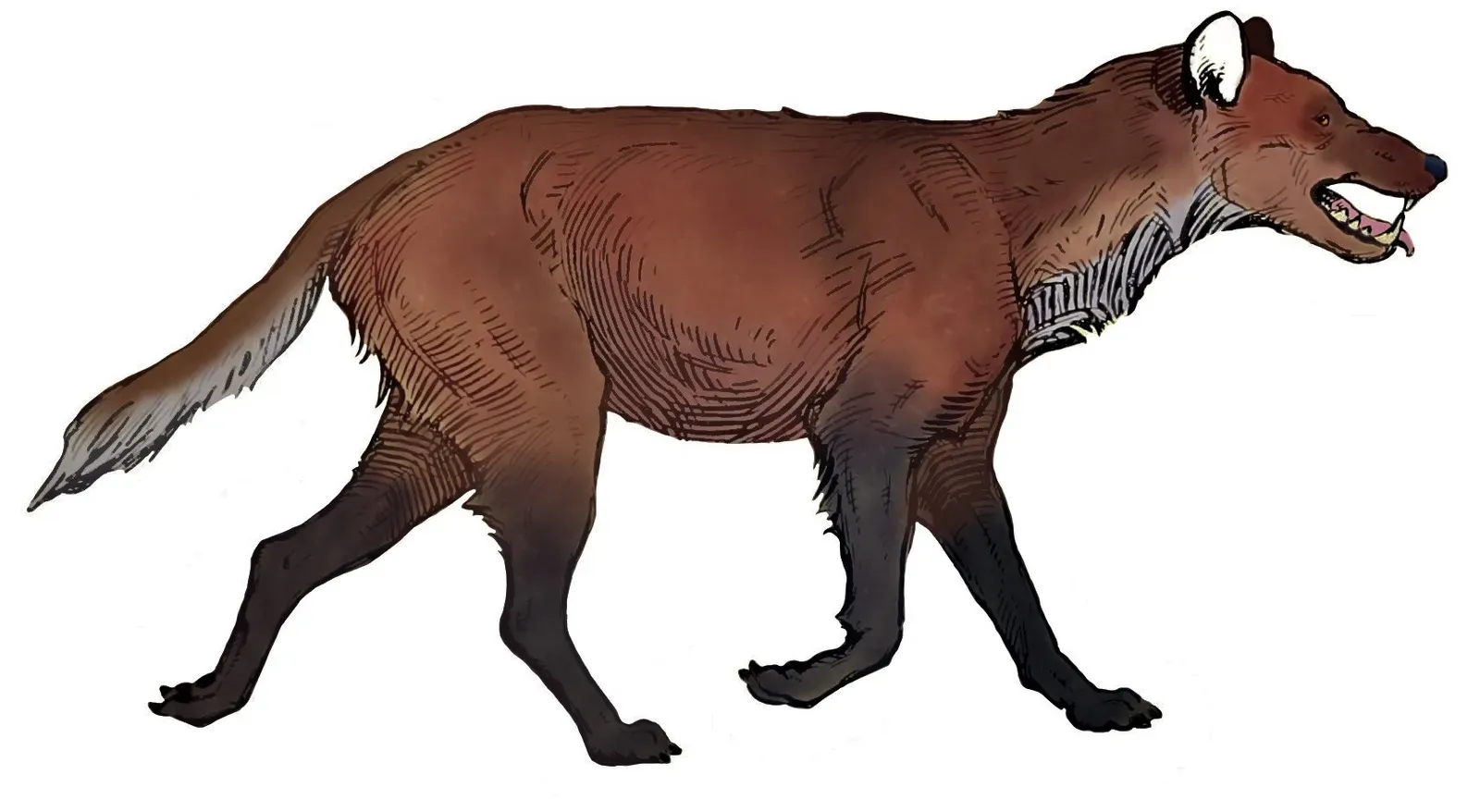
A new study of dire wolf genetics has startled paleontologists: it found that these animals were not wolves at all, but rather the last of a dog lineage that evolved in North America. That revelation is the kind of thing that makes you feel like everything you thought you knew was slightly wrong. For more than a century, scientists assumed dire wolves were essentially oversized gray wolves. They are not.
The new study, published in Nature, began as an effort to understand dire wolves’ biological basics, with researchers road-tripping around the U.S. collecting dire wolf samples to extract ancient DNA, since no one had managed to get DNA out of dire wolf samples at that point. The result was extraordinary. Researchers sequenced the nuclear DNA taken from five dire wolf fossils dating from 13,000 to 50,000 years ago, and the sequences indicate the dire wolf to be a highly divergent lineage which last shared a most recent common ancestor with the wolf-like canines 5.7 million years ago. That’s a staggering evolutionary gap, and it changes almost everything about how we think of this iconic Ice Age predator.
The La Brea Tar Pits Captured an Entire Vanishing World
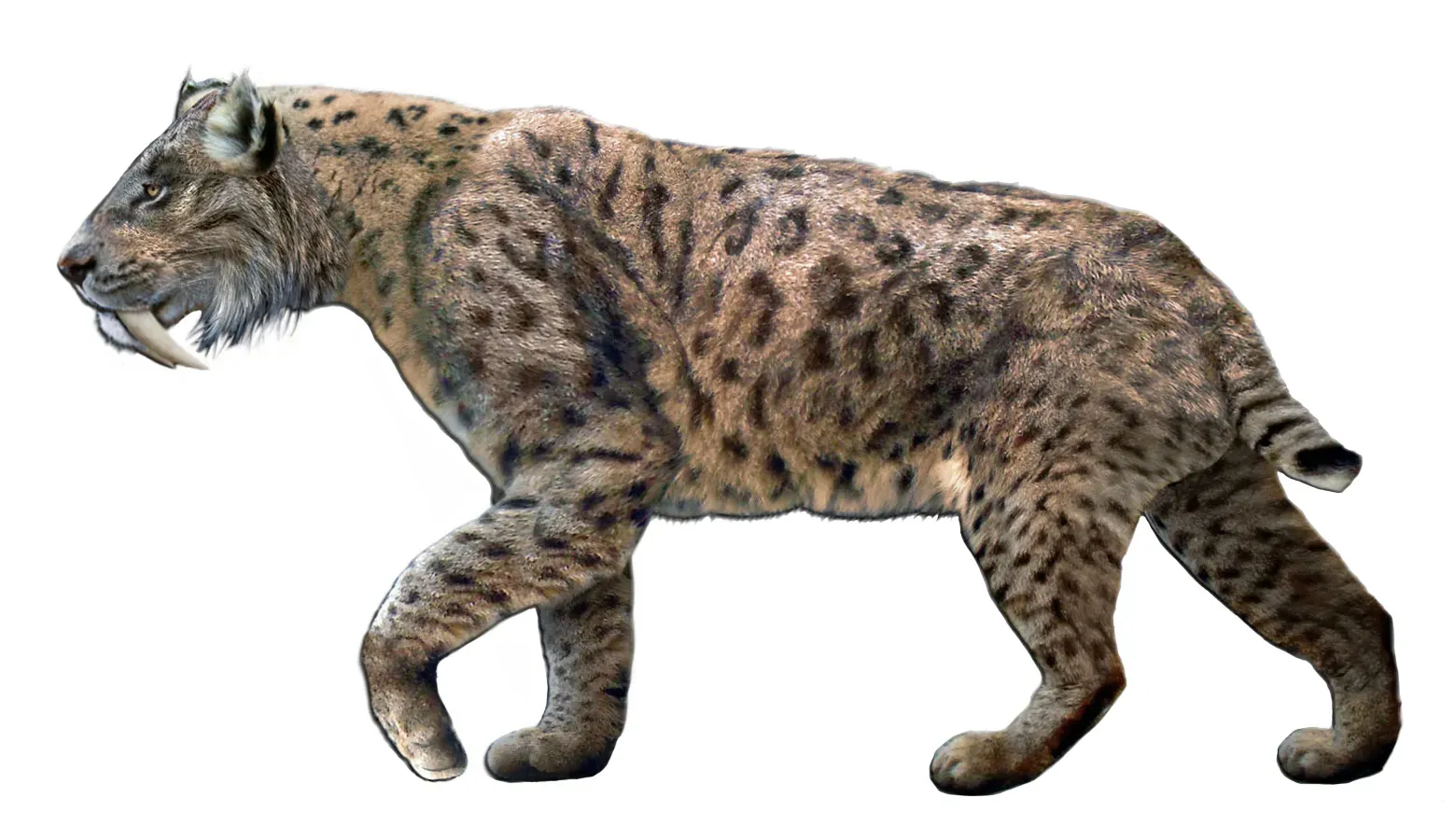
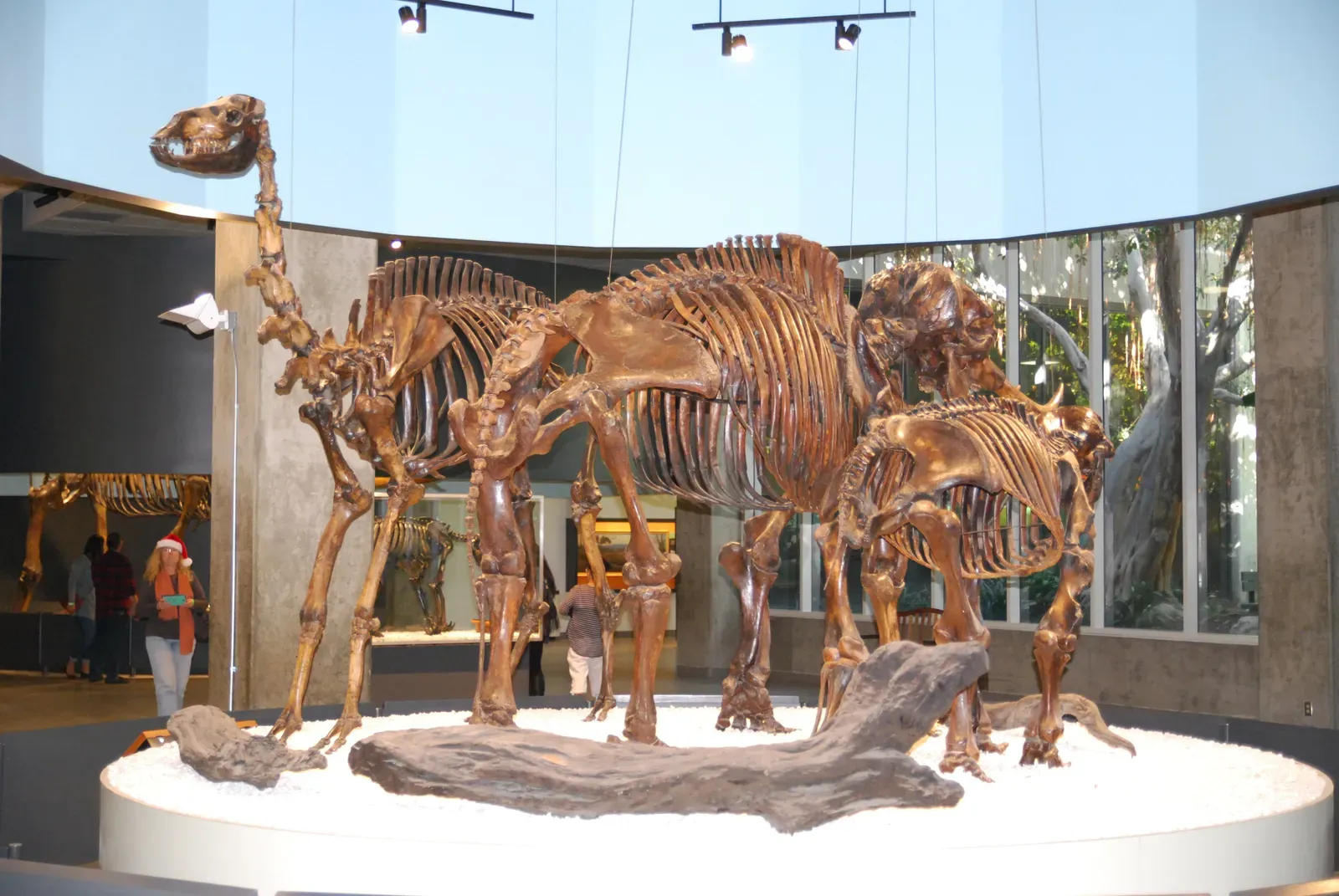
Some 14,000 years ago, downtown Los Angeles was awash with dire wolves, saber-toothed cats, nearly one-ton camels and 10-foot-long ground sloths, but in the geologic blink of an eye, everything changed, and by just after 13,000 years ago, these giant animals had all disappeared. The La Brea Tar Pits preserved that transition in extraordinary detail, giving scientists a time capsule that no other site on Earth can match.
Large-scale wildfires, possibly started by humans, in an ecosystem made fire-prone by climate change caused the disappearance of saber-toothed cats, dire wolves, and other large mammals in southern California nearly 13,000 years ago, according to a peer-reviewed study published in the journal Science that breaks new ground in a decades-long scientific debate over what triggered the Earth’s last major extinction event. Think of it like a perfect storm: the climate drying out, herbivore populations declining, and then human-lit fires pushing the whole system past a tipping point. Within 300 years, all the Ice Age giants at La Brea were gone, and California’s modern, fire-adapted chaparral ecosystem had appeared.
Fossilized Footprints Revealed an Ancient Hunt in Real Time
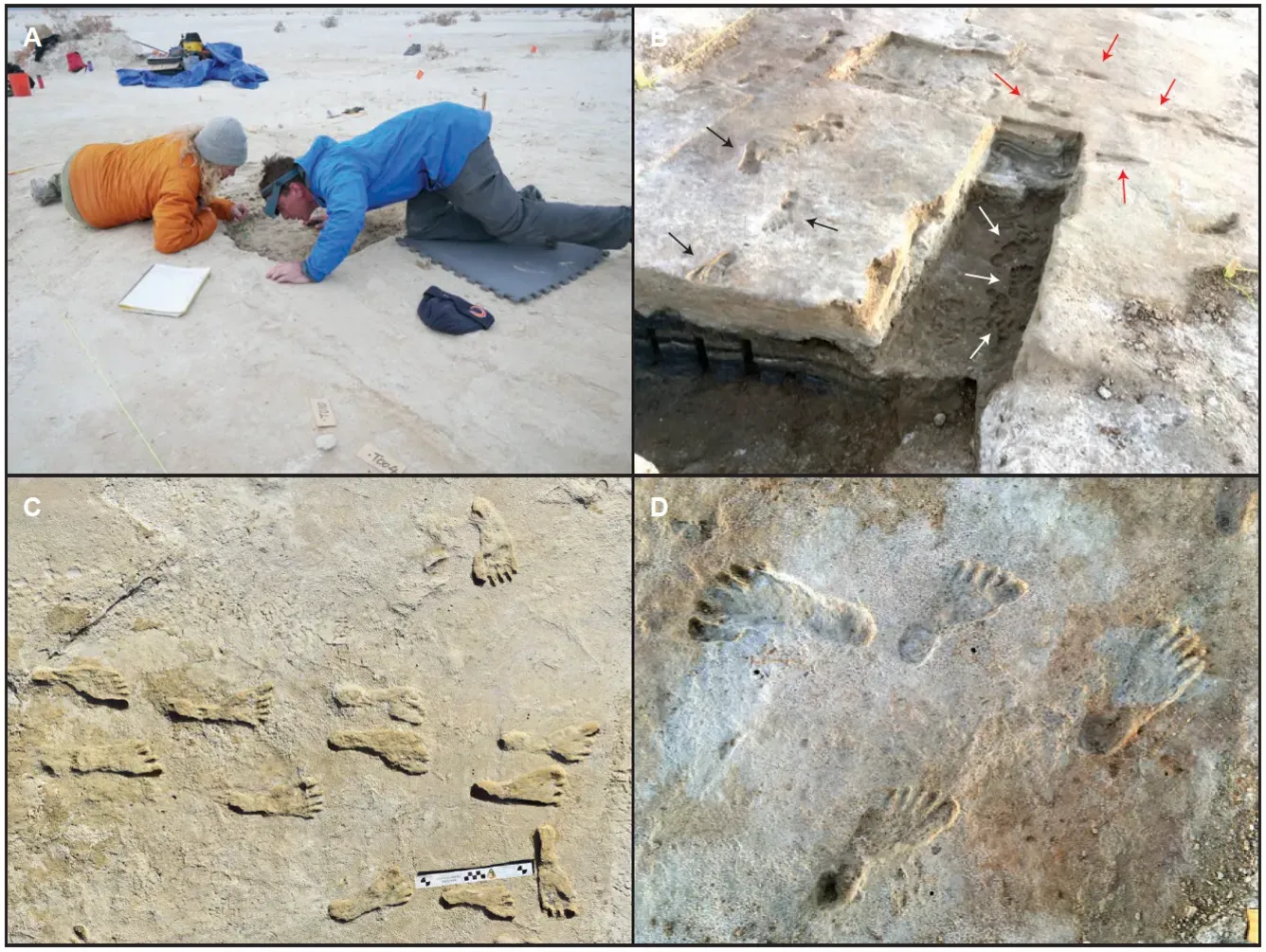
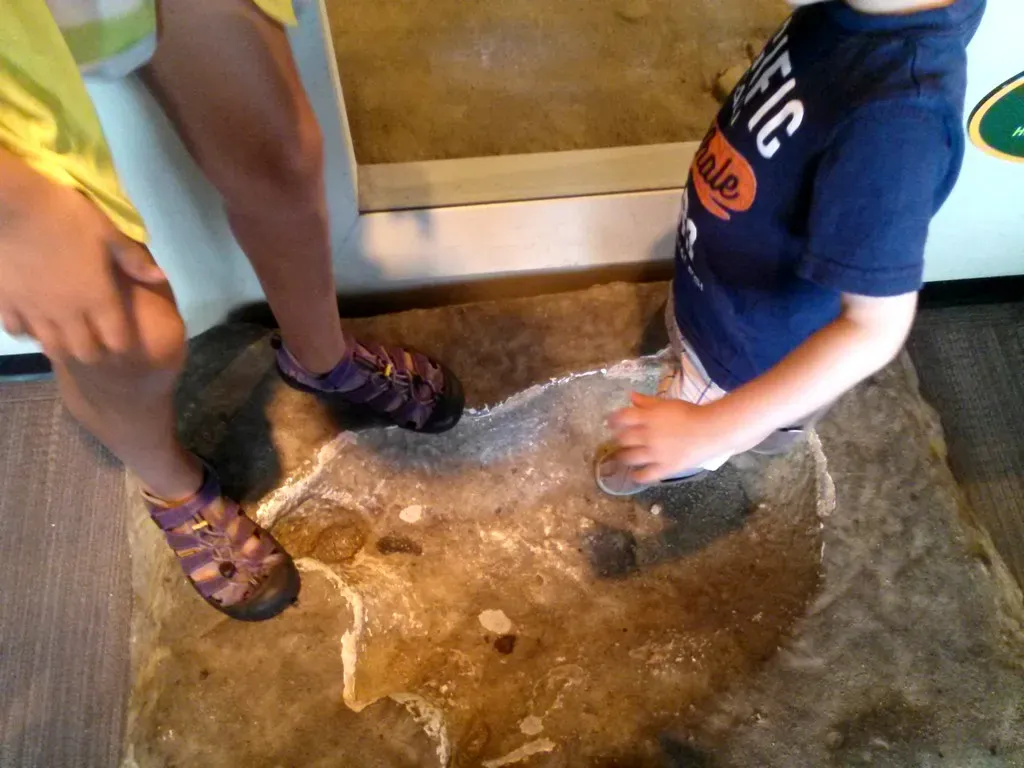
Researchers found fossilized human footprints inside the ancient footprints of a giant ground sloth, leading them to believe a human may have stalked the animal in a hunting expedition at the end of the Ice Age. That discovery, made at White Sands National Monument in New Mexico, is the kind of find that makes even the most seasoned paleontologist’s jaw drop. You’re not looking at bones or tools. You’re looking at a moment, frozen in mud, of a human hunter shadowing a massive animal.
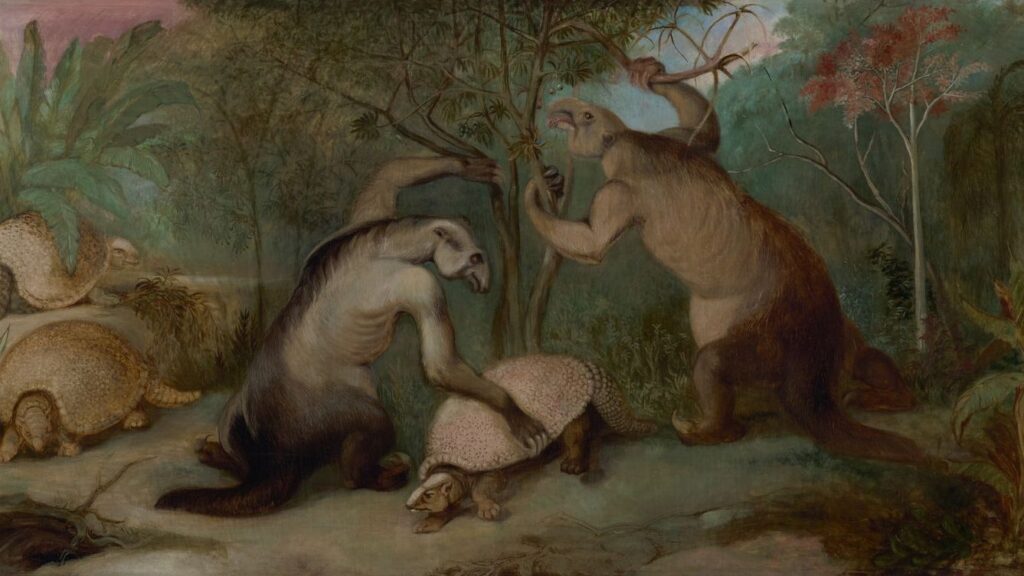
At seven to eight feet tall, with tightly muscled legs tipped with wolverine-like claws, the sloth would tear apart any hunter on direct approach, but in addition to the human tracks following the sloth, researchers found more human tracks a safe distance away, suggesting a community action that made use of distraction and misdirection to gain the upper hand in deadly close-quarter combat. Counting both human and animal tracks, there are hundreds of thousands of fossilized footprints in the White Sands area, and the National Park Service states that the fossilized footprints of White Sands are probably the most important resources in the Americas to understand the interaction of humans and extinct animals from the Ice Age.
Humans Arrived Much Earlier Than We Thought and Lived Alongside Giants
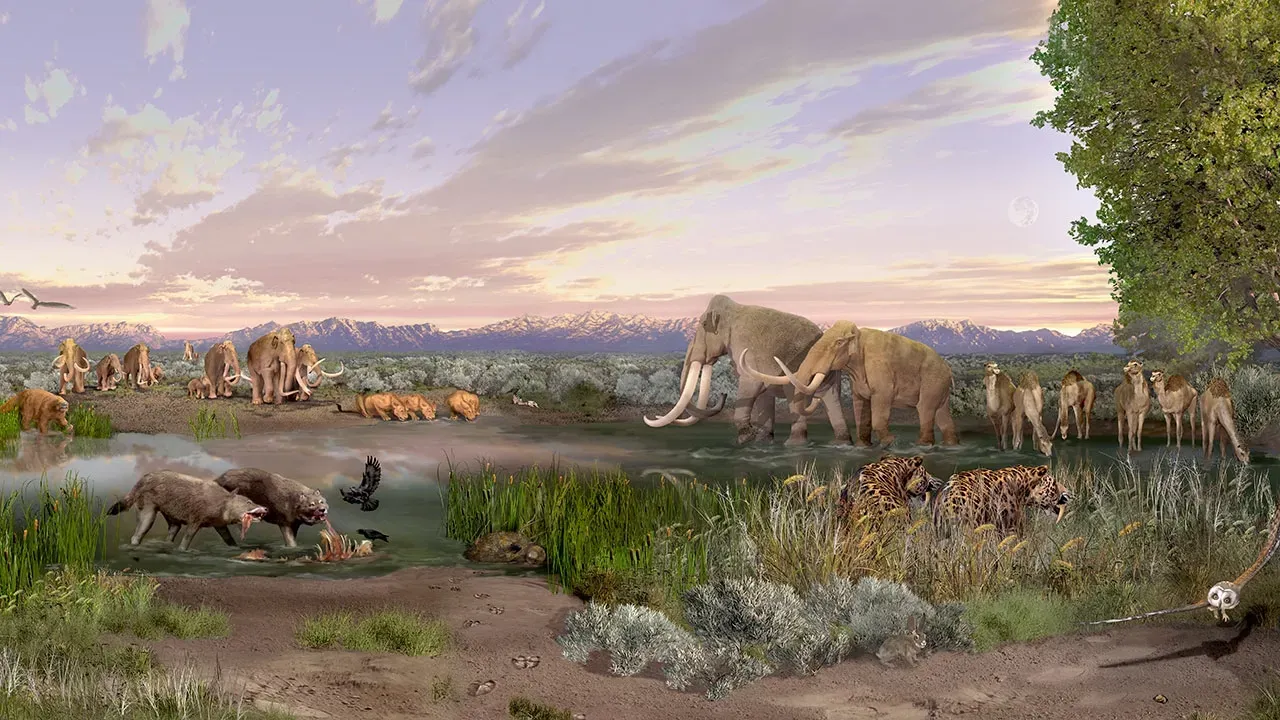
For a long time, scientists believed the first humans to arrive in the Americas soon killed off giant ground sloths through hunting, along with many other massive animals like mastodons, saber-toothed cats and dire wolves that once roamed North and South America, but new research from several sites is starting to suggest that people came to the Americas earlier, perhaps far earlier, than once thought, and these findings hint at a remarkably different life for these early Americans, one in which they may have spent millennia sharing prehistoric savannas and wetlands with enormous beasts.
At New Mexico’s White Sands, researchers have uncovered human footprints dated to between 21,000 and 23,000 years ago, as well as similar-aged tracks of giant mammals. That’s possibly ten thousand years before the conventional timeline placed humans in the Americas. Artifacts from the Santa Elina site in Brazil are roughly 27,000 years old, more than 10,000 years before scientists once thought that humans arrived in the Americas, and researchers originally wondered if the craftsmen were working on already old fossils, but research strongly suggests that ancient people were carving fresh bones shortly after the animals died. The idea of a slow coexistence, rather than an immediate slaughter, is reshaping how we view early American history.
Early Humans Relied on Megafauna as Their Primary Food Source
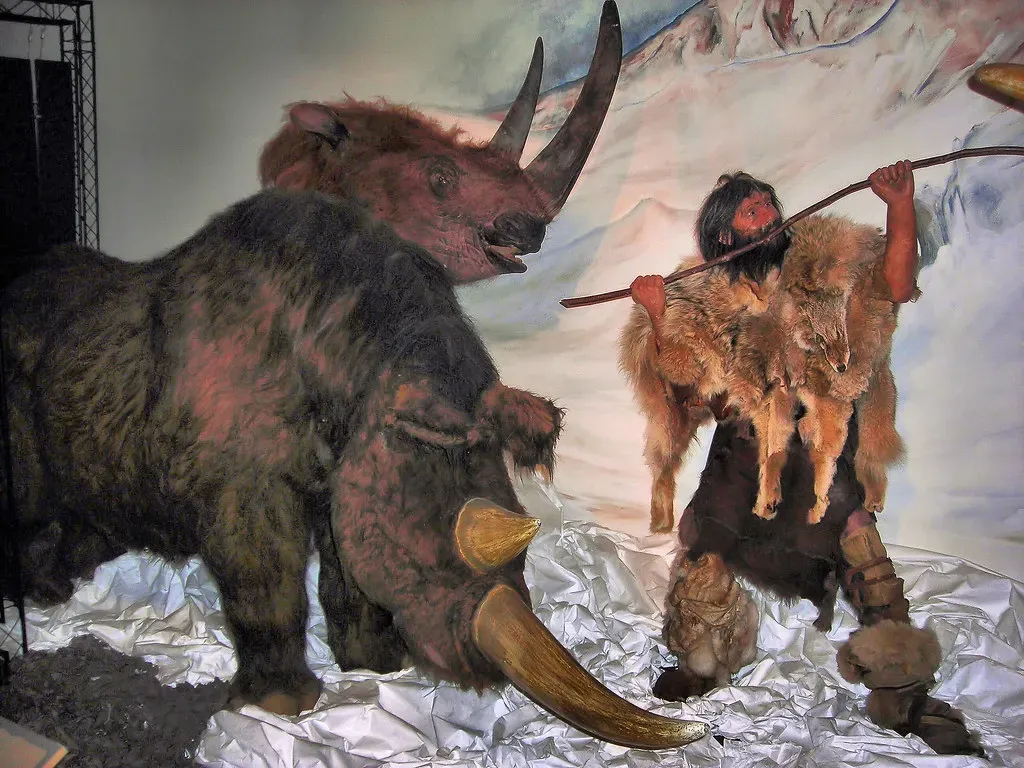
Luciano Prates of the National University of La Plata and his colleagues examined animal bones recovered from 20 archaeological sites across Argentina, Chile, and Uruguay, and determined that more than 80 percent of them at 15 of the locations belonged to megafauna, despite it having been previously thought that Ice Age hunter-gatherers in the region hunted the large animals occasionally, but survived day to day by eating smaller animals such as deer and guanacos, a relative of the camel. That’s not occasional hunting. That’s a diet almost entirely built around the largest animals on Earth.
Large numbers of megafauna bones discovered at archaeological sites in three South American countries suggest that humans regularly consumed giant sloths and giant armadillos between 13,000 and 11,600 years ago. Think of it this way: these early people didn’t hunt big animals because it was exciting, they did it because a single successful hunt could feed an entire group for days. Researchers now think that hunters in South America targeted megafauna because larger animals yielded more food, and smaller animals only became a regular part of the diet after the megafauna were hunted to extinction.
The Extinction Was Not One Cause, But a Cascading Collapse
Research has found that prehistoric climate change does not explain the extinction of megafauna in North America at the end of the last Ice Age, with research from Curtin University confirming that prehistoric climate change alone does not account for it. That settled a fierce debate that had raged for decades. It was tempting to blame climate change entirely because it felt like the most neutral and natural culprit. The truth, it turns out, is far more complicated and far more human.
In South America, the extinction of megafauna has been attributed to many causes, including climate and environmental changes, with research demonstrating that the Overkill and Blitzkrieg theories are not plausible standalone explanations, and scientists now believe that the extinction of megafauna in South America is the result of the synergy between environmental and climatic changes, combined with selective hunting and the intrinsic ecological vulnerabilities of megafauna themselves. It’s not one smoking gun, it’s a perfect storm of factors that hit at the worst possible time. Much new work has focused on understanding the knock-on ecological effects of megafauna extinctions, and this growing interest reflects scholarly attention toward understanding the deep-time origins and extent of human environmental impacts, aiming to apply these insights to contemporary conservation and restoration efforts.
Conclusion
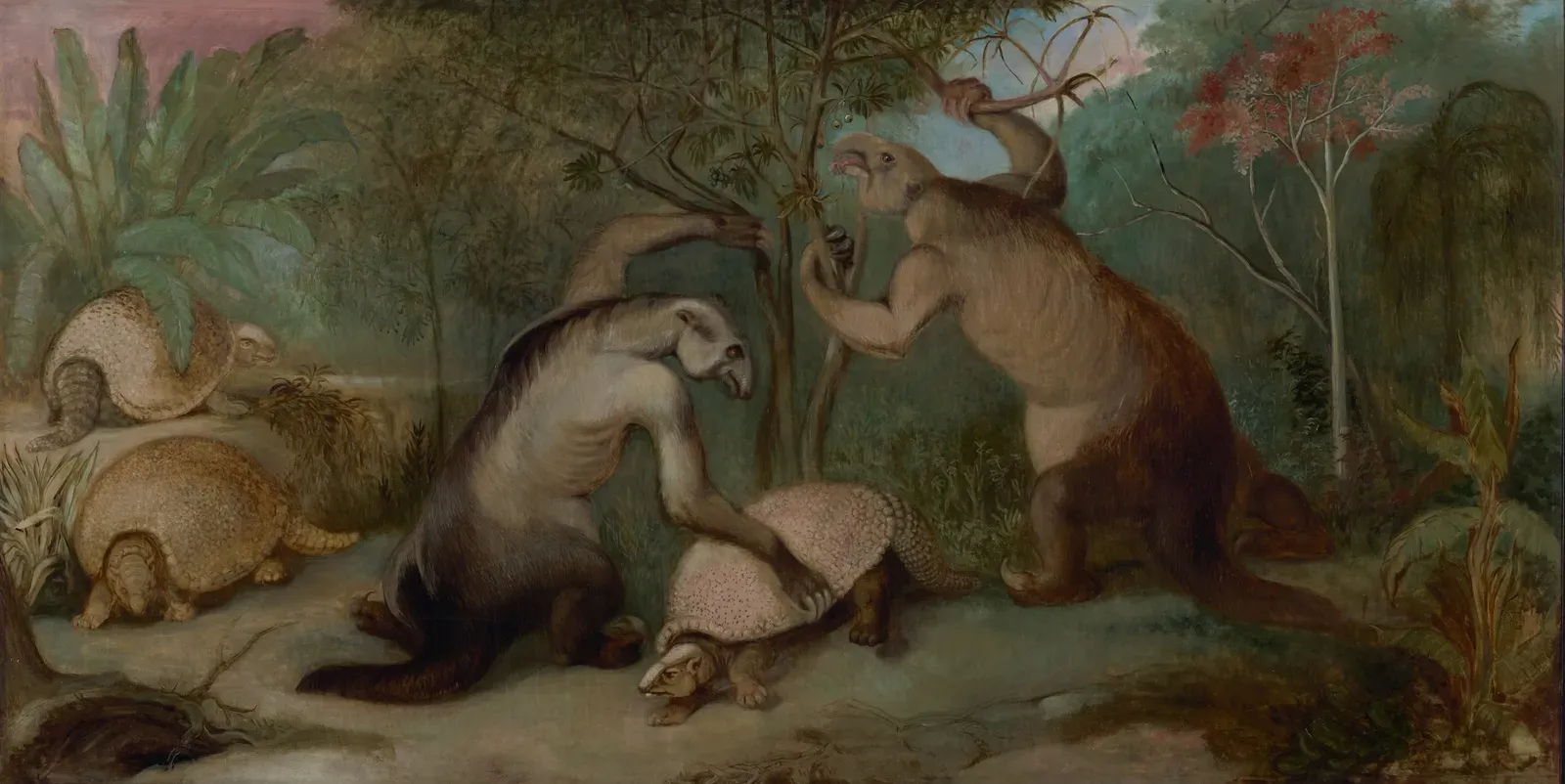
What you’re left with after diving into all of this is a picture of ancient America that feels almost impossibly rich and strange. Giant sloths that children once splashed around in puddles left by their footprints. Dire wolves that weren’t wolves at all. Mammoths the weight of school buses roaming from Canada to Honduras. And early humans coexisting with all of it, sometimes for thousands of years, before something finally, catastrophically, tipped the balance.
The story of isn’t just a lesson in deep history. It’s a mirror held up to our present moment. Climate shifts, human pressure on ecosystems, the collapse of species we thought would always be there – these aren’t new ideas. They are ancient, repeating patterns. The more we learn about those lost giants, the more we understand about ourselves.
So here’s a thought to carry with you: if woolly mammoths, saber-toothed cats, and colossal ground sloths could all vanish within a few thousand years, what does that tell us about the world we’re shaping right now? What do you think – and would you have believed just how close humans and these giants really were?