Ever wonder what truly bizarre beasts roamed our planet long before humans even existed? You probably think you know prehistoric life. Dinosaurs, woolly mammoths, maybe a saber-toothed cat or two. That’s all pretty familiar stuff at this point, right?
Here’s the thing though. More than 90 percent of species that have lived over the course of Earth’s 4.5-billion-year history are extinct. That means there are countless strange, unimaginable creatures that once walked, swam, or flew across this planet, and most people have never even heard of them. Some of these animals were so odd that when scientists first discovered their fossils, they genuinely struggled to figure out what they were looking at. We’re talking about creatures that look like they came straight out of a fever dream. Let’s dive into eight of the most mind-blowing prehistoric animals that actually existed.
Anomalocaris: The Ocean’s First Apex Predator
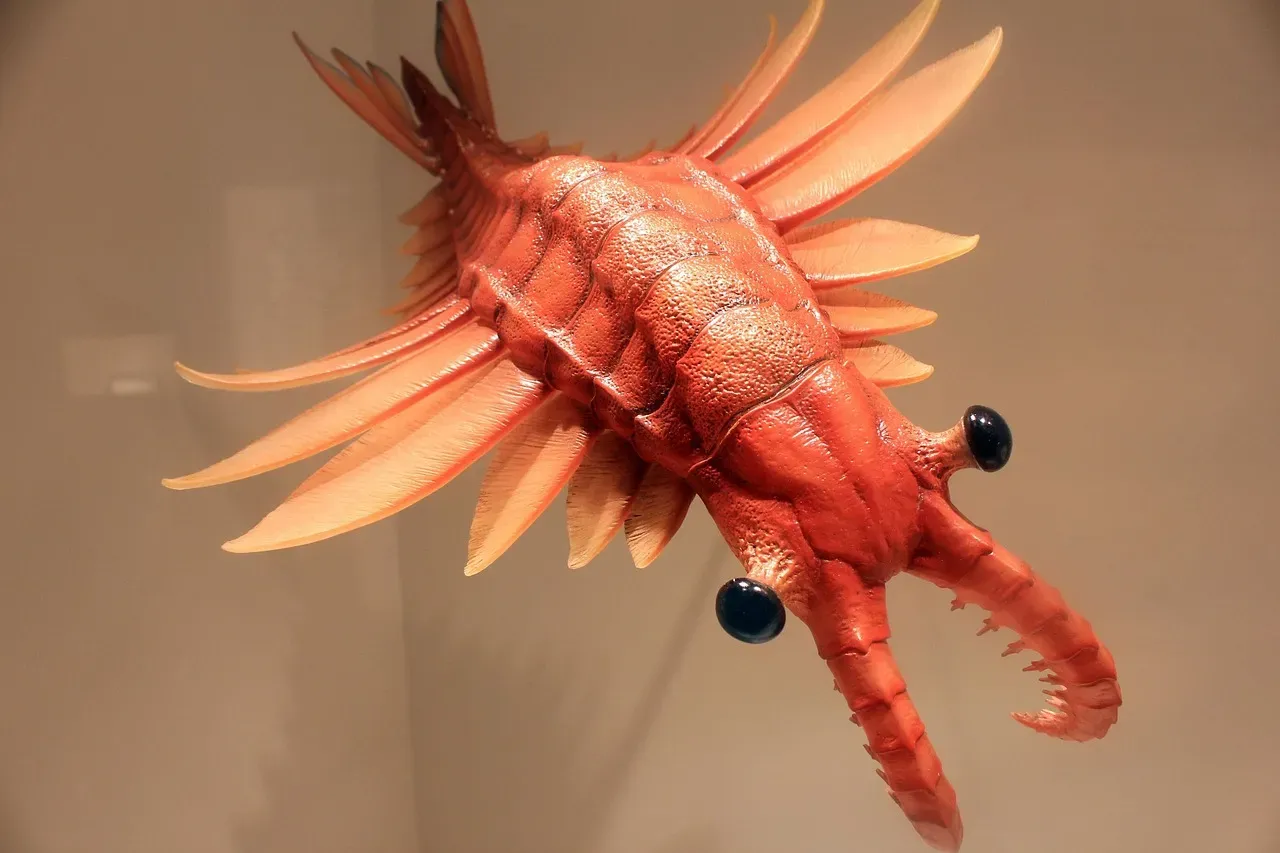
Picture this. You’re swimming in an ancient ocean more than half a billion years ago. More than half a billion years ago, the world’s oceans were stalked by a soft-bodied predator that looked unlike anything alive today, a bizarre-looking animal called Anomalocaris, or ‘unusual shrimp’, and is widely regarded as the world’s first apex predator. Think about that for a second. The very first creature at the top of the food chain didn’t have bones, teeth, or even a proper shell.
Anomalocaris was the largest hunter of the Cambrian period, measuring up to a metre in length from its grasping, frontal appendages to the tips of its tail fans. Its frontal appendages were like nightmare fuel, designed to catch and crush whatever unlucky creature came too close. For years, scientists thought this beast feasted on hard-shelled trilobites, but recent research flipped that idea on its head. New research has suggested that this predator was more of a weakling, incapable of cracking tough trilobite armour, and it’s now believed Anomalocaris was a hunter that relied on speed, agility and superior sight rather than strength.
Dunkleosteus: A Fish That Could Bite a Shark in Half
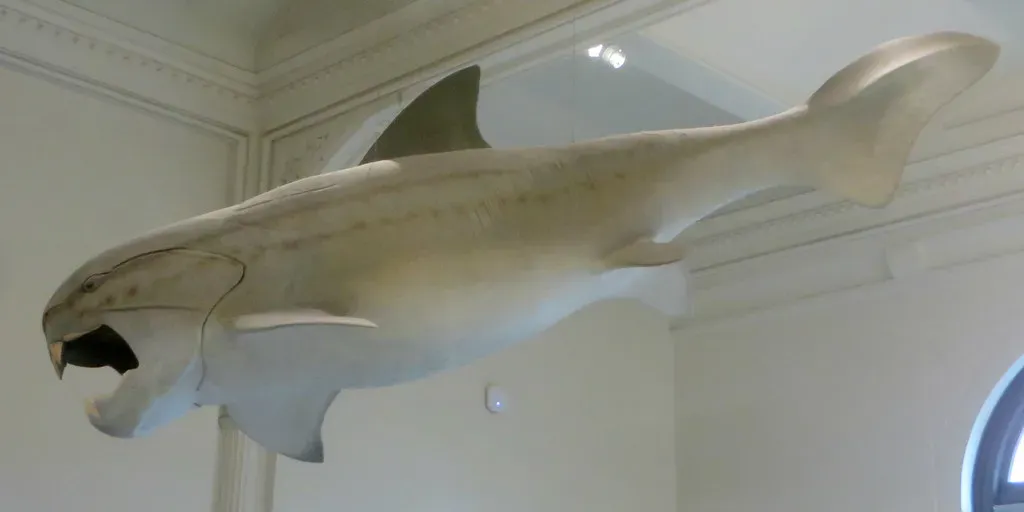
This prehistoric fish, Dunkleosteus terrelli, was big, mean, and it could bite a shark in two, and scientists say it might have been “the first king of the beasts.” Let that sink in. A fish. That could chomp through a shark like you’d bite through a breadstick.
The prehistoric fish was 33 feet long and weighed up to four tons, and the creature lived 400 million years ago. Instead of teeth, Dunkleosteus had a beak-like mouth, but don’t let that fool you. This Devonian fish could grow up to 33 feet long, had an armored face, and likely had one of the strongest bites in history, using a beak-like mouth instead of teeth to devourer its prey. It was basically a giant, armored nightmare swimming around ancient seas, crushing anything in its path. Honestly, it’s kind of terrifying to think about.
Dickinsonia: The Frilly Rug That Baffles Scientists
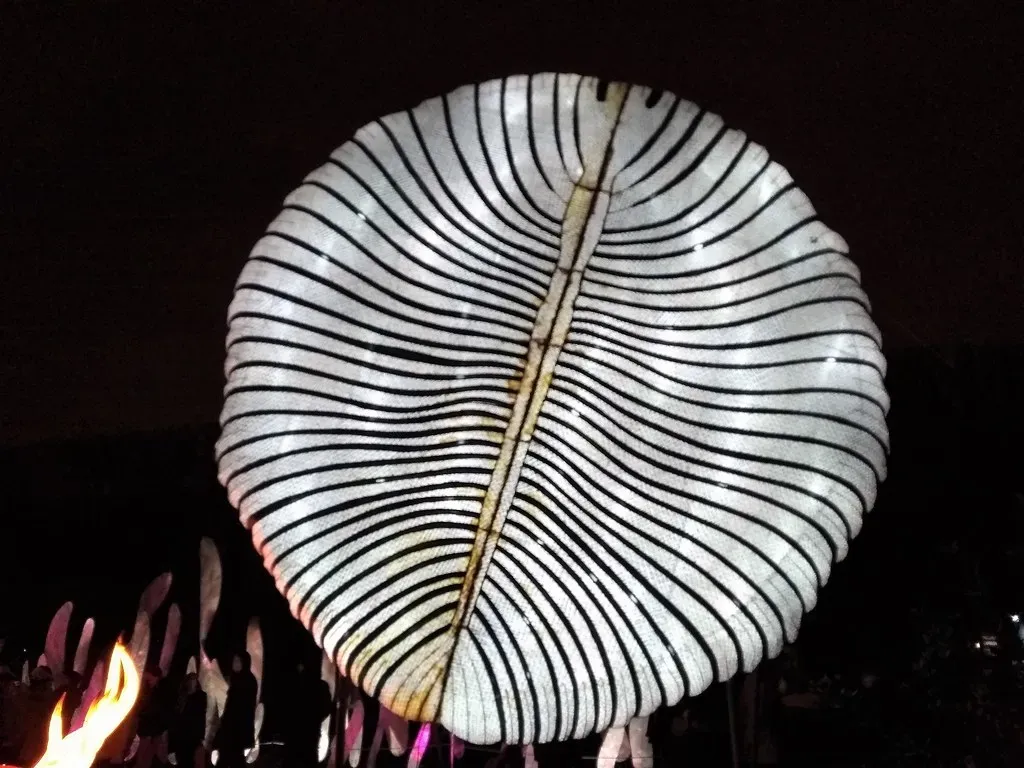
Now we’re getting really weird. More than 560 million years ago, in the days of Dickinsonia, animal life was new and strange, and in life, Dickinsonia resembles “a frilly rug” that could reach over four feet across. Imagine stumbling across a four-foot-wide pancake with ridges just chilling on the ancient ocean floor. What even is that?
A few clues, such as preserved remnants of biological compounds, indicate that Dickinsonia was indeed an early animal, but scientists are still scratching their heads as to where this ridged pancake fits in the Tree of Life. So basically, we know it existed, we know it was an animal, but we have no idea where it belongs in the grand scheme of evolution. That’s wild. Here we are in 2026 with all our technology, and this ancient creature still has us stumped.
Tanystropheus: The Reptile With an Absurdly Long Neck
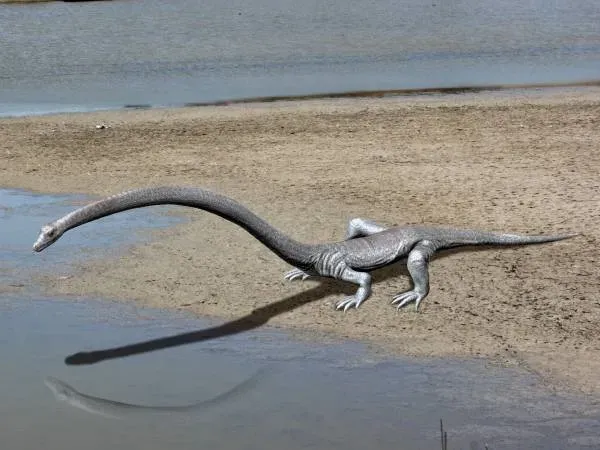
A mass extinction known as the Great Dying took place 251.9 million years ago, wiping out more than 90 per cent of Earth’s species and leaving a lot of empty niches in its wake, and many of the survivors that evolved to fill these niches ended up looking like failed lab experiments, none more so than Tanystropheus, a 6m-long reptile with a neck longer than its tail and body combined. Seriously, how did this thing even function? It looks like someone stretched a lizard in Photoshop.
For the longest time, paleontologists thought Tanystropheus was too awkward to walk on land. I mean, can you blame them? More recent studies argue that most of its weight was centred around its body, making it more than capable of walking on land. So despite looking like it belonged in a cartoon, this bizarre reptile actually managed to survive and thrive in the aftermath of one of Earth’s worst mass extinctions.
Meganeura: The Dragonfly the Size of a Hawk
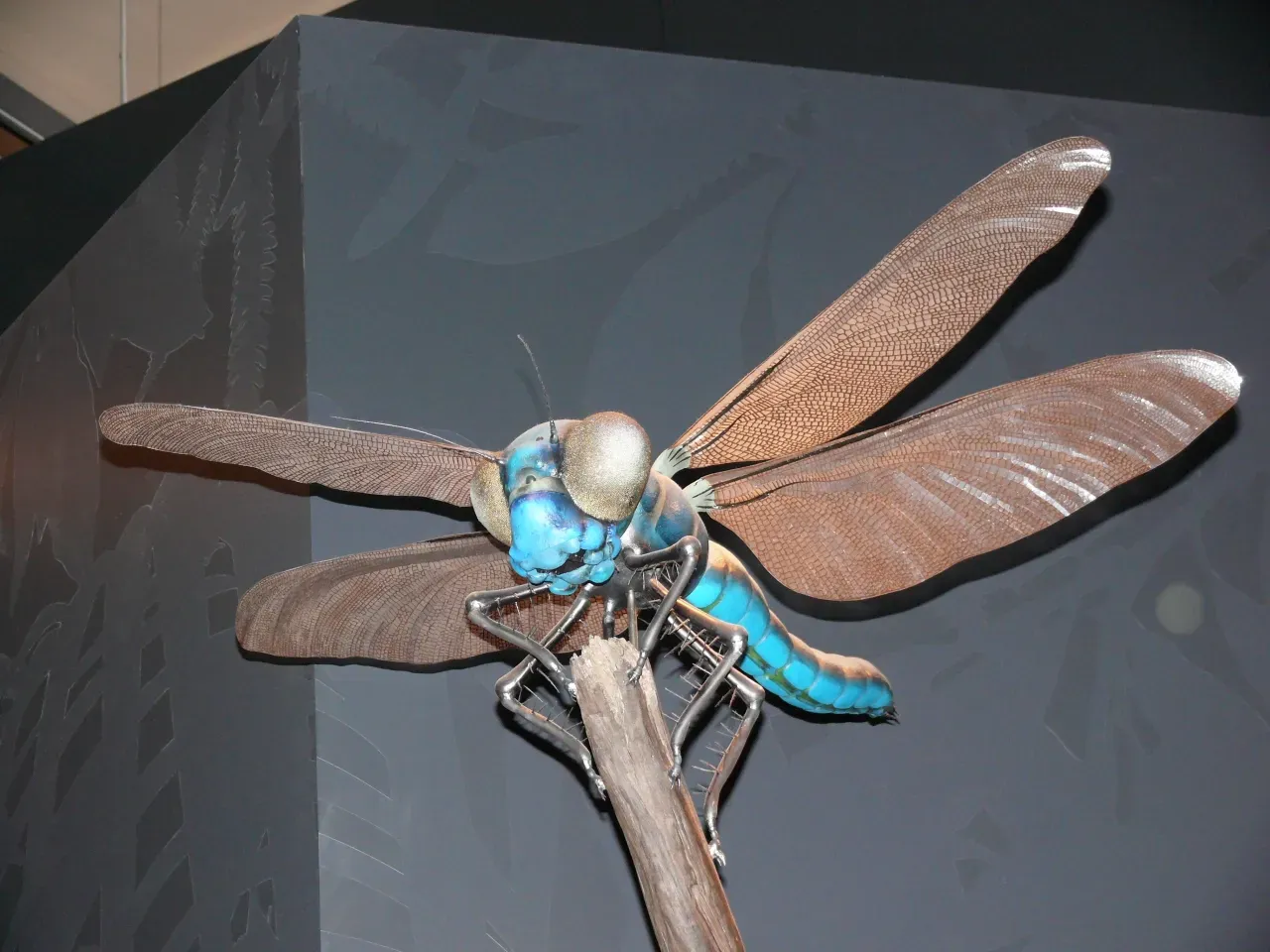
If you think modern dragonflies are intense, wait until you hear about Meganeura. With a wingspan measuring more than 70cm, six spindly, spiny legs and huge compound eyes, Meganeura was terrifying enough to scare even the most ardent insect-lover, and this four-winged monster is widely regarded as the largest flying insect ever, dwarfing its extant dragonfly relatives. Seventy centimeters. That’s nearly two and a half feet of pure insect terror.
Meganeura lived in open habitats close to ponds and slow-moving streams, and it was likely the apex predator in these clearings, using the spines on its legs as a ‘flying trap’ to ensnare prey ranging from other flying insects to amphibians and even lizard-like vertebrates. Can you imagine a dragonfly hunting lizards? That’s the stuff of nightmares right there. Good thing oxygen levels in the atmosphere have changed since then, making it impossible for insects to grow that large anymore. Small mercies.
Archaeotherium: The Hell Pig That Hunted Rhinos
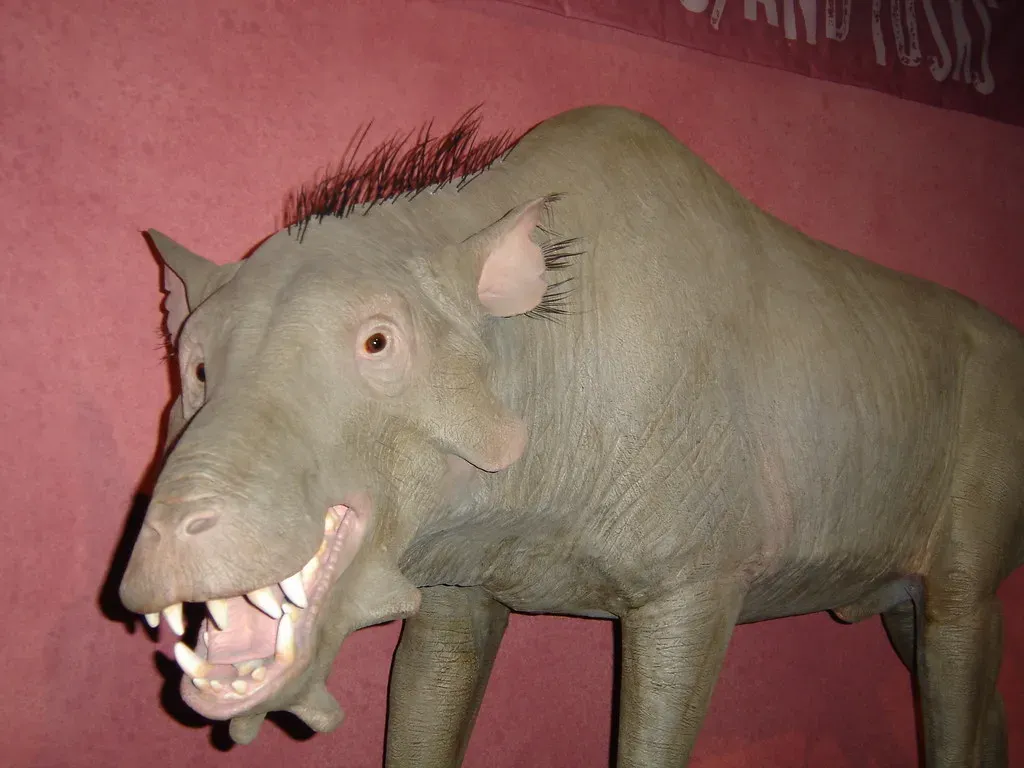
Let me introduce you to a creature with possibly the most metal nickname in all of paleontology. Archaeotherium is sometimes referred to as hell pigs, and while the name fits their appearance, they’re not actually pigs, they’re more closely related to hippos and whales. So not only does it look demonic, but it’s also related to some of today’s most dangerous animals. Great.
Archaeotherium was a cow-sized predatory omnivore with huge jaws that it used to hunt animals including prehistoric rhinos. Let me repeat that. This thing hunted rhinos. Not small prey. Not fish. Rhinos. Its jaws were so massive and powerful that it could take down some of the toughest herbivores of its time. I think the nickname “hell pig” is pretty well deserved, honestly.
Titanoboa: A Snake That Weighed as Much as a Car
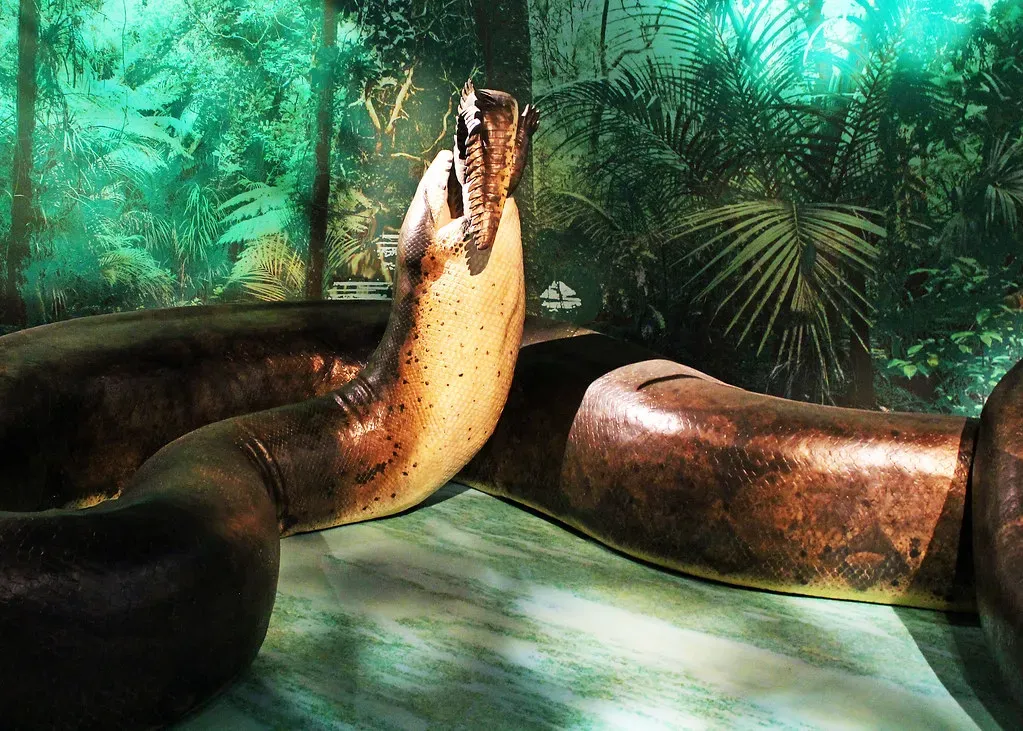
Researchers have had a hard time figuring out just how big Titanoboa was when it lived in South America about 58 million years ago, just a few million years after non-avian dinosaurs went extinct, because they haven’t ever found all the vertebrae of a single animal in one place. Still, what they’ve pieced together is absolutely bonkers.
Researchers conservatively estimate the snake weighed about 2,500 pounds (1,140 kg) and measured nearly 43 feet (13 meters) from nose to tail tip. For comparison, the biggest anacondas today are around 29 feet long and weigh maybe 550 pounds. Titanoboa was in a completely different league. It was a type of non-venomous constrictor like anacondas and boas and lived in South America’s rainforests some 60 million years ago. So it squeezed its prey to death. Imagine being wrapped up by something that heavy. Absolutely terrifying.
Arctodus: The Short-Faced Bear That Could Outrun You
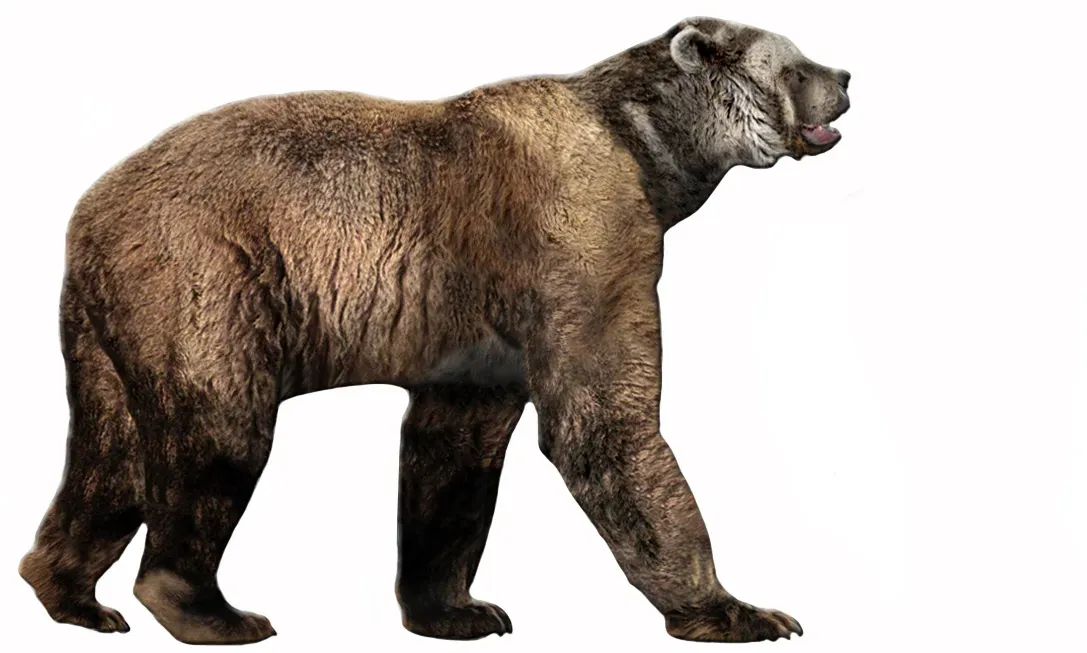
A big Arctodus smilus, also called the short-faced bear, could reach a height of 12 feet tall when standing on its hind limbs and could hit a top speed of 40 miles per hour. Let me break that down for you. This bear was twice as tall as a human and could run faster than Usain Bolt’s top speed. You literally couldn’t escape it.
Chemical analysis of its bones suggested that it ate meat almost exclusively, and it probably would have needed to eat 35 pounds of flesh every day, and since they only went extinct 11,000 years ago, there’s a solid chance that humans had to deal with these guys. Yeah, early humans had to contend with a twelve-foot-tall carnivore that could chase them down like it was nothing. Suddenly, modern camping doesn’t seem so dangerous, does it?
Final Thoughts on Nature’s Wildest Experiments
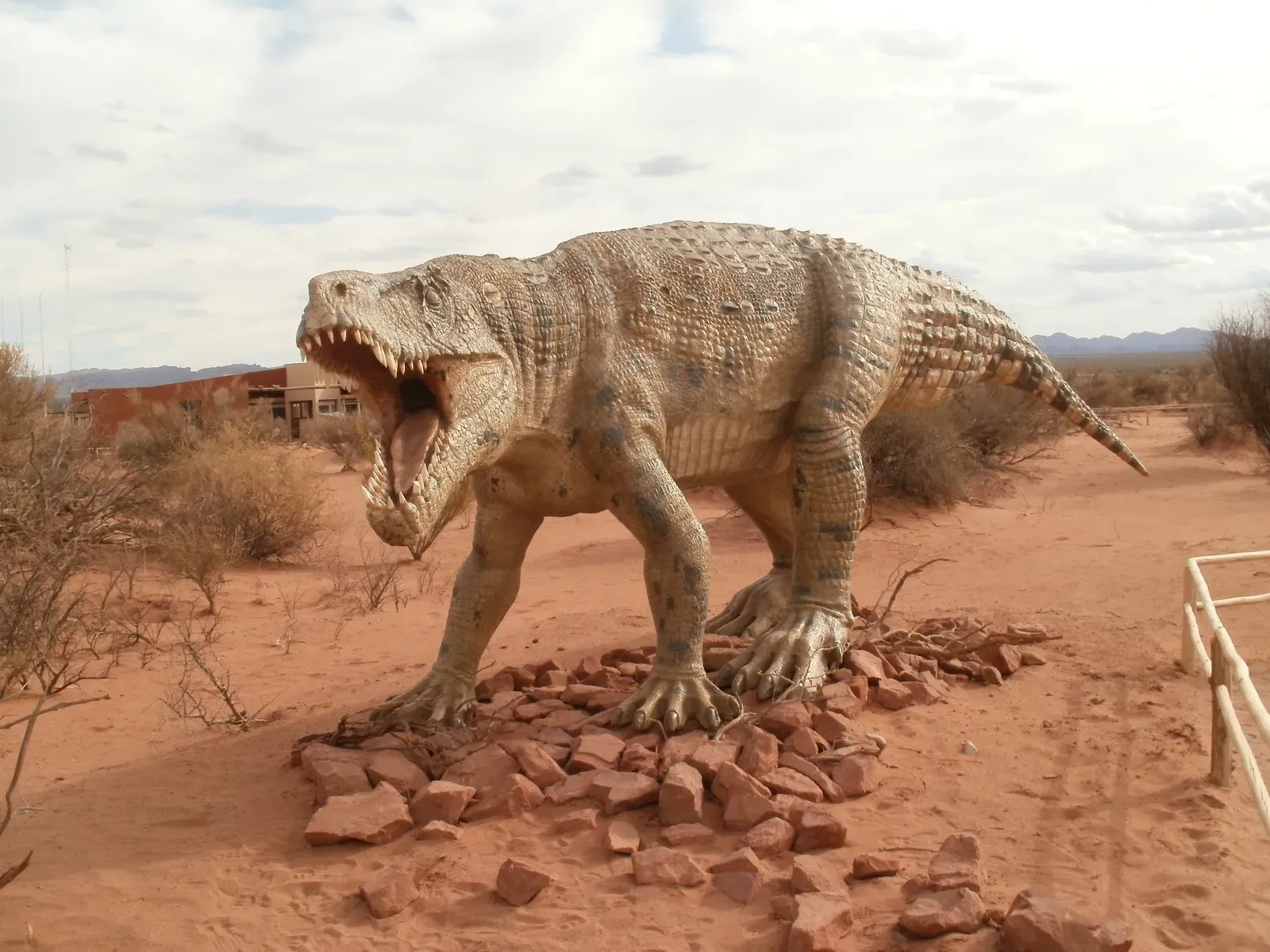
Looking back at these eight creatures, it’s almost impossible to wrap your head around the sheer diversity and strangeness of life that once existed on Earth. We’re talking about armored fish that could crush bone, dragonflies the size of hawks, and bears that made grizzlies look like teddy bears. These weren’t fantasy creatures from a science fiction novel. They were real, living animals that breathed, hunted, and survived in environments we can barely imagine today.
The fact that so many bizarre species have come and gone reminds us how fleeting existence really is. Evolution doesn’t follow a straight path, and sometimes nature tries out designs that seem completely absurd to us now. Yet for millions of years, these creatures thrived. What do you think early humans would have made of these animals if they’d encountered them? Which one would you least want to run into? Tell us in the comments.