
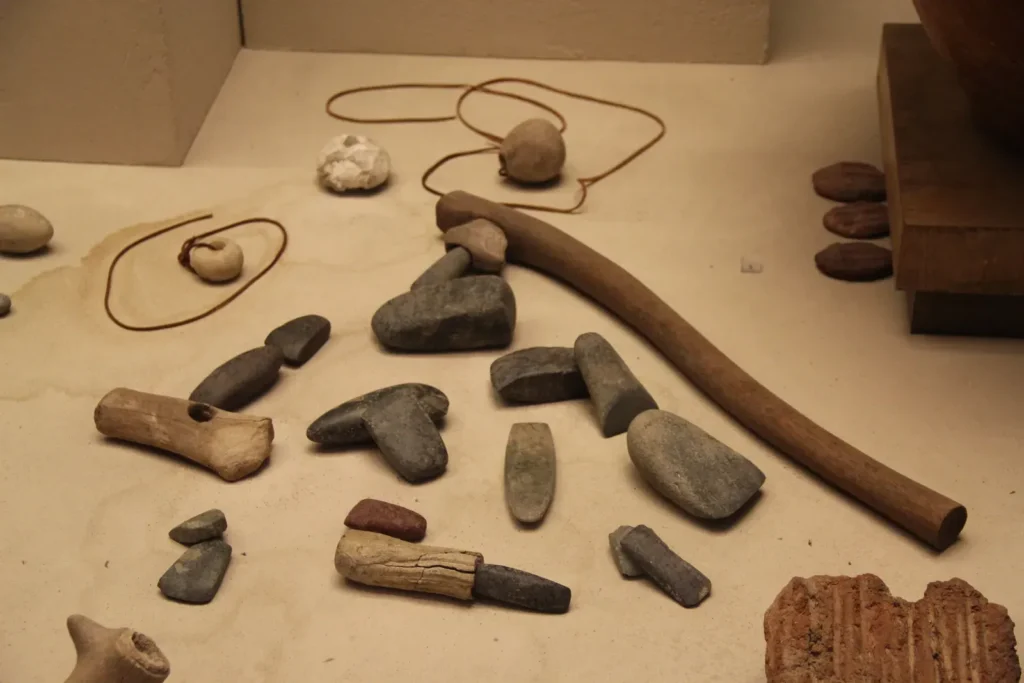
Imagine waking up tomorrow with no writing, no roads, no medicines, no metal tools, and no way to store food beyond a couple of days. It sounds like a brutal survival show, but for most of human history, that was normal life. What changed everything were a few game‑changing inventions that turned fragile bands of hunter‑gatherers into builders of cities, cultures, and, eventually, the hyper‑connected world you’re reading this in right now.
What makes these ancient breakthroughs so wild is that they were created without modern science, without computers, often without even a written language to document the process. People simply watched the world, experimented, failed a lot, and slowly hacked reality. Let’s dig into eight of the most incredible inventions our ancestors came up with – and why they’re still quietly running your life thousands of years later.
1. Fire: Humanity’s First Great Technology
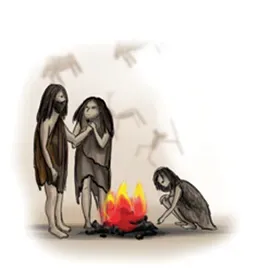
Fire is so ordinary now that we forget it was once the most terrifying and powerful force people dared to control. Long before there were cities or writing, early humans learned not just to fear wildfire, but to tame it – carrying embers, feeding flames, and eventually figuring out how to spark it on demand. That shift turned cold nights into livable ones, raw meat into safer food, and hostile landscapes into habitable homes.
What blows my mind is that fire isn’t a tool you can hold; it’s a controlled chemical reaction. Yet ancient people learned to manage it using nothing more than observation, patience, and trial and error with different woods and stones. Fire let them harden wooden spear tips, later helped with pottery and metalwork, and even changed our biology by making cooked food easier to digest. In a way, every power plant and engine today is just a fancy descendant of someone, somewhere, coaxing sparks into flame for the very first time.
2. Stone Tools: The Original Cutting-Edge Tech
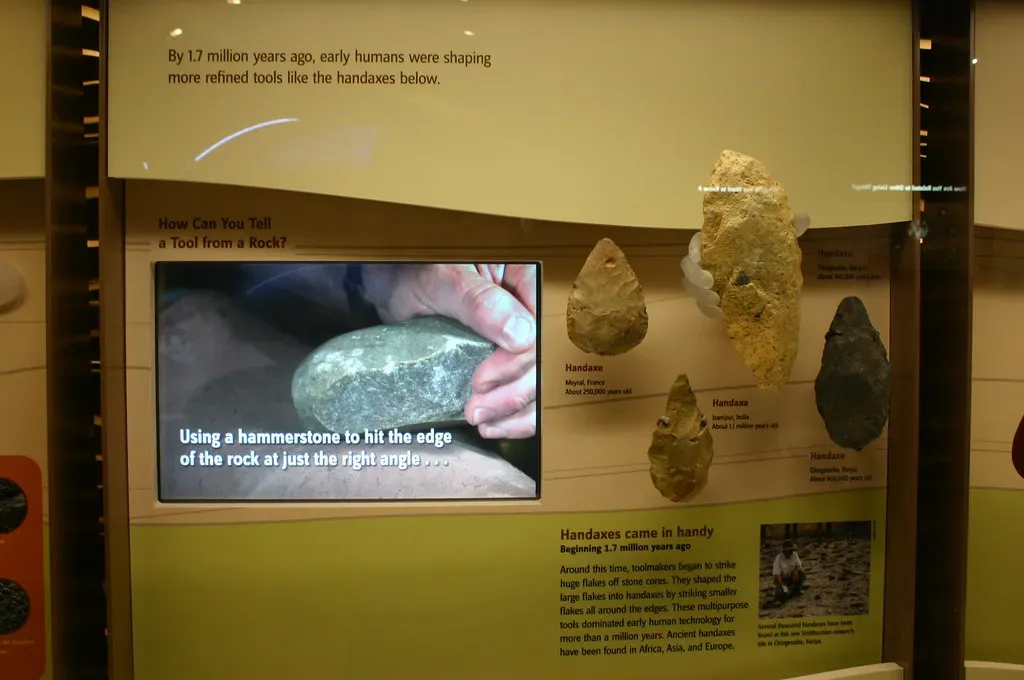
Long before metal, the real high‑tech status symbol was a sharp piece of stone. Early humans learned to strike rocks together to produce blades, scrapers, and points, turning bare hands into multi‑tool systems. These tools made it possible to butcher large animals, cut tough plant fibers, scrape hides for clothing, and shape wood into spears or digging sticks.
It’s easy to laugh at “rock tools” in an age of smartphones, but the skill behind them is serious engineering. Toolmakers understood fracture patterns in stone well enough to produce remarkably standardized shapes, sometimes traveling long distances to get better raw material like obsidian. Archeologists even talk about “industries” of stone tools because you can see design traditions passed down over thousands of years. It’s like looking at the evolution of smartphones, just in flaked flint instead of polished glass.
3. Language: The Invisible Invention That Changed Everything
We do not have a museum piece labeled “first human sentence,” but language is arguably the most powerful invention we ever stumbled into. At some point, scattered sounds and gestures turned into shared systems of meaning – names for animals, plans for tomorrow, stories about the past. That leap changed human groups from loosely coordinated foragers into tightly connected communities that could pass on knowledge instead of losing it each generation.
Language also rewired how we think. Once you can label ideas, you can argue about them, refine them, and teach them. You can coordinate a hunt, outline rules, gossip about cheaters, or tell stories that bind people together. Even now, every law, every scientific paper, every online post rests on this ancient invention. We like to talk about technology as metal and circuits, but language is the original operating system – one our ancestors built entirely in their heads.
4. Agriculture: Turning Wild Nature Into a Food Engine
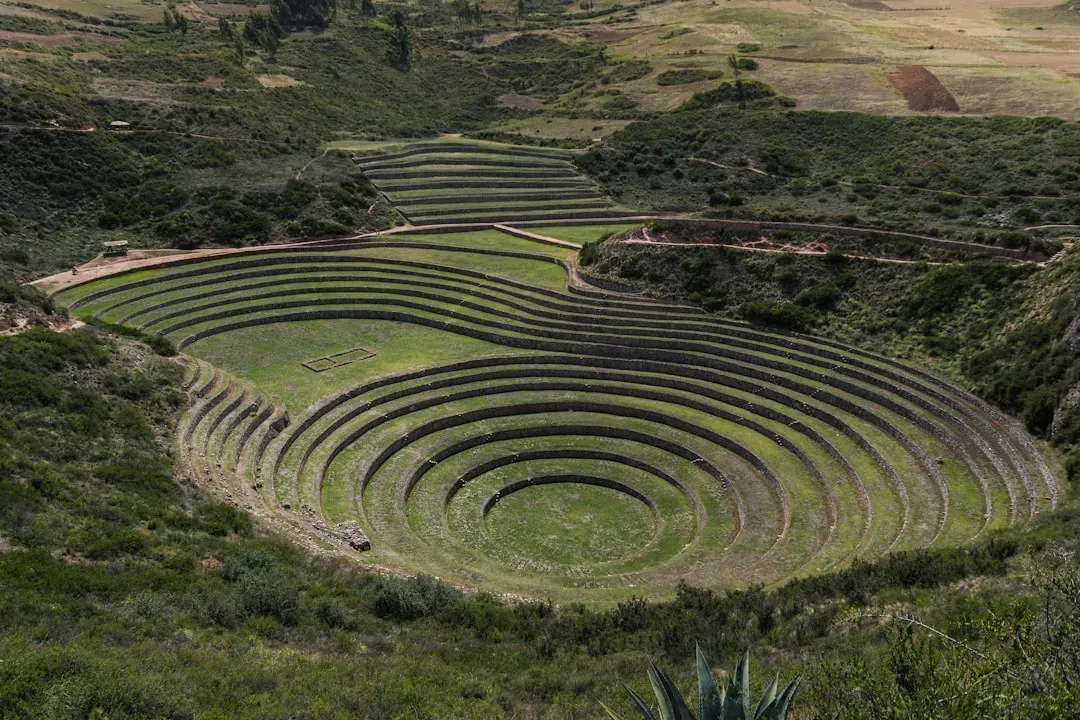
For most of our existence, humans followed food. Then, in several parts of the world, people tried something radically different: getting food to stay put. Ancient farmers began saving seeds from the plants they liked best and replanting them, slowly reshaping wild grasses and other crops into more reliable, more edible versions. Instead of relying only on what nature offered, they started editing it.
The consequences were enormous. Farming meant food surpluses, and surpluses meant some people could specialize in other things – crafts, trade, administration, religion, warfare. Villages grew into towns, then cities, and suddenly humans were living in permanently settled communities with shared infrastructure and complex social rules. When you walk into a supermarket, you’re basically standing in the far future of those early experimental plots carved into river valleys and hillsides.
5. Writing: Freezing Thoughts in Time
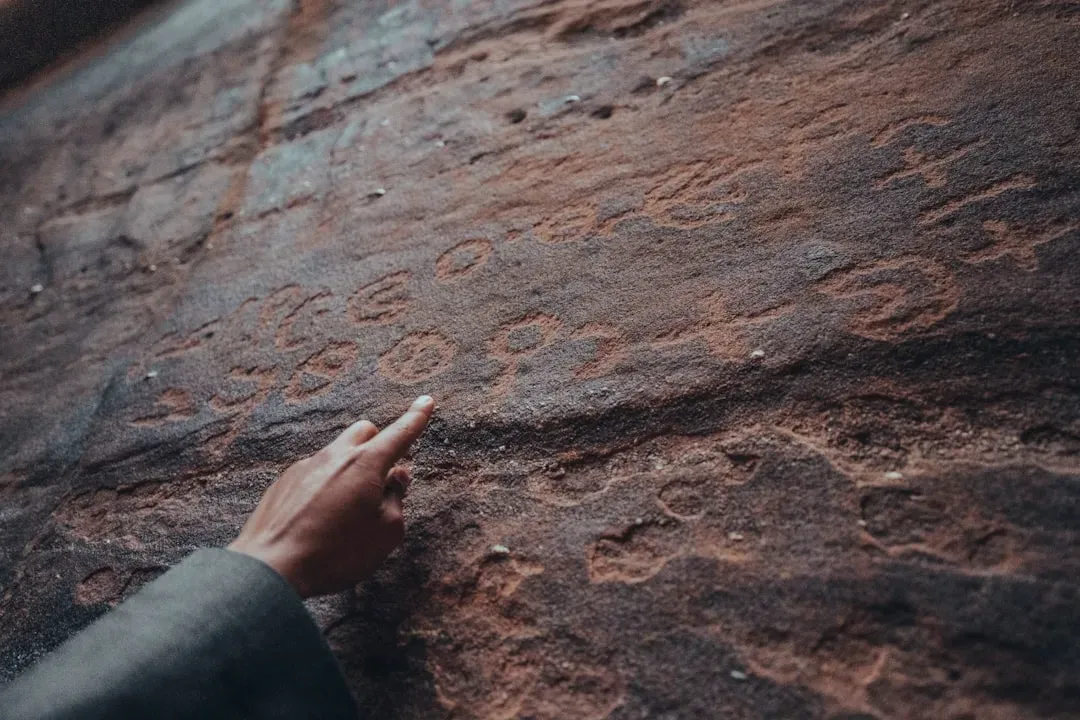
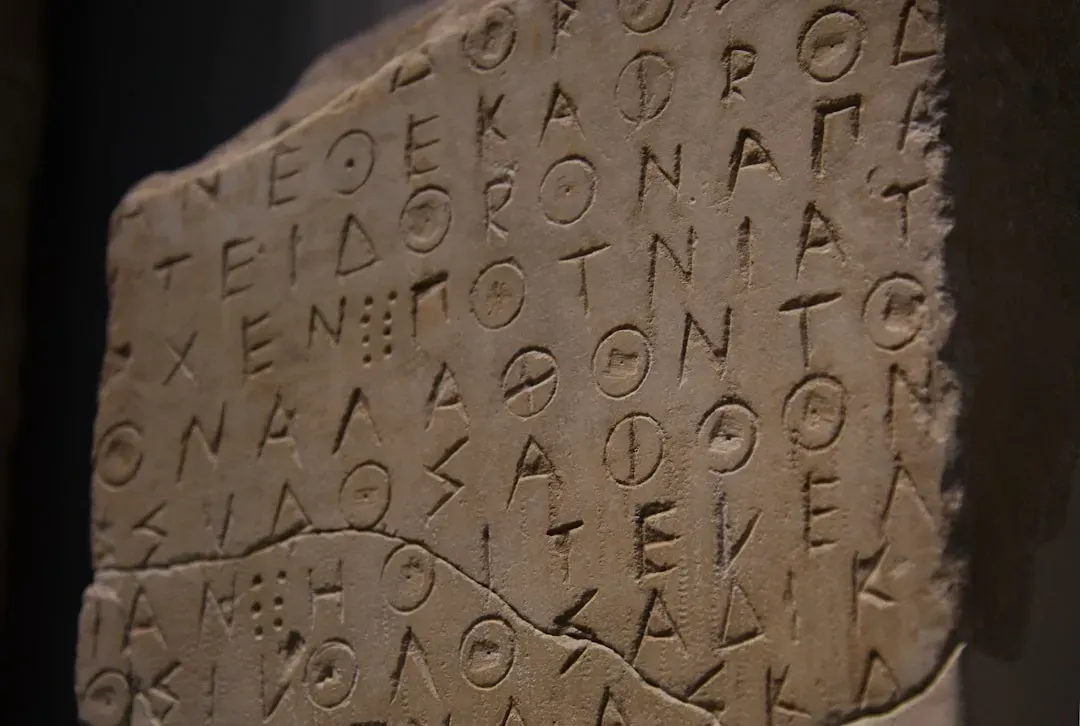
At some point, spoken language hit a limit: you can only remember so much, and oral history is painfully fragile. Ancient peoples in places like Mesopotamia, Egypt, China, and Mesoamerica responded with a mind‑bending idea – representing words with marks. Early writing was often practical, tracking grain, taxes, and trades, scratched into clay tablets or carved onto stone. It may sound dry, but it was revolutionary to have information that did not vanish when the speaker walked away.
From there, writing exploded into something much bigger. Once you can record laws, myths, instructions, and observations of the natural world, you unlock cumulative knowledge on a scale no single brain can hold. Philosophies, sacred texts, scientific records, and literature are all side effects of this early accounting hack. Even now, every document, message, and post is just a more polished way of doing what those first scribes did: catching fleeting thoughts and pinning them down so the future can see them.
6. The Wheel and Axle: Simple Shape, Huge Impact
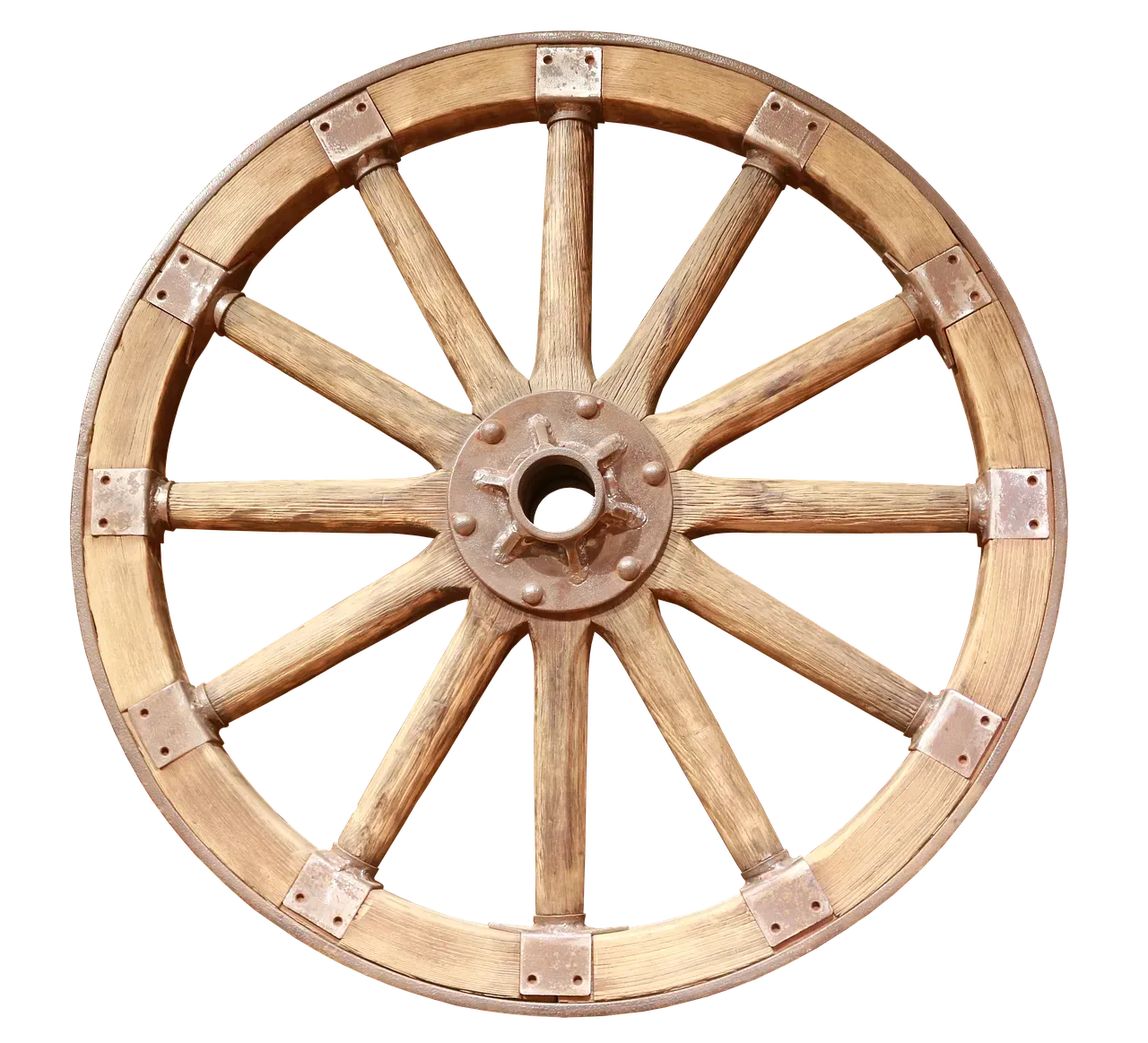
The wheel is so iconic that it almost feels boring – until you realize how weirdly non‑obvious it is. Nature doesn’t give us free‑spinning wheels attached to fixed axles; that idea had to be imagined from scratch. Early evidence from ancient Mesopotamia shows solid wooden wheels paired with axles on carts, turning muscle power into far more efficient transport of heavy loads. That meant more trade, more goods, and more ambitious building projects.
What I love about the wheel is how often people oversimplify it. It is not just a circle; it is a clever system of low‑friction rotation that later gets reused in everything from pottery wheels to gears and machinery. Over time, lighter spoked wheels made vehicles faster, while variations on the wheel‑and‑axle principle powered mills, clocks, and early mechanical devices. Next time you roll a suitcase through an airport, you’re paying quiet tribute to some unknown craftsperson who first figured out that a round slice of wood could change the world.
7. Metallurgy: Teaching Stone-Age Fire New Tricks
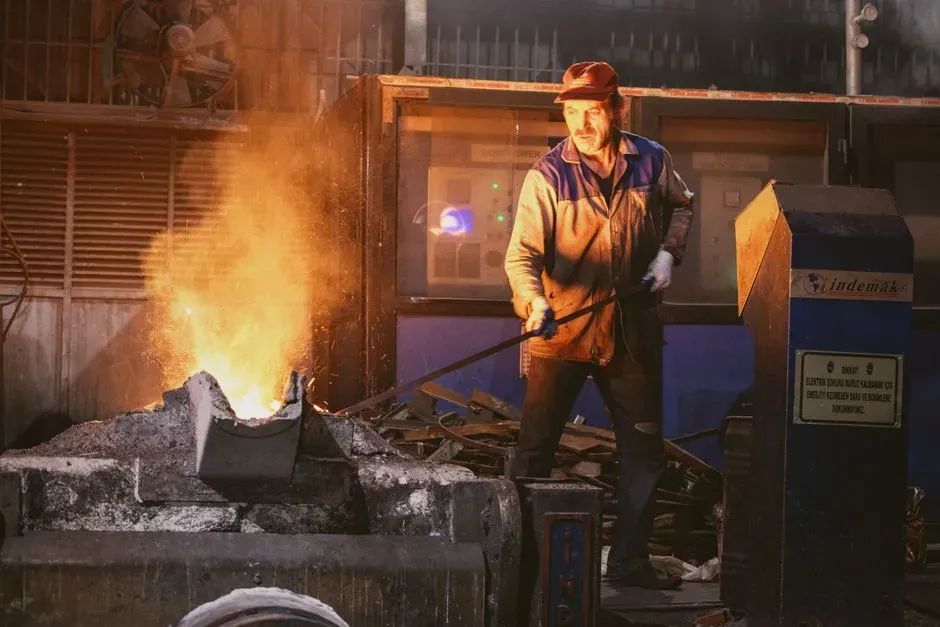
At first, metals like gold and copper showed up as rare, naturally occurring lumps – pretty to look at, nice for ornaments. Then someone noticed that heating certain rocks in a hot enough fire caused them to ooze or crack into usable metal. That was the birth of metallurgy: the art and science of pulling metal from stone and shaping it. Copper and bronze tools were a big upgrade from stone, allowing sharper blades, tougher weapons, and more intricate designs.
Iron took it even further. Smelting iron ore demanded higher temperatures and careful control, but the payoff was stronger, more durable tools and weapons. Metallurgy is basically early materials science, powered by charcoal, bellows, and endless patience. The techniques those ancient smelters developed – controlling heat, mixing materials, and experimenting with alloys – are the spiritual ancestors of modern steelmaking, electronics fabrication, and even aerospace materials. It all started with people staring into fires, noticing tiny changes in color and texture, and refusing to stop tinkering.
8. Medicine and Surgery: Early Science on the Edge of Mystery
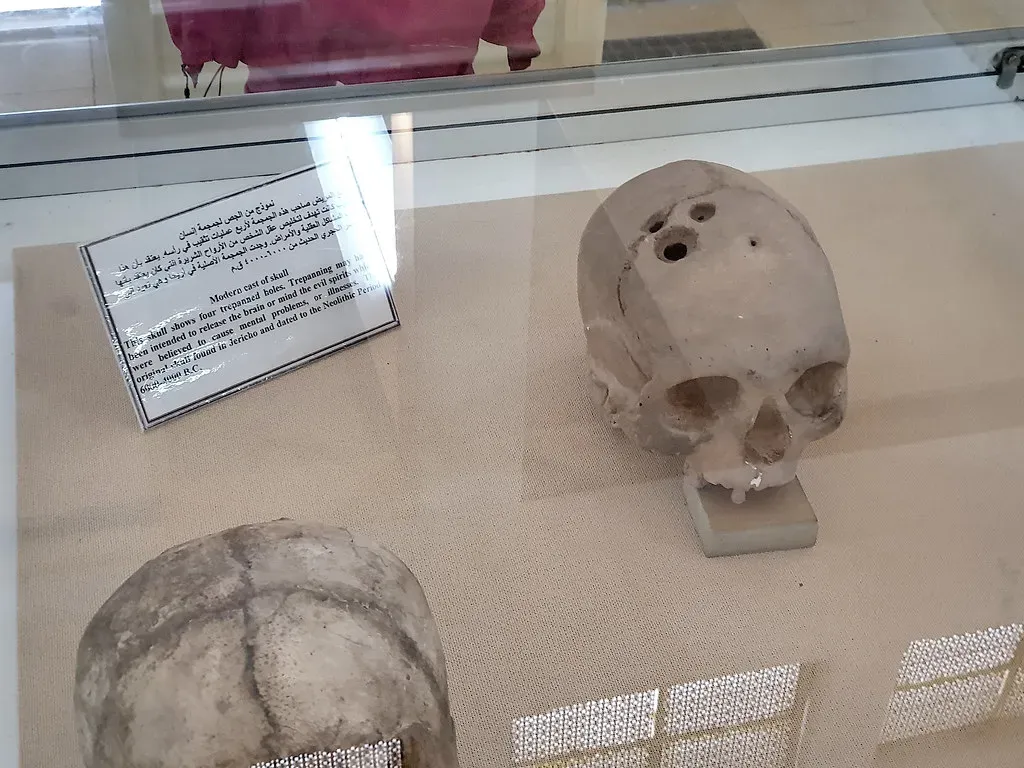
Ancient medicine is often remembered for its superstitions, but buried inside the rituals were genuinely insightful practices. Healers observed which plants seemed to ease pain, reduce fevers, or help wounds heal, and they passed that knowledge along. Some early medical texts show surprisingly careful case descriptions, lists of symptoms, and suggested treatments – rudimentary, yes, but clearly driven by observation rather than pure guesswork.
Surgery is even more startling. Archeologists have found skulls with healed holes from procedures like trepanation, showing that patients sometimes survived having part of their skull opened. Other early surgeries dealt with broken bones, dislocations, and surface wounds, with evidence of splints and bandaging. As someone who has sat in a modern hospital waiting room staring at the machines and sterile tools, I find it humbling to remember that the roots of all that started with someone, thousands of years ago, deciding that a wound was not just fate – it was a problem they might be able to fix.
Conclusion: Ancient Genius Is Still Running Your Life
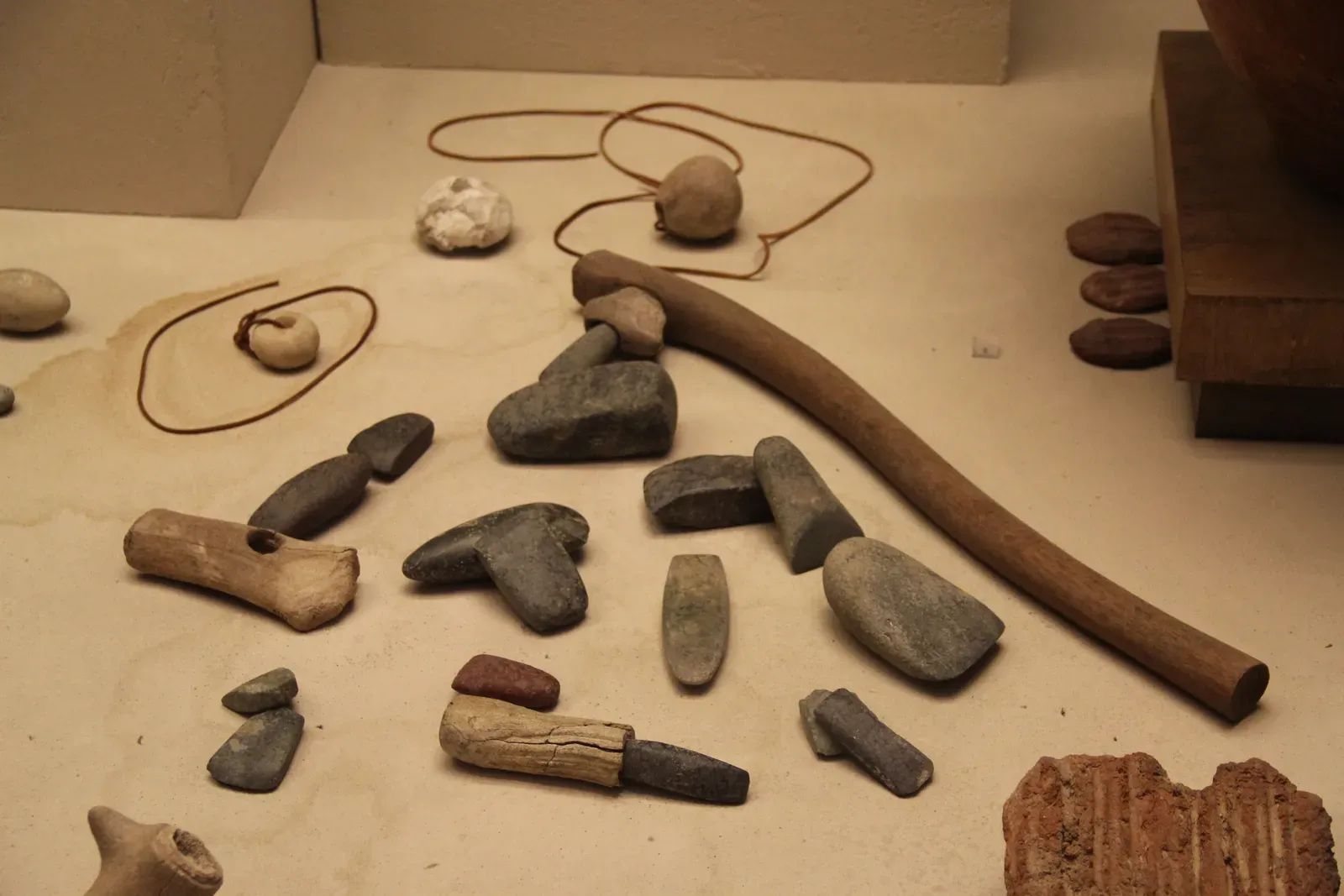
When you stack these inventions side by side – fire, tools, language, farming, writing, wheels, metals, medicine – it becomes pretty hard to see ancient humans as primitive. They were dealing with chaos, danger, and uncertainty, yet they still managed to experiment their way into technologies we are still using in upgraded forms. In my view, the real arrogance is pretending we are fundamentally smarter than they were; we are just standing on a taller pile of their successes.
The truth is, our biggest modern breakthroughs look a lot like theirs: somebody notices a pattern, tries a risky idea, shares what works, and slowly turns a fragile trick into a stable system. We are not separate from those early innovators; we are their continuation. The next time you light a stove, send a message, or roll a suitcase, remember you are living inside a world built on ancient courage and curiosity – and then ask yourself: which of today’s “small” ideas might look just as incredible thousands of years from now?