You’ve probably heard the usual advice about living longer. Eat your greens, exercise daily, get enough sleep. These matter, of course. Yet there’s a fascinating layer to longevity research that doesn’t get nearly as much attention: the psychological habits that quietly shape how long and how well you live.
While genetics and physical health certainly play roles in determining your lifespan, it is widely recognized the importance of psycho-behavioral factors in the ways humans age. These mental patterns, emotional tendencies, and cognitive approaches to life aren’t just about feeling good in the moment. They’re actually wiring your body for either resilience or decline. The most compelling part? Many of these psychological habits are completely within your control, and you can start cultivating them today.
Think about the people you know who seem to age gracefully, who maintain vitality well into their later years. Chances are, they’re not just lucky with their genes. Let’s explore the subtle psychological patterns that science suggests might add years to your life.
Cultivating an Optimistic Mindset

Here’s something that might surprise you: your outlook on life could literally add years to your existence. Optimism is specifically related to 11 to 15% longer life span, on average, and to greater odds of achieving “exceptional longevity,” that is, living to the age of 85 or beyond. This isn’t about wearing rose-colored glasses or ignoring reality. It’s about maintaining the general expectation that good things will happen, or that you can influence outcomes in your favor.
What’s remarkable is that these relations were independent of socioeconomic status, health conditions, depression, social integration, and health behaviors. In other words, optimism offers protective benefits regardless of your circumstances. The mechanism seems to involve better stress management, healthier behavioral choices, and possibly even biological changes at the cellular level. Your brain’s tendency to expect positive outcomes appears to create a self-fulfilling prophecy of longevity.
Managing Emotional Reactivity

Neuroticism, total social support and smoking habits all significantly impacted individual lifespan, with lower neuroticism scores predicting longer life. This personality trait involves the tendency to experience negative emotions like anxiety, anger, and vulnerability. People who score high in neuroticism often find themselves in a constant state of emotional turbulence.
The key isn’t to never feel negative emotions. That would be impossible and unhealthy. Instead, it’s about developing the capacity to regulate those emotions without becoming overwhelmed by them. Good emotional management, benign interpersonal support, and moderation of habits are important factors for individual longevity. Think of it as building emotional shock absorbers. When life throws you curveballs, you want to absorb the impact without letting it shatter your entire system. Practices like mindfulness, cognitive reframing, or even just pausing before reacting can make an enormous difference over decades.
Developing Conscientiousness

An 80-year study found people who are conscientious — meaning they pay attention to detail, think things through, and try to do what’s right — live longer. This isn’t about being rigid or perfectionistic. It’s about being reliable, organized, and thoughtful in your approach to life.
Conscientious people tend to make better health decisions almost automatically. They show up for medical appointments, follow through on treatment plans, and maintain routines that support their wellbeing. Conscientiousness is described as the tendency to be responsible and self-disciplined, and it stands out as one of the strongest personality predictors of longevity. The beautiful thing is that conscientiousness can be cultivated through deliberate practice, starting with small commitments you consistently keep.
Fostering a Sense of Purpose

Having a sense of purpose or meaning in life is linked to lower rates of depression and anxiety, better sleep quality, and a lower risk of mortality. This goes deeper than just having goals or staying busy. It’s about feeling that your life has direction and significance, that you matter to something or someone beyond yourself.
People with a strong sense of purpose tend to take better care of themselves because they feel their presence is needed. They have reasons to get up in the morning that extend beyond mere survival. Purpose doesn’t have to mean changing the world. It might be as simple as being there for your grandchildren, pursuing a creative passion, or contributing to your community. The specific content matters less than the feeling that your existence serves something meaningful.
Nurturing Social Connections

Research indicates that people with robust social supports are 50% less likely to experience premature death. This statistic is staggering when you really think about it. Your relationships might be as important as not smoking or exercising regularly.
Positive relationships can lead to lower blood pressure, reduced inflammation, and an improved immune response, while emotional rewards from social ties release beneficial hormones. The quality of your connections matters more than quantity. A few deep, supportive relationships offer more protection than dozens of superficial acquaintances. Loneliness isn’t just an emotional experience. It’s a physiological stressor that accelerates aging at the cellular level.
Maintaining Mental Stimulation
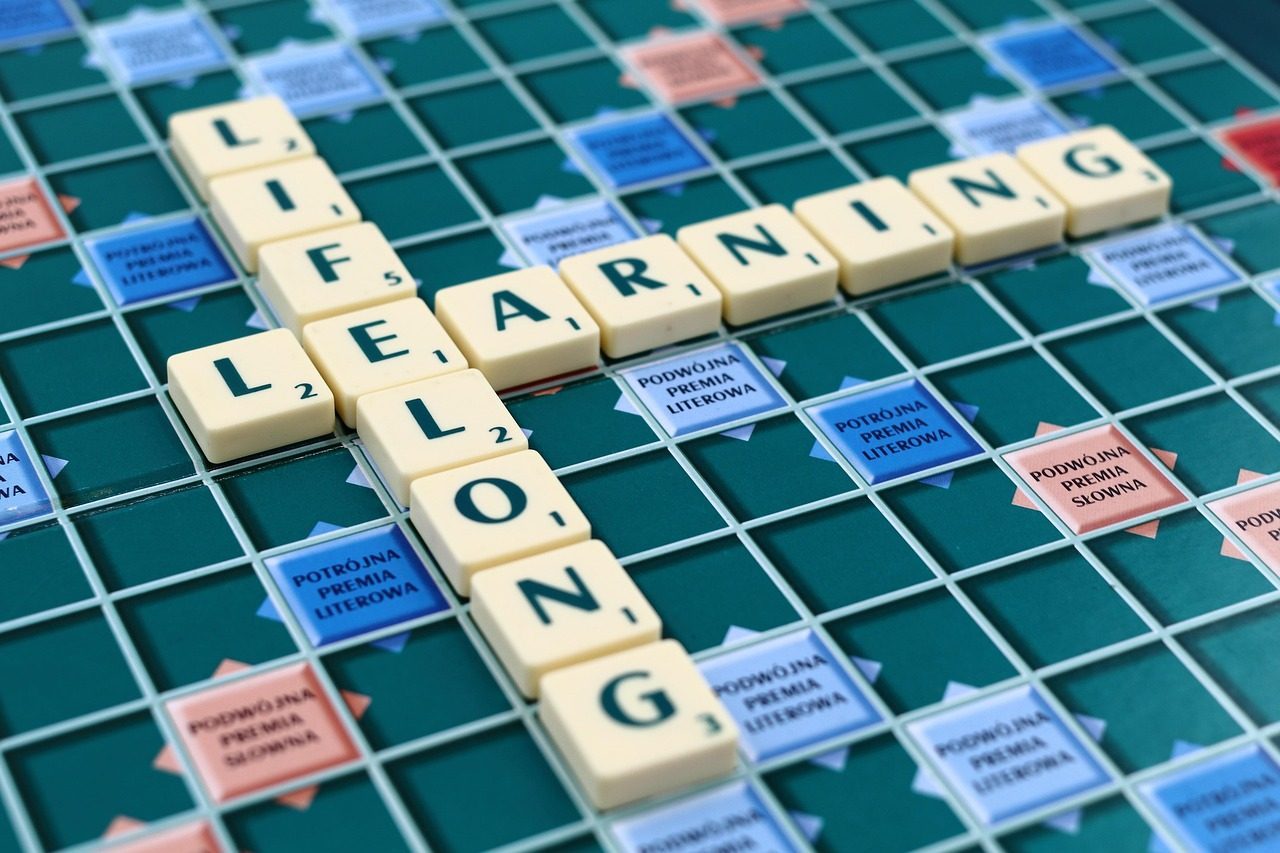
Engaging in mentally stimulating activities can pay off in a big way, helping you avoid cognitive decline and feel more vibrant and alive. Your brain requires exercise just like your muscles do, and psychological research increasingly suggests that cognitive engagement throughout life contributes to longevity.
This doesn’t mean you need to do crossword puzzles all day. It means staying curious, learning new skills, engaging with challenging ideas, and keeping your mind active. People who continue to learn and grow mentally throughout their lives seem to maintain better overall health. The mental stimulation appears to build cognitive reserve, a kind of buffer that protects against age-related decline and keeps your entire system functioning more optimally.
Practicing Stress Resilience

Stress reduction is a hidden factor in longevity, with reduced exposure to vicarious trauma potentially serving as a protective element. Stress, drinking alcohol excessively, poor diet, and poor sleep hygiene were associated with around a 20-30% increase in the risk of death during research study periods.
Chronic stress doesn’t just feel bad. It damages your body systematically through inflammation, hormonal disruption, and immune suppression. The psychological habit here isn’t about eliminating stress entirely, which is impossible. It’s about building resilience to stress through practices that help you recover quickly. This might include meditation, physical exercise, time in nature, or simply setting better boundaries. Your ability to bounce back from stressful experiences matters more than avoiding stress altogether.
Cultivating Emotional Well-being

The odds ratio for mortality was 1.62 for adults who were not flourishing, relative to participants with flourishing mental health. Flourishing encompasses more than just feeling happy. The term flourishing encompasses factors such as managing stress, achieving intimacy with others, working productively and making a contribution to society.
People who enjoy strong mental wellbeing tend to live longer and healthier lives, with optimism, resilience, and positive social relationships associated with lower disease risk. This overall state of psychological wellness acts as a foundation for all the other habits. When you’re flourishing mentally, you’re more likely to maintain the other beneficial patterns. You sleep better, make healthier choices, and handle life’s challenges with greater ease.
Conclusion

The connection between your mind and your lifespan runs deeper than most people realize. These eight psychological habits represent an often-overlooked dimension of longevity that complements physical health practices. The encouraging news is that unlike your genetic inheritance, these mental patterns are largely under your control.
You don’t need to master all eight habits overnight. Even small shifts in how you think, feel, and relate to the world can accumulate into significant benefits over time. Start with one area that resonates most with you. Perhaps you’ll work on viewing challenges more optimistically, or maybe you’ll prioritize deepening your social connections. The beauty of these psychological habits is that they often reinforce each other, creating an upward spiral of wellbeing.
What aspects of your psychological life are you ready to cultivate? The choices you make today about your mental patterns could be shaping not just how you feel right now, but how many tomorrows you’ll have to enjoy.