If you think Hollywood monsters are wild, wait until you meet the real stars of Earth’s ancient oceans. Long before sharks got their teeth into the spotlight, marine reptiles ruled the seas with necks like cranes, skulls like crocodiles on steroids, and flippers that turned them into underwater rockets. These animals were not dinosaurs in the strict scientific sense, but they lived alongside them and often made them look almost modest by comparison.
What makes these creatures so gripping is that they are not the product of special effects teams or overcaffeinated writers; they are built from fossils, math, and hard evidence. Yet, the more scientists uncover, the more they look like something a studio executive would reject as too unrealistic. Let’s dive into eight marine reptiles so bizarre, so over-the-top, that even the most imaginative blockbuster feels strangely conservative next to the real thing.
1. Elasmosaurus: The Sea Serpent With Too Much Neck
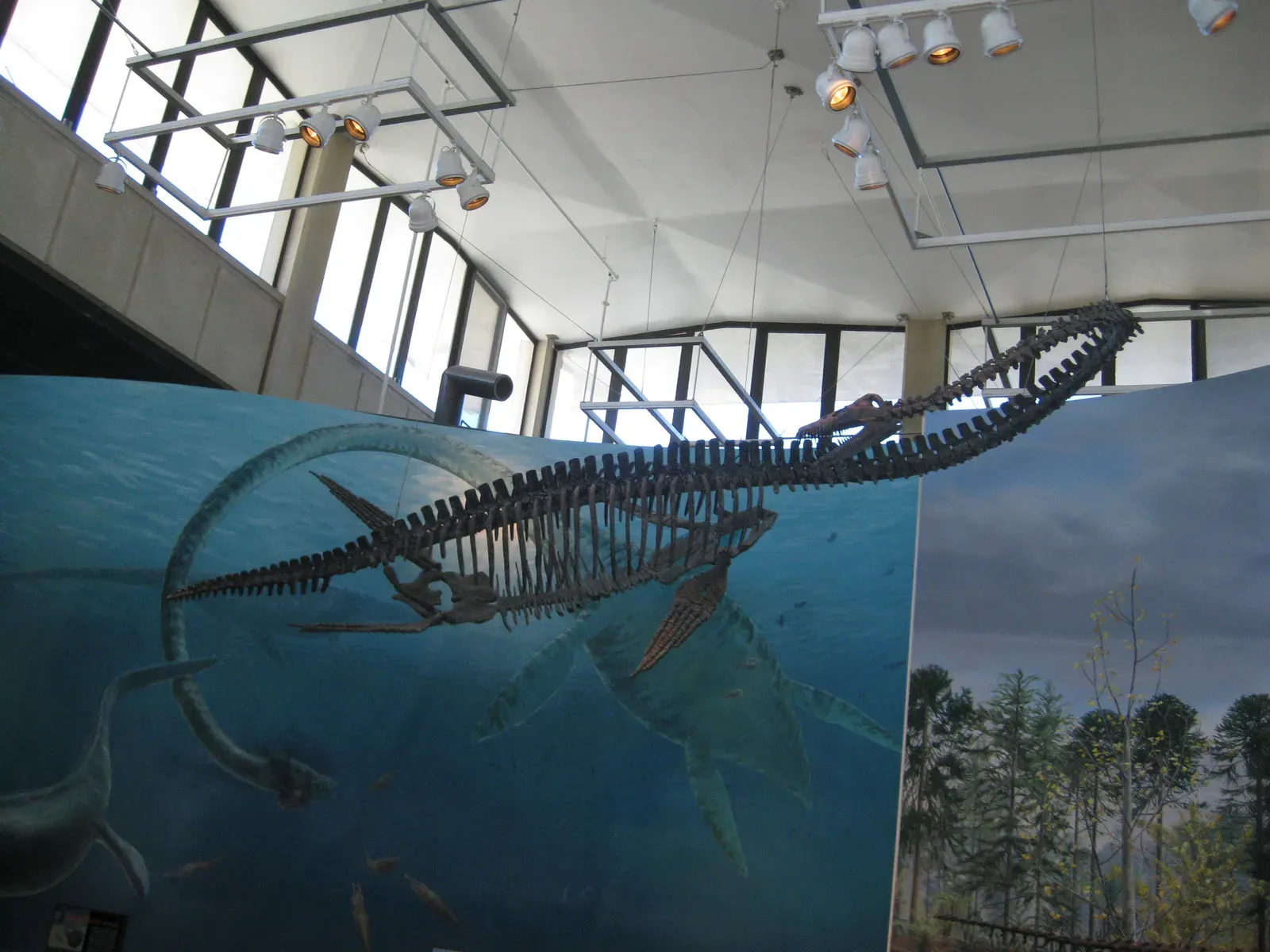
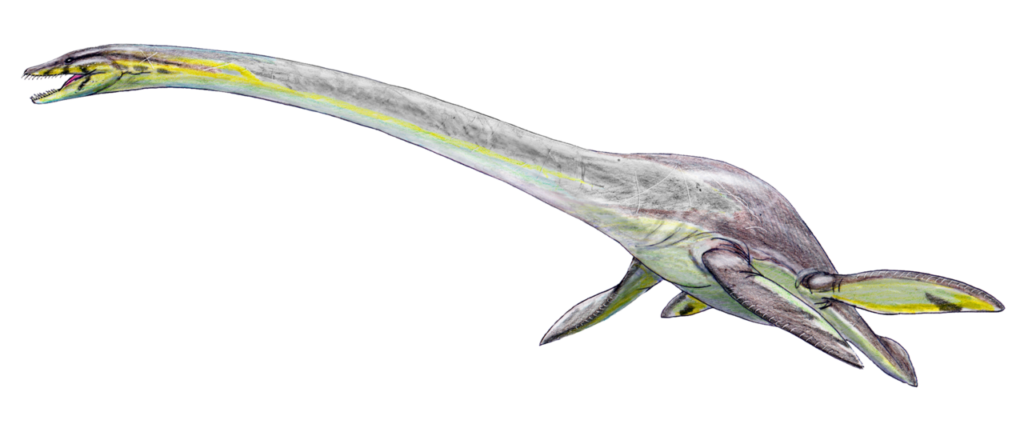
Imagine a reptile that looks like someone glued a tiny head to the end of a gigantic, flexible pole and then strapped that pole to a sea turtle’s body. That is roughly what Elasmosaurus brought to the Late Cretaceous oceans: a body only about as long as a small bus and a neck that made up the majority of its length. It carried dozens of vertebrae in that neck, far more than any land animal today, allowing it to snake through the water in strange, graceful curves while its body stayed relatively stable.
For years, even scientists were confused by this anatomy, and an early reconstruction famously put the head on the wrong end, as if the tail were meant to be the neck. Hollywood often gives sea monsters enormous heads and brutal jaws, but Elasmosaurus took the opposite approach: small skull, needle-like teeth, and a delicate, almost dainty way of picking off fish and small prey. It likely lurked below shoals, swinging its head through them like a slow-motion whip, which is far creepier than the usual cinematic, loud, smash-and-chomp attack.
2. Mosasaurus: The Real-Life Ocean Boss
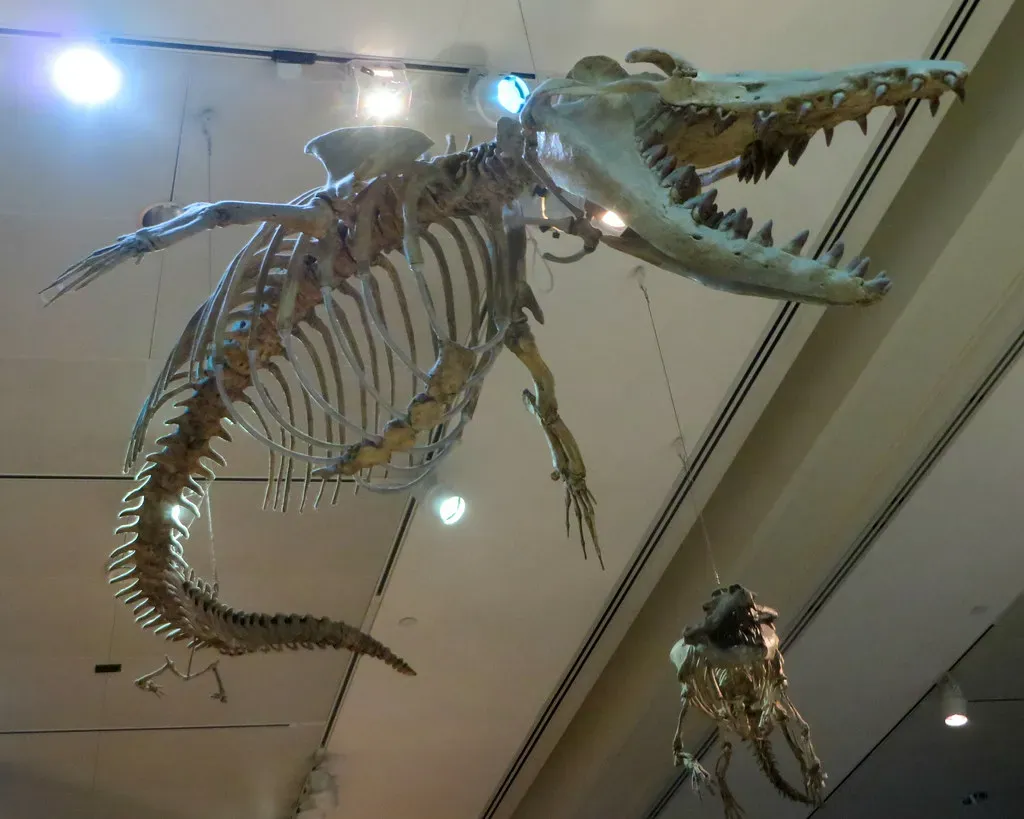
If there is one marine reptile that actually outdoes its Hollywood version, it is Mosasaurus. In life, this was a long, muscled, lizard-like predator with a massive head, double-hinged jaws, and rows of sharp teeth built for seizing and slicing. Think of a komodo dragon scaled up to terrifying size, then fully adapted for the open ocean with a powerful tail fin and paddle-like limbs. Some species reached lengths comparable to a large bus, making them among the top predators of their time.
What the movies usually miss is that Mosasaurus was not some mindless, single-jaw biting machine. It had a second row of palatal teeth inside its mouth, helping it grip and swallow struggling prey, almost like a conveyor belt of pain. Evidence from fossils suggests these animals ate pretty much anything they could overpower, including other marine reptiles. That messy, opportunistic feeding style, closer to a real apex predator than a cleanly edited blockbuster monster, is what makes Mosasaurus genuinely chilling.
3. Shonisaurus: The Whale-Sized Reptile With a Gentle Look
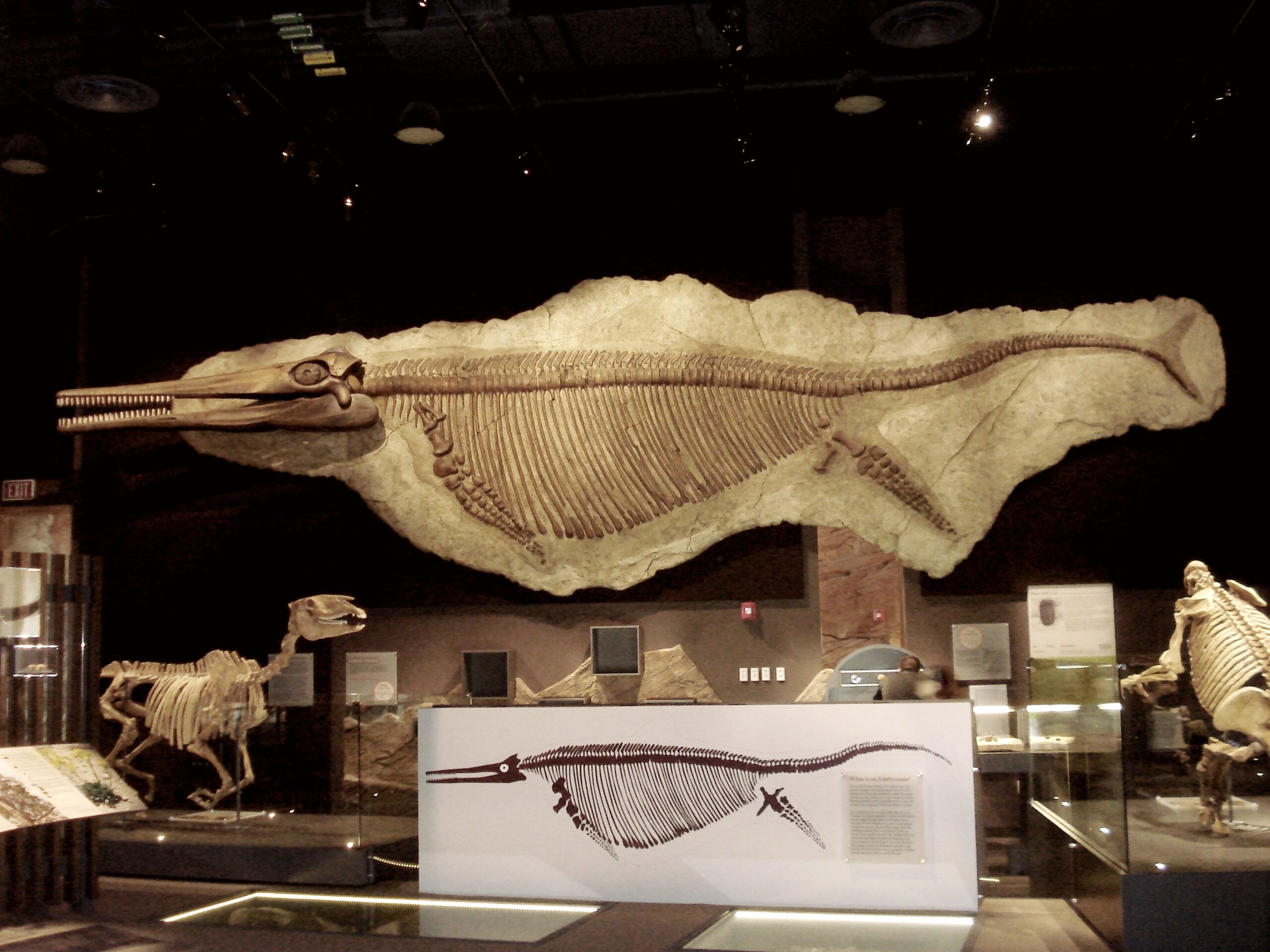
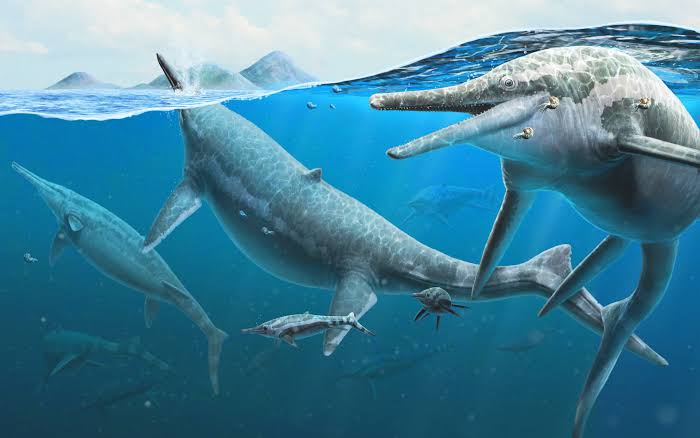
Shonisaurus turns the usual monster-movie logic on its head by being both enormous and oddly gentle-looking. This giant ichthyosaur reached lengths similar to modern baleen whales, with a long, torpedo-shaped body and relatively small head for its size. Instead of a mouth filled with oversized murdering tools, some species seem to have had reduced or even absent teeth in adulthood, hinting at a lifestyle that might have resembled today’s filter-feeding whales more than that of a typical reptilian predator.
Instead of dramatic ambushes and gory battles, picture a colossal, streamlined reptile cruising slowly through Triassic seas, inhaling huge volumes of small prey like cephalopods or fish. Its enormous size would still have been awe-inspiring, but the terror would come more from its sheer presence than from any horror-movie violence. Hollywood rarely dares to make its sea monsters quiet giants, but Shonisaurus reminds us that some of the most impressive creatures in Earth’s history did not need theatrics to dominate their world.
4. Tylosaurus: The Living Spear of the Cretaceous Sea
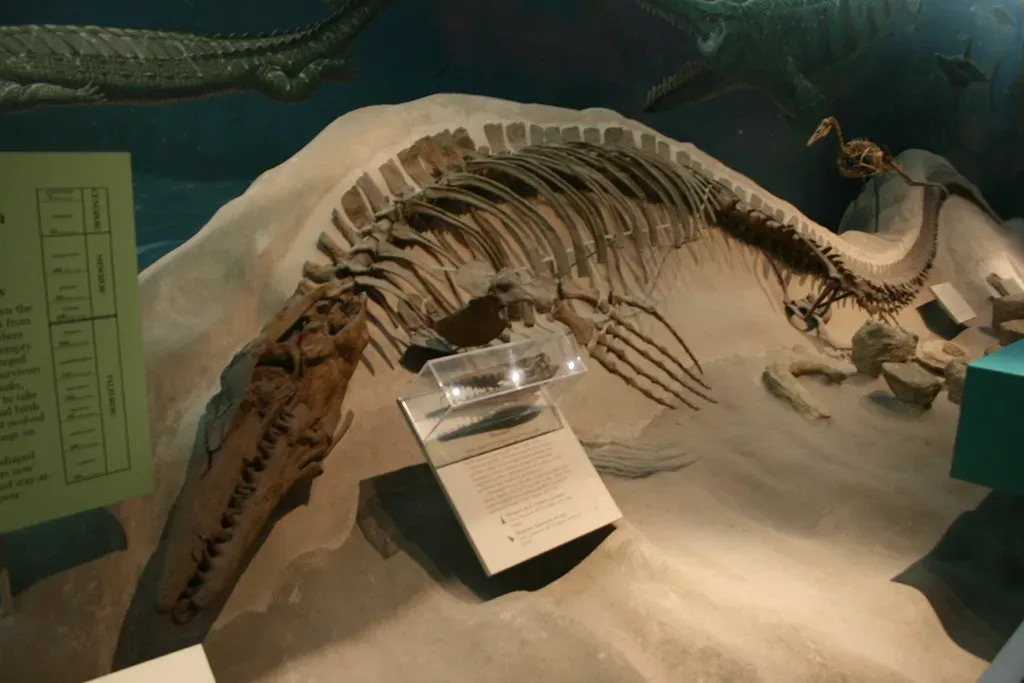
Among the mosasaurs, Tylosaurus stands out as a weaponized design that would make an action-movie designer jealous. Its name reflects the blunt, reinforced snout at the front of its skull, a structure that may have acted like a battering ram or at least a sturdy spearhead for tackling large prey. Fossil evidence from stomach contents has revealed remains of birds, sharks, other mosasaurs, and even large fish inside individuals, painting a picture of a fearless, opportunistic hunter that pushed the limits of what a reptile could take on.
Instead of the exaggerated, almost dinosaur-like look movies often give to marine predators, Tylosaurus probably moved with the sinuous grace of a giant snake merged with a crocodile. Its long tail with a fluke-like end and powerful body musculature would have generated bursts of speed to ambush prey. The idea that this animal was both a precision weapon and a heavy hitter, capable of high-speed lunges and brutal bites, makes most fictional sea beasts feel more cartoonish than terrifying.
5. Nothosaurus: The Ambush Artist Between Land and Sea
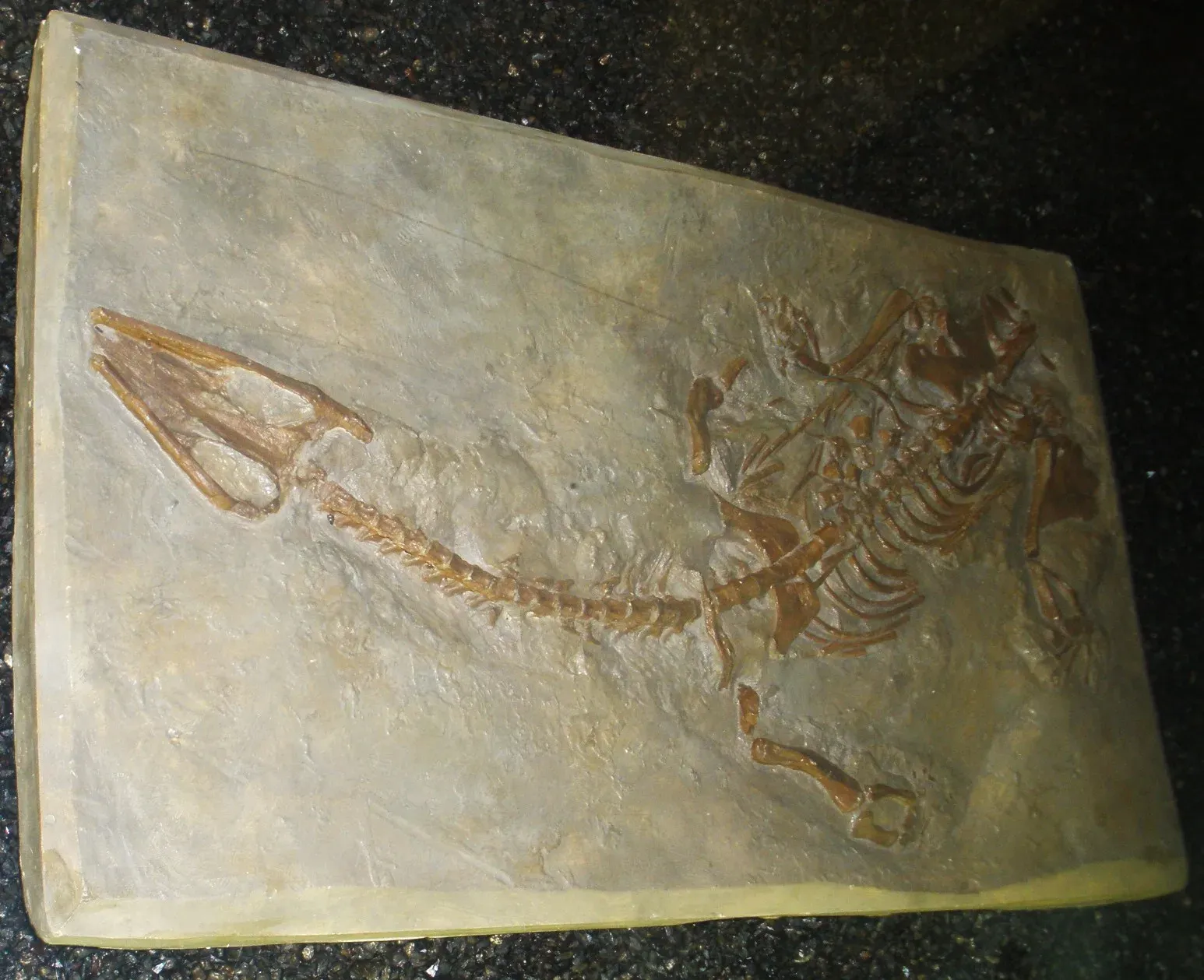
Nothosaurus does not look like the typical Hollywood monster, and that is exactly why it deserves a spotlight. It was a semi-aquatic reptile from the Triassic, with a long neck, pointed snout, and limbs that sat somewhere between legs and flippers. Its body plan suggests it could swim efficiently but might also have hauled itself onto shorelines or sandbanks, occupying that strange in-between world that many blockbusters simply skip over in favor of extreme designs.
Its jaws held sharp, conical teeth perfect for grabbing slippery prey like fish and squid, and its overall build hints at a stealthy ambush strategy. Instead of dramatic chases, imagine Nothosaurus gliding silently below the surface, then exploding forward with a sudden snap of its long neck. It is the uncanny familiarity that makes it striking: it feels like a mash-up of seal, crocodile, and lizard, something that could plausibly be lurking just off a quiet beach, which somehow feels more unsettling than a towering, impossible sea dragon.
6. Thalattoarchon: The Original Marine Super-Predator
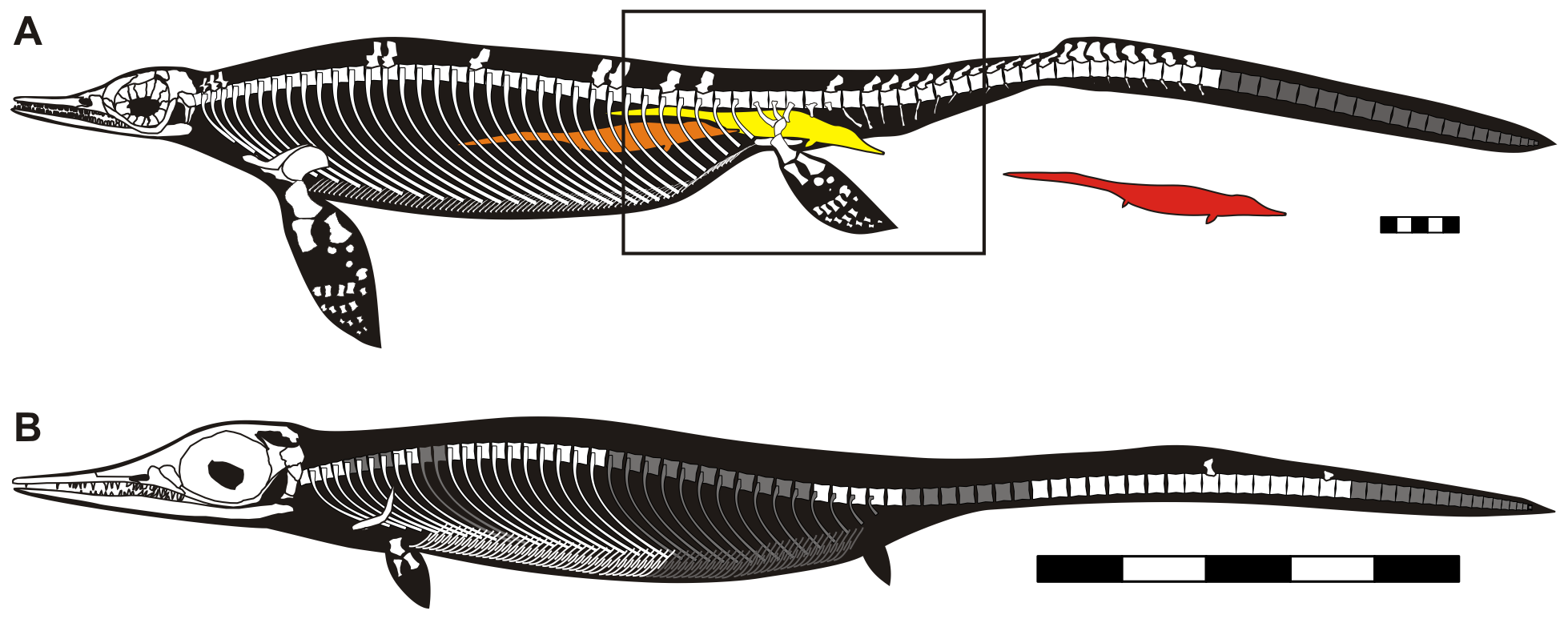
Long before mosasaurs and giant plesiosaurs, Thalattoarchon staked an early claim as a ruler of the seas. This Triassic ichthyosaur had a massive skull with robust jaws and large, blade-like teeth that could slice through sizeable prey. Its name, which essentially refers to a ruler of the sea, reflects its place near the top of marine food chains soon after a major mass extinction event, when ecosystems were still rebuilding and evolutionary experiments tended to be bold.
What sets Thalattoarchon apart from many movie monsters is that it was not a side character in a crowded ecosystem; it helped shape the entire structure of its marine environment. By preying on other large vertebrates, it pushed arms races in size, speed, and defense long before the more famous giant reptiles appeared. The idea that such a formidable predator emerged so quickly on the heels of global catastrophe feels almost too dramatic to be real, yet it is written in ancient bones rather than computer scripts.
7. Henodus: The Flat, Plate-Faced Oddball
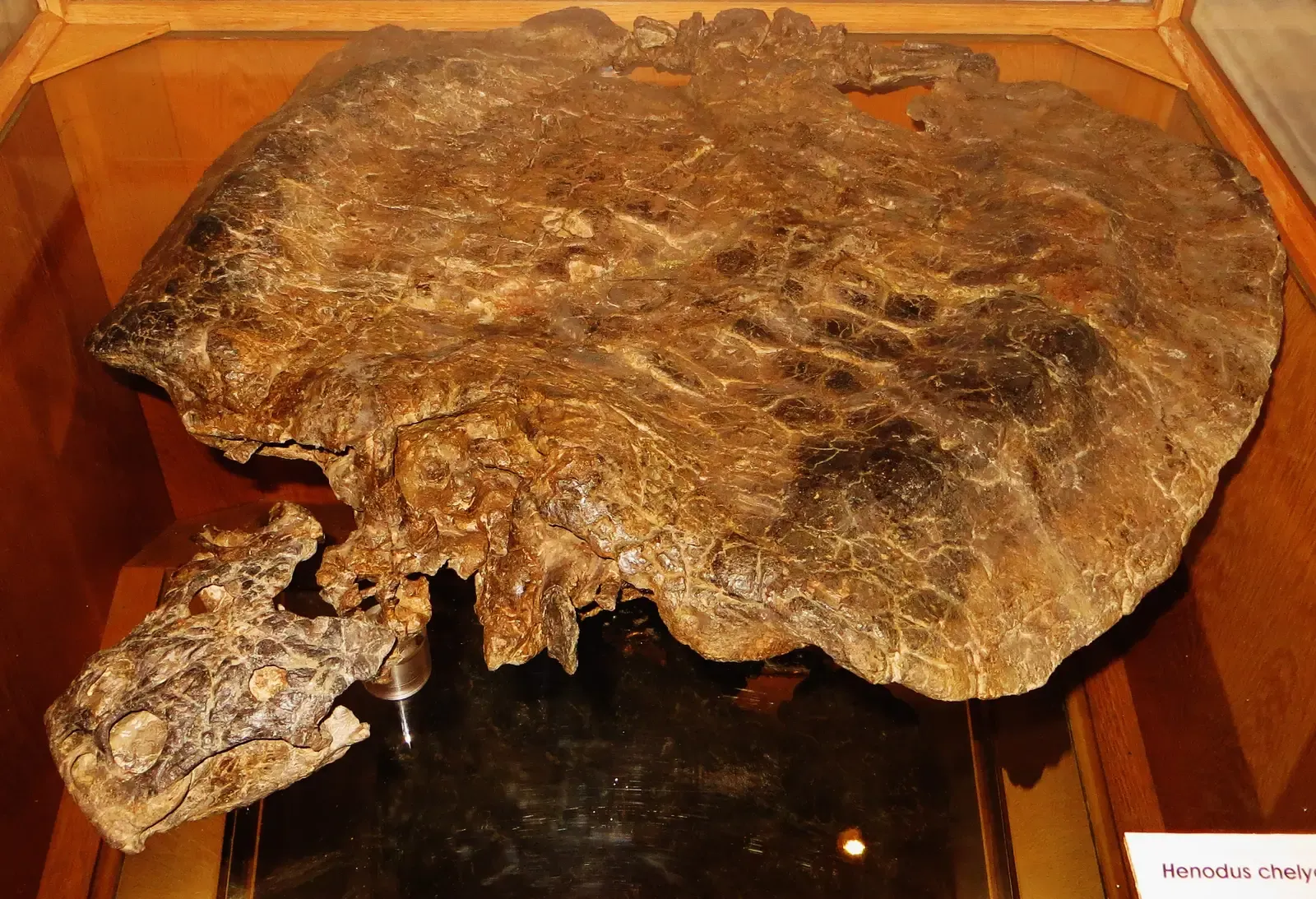
Henodus looks like something a concept artist might sketch as a joke and then quietly delete, only for nature to have already tried it millions of years earlier. This small marine reptile from the Triassic had a broad, flattened shell-like body and a peculiar, squared-off head with a beak-like mouth. It resembled a turtle at a quick glance, but its anatomy shows it belonged to a separate group of reptiles, and its bizarre skull hints at a highly specialized lifestyle that probably did not involve standard fish-hunting.
Instead of dramatic teeth and gaping jaws, Henodus likely fed in a much subtler way, perhaps sieving plant material or small particles from the water near shorelines or lagoons. Hollywood rarely spends big budgets on quiet, strange grazers, but animals like Henodus are a reminder that real evolution produces far more variety than just apex predators. There is something unexpectedly endearing, and slightly uncanny, about a reptile shaped like a floating shield with a boxy head, drifting through shallow waters like a living piece of alien hardware.
8. Kronosaurus: The Muscle-Bound Jaw From Your Nightmares
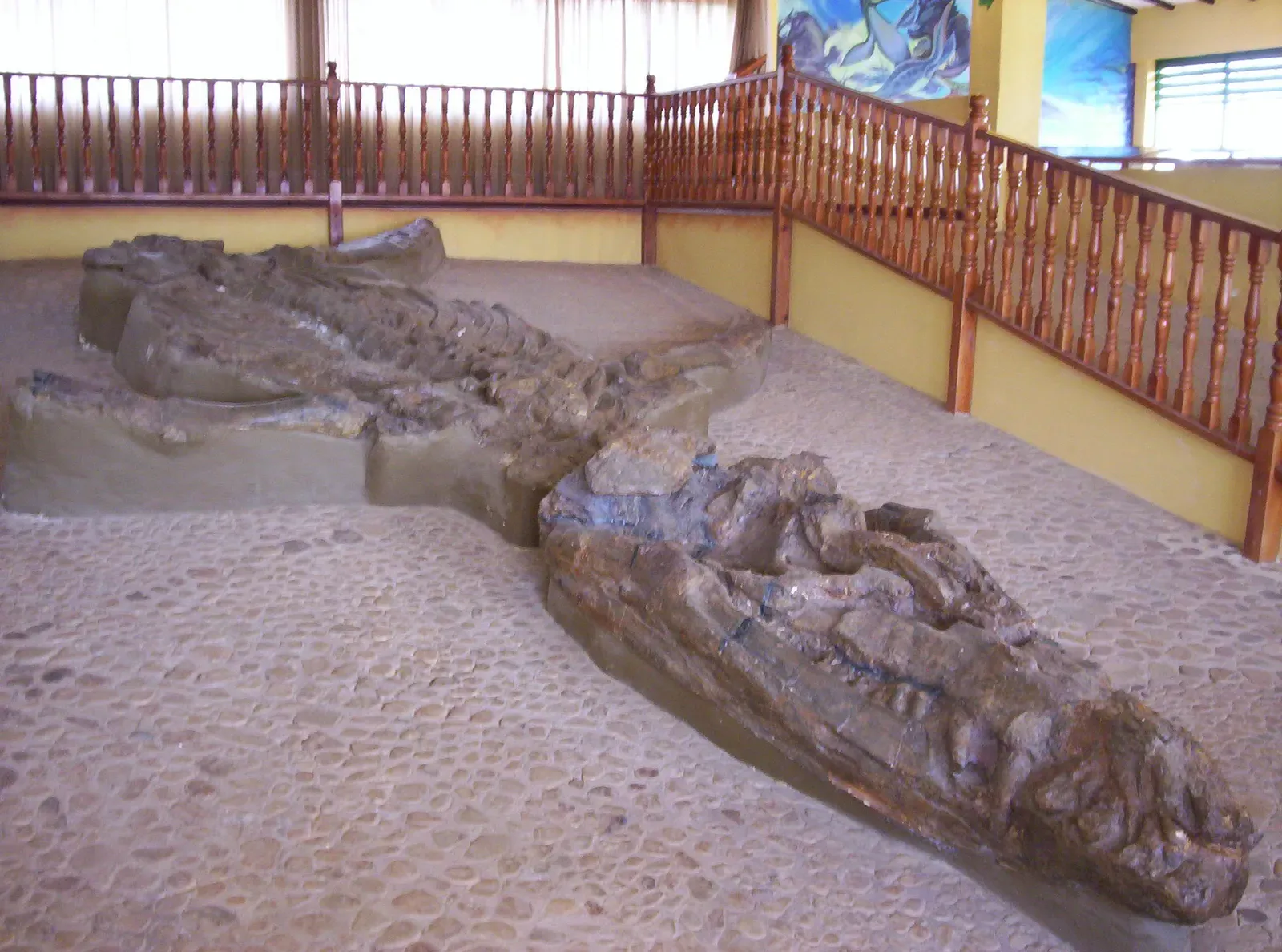
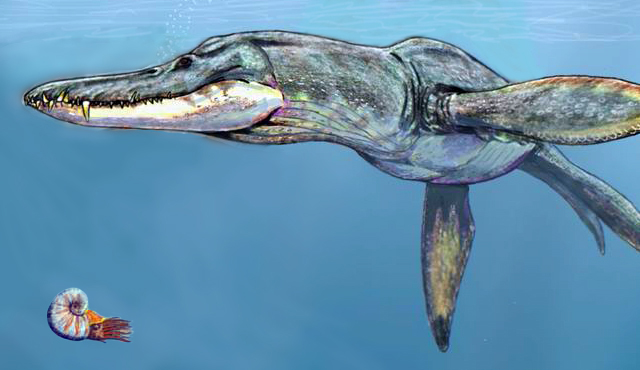
Kronosaurus is the sort of animal you could drop straight into a thriller, and people would accuse the filmmakers of going too far. This large pliosaur had a massive, blocky skull packed with long, conical teeth and a short, muscular neck attached to a powerful, barrel-shaped body. It was not the longest marine reptile, but pound for pound, it was one of the most intimidating, built more like a biological torpedo than a graceful cruiser.
Fossil evidence suggests Kronosaurus specialized in tackling sizable prey, possibly including other marine reptiles and large fish, relying on speed and brute force. Its jaws were like oversized bolt cutters, designed less for nibbling and more for seizing and wrenching apart struggling victims. Unlike many cinematic monsters that move clumsily for dramatic effect, Kronosaurus would have been an efficient, streamlined killer. There is no need to embellish it with fantasy features; reality, in this case, already reads like a nightmare storyboard.
Conclusion: When Reality Makes Fiction Look Tame
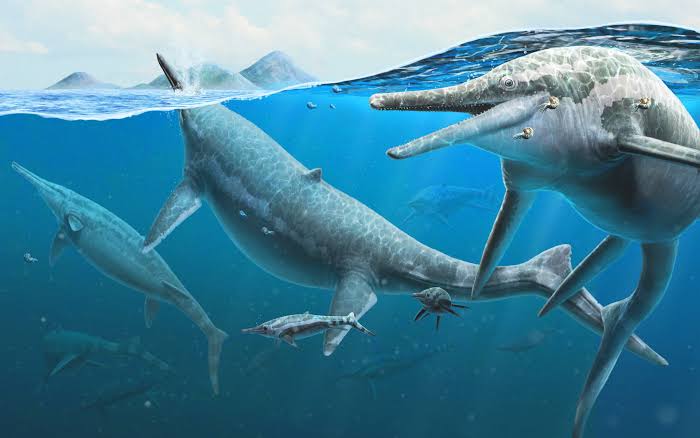
The more you look at real marine reptiles, the more Hollywood’s favorite sea monsters start to feel a bit predictable. Filmmakers often lean on oversized teeth, glowing eyes, and loud roars, but the actual ancient oceans were filled with weirder, subtler, and frankly more unsettling designs. Needle-headed hunters with endless necks, whale-sized reptiles that might have vacuumed up tiny prey, flat-shelled oddballs grazing in shallow waters: these are not just visual spectacles, they are deeply alien solutions to living and thriving in a harsh, three-dimensional world.
I find it oddly comforting, and a little humbling, that our wildest fictional creatures still struggle to match what evolution casually threw together hundreds of millions of years ago. It is a reminder that nature is both more inventive and more ruthless than any human storyteller. The next time a movie tries to scare you with a digital sea monster, it might be worth asking yourself which is stranger: the creature on the screen, or the very real fossils quietly sitting in museum drawers, waiting to rewrite our sense of what is possible?