
Have you ever sat across from someone who insists everything is fine, yet something about their presence screams otherwise? Maybe their smile feels forced, or their eyes refuse to meet yours. Our bodies are terrible liars, even when our words attempt perfection.
The emotional cost of surface acting means that small “leakages” of nonverbal stress will spill out, revealing what we try so desperately to hide. You might pride yourself on reading people well, yet there are moments when you catch only glimpses of what’s really happening beneath someone’s composed exterior. Understanding these silent signals can transform how you connect with others and even help you recognize when you’re the one wearing the mask. Let’s dive in.
Your Eyes Tell Stories You Never Meant to Share

When you’re wrestling with something internally, your eyes become unreliable accomplices. You might avoid someone’s gaze, glance around nervously, or stare intensely without blinking, all potential signs that you’re wrestling with something internally. Here’s the thing: maintaining natural eye contact requires emotional bandwidth you simply don’t have when you’re in turmoil.
Think about the last time you felt conflicted during a conversation. Where did your eyes go? Probably anywhere but toward the person in front of you. Avoiding eye contact is often a sign that someone is uncomfortable or trying to hide something, experiencing feelings they don’t want to share or perhaps aren’t ready to confront those emotions themselves. It’s one of the most universally recognized signals that something’s off, yet we often dismiss it in the moment.
Restless Movement and Fidgeting Reveal What Words Won’t

When someone is trying to hide their true feelings, they might become fidgety or restless, maybe starting to tap their foot or constantly adjust their clothes or hair. Your body craves an outlet for the tension brewing inside, so it finds small, repetitive movements to discharge that nervous energy.
This isn’t about being naturally energetic or fidgety by temperament. There’s a distinct difference between someone’s baseline movement and the kind of restlessness that emerges from . Watch for sudden changes in someone’s typical behavior. Someone who usually sits still might suddenly seem unable to keep their hands from moving, or they might repeatedly touch their face, neck, or jewelry without apparent awareness.
The Silence That Speaks Volumes

A normally chatty person who suddenly goes quiet deserves your attention. When people are hiding their true feelings, they might retreat into themselves, and if someone who’s normally talkative suddenly turns quiet, it might be a sign that they’re wrestling with something internally. Silence becomes a protective shield, keeping others at a safe distance from the chaos within.
Unusual silence can be a sign of internal struggle, a sign that someone is holding back their true feelings, so if a conversation feels oddly punctuated with silence, pay attention. These pauses feel different from comfortable silence. They’re loaded, heavy with unspoken weight. You can almost feel the words they’re swallowing, the thoughts they’re censoring in real time.
Defensive Postures Your Body Adopts Without Permission

Body language can be a powerful indicator of someone’s emotional state, and when a person is feeling defensive or closed off, they often unconsciously cross their arms or legs. You’ve probably done this yourself without even realizing it during difficult conversations. Your body literally creates physical barriers between you and the perceived source of discomfort.
These closed-off postures aren’t always dramatic. Sometimes it’s as subtle as angling your body away from someone, or creating extra distance where normally there would be none. Watch for changes in how close someone stands to you, or how they orient themselves in a room. When you’re dealing with about someone or something, your body instinctively tries to protect you by creating space.
Emotional Reactions That Don’t Match the Moment

People hiding serious struggles often have emotional reactions that seem out of proportion to what’s happening around them, getting unusually upset about minor inconveniences or seeming completely unmoved by things that should matter. This emotional mismatch is one of the most revealing non-verbal cues because it breaks the expected pattern.
You might watch someone laugh too hard at a mediocre joke, or barely react to genuinely significant news. They might get unusually upset about minor inconveniences, or they might seem completely unmoved by things that should be significant. The internal conflict is consuming so much of their emotional resources that their external responses become unpredictable and disproportionate. It’s honestly one of the clearer signs once you know to look for it.
Physical Presence Without Mental Attendance

If someone looks like they’re “there but not there,” mentally absent or emotionally flat, it’s often a sign their internal world is heavier than they can carry alone. You’ve probably experienced this yourself, sitting in a meeting or at dinner while your mind circles endlessly around an unresolved problem. Your body occupies the space, but you’re fundamentally absent.
This disconnection shows up in delayed responses, blank stares that need to be broken by repeating someone’s name, or that particular glazed look that suggests they’re miles away despite sitting right next to you. People who are trying to hide their true feelings often have a lot going on in their minds, and this internal struggle can make them seem distracted or distant. The mental bandwidth required to manage leaves little room for genuine presence in the moment.
Subject Changes That Feel Just a Bit Too Smooth
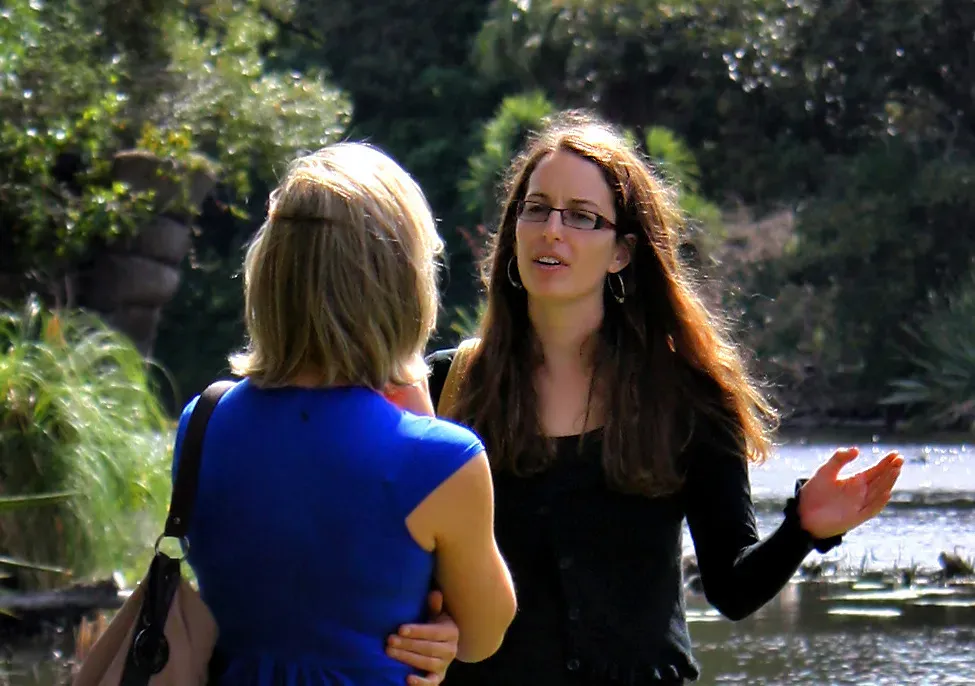
People who are hiding their true feelings often become experts at changing the subject swiftly as their way of avoiding uncomfortable topics that might force them to confront or reveal their hidden emotions, so if you notice someone consistently steering conversations away from certain subjects, they might be hiding their true feelings about those topics. This conversational maneuvering becomes almost an art form for those managing inner turmoil.
Pay attention to the flow of conversation. Does someone consistently redirect when certain topics arise? Maybe they suddenly remember a story about something completely unrelated, or they ask you a question that shifts focus back to you. These pivots might seem natural in isolation, but patterns emerge when you’re dealing with someone navigating internal conflict about specific issues or emotions.
The Forced Cheerfulness That Rings False

By appearing overly cheerful, they deflect attention away from their internal struggles because it’s easier to laugh off a problem than to admit they’re hurting. This exaggerated positivity serves as armor, protecting them from questions they’re not ready to answer or emotions they’re not prepared to face.
According to research in emotional regulation, this is called “surface acting,” when someone displays emotions they don’t actually feel, and it’s exhausting. You can often sense the strain beneath the performance. The smile doesn’t quite reach their eyes, or their laughter feels performative rather than genuine. Not every cheerful person is hiding emotional pain, but if you notice someone who’s constantly upbeat, despite facing hardships or going through tough times, it might be a sign that they’re concealing their true feelings. The disconnect between their circumstances and their emotional display creates that subtle sense that something’s off, even if you can’t immediately pinpoint what.
Recognizing the Silent Struggles Around You

Learning to read these non-verbal cues isn’t about becoming suspicious of everyone around you. It’s about developing the awareness to see beyond the masks we all wear at times. It’s common for people to either hide or fake their true feelings, particularly under certain circumstances, so you’re not always getting an honest view of a person’s true emotional state. That knowledge can transform how you approach relationships and conversations.
These signals matter because they reveal when someone might need support, even if they’re not asking for it directly. is exhausting, and carrying it alone makes it heavier. Sometimes just acknowledging what you’re observing, gently and without judgment, can open doors that seemed permanently closed. The next time you notice these cues in someone you care about, consider reaching out with genuine curiosity rather than assumptions. What patterns have you noticed in your own life when you’ve been the one hiding inner turmoil? Did anyone pick up on your silent signals?