We live in a world where sharing has become automatic. You post where you eat lunch, you check in when you travel, you update your relationship status before your family even knows. It’s become so normal that half the time, you probably don’t even stop to think about who might be watching or what they might do with that information.
Here’s the thing, though. While being open and authentic online has its place, there’s a line between sharing your life and exposing yourself to real danger. That line gets crossed more often than you’d think, especially by women who are disproportionately targeted for harassment, stalking, and worse. Let me walk you through what should stay private, not because you’re paranoid, but because you’re smart.
Your Exact Home Address or Neighborhood Details

Your home address should never be shared widely with others online because sharing personal information will give someone access to know where you live, which could put you at great risk. Think about every photo you post. Is there a street sign in the background? Can someone spot your house number on that cute front porch selfie? These little details add up faster than you’d imagine.
Exposing personal details about where you live and where you enjoy spending time can be dangerous. Even mentioning your favorite coffee shop or gym by name, especially if you’re there every Tuesday morning like clockwork, creates a pattern someone could exploit. It’s not about living in fear. It’s about being strategic with what the internet knows about where you lay your head at night.
Your Real Time Location or Travel Plans
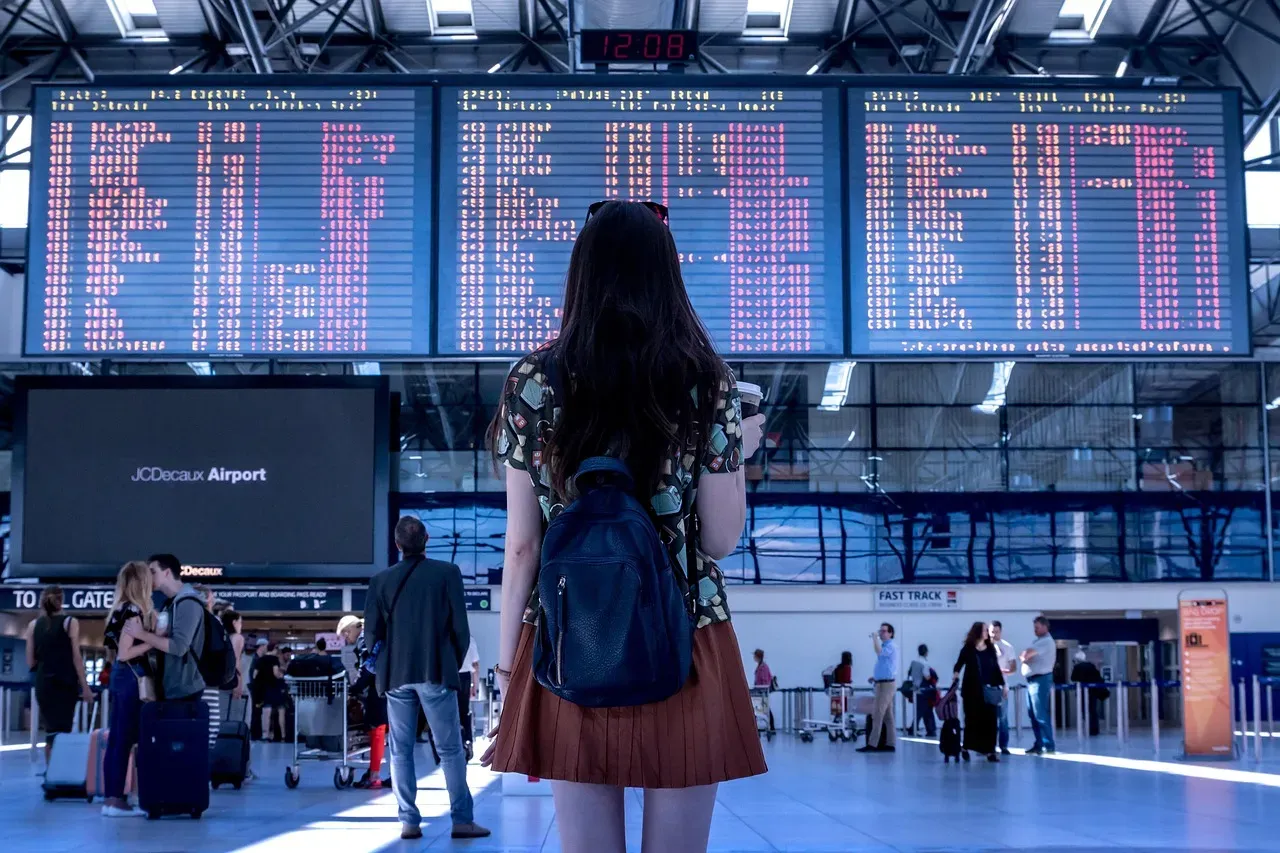
One of the most important things as a woman online is to avoid sharing your location, even accidentally, by disabling geolocation settings and turning off location services when using social media apps to prevent geolocation tracking. Broadcasting that you’re on vacation might seem harmless, or even brag worthy, yet it’s basically announcing that your home is empty. Burglars scroll social media too.
Digital photos often contain hidden metadata that can include the exact GPS coordinates where the photo was taken. Even if you think you’re being careful, your phone might be tattling on you through photo metadata. Most people have no idea their vacation pics are embedding their exact location into every image. Turn off geotagging in your camera settings, seriously.
Financial Information and Account Details
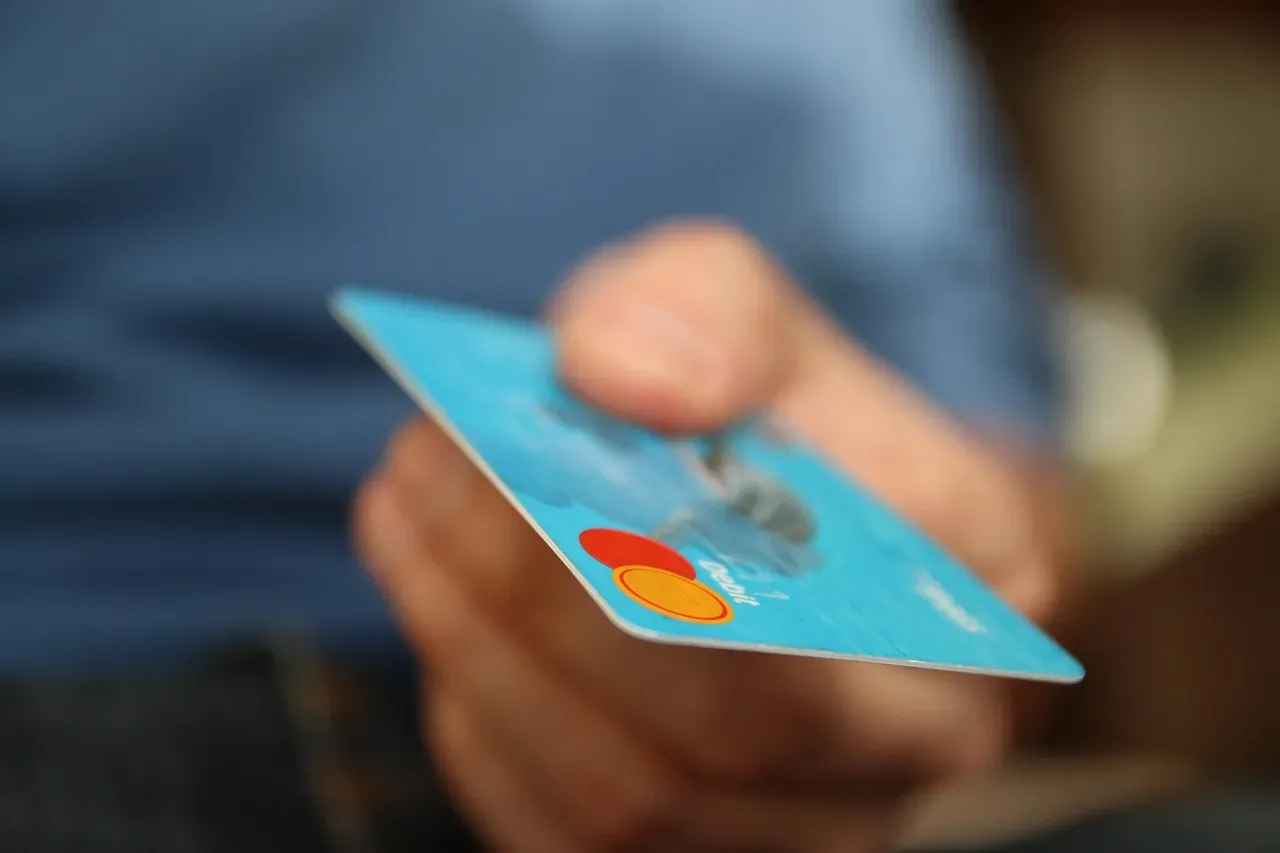
It’s crucial to keep financial information private, and even well meaning people can accidentally misuse the access, and in worst case scenarios, it opens the door to serious breaches of privacy, identity theft or loss of control over your personal accounts. Never, and I mean never, share your banking details, even with friends who want to borrow your streaming account or split a bill in some sketchy way.
When you share personal information such as your full name, date of birth, address, or phone number, you make it easier for identity thieves to access your accounts and steal your identity. The combination of small details, like your birthday plus your mother’s maiden name (which you might have mentioned in a throwback post), gives hackers exactly what they need to answer security questions. Keep your financial world locked down tight.
Passwords and Security Question Answers
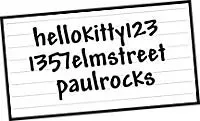
You’d think this one is obvious, yet here we are. You should enable two factor authentication, review privacy settings, and check your devices for spyware or tracking apps. Your passwords are the front door to your entire digital life, and way too many people use the same password everywhere or share it with partners during relationships that might not last.
Security questions are another weak spot most people ignore. If you’ve posted about your first pet, your high school mascot, or the street you grew up on, you’ve basically handed over the keys to anyone paying attention. Make up fake answers to security questions if you have to. Nobody needs to crack your accounts because you overshared about Fluffy the childhood cat.
Your Daily Routines and Schedules
Posting your daily routine to inadvertently revealing sensitive data such as your home address, financial details, or real time location makes you vulnerable because each seemingly harmless post adds to your digital footprint. When you post about your morning jog route, your Thursday yoga class, or when you drop your kids at school, you’re creating a predictable pattern that someone with bad intentions could easily track.
It might feel like you’re just sharing your healthy lifestyle or connecting with other moms online, honestly, nobody needs to know your exact schedule. Mix up what you share, or better yet, post about your routine after it happens, not before or during. That way, you’re still authentic without telegraphing your movements to potential stalkers or worse.
Intimate Photos and Private Relationship Details
Be cautious about the photos and personal information you share on social media or with others because even sharing intimate images with a trusted partner or friend could lead to future misuse if relationships turn sour. Revenge porn is a real and devastating issue, and once those images are out there, getting them back is nearly impossible.
Sharing private images without consent, or creating AI generated sexual content through morphing, splicing, or superimposing photographs and videos to create deepfakes are sometimes called revenge porn. The technology has made it even easier for abusers to manipulate images. Trust your gut on this one. If you feel even slightly uncomfortable sharing something, don’t. Your private moments should stay exactly that, private.
Your Full Name Combined With Other Identifying Details
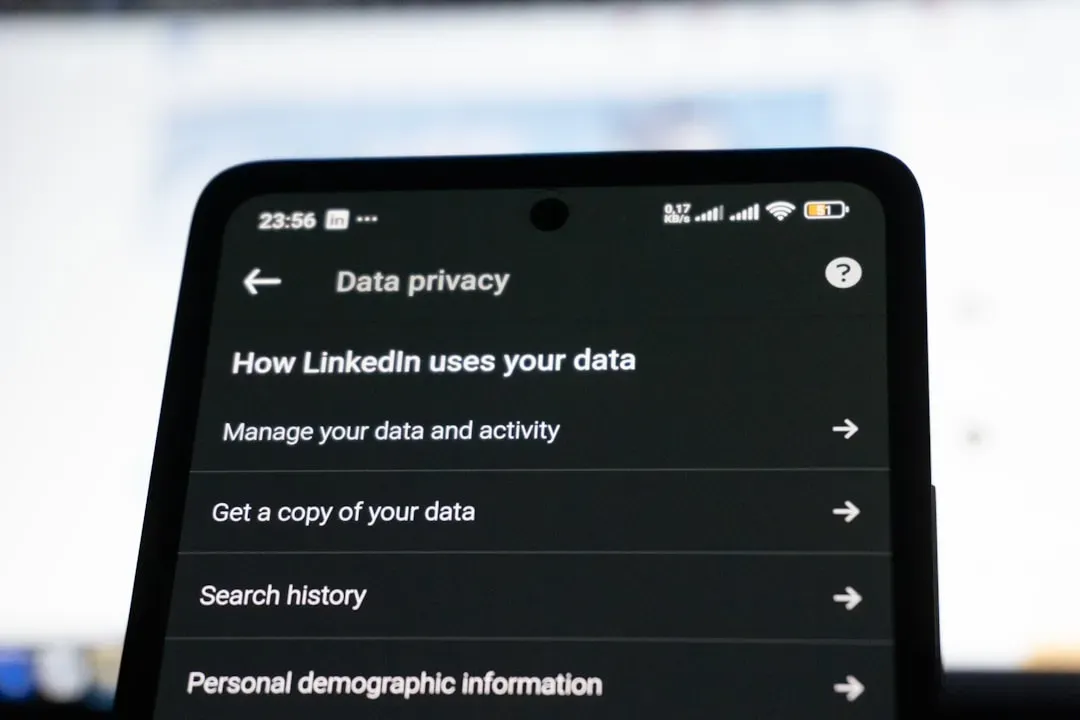
Information like your full name, your personal phone number, or specific plans need a higher trust threshold, and once you share it, they can potentially look you up much more easily. Using your full legal name on every platform might seem normal, yet when combined with your workplace, your birthday, or your hometown, you’ve basically created a complete dossier on yourself.
Think about what a stranger could piece together from your various profiles. Your LinkedIn shows where you work. Your Instagram has your full name and hometown. Your Facebook mentions your kids’ school. Separately, these might seem fine, yet together, they paint a very detailed picture. Use nicknames when you can, and keep different platforms siloed from each other so the full picture of your life isn’t available to anyone with ten minutes and a search engine.
Mental Health Details and Personal Vulnerabilities
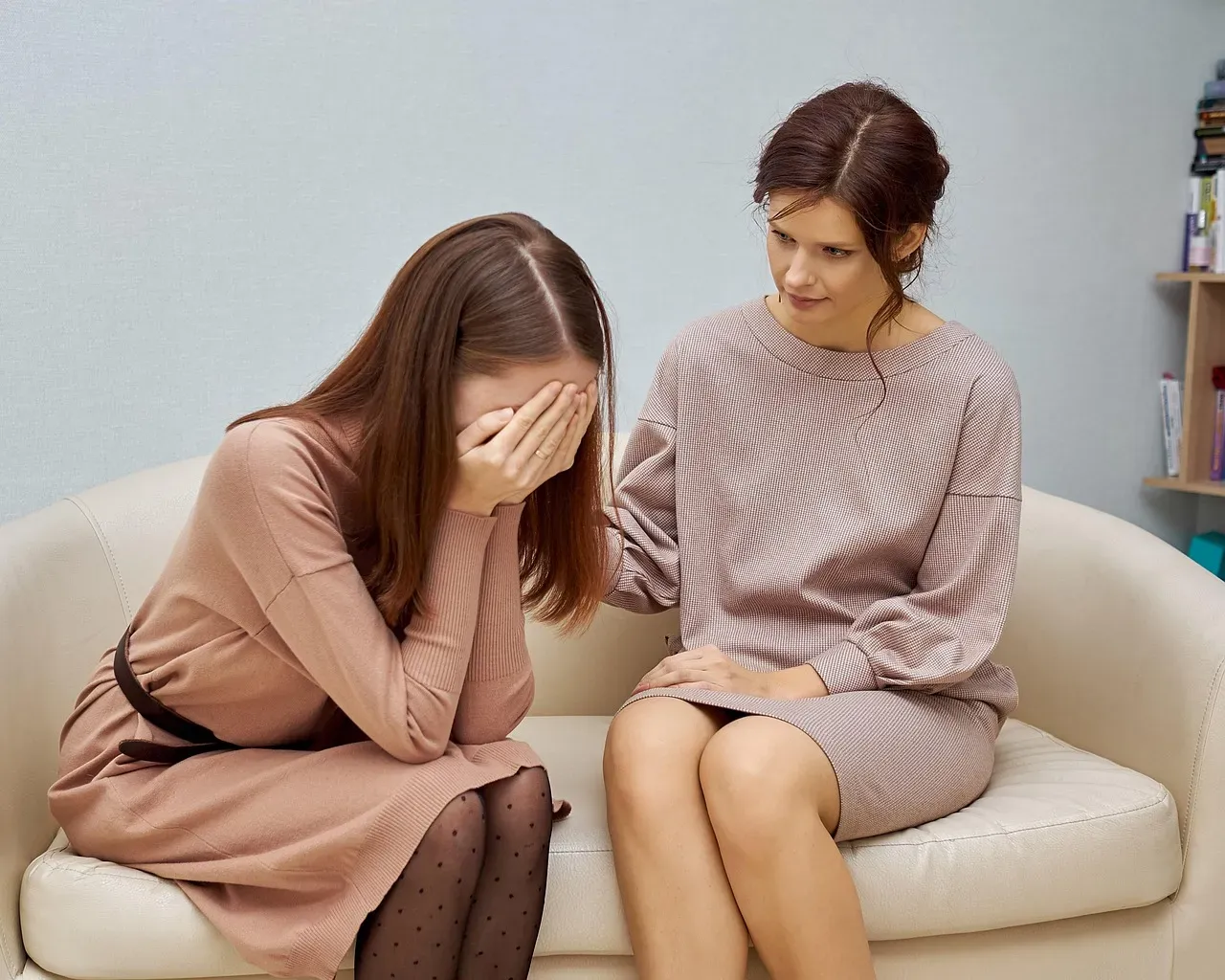
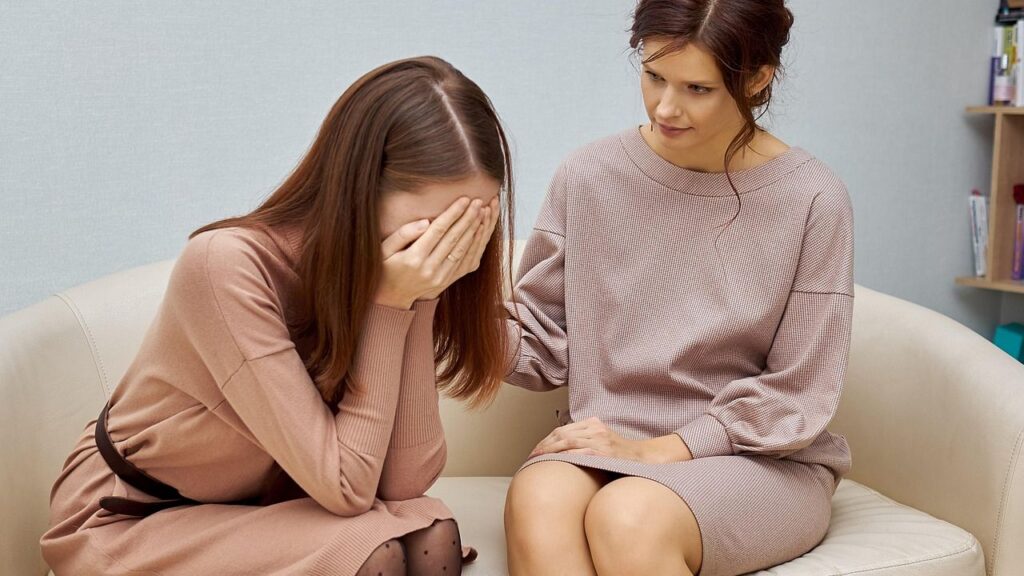
While people are opening up more about their mental health history, which has helped chip away at the stigma surrounding getting help, this information is still highly personal, and it’s essential to be mindful of who you share it with. There’s a difference between advocating for mental health awareness and revealing every detail of your therapy sessions or medications to the internet at large.
It is important to understand what to keep private because it protects your safety, preserves your dignity and helps to maintain healthy boundaries in relationships, and sharing too much with the wrong person or in the wrong setting can lead to emotional harm, loss of trust or even exploitation. Your vulnerabilities can be weaponized by manipulative people, whether in your personal life or online. Share your journey in ways that feel empowering without giving away information that could be used against you later, in a job interview, a custody battle, or by someone who wants to hurt you.
Conclusion
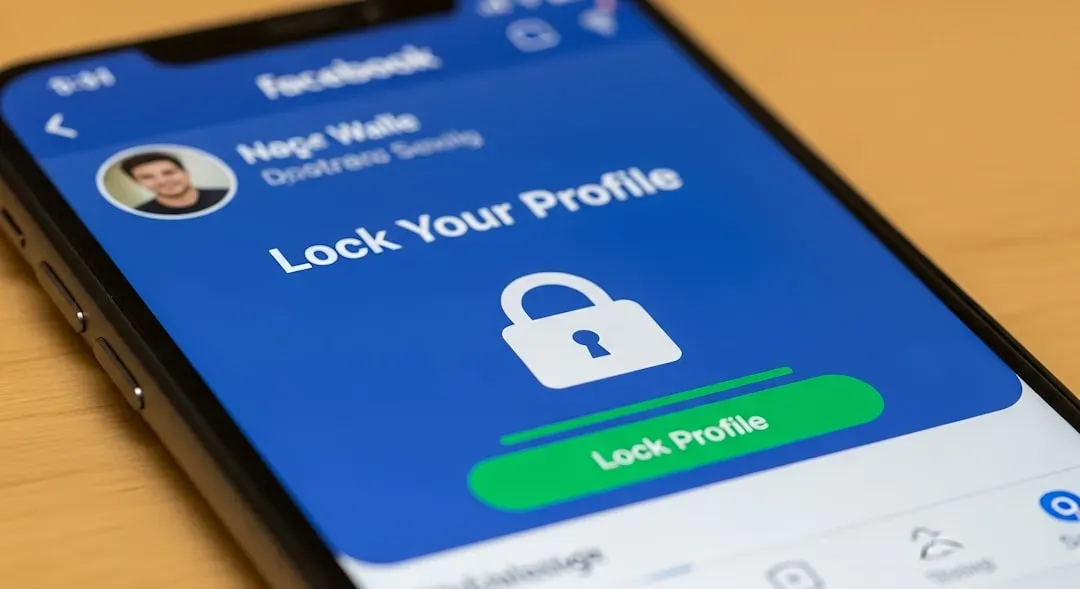
Look, I’m not suggesting you delete all your social media and live off the grid. Connection is important, and sharing parts of your life can be meaningful and even necessary. The goal here isn’t to make you paranoid. It’s to make you aware. Once you share information about yourself, you cannot take it back, and you lose control over what happens to that information.
Every time you’re about to post, ask yourself who might see this and what they could do with it. Think about whether future you would thank present you for keeping that detail private. Your safety, your peace of mind, and your privacy are worth more than likes, comments, or the fleeting validation of strangers online. What information do you think women most often overlook when it comes to privacy? Share your thoughts in the comments below.