So many people think they know prehistoric animals because they have seen a handful of blockbuster movies. A T. rex roars on cue, a pterosaur snatches a person off a beach, and some random giant “croc” lurks in the background waiting to be a jump scare. It is entertaining, sure, but it quietly flattens millions of years of evolution into a couple of lazy stereotypes: mindless killer, flappy dragon, generic swamp monster.
What gets me is how much more interesting the real animals actually were. Fossils tell stories of social lives, feathers, weird beaks, strange armor, and ecosystems that worked very differently from the ones we see today. When you dig into the science, you start to realize that a lot of movie portrayals are not just wrong, they are kind of insulting to the creatures themselves. Let’s give eight of them the reputation they actually earned.
1. Velociraptor: Not The Naked, Human-Sized Movie Villain
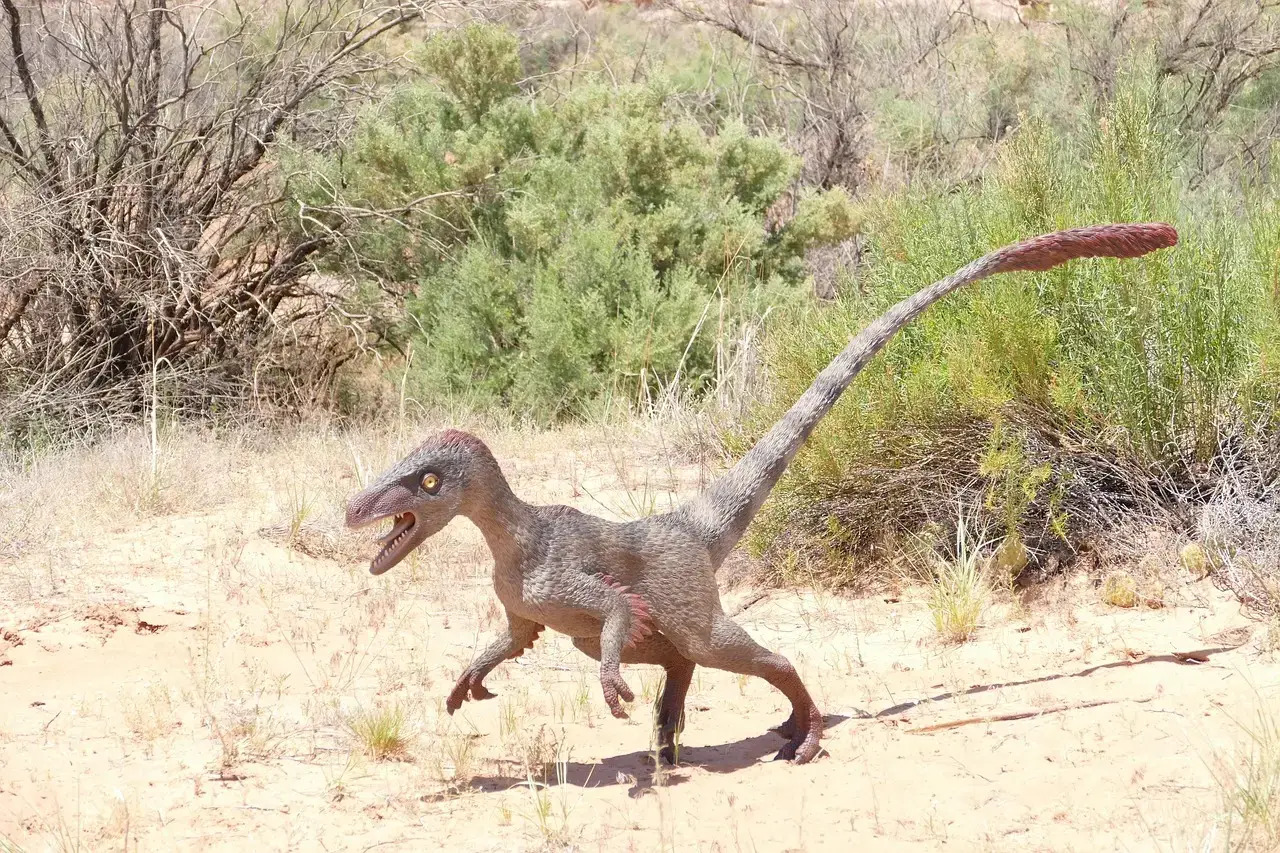
Velociraptor has probably suffered the worst identity theft in pop culture. On screen it is often human‑sized, scaly, door‑opening and packed with almost supernatural intelligence. The real Velociraptor was closer in size to a big turkey, and almost certainly covered in feathers, with a long, stiff tail and wings on its arms that it could not fly with but probably used for balance or display. Once you picture a feathered, roughly waist‑high animal instead of a human‑level monster, the whole vibe changes.
That does not mean it was harmless, though, and this is where movies actually sell it short. Fossils show curved, razor‑edged claws and lightweight, bird‑like bones built for speed and agility. One famous fossil preserves a Velociraptor locked in combat with a Protoceratops, both animals dying mid‑fight, which suggests bold behavior rather than sneaky horror‑movie stalking. Instead of a reptilian movie monster, think of Velociraptor as a hyperactive, ground‑dwelling predator somewhere between a hawk and a wolf in attitude, just wrapped in feathers instead of fur.
2. Triceratops: More Than A Disposable T. Rex Punching Bag
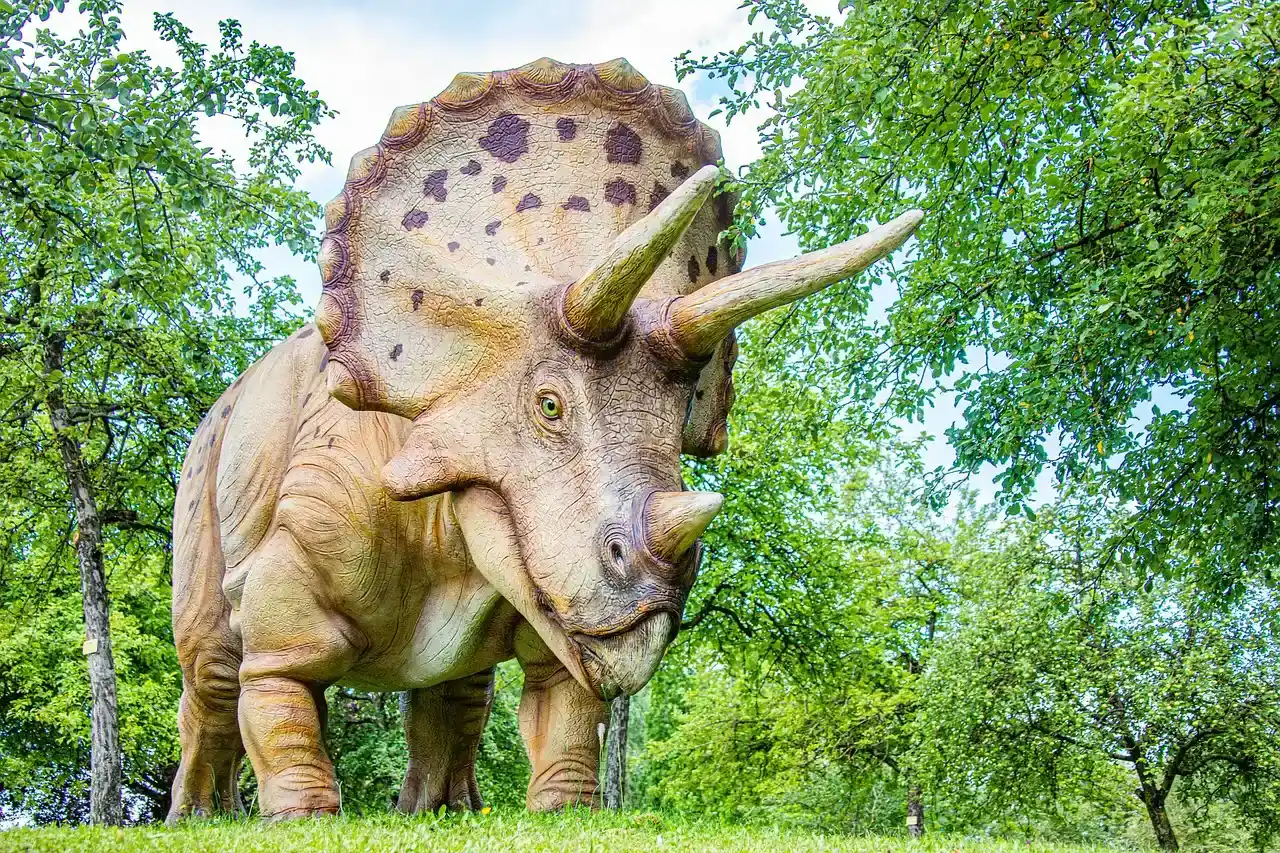
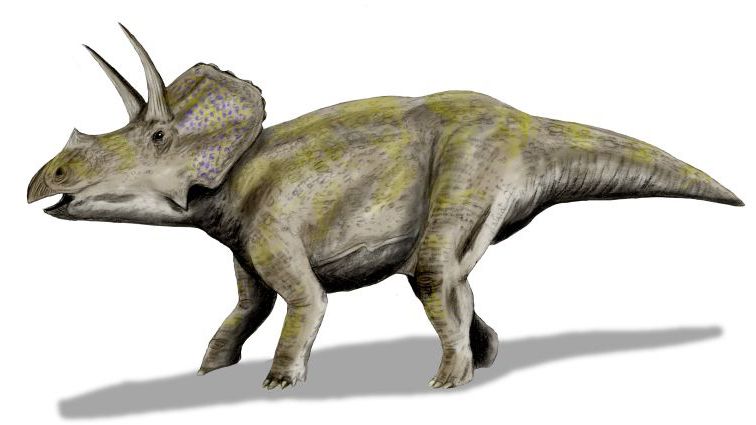
Movies love using Triceratops as background decoration or as a doomed opponent whose only job is to be dramatically chomped by a tyrannosaur. In reality, this animal was a tank with legs. Its skull could be nearly as long as an adult human is tall, with a massive bony frill that anchored strong neck muscles. Those facial horns were not just pretty ornaments; they were solid bone structures that could have delivered devastating blows when the animal charged or wrestled with an attacker.
There is also growing evidence that Triceratops was not just a solitary plodder. Related ceratopsians show signs of group living, and the detailed wear patterns on their horns suggest repeated use in horn‑locking behavior, either for defense or for fighting members of their own species. Instead of picturing a slow, helpless herbivore waiting to be eaten, imagine a herd of heavy, horned animals with complex social interactions, squaring off against each other in dust‑kicking confrontations. A healthy adult Triceratops was probably one of the worst targets a predator could pick.
3. Pteranodon: Not A Reptile Version Of A Bald Eagle
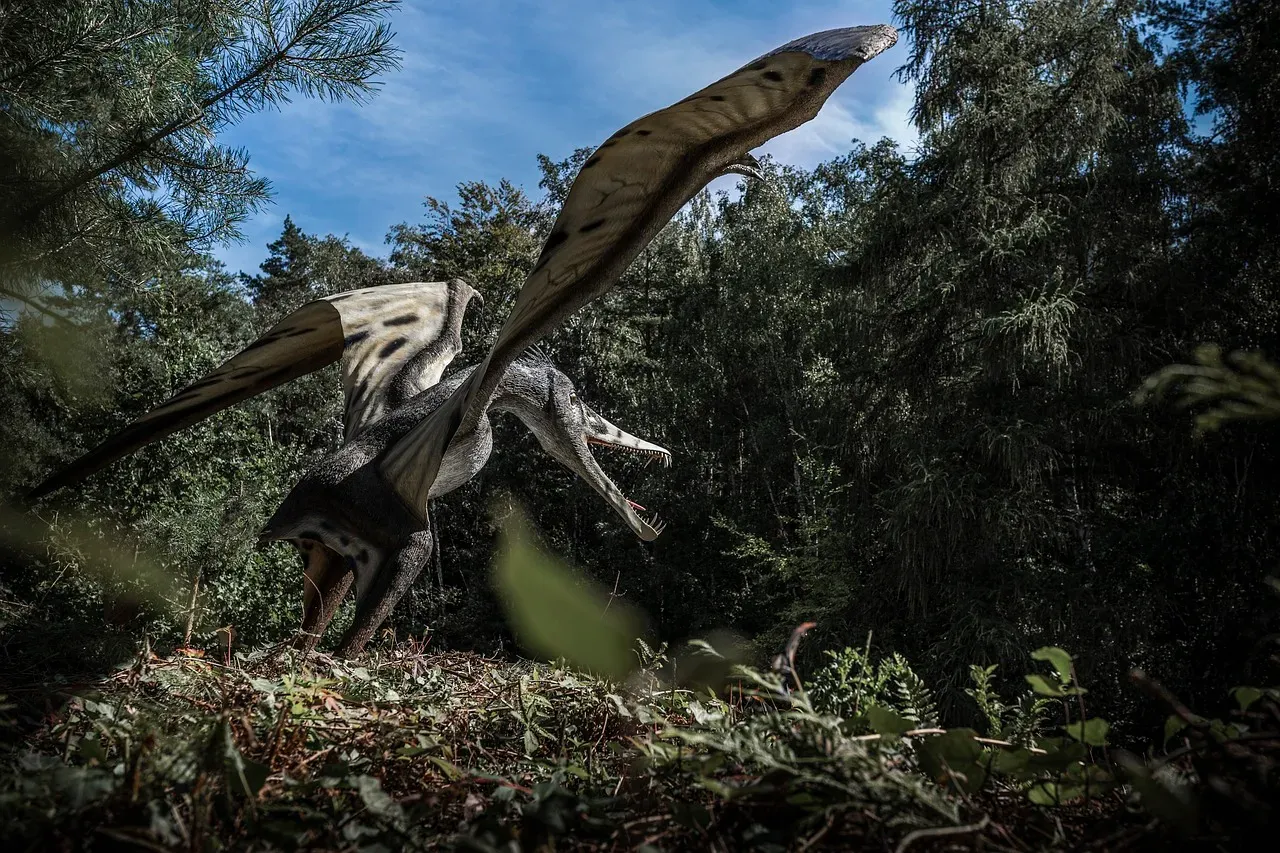
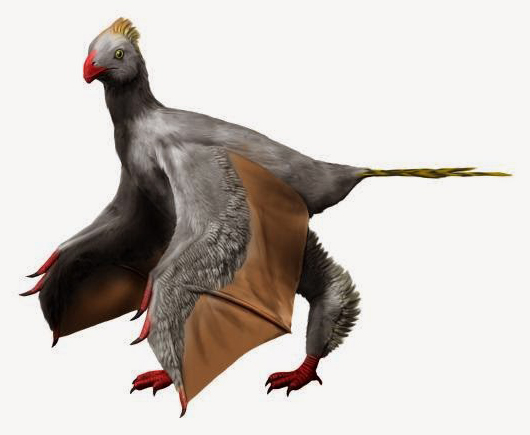
On screen, Pteranodon is usually shown as a scaled‑up eagle with bat wings, grabbing screaming people in its talons and flapping off into the sunset. The real animal could not do most of that simply because its anatomy does not match the script. It had no grasping feet like a hawk; its feet were more like those of a wading bird, better for standing and walking than for carrying heavy, struggling prey. Its wings were not bare, leathery sheets either, but complex structures of skin and fibers that probably had a fuzzy coating and were supported by a single elongated finger.
Scientifically, Pteranodon looks more like an ocean‑gliding specialist than an aerial kidnapper. With its huge wingspan and toothless beak, many researchers think it soared over prehistoric seas, catching fish near the surface and maybe resting on the water like an oversized seabird. Some fossils show body proportions suggesting efficient long‑distance flight rather than frantic flapping. Instead of a flying movie monster, picture a strange, elegant mash‑up of albatross and pelican, riding warm air currents and skimming waves in a world with no humans to pluck from the shore.
4. Spinosaurus: More Than A Wet, Angry T. Rex Clone
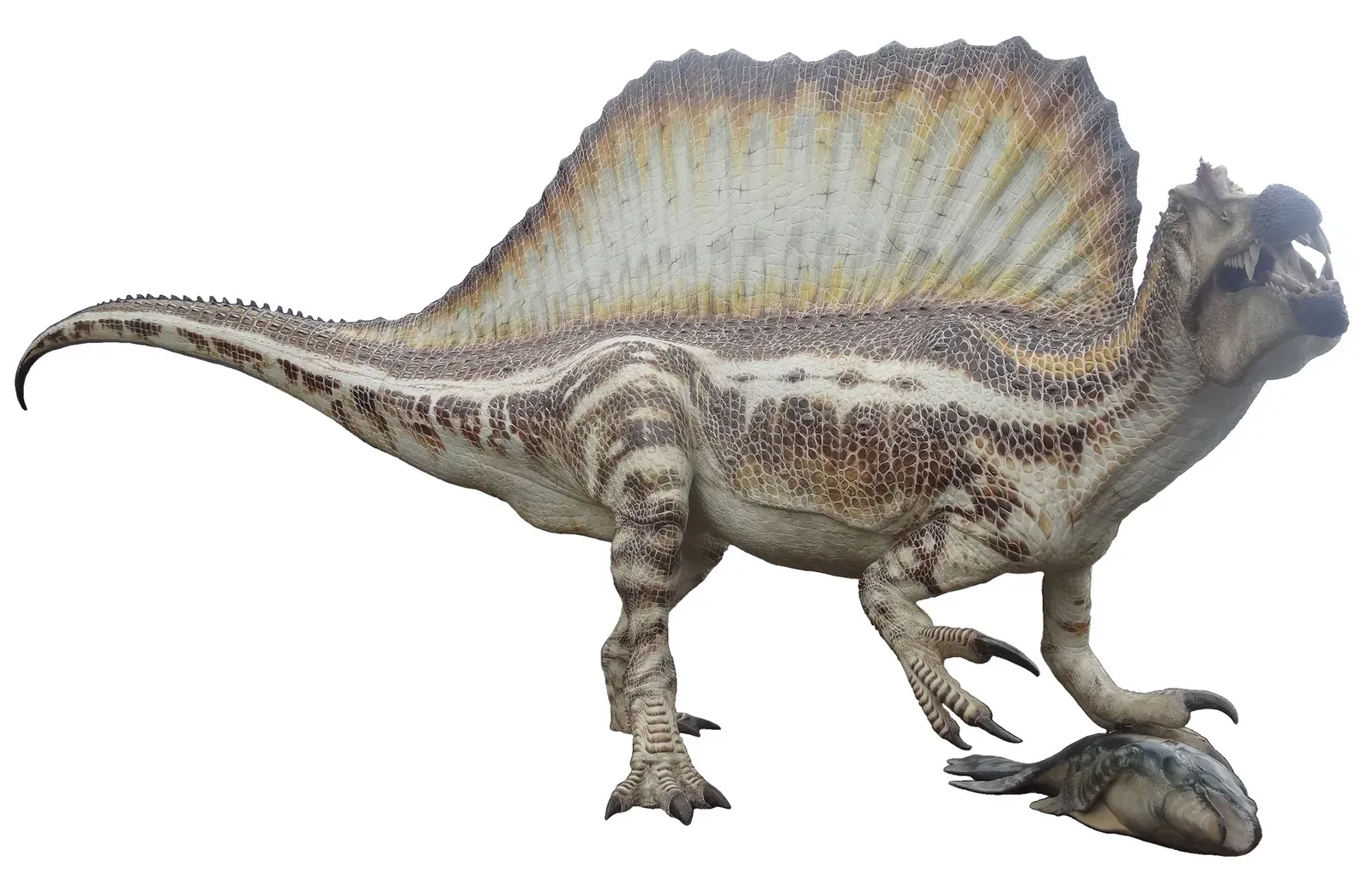
Spinosaurus gets treated in many films and games as a slightly weirder, meaner T. rex that just happens to like water. The current scientific picture is far stranger and more interesting. Its long, crocodile‑like snout was filled with conical teeth ideal for gripping slippery prey, and its skull had pressure‑sensing structures that look very similar to those in modern crocodilians. That hints strongly at a lifestyle focused on sensing and hunting prey in water rather than strictly on land.
Its body plan was also not a simple tyrannosaur copy‑and‑paste. Spinosaurus seems to have had relatively short hind limbs compared to other large theropods, a powerful tail that may have helped it paddle, and that iconic sail of elongated spines on its back whose exact function is still debated. Between the tail shape, leg proportions, and skull design, a lot of paleontologists now view it as at least semi‑aquatic, perhaps spending much of its time in rivers and lagoons. It was less the classic land‑stalking apex predator of movies and more a bizarre, specialized river giant, playing a role that almost no large land animal fills today.
5. Mosasaurus: Not Just A Mindless Ocean Jaws
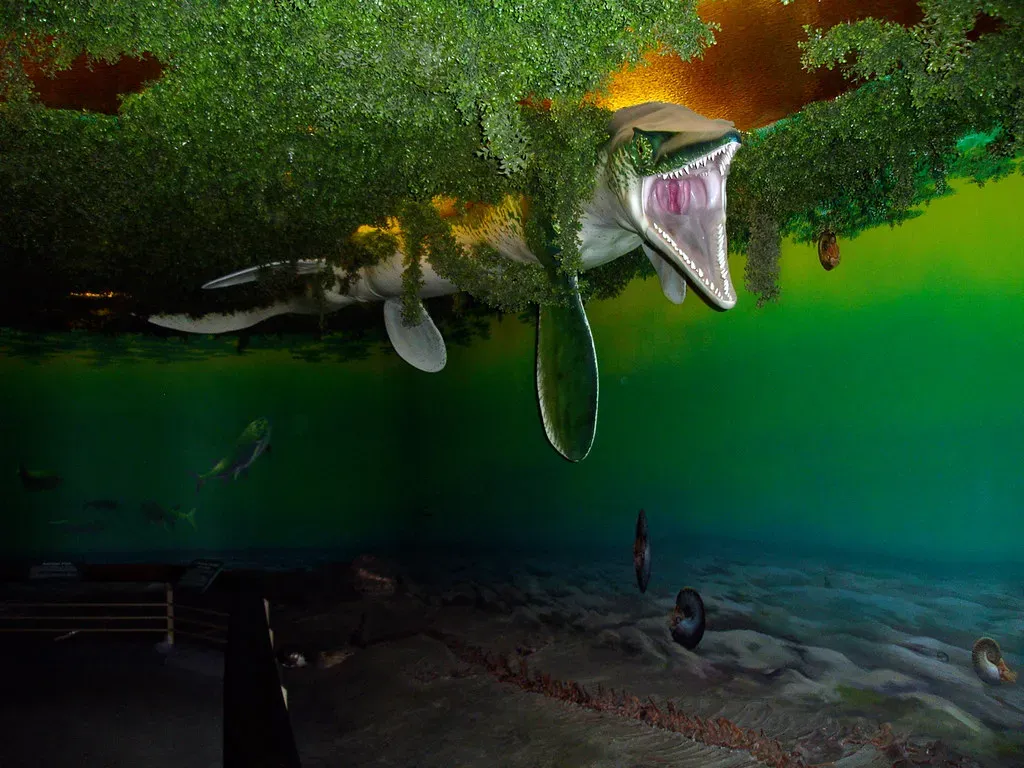
Modern films often recycle Mosasaurus as a simple underwater version of a movie shark: big, hungry, and roaring out of nowhere to swallow something important. The truth is more nuanced and honestly more chilling. Mosasaurs were fully marine lizards, related distantly to modern snakes and monitor lizards, and they filled a whole range of roles in ancient oceans. Some species were moderate in size and probably fed on fish and smaller marine animals, while the bigger ones at the top of the food web likely tackled large fish, turtles, and other marine reptiles.
They were not crude torpedoes with teeth. Their skulls had flexible joints that allowed them to manipulate prey, and their bodies combined strong tails with flipper‑like limbs that made them agile swimmers rather than stiff, straight‑line missiles. Tooth wear and fossil gut contents suggest they did not just go after one kind of prey, but had diverse diets depending on the species and ecosystem. Instead of thinking of Mosasaurus as a single jump‑scare monster, picture a whole family of sea reptiles occupying different niches, from mid‑level hunters to true ocean super‑predators, each tuned to a particular way of life.
6. Ankylosaurus: The Walking Tank With A Brain
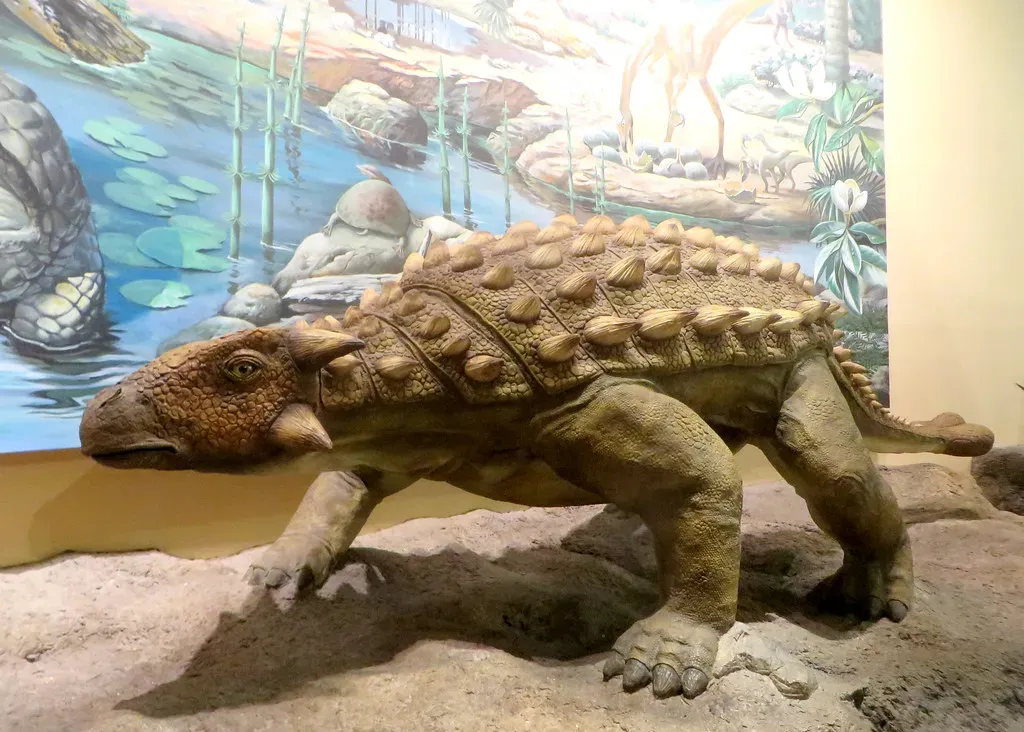
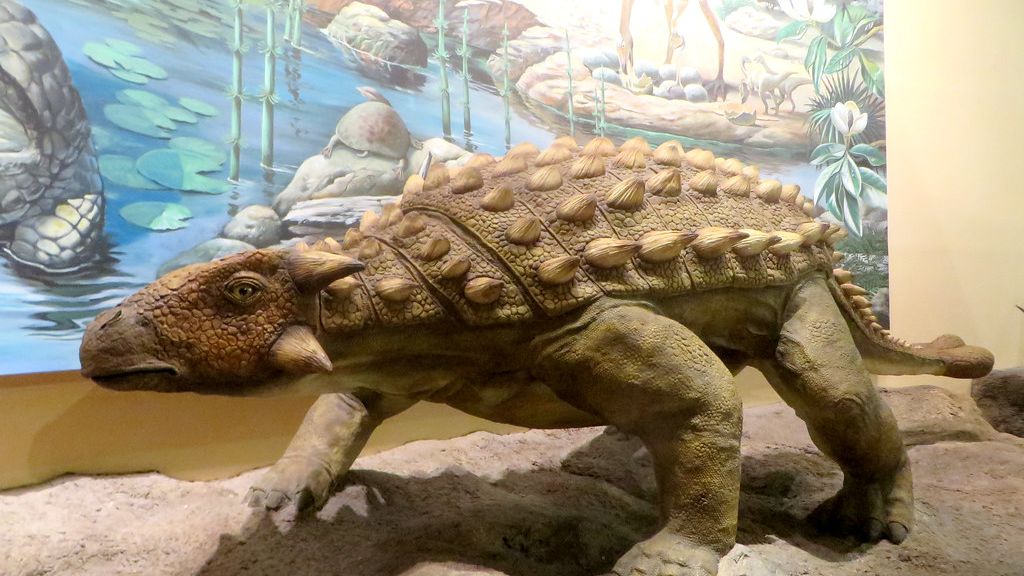
In a lot of visual media, Ankylosaurus shuffles through scenes like a slow, living roadblock, occasionally swinging its tail club only when provoked by something with sharp teeth. That portrayal ignores just how sophisticated this animal’s defenses were. Its entire back and flanks were covered in bony plates and knobs embedded in the skin, creating a kind of natural armor that would have been extremely difficult for even a large predator to penetrate. The massive tail club at the end of a reinforced tail was not just for show; modeling studies suggest a well‑placed hit could seriously injure or even break the leg of a chasing carnivore.
But Ankylosaurus was not just defense on legs. The layout of its armor hints that the plates might have played multiple roles, possibly including visual display or even some help with body temperature. Its low‑slung body and powerful limbs show it was built to push through dense vegetation, and its beak and teeth were adapted for cropping tough plant material. Far from being a passive victim, this was an animal that combined heavy protection with an offensive weapon and a specialized feeding strategy. If anything, movie depictions underplay how dangerous a fully grown Ankylosaurus would have been to anything foolish enough to attack it.
7. Stegosaurus: Not A Dimwitted Dinosaur With A Spare “Butt Brain”
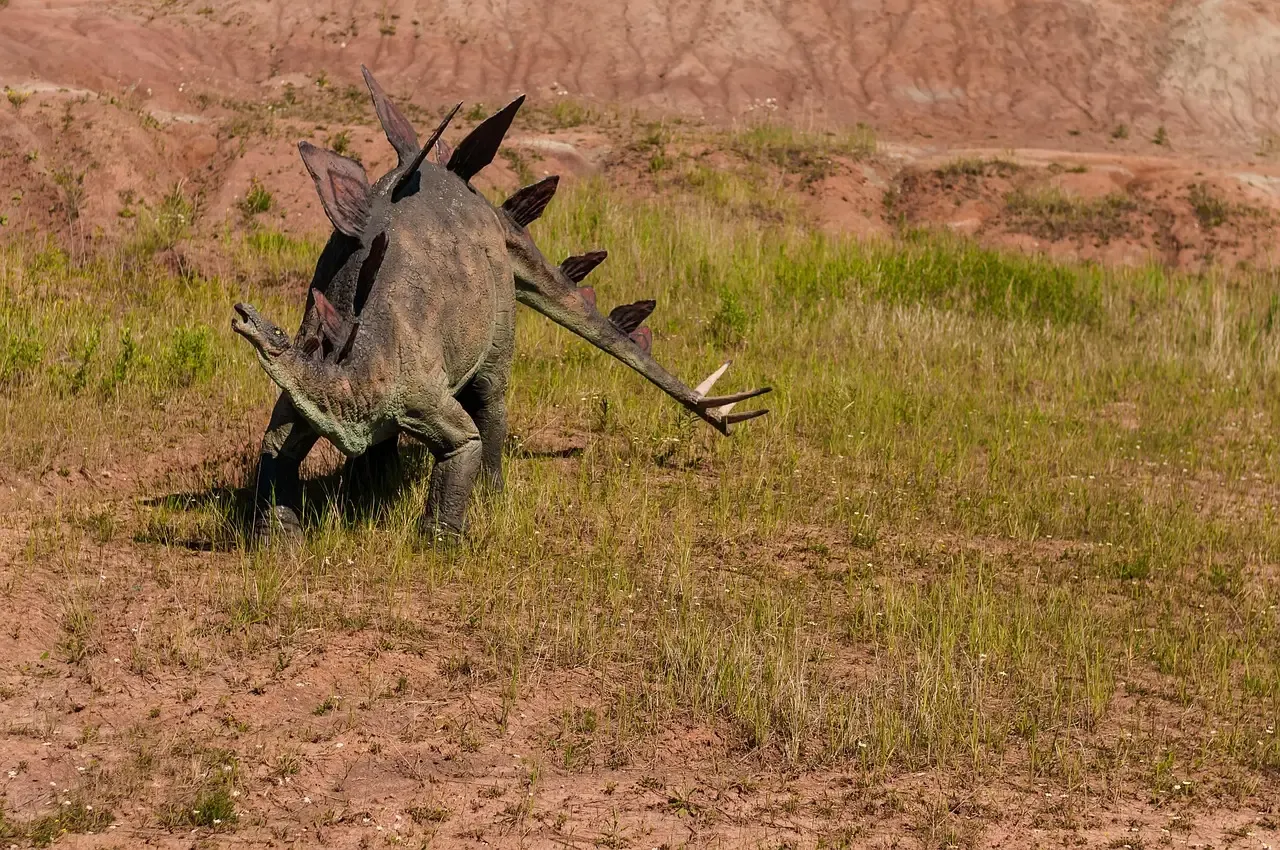
Stegosaurus has been the butt of jokes for years, mostly because of that old myth about having a second “brain” in its hips. Modern science has long abandoned that idea. What it probably had was an enlargement in the spinal cord region to help control the powerful muscles of the hindquarters, something many animals have in one form or another. Calling it a second brain makes for a fun story, but it badly misrepresents the animal’s biology and intelligence. There is no solid evidence that Stegosaurus was unusually stupid compared with other dinosaurs of similar size.
Its famous plates and tail spikes also deserve more respect than they usually get in movies. The plates were highly vascularized, meaning they had a rich blood supply, which could point to roles in display, species recognition, or even some body temperature regulation. The tail spikes, meanwhile, were not just decorative; many paleontologists interpret them as serious weapons. Some fossilized tail spikes from related species show damage that might have come from heavy use. Instead of seeing Stegosaurus as a clumsy, slow background herbivore, imagine a visually striking animal using its plates to send social signals and its tail as a highly effective deterrent against predators.
8. Ichthyosaurs: Not Just Generic Ancient “Dolphin Things”
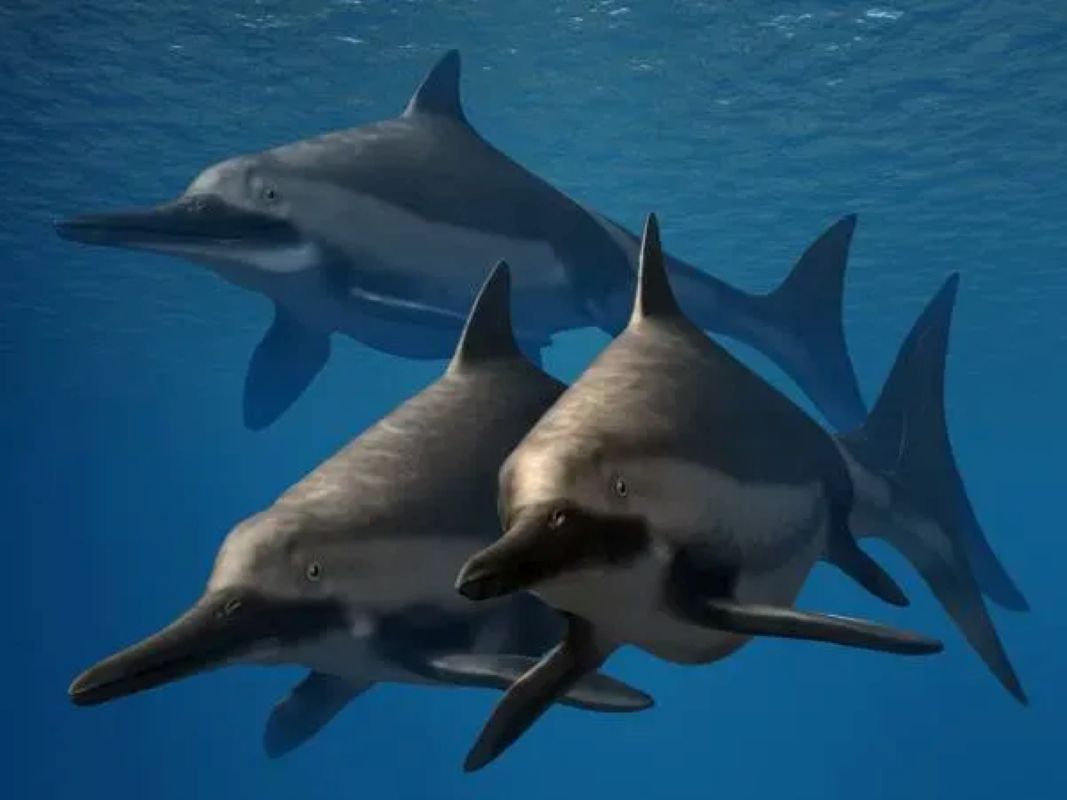
When ichthyosaurs appear in documentaries or films, they often feel like anonymous extras, just generic dolphin‑shaped things zipping by in the background. That really undersells how successful and varied this group was. Ichthyosaurs evolved from land‑dwelling reptiles and ended up becoming some of the most streamlined, fast‑swimming animals of their time, with body shapes that converged on those of modern tuna and dolphins. Some species were relatively small and likely hunted fish and squid, while others grew to truly enormous lengths and may have targeted large prey.
They also give us some of the most intimate fossil evidence of prehistoric life. Some skeletons preserve unborn young inside the body cavity, and a few even show a baby in the process of being born, which tells us that ichthyosaurs gave birth to live young instead of laying eggs on land. There are fossils with preserved body outlines and even hints of skin texture, revealing a sleek, muscular form built for sustained swimming in open water. Rather than treating them as interchangeable ocean background creatures, we should see ichthyosaurs as a major evolutionary success story, reshaping their entire bodies to master life in the sea.
Conclusion: Let The Fossils Be More Interesting Than The CGI
The more I read about these animals, the more movie versions start to feel a bit lazy. It is tempting to keep recycling the same scary shapes and monster roles, because they are familiar and they work on screen. But the actual fossil evidence paints a much stranger and richer picture: feathered hunters the size of turkeys, river‑stalking giants, armored herbivores with serious offensive weapons, and ocean reptiles giving birth in the open sea. When we flatten all of that into “big carnivore” versus “helpless plant‑eater,” we are not just getting the details wrong, we are missing the best part of the story.
I still enjoy a good dinosaur movie, but I think we should be honest that the real animals no longer fully match the versions in our heads. Letting new science update our mental image does not ruin the magic, it actually makes these creatures feel more alive, more surprising, and less like costumes for digital monsters. Maybe the next time you see a sleek, scaly movie raptor or a flying reptile carrying someone off by their claws, you will remember the feathers, the odd feet, the social lives, and the ecosystems behind the special effects. In the end, would you really rather have another generic monster, or a cast of bizarre, real animals that evolution already scripted better than any studio could?