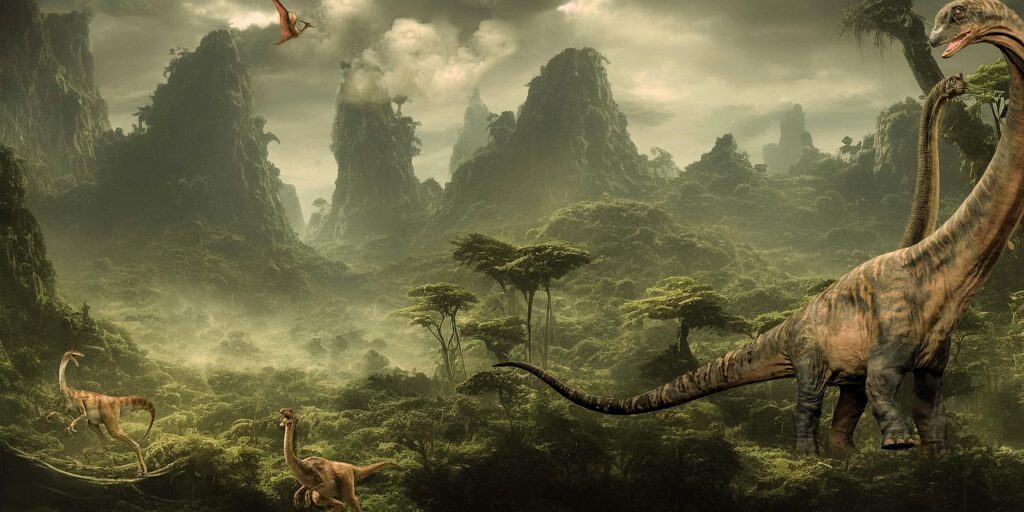
If you picture the age of dinosaurs as one long chaotic movie where T. rex chases Stegosaurus past a volcano while a pterosaur screams overhead, you’re not alone. Most of us grew up with that mashed‑up image. But the real prehistoric timeline is far stranger, slower, and more mind‑bending than anything in a blockbuster.
Once you start looking at the actual spans of time, it almost feels like the dinosaurs lived in different universes from each other, not just different eras. Species you imagine side by side were separated by oceans of time. Continents wandered around like slow‑motion bumper cars. Whole ecosystems rose, flourished, and vanished long before iconic dinosaurs ever existed. Let’s walk through some timeline facts that completely scramble the way you probably imagine the dinosaur age.
1. T. rex is closer in time to you than to Stegosaurus
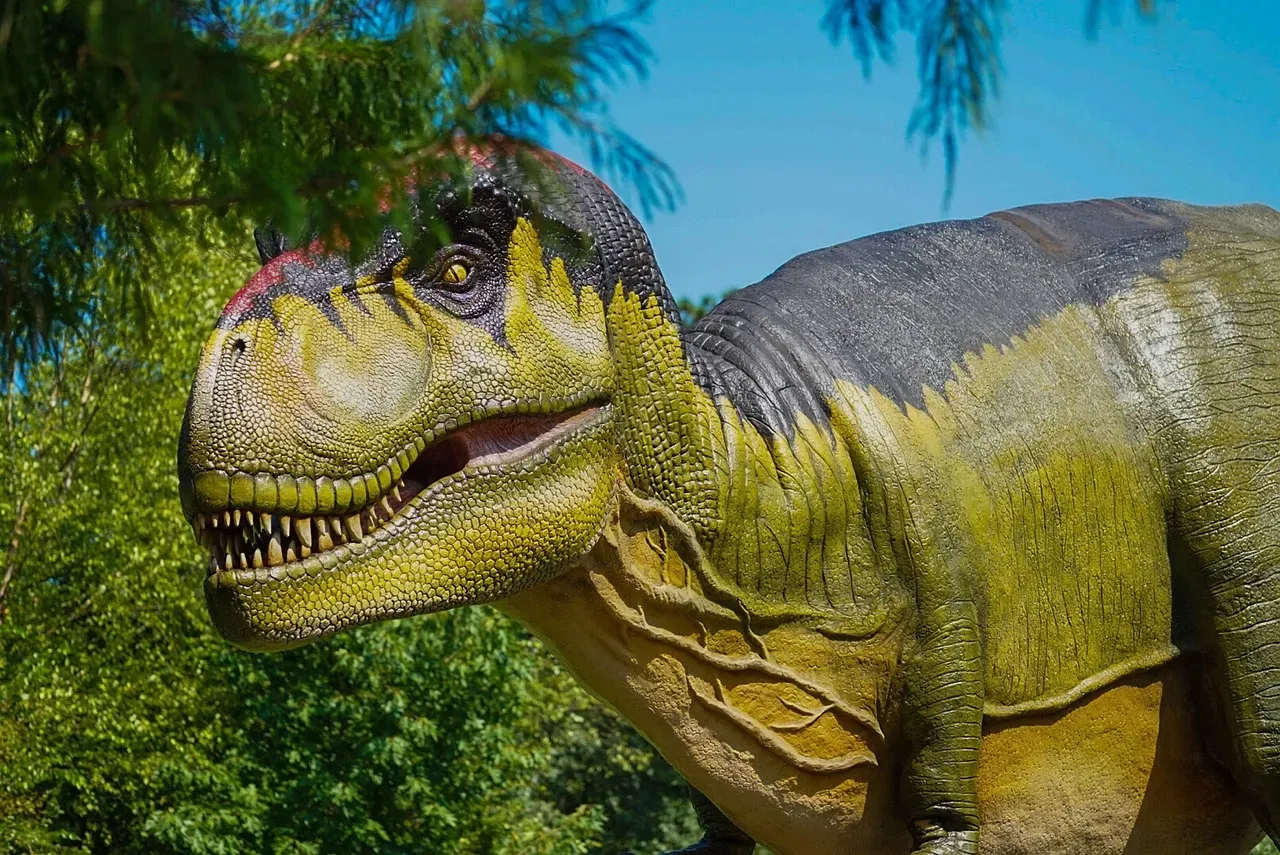
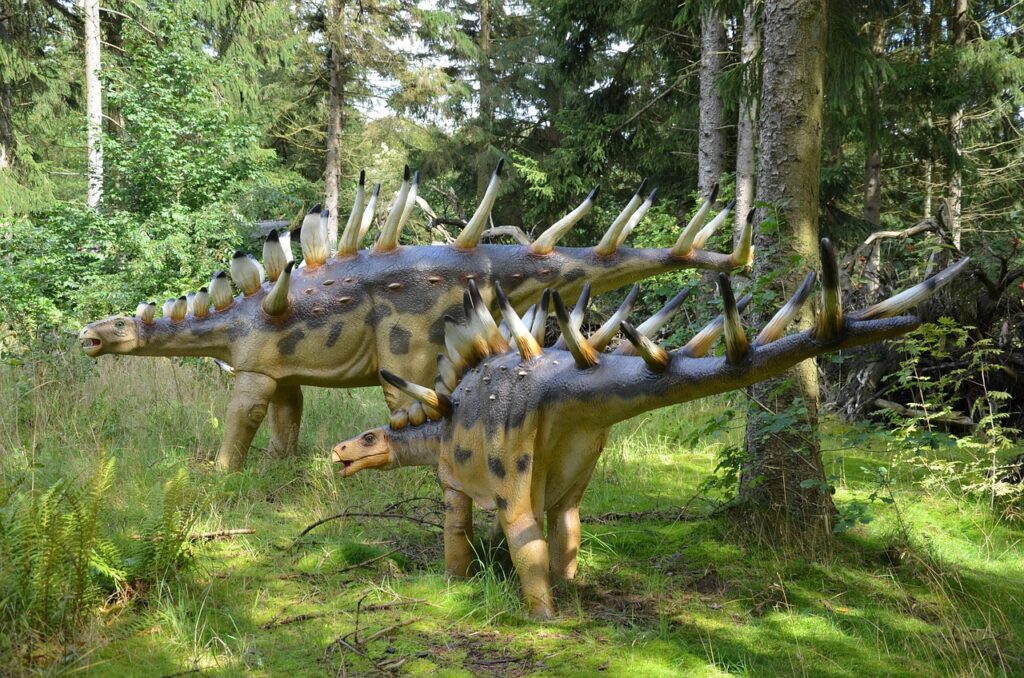
This is the one that breaks people’s brains: Tyrannosaurus rex did not stomp around with Stegosaurus. They are not ancient frenemies. Stegosaurus lived in the Late Jurassic, while T. rex shows up in the very Late Cretaceous. The gap between them is on the order of tens of millions of years, so large that T. rex is actually closer in time to humans than it is to Stegosaurus.
Think about that for a second. If you go from the last T. rex to modern humans, you cover roughly the same stretch of time as from Stegosaurus to T. rex. Yet kids’ books and toys often throw them together like next‑door neighbors. It would be like drawing woolly mammoths walking around with saber‑toothed cats and modern house cats and saying, sure, close enough. The dinosaur age wasn’t a single crowded moment; it was a ridiculously long, constantly changing saga.
2. Dinosaurs ruled the planet for an absurdly long time
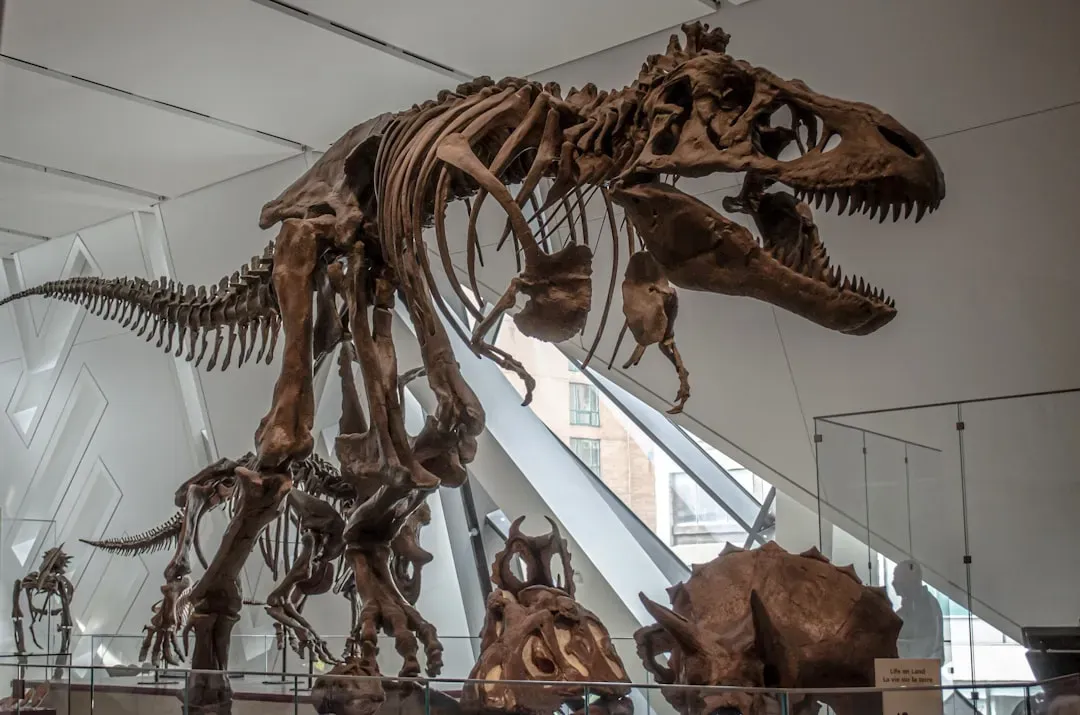
We talk about dinosaurs as if they were a cool phase the Earth went through, like bell‑bottom jeans for the planet. In reality, non‑bird dinosaurs dominated for well over a hundred million years. By comparison, what we call “human history” is so short it might as well be a glitch on the timeline. The entire span of human civilization barely scratches a tiny line near the end.
If you turned Earth’s 4.5‑billion‑year history into a single 24‑hour day, dinosaurs would show up late in the evening but still hang around for hours. Modern humans would appear in something like the last fraction of a second before midnight. That means most of the forests, rivers, coastlines, and food webs that existed during dinosaur time had nothing to do with us. They were their own long, complicated story with entire empires of species rising and falling while mammals like our ancestors skulked in the shadows.
3. The “dinosaur age” is three very different eras stitched together
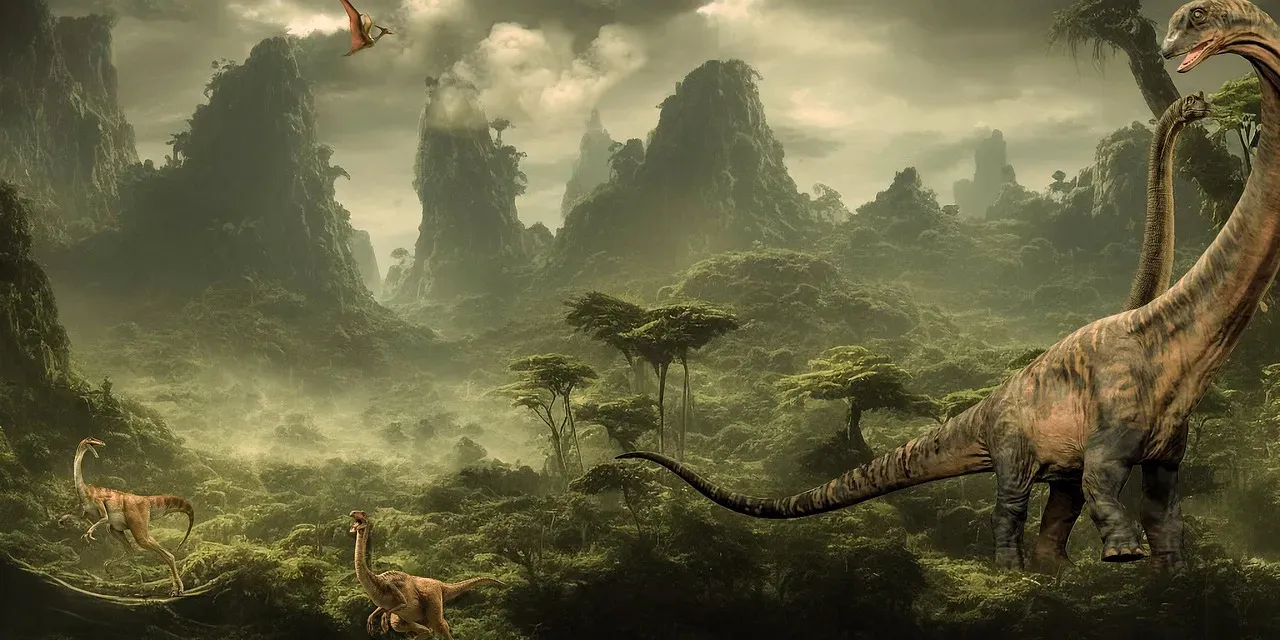
We casually talk about “the age of dinosaurs” like it was one long vibe, but paleontologists break it into three major periods: Triassic, Jurassic, and Cretaceous. Each of those is not a short chapter; each runs for tens of millions of years and has its own cast of creatures, climates, and disasters. Triassic dinosaurs were small and experimental compared to the massive icons of the later Jurassic and Cretaceous.
By the time you get to the Jurassic, you have gigantic sauropods and big predators striding across lush, warm landscapes, while in the Cretaceous you see different groups dominating and flowering plants really transforming ecosystems. Lumping all of that into one label is like saying “the last thousand years of human history” and acting as if knights, industrial factories, and smartphones all coexisted. Technically it is the same general “age,” but the details shift so much that each period feels like a completely different world.
4. For a long stretch, mammals and dinosaurs lived together
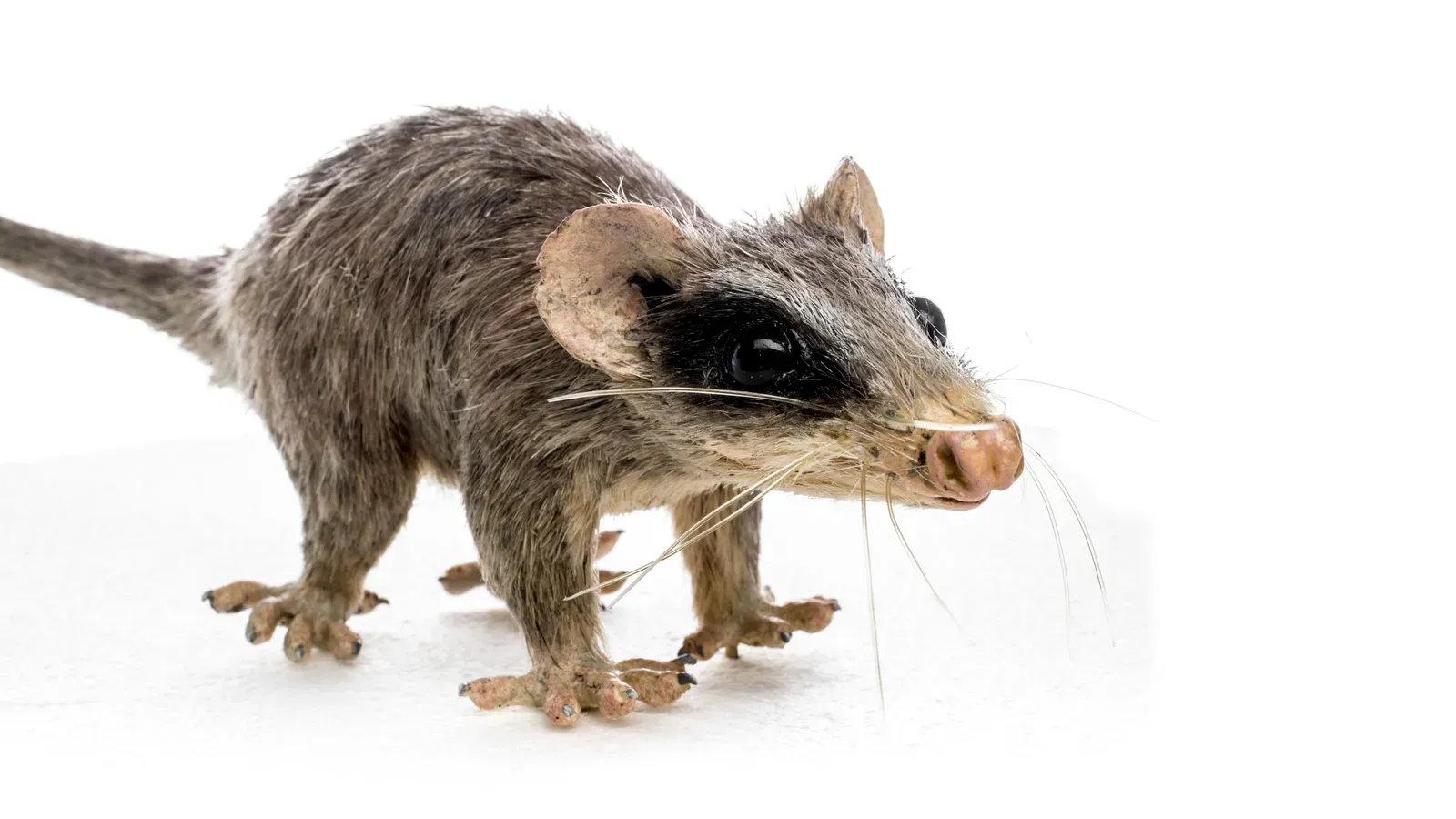
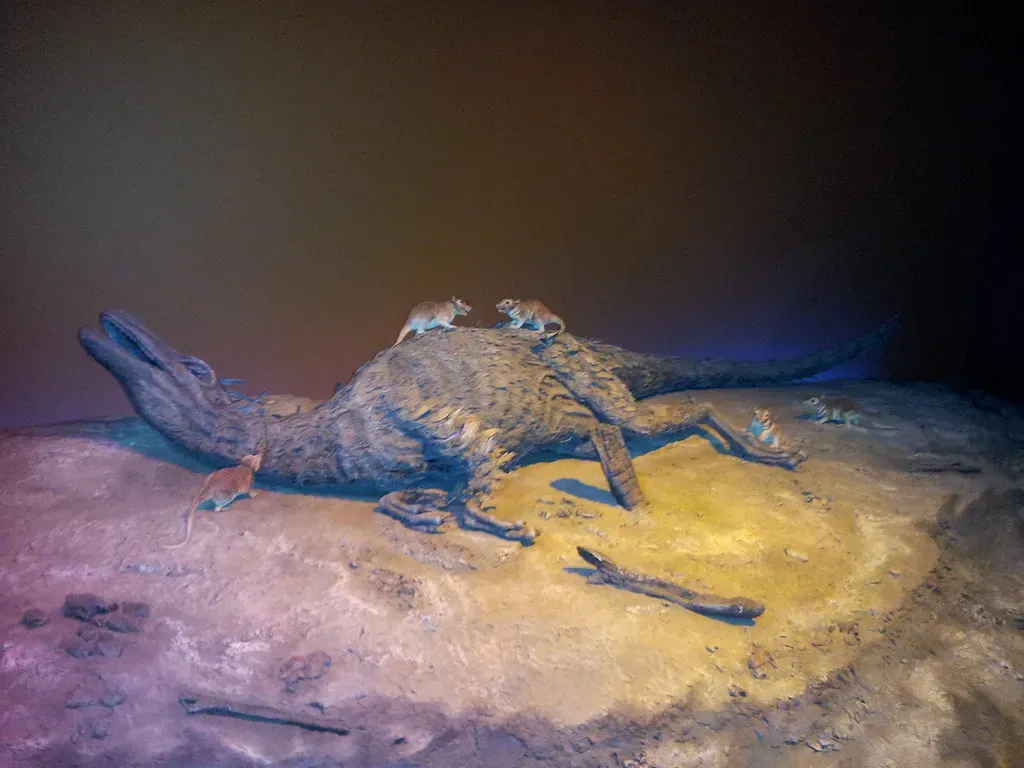
It’s tempting to think of mammals and dinosaurs as taking turns: first dinosaurs, then the asteroid hits, then mammals finally get their shot. The truth is more intertwined. Mammals evolved during the age of dinosaurs and lived alongside them for tens of millions of years. They just stayed small, often nocturnal, and mostly insignificant compared to the giant reptiles towering over them.
So while T. rex was stomping around, there were already furry, warm‑blooded creatures scampering in the undergrowth, nursing their young and nibbling insects or plants. They were not the big, charismatic animals of their time, but they were there, quietly evolving and diversifying. In a way, mammal history is like that secondary storyline in a long series that only becomes the main plot after the finale of the dinosaur arc. Once the non‑bird dinosaurs were wiped out, the mammals that had been waiting in the wings finally stepped into the spotlight.
5. The Earth itself looked wildly different across dinosaur time
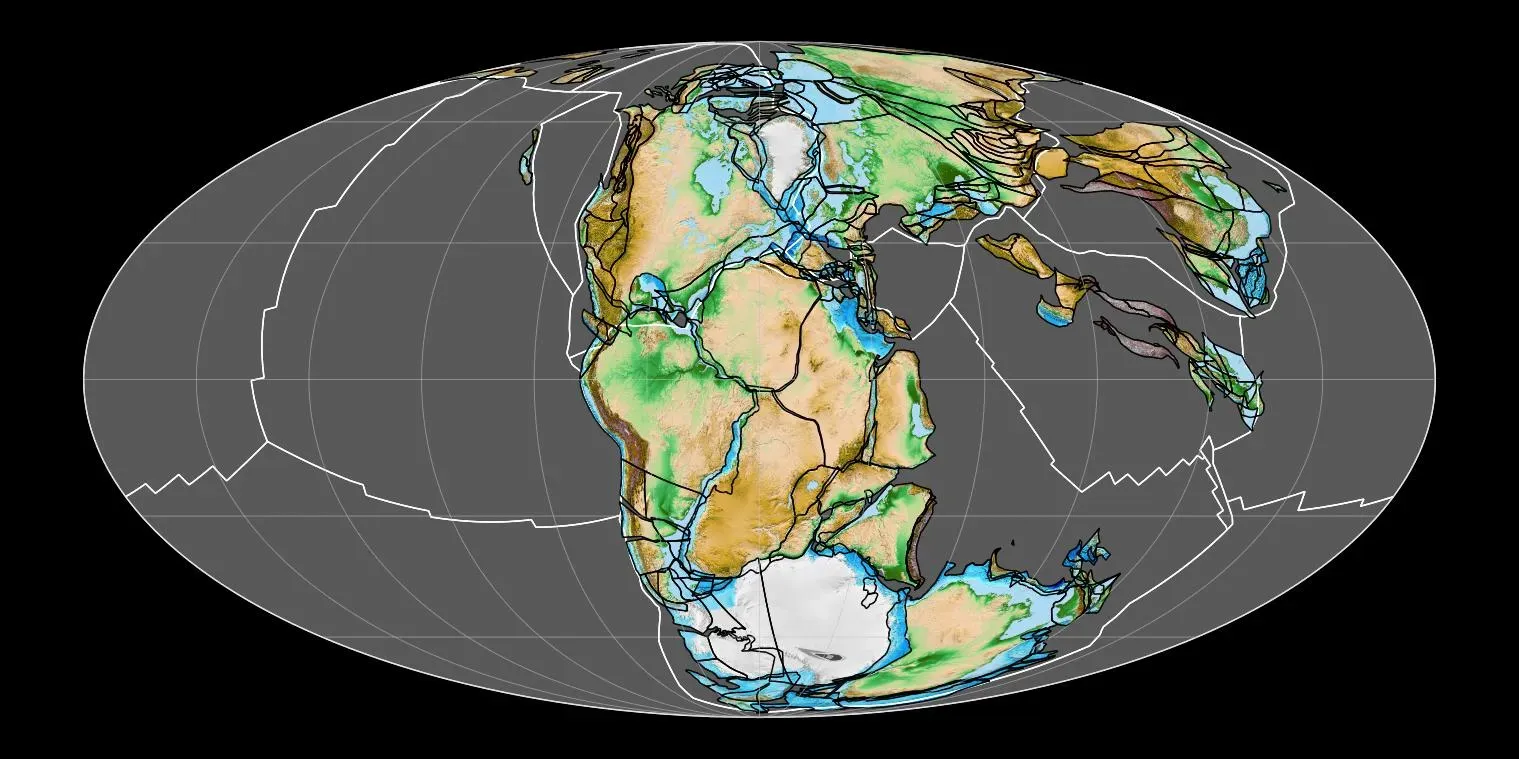
Another thing that totally distorts our mental picture: we imagine dinosaurs walking around on a map that looks like our modern world. In reality, during much of dinosaur history, there was a supercontinent called Pangaea that slowly fractured apart. Over tens of millions of years, that breakup reshaped coastlines, mountain ranges, and climate zones in ways that would completely confuse a modern traveler.
Early dinosaurs spread across huge connected landmasses, while later ones ended up more isolated as continents drifted and oceans widened. What looks like a random distribution of fossils today actually reflects land bridges, epic rift valleys, and seas that no longer exist. So when you hear that certain dinosaurs lived in what is now South America or Asia, remember that those labels are just modern convenience. The dinosaurs themselves walked through landscapes that would feel as alien to us as a different planet.
6. Multiple mass extinctions bookended and reshaped dinosaur history
We tend to focus on the famous asteroid impact that ended the non‑bird dinosaurs, but mass extinction events shaped the story long before that dramatic finish. The Triassic period, for example, ended with a major extinction that wiped out many competing reptile groups. That disaster actually cleared ecological space, allowing dinosaurs to surge into dominance in the Jurassic. In other words, part of why dinosaurs became the rulers of their world was that other potential rulers got knocked out first.
By the time you reach the very end of the Cretaceous, the planet had already been through volcanic upheavals, sea level changes, and climate swings. The asteroid impact was the last straw, not the only blow. Seeing dinosaur history framed by repeated extinctions changes the vibe completely. It stops feeling like a stable golden age and more like a high‑risk, high‑stakes era where life kept rebuilding itself after massive losses, with dinosaurs as just one of the survivors that rose when conditions allowed.
7. Many “classic” dinosaurs lived dangerously close to the end
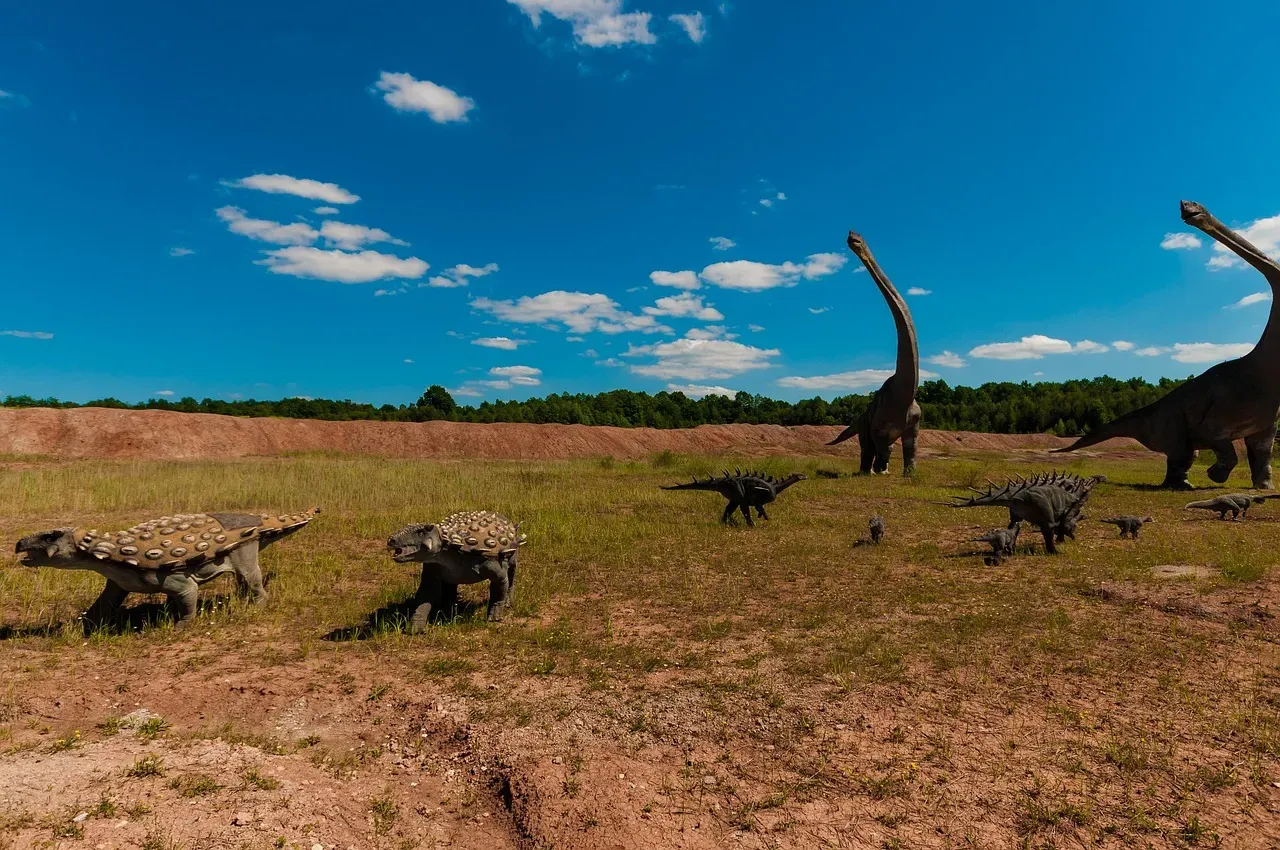
When you picture dinosaurs, chances are you see Late Cretaceous celebrities: T. rex, Triceratops, Velociraptor (or its movie‑inspired cousin). What often gets missed is that these well‑known species lived relatively close to the extinction event that wiped most dinosaurs out. They are more like the final cast of a long‑running series than a full representation of everything that existed across dinosaur time.
For the vast majority of the dinosaur era, these familiar icons simply did not exist yet. Entire families of dinosaurs came and went long before any of them evolved. That means when we say “dinosaurs,” our mental image is biased toward the last act, because those creatures left the most famous fossils and star in the most movies. It is like judging all of human history based mostly on what life looks like right now and forgetting the countless generations and cultures that preceded us.
Personally, once I realized this, my childhood dinosaur picture felt as inaccurate as a historical painting that puts Vikings, astronauts, and knights on the same battlefield. In reality, the timeline is full of deep, quiet stretches we barely talk about, where evolution was busy tinkering with body plans that never got their Hollywood moment. The famous dinosaurs are incredible, but they are the tip of an enormous, ancient iceberg we are still only beginning to map.
8. Birds are living dinosaurs, stretching the “age of dinosaurs” into today
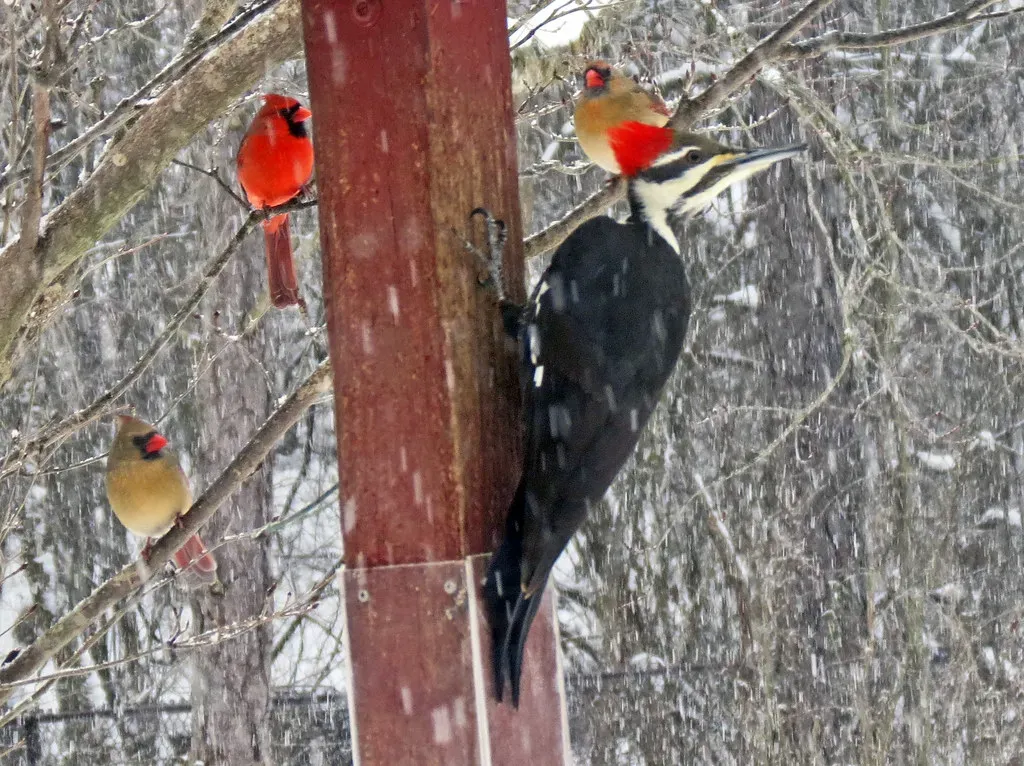
Here is the twist that makes the whole timeline feel less like a closed book and more like a story that never really ended: birds are dinosaurs. Not just “kind of related” or “similar to,” but literally the only surviving dinosaur lineage. When the asteroid and all the chaos at the end of the Cretaceous wiped out most large dinosaurs, some small, feathered, bird‑like species made it through. Their descendants are the pigeons, eagles, chickens, and songbirds we see every day.
That means when you look at a crow on a power line or a heron stalking a pond, you are seeing a dinosaur adapted to modern life. The age of dinosaurs did not completely vanish; it just shrank, changed shape, and learned to fly. For me, this completely rewires the timeline in my head. The “dinosaur age” is not some sealed, distant chunk of the past. A thin, feathered thread of it runs straight into our present, fluttering around your backyard bird feeder.
Conclusion: The dinosaur age was stranger, longer, and closer than we like to admit
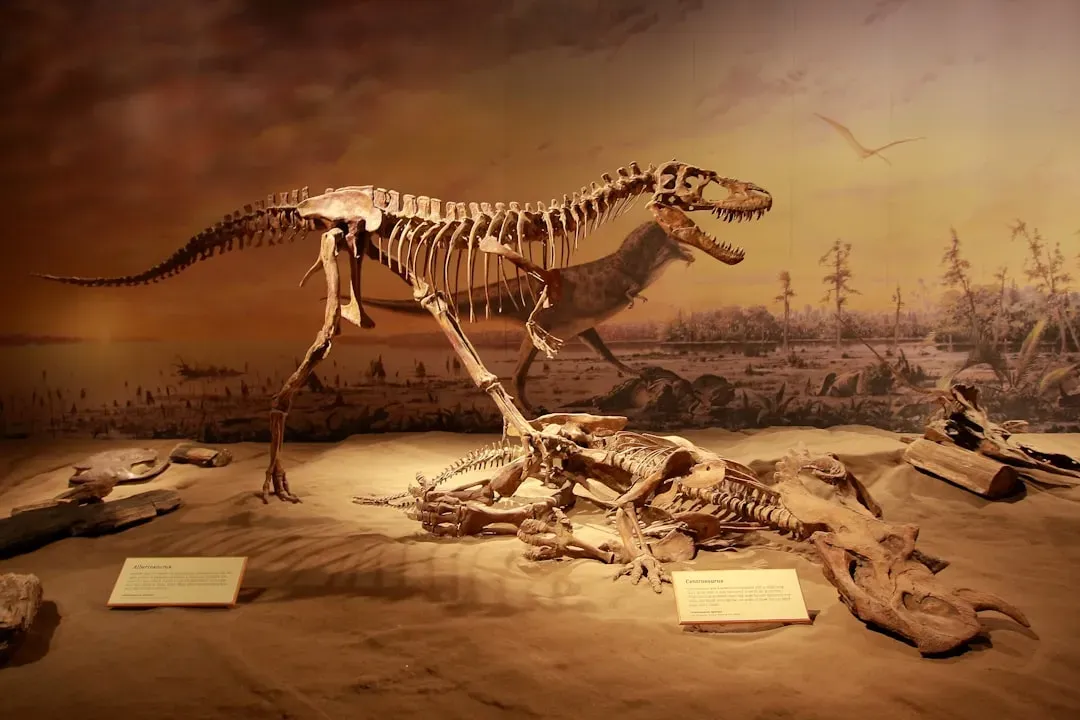
Once you zoom out and really look at the prehistoric timeline, the dinosaur age stops being a single dramatic moment and turns into a sprawling epic. Species we bundle together never met, continents refused to stay put, mammals spent ages lurking in the background, and mass extinctions kept resetting the stage. On top of that, the only dinosaurs we truly know firsthand are the ones still chirping and gliding through our skies. The neat, simple story most of us grew up with crumbles as soon as you put actual dates and spans of time on it.
My honest opinion is that this messier, stretched‑out version is far more interesting than the cartoon one. It makes our own existence feel incredibly fragile and weird, like we just showed up near the end of an unimaginably long movie. It also makes everyday life stranger: every bird becomes a reminder that not all dinosaurs died, that deep time is still with us if you know how to see it. When you look at the world that way, does the past feel more distant to you – or suddenly, uncomfortably close?