Most dinosaur movies act like prehistory was a single crowded party where Stegosaurus, T. rex, raptors, and every other fan favorite all hung out together. In reality, Stegosaurus and T. rex are separated by more time than T. rex is from us. The world changed again and again in that gap, and almost all of it gets erased on screen.
Think of the age of dinosaurs less like one long movie and more like a whole streaming service full of different series, reboots, and surprise cancellations. Stegosaurus walked the Earth in the Late Jurassic; T. rex did not appear until the very end of the Cretaceous. Between them, ecosystems flipped, continents ripped apart, oceans rose and vanished, and whole dynasties of dinosaurs came and went. Here are eight huge things that actually happened in that forgotten middle chapter.
1. An Ocean Split North America in Two
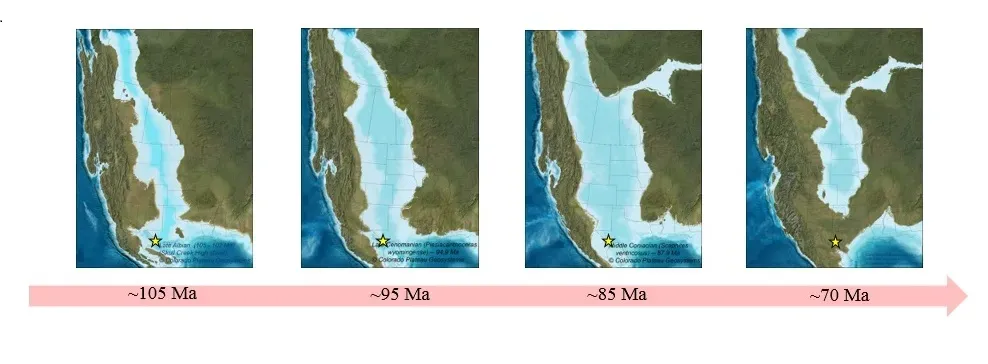
One of the wildest things you never see in dinosaur movies is the fact that, for a long stretch of the Cretaceous, there was a giant sea running right through North America. Called the Western Interior Seaway, it stretched from what’s now the Arctic down to the Gulf of Mexico, turning the middle of the continent into a warm, shallow inland ocean. If you stood in what is now Kansas back then, you would have been underwater, with sharks and huge marine reptiles above your head instead of cornfields.
This seaway completely rewired dinosaur life on land. It split North America into two long strips of land on the west and the east, so dinosaurs on either side evolved in relative isolation, like separate casts in different spin‑off shows. Western North America, called Laramidia, became home to famous later Cretaceous dinosaurs like horned giants and duck‑billed herds, while the eastern landmass, Appalachia, developed its own, far less well‑known dinosaur communities. When you imagine T. rex stomping across a single giant landmass, you’re actually skipping the long era when a seaway carved the continent in half.
2. Sauropods Shrunk Out of the Spotlight (And Then Some Came Roaring Back)
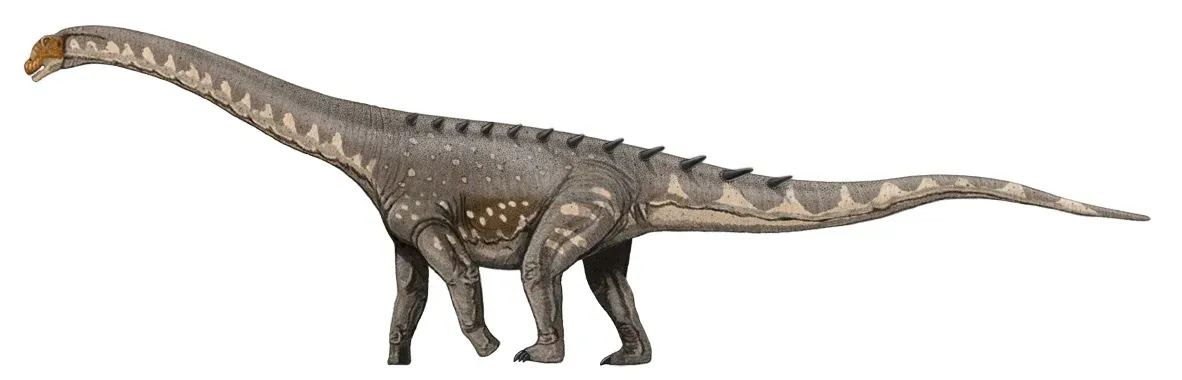
Stegosaurus lived in a world where long‑necked sauropods were the superstars: things like Diplodocus and Apatosaurus defined the Late Jurassic landscapes. After that time, sauropods did not disappear, but in many regions they stopped being quite so dominant. The Early Cretaceous saw more modest, often less gigantic sauropods take over in some places, while other dinosaur groups began playing bigger roles in ecosystems. It is a bit like your favorite big‑budget franchise giving way to a mix of smaller shows and new genres.
Later, in parts of the Cretaceous, sauropods staged a dramatic comeback, especially in South America with enormous titanosaurs that pushed the limits of size again. Still, the exact sauropod cast changed constantly across the millions of years between Stegosaurus and T. rex. When a movie drops a familiar Jurassic long‑neck right next to a Late Cretaceous T. rex, it is quietly flattening a long, messy story of decline, replacement, and regional survival into a single, misleading snapshot.
3. Plate‑Backed Dinosaurs Gave Way to Tank‑Like Armored Beasts
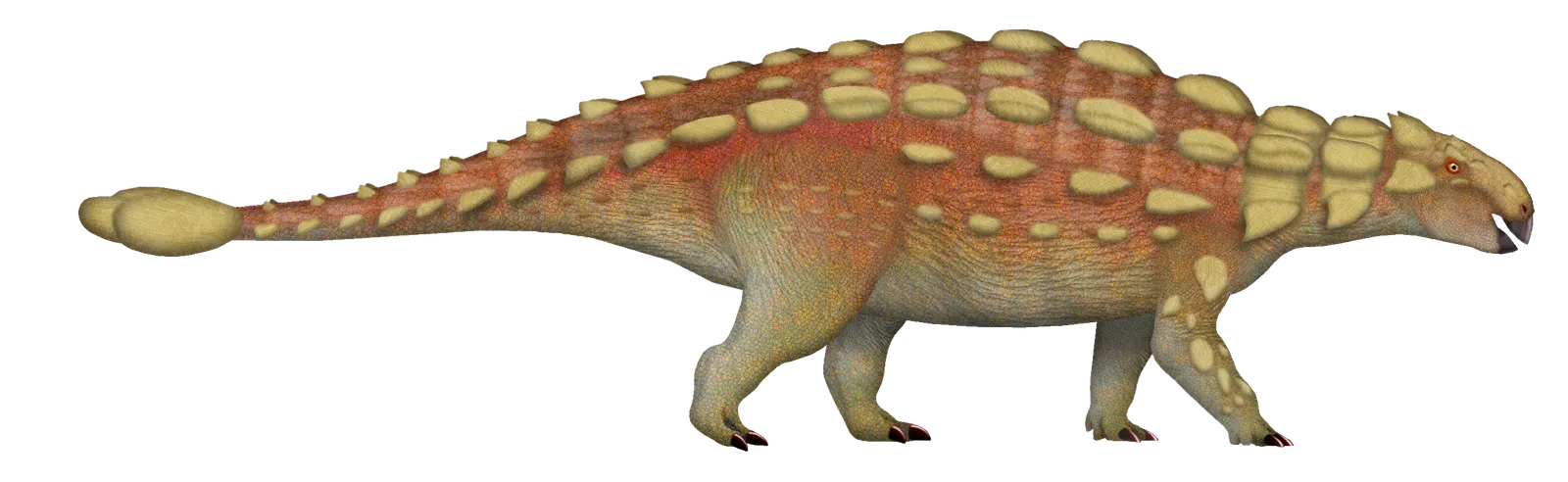
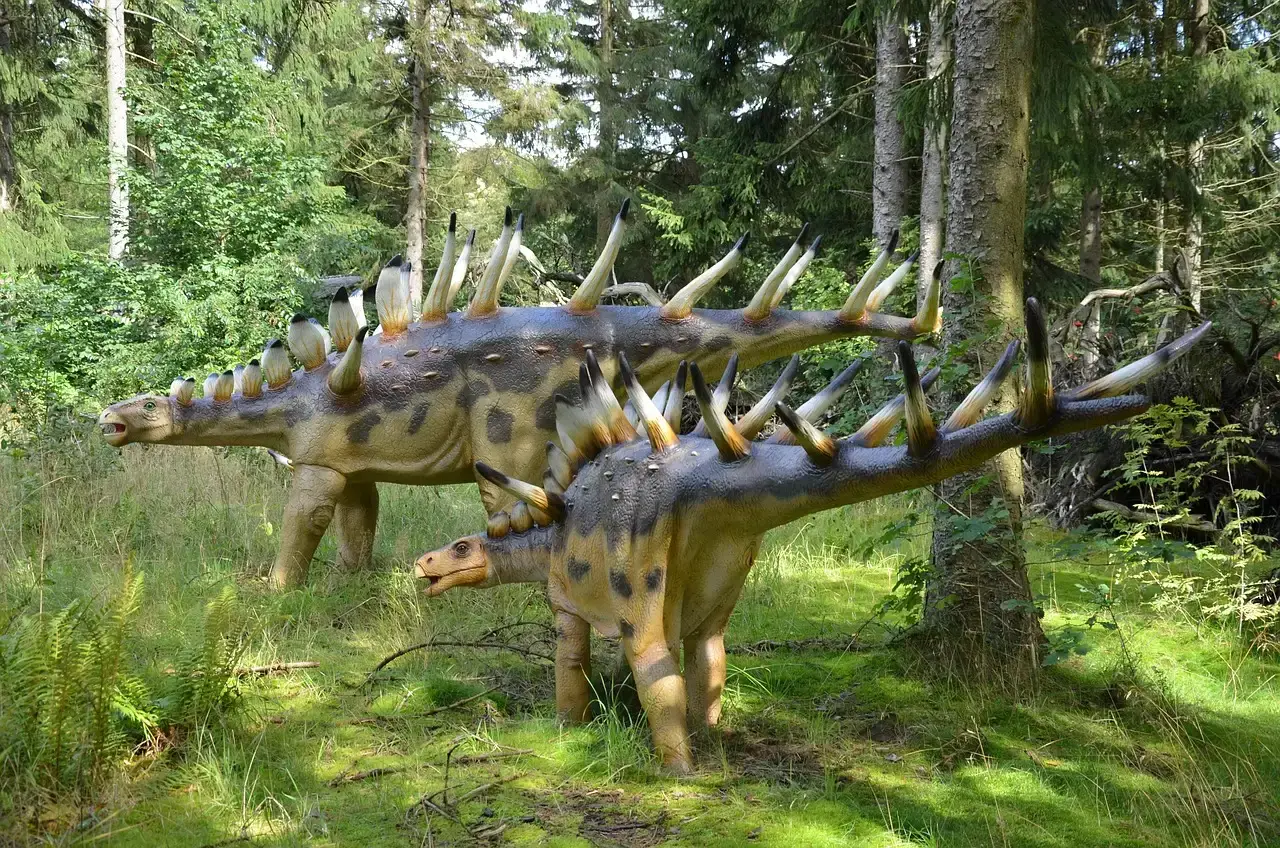
Stegosaurus and its relatives are what many of us picture when we think of armored dinosaurs: big plates, spiky tails, almost graceful in their weirdness. But by the time the Cretaceous rolled on, that sort of stegosaur style faded out. In their place, ankyosaurs took over the armor niche, trading tall plates for dense, low‑slung, tank‑like bodies covered in bony knobs and spikes. Instead of a spiky tail like a spear, many ankylosaurs evolved a massive bony club at the end of their tail, like a prehistoric wrecking ball.
This shift was more than a fashion change; it reflected different ways of surviving in increasingly complex predator‑prey arms races. Armored dinosaurs went from looking like walking billboards to rolling fortresses that could probably break a predator’s bones with one swing. Movies often mash these forms together, giving a generic “armored dinosaur” look, but in reality the timeline shows a clear hand‑off: after the stegosaur chapter closed, the age of the living battering rams began.
4. Plant Life Transformed as Flowering Plants Took Over
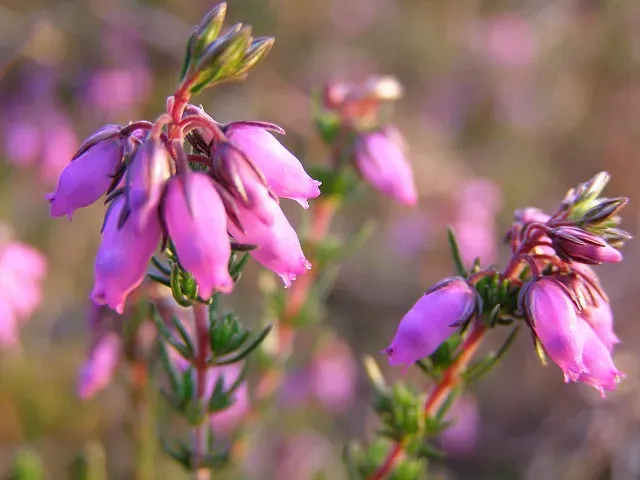
The world of Stegosaurus was mostly a gym of ferns, cycads, and coniferous trees, a landscape that would feel more alien than most film depictions admit. Between Stegosaurus and T. rex, one of the most important revolutions in Earth’s history unfolded quietly: flowering plants evolved and spread. At first they were minor background players, but over millions of years they exploded in diversity and began reshaping forests, riverbanks, and open plains into something much closer to the plant communities we recognize today.
This botanical makeover mattered deeply for dinosaurs. Herbivores had to adapt to new types of food that might be more nutritious but also more seasonal or patchy. Many Late Cretaceous herbivores, like duck‑billed dinosaurs, evolved complex dental batteries that handled tough, varied vegetation in a way earlier plant‑eaters did not. So when you picture T. rex roaring through a Jurassic‑style conifer forest, you are skipping the quiet but radical rise of flowering plants that gave the later dinosaur world a very different feel underfoot and overhead.
5. New Predator Dynasties Ruled Long Before T. rex Arrived
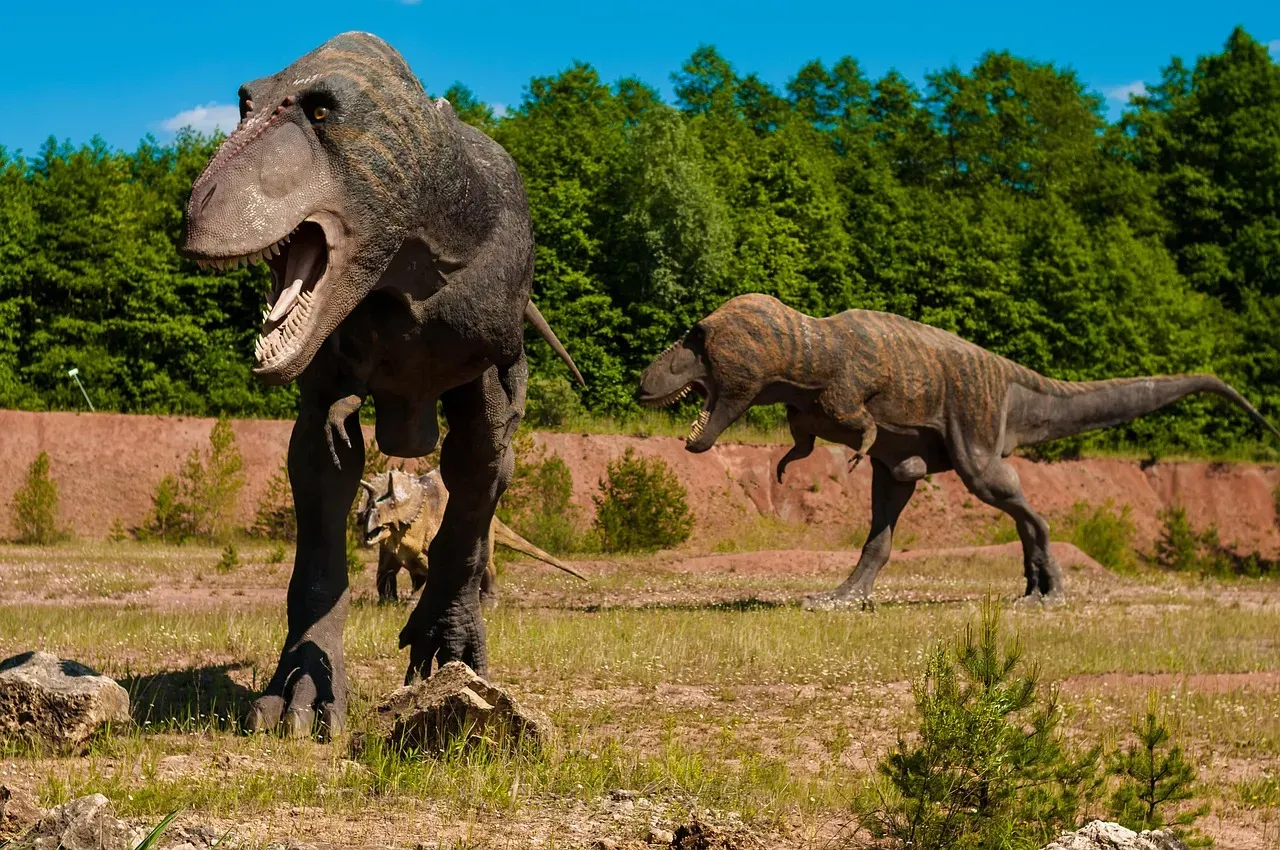
Movies love T. rex as if it were the eternal king of the dinosaurs, but it only shows up close to the very end. For most of the time between Stegosaurus and T. rex, other groups held the top predator crown. In the Early and mid‑Cretaceous, large carnivores from different lineages dominated different continents: some had crocodile‑like snouts, others evolved absurdly enlarged claws, and many would have been every bit as terrifying as T. rex in their own habitats. They were the main villains of their eras, but because they do not have the same name recognition, they barely appear on screen.
This constant turnover in apex predators is a reminder that evolution does not care about brand loyalty. T. rex was the final act in a much longer story where top hunters evolved, spread, and were replaced, often more than once. The age between Stegosaurus and T. rex was filled with regional predator dynasties that shaped the evolution of armor, horns, and speed in plant‑eating dinosaurs. Compressing all those different apex hunters into a single, familiar tyrannosaur erases whole sagas of survival, innovation, and extinction.
6. Horned and Duck‑Billed Dinosaurs Rose as Herd‑Dwelling Powerhouses
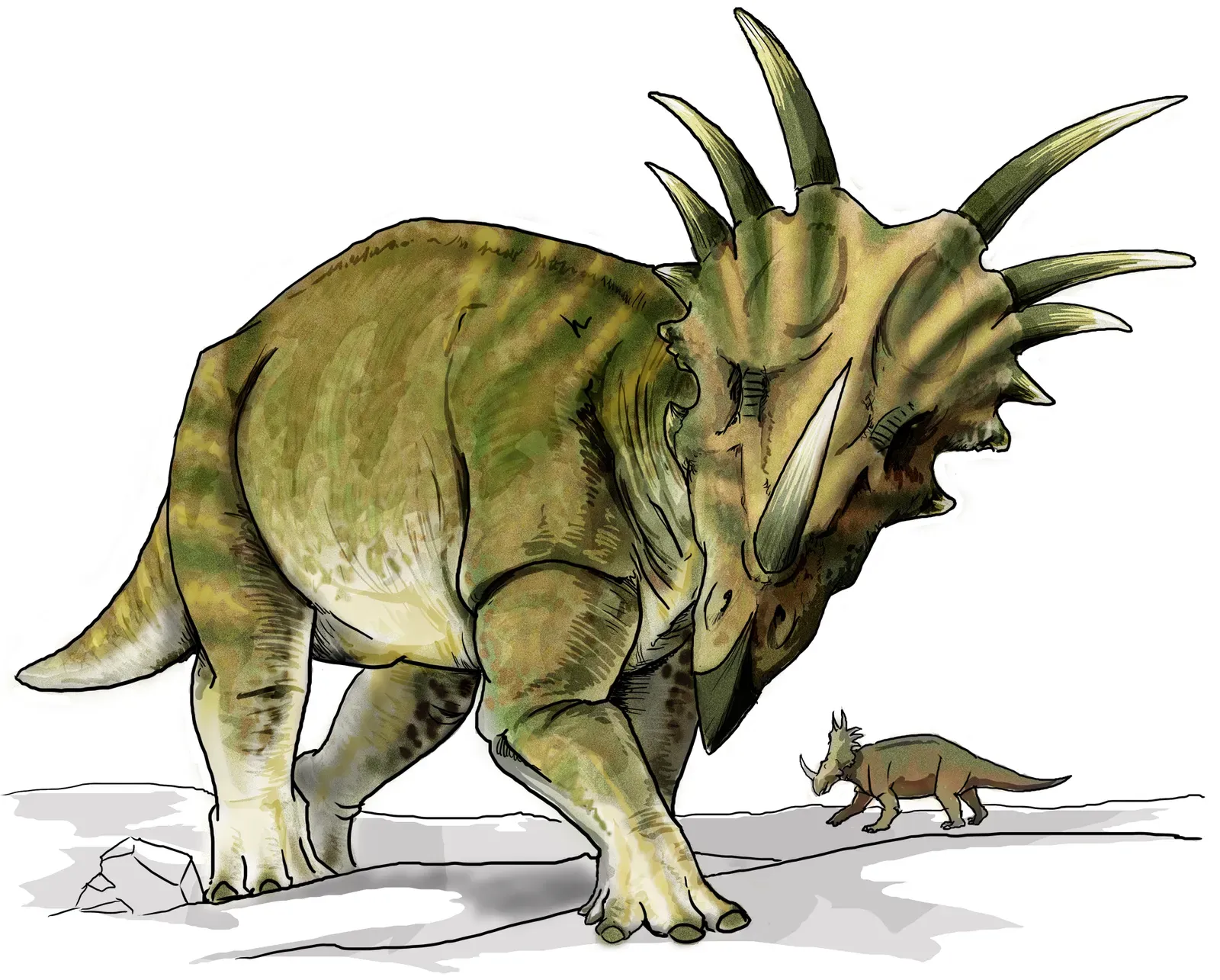
By the time T. rex prowled its Late Cretaceous home, two major herbivore groups had become ecological heavyweights: horned dinosaurs and duck‑billed dinosaurs. These animals did not exist in Stegosaurus’s time; they evolved and diversified in the long stretch in between. Many of them likely lived in large herds, with intricate social behavior and complex growth stages where youngsters looked noticeably different from adults. That social, herd‑based world is one of the biggest differences between early dinosaur ecosystems and the later ones, but it often gets brushed aside in favor of isolated, dramatic duels.
Horned dinosaurs sported massive frills and facial horns that probably served multiple roles, from defense to display and species recognition. Duck‑billed dinosaurs had elaborate crests in some species and dental setups that worked almost like plant‑processing machines, letting them thrive on varied vegetation. These later herbivores turned landscapes into busy, noisy, constantly moving seas of bodies rather than sparse collections of scattered giants. Between Stegosaurus and T. rex, plant‑eaters changed from mostly solitary giants into socially rich herds that transformed the land simply by living on it.
7. Continents Drifted, Climate Fluctuated, and Ecosystems Rearranged
![7. Continents Drifted, Climate Fluctuated, and Ecosystems Rearranged (I did myself based on [1], also I added it on my dinosaur website (the link is [2]), CC BY-SA 2.5)](https://nvmwebsites-budwg5g9avh3epea.z03.azurefd.net/dinoworld/af80f5d23ae24c1ddf608b0ad4252969.webp)
When Stegosaurus lived, the supercontinent Pangaea had already begun to break apart, but the world still looked very different from the patchwork globe T. rex inherited. Over the tens of millions of years in between, continents drifted farther apart, ocean currents shifted, and sea levels rose and fell again and again. Some periods were warm and humid, with high seas flooding coastal lowlands; others were slightly cooler or drier, reshaping habitats into mosaics of forests, floodplains, and semi‑arid interiors. Dinosaurs did not live in one static “dino climate,” but in a series of changing worlds.
These geological and climate changes acted like a planet‑sized script rewrite, constantly reshuffling which groups thrived where. Some dinosaur families followed new coastlines or mountain ranges; others faded as habitats disappeared. The dinosaur communities familiar from Late Jurassic environments slowly gave way to new combinations of species adapted to new conditions. When movies toss Stegosaurus and T. rex into the same setting, they sidestep the fact that vast tectonic movements and climate swings fundamentally transformed the stage between their times.
I still remember the first time I saw a paleogeographic map that showed these shifting continents; it felt less like looking at our planet and more like flipping through alternate worlds in a sci‑fi novel. Once you see how far everything moved and flooded, it becomes impossible to think of dinosaur time as flat or fixed.
8. Multiple Smaller Extinctions Cleared the Way for T. rex’s World
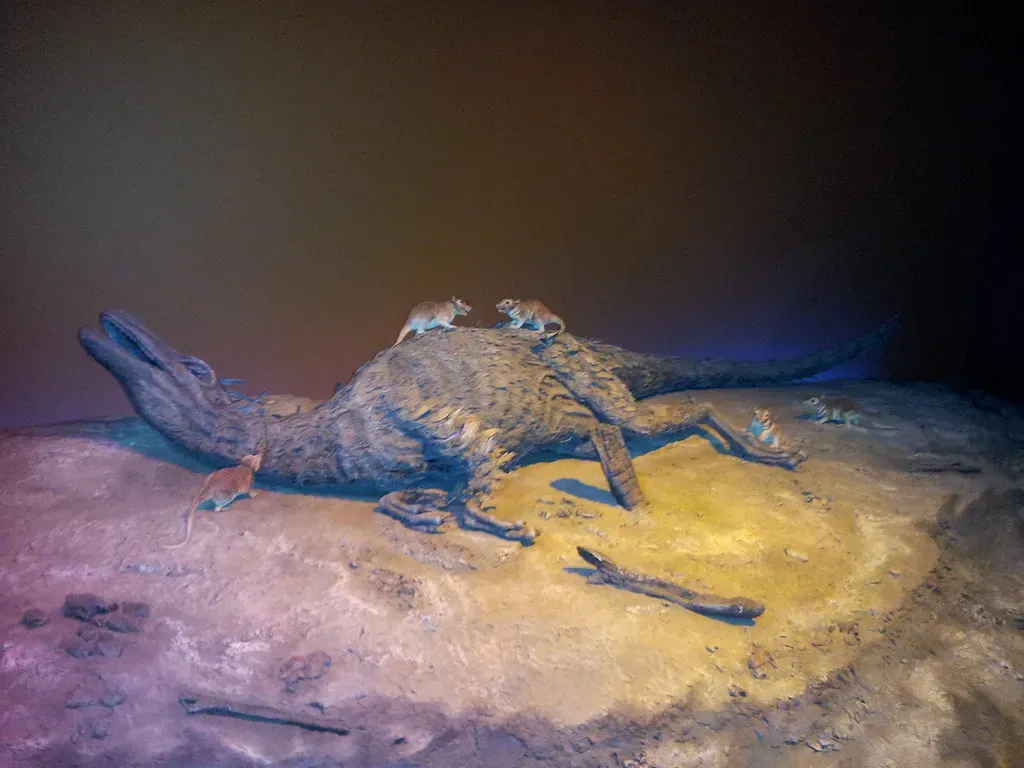
We all know about the asteroid that helped end the reign of non‑avian dinosaurs, but fewer people realize that earlier, smaller extinction events punctuated the time between Stegosaurus and T. rex. These were not single, global wipeouts of everything, but periods where many species disappeared across different regions, opening ecological space for new lineages to expand. Think of them as brutal season finales that killed off much of the cast and forced the writers – evolution, in this case – to introduce new characters and plotlines.
These pulses of extinction and replacement framed the rise of the Late Cretaceous dinosaurs we know best. Without earlier clear‑outs, some of the later horned, duck‑billed, and tyrannosaur forms might never have become so widespread and dominant. The world of T. rex was already a product of multiple rounds of loss and renewal long before the final asteroid struck. Ignoring those earlier shake‑ups makes the dinosaur story seem smoother and simpler than it really was, when in truth it was more like a long, uneven roller coaster than a gentle downhill slide.
Conclusion: The Space Between Is Where the Real Story Lives
If there is one thing the gap between Stegosaurus and T. rex teaches us, it is that dinosaurs did not live in a timeless, unchanging fantasy world. Continents tore apart, seas flooded the middle of North America, plant life reinvented itself with flowers, and entire dynasties of predators and herbivores rose, ruled, and vanished. That messy, shifting reality is far stranger and more impressive than the greatest hits mashup most movies serve us. In my view, the obsession with a few celebrity species has made us underestimate just how restless and experimental dinosaur history really was.
Maybe that is the most exciting part: knowing that the fossil record is still incomplete, and that every new discovery can rewrite pieces of this long, in‑between chapter. It makes our favorite dinosaurs feel less like static museum pieces and more like snapshots from a buzzing, ever‑changing planet that never stops editing its own script. The real drama is not just Stegosaurus or T. rex, but everything that happened in the long, overlooked stretch between them. When you think of dinosaurs now, are you still seeing one simple age – or a whole series of worlds layered on top of each other?