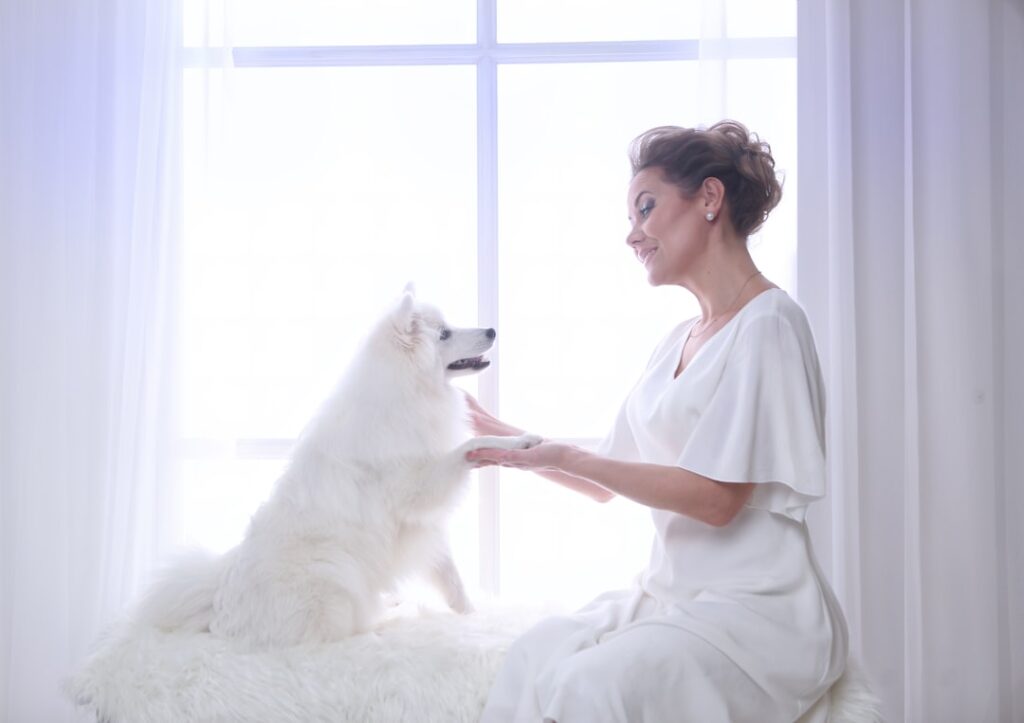
Have you ever caught yourself mid-conversation with your dog, explaining your entire day like they’re your best friend? You’re not alone. The way you interact with your furry companion reveals something deeper about who you are. Let’s be real, most of us have full-blown discussions with our pets, complete with pauses for their imagined responses. This isn’t just quirky behavior. It’s a window into your psychological makeup, and science has started to decode what makes us do it.
Psychology can explain what traits people who speak to their dogs like humans may exhibit, and honestly, the findings are fascinating. So, if you’ve ever wondered why you feel compelled to narrate your grocery shopping trip to your pup, buckle up. You’re about to discover what your conversations with your four-legged friend say about you.
You Possess Heightened Empathy
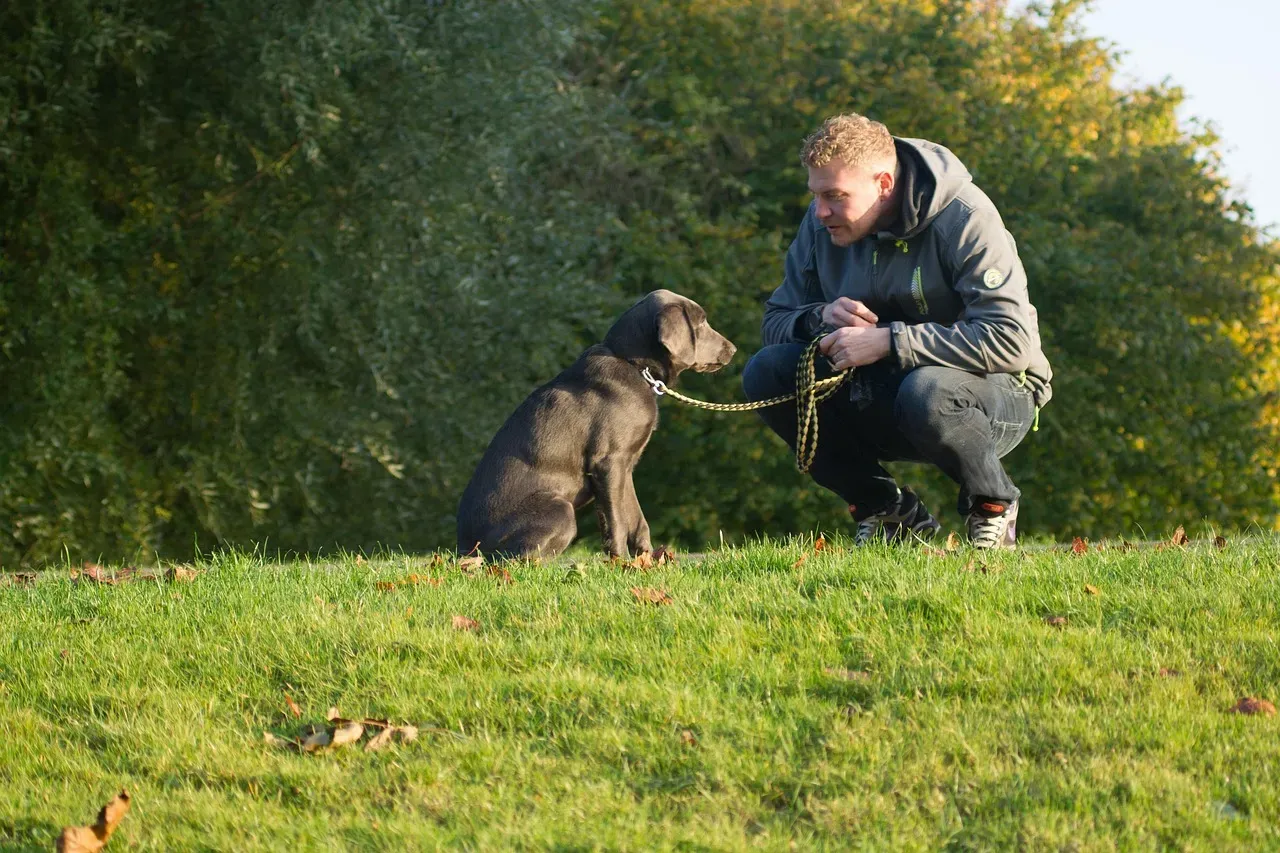
Speaking to dogs as if they were human was a desire to not only feel companionship with the animal but also to understand them on a deeper level. When you chat with your dog, you’re tapping into something profound. You’re trying to bridge the gap between species.
Dog owners tend to have higher levels of empathy than non-dog owners, being able to sense when their dog is feeling anxious, scared, happy, or excited. Here’s the thing: this sensitivity doesn’t stop with your pet. This empathy would also extend beyond dogs, with pet owners found to be more empathetic towards the people around them as well. You’re basically practicing emotional awareness every time you ask your dog how their day was. It’s hard to say for sure, but your canine conversations might actually be making you a more understanding person overall.
You’re Developing Superior Emotional Intelligence
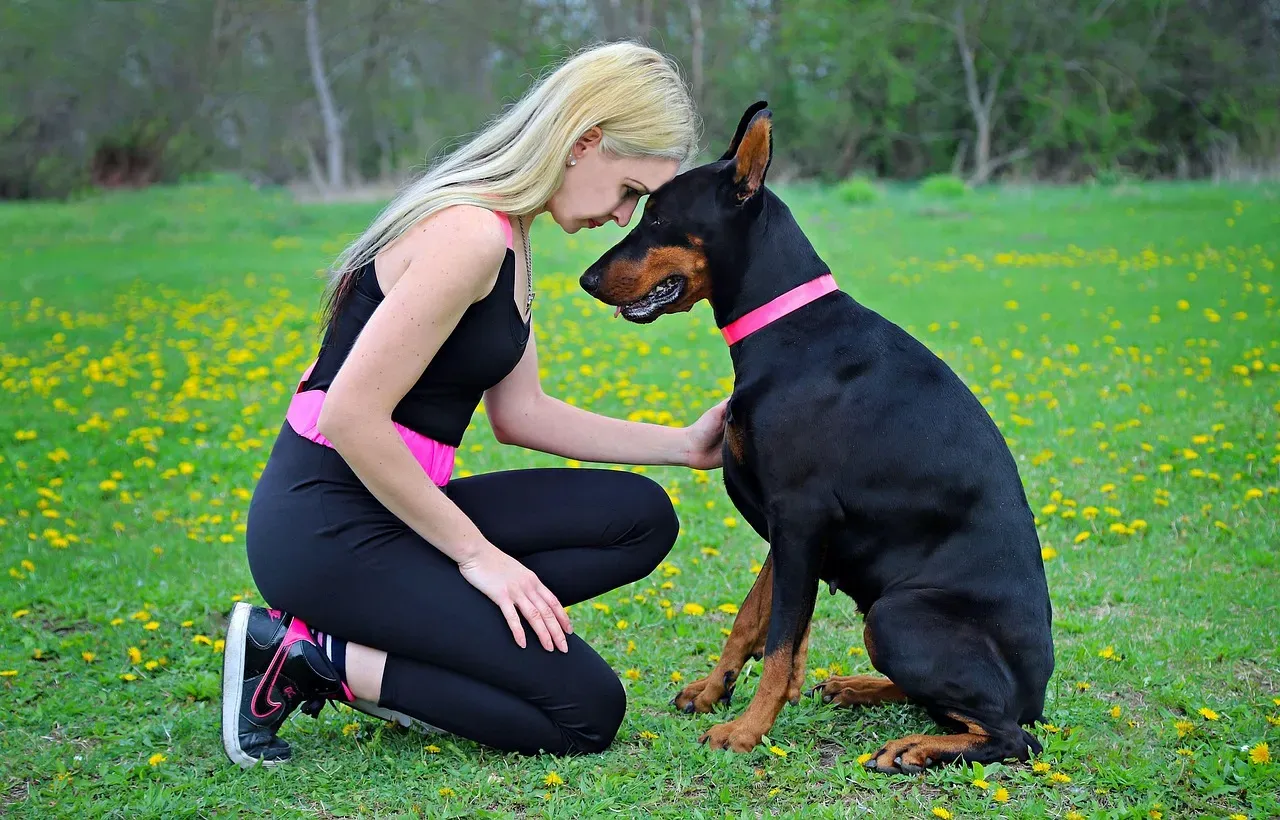
Talking to your dog isn’t just sweet; it’s actually sharpening your emotional toolkit. Engaging verbally with pets is linked to stronger emotional intelligence, with those who do so often having a better ability to identify and regulate their own feelings as well as interpret the nonverbal cues animals use. Think about it: you’re constantly reading tail wags, ear positions, and subtle shifts in your dog’s demeanor.
This empathic tendency reflects an ability to recognize and respond to emotional states across species barriers. Every time you interpret your dog’s mood and adjust your behavior accordingly, you’re strengthening neural pathways that help you understand emotions in general. I think that’s pretty remarkable when you consider how this skill transfers to your human relationships. You’re essentially becoming fluent in a language that doesn’t use words.
You Use Conversation As Stress Relief
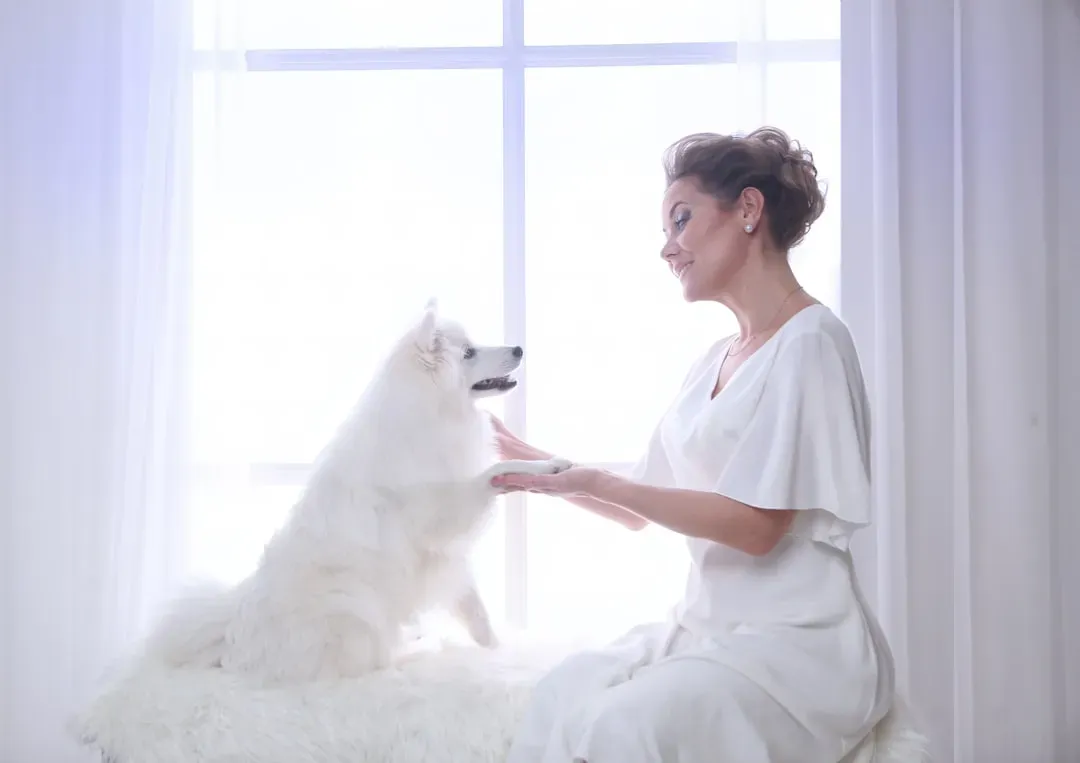
The act of explaining a difficult day to a patient cat or walking through a problem with an attentive dog serves as informal therapy, with these individuals instinctively understanding that articulating problems out loud helps clarify thoughts and reduce emotional pressure. Your dog becomes your unpaid therapist, minus the judgment and the hourly rate.
A study conducted by the University of Chicago suggests that talking to yourself can promote cognitive function and problem-solving ability, and that concept can extend to speaking to your pets like humans as well. When you verbalize your worries to your furry friend, you’re actually processing emotions in a healthy way. This verbal processing creates a feedback loop: the pet’s calm presence encourages continued sharing, which further reduces stress, and the absence of judgment or advice allows for pure emotional release without the complications of human interaction.
You Exhibit Remarkable Creativity
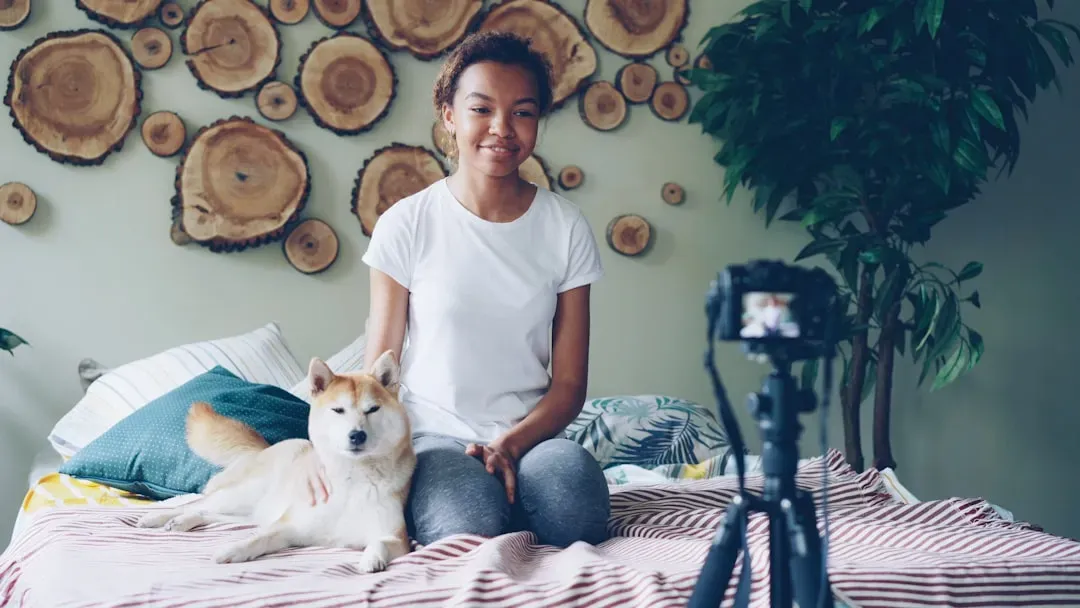
They develop unique vocabularies, create complex backstories for their pets’ responses, and engage in imaginative scenarios that would seem absurd in human conversation, and this creativity represents cognitive flexibility and imaginative thinking. If you’ve ever given your dog a full personality complete with preferences and opinions, you know what I’m talking about.
Talking with a pet requires a certain active imagination, with conversations often being playful exchanges that build intricate mental scenarios and family-like routines, and this kind of dialogue reflects creativity. This isn’t frivolous behavior. These individuals often bring this creative approach to other life areas, finding novel solutions to problems and approaching challenges with imaginative flexibility. Your silly voices and invented narratives are actually keeping your brain nimble.
You’re Practicing Mindfulness
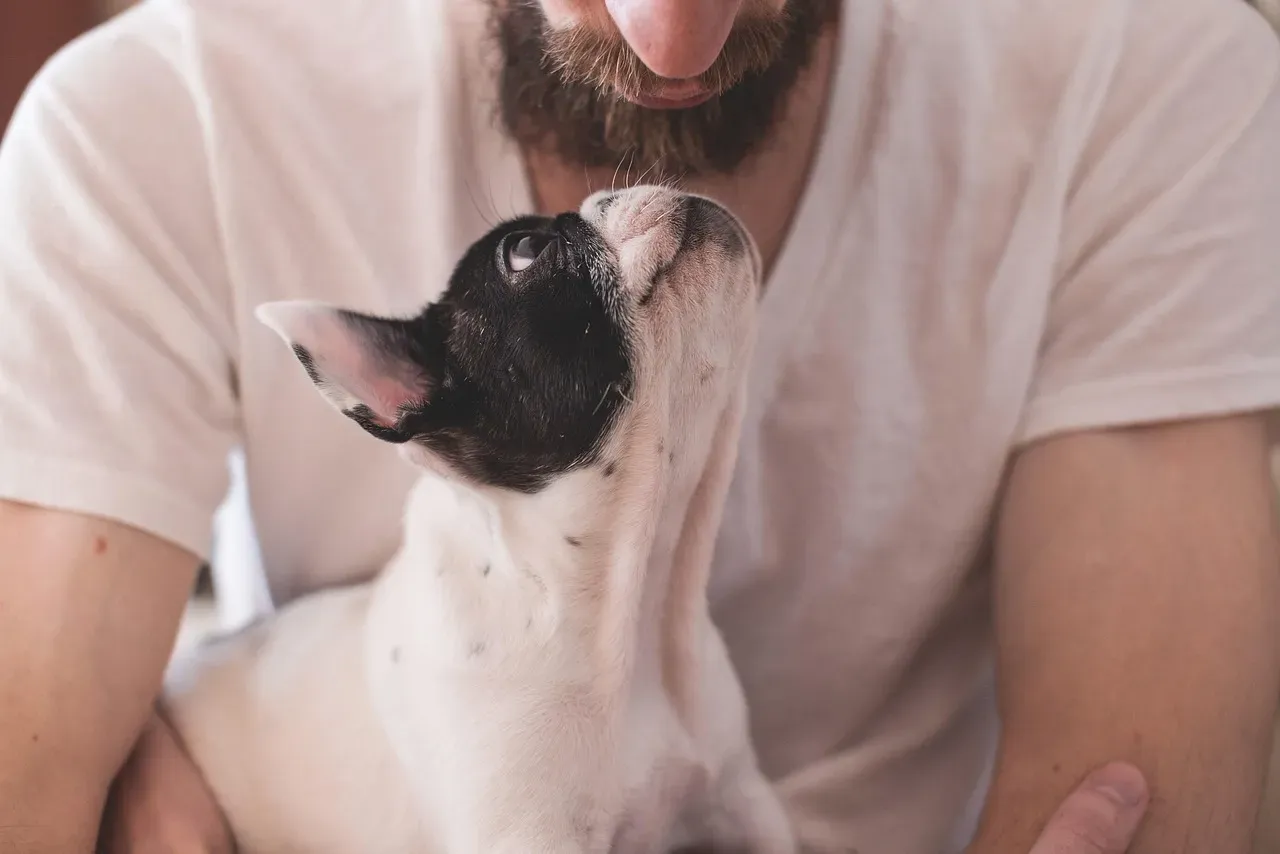
Talking to your dog at home by yourself can be a great way to practice mindfulness, and many dog owners can get lost in the moment while spending time with their dogs and can bring that presence of mind into their interactions with humans as well. When you’re chatting with your pup, you’re fully present. No scrolling. No multitasking. Just you and them.
When you talk to your dog, you’re anchoring yourself in the present, building a habit that brings clarity and peace to everyday life. These moments of focused attention are rare in our distracted world. Your dog forces you to slow down and actually be somewhere instead of constantly planning the next thing. Let’s be honest, that’s a gift we don’t give ourselves nearly enough.
You Display A Strong Nurturing Nature
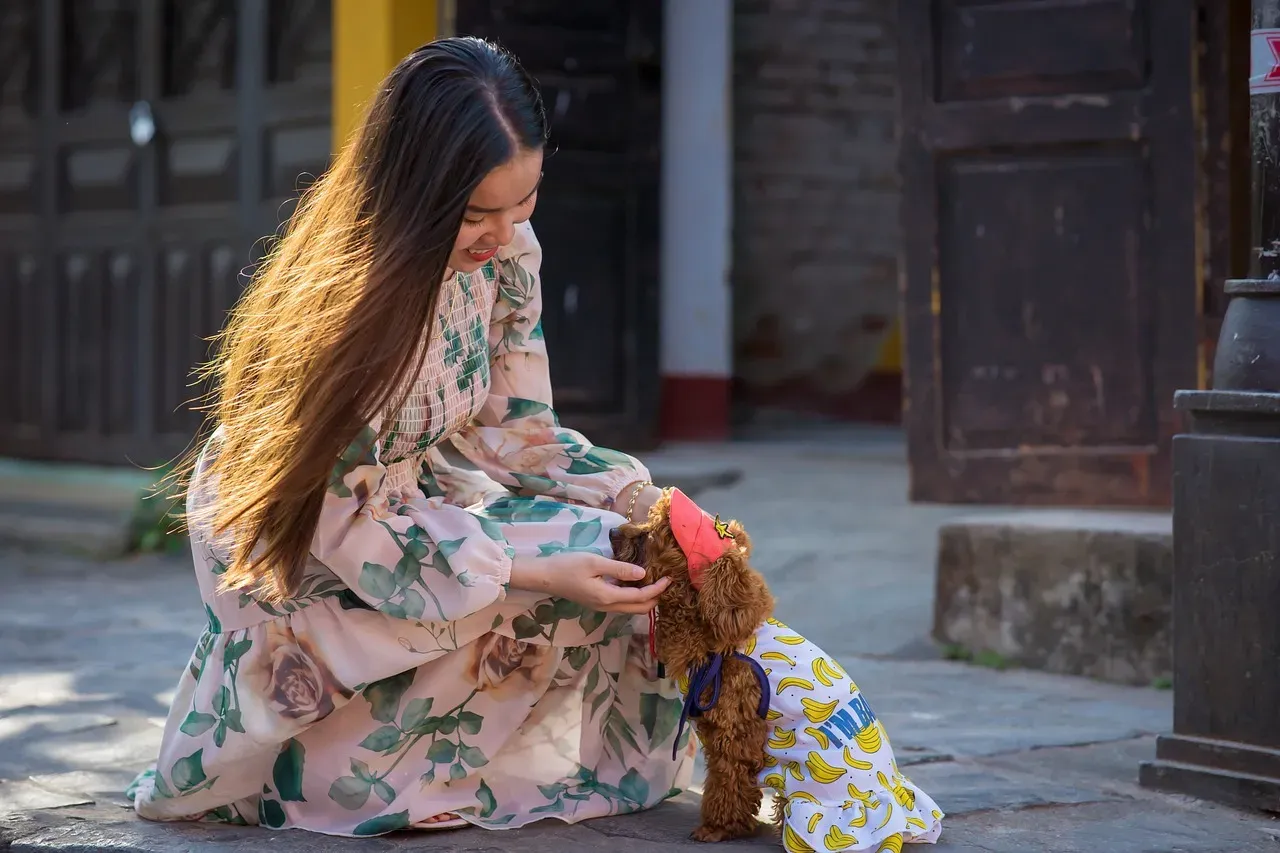
Raising a dog, particularly from its early puppy days, develops patience and a sincere nurturing instinct, with many owners seeing raising their dogs as an ongoing, developing relationship that brings joy through care, teaching, and unconditional love, and each conversation, each training session, and each playful moment strengthens that bond. When you speak to your dog like a family member, you’re expressing something fundamental about your character.
This nurturing nature often extends beyond pets, with people who talk to their pets like humans tending to be caregivers in their relationships, always looking out for others and ensuring they’re taken care of. You’re the person friends call when they need support. You remember birthdays. You check in on people. Your dog conversations aren’t isolated behavior; they’re part of a larger pattern of how you show love and care to the world around you.
You’re Comfortable With Solitude
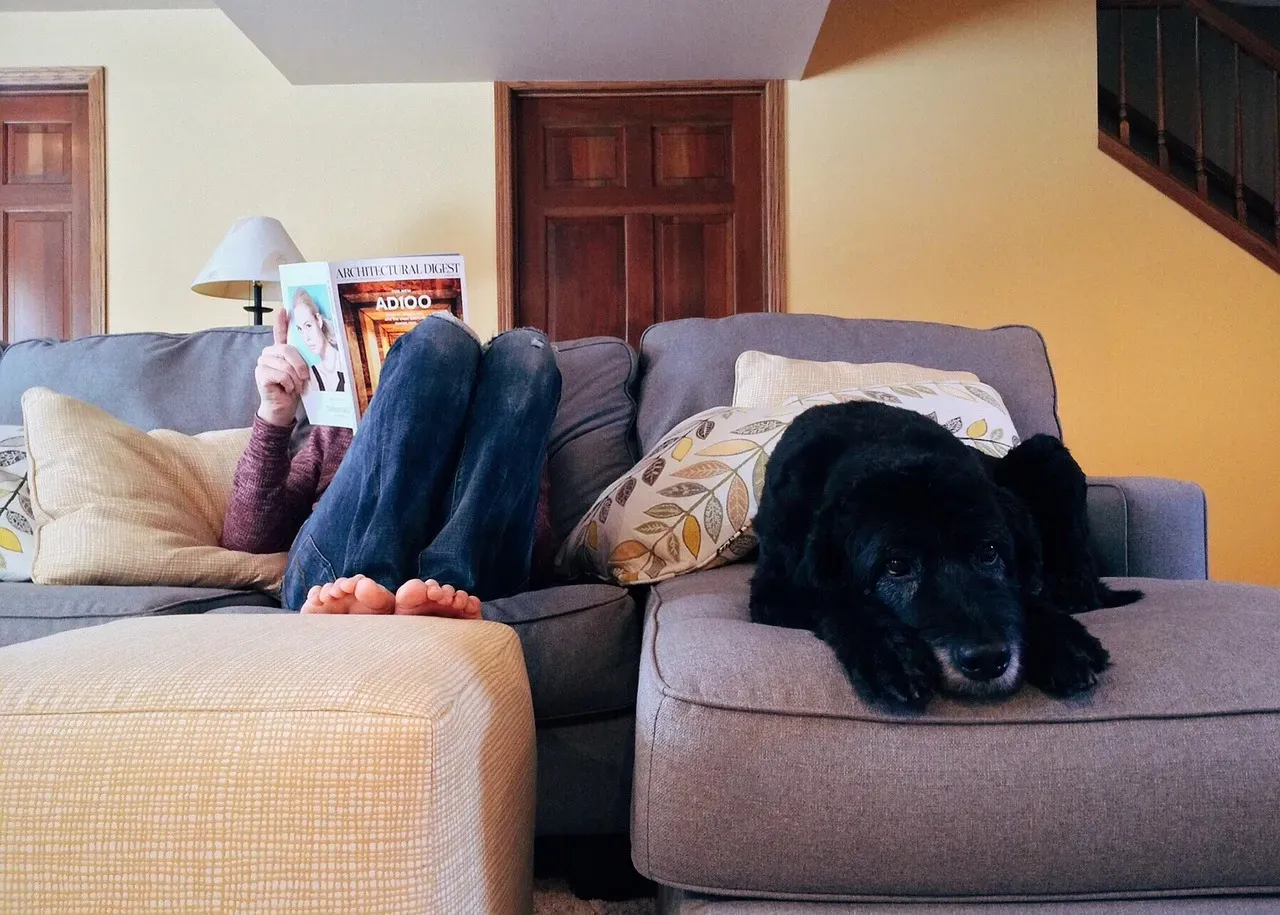
Dog owners have been found to not succumb to loneliness as easily as other people, and while non-dog owners may start to feel the strain of loneliness if they are in solitude for more than a day or two, dog owners have been found to be able to tolerate a lack of human companionship for longer periods of time, likely due to their furry friends keeping them company. Your dog gives you someone to talk to when the house is quiet.
Pets provide steady companionship, lessening the craving for constant human interaction, and for many individuals, peaceful moments shared with a faithful canine bring contentment rather than feelings of isolation, with your dog becoming not just a pet but a comforting presence that makes solitude feel less lonely. This doesn’t mean you’re antisocial. It means you’ve found peace in your own company, with your dog as a gentle companion rather than a distraction from being alone.
You Demonstrate Advanced Social Intelligence
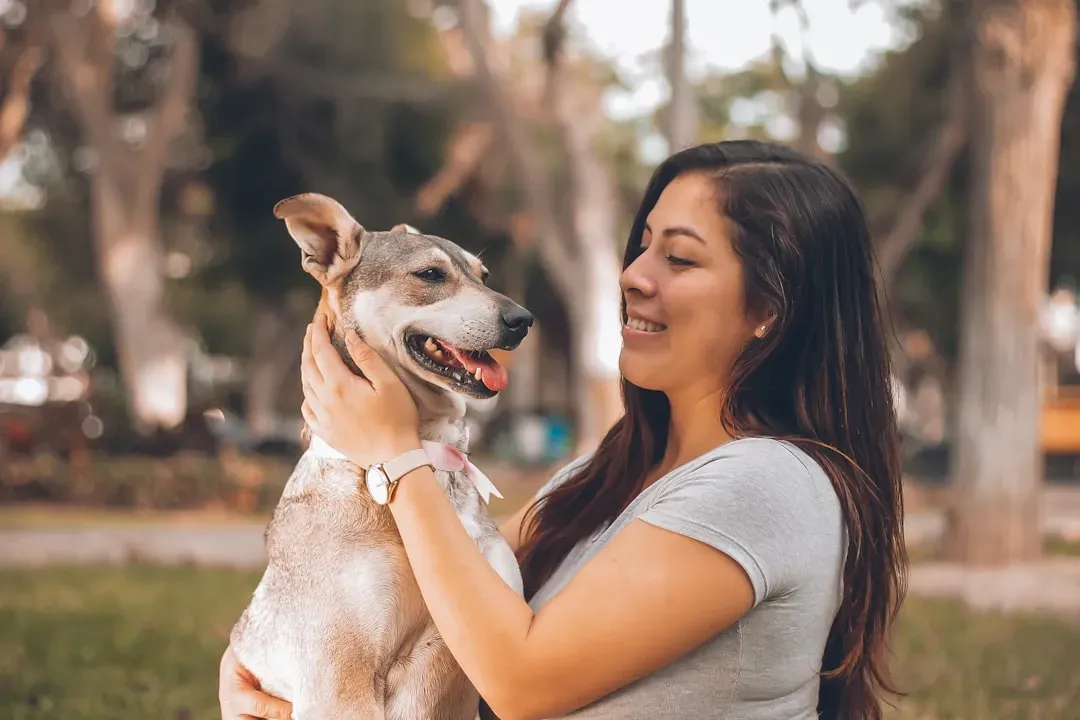
The psychological tools involved in anthropomorphism are the exact same tools involved in socializing with other human beings, and using these tools on pets only strengthens social intelligence. Every conversation with your dog is actually exercising the same mental muscles you use with people.
These individuals are master communicators who understand that words represent only a fraction of meaningful exchange, unconsciously adjusting their tone, pace, and body language to match their pet’s energy level and emotional state, and they pause for responses, reading tail wags, ear positions, and subtle shifts in posture as meaningful feedback. You’re fluent in a sophisticated form of communication that most people overlook. When people verbalize thoughts to their pets, they’re clarifying their own mental processes while simultaneously engaging in complex non-verbal dialogue.
Conclusion
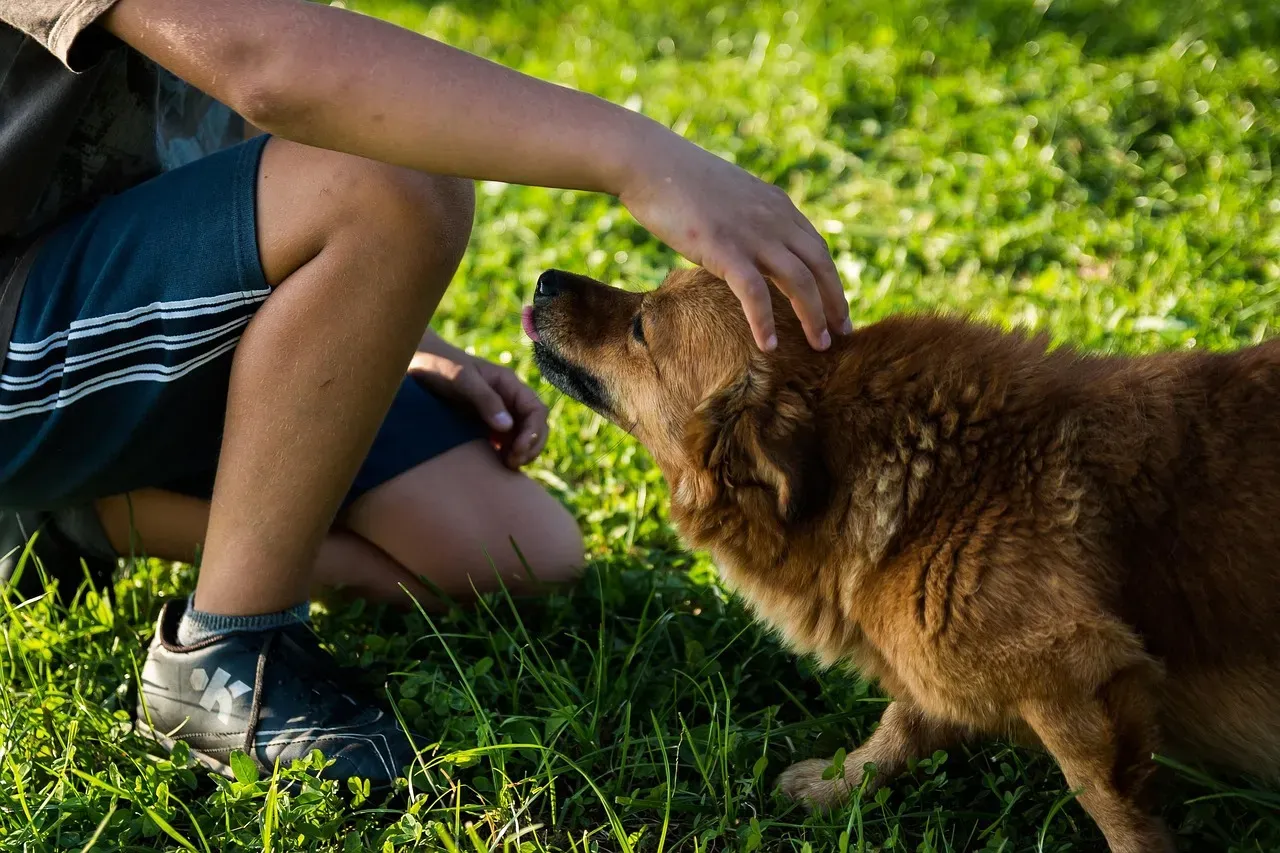
Talking to your dog like they’re human isn’t silly or strange. It’s actually a sign of psychological depth and emotional sophistication. You’re demonstrating empathy, creativity, mindfulness, and social intelligence all at once. The conversations you have with your furry friend are strengthening skills that make you better at navigating the human world too.
Studies show that anthropomorphism is tied to stronger social bonds, richer imagination, and even measurable biochemical changes such as lower cortisol and higher oxytocin when people interact with their pets. So the next time someone catches you having a heart-to-heart with your pup and gives you a weird look, you can confidently explain that science has your back. What would your dog say about all this? Mine would probably tell me to stop overthinking and just throw the ball already.