The American West is, without question, one of the most fertile grounds for dinosaur discovery on the entire planet. Beneath its sun-scorched badlands, crumbling canyon walls, and wind-worn ridges lies a fossil record so rich it has shaped the very foundation of modern paleontology. Almost all of the United States has produced at least one dinosaur fossil, with most finds concentrated in a rectangular swath running from Montana and North Dakota south to Arizona and Texas. That’s a jaw-dropping stretch of ancient earth, packed with stories still waiting to be told.
You might think most of the big discoveries are behind us, that the truly earth-shaking finds were made a century ago by men with pickaxes and mule carts. Think again. The United States and China are the top two dinosaur-producing countries in the world, with more than 320 species named from each. From Montana’s frozen badlands to the red rock deserts of Utah, the West keeps delivering surprise after stunning surprise. So buckle up, because what follows is genuinely astonishing.
The Carnegie Quarry: A Wall of Bones Hidden in Utah
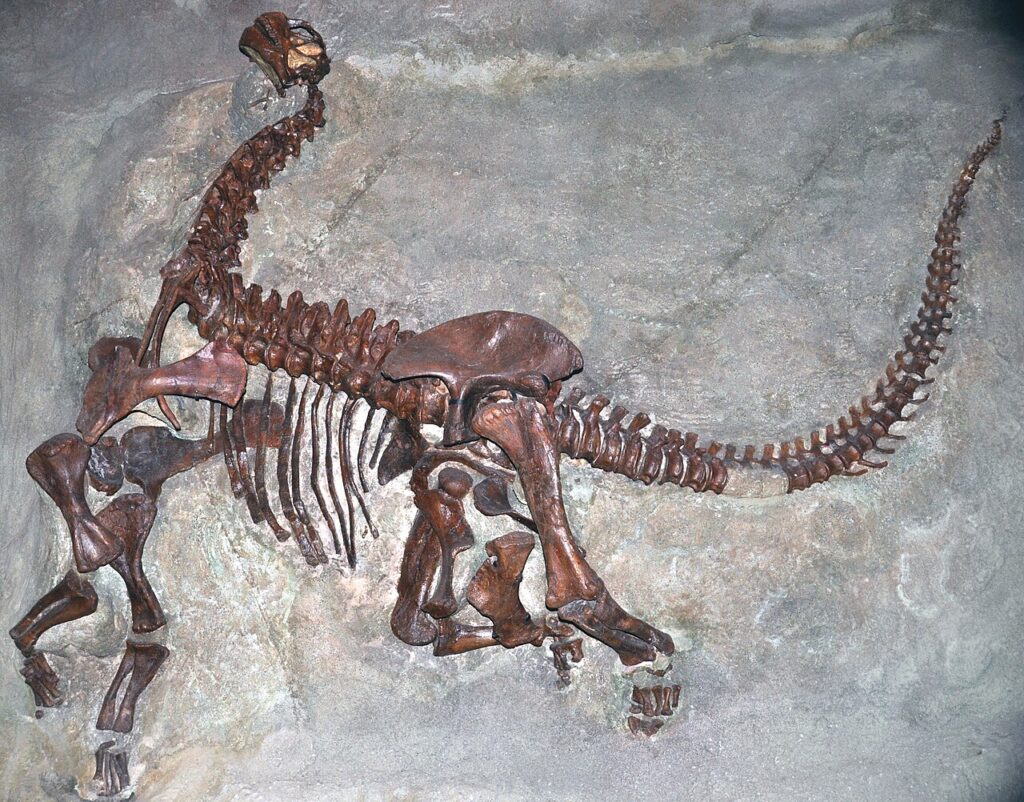
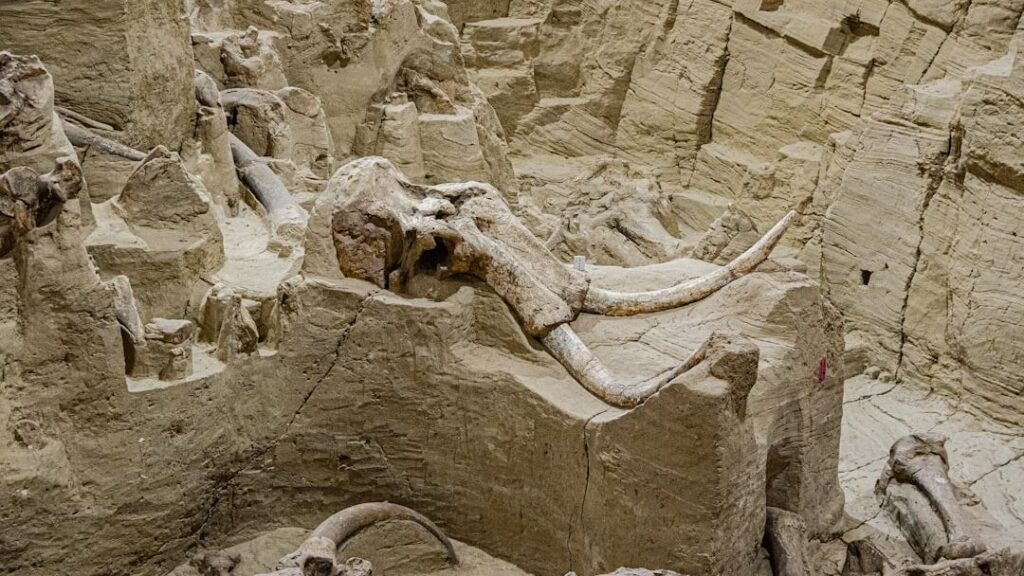
Picture this: a lone scientist trudging through northeastern Utah in the blazing August heat of 1909, searching rock layer after rock layer for any sign of ancient life. That’s exactly what Earl Douglass was doing when everything changed. Paleontologist Earl Douglass of the Carnegie Museum discovered eight vertebrae of an Apatosaurus on August 17, 1909, which became the first dinosaur skeleton discovered and excavated at the new Carnegie Quarry. What followed was one of the most productive fossil excavations in history.
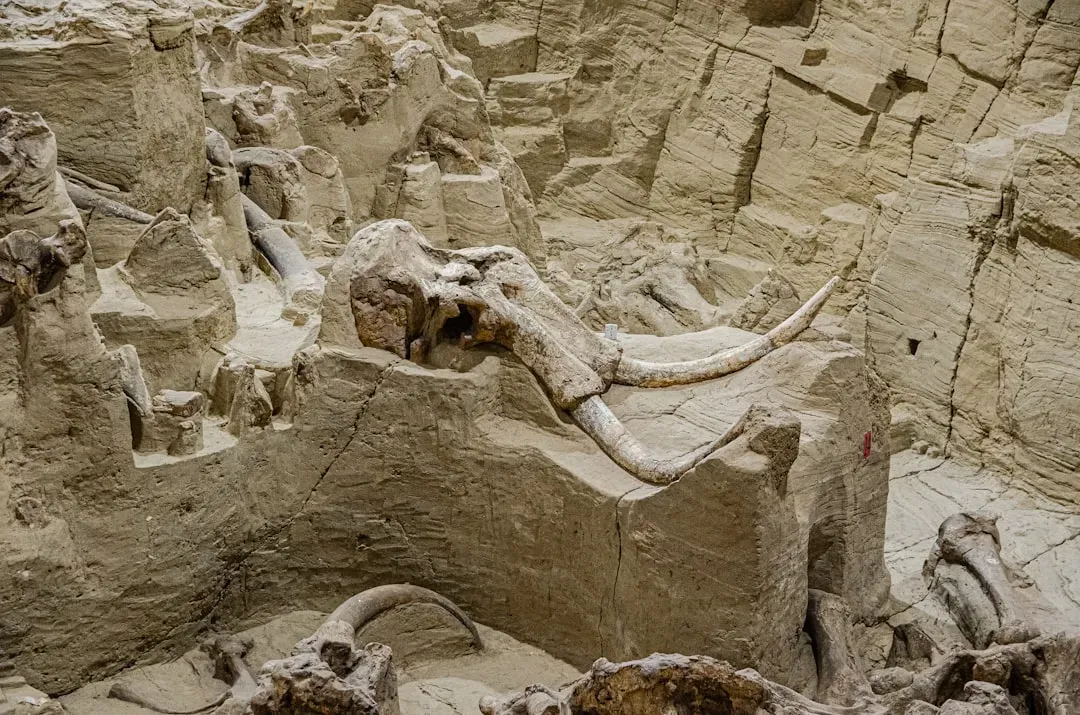
The celebrated fossil quarry at what is now recognized as Dinosaur National Monument in Utah was discovered in 1909 by Carnegie Museum field collector Earl Douglass, and from 1909 to 1923, Douglass and his crews collected more than 350 tons of fossils from that site alone. Numerous scientifically important fossils have been recovered from the quarry, including the most complete sauropod fossil ever found, the juvenile Camarasaurus specimen, and the largest nearly complete dinosaur skeleton ever found. Today you can visit and literally touch the fossils still embedded in the quarry wall, which is honestly one of the most otherworldly experiences in American science.
Egg Mountain, Montana: The Discovery That Changed How We See Dinosaurs
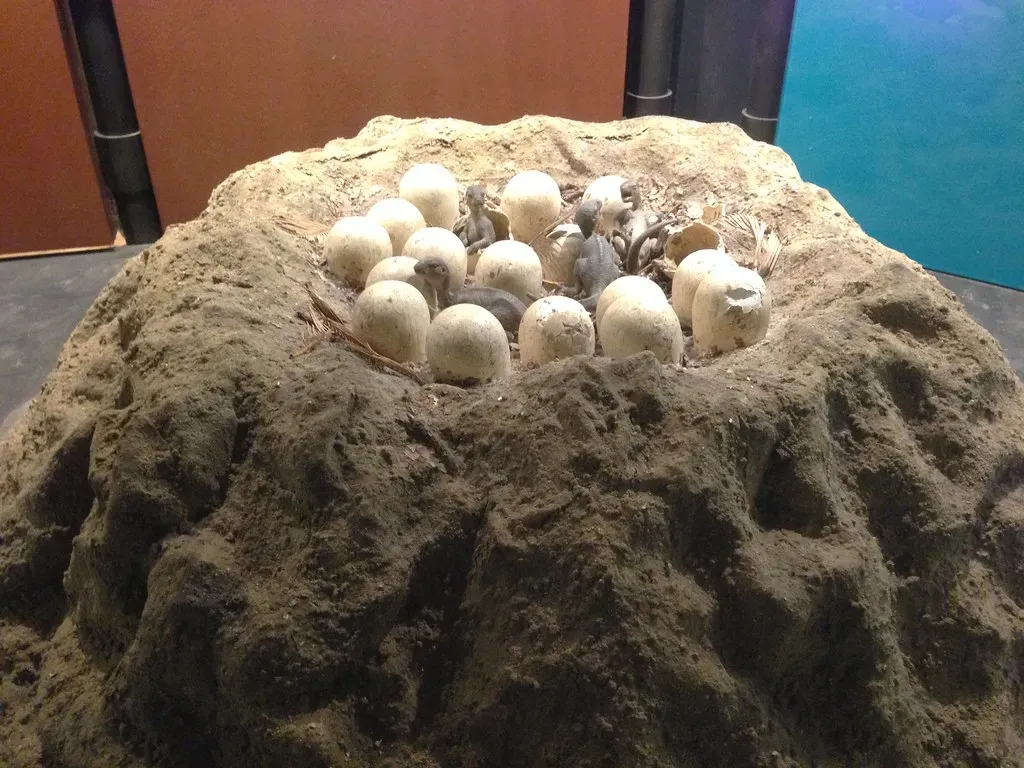
Before Egg Mountain, the popular image of dinosaurs was essentially a giant, cold-blooded, emotionally absent lizard. Caring parents? Social nesting colonies? Nobody thought dinosaurs were capable of anything like that. Then Jack Horner turned everything upside down. The first nesting site in this area was discovered by amateur paleontologist Marion Brandvold in 1978, and studies of its associated dinosaur eggs, nests, and skeletons were begun by paleontologist Jack Horner that same year. It was a discovery that rewrote the textbooks almost overnight.
The find contained the first non-avian dinosaur eggs in the Western Hemisphere, the first dinosaur embryos, and settled questions of whether some dinosaurs were social, built nests, and cared for their young. The discovery at Egg Mountain indicated that Maiasaura exhibited colonial nesting behavior, where large groups would all nest together in one area, and after hatching, the adults may have actively cared for their young for a significant amount of time. Honestly, it’s hard to overstate how radical that idea was at the time. These weren’t mindless beasts. They were, in some ways, surprisingly familiar.
The First T. Rex: Barnum Brown and the Hell Creek Formation
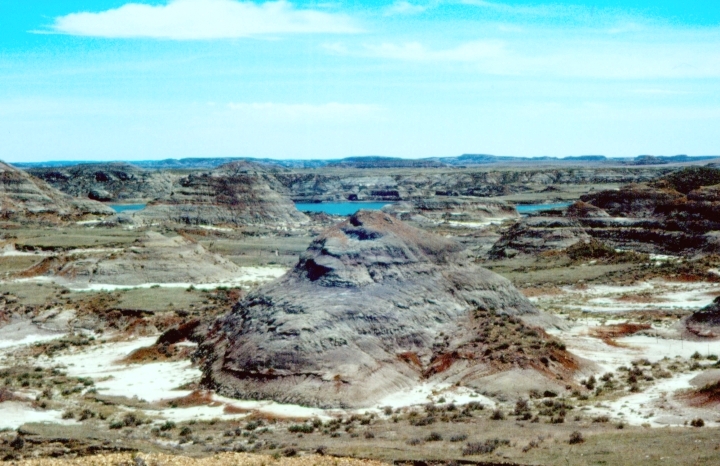
You’ve seen Tyrannosaurus rex in every museum, movie, and kids’ bedroom poster since you can remember. But there was a moment, not that long ago in scientific terms, when nobody on earth had ever seen one. That moment ended in Montana. The world’s first identified T. rex was found in the Hell Creek area near Jordan, Montana, in 1902 by paleontologist Barnum Brown. The American Museum of Natural History sent Brown west, and what he found would become the most recognizable dinosaur species in the world.
Mid-to-late twentieth century discoveries in the United States triggered the Dinosaur Renaissance, as the discovery of bird-like dinosaurs overturned misguided notions of dinosaurs as plodding lizard-like animals and cemented their sophisticated physiology and relationship with birds. The Hell Creek Formation in Montana and the Dakotas continues to yield remarkable T. rex specimens to this day. The Museum of the Rockies in Bozeman, Montana holds the world’s largest collection of T. rex and Triceratops specimens. That’s a legacy that began with a single, world-changing dig in 1902.
Leonardo: The Dinosaur Mummy of Montana
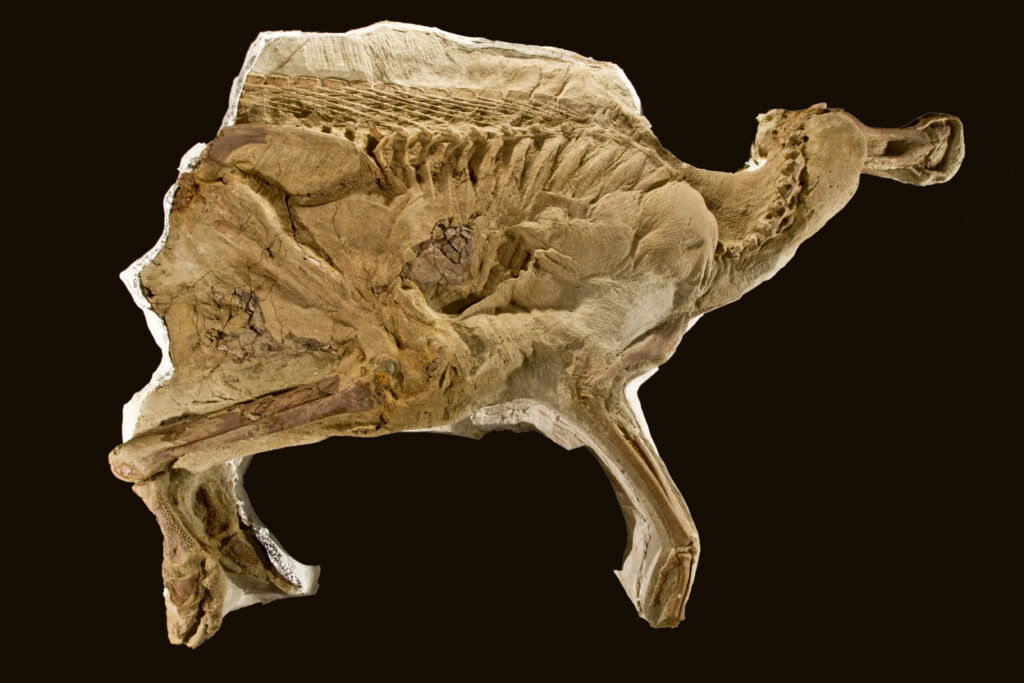
Most fossil discoveries give you bones, maybe a partial skeleton if you’re lucky. Finding preserved soft tissue is extraordinarily rare, which is why the discovery of “Leonardo” near Malta, Montana, stopped the entire paleontological community cold. Leonardo, the “mummy” Brachylophosaurus, found in 2001 near Malta, Montana, with the majority of its body covered in fossilized skin, is recognized by the Guinness Book of World Records as the best preserved dinosaur ever found, and a cast of the specimen is on display at the Great Plains Dinosaur Museum in Malta.
Think of it like finding a 77-million-year-old photograph of a living creature, rather than a blurry sketch. With Leonardo, scientists could see not just the skeleton but the texture of the skin, the shape of the muscles, and even traces of its last meal. A nearly complete and articulated hadrosaur called “Elvis” was also found near Malta, Montana in 1994, named for the Rock-and-Roll legend because its hip was found first, and the 33-foot-long Brachylophosaurus fossil is on display at Malta’s Phillips County Museum and the Museum of the Rockies in Bozeman. Montana just keeps delivering, doesn’t it?
Dinosaur Ridge, Colorado: Where the Bone Wars Began in Earnest
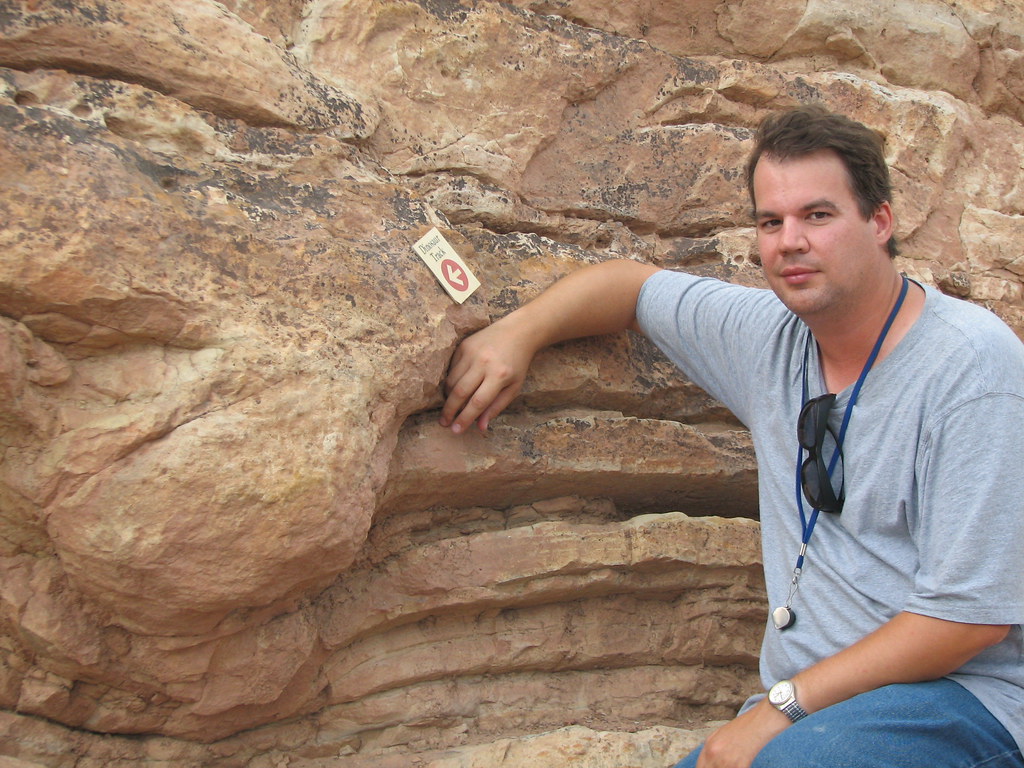
There’s a ridge just outside Denver, Colorado, where the story of American dinosaur paleontology truly caught fire in the nineteenth century. It’s called Dinosaur Ridge, and it played a starring role in one of the most competitive scientific rivalries ever recorded. In 1876, Arthur Lakes, a professor at Jarvis Hall, discovered many fossils on the west side of the Ridge and sent them to paleontologist Othniel Charles Marsh at Yale, who named several famous dinosaurs from these remains, including Apatosaurus, Stegosaurus, and Atlantosaurus.
Eminent paleontologists Edward Drinker Cope and Othniel Charles Marsh were embroiled in a bitter rivalry to collect the most fossils and name the most new prehistoric species. This frantic competition, known as the Bone Wars, was as dramatic as any wild west story, full of sabotage, stolen specimens, and obsession. Some of the most iconic dinosaurs now known lived and died in the area now called Dinosaur Ridge, including Stegosaurus, Apatosaurus, Diplodocus, and Allosaurus, long before the Rocky Mountains uplifted. I think it’s remarkable that a single Colorado ridge holds so much scientific history.
Utah’s Fossil Goldmine: The Morrison Formation
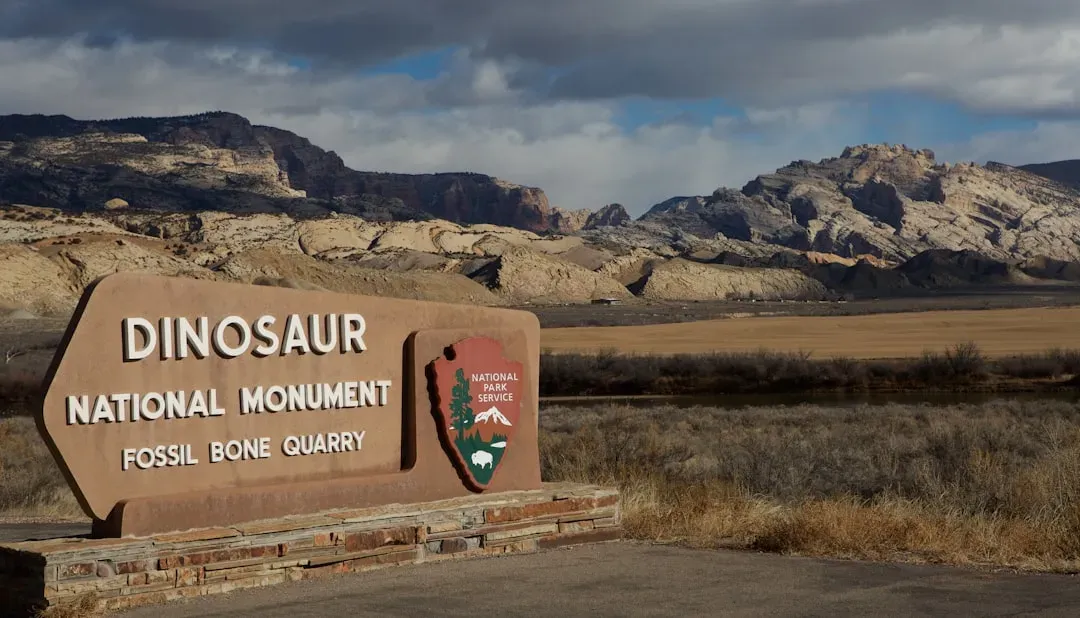
If you wanted to design the perfect fossil-trapping environment, you’d probably invent something very close to the Morrison Formation. Stretching across much of the American West, this ancient geological layer has yielded an almost incomprehensible number of dinosaur remains. Utah is famous for its dinosaur fossils and related discoveries, behind only China in regard to the number of dinosaur types found. That’s a staggering claim for a single state, and it’s one that paleontologists are still working hard to justify with new finds every season.
The Morrison Formation originated approximately 150 million years ago as floodplain deposits and was widespread, covering the area that is now Colorado, Wyoming, eastern Utah, northern New Mexico, parts of Montana and South Dakota, and the panhandle of Oklahoma. Significant discoveries have been made in the rocks deposited at Arches National Park in Utah and Dinosaur National Monument, including skulls of the sauropod Abydosaurus. Here’s the thing: scientists estimate we’ve barely scratched the surface of what the Morrison Formation still holds. The West is still very much an active paleontological frontier.
Washington’s First Dinosaur: A Theropod Found by Accident
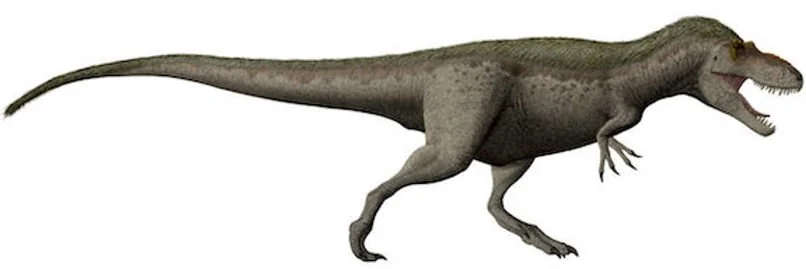
It’s hard to say for sure, but most people would probably never guess that Washington State, known more for its rain forests and coffee culture than its fossil record, produced a dinosaur discovery that genuinely surprised scientists. On April 10, 2012, two Burke Museum research associates were at Sucia Island State Park with a collecting permit for fossil ammonites when they stumbled upon the find. They weren’t even looking for dinosaurs. Sometimes that’s exactly how the best discoveries happen.
The fossil is a partial left thigh bone of a theropod dinosaur, the group of two-legged, meat-eating dinosaurs that includes Velociraptor, Tyrannosaurus rex and modern birds, found along the shores of Sucia Island State Park in the San Juan Islands, and is approximately 80 million years old, from the Late Cretaceous period. Earthquakes and other geologic forces that constantly reshape our planet moved the rocks north to their present-day location. The idea that tectonic forces essentially delivered a dinosaur fossil to a Pacific Northwest island is wild, even by paleontology’s wonderfully strange standards.
Lokiceratops: Montana’s Norse God of the Badlands
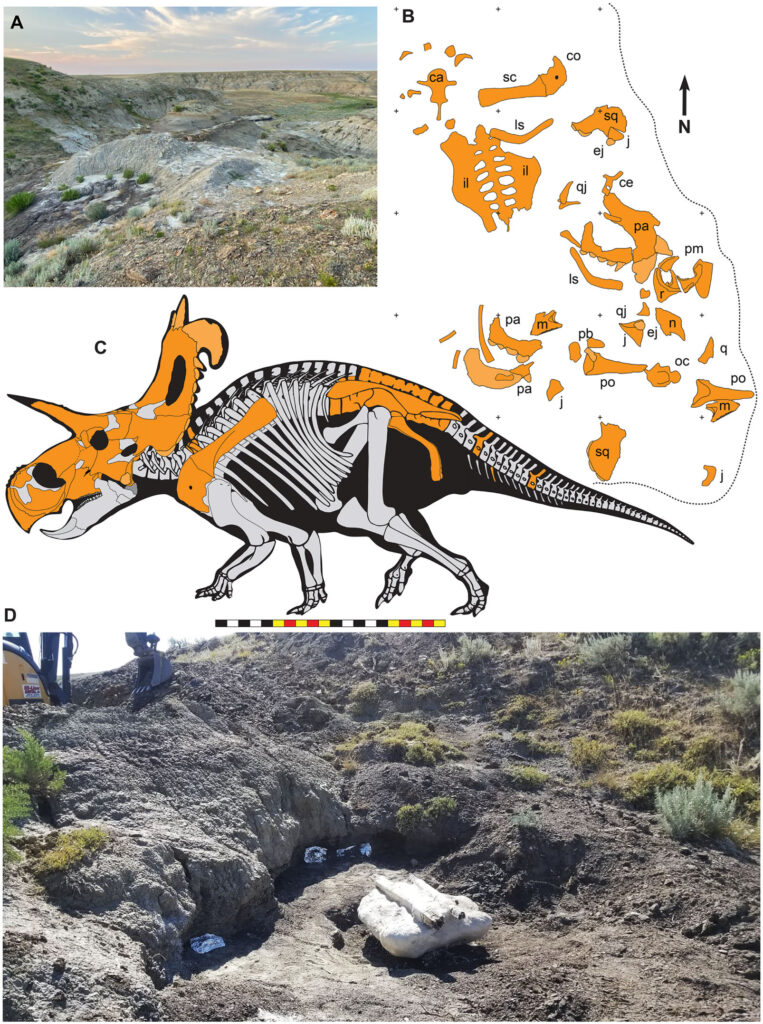
Just when you think the American West has given up all its secrets, the badlands of northern Montana produce something that makes the entire paleontological community do a double take. In 2024, the announcement of Lokiceratops rangiformis sent shockwaves through the scientific world. Lokiceratops was discovered in 2019 in the badlands of northern Montana, two miles south of the U.S.-Canada border. The name itself tells you this creature was no ordinary find.
Lokiceratops possesses several unique features, among them the absence of a nose horn, huge curving blade-like horns on the back of the frill, the largest ever found on a horned dinosaur, and a distinct asymmetric spike in the middle of the frill. Lokiceratops was excavated from the same rock layer as four other dinosaur species, indicating that five different dinosaurs lived side by side 78 million years ago in the swamps and coastal plains along the eastern shore of Laramidia. Lokiceratops appeared at least 12 million years earlier than its famous cousin Triceratops and was the largest horned dinosaur of its time. Finding five coexisting species in a single rock layer is the kind of biodiversity snapshot that scientists could only dream about not long ago.
Conclusion: The West Is Still Talking
The American West is not just a chapter in dinosaur history. It is an ongoing conversation between the earth and the curious humans who dig into it. From the first Carnegie Quarry vertebrae uncovered in 1909 to the blade-horned Lokiceratops announced just last year, this land continues to rewrite the story of life on our planet.
Every crumbling badland cliff and every sandstone ridge holds the potential for the next world-changing discovery. The fossils do not care about our timelines or our expectations. They simply wait, sometimes for millions of years, for someone to look in exactly the right place at exactly the right moment.
The American West has given us monsters, mothers, mummies, and missing links. What it gives us next is anyone’s guess. What discovery would you most want to see come out of those ancient, wind-worn hills? Drop your thoughts in the comments below.