Everything you thought you knew about dinosaurs might be wrong. Not a little bit wrong. Fundamentally, spectacularly, jaw-droppingly wrong. For most of the last century, these magnificent creatures were painted as cold, sluggish, dim-witted reptiles dragging their tails through swamps. Today, science is telling a completely different story, and honestly, it is far more thrilling than anything those old textbook illustrations ever suggested.
New fossils, reanalyses of famous specimens, and the use of increasingly sophisticated tools have continued to upend what we thought we knew about how these animals lived, moved, fed, and evolved. The pace of change in paleontology right now is staggering. Get ready, because what you are about to discover may completely reshape how you picture life on Earth 66 to 230 million years ago. Let’s dive in.
Dinosaurs Were Not Cold-Blooded Reptiles After All
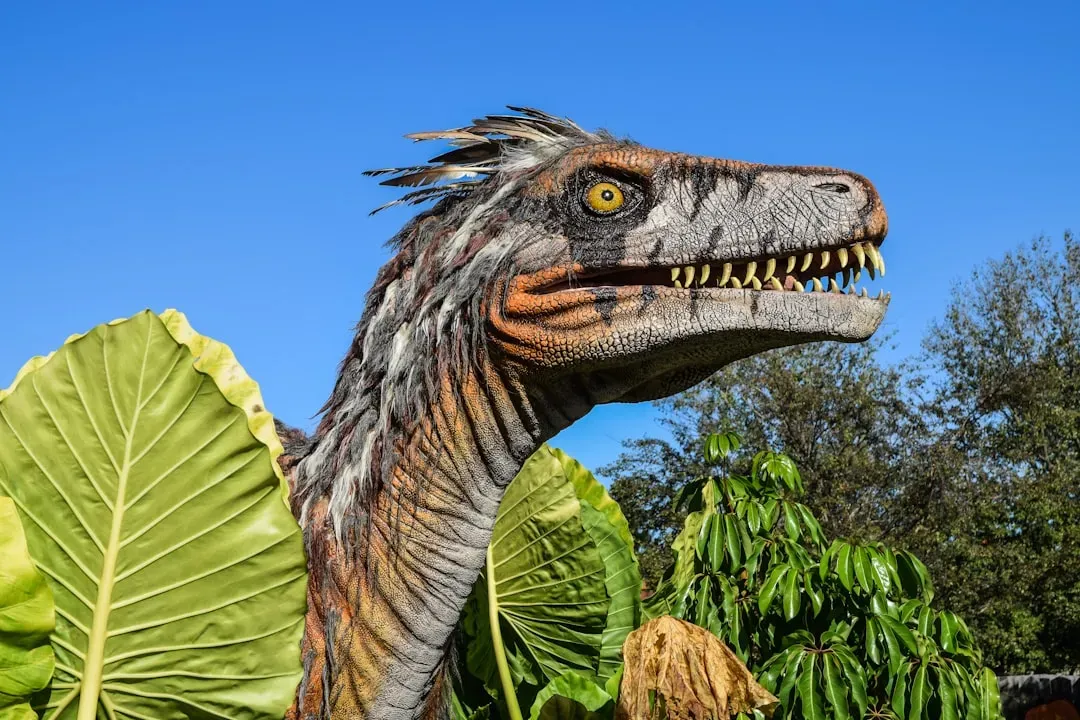
For most of the twentieth century, the popular image of a dinosaur was basically a giant lizard, slow, sun-dependent, and metabolically sluggish. That image has been demolished. Through most of the 20th century, before birds were recognized as dinosaurs, most of the scientific community believed dinosaurs to have been sluggish and cold-blooded. Most research conducted since the 1970s, however, has indicated that dinosaurs were active animals with elevated metabolisms and numerous adaptations for social interaction.
The warm-bloodedness debate is anything but settled, though, and that is what makes it so fascinating. It is one of paleontology’s oldest questions, and gleaning the answer matters because it illuminates how the prehistoric creatures may have lived and behaved. Challenging the prevailing idea that they were all slow, lumbering lizards that basked in the sun to regulate their body temperature, research over the past three decades has revealed that some dinosaurs were likely birdlike, with feathers and perhaps the ability to generate their own body heat. Think of it this way: the difference between a cold-blooded crocodile lying motionless and a warm-blooded hawk actively hunting is enormous, and that same distinction would have shaped every aspect of dinosaur life.
Feathers Were About Far More Than Just Flying
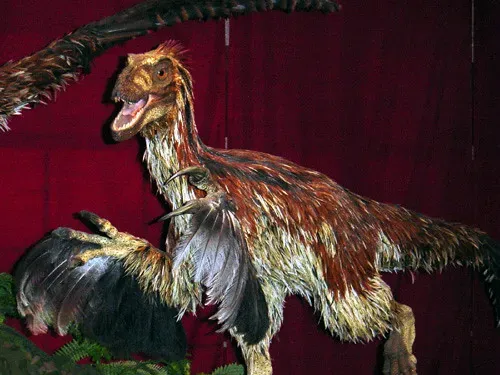
Here is something that might surprise you: feathers were not invented for flight. Not even close. Researchers have proposed multiple roles for dinosaur feathers: insulation, display, camouflage, brooding, and eventually flight. Simple, hair-like filaments on early theropods likely trapped heat and helped small animals survive in cooler environments. As feathers became more complex, their uses appear to have diversified. It is a bit like how a Swiss Army knife starts with one blade and ends up doing everything imaginable.
Fossils show that some non-flying dinosaurs carried long, ribbon-like feathers or elaborate tail fans that would have been cumbersome for powered flight. Instead, these structures seem well suited to catching the eye of mates or rivals. This supports the idea that display and communication were already well developed before the first true birds took to the air, adding layers of behavioral complexity to dinosaur evolution. So when you picture Velociraptor, do not imagine a scaly, predatory machine. Recent discoveries have confirmed that Velociraptor was covered in feathers, with quill knobs indicating well-developed plumage. This review explores the potential functions of feathers beyond flight, focusing on their impact on hunting behavior. Evidence suggests that Velociraptor’s plumage likely facilitated camouflage and enhanced aerodynamic control, improving its stealth and maneuverability during high-speed chases.
Dinosaurs Were Surprisingly Colorful Creatures
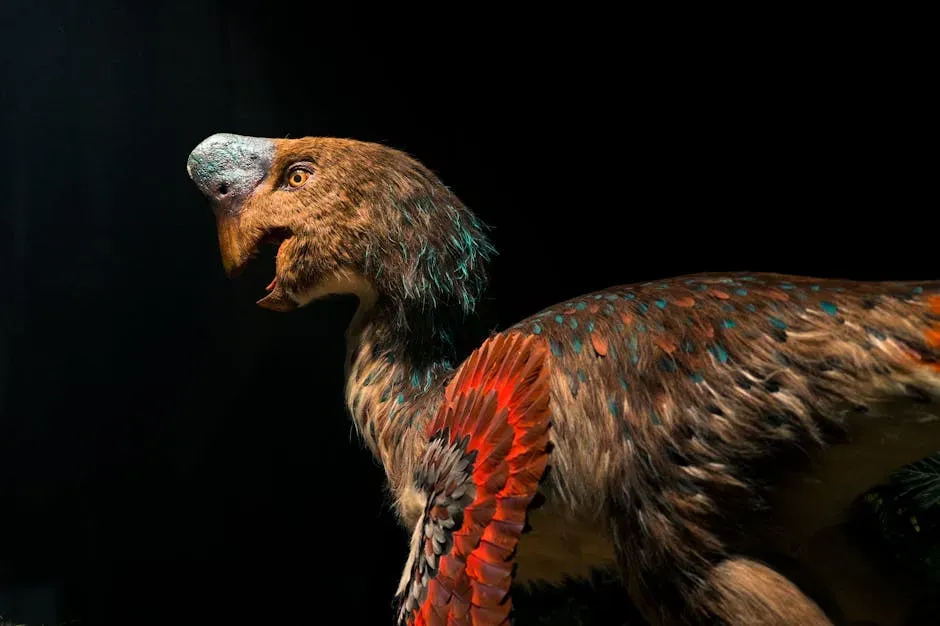
You have probably seen those old paintings of brownish-gray dinosaurs stomping through muddy landscapes. Honestly, those images aged about as well as a Polaroid left in the sun. Researchers from the University of Bristol have revealed how a small feathered dinosaur used its colour patterning, including a bandit mask-like stripe across its eyes, to avoid being detected by its predators and prey. By reconstructing the likely colour patterning of the Chinese dinosaur Sinosauropteryx, researchers have shown that it had multiple types of camouflage which likely helped it to avoid being eaten in a world full of larger meat-eating dinosaurs.
The tool that cracked open this discovery is as elegant as it is unexpected. Paleontologists have recently pieced together the colors and patterns of some feathered dinosaurs. They did so using electron microscopes to see tiny preserved structures that used to contain the pigments of the animals in life. More recently, some other dinosaur fossils with melanosomes preserved in their scales or feathers have been reconstructed in color. While researchers were reluctant to fully reconstruct one juvenile Diplodocus in color, the researchers detected that the dinosaur would have had conspicuous patterns across its scales. The finding suggests sauropod dinosaurs were not uniformly gray or brown, but had complex color patterns like other dinosaurs, birds and reptiles.
Social Herding Behavior Goes Back Nearly 200 Million Years
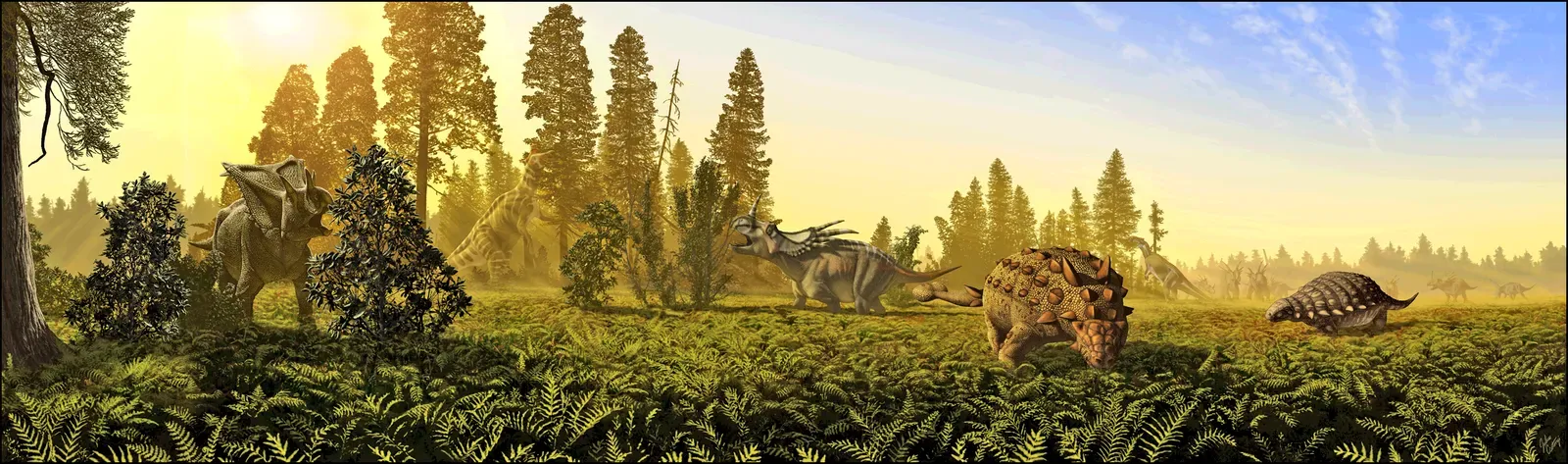
The idea that dinosaurs were solitary, asocial creatures is another one of those assumptions that science has systematically taken apart. In a paper appearing in Scientific Reports, researchers from MIT, Argentina, and South Africa detailed their discovery of an exceptionally preserved group of early dinosaurs that shows signs of complex herd behavior as early as 193 million years ago, 40 million years earlier than other records of dinosaur herding. That is an almost incomprehensible stretch of deep time during which social behavior was already part of the equation.
New discoveries indicate the presence of social cohesion throughout life and age-segregation within a herd structure, in addition to colonial nesting behavior. These findings provide the earliest evidence of complex social behavior in Dinosauria, predating previous records by at least 40 million years. The presence of sociality in different sauropodomorph lineages suggests a possible Triassic origin of this behavior, which may have influenced their early success as large terrestrial herbivores. Imagine young dinosaurs moving in age-segregated clusters, the juveniles foraging separately from adults. It sounds less like a monster movie and more like a nature documentary about elephants.
Trackways Are Rewriting the Rules of Dinosaur Movement
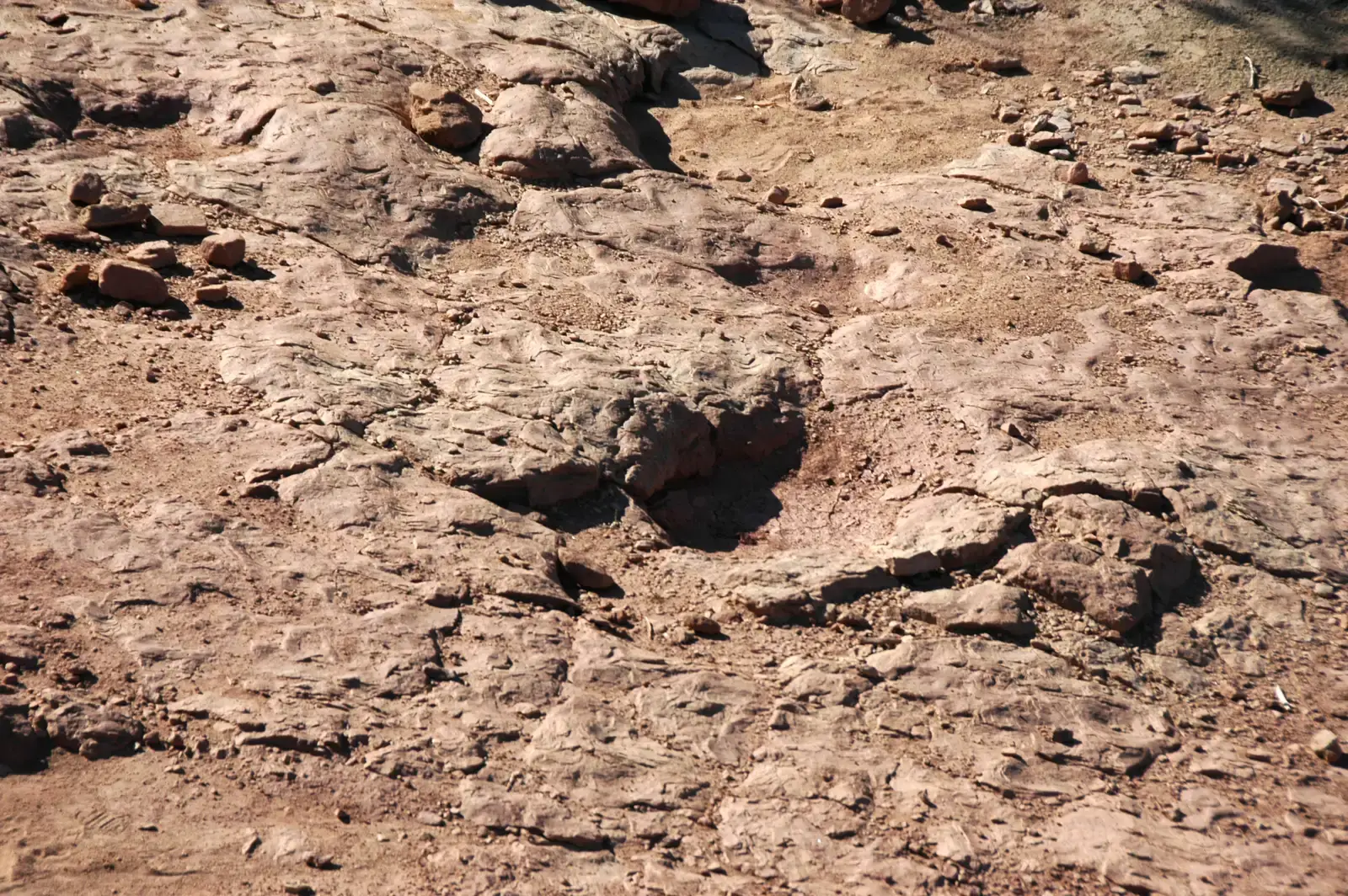
Bones tell you what an animal looked like. Footprints, on the other hand, tell you what it actually did. Series of fossilized footprints, called trackways, reveal some intriguing evidence about dinosaur behavior and locomotion. For a long time, scientists relied primarily on gut instinct when interpreting how dinosaurs moved. Before Alexander’s groundbreaking study in 1976, paleontologists had made “reasonable guesses” about the function of dinosaurs, persuasive arguments but often untestable. Alexander began a movement to apply scientific methods to investigating dinosaur function and behavior. His research heralded the start of a revolution in paleobiological methods, using modern scientific methods to bring dinosaurs to life in a testable way.
Today, technology has dramatically sharpened the picture. For one study, researchers took X-ray videos of a present-day bird walking on a treadmill and used the videos to precisely measure the ankle and toe joint poses of the bird. Simultaneously, using 3D models, they simulated motions of the same joints in cutting-edge computer animation software, testing millions of potential poses and assigning each pose a score to describe how well the bird’s bone surfaces fit together geometrically. When the researchers compared the highest scoring potential poses with the reality of how birds walk, they found an amazingly accurate match. The same methods are now being applied to fossil bones, yielding far more reliable reconstructions of how dinosaurs actually moved across the ancient landscape.
Spinosaurus Was Actively Swimming, Not Just Wading
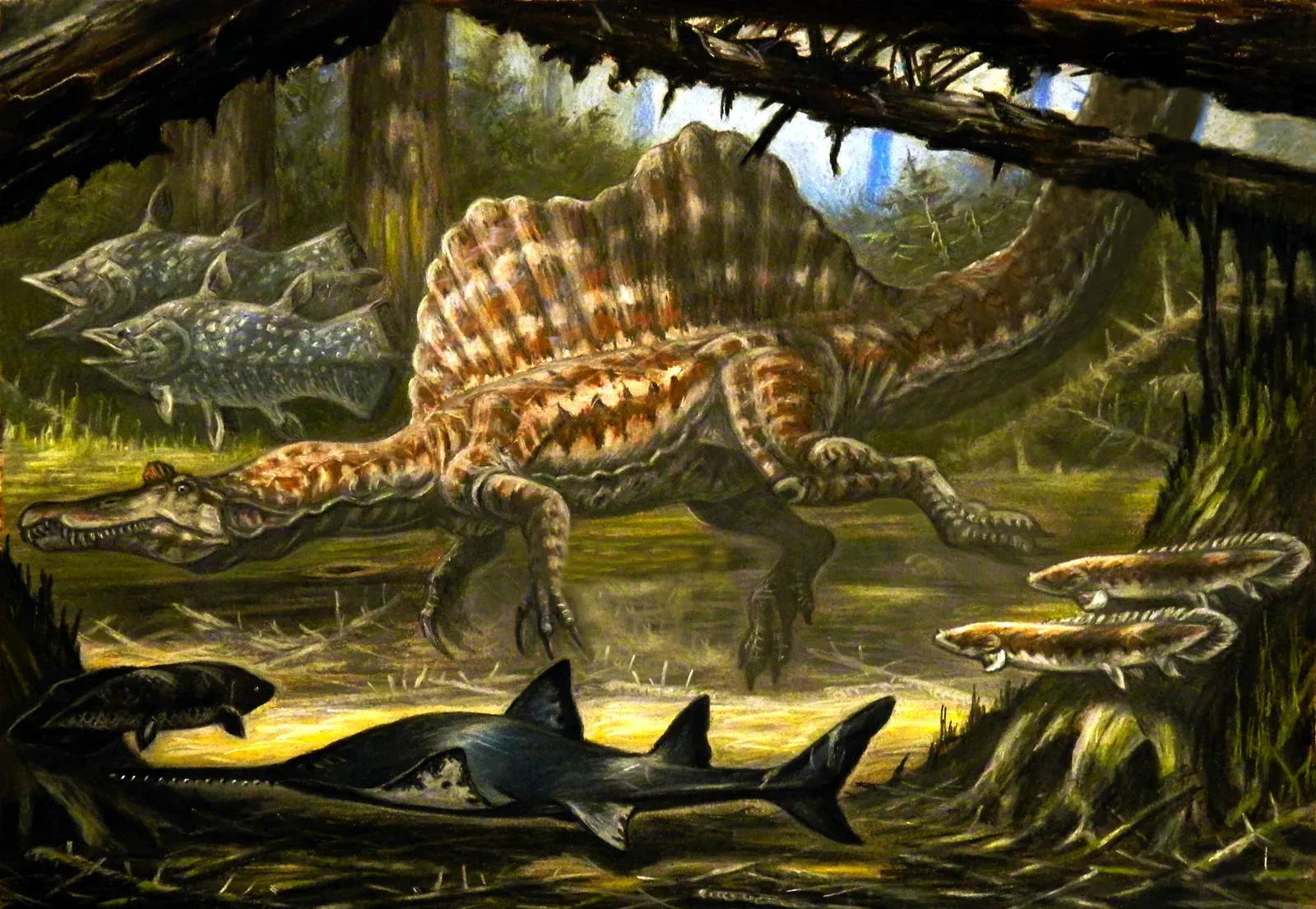
For years, Spinosaurus was a puzzle nobody could fully solve. It had crocodile-like jaws, stubby legs, and a towering sail on its back. Spinosaurus, the massive semi-aquatic predator with a sail on its back, had puzzled scientists for years. Bone density analysis, combined with knowledge of preserved tissues, confirmed aquatic adaptations, specifically active buoyancy control. Spinosaurus was not just wading into rivers; it was swimming, actively regulating its position in the water column. That is a fundamental shift in how we understand one of the largest predatory dinosaurs that ever lived.
This revelation came not from a new skeleton but from a deeper reading of existing evidence, which is just as exciting. Soft tissue was telling hard truths about dinosaur lifestyles. It turned out, dinosaurs were far more than just skeletons in stone. They were biological marvels, their secrets stubbornly preserved across eons, waiting for modern science to whisper the right questions. Think about that for a moment. The answers were there all along, buried in the microscopic details of bones that had been sitting in museum drawers for decades.
Nanotyrannus Has Overturned Everything We Knew About T. rex
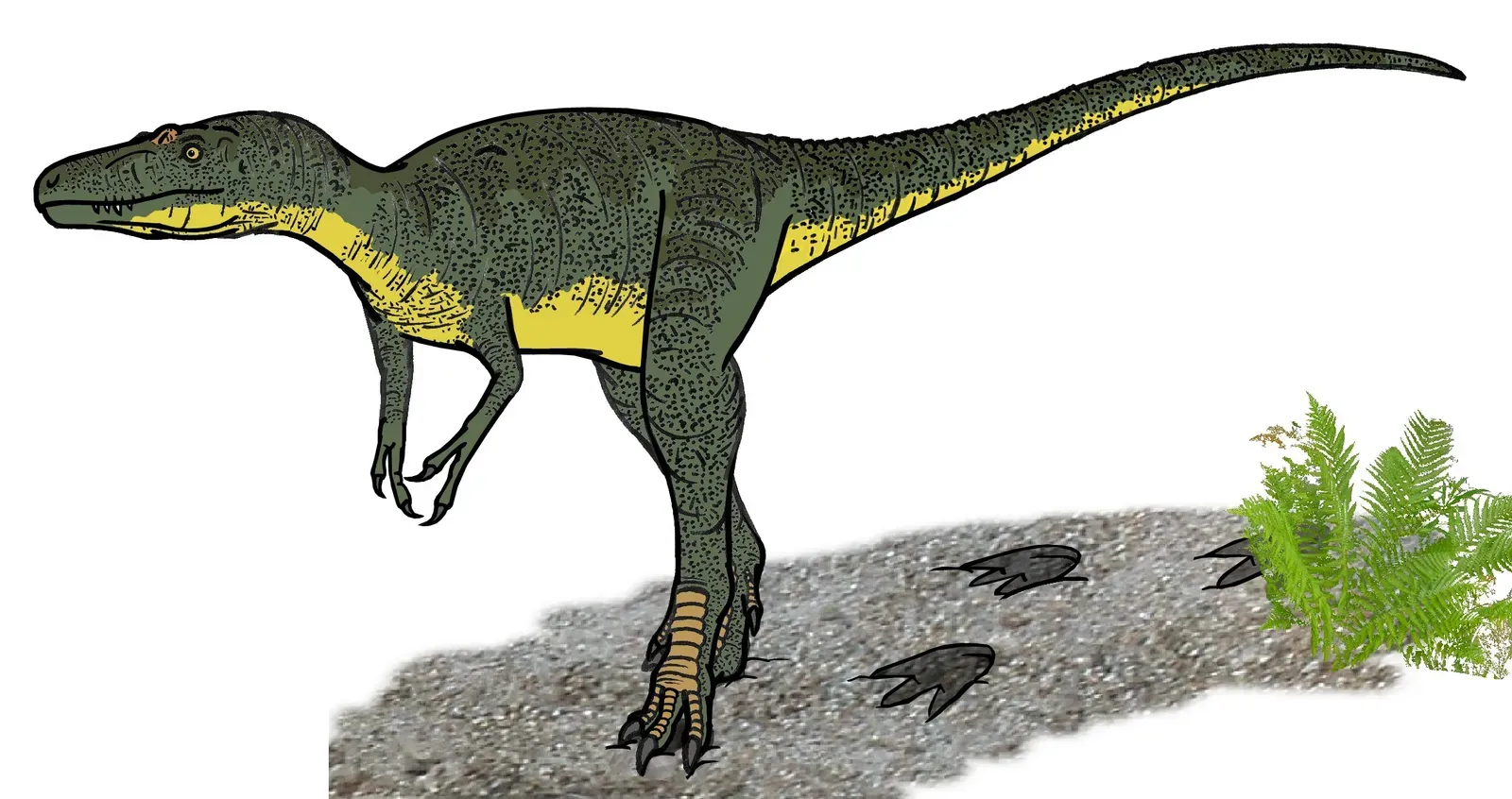
This one is genuinely shocking. For over thirty years, a fossil labeled Nanotyrannus was considered nothing more than a teenage Tyrannosaurus rex. Then everything changed. For decades, paleontologists believed that the dinosaur discovered in the 1940s, Nanotyrannus, was a juvenile or “teenaged” Tyrannosaurus rex. New research published in Nature has revealed this dinosaur was its own species, not a young T. rex, a finding that rewrites what scientists have suspected about T. rex’s growth and development and could even alter views on T. rex evolution.
For decades, paleontologists used Nanotyrannus fossils to model T. rex growth and behavior. New evidence reveals that those studies were based on two entirely different animals, and that multiple tyrannosaur species inhabited the same ecosystems in the final million years before an asteroid impact caused the mass extinction of dinosaurs. So in other words, everything built on those Nanotyrannus-as-juvenile-T.-rex studies needs to be reconsidered. Confirmation of the validity of Nanotyrannus means that predator diversity in the last million years of the Cretaceous was much higher than previously thought. It also challenges the idea of a low-diversity ecosystem vulnerable to extinction. The Late Cretaceous, it turns out, was a far more competitive and diverse world than the textbooks ever told you.
Dinosaurs Treated Their Young in Ways That Mirror Modern Animals
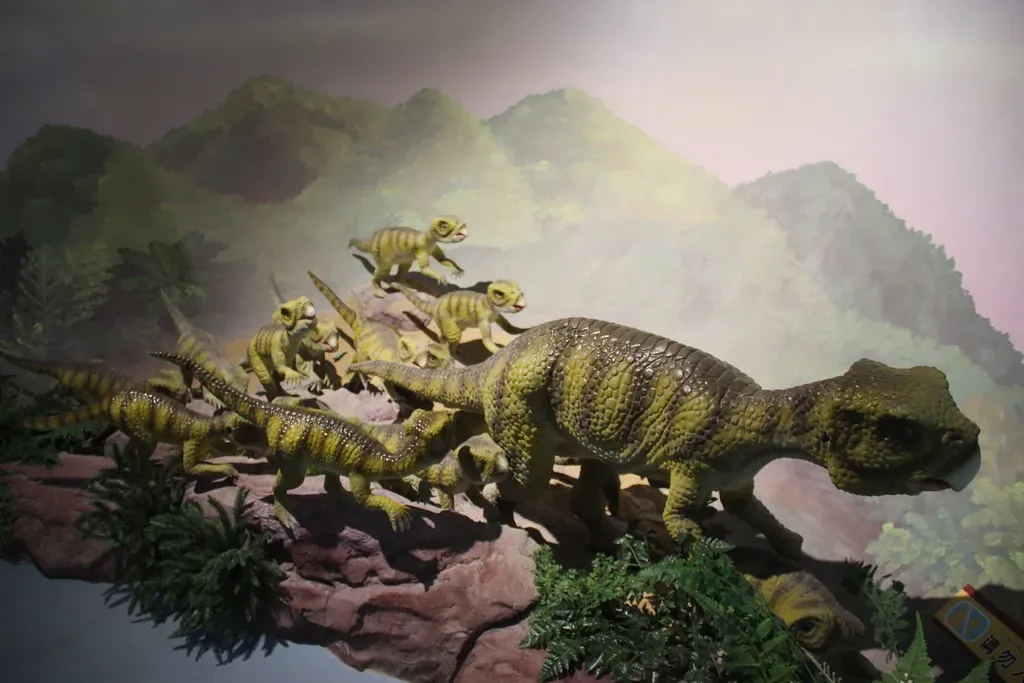
The stereotype of reptiles laying eggs and walking away forever is another picture that science has dramatically revised. Dinosaurs have strong evidence that at least some species had intensive care of their young, including nests and parental help. This is not a minor behavioral detail. Parental care is one of the most energetically expensive behaviors any animal can engage in, and it signals a level of cognitive and social complexity that transforms how we think about dinosaur intelligence and family structure.
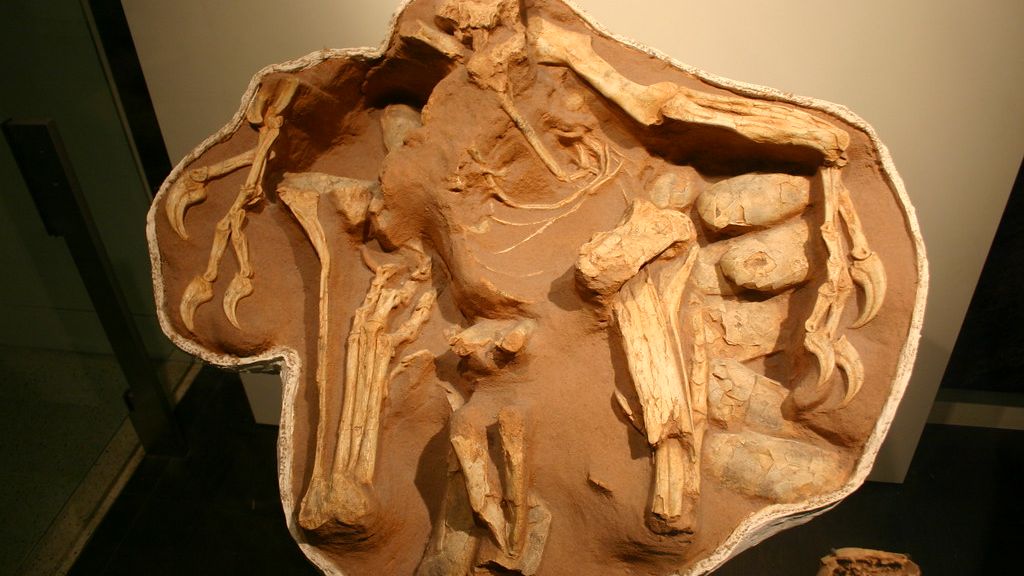
Different species made annual treks to the same nesting ground, showing that site fidelity was an instinctive part of dinosaurian reproductive strategy. That kind of behavior requires memory, navigation, and possibly even social learning passed between generations. Evidence suggests that all dinosaurs were egg-laying, and that nest-building was a trait shared by many dinosaurs, both avian and non-avian. When you consider that Maiasaura fossils have been found in a huge group of about 10,000 animals, strongly indicating herding behavior, and these Maiasauras were buried in volcanic ash along with a field of nests and eggs, the picture that emerges is less Jurassic Park and more Serengeti.
Conclusion: The Dinosaur Story Is Just Getting Started
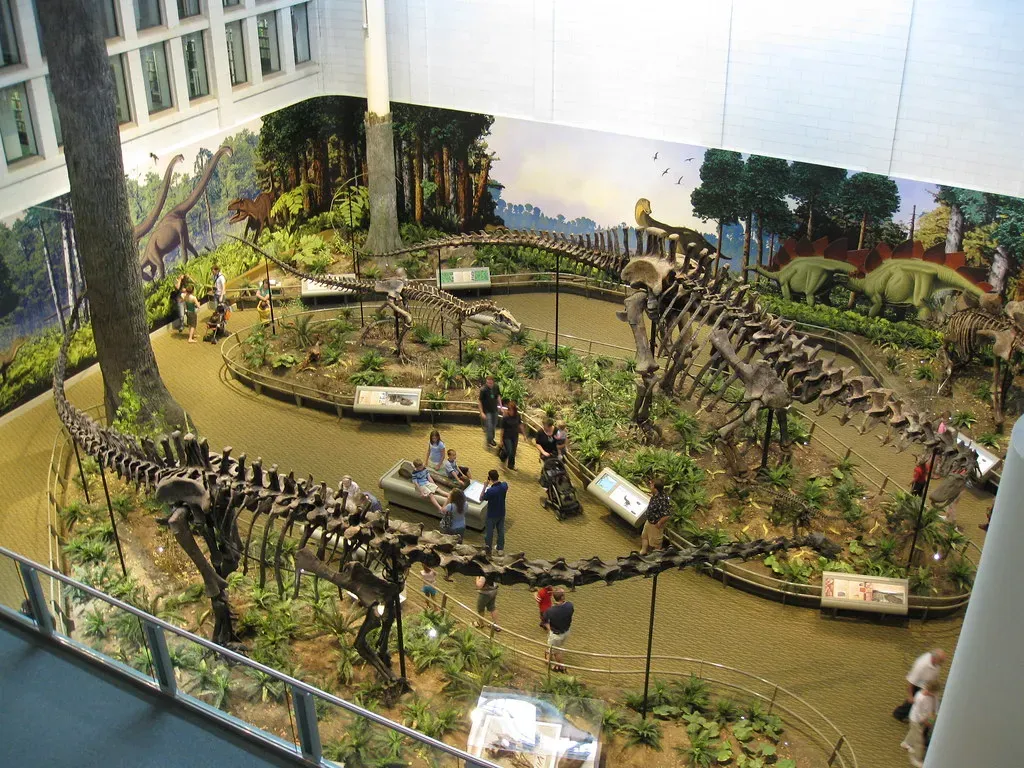
What strikes me most about all of this is not just how much has changed, but how much is still being overturned in real time. Some discoveries filled in long-missing gaps in the fossil record, while others forced researchers to confront the uncomfortable reality that a few long-held assumptions were simply wrong. These are not minor corrections. They are wholesale reinventions of animals that we have been studying for nearly two hundred years.
Our understanding of dinosaur behavior has long been hampered by the inevitable lack of evidence from animals that went extinct more than sixty-five million years ago and whose daily behaviors are rarely reflected by the fossil record. Today, with the discovery of new specimens and the development of new and cutting-edge techniques, paleontologists are making major advances in reconstructing how dinosaurs lived and acted. The science is genuinely alive, and every single year brings new surprises that challenge the version of the story we thought was settled.
It is humbling, really. These animals roamed Earth for over 165 million years, roughly 700 times longer than our entire modern human history. The study of dinosaurs has been through a revolution in recent decades. We are only just beginning to understand how rich, complex, and surprising that ancient world truly was. So the next time someone confidently tells you what dinosaurs were like, you can smile and say: it is far more complicated than that. Which theory surprised you the most? Drop your thoughts in the comments.