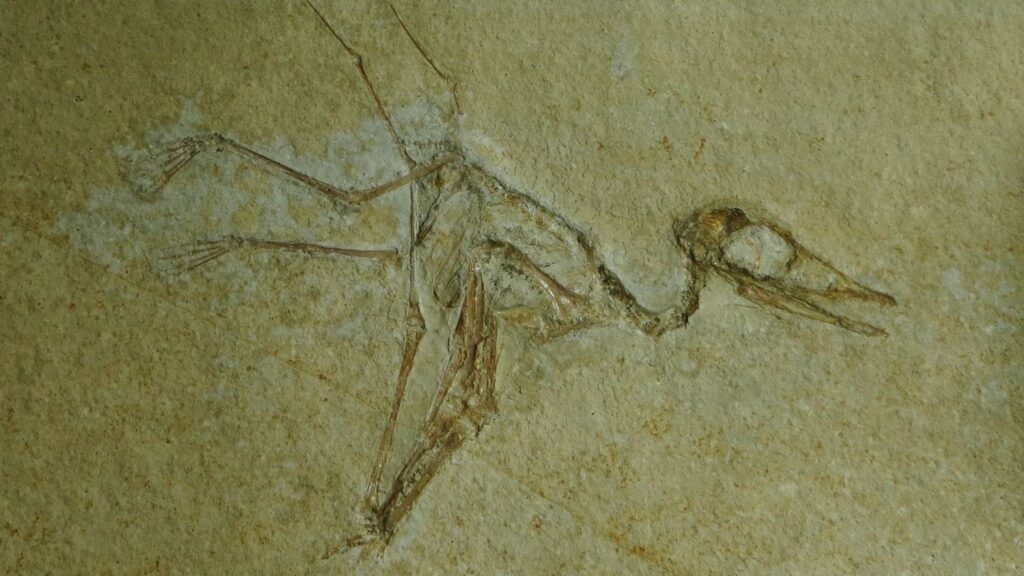
Imagine a creature with wings the size of a small airplane, soaring above ancient seas, not a bird, not a bat, but something far stranger. Pterosaurs ruled the skies for over 150 million years, yet for most of scientific history we barely understood them. Were they cold-blooded gliders? Ground-bound clunkers? Did they care for their young? Honestly, we got almost everything wrong.
The past few decades have ripped apart nearly every assumption scientists once held about these magnificent flying reptiles. New fossils, jaw-dropping imaging technology, and unexpected discoveries from China to Scotland to Angola have rewritten the pterosaur story from scratch. You might be surprised at just how alive and dynamic this chapter of science still is. Let’s dive in.
1. Pterosaurs Were the World’s First Flying Vertebrates – and They Did It Explosively
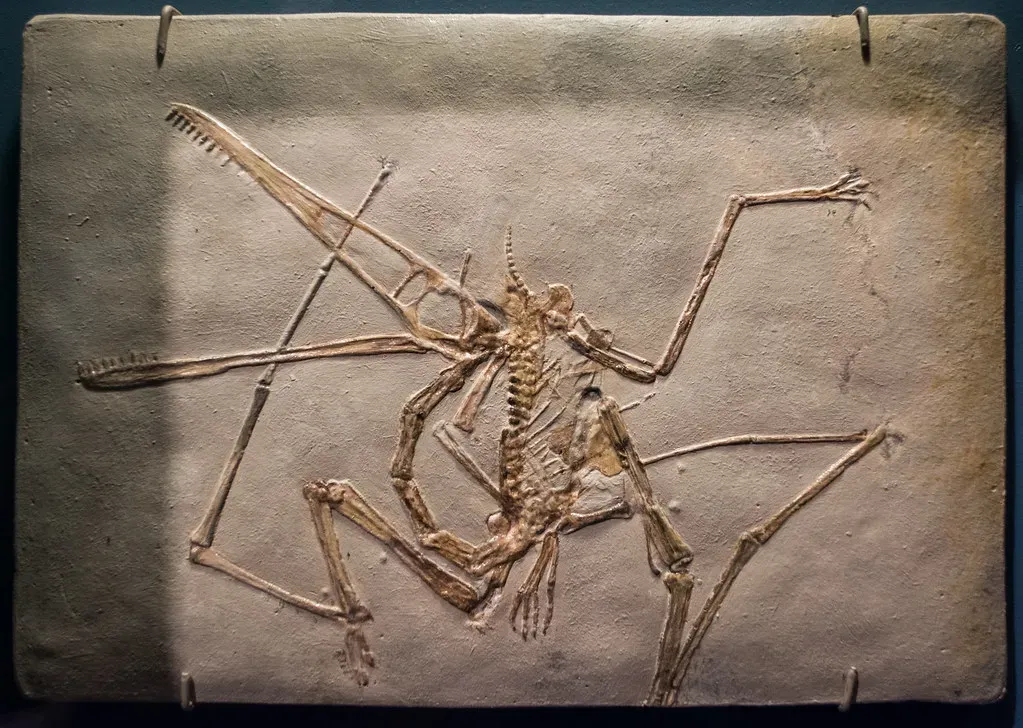
Here’s a fact that genuinely stops people in their tracks: among vertebrates, powered flight evolved only three times – in bats, birds, and pterosaurs. Pterosaurs were the pioneers, taking to the skies more than 220 million years ago, long before early bird relatives such as Archaeopteryx appeared around 150 million years ago. That’s a roughly 70-million-year head start. Think about that the next time you watch a pigeon and feel impressed.
A research group led by an evolutionary biologist at Johns Hopkins Medicine reports that these giant reptiles may have developed the ability to fly at the very start of their evolutionary history. This contrasts with the ancestors of modern birds, which are thought to have reached powered flight more slowly and with larger, more complex brains. So pterosaurs weren’t slow learners. They were fast movers, evolving flight almost instantly in geological terms, which is a truly startling idea when you sit with it for a moment.
2. CT Scanning Revealed Pterosaurs Built Their Own “Flight Computers” From Scratch
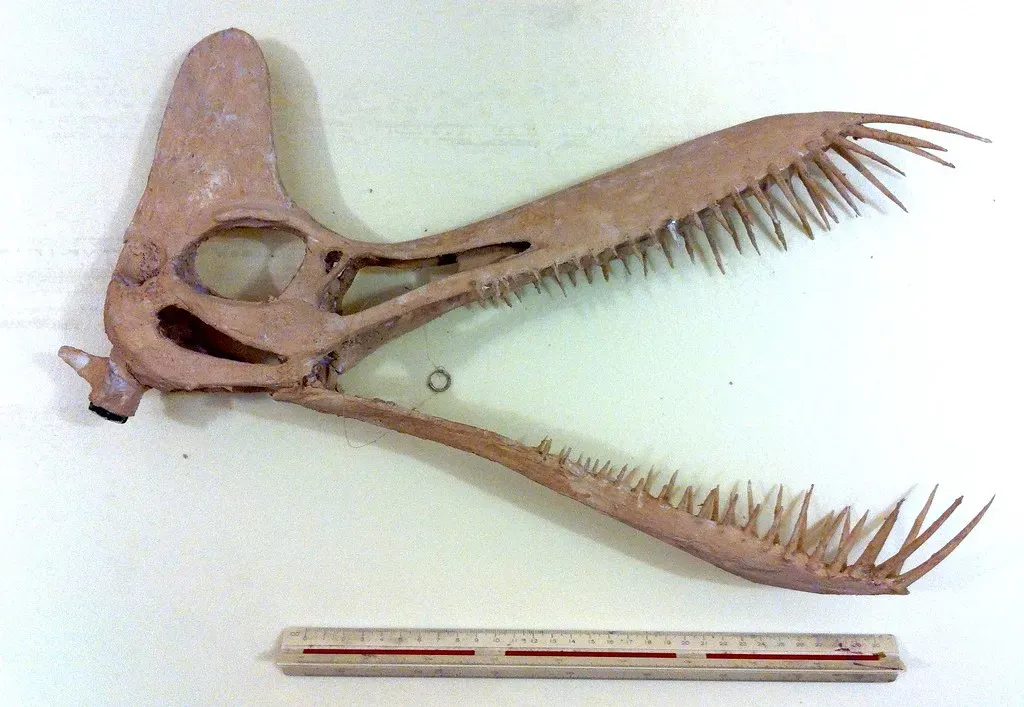
To piece together this evolutionary story, researchers used high-resolution 3D imaging techniques, including microCT scanning, to reconstruct brain shapes from more than three dozen species. This kind of technology is the closest thing paleontology has to a time machine. You can peer inside a 220-million-year-old skull without cracking it open. The results, published in the journal Current Biology in late 2025, were nothing short of revolutionary.
Pterosaurs and birds represent two independent experiments in the evolution of flight. Birds inherited a brain already adapted from their non-flying dinosaur ancestors, while pterosaurs evolved their flight-ready brains at the same time they developed their wings. In other words, birds had a head start on brain structure, while pterosaurs essentially improvised. While there are some similarities between pterosaurs and birds, their brains were actually quite different, especially in size. Pterosaurs had much smaller brains than birds, which shows that you may not need a big brain to fly.
3. A Tiny Brazilian Fossil Unlocked the Mystery of Pterosaur Origins
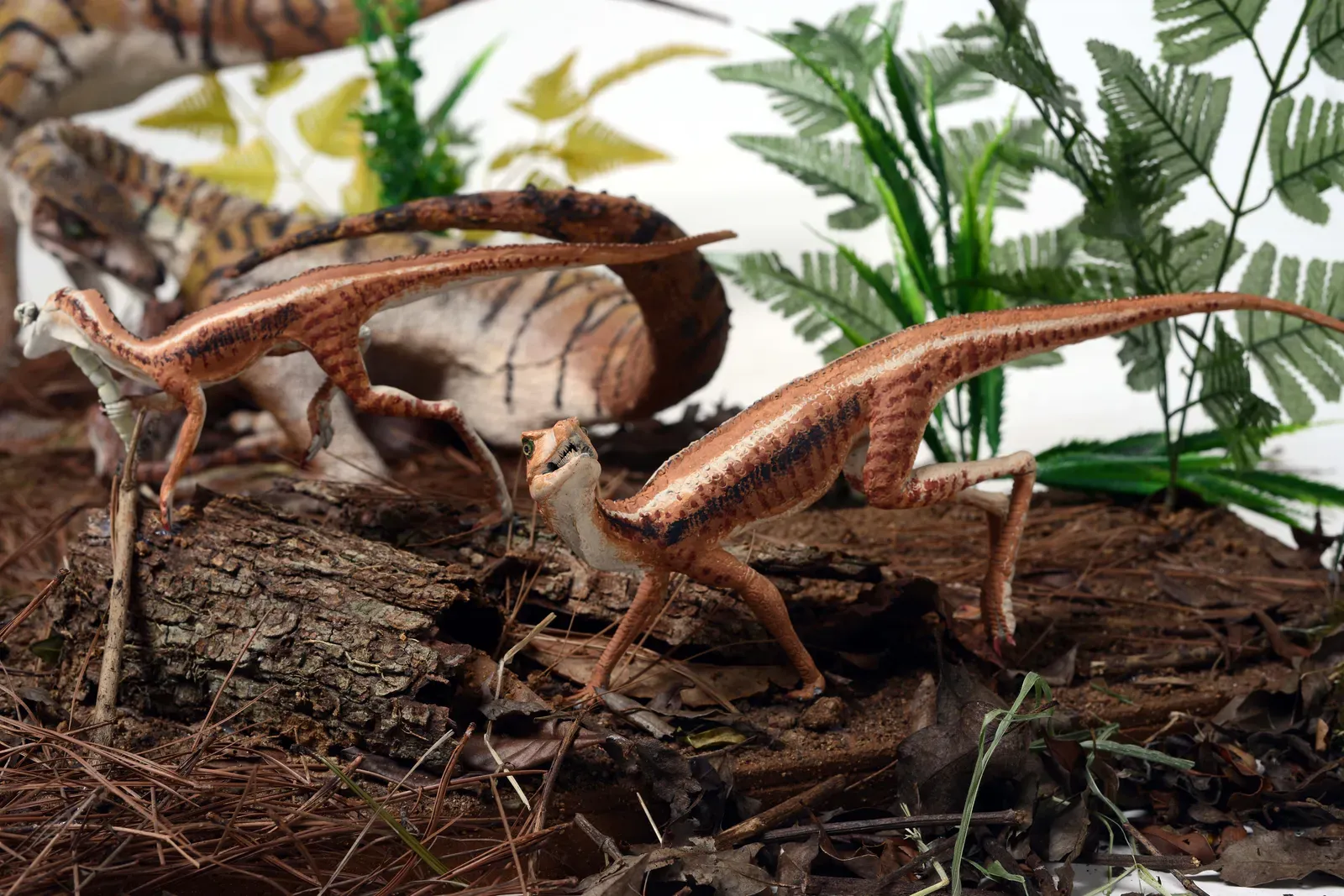
A study published recently in Current Biology by an international team led by the University of Tübingen in Germany is based on the discovery of an ancient pterosaur relative, a small lagerpetid archosaur named Ixalerpeton, from 233-million-year-old Triassic rocks in Brazil. This little creature – think of it as a flightless cousin of the pterosaur – turned out to hold the missing key that scientists had been searching for across centuries of fossil hunting.
Ixalerpeton, the newly discovered pterosaur relative, had a brain intermediate in shape between more primitive archosaurs and pterosaurs, with greater similarity to early dinosaurs. Likely tree-dwellers, Ixalerpeton already had features linked to improved vision, such as an enlarged optic lobe, but they still lacked key neurological traits of pterosaurs, including an enlarged flocculus. So the visual upgrades came before the wings. Vision first, flight later. It’s a bit like getting your pilot’s license before buying the plane.
4. Pterosaurs Were Furry, Warm-Blooded, and Nothing Like Cold Lizards
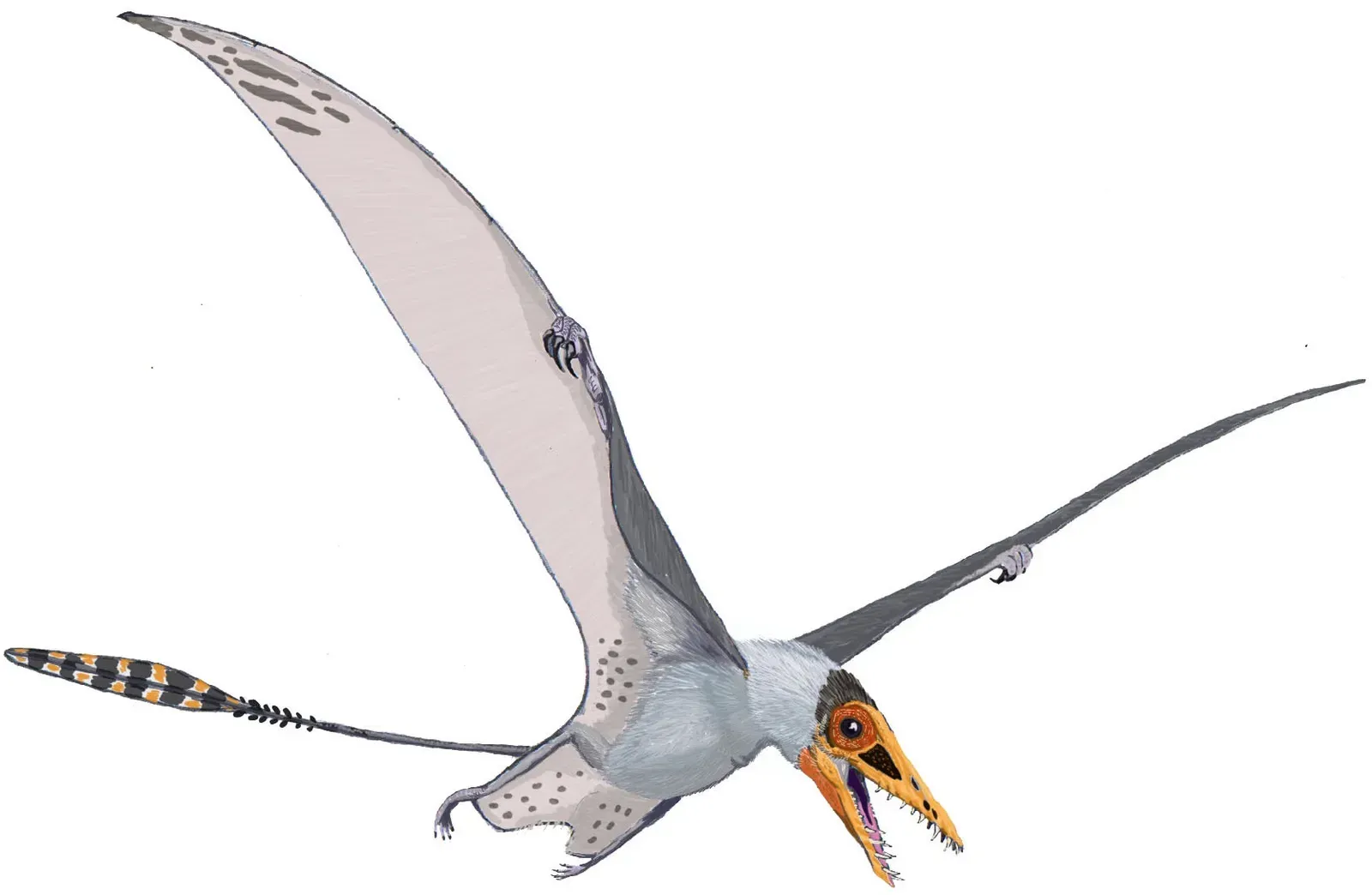
For a long time, the popular image of pterosaurs was that of leathery, scaly, cold-blooded reptiles – essentially flying lizards. That picture is completely wrong. Early research suggested pterosaurs were cold-blooded animals that were more suited to gliding than active flying. However, scientists later discovered that some pterosaurs, including Sordes pilosus and Jeholopterus ninchengensis, had furry coats consisting of hairlike filaments called pycnofibers, suggesting they were warm-blooded and generated their own body heat.
Pterosaurs sported coats of hair-like filaments known as pycnofibers, which covered their bodies and parts of their wings. Pycnofibers grew in several forms, from simple filaments to branching down feathers. These may be homologous to the down feathers found on both avian and some non-avian dinosaurs, suggesting that early feathers evolved in the common ancestor of pterosaurs and dinosaurs, possibly as insulation. The implications of this are enormous. It means the deep ancestor shared by pterosaurs and dinosaurs may already have been fuzzy, active, and warm-blooded – a far cry from how we once pictured ancient reptile life.
5. A Pterosaur Died With a Belly Full of Plants – Overturning Diet Assumptions
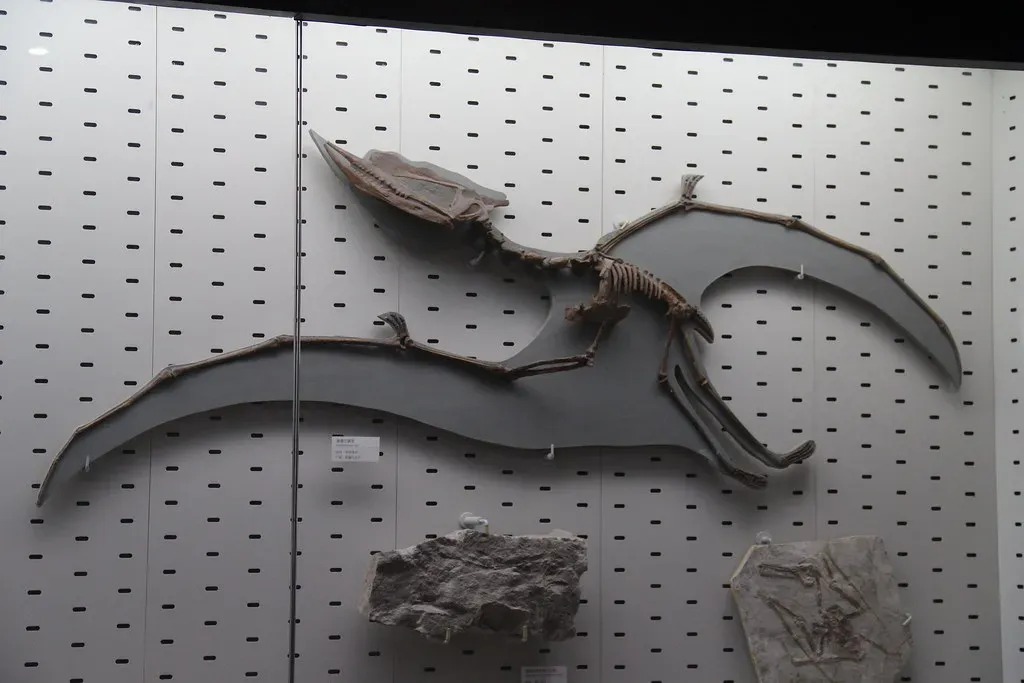
For most of paleontology’s history, pterosaurs were assumed to be fish-eaters or carnivores. The idea that one might snack on plants would have seemed absurd. Then came a fossil that changed everything. About 120 million years ago, an aerial reptile known as a pterosaur fell from the sky over northeastern China and died in a shallow pond. A fine layer of sediment washed over it, preserving not only its skeleton but its stomach. The resulting fossil is the first pterosaur ever found with a belly full of plants.
At the top of the pterosaur’s stomach, imaging revealed numerous large quartz crystals. Quartz is often found within gastroliths, a type of mineralized stomach stone that many modern animals such as birds and lizards store in their gizzards to help crush hard foods such as plants. Lower in the stomach, the team discovered hundreds of phytoliths, small mineral deposits that build up between growing plant cells. This was the smoking gun. This closes the debate and confirms that pterosaurs had more dietary diversity than previously thought. It turns out pterosaurs had menus as varied as a buffet restaurant – meat, fish, and apparently salad.
6. Early Pterosaur Footprints Proved They Were Agile Ground Walkers
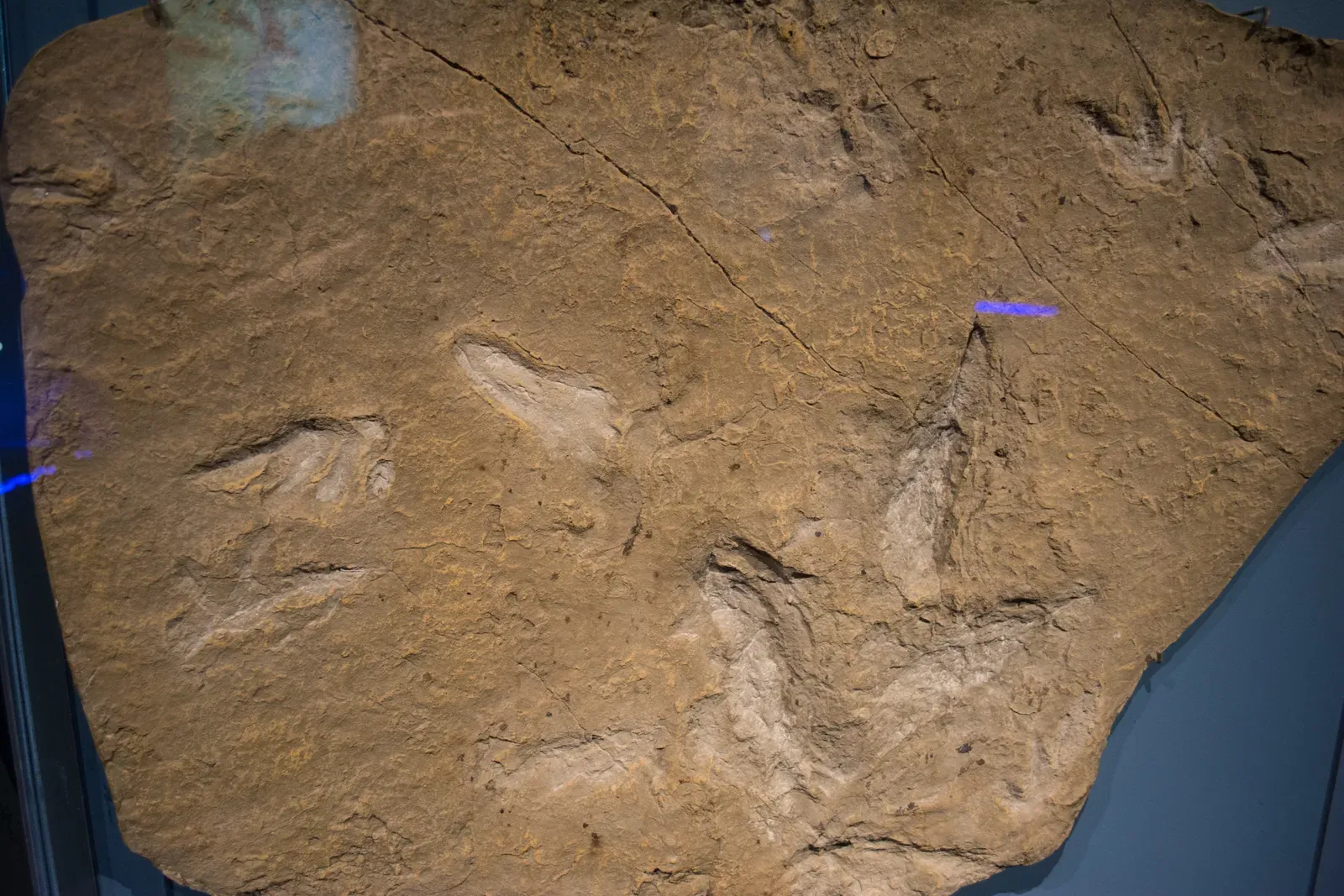
For generations, scientists assumed early pterosaurs were either poor walkers, clumsy sprawlers, or purely bipedal like birds. Since pterosaur fossils were first discovered more than two centuries ago, scientists had lacked proof of how early members of this group walked on land. The first known footprints of such pterosaurs, discovered in southern France, are overturning suggestions that they were sprawling or clumsy walkers that struggled when earthbound. The trackways were a complete revelation.
Although the first known tracks from pterodactyloid pterosaurs were found in the 1950s, it had been a long and frustrating wait to find evidence of how their earlier, long-tailed relatives moved on the ground. When those tracks finally appeared, the finding rapidly changed views on early pterosaurs, meaning paleoartists had to go back to the drawing board to revise existing reconstructions. “Ideas of them being bipeds or sluggish sprawlers are out the window.” I think it’s fascinating that something as simple as a footprint in stone could shatter decades of scientific assumption. Nature always has the final word.
7. A New Fossil from Bavaria Filled in the Evolutionary Family Tree
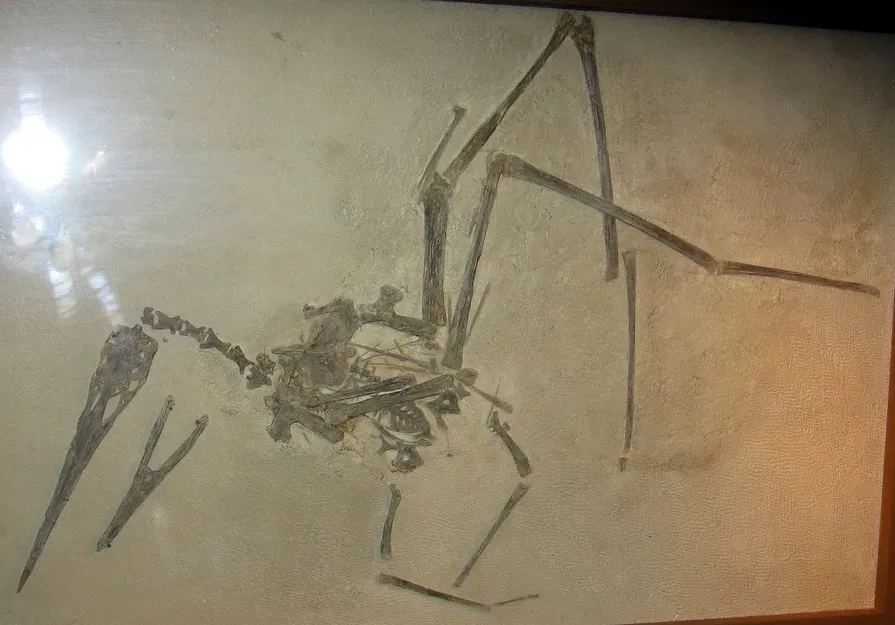
One of the biggest puzzles in pterosaur research has always been tracing the step-by-step evolution from early, small-bodied forms to the enormous, spectacular giants that ruled Cretaceous skies. A newly discovered pterosaur fossil is shedding light on the evolutionary journey of these ancient flying reptiles. This complete specimen, named Skiphosoura bavarica, provides crucial insights into how pterosaurs transitioned from early, smaller forms to the later, gigantic species. By analyzing the unique features of Skiphosoura, paleontologists can now trace the step-by-step evolution of pterosaurs, including changes in head size, neck length, wing structure, and tail length.
In addition to showing the intermediate position of Skiphosoura, the new evolutionary family tree also shows a Scottish pterosaur, Dearc, as fitting in the mirror position between the early pterosaurs and the first darwinopterans. In other words, we now have a complete sequence of evolution from early pterosaurs to Dearc, to the first darwinopterans to Skiphosoura, to the pterodactyloids. While not every specimen is complete, we can now trace the increase in size of the head and neck, the elongating wrist, shrinking toe, and tail and other features step-by-step across multiple groups. That is, honestly, one of the most satisfying scientific completions in recent paleontology.
8. A Juvenile Bone Revealed Pterosaurs Were Prey – Not Just Predators
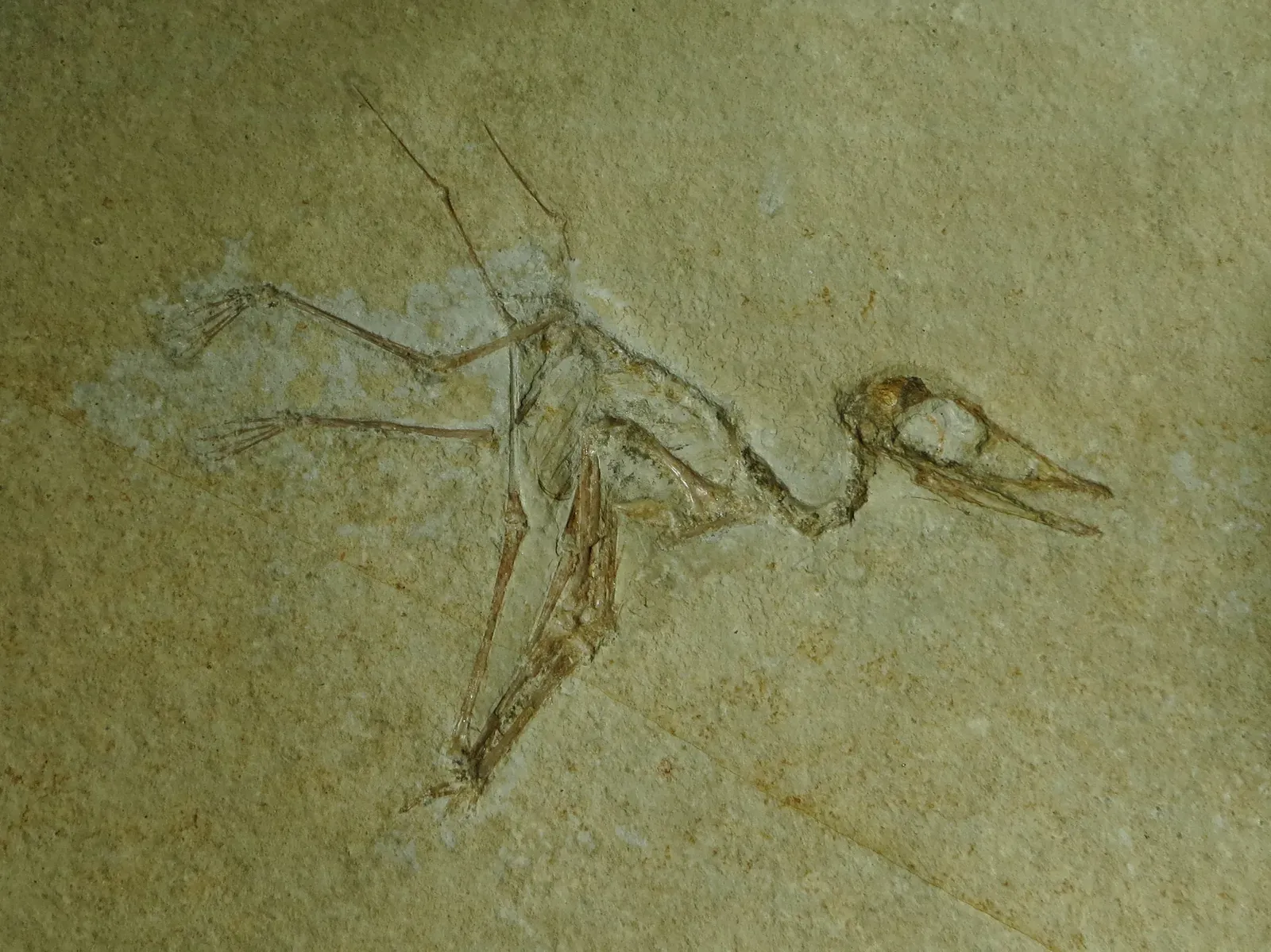
Pterosaurs are typically cast as hunters, soaring over oceans, snatching fish, terrorizing smaller creatures. You rarely think of them as prey items. Yet a stunning find from Dinosaur Provincial Park in Canada flipped this script entirely. A juvenile pterosaur vertebra, discovered in Dinosaur Provincial Park, Alberta, bears a circular four-millimetre-wide puncture mark from a crocodilian tooth. The bone, studied and published in 2025, tells a vivid story of life and death in the ancient Cretaceous world.
The juvenile pterosaur vertebra bears a circular four-millimetre-wide puncture mark from a crocodilian tooth. Researchers say this rare evidence provides insight into predator-prey dynamics in the region during the Cretaceous Period. The fact that this specimen belonged to a juvenile makes it all the more striking. Pterosaur fossils are very rare, due to their light bone construction. Complete skeletons can generally only be found in geological layers with exceptional preservation conditions, the so-called Lagerstätten. Finding one with clear bite marks is, in the world of paleontology, akin to finding a perfect crime scene photograph from 76 million years ago.
Conclusion
What’s remarkable about the pterosaur story is how much of it is still being written – right now, in labs in Germany, Brazil, Canada, and beyond. Every new fossil, every CT scan, every unexpected stomach content analysis peels back another layer of mystery from creatures that once owned the sky. You started reading this with a rough idea of what pterosaurs were. Hopefully, you’re finishing it with a much stranger and more wonderful picture.
These weren’t just prehistoric curiosities. They were warm-blooded, fuzzy, socially complex, ecologically diverse animals that flew before birds ever existed, walked more gracefully than anyone suspected, and occasionally got eaten by crocodiles. The deeper science digs, the more astonishing they become. So next time someone tells you pterosaurs were “basically just flying lizards,” you’ll know better. What discovery surprised you the most? Drop your thoughts in the comments.